In this guide
💡 The Short Version: Book the Huwon Secret Garden at Changdeokgung 6 days ahead online; slots sell out quickly. Palace closed days alternate: Gyeongbokgung closes on Tuesdays, while Changdeokgung, Deoksugung and Changgyeonggung close on Mondays. Foreign visitors enter all royal palaces free of charge when wearing full traditional Hanbok. Download Naver Map or KakaoMap before boarding your flight, as Google Maps does not give turn-by-turn walking directions in South Korea. From Incheon Airport, take the non-stop AREX Express Train to Seoul Station in 43 minutes for ₩13,000, or the AREX All-Stop commuter train in 59 minutes (₩4,750 from Terminal 1). Since 1 January 2026, foreign arrivals must complete the official online e-Arrival Card (e-arrivalcard.go.kr) within 3 days before arrival (K-ETA holders and registered residents are exempt). Nationals of 22 visa-exempt countries and regions are exempt from K-ETA through 31 December 2026; travellers visiting in 2027 should check for extensions.
What to book before you go
Prices are the standard adult entry fees in won, charged at official ticket offices.
| Sight or service | Booking window | Adult price | Booking channel | What to know |
|---|---|---|---|---|
| Huwon Secret Garden (Changdeokgung) | Exactly 6 days ahead at 10:00 KST | ₩5,000 (plus ₩3,000 palace entry) | royal.khs.go.kr | Timed guided tour mandatory; English tours run 4 times daily and sell out in minutes |
| Gyeongbokgung Palace | Buy on the day at the gate | ₩3,000 | In person at ticket booths or kiosks | Free entry for anyone wearing traditional Hanbok; Royal Guard Changing Ceremony at 10:00 and 14:00 is free |
| AREX Express Train | 1 to 30 days ahead online | ₩13,000 | Airport Railroad or airport kiosk | Non-stop from Incheon Airport to Seoul Station in 43 minutes with reserved seats and luggage racks |
| N Seoul Tower Observatory | 1 to 5 days ahead online | ₩29,000 | Tower ticket office or online | Tower base plaza and Love Locks roof deck are free; observatory lift requires timed ticket |
| Discover Seoul Pass | 1 to 14 days ahead online | From ₩50,000 (24h) | Online or at the airport | Free admission to 50+ sights including Lotte World, palaces and AREX train; built-in T-money card |
| Hanbok Rental | 1 to 7 days ahead online or walk up | 15,000–₩30,000 (2–4 hours) | Anguk shophouses or online | Grants free admission to all royal palaces; includes hairstyling and hair ribbons |
| Lotte World Adventure | 1 to 5 days ahead online | ₩62,000 (discounted online) | Online vouchers or ticket gate | Theme park in Jamsil (Line 2); included with Discover Seoul Pass |
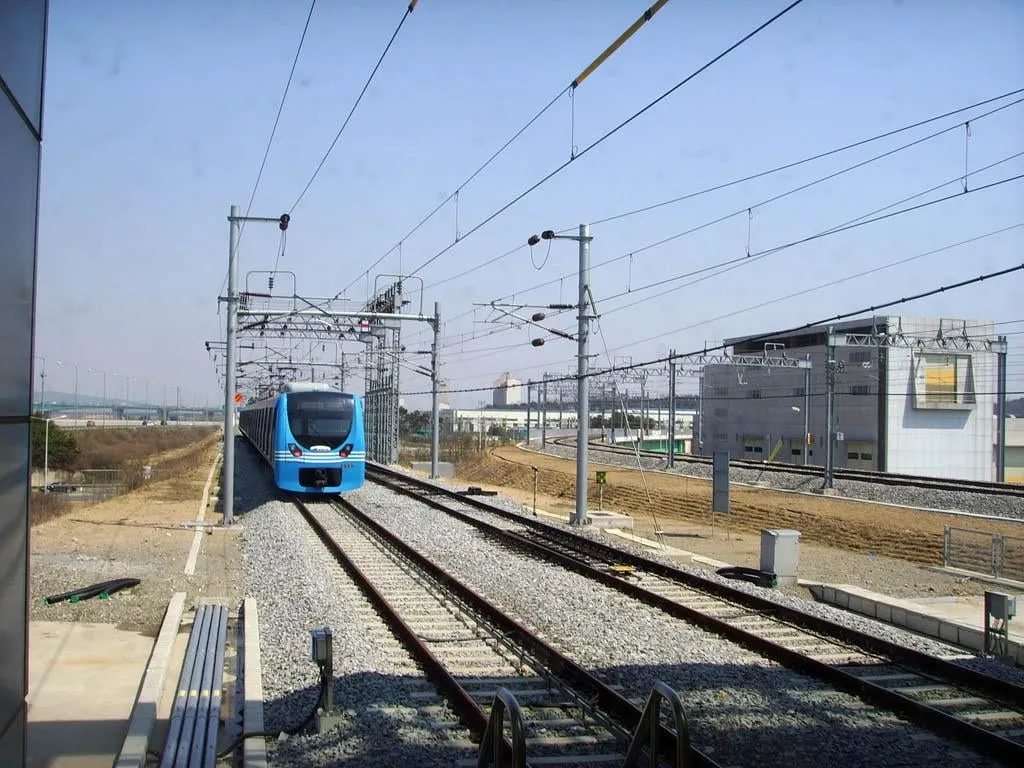
- Airport transport. Seoul airport to city compares the non-stop AREX Express train, the commuter All-Stop train, Airport Limousine buses 6001, 6002 and 6015, late-night buses and metered taxis from Incheon (ICN) and Gimpo (GMP).
- Public transport. Seoul public transport breaks down subway lines 1 to 9, how to reload a T-money debit card, unlimited Climate Card tourist passes, bus colours and carriage etiquette.
- Where to stay. Where to stay in Seoul compares five core neighbourhoods (Myeongdong, Hongdae, Insadong and Jongno, Gangnam, Dongdaemun) and explains traditional hanok stays with heated ondol floors.
- Hotel selection. Hotels in Myeongdong and Hongdae reviews specific properties near subway exits, airport bus stops and insulated against street buskers.
- When to visit. Best time to visit Seoul details spring cherry blossom forecasts, autumn foliage in palace gardens, monsoon precautions and sub-zero winter temperatures.
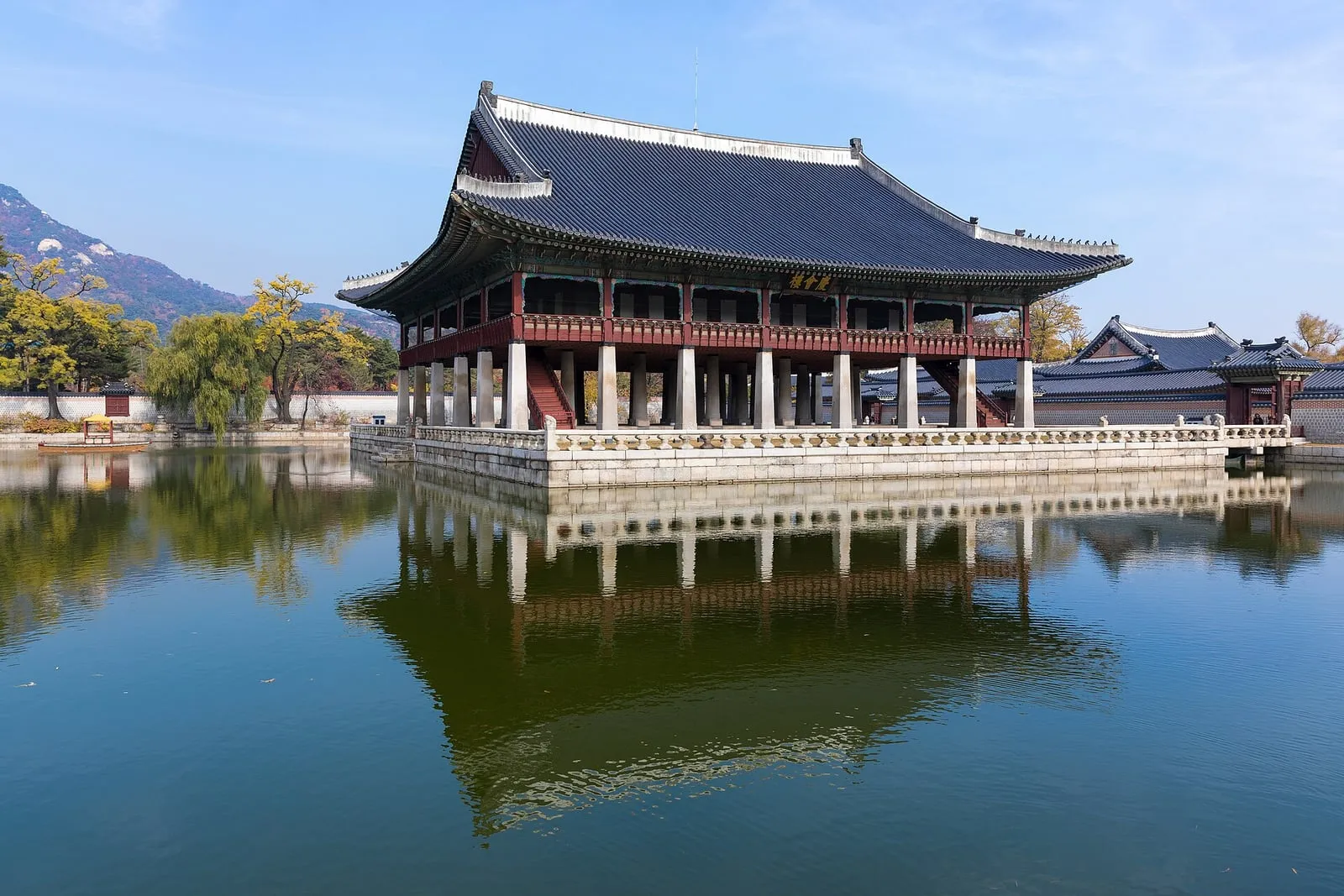
- Royal palaces. Gyeongbokgung Palace tickets covers the Sumunjang Guard Changing ceremony, Hanbok costume rental and Tuesday closures. Changdeokgung Palace and Secret Garden tickets explains the 6-day advance reservation system for the UNESCO-listed Huwon forest pavilions and Monday closures.
- City panoramas. N Seoul Tower tickets covers the Namsan Cable Car, circular electric shuttle bus 01, observatory discounts and evening air quality illumination colours.
- Sightseeing passes. Discover Seoul Pass worth it details card pricing, free venue inclusions and a mathematical breakeven analysis.
- Mobile connectivity. An eSIM for South Korea compares SK Telecom, KT, and LG U+ network plans, airport pickup desks, and handset compatibility.
- Cash and cards. Money in Seoul covers card acceptance, Global ATM withdrawals, WOWPASS cards, and tax refunds.
- Safety and emergencies. Is Seoul safe? details low crime rates, solo female travel, nightlife advice in Hongdae and Itaewon, and emergency numbers.
- Local etiquette. Seoul etiquette explains subway priority seating, dining manners, chopstick rules, and removing shoes indoors.
- Bathhouse culture. Korean bathhouses and jjimjilbang in Seoul guides you through wet bathhouse procedures, heated sauna domes, and overnight ondol floors.
Palace closed days and operating hours
Seoul’s five Joseon dynasty royal palaces operate staggered closure days so that visitors can access at least one palace on any day of the week.
| Palace or sight | Monday | Tuesday | Wednesday to Sunday | Standard adult entry | What to check |
|---|---|---|---|---|---|
| Gyeongbokgung Palace | Open (hours vary by season) | Closed | Open (hours vary by season) | ₩3,000 | Nov–Feb 09:00–17:00 (last entry 16:00); Mar–May & Sep–Oct 09:00–18:00; Jun–Aug 09:00–18:30. Under 19 and over 65 free. Free entry in full Hanbok; Guard Changing at 10:00 & 14:00 |
| Changdeokgung Palace | Closed | Open (hours vary by season) | Open (hours vary by season) | ₩3,000 | Nov–Jan 09:00–17:30; Feb–May & Sep–Oct 09:00–18:00; Jun–Aug 09:00–18:30. Under 19 and over 65 free. Huwon Secret Garden requires separate ₩5,000 timed ticket |
| Huwon Secret Garden | Closed | Open 10:00 to 17:30 | Open 10:00 to 17:30 | ₩5,000 | Located inside Changdeokgung; timed entry with guided tour only |
| Deoksugung Palace | Closed | Open 09:00 to 21:00 | Open 09:00 to 21:00 | ₩1,000 | Evening floodlighting; Royal Guard Changing at 11:00, 14:00, 15:30 |
| Changgyeonggung Palace | Closed | Open 09:00 to 21:00 | Open 09:00 to 21:00 | ₩1,000 | Connected to Changdeokgung grounds; illuminated greenhouse (Daeonshil) open until 21:00 |
| Jongmyo Shrine | Open 09:00 to 18:00 | Closed | Open 09:00 to 18:00 | ₩1,000 | Guided tours only on weekdays; self-guided visits permitted on Saturdays |
| National Museum of Korea | Open 09:30 to 17:30 | Open 09:30 to 17:30 | Open 09:30 to 17:30 (Wed/Sat to 21:00) | Free | Free admission to permanent exhibitions (last admission 30 minutes before close); located at Ichon Station (Line 4) |
| N Seoul Tower Observatory | Open 10:00 to 22:30 | Open 10:00 to 22:30 | Open 10:00 to 22:30 (Sat/Sun and holidays to 23:00) | ₩29,000 | Summit plaza and Love Locks deck open 24 hours daily without ticket |
[!WARNING] If a national public holiday falls on a Monday or Tuesday, the affected palace opens normally for the holiday and closes on the immediate following working day instead.
Transit cards compared: T-money vs Climate Card vs Discover Seoul Pass
South Korea uses contactless smart transit cards for fare payment and discounted transfers across subways, city buses and regional rail.
| Card type | Card cost | Reload mechanism | Best suited for | Coverage limits |
|---|---|---|---|---|
| T-money | 4,000–₩5,000 | Cash only at station kiosks or convenience stores | Nationwide travel, flexible itineraries, mixed bus/taxi use | Valid across all transport in South Korea; balance does not expire; unused balance refundable at customer centres |
| Climate Card | ₩3,000 physical card | Cash only at Seoul Metro station reload machines | Visitors taking 4 or more subway/bus trips daily within central Seoul | Unlimited rides on Seoul subway lines and Seoul city buses; excludes Shinbundang Line, suburban buses and AREX outside Seoul |
| Discover Seoul Pass | Included in pass price (from ₩50,000) | Built-in T-money chip reloaded with cash | Sightseers combining theme parks, towers, Hanbok and transit | Free entry to 50+ sights during active window; transit chip functions independently as permanent T-money card |
- T-money: The standard pay-per-ride contactless card. A base subway journey costs ₩1,550 (compared to ₩1,650 for a single cash ticket, which also requires queuing for a ₩500 deposit refund machine). T-money enables free or discounted transfers between subways and buses within 30 minutes.
- Climate Card (Gihu Donghaeng Card): Seoul’s flat-rate tourist transit pass. Available in durations of 1 day (₩5,000), 2 days (₩8,000), 3 days (₩10,000), 5 days (₩15,000) and 7 days (₩20,000), plus ₩3,000 for the physical card. If your daily transit spend exceeds ₩5,000, the Climate Card provides savings. It is valid only on lines and buses operated by the Seoul Metropolitan Government. It does not cover the Shinbundang Line, red regional commuter buses, or suburban stations in Gyeonggi-do (such as Suwon, Everland or Incheon Airport).
- Discover Seoul Pass: A dedicated tourist sightseeing card available in 24-hour (₩50,000), 48-hour (₩70,000) and 72-hour (₩90,000) formats. It includes free one-way AREX Express train travel, Hanbok rental, N Seoul Tower admission, Lotte World entry and royal palace access. The physical pass contains an embedded T-money chip that functions as a regular transit debit card once loaded with cash.
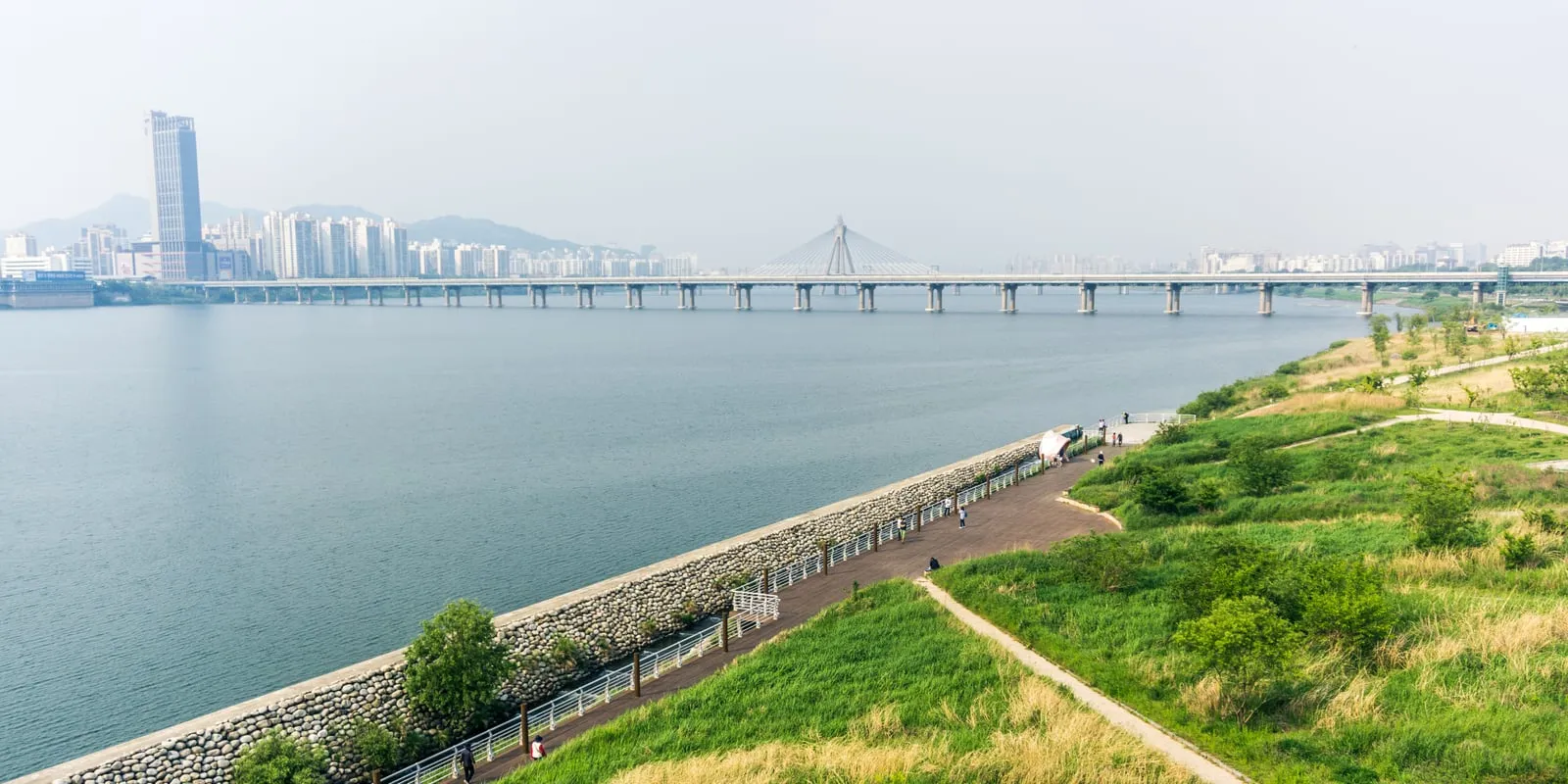
The Han River and its riverside park, seen from Jamsil Bridge. Photo: Teddy Cross from Seoul, South Korea, Wikimedia Commons, CC BY-SA 2.0.
Practical map navigation in South Korea
Google Maps in South Korea is not the app it is elsewhere.
- What Google Maps does: It shows places, business reviews, and public transport lines and timings.
- What it does not do: It gives no turn-by-turn walking or driving directions. Google has said it plans to add them and has given no launch date.
- Recommended alternative apps:
- Naver Map: The most practical navigation app for international visitors, available in full English, Chinese and Japanese. It provides accurate turn-by-turn walking directions, real-time bus arrival countdowns, platform boarding carriage recommendations for rapid subway transfers, and indoor station exit layouts.
- KakaoMap: Also offers English map navigation, building layouts and real-time transit arrival data.
[!TIP] Download Naver Map before arriving in Seoul. Save your accommodation address and key attractions in both English and Korean script (Hangul) to your saved lists, which makes showing addresses to taxi drivers straightforward.
Entry rules for South Korea
Entry regulations for foreign tourists visiting South Korea:
| Nationality / Region | Visa status | Maximum stay | K-ETA requirement (through 31 Dec 2026) | Arrival documentation required |
|---|---|---|---|---|
| United Kingdom | Visa exempt | 90 days | Temporarily exempt | Online e-Arrival Card within 3 days before arrival |
| United States | Visa exempt | 90 days | Temporarily exempt | Online e-Arrival Card within 3 days before arrival |
| Canada | Visa exempt | 180 days | Temporarily exempt | Online e-Arrival Card within 3 days before arrival |
| Australia | Visa exempt | 90 days | Temporarily exempt | Online e-Arrival Card within 3 days before arrival |
| Austria, Belgium, Denmark, Finland, France, Germany, Italy, Netherlands, Poland, Spain, Sweden | Visa exempt | 90 days | Temporarily exempt | Online e-Arrival Card within 3 days before arrival |
| Ireland and the other EU countries | Visa exempt | 90 days | K-ETA required | Apply for K-ETA before you fly |
- K-ETA temporary exemption: Nationals of 22 visa-exempt countries and regions (Australia, Austria, Belgium, Canada, Denmark, Finland, France, Germany, Hong Kong, Italy, Japan, Macau, Netherlands, New Zealand, Norway, Poland, Singapore, Spain, Sweden, Taiwan, UK, and US) are temporarily exempt from applying for K-ETA through 31 December 2026. Eligible travellers can board flights to South Korea without submitting a pre-travel K-ETA application. Travellers visiting in 2027 should check official immigration announcements for potential extensions.
- e-Arrival Card: Since 1 January 2026, foreign arrivals must complete the official online e-Arrival Card (e-arrivalcard.go.kr) within 3 days before arrival. Travellers who hold a valid K-ETA or registered resident status in South Korea are exempt from this requirement.
- Q-Code health questionnaire: South Korea operates an online quarantine pre-entry system known as Q-Code (qcode.kdca.go.kr). Completing this optional digital questionnaire before boarding generates a QR code that speeds up health screening on arrival at Incheon and Gimpo airports.
- Currency declaration: Travellers may bring foreign currency into South Korea without restriction, but amounts exceeding the equivalent of 10,000 US dollars (approximately ₩13,000,000) in cash or negotiable instruments must be declared to customs on arrival.
Compare Seoul with other cities
- Solo travel: solo city breaks sets Seoul’s market stalls and bathhouses against the other cities, with the Foreign Office’s safety advice.
- A first trip to Asia: best cities in Asia for a first trip sets Seoul against the other Asian cities we cover, with the entry rules, how easy each is to get around and what catches newcomers out.
Itineraries
Day-by-day plans for a first visit.
Which ticket to buy
The official ticket, the tours that include entry, and which sells out first.
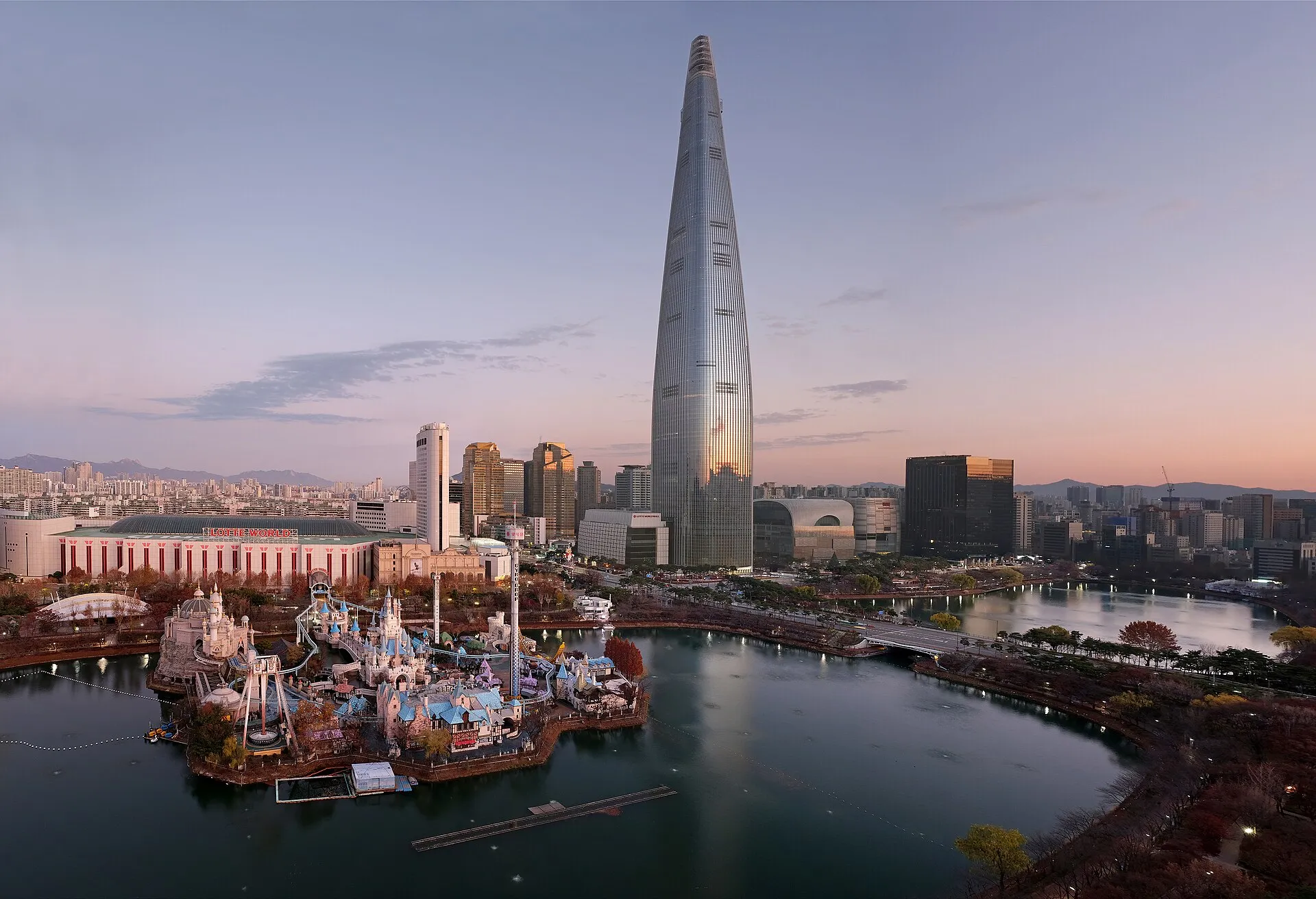
Tickets
Lotte World Seoul Tickets: Prices & Magic Pass
A 1-day pass to Lotte World costs ₩62,000 for adults, or ₩50,000 for entry after 16:00. How Magic Pass Premium works, the top rides, and direct subway access at Jamsil Station.
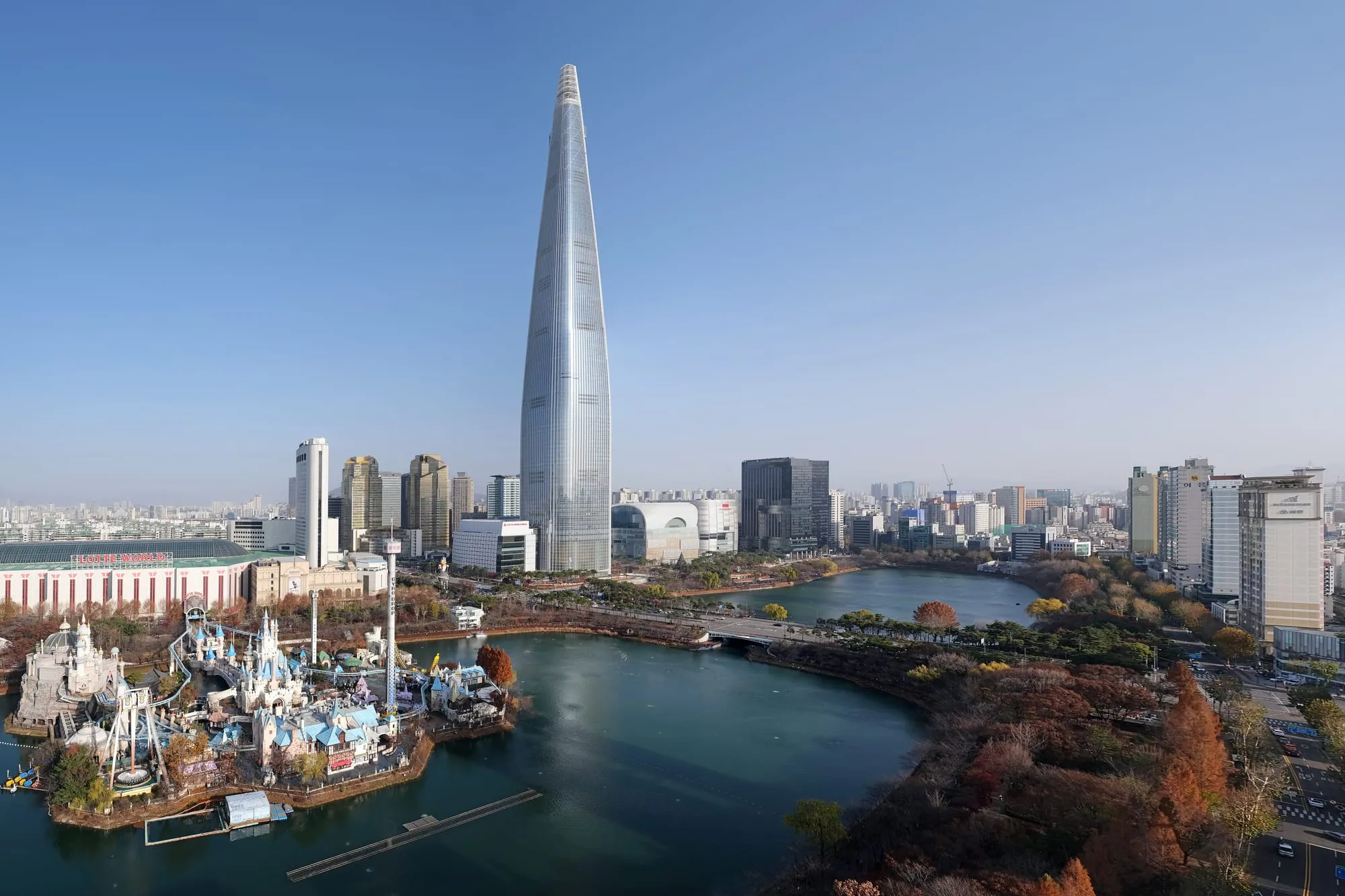
Tickets
Seoul Sky Lotte World Tower: Tickets & Floor 118
Seoul Sky tickets cost ₩31,000 for adults and ₩27,000 for children, taking you to floor 118 of the 555-metre Lotte World Tower. Sky Deck glass floors, open-air Sky Terrace, Sky Shuttle lift, and Jamsil subway access.
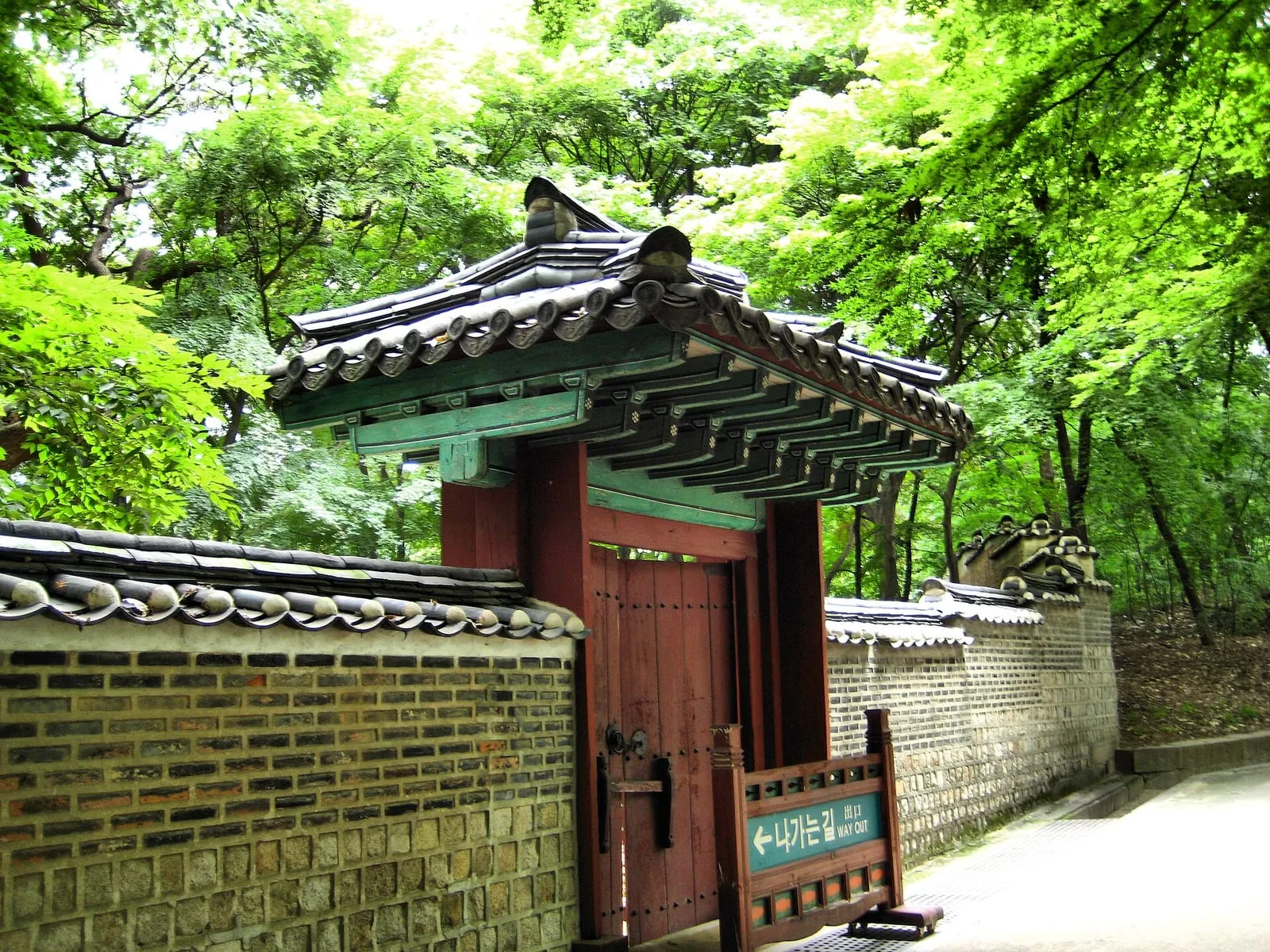
Tickets
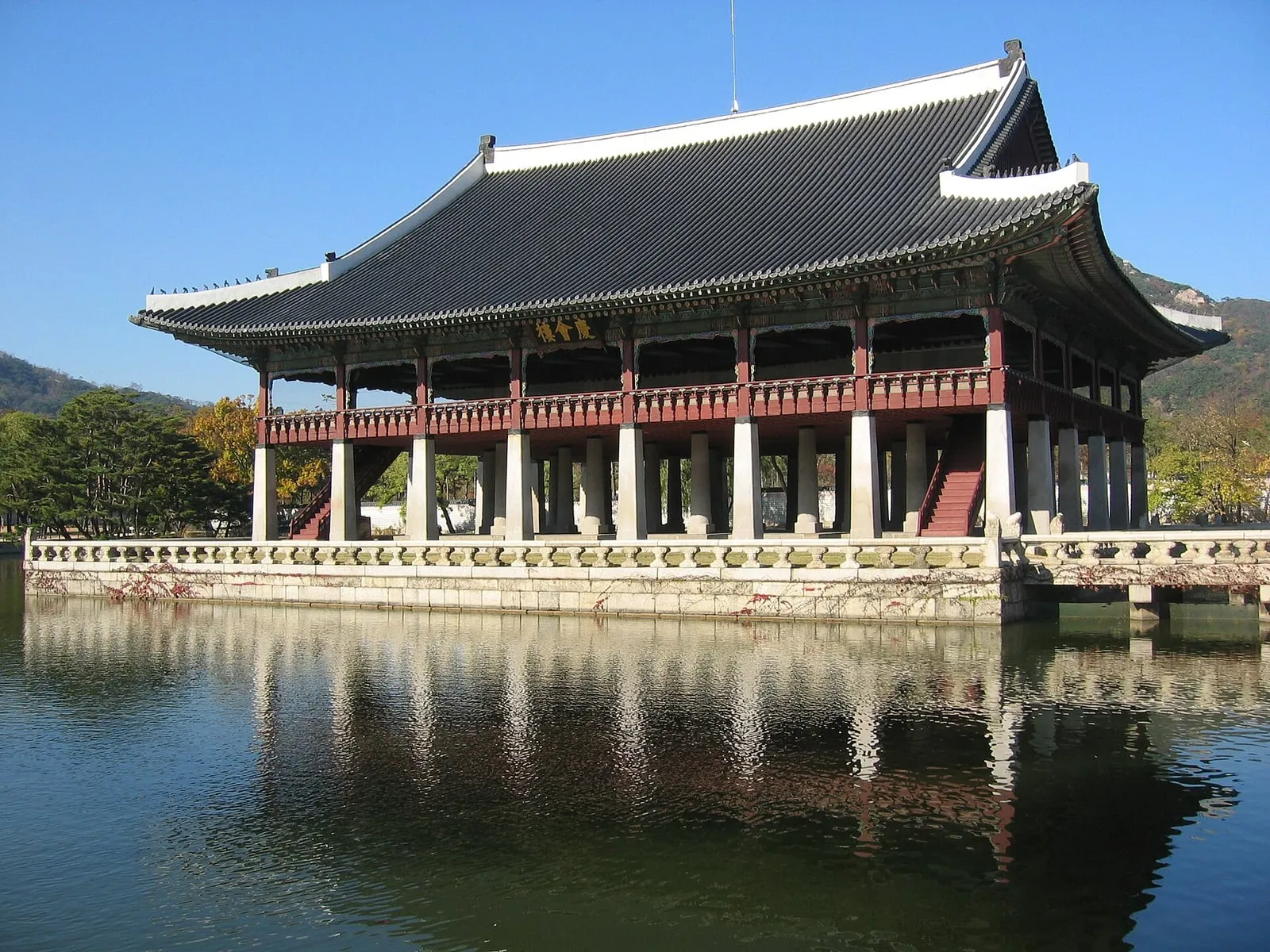
Changdeokgung Palace & Secret Garden Tickets
How to book Huwon Secret Garden tickets 6 days ahead, tour timings, general palace admission, Monday closures, and UNESCO architecture.
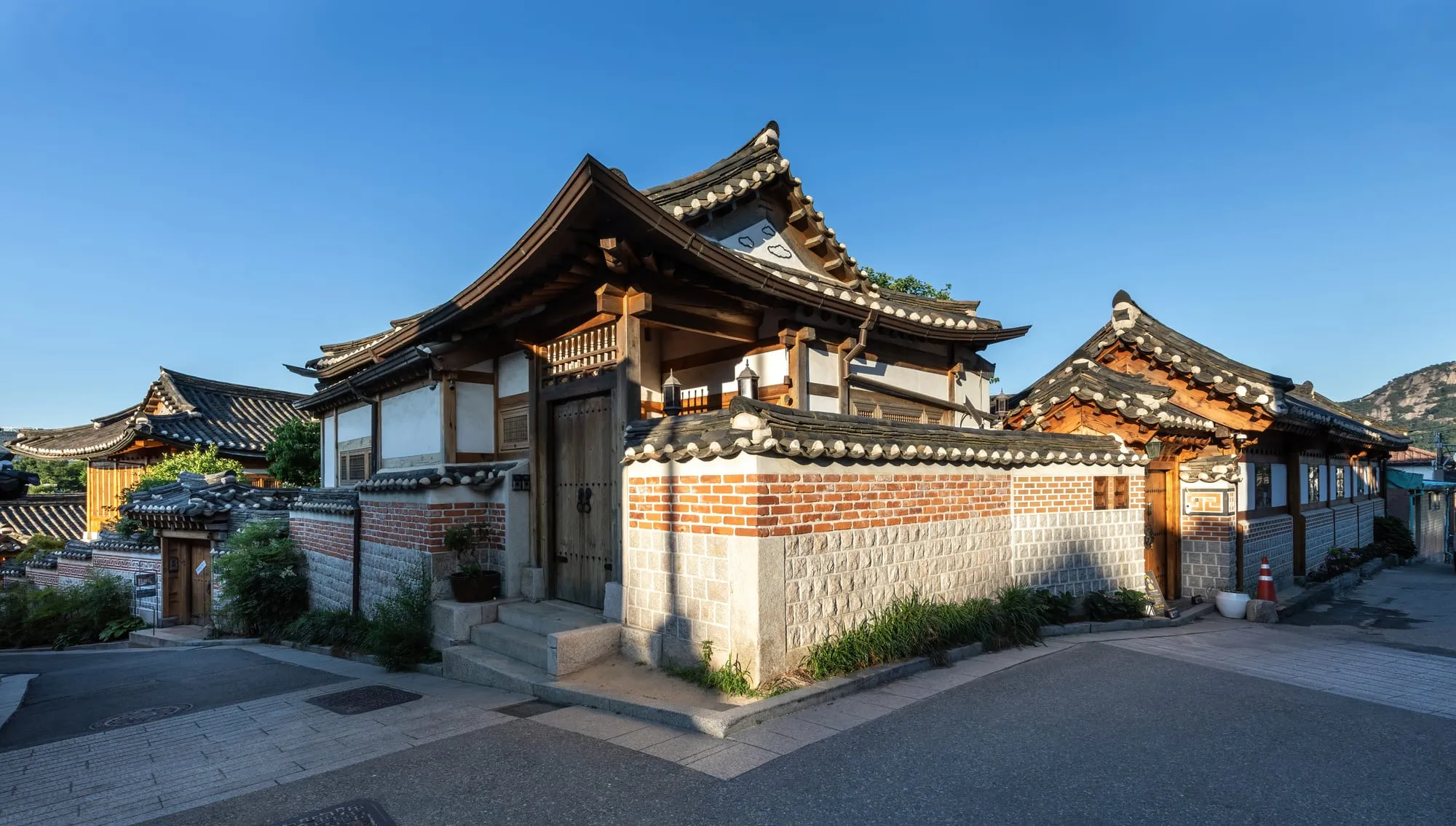
Tickets
Discover Seoul Pass Review: Is It Worth It?
Pass prices from ₩50,000, 50+ free attractions including Lotte World and N Seoul Tower, AREX express train, and exact breakeven calculations.
Tickets
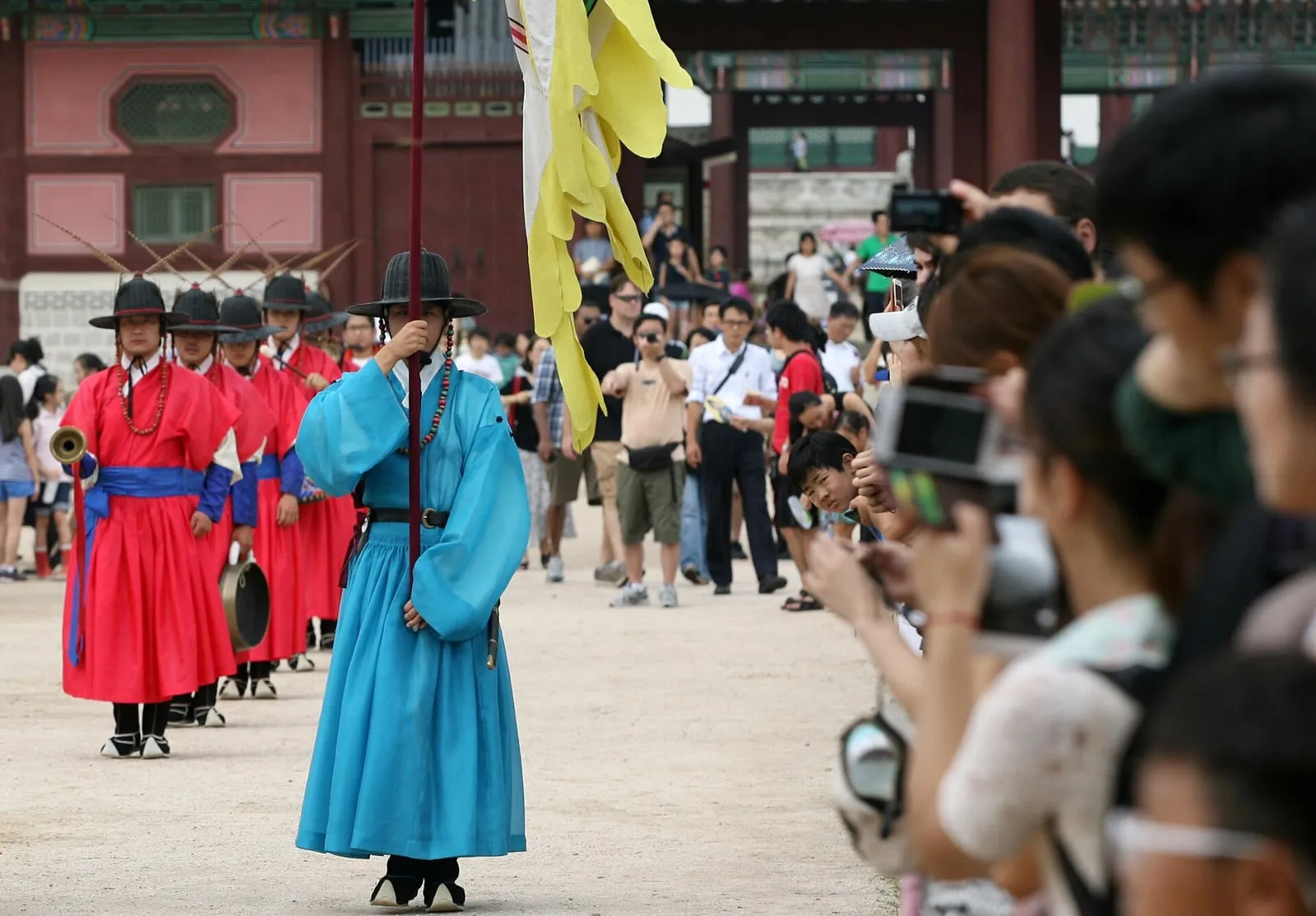
Gyeongbokgung Palace Tickets & Guard Ceremony
Entry fees, Royal Guard Changing Ceremony times at Gwanghwamun Gate, Hanbok free admission rules, Tuesday closures, and palace grounds navigation.
Tickets
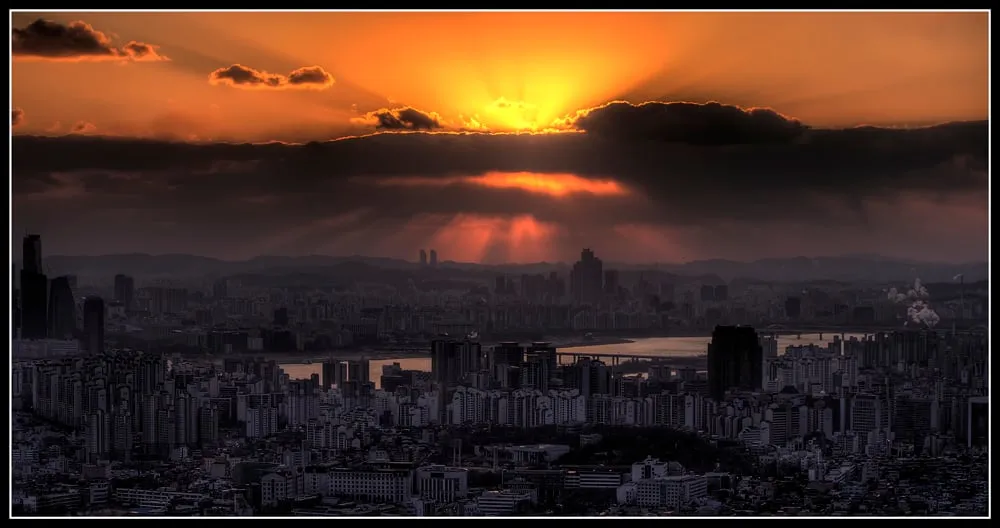
N Seoul Tower Tickets, Cable Car & Hours
Observatory ticket prices, discounts, the Namsan Cable Car, circular shuttle buses 01A and 01B, Love Locks terrace, and sunset timing.
Day trips from Seoul
Out and back in a day, with the tours compared against going on your own.
Day trip
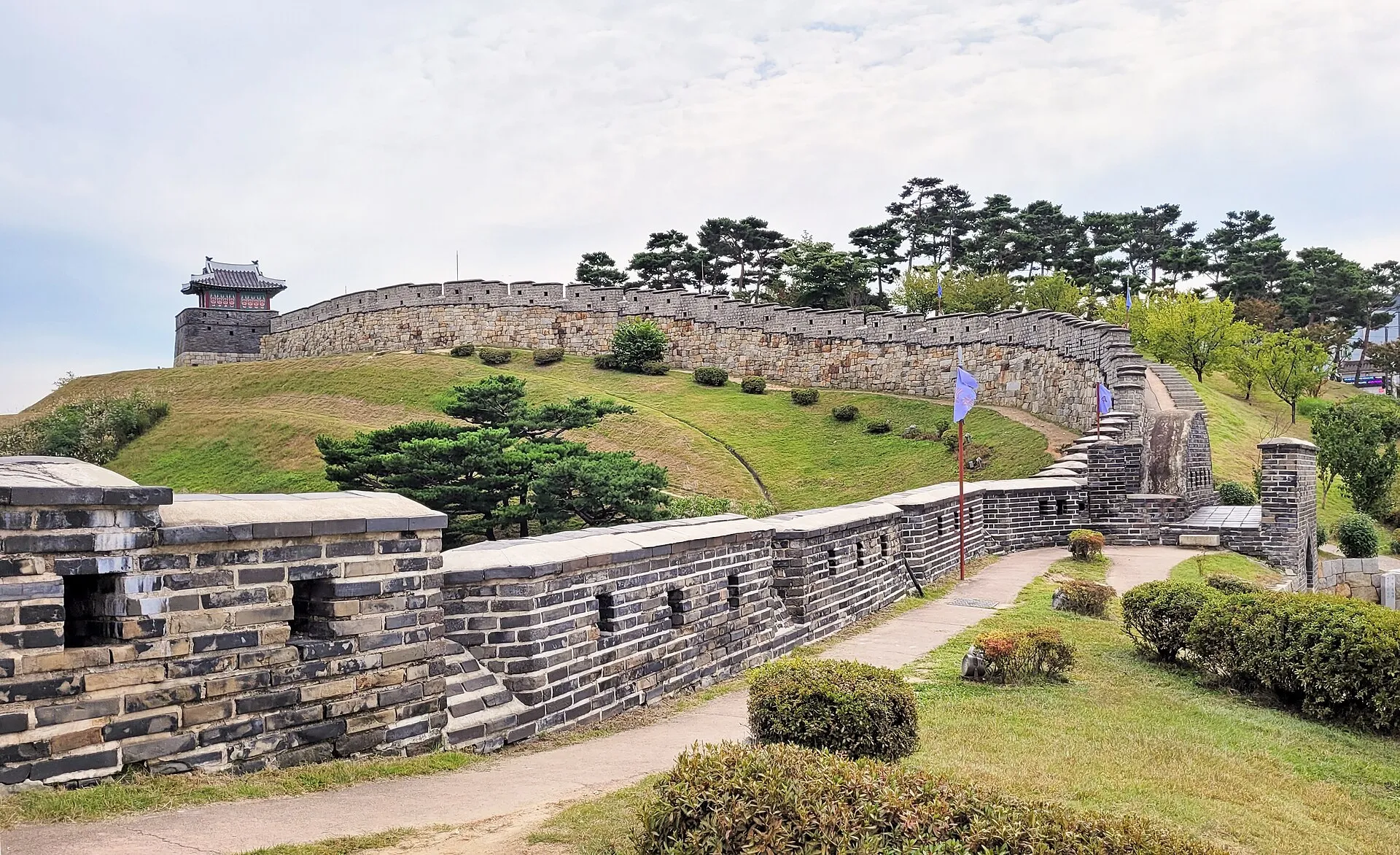
Day Trips from Seoul: 6 Best Excursions Compared
Six day trips from Seoul compared on travel time, transit routes, and costs: the DMZ, Nami Island and Morning Calm, Suwon Hwaseong Fortress, Everland theme park, Bukhansan hiking, and Incheon Chinatown.
Day trip
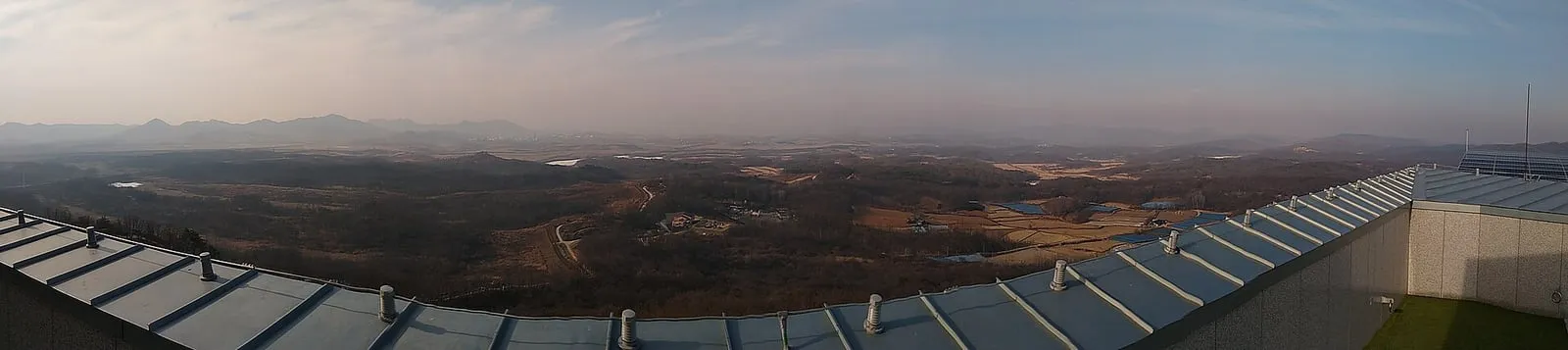
DMZ Tours from Seoul: Tunnels, Permits & Prices
DMZ tours from Seoul start from about ₩61,000, covering the 3rd Infiltration Tunnel, Dora Observatory, and Imjingak. Physical passport rules, JSA tour status, suspension bridges, and military checkpoints explained.
Day trip
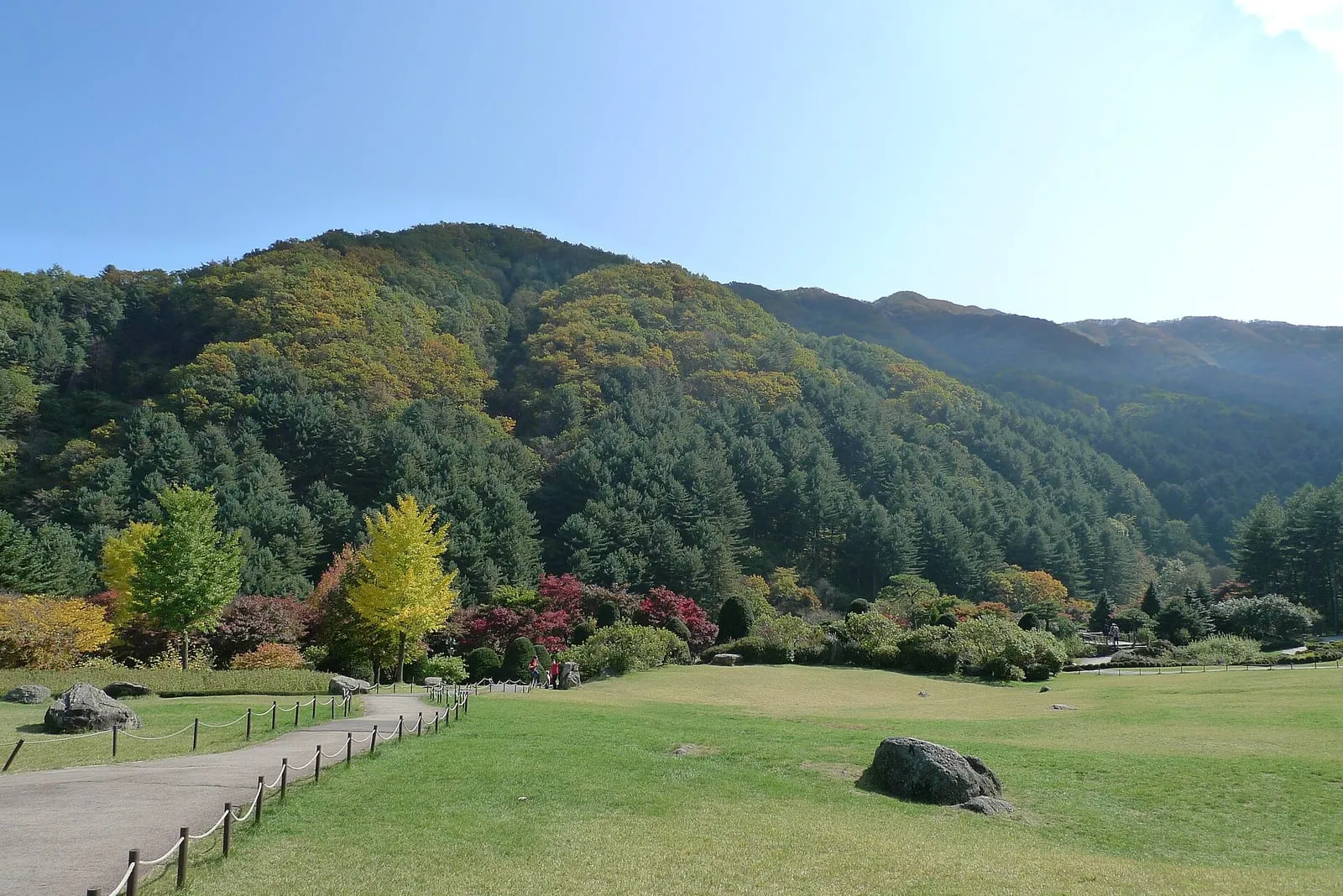
Nami Island & Morning Calm: Trains, Ferries & Tour
How to visit Nami Island and the Garden of Morning Calm from Seoul: ITX-Cheongchun trains from ₩6,900, ₩16,000 ferry entry, Skyline Zip Wire, Gangchon rail bikes, and organised coach day tours.
Day trip
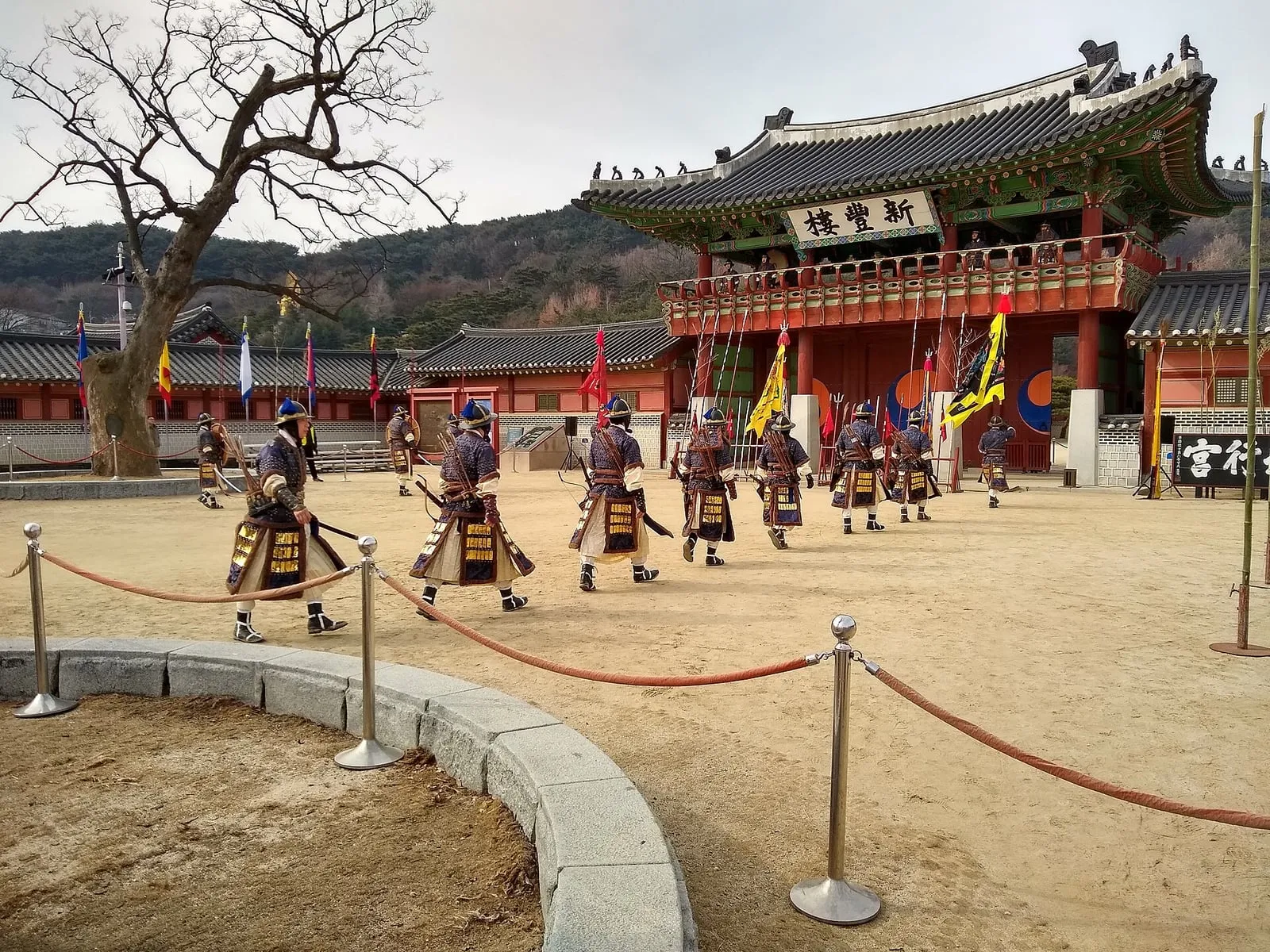
Suwon Hwaseong Fortress Day Trip: Trains & Walls
How to visit Suwon Hwaseong Fortress from Seoul: 30-minute trains from ₩4,800, walking the 5.74 km UNESCO wall circuit, Hwaseong Haenggung palace tickets, and the Flying Suwon balloon.
Day trip
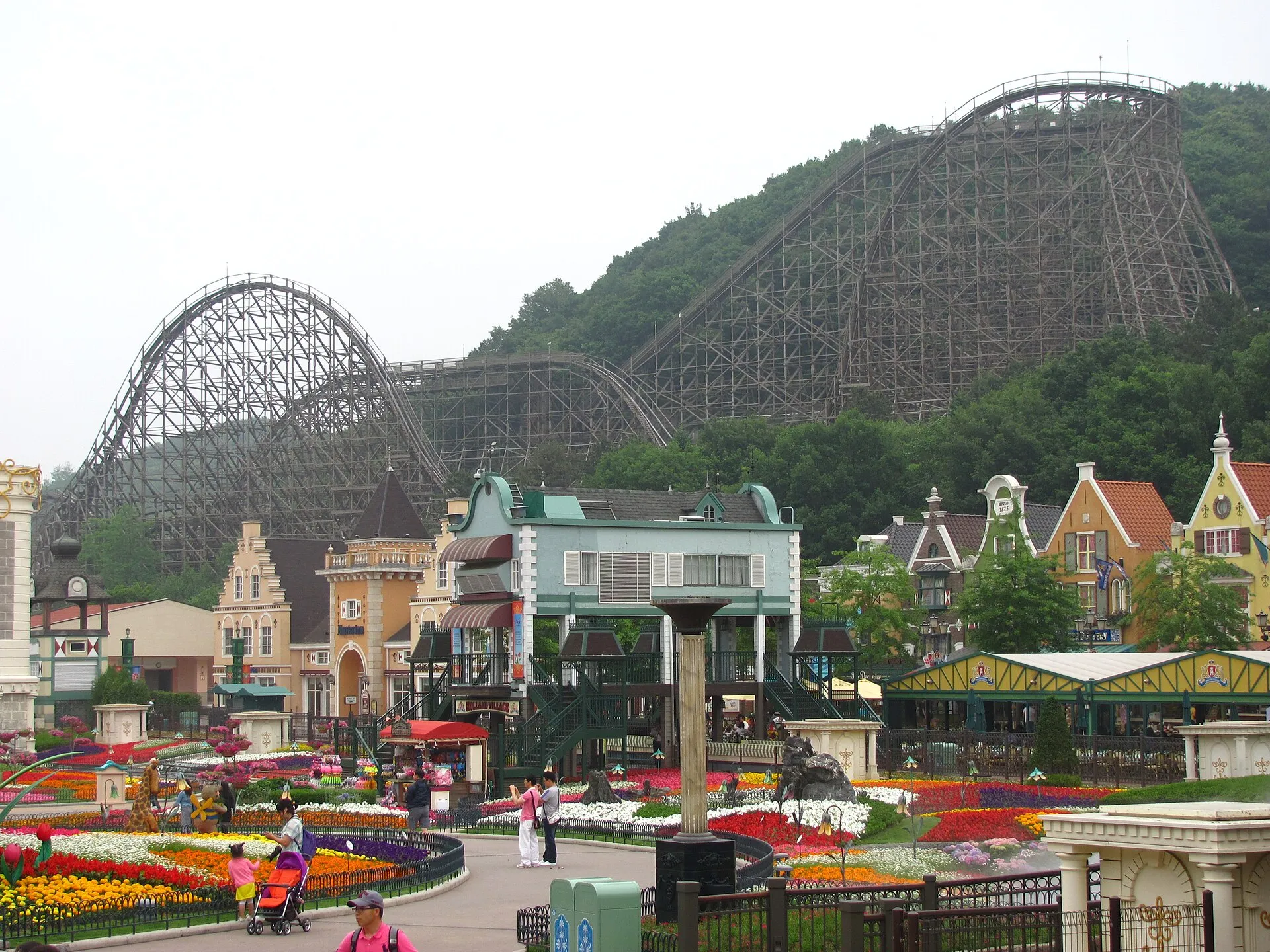
Everland & Caribbean Bay: Tickets, Shuttles, Rides
How to visit Everland and Caribbean Bay in Yongin from Seoul: seasonal ABCD tickets from ₩46,000 to ₩68,000, EverCab and shuttle buses, Everline light rail, and Smart Queue.
Day trip
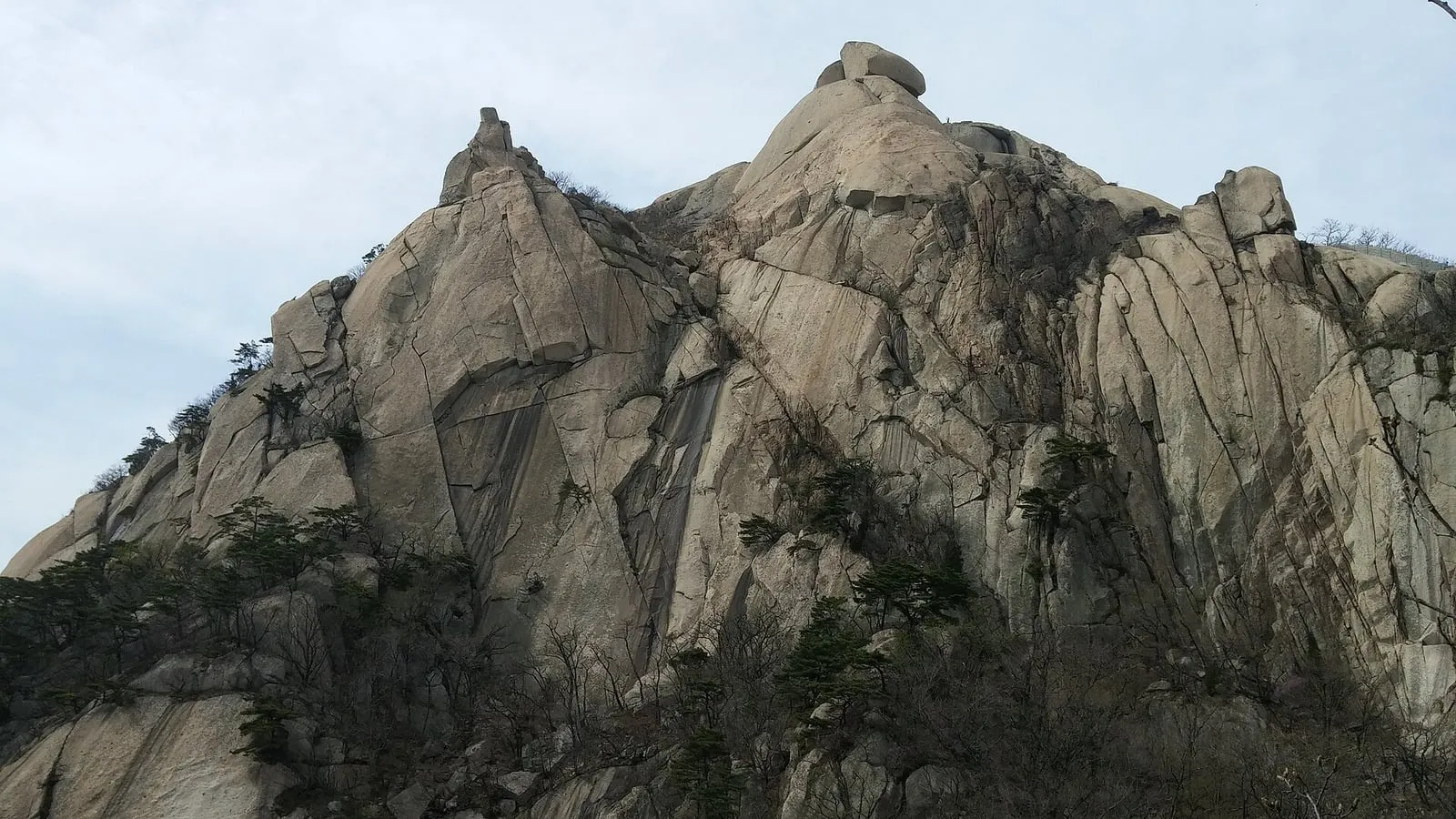
Bukhansan National Park Day Trip: Baegundae Peak
How to hike Baegundae Peak (836m) in Bukhansan National Park from Seoul: free admission, Subway Line 3 to Gupabal, local buses, required hiking gear, and steel cable summit scrambles.
Day trip
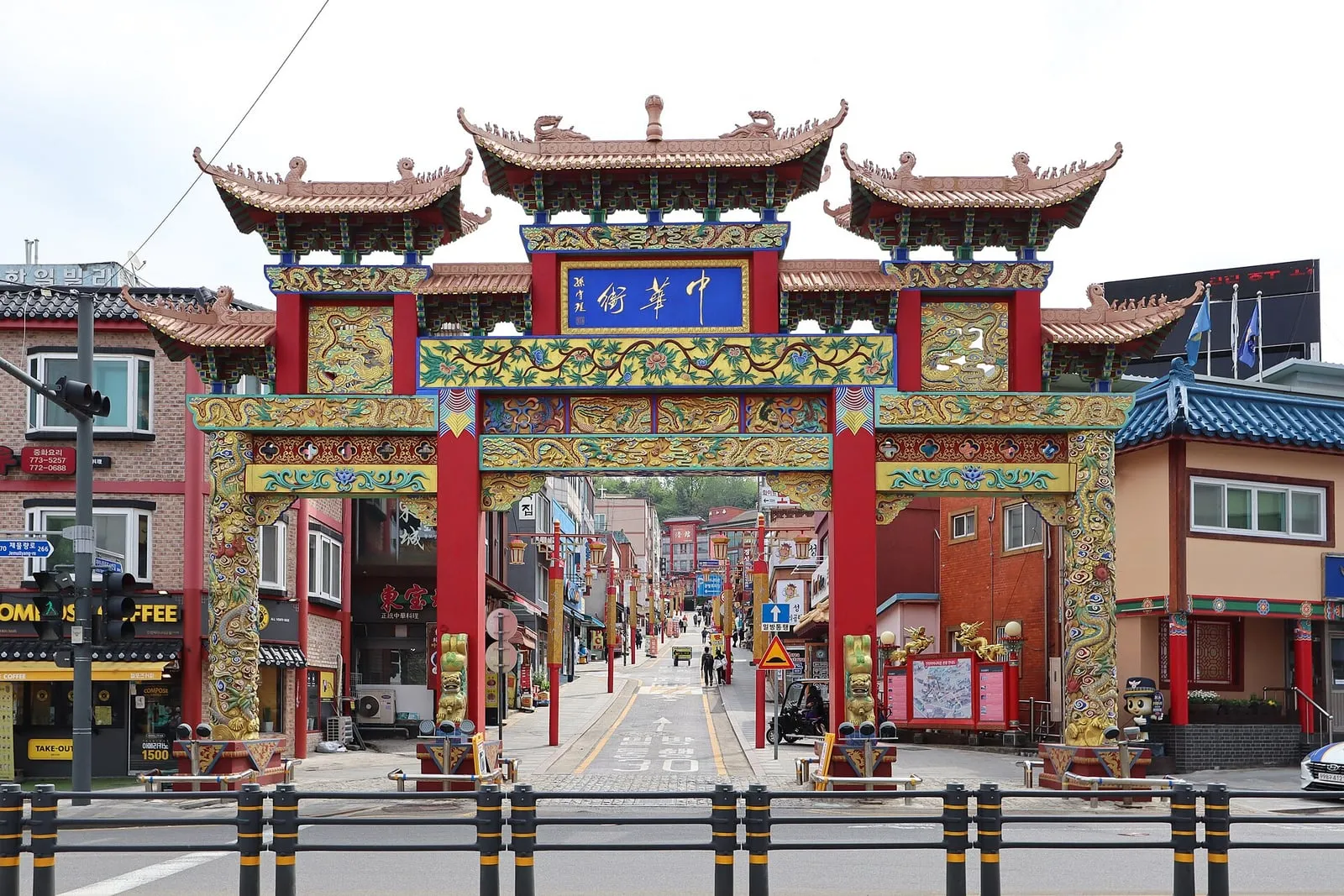
Incheon Chinatown & Songdo Day Trip from Seoul
How to take a day trip from Seoul to Incheon: explore Korea's only Chinatown, taste original Jjajangmyeon, walk Fairytale Village, and discover Songdo smart city.
Where to stay
Areas and hotels, chosen for a visitor rather than a resident.
Where to stay
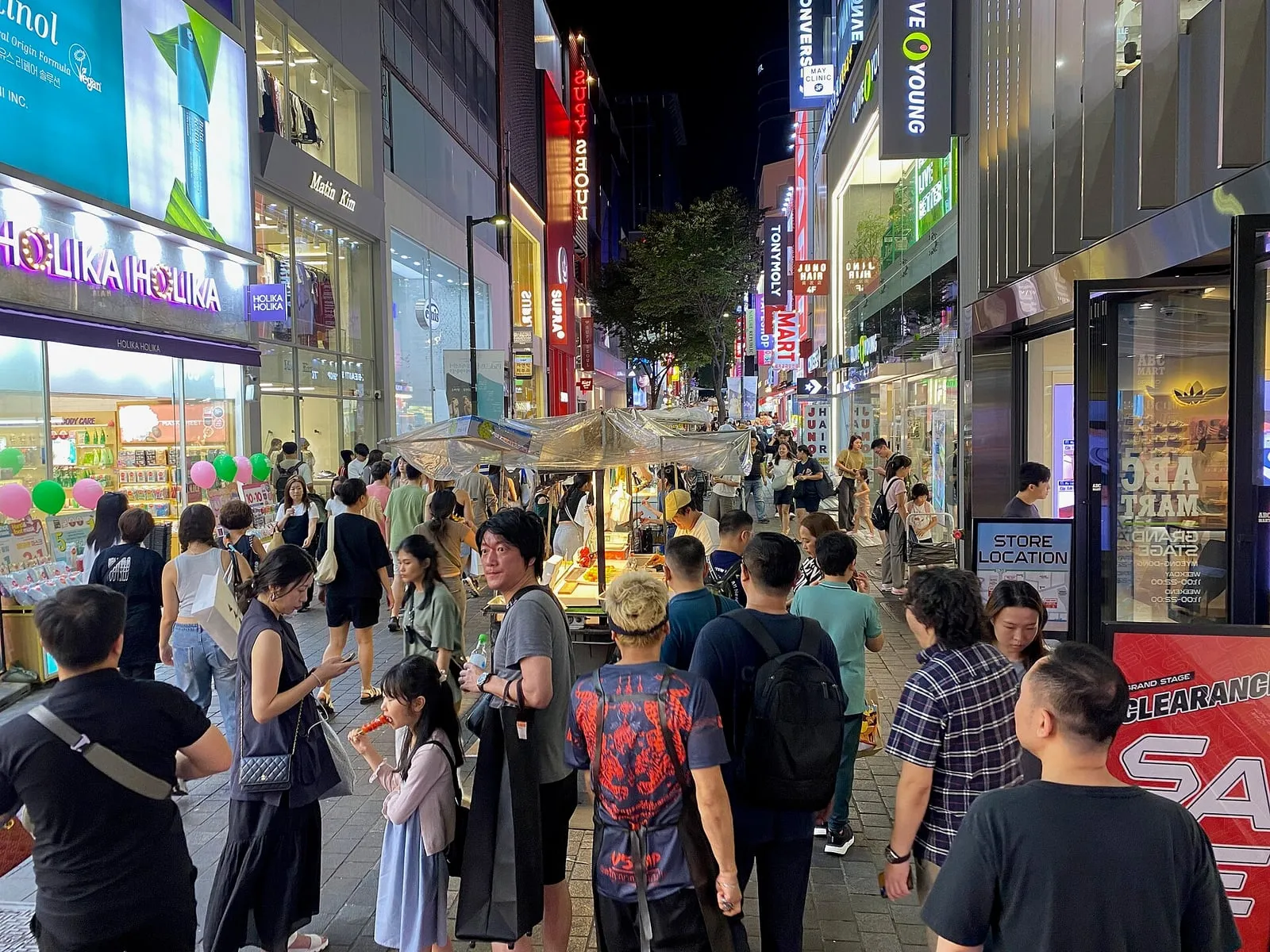
Where to Stay in Seoul: Best Areas & Hotels
For a first visit, stay in Myeongdong for central transport and street food, or Hongdae for direct airport trains and nightlife. Insadong, Gangnam, and Dongdaemun compared by station, with real hotels.
Where to stay
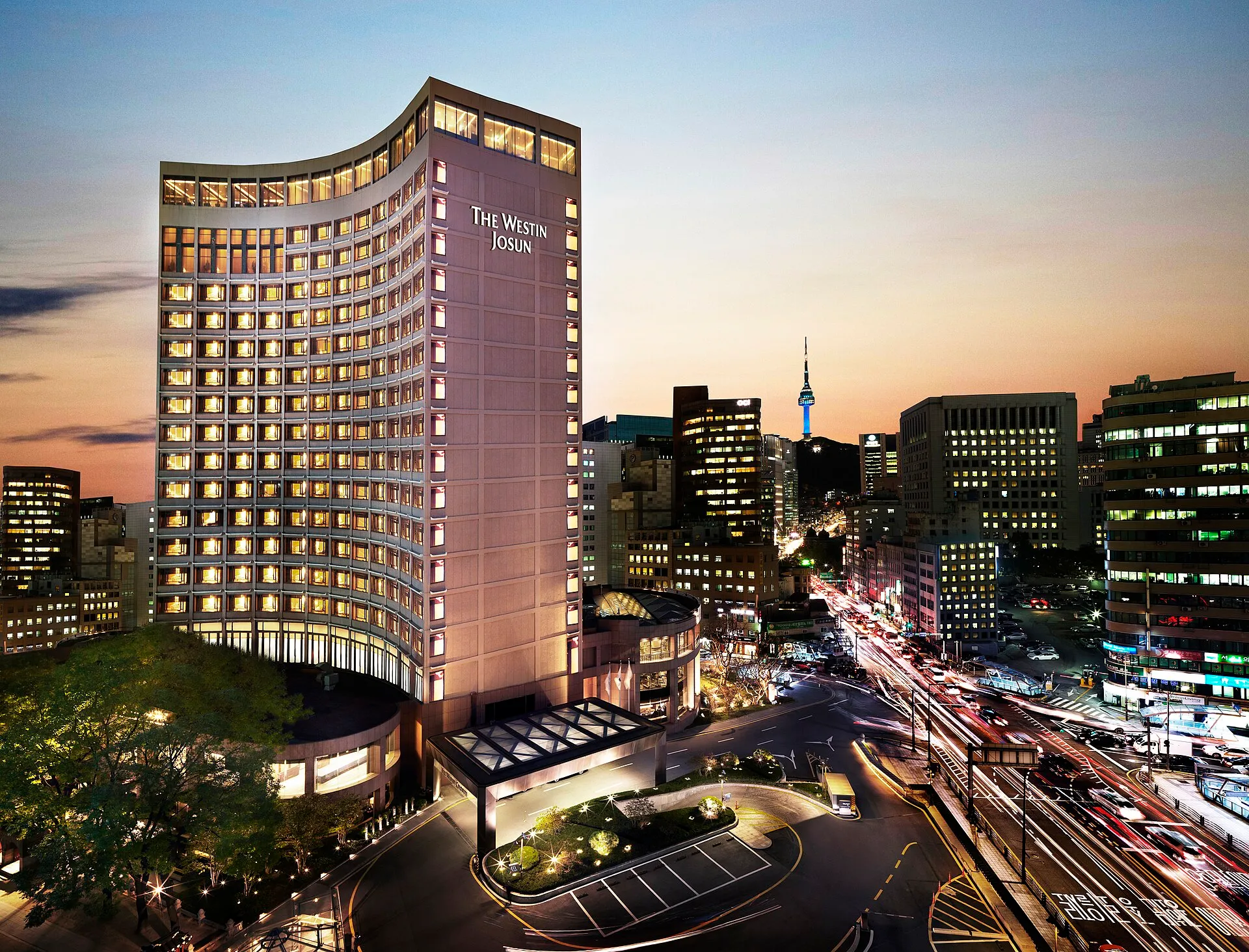
Myeongdong vs Hongdae Hotels: Where to Stay
Compare hotels in Myeongdong and Hongdae for transit access, soundproofing, and direct airport trains. Hotels with station exit details.
Airport transfers
From the airport to the centre, every option priced and timed.
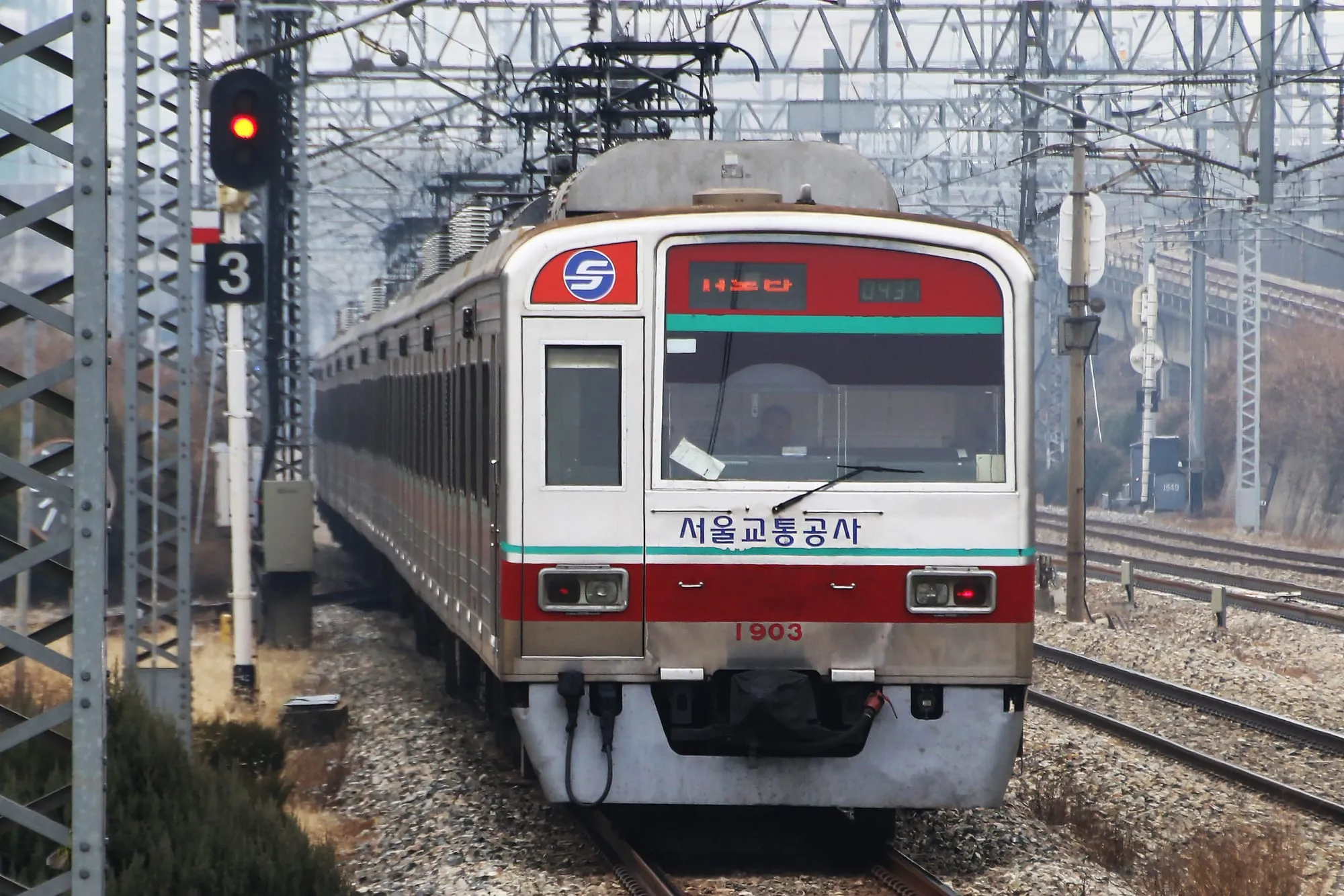
Getting around
Tickets, passes and the transport a visitor actually uses.

What's on, month by month
Festivals, holidays and closures that change a visit.
Events
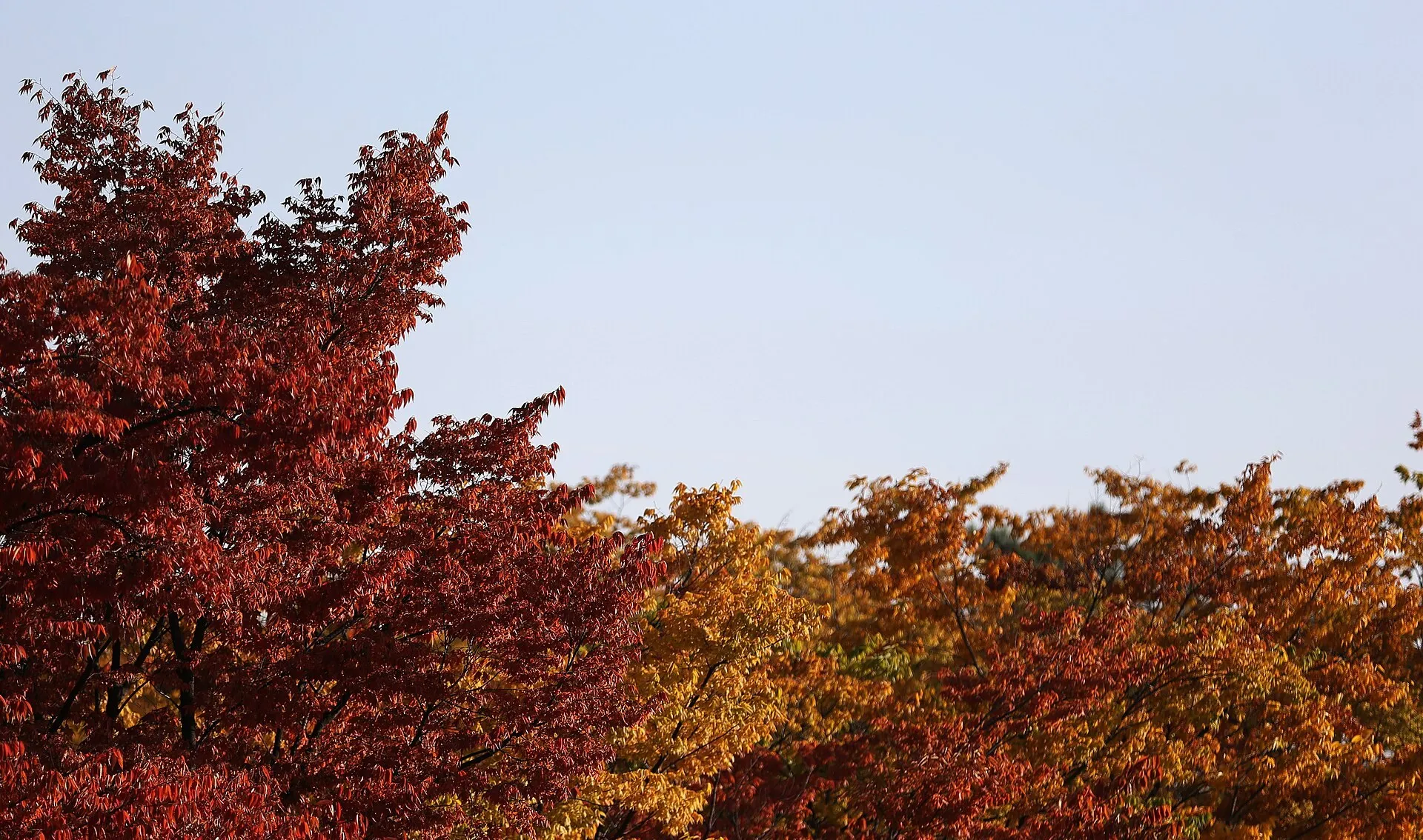
Best Time to Visit Seoul: Weather, Seasons & Dust
When to visit Seoul by season and month: spring cherry blossoms, monsoon summer rains, autumn foliage, freezing winter snow, and fine dust safety tips.
Events
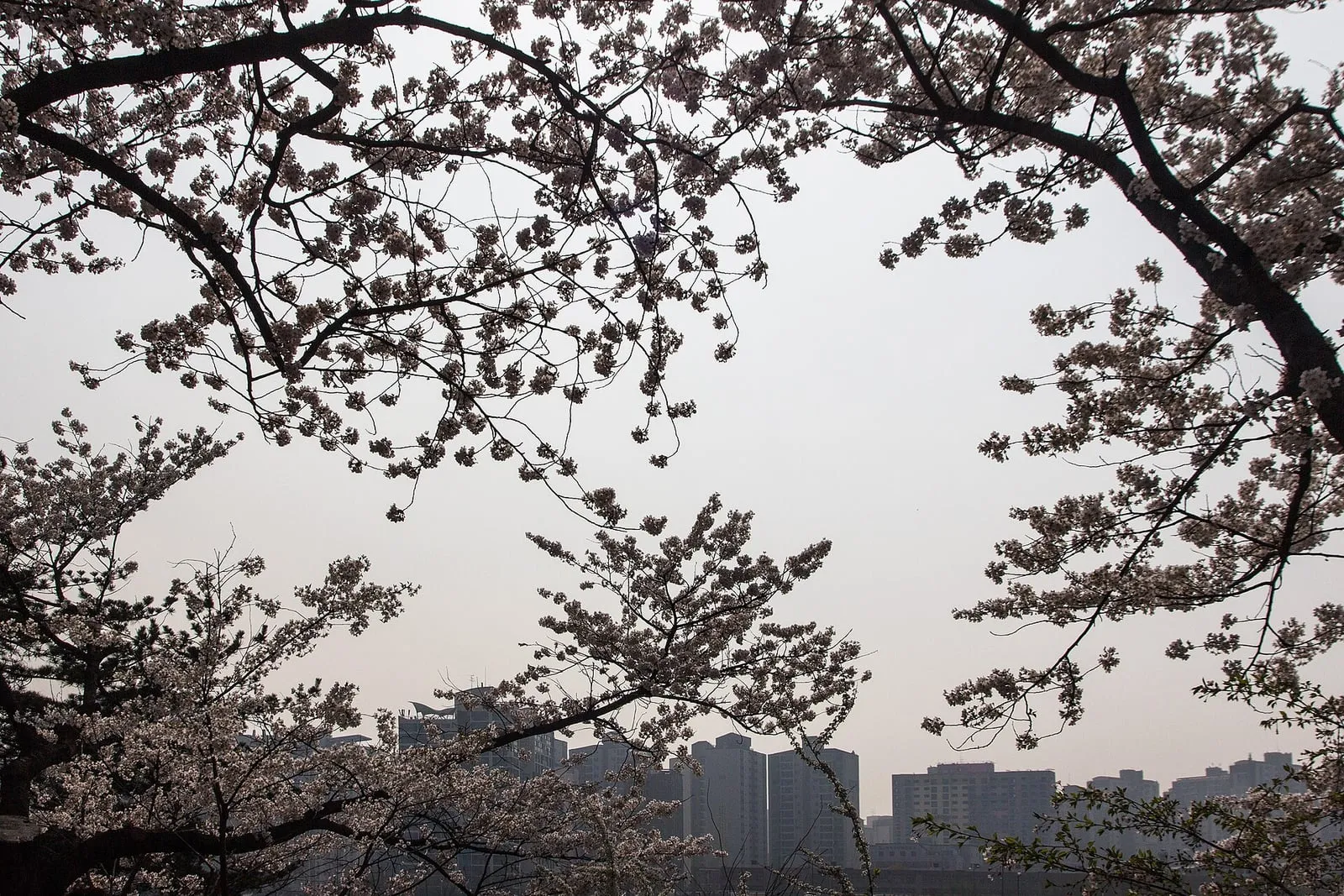
Cherry Blossoms in Seoul 2027: Best Spots & Dates
A complete guide to the early-to-mid April 2027 cherry blossom bloom in Seoul: Yeouido, Seokchon Lake, Seoul Forest, Kyung Hee University, and transit advice.
Events
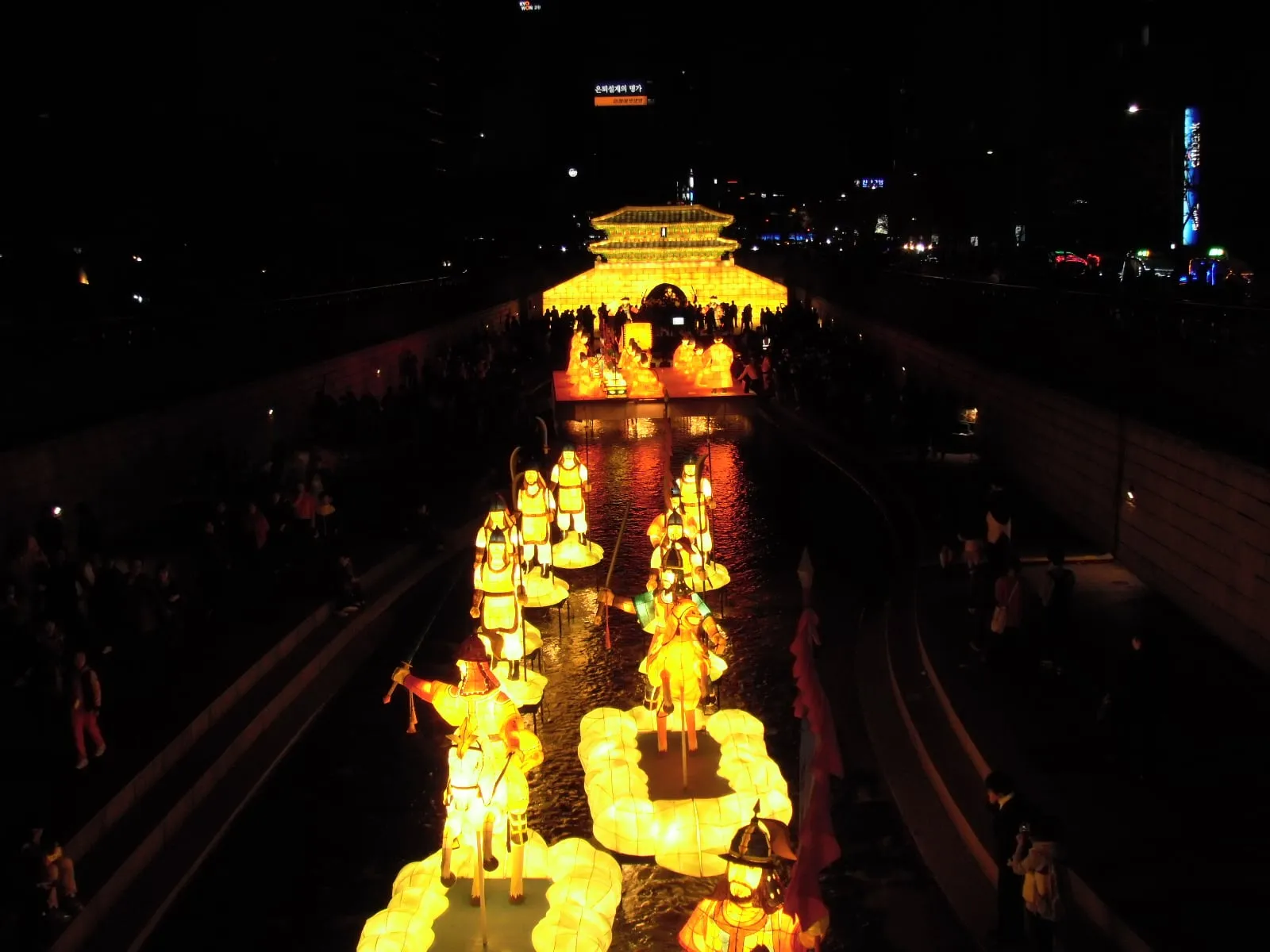
Seoul Lantern Festival 2026: Lights & Market Guide
A complete guide to the Seoul Lantern Festival: glowing Hanji paper lanterns on Cheonggyecheon Stream, Gwanghwamun Winter Market, and Seoul Light media art.
Food and drink
Where to eat, what to order and when to book.
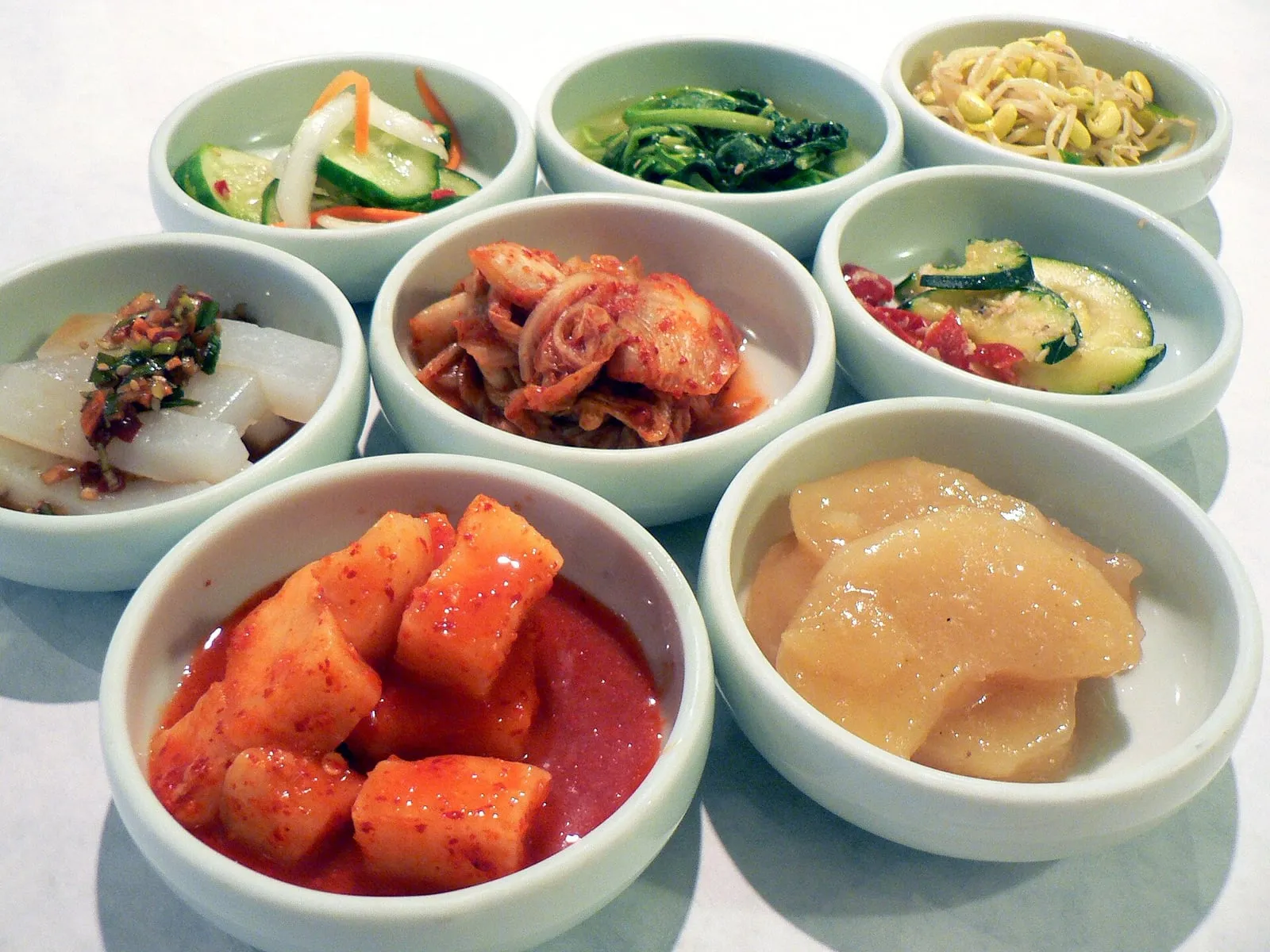
Food and drink
Where to Eat in Seoul: Best Food & Restaurants
Where to eat in Seoul, by what you want to order: kalguksu, naengmyeon, samgyetang, beef gomtang, royal and temple cuisine, street food and Korean fried chicken.
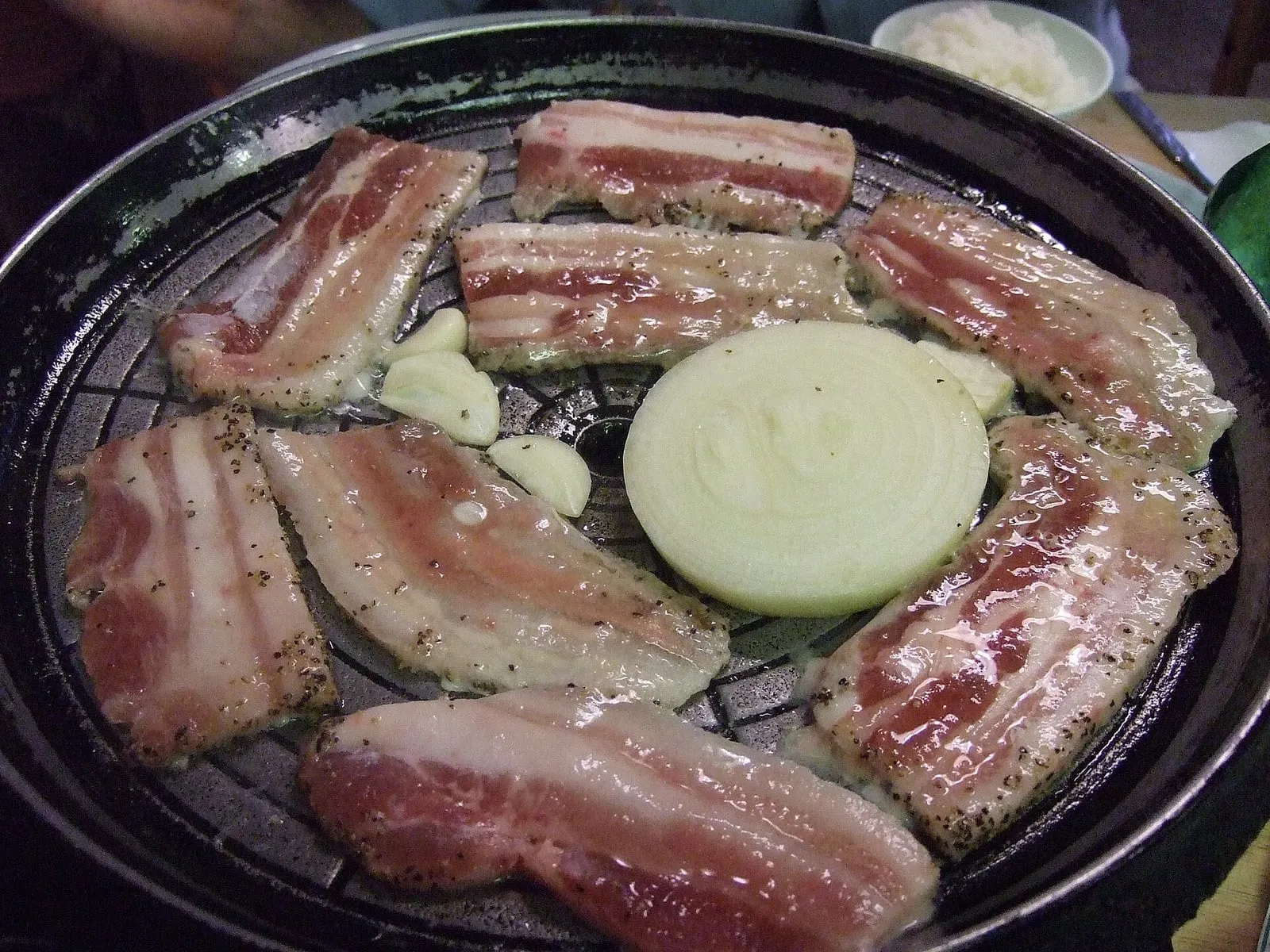
Food and drink
Best Korean BBQ in Seoul: 10 Top Spots & Cuts
The 10 best Korean barbecue restaurants in Seoul for samgyeopsal, Hanwoo beef, and galbi. Ordering rules, two-portion minimums, cuts of meat, and booking tips.
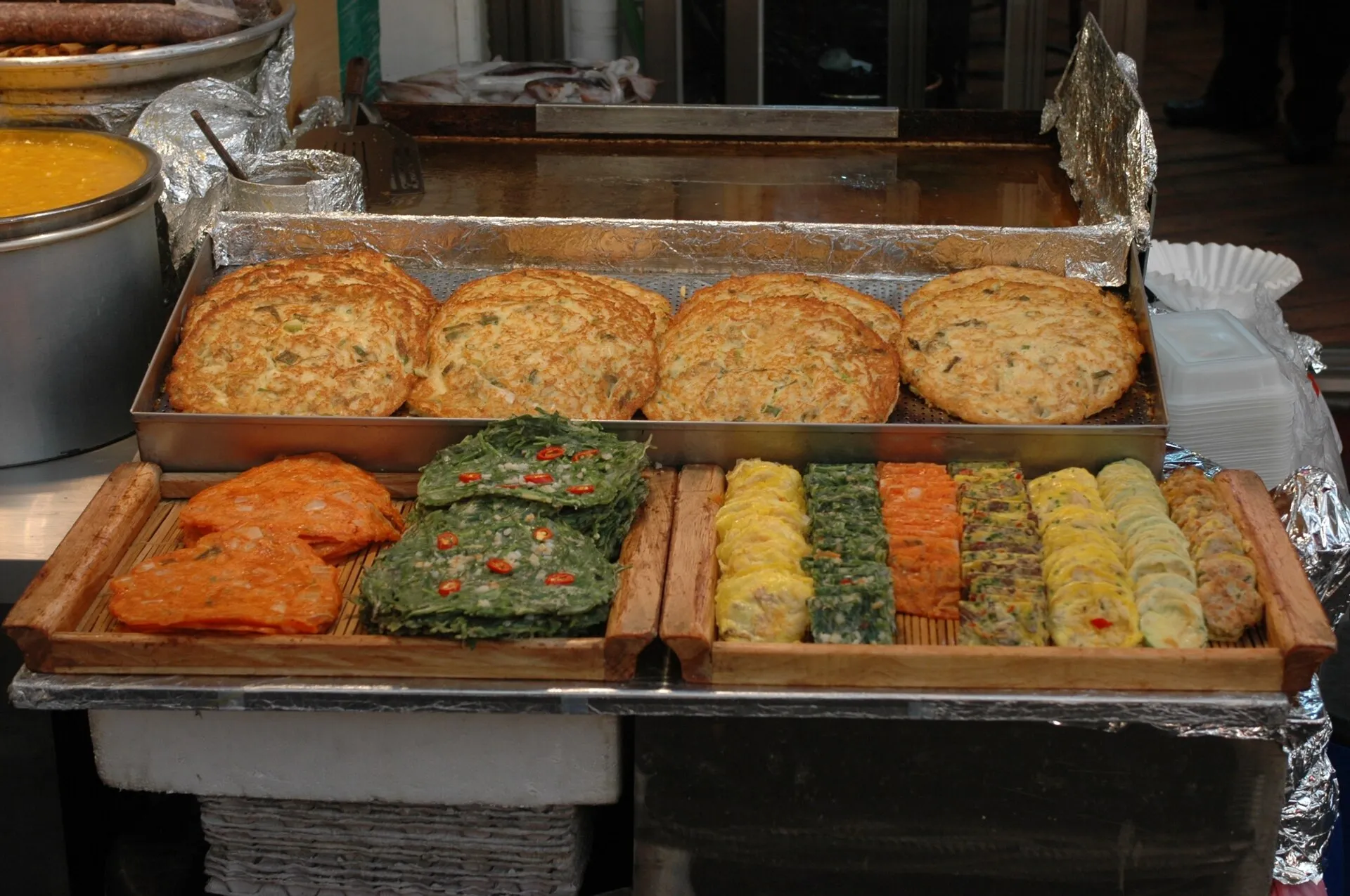
Food and drink
Gwangjang Market Food Guide: Best Stalls & Dishes
A complete guide to eating at Seoul's historic Gwangjang Market: bindaetteok mung-bean pancakes, raw beef yukhoe, knife-cut noodles, stalls, and hours.
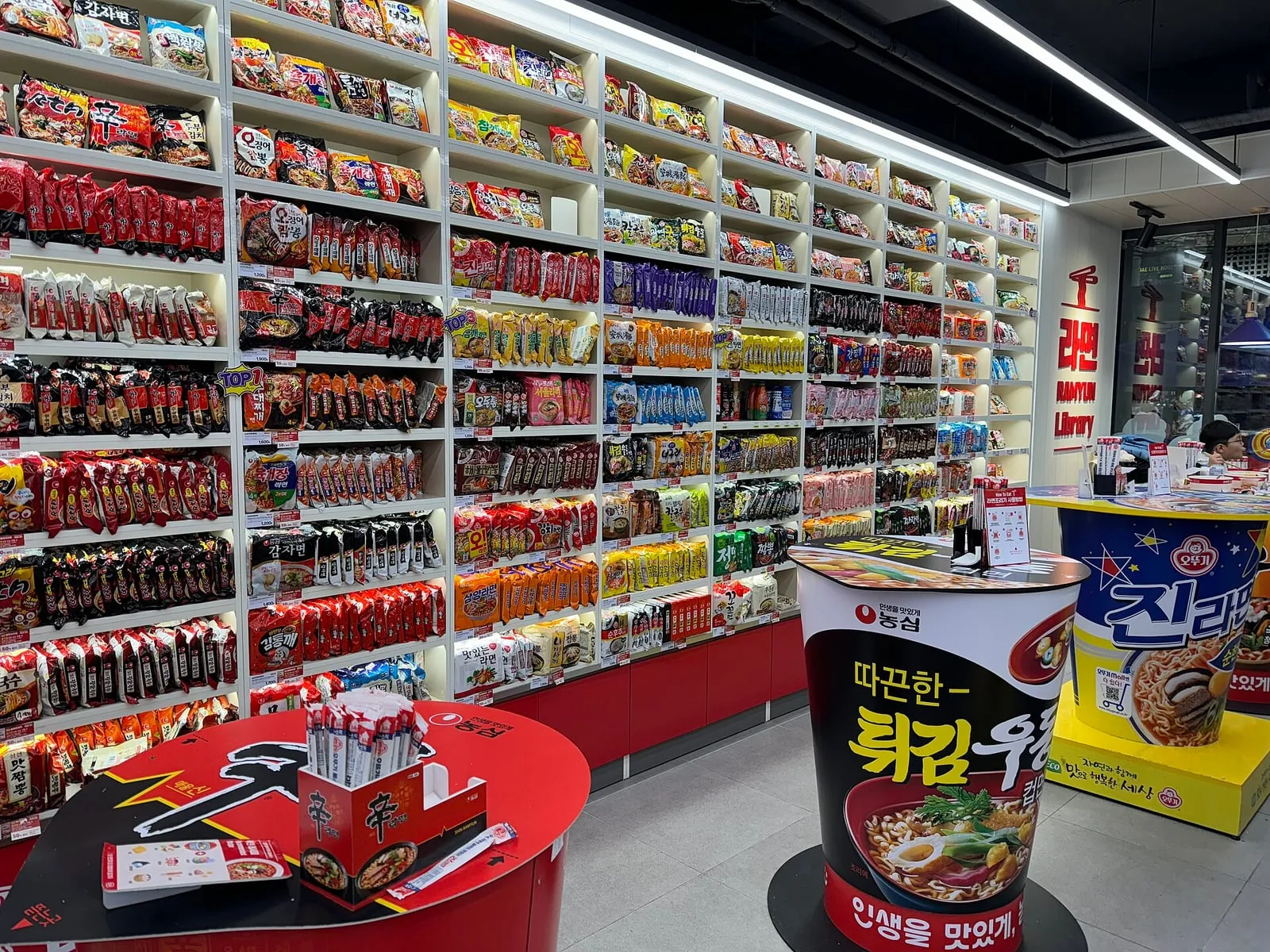
Food and drink
Korean Convenience Store Food Guide: Snacks & Tips
A complete guide to convenience store dining in Seoul: automated ramyeon cookers, iced pouch drinks, triangle gimbap unwrapping, and viral food combinations.
Food and drink
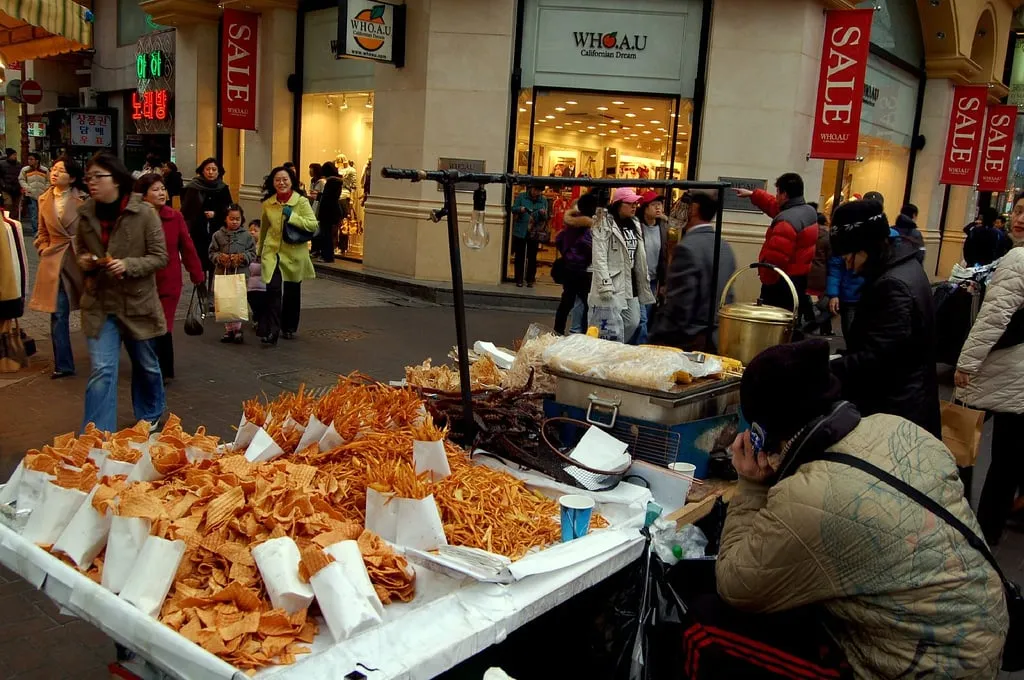
Myeongdong Night Market Food: Best Street Snacks
A complete guide to Myeongdong night market: grilled cheese lobster, egg bread, tornado potatoes, sweet hotteok, hours, prices, and cash advice.
Food and drink
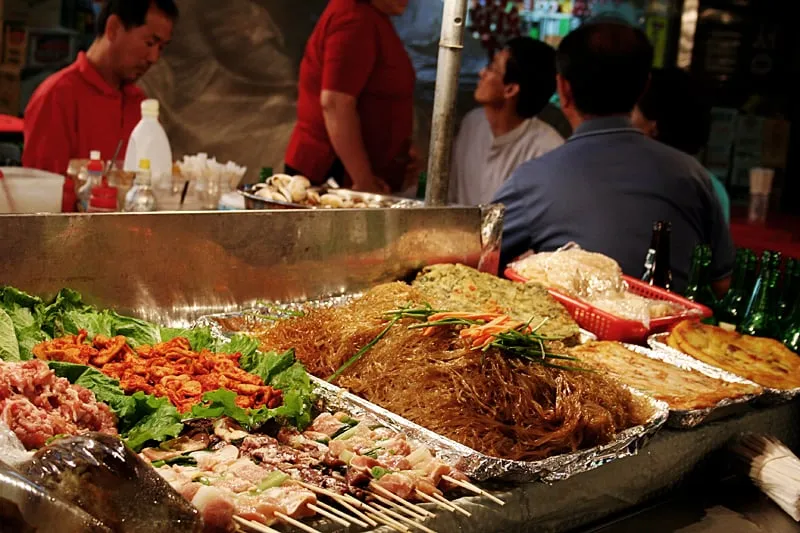
Seoul Food Tours: Night Markets, BBQ & Cooking
The best guided culinary tours and cooking classes in Seoul: Gwangjang market walks, Mapo BBQ crawls, Makgeolli tastings, vegan dining, and booking links.
Walks
Self-guided routes, stop by stop.
Walk
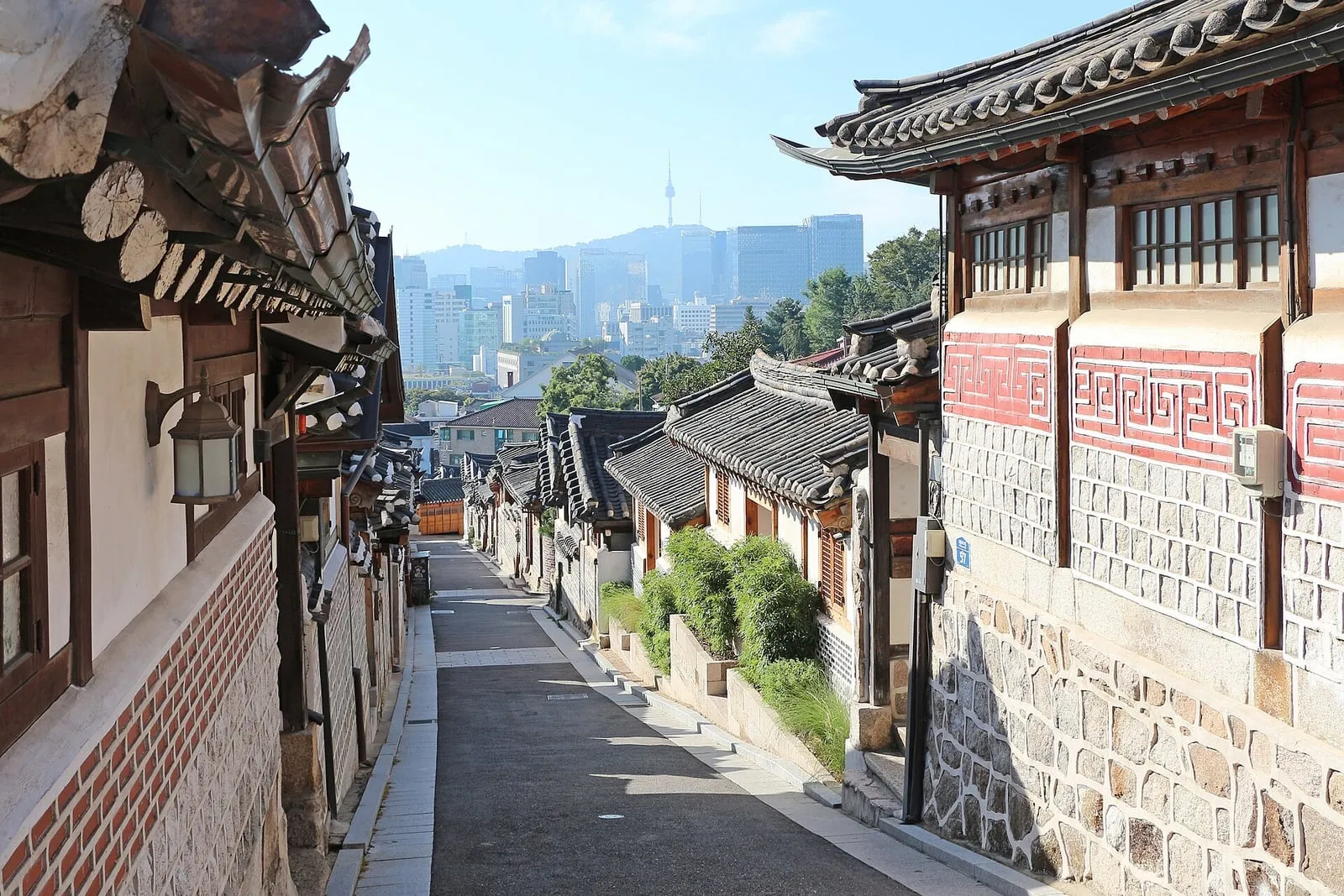
Bukchon Hanok Village & Insadong Walk: Seoul Route
A self-guided walking route through Bukchon Hanok Village, Baek In-je House, Samcheong-dong, MMCA Seoul, Jogyesa Temple, and Insadong. Visiting hours, rules, and map.
Walk
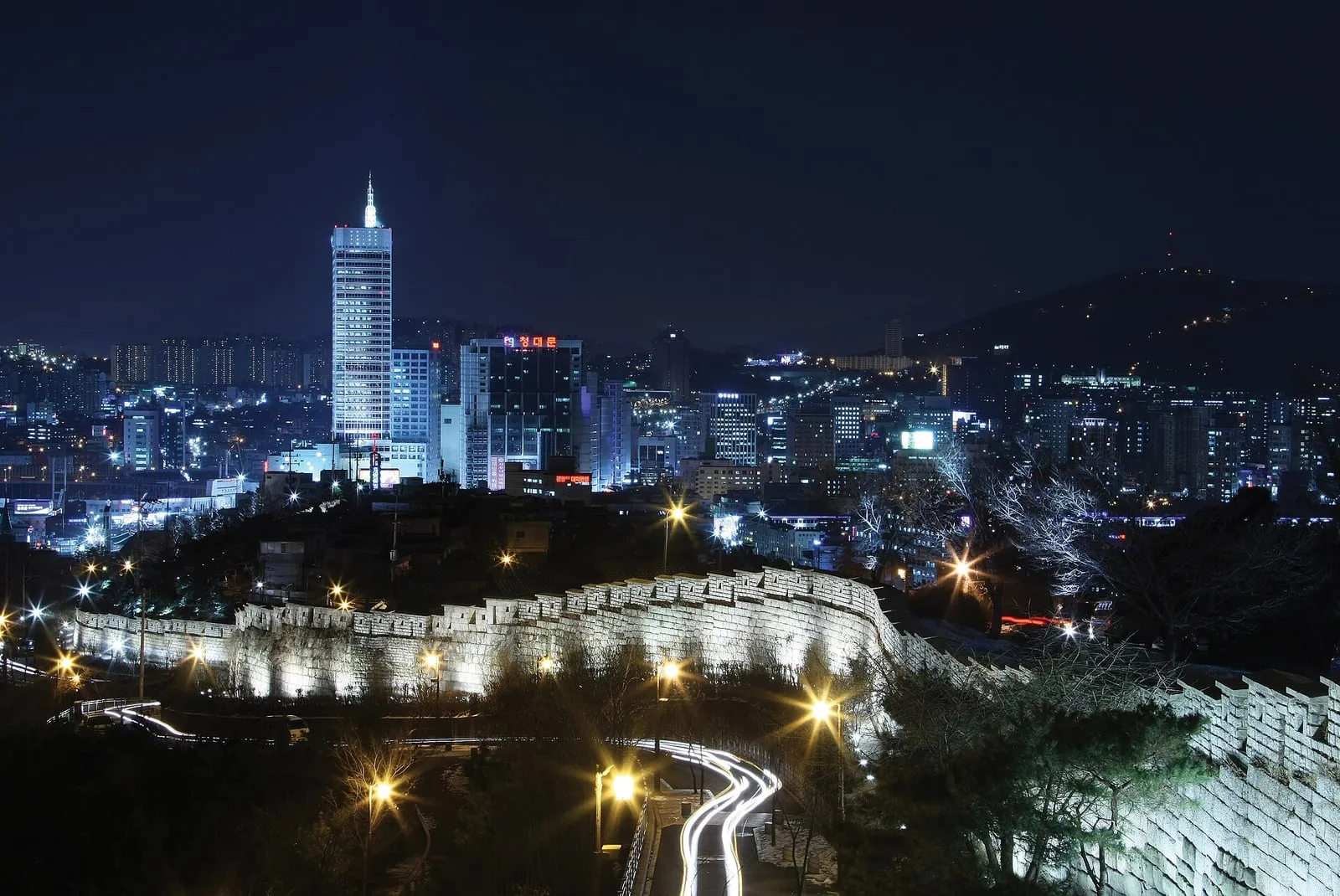
Seoul City Wall Walk: Naksan Park & Ihwa Route
A self-guided walking route along the historic Hanyangdoseong fortress wall: Dongdaemun, Ihwa Mural Village, and Naksan Park summit to Hyehwamun Gate. Map and night views.
More guides
Guide
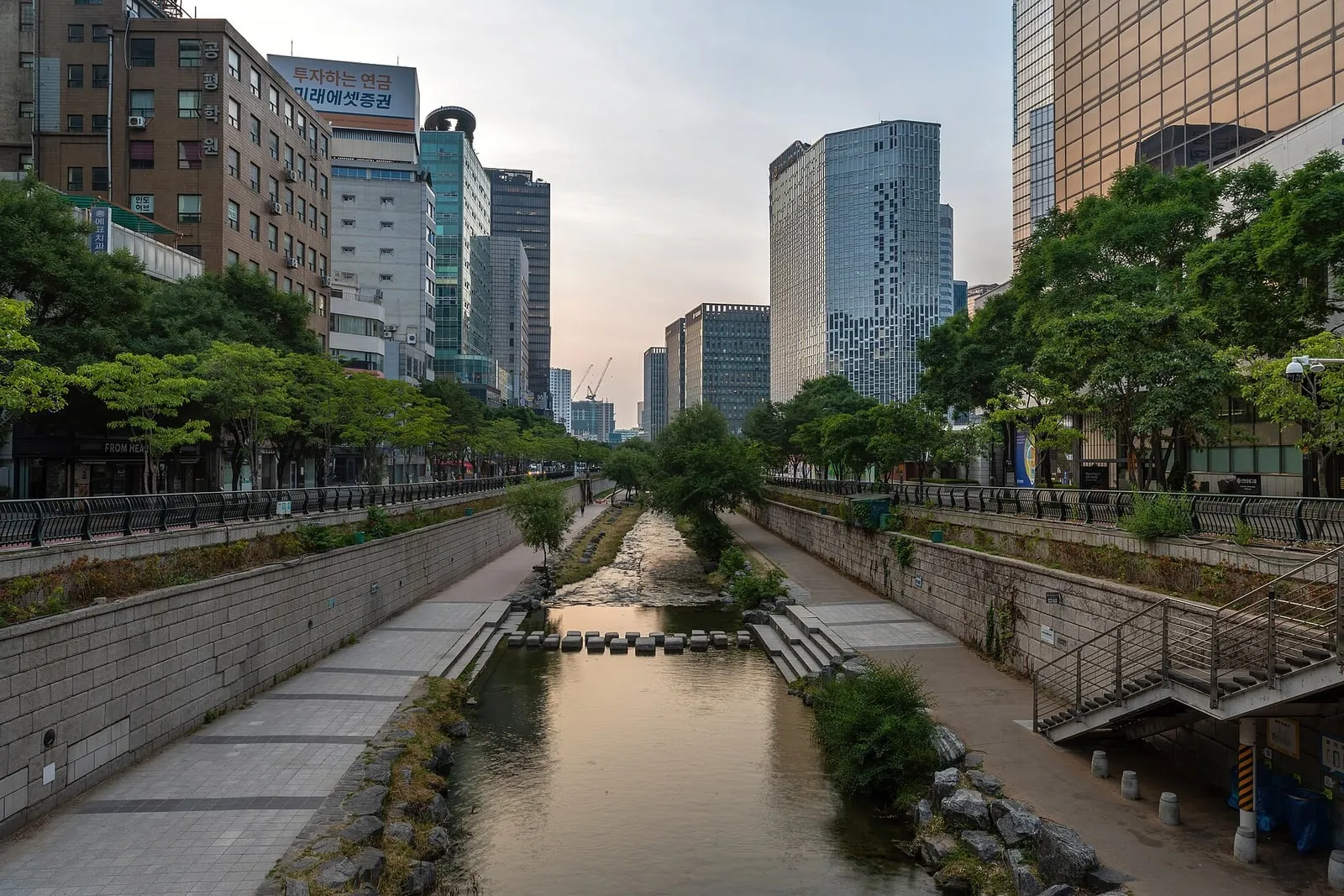
Things to Do in Seoul: Top Sights & Palaces
The definitive guide to Seoul's essential sights: the Five Grand Joseon Palaces, N Seoul Tower and Seoul Sky viewpoints, traditional cultural hanok enclaves, traditional markets, and scenic urban parks.
Guide
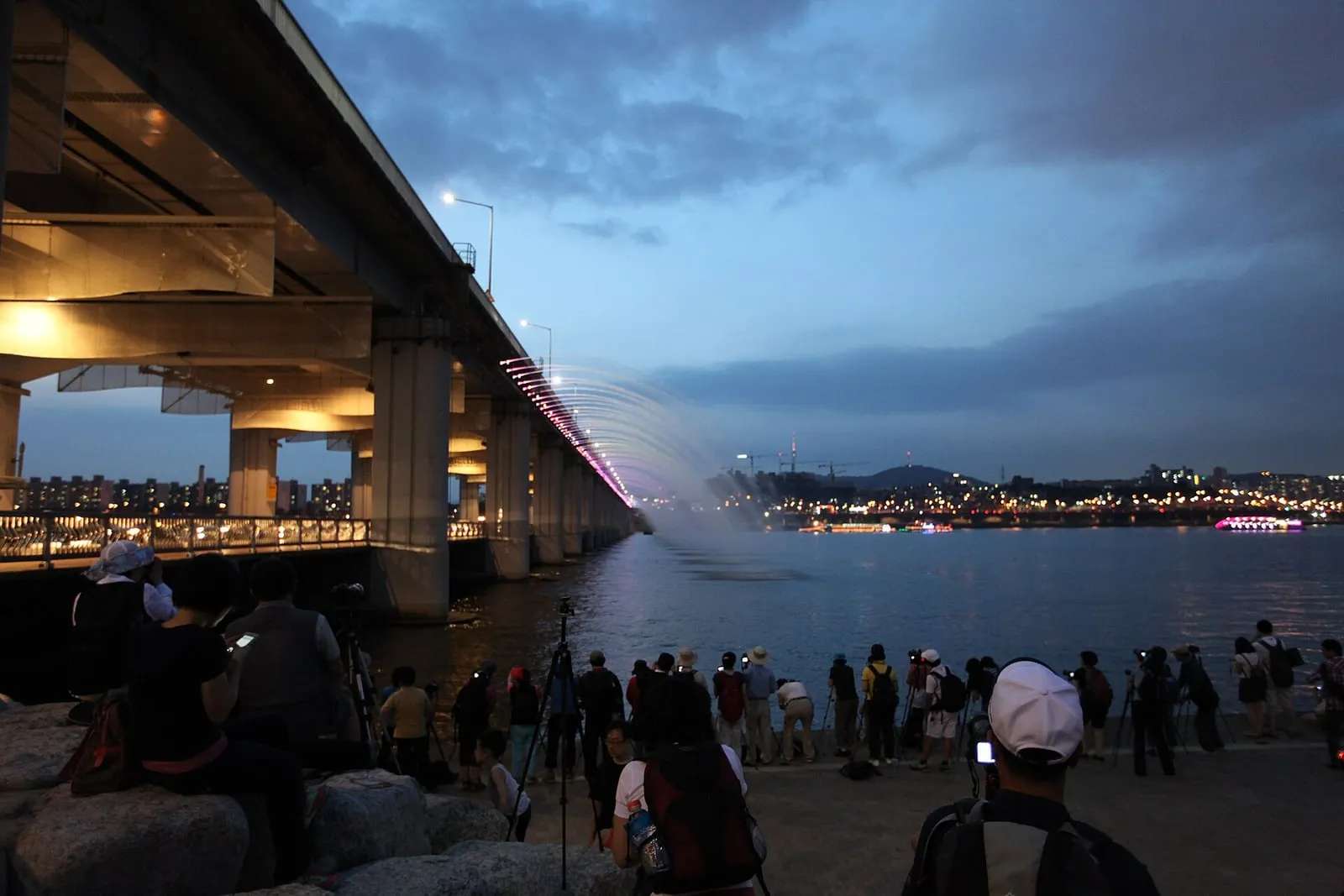
Free Things to Do in Seoul: Top Zero-Cost Sights
The best free sights and activities in Seoul: the National Museum of Korea, Cheonggyecheon Stream, Seoul City Wall hikes, Banpo Bridge fountain shows, and free palace entry in Hanbok.
Guide
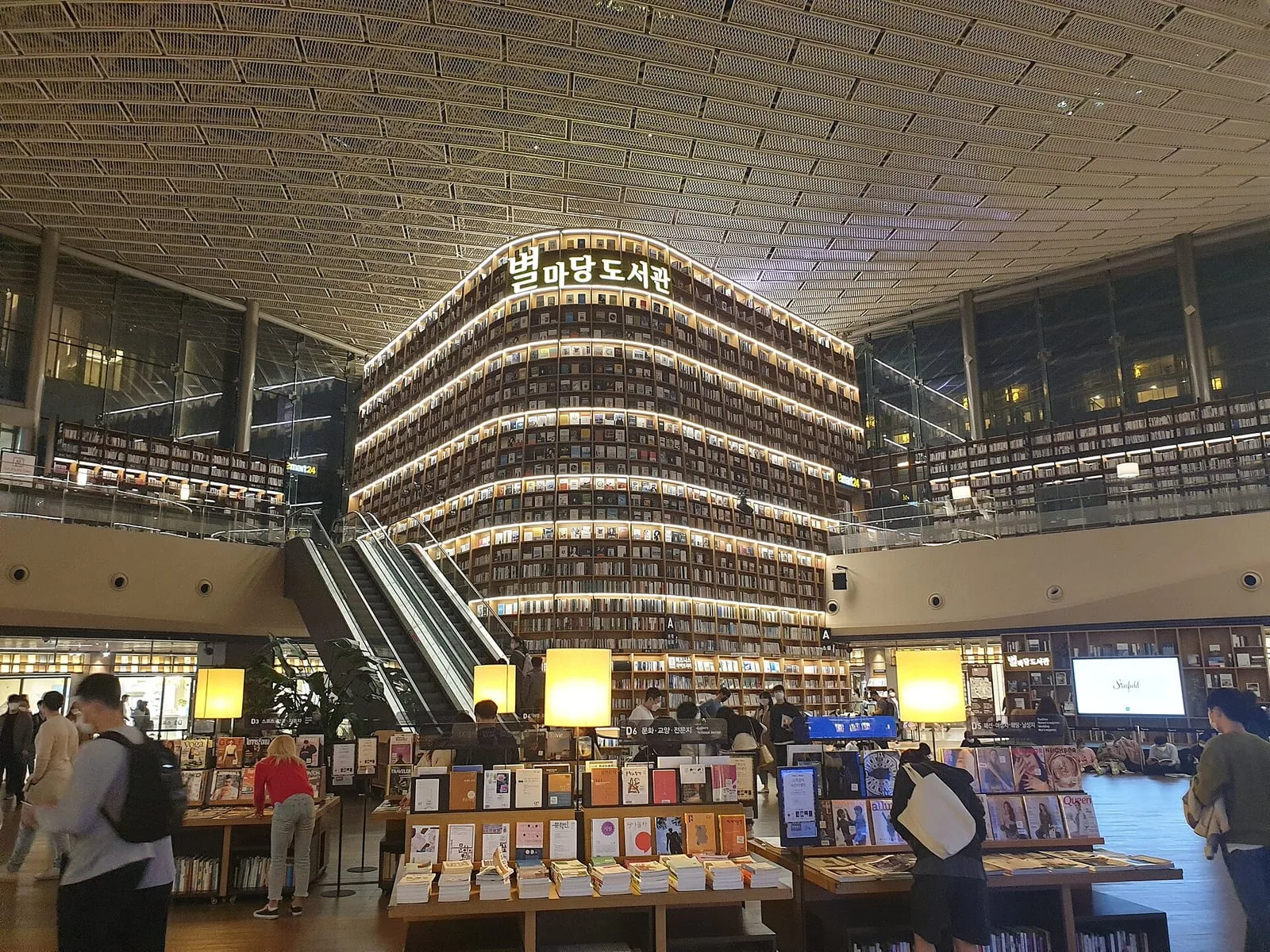
COEX Mall & Starfield Library: Complete Guide
A complete guide to Starfield COEX Mall in Gangnam: the 13-metre Starfield Library, Coex Aquarium, mega-retail shopping, and ancient Bongeunsa Temple opposite.
Guide
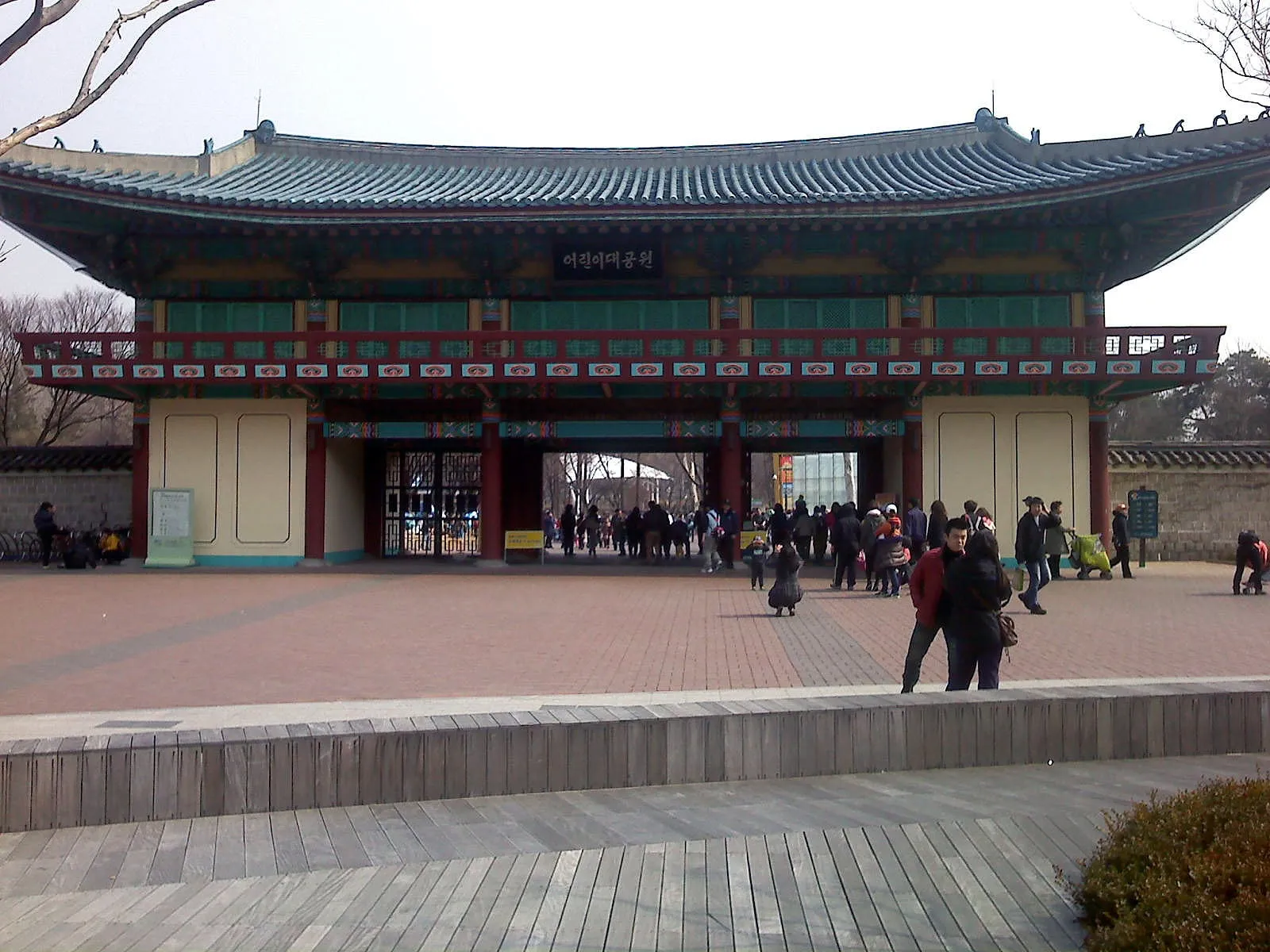
Seoul with Kids: Family Guide, Strollers & Food
A comprehensive family guide to Seoul: Lotte World Adventure, Children's Grand Park, Coex vs Lotte World Aquarium, stroller subway navigation, nursing rooms and non-spicy meals.
Guide
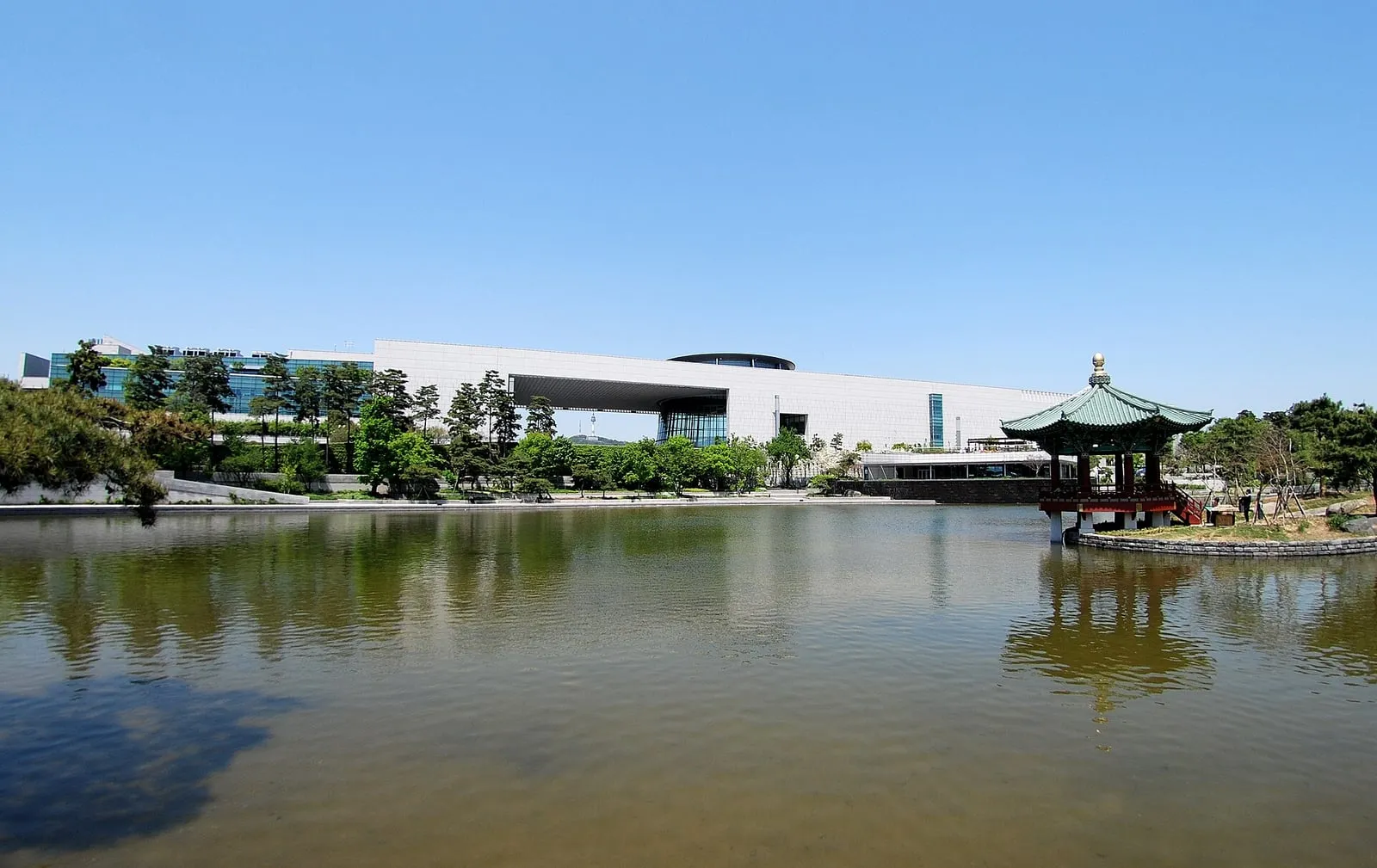
National Museum of Korea: Free Entry & Highlights
The National Museum of Korea in Yongsan offers free permanent admission, housing the Silla Golden Crown, Ten-Story Stone Pagoda, and the Room of Quiet Contemplation. Practical tips, audio guides, and Ichon Station access.
Guide
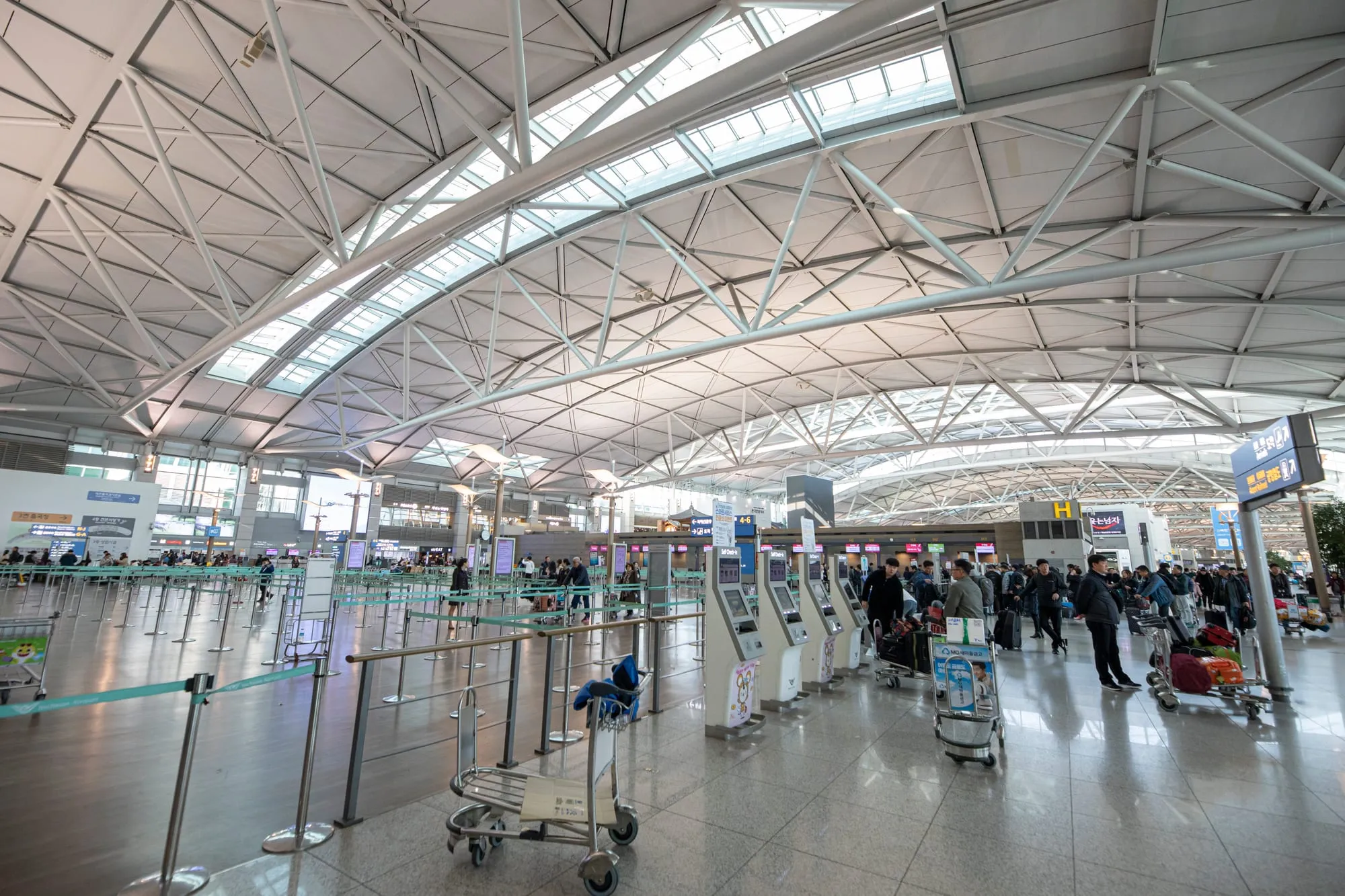
eSIM for South Korea: Networks, Setup & Plans
Guide to buying an eSIM for South Korea: SK Telecom, KT, LG U+ networks compared, travel eSIM apps vs local airport SIMs, unlocked phone requirements and IMEI rules.
Guide
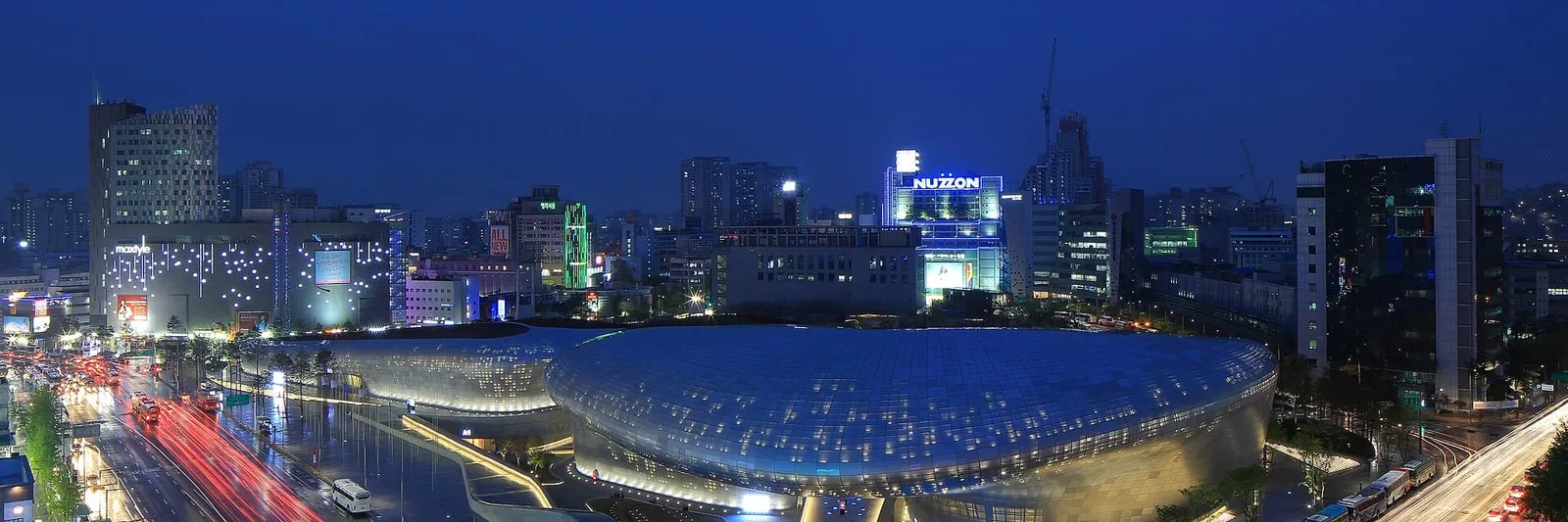
Dongdaemun Design Plaza (DDP): Guide & Markets
Architectural guide to Dongdaemun Design Plaza (DDP) by Zaha Hadid: curved aluminium facades, fluid galleries, Seoul Light projections and 24-hour fashion markets.
Guide
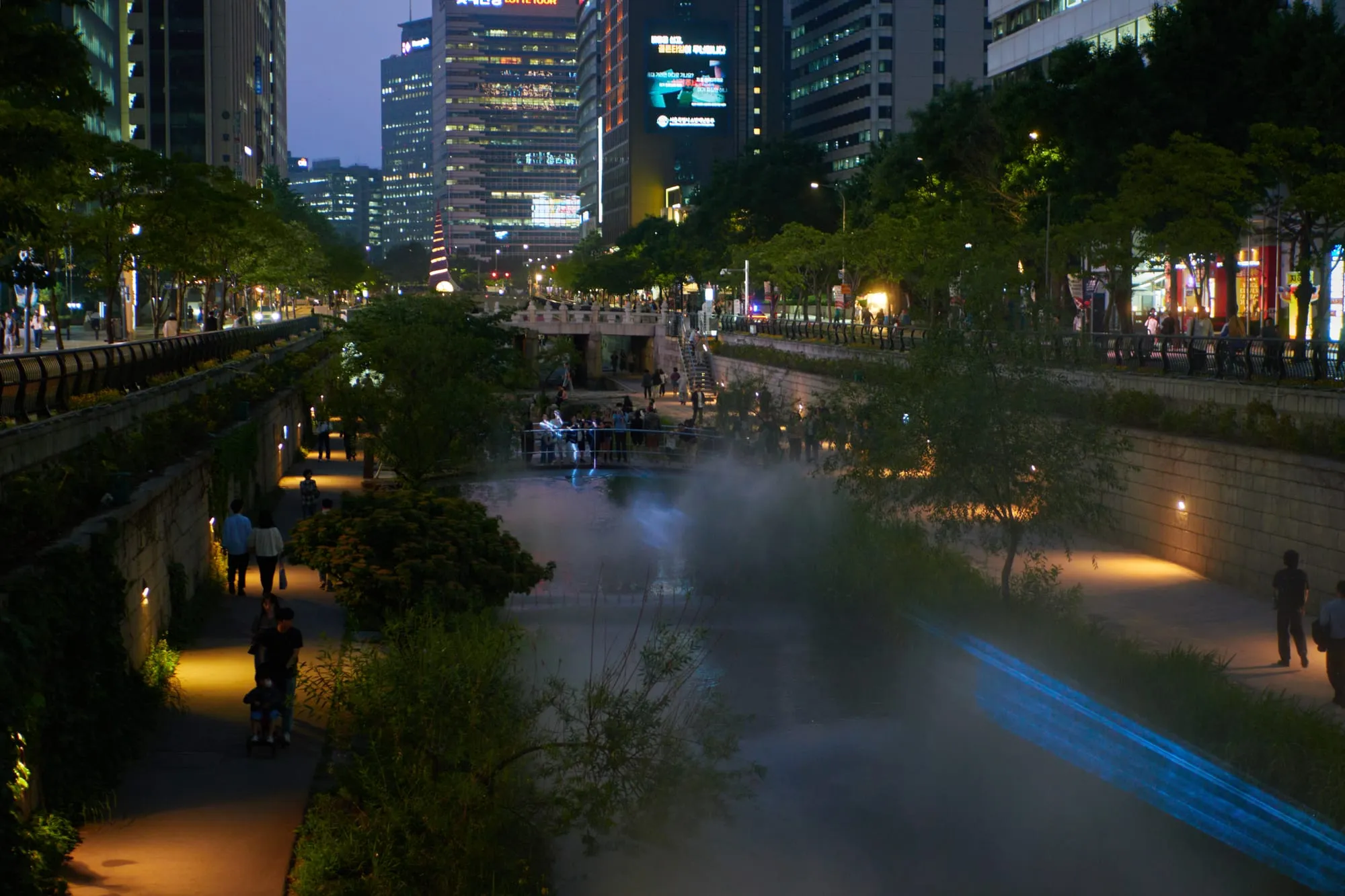
Is Seoul Safe? Crime, Scams & Emergency Numbers
Safety in Seoul: violent crime rates, solo female travel, nightlife cautions in Hongdae and Itaewon, black taxi scams, electric scooters, and emergency numbers.
Guide
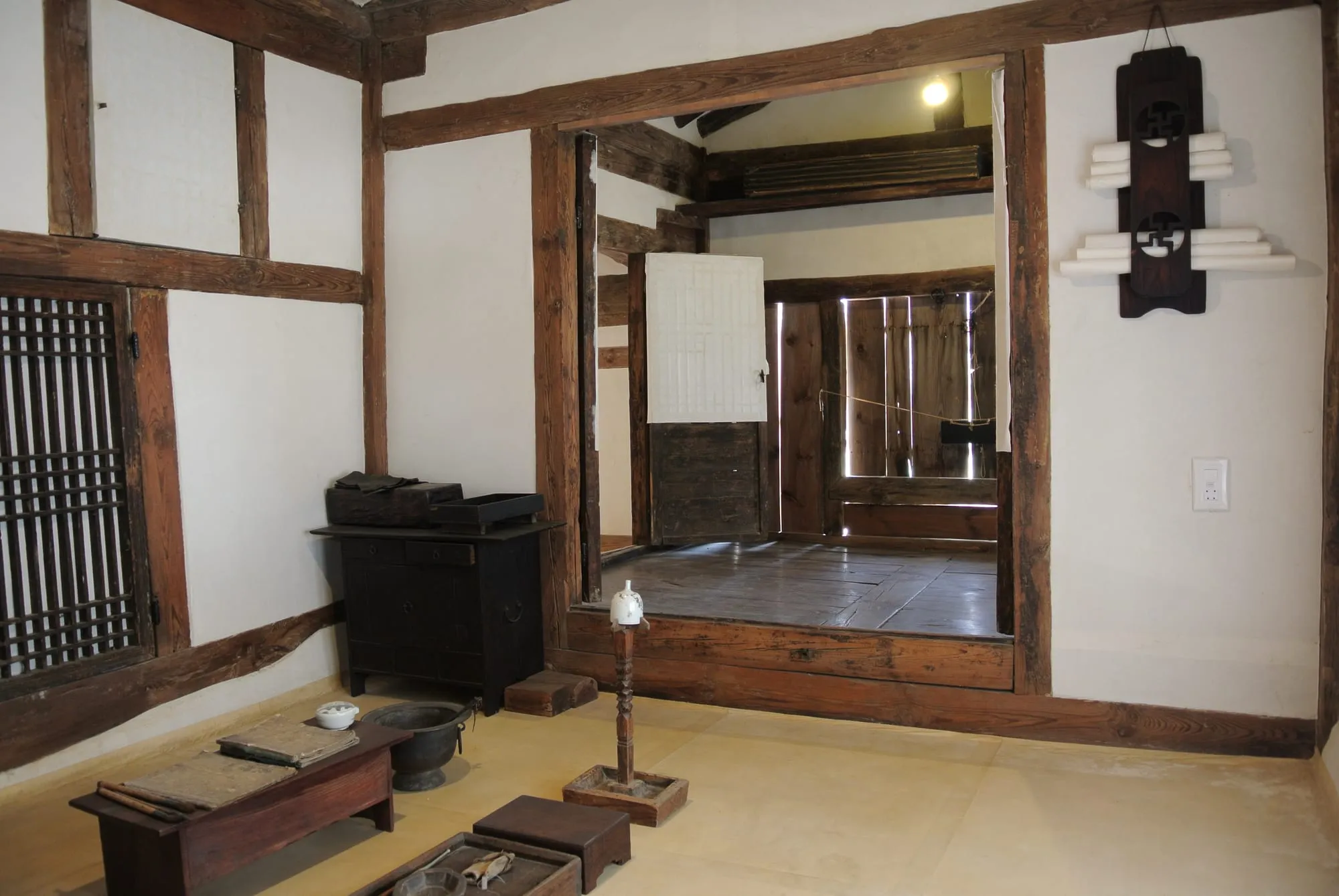
Seoul Jjimjilbang Guide: Bath Etiquette, Scrubs & Stays
How to visit a Seoul jjimjilbang: public bath etiquette, nudity rules, Korean body scrubs (seshin), heated ondol kiln rooms, snack bar food and overnight stays.
Guide
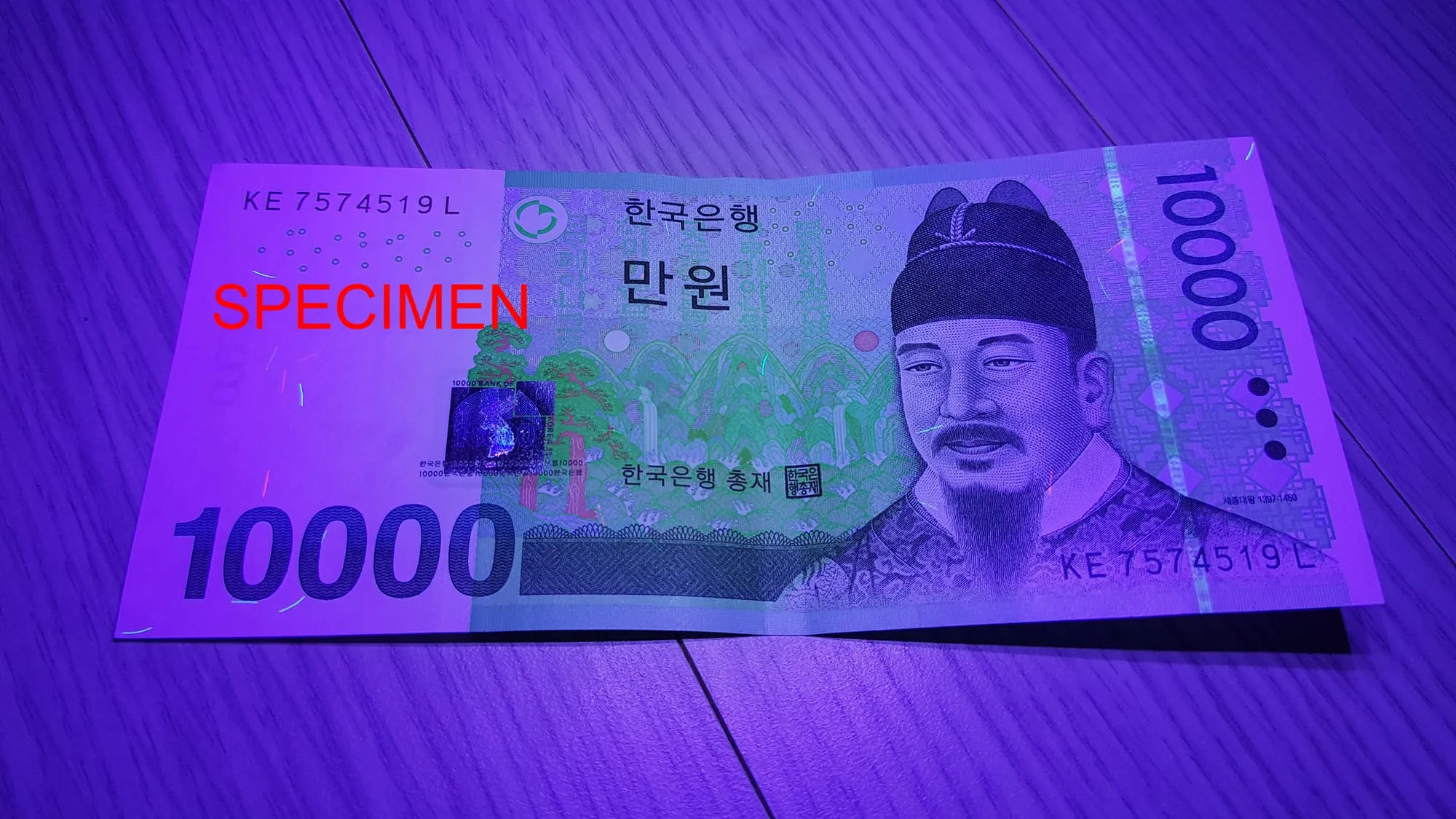
Money in Seoul: Cash, Cards, WOWPASS & Tipping
Cash vs card in Seoul: foreign credit card acceptance, finding Global ATMs, why T-money cards need cash, WOWPASS benefits, tax refunds, and zero tipping.
Guide
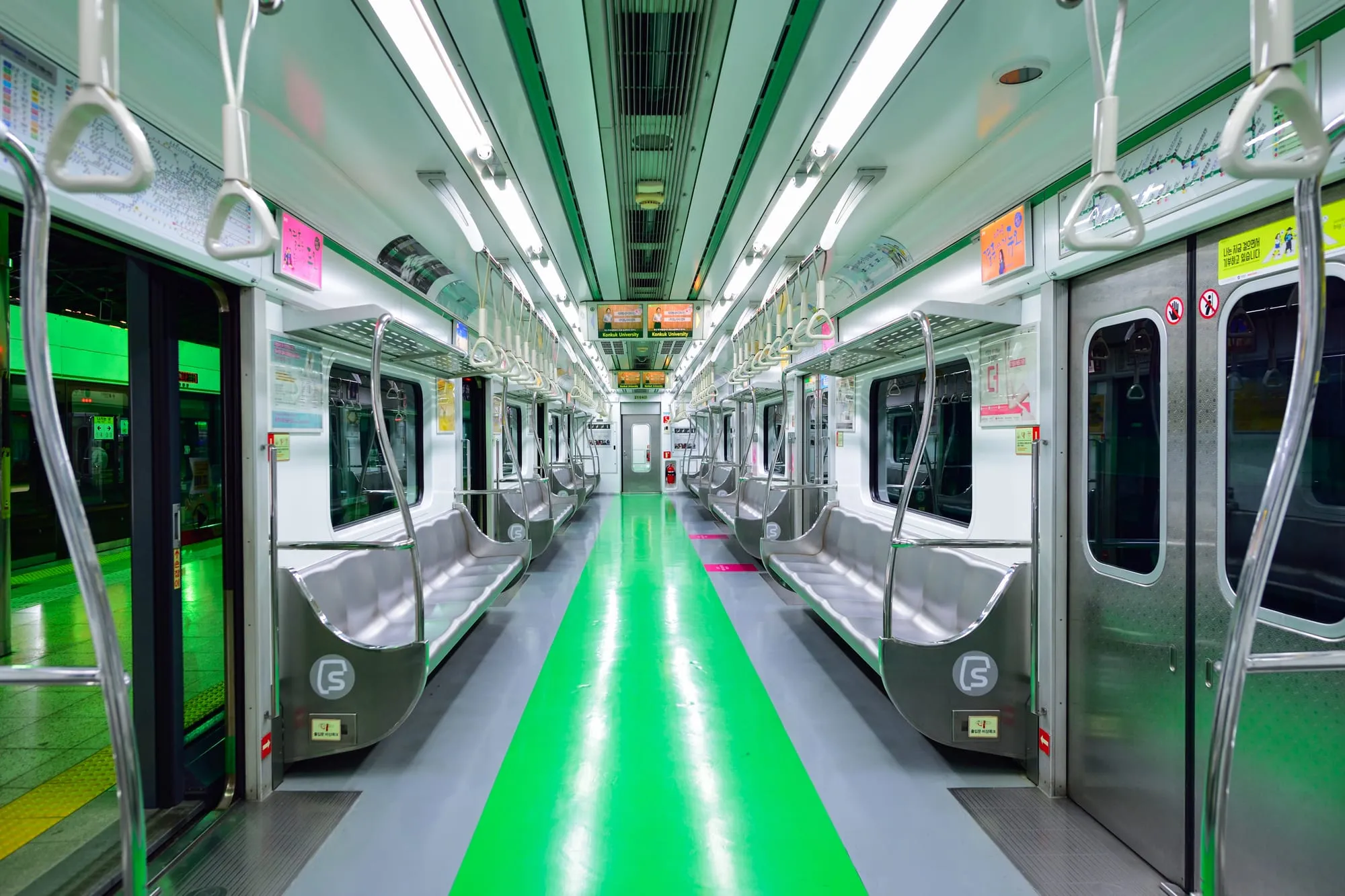
Seoul Etiquette: Subways, Dining, Shoes & Customs
Essential etiquette rules for visiting Seoul: subway carriage manners, two-handed drinking customs, chopsticks etiquette, shoe removal, and zero tipping.
Plan your trip
The rules and costs that apply to every city on the site.
Common questions
What should I book before travelling to Seoul?
Huwon Secret Garden at Changdeokgung requires booking exactly 6 days in advance online. AREX Express seats, N Seoul Tower observatory tickets and Discover Seoul Passes can be bought online beforehand.
Do I need a visa or K-ETA to enter South Korea?
Nationals of 22 visa-exempt countries and regions (including the UK, US, Canada, Australia and 11 EU member nations) are temporarily exempt from K-ETA through 31 December 2026. Travellers arriving in 2027 should check whether this exemption has been extended. Since 1 January 2026, foreign arrivals must complete the official online e-Arrival Card (e-arrivalcard.go.kr) within 3 days before arrival unless they hold a valid K-ETA or registered resident status.
Which days are royal palaces closed in Seoul?
Gyeongbokgung is closed on Tuesdays. Changdeokgung, Changgyeonggung and Deoksugung are closed on Mondays. If a public holiday falls on a scheduled closure day, the palace opens for the holiday and closes on the following working day.
Does Google Maps give walking directions in South Korea?
Not turn by turn. Google Maps in South Korea shows places, reviews and public transport routes, and Google has said it plans to add turn-by-turn walking and driving directions with no launch date. Use Naver Map or KakaoMap for turn-by-turn walking directions and station exits.
Should I buy a T-money card or a Climate Card in Seoul?
A T-money card is a pay-per-ride rechargeable debit card working on all transit across South Korea, including nationwide subways, buses and taxis. The Climate Card offers unlimited rides on Seoul-operated subway lines and city buses for a flat daily rate (from ₩5,000 for 1 day to ₩20,000 for 7 days, plus ₩3,000 for the physical card), but does not cover the Shinbundang Line, Gyeonggi provincial buses, or transit outside Seoul.