
💡 The Short Version: These guides cover what is the same wherever you go: which entry system a city’s country uses, how the Schengen 90-day rule counts, what to pay with and what to tip, how to stay online, and what is on in each month. Every city on the site has its own guide for tickets, day trips and where to stay; the tables below each guide list them all.

The departures board at Gare du Nord in Paris, with trains to London and Amsterdam. Photo: Nicolas Kovarik / European Union, Wikimedia Commons, CC BY 4.0.
More guides

Guide
EES and ETIAS Explained for a European City Break
The EU's Entry/Exit System has run at every Schengen border since 10 April 2026: a photo and four fingerprints, free, no stamp. ETIAS is €20 but not yet required. The UK ETA, Ireland, Turkey and Morocco work differently.

Guide
Schengen 90/180 Day Rule: How the Days Are Counted
You may spend 90 days in any 180 across all Schengen countries together. The window rolls, entry and exit days both count, and Ireland, the UK, Turkey and Morocco do not. Worked examples, the EU's calculator and what an overstay costs.
Guide
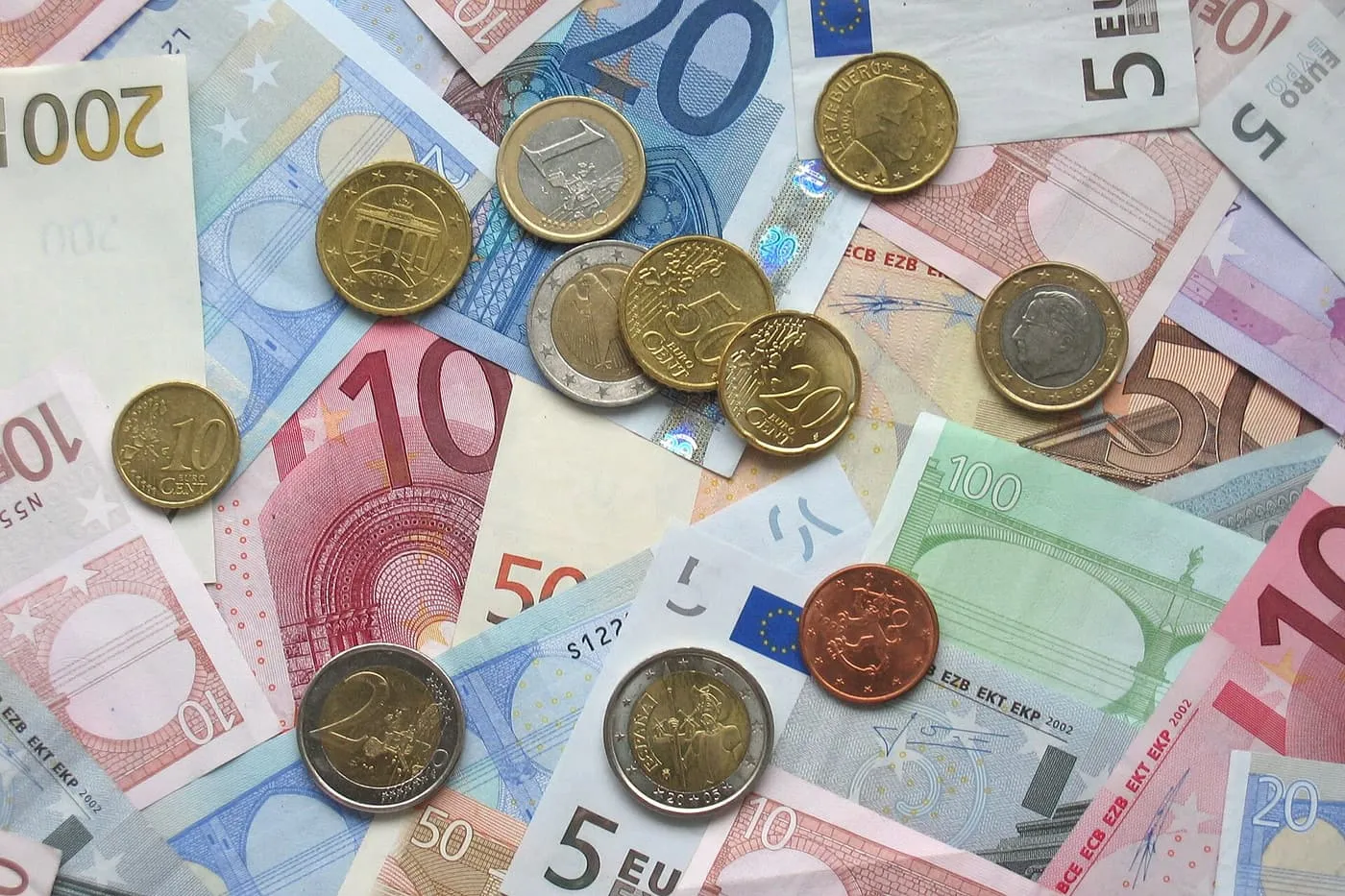
Money in Europe: Cards, Cash, Tipping and ATM Fees
Pay in the local currency, not your own, at card terminals and cash machines. How much cash is still used, ATM fees, the cities outside the euro, tipping and service charges, the Italian coperto and the Portuguese couvert.

Guide
eSIM for Europe: Roaming, Phones and Plans
An EU SIM roams at home prices across the EU; UK, US, Canadian and Australian SIMs pay daily charges. Which phones take an eSIM, what Saily, Nomad and Klook charge for Europe, and which plans leave out Turkey and Morocco.

Guide
Where to Go in Europe Each Month: Weather, Events
January highs run from 2.3°C in Krakow to 19.1°C in Marrakech, and July from 19.4°C in Edinburgh to 37.7°C in Marrakech. What each month is like across the cities, the big events, and the guide to each festival, market and holiday.