In this guide
💡 The Short Version: Seoul balances 600 years of royal Joseon heritage with hyper-modern urban design. Focus first on the Five Grand Palaces, led by Gyeongbokgung (₩3,000) and UNESCO-listed Changdeokgung (₩3,000, plus ₩5,000 for Huwon Secret Garden), both free to enter when wearing Hanbok. Take in panoramic skylines from N Seoul Tower (₩29,000) or Seoul Sky (₩31,000). Wander the historic wooden alleys of Bukchon Hanok Village and hip teahouses in Ikseon-dong. Taste culinary staples at Gwangjang Market and live seafood at Noryangjin. Balance the urban pace along the restored banks of Cheonggyecheon Stream and the riverside lawns of Hangang Parks.
Master reference table: key sights in Seoul
The table below gathers Seoul’s headline attractions with standard admission prices, nearest transport hubs, and operating schedules.
| Sight | Admission | Nearest transit | Operating days & hours | Highlights and tips |
|---|---|---|---|---|
| Gyeongbokgung Palace | ₩3,000 (free in Hanbok) | Gyeongbokgung Station (Line 3, Exit 5) | Wed–Mon 09:00–17:00/18:30 (closed Tue) | Main royal palace of the Joseon dynasty; royal guard change ceremonies run at 10:00 and 14:00 at Gwanghwamun Gate. |
| Changdeokgung Palace & Secret Garden | ₩3,000 palace, ₩5,000 garden | Anguk Station (Line 3, Exit 3) | Tue–Sun 09:00–17:30/18:00 (closed Mon) | UNESCO World Heritage palace featuring the tranquil Huwon Secret Garden; garden access requires joining an official timed tour. |
| Deoksugung Palace | ₩1,000 (free in Hanbok) | City Hall Station (Line 1 & 2, Exit 2 or 12) | Tue–Sun 09:00–21:00 (closed Mon) | Unique blend of Joseon timber pavilions and Western neoclassical stone halls; illuminated open paths until 21:00. |
| Changgyeonggung Palace | ₩1,000 (free in Hanbok) | Hyehwa Station (Line 4, Exit 4) | Tue–Sun 09:00–21:00 (closed Mon) | Serene palace grounds linked to Changdeokgung; home to the historic 1909 Victorian-style Grand Greenhouse and Chundangji Pond. |
| Gyeonghuigung Palace | Free | Seodaemun Station (Line 5, Exit 4) | Tue–Sun 09:00–18:00 (closed Mon) | Quiet secondary western royal palace; peaceful courtyards free of crowds adjoining the Seoul Museum of History. |
| N Seoul Tower | ₩29,000 observatory | Myeongdong Station (Line 4) + Namsan bus or cable car | Daily 10:00–22:30 (until 23:00 Sat, Sun and holidays) | 360-degree glass panorama from 480 m above sea level atop Namsan Mountain; outdoor padlock terraces are free to explore. |
| Seoul Sky (Lotte World Tower) | ₩31,000 adult | Jamsil Station (Line 2 & 8, Exit 1 or 2) | Sun–Thu 10:30–22:00, Fri–Sat 10:30–23:00 | Sixth-tallest building in the world at 555 metres; high-speed double-deck lift and glass-floor Sky Deck over the Han River. |
| Bukchon Hanok Village | Free | Anguk Station (Line 3, Exit 2) | Mon–Sat 10:00–17:00 (quiet hours; closed Sun) | Over 600 preserved residential hanok homes; observe designated quiet hours to respect neighbourhood residents. |
| Ikseon-dong Hanok Village | Free | Jongno 3-ga Station (Line 1, 3 & 5, Exit 4) | Daily 11:00–22:00 (individual shop hours vary) | 1920s hanok maze converted into artisanal bakeries, boutique craft shops, tea lounges, and open-air courtyards. |
| Insadong Traditional Street | Free | Anguk Station (Line 3, Exit 6) | Daily 10:00–20:00 (teahouses open later) | Historic artisan district known for calligraphy brushes, handmade hanji paper, antique shops, and the spiral Ssamzigil courtyard. |
| Gwangjang Market | Free entry | Jongno 5-ga Station (Line 1, Exit 7 or 8) | Food stalls daily 09:00–23:00 | Korea’s oldest permanent market, renowned for freshly fried mung bean bindaetteok, mayak gimbap, and knife-cut kalguksu. |
| Namdaemun Market | Free entry | Hoehyeon Station (Line 4, Exit 5) | Mon–Sat 00:00–23:00 (closed Sun; hours vary) | Massive traditional trading hub with 10,000 stalls; famous for kalguksu noodle alley, hotteok, and wholesale goods. |
| Noryangjin Fisheries Wholesale Market | Free entry | Noryangjin Station (Line 1 & 9, Exit 7 or 9) | 24 hours daily (retail stalls 04:00–22:00) | Multi-level seafood wholesale market; buy live king crab or fish on floor 1 to have prepared to order on floor 2. |
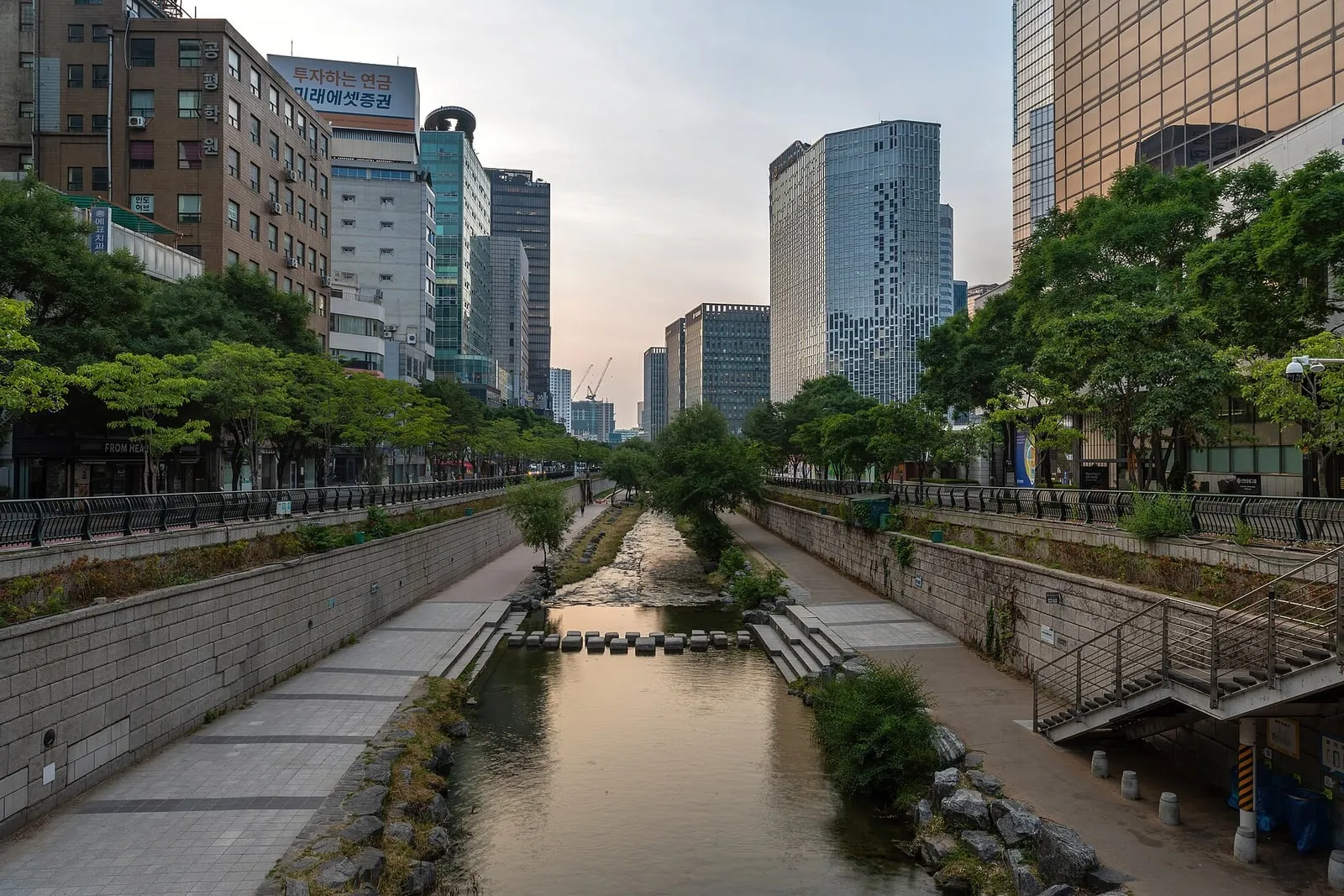
| Cheonggyecheon Stream | Free | Gwanghwamun Station (Line 5, Exit 5) | Open 24 hours daily | 11 km restored urban waterway running below street level through downtown Seoul, complete with stepping stones and waterfalls. |
| Hangang Parks (Yeouido / Banpo) | Free | Yeouinaru (Line 5) or Express Bus Terminal | Open 24 hours daily | Riverside recreation hubs popular for convenience store ramyeon cooking, tandem bicycle rentals, and Banpo fountain shows. |
| Seoul Forest | Free | Seoul Forest Station (Suin-Bundang Line, Exit 3) | Open 24 hours daily | Expansive eco-park featuring five themed zones, cycling trails, pedestrian bridges, a deer enclosure, and cherry blossoms. |
The Five Grand Joseon Palaces
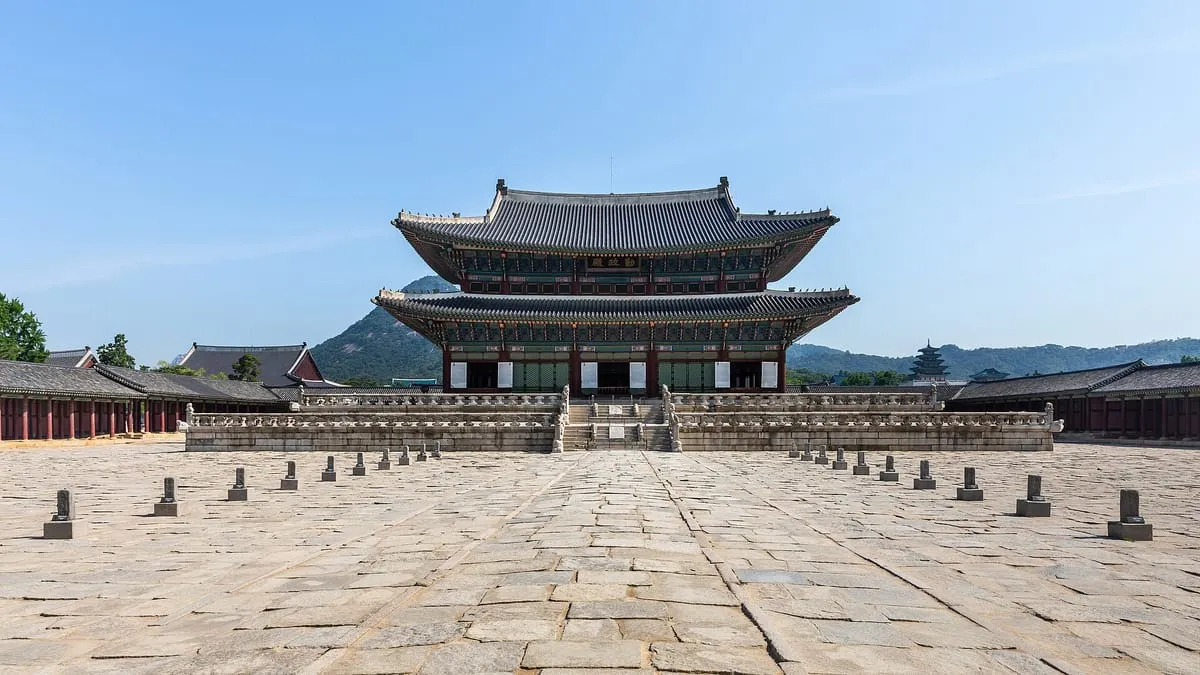
Constructed during the Joseon dynasty (1392–1910), Seoul’s five royal palaces were built according to geomantic principles (feng shui), backing onto protective granite peaks and facing south toward running water.
The Five Joseon Palaces Geographic Layout:
- Northern Main Palaces (Foot of Mount Bugaksan):
- Gyeongbokgung Palace: Primary royal seat with Gwanghwamun Gate and throne halls
- Changdeokgung Palace: UNESCO World Heritage palace featuring the Huwon Secret Garden
- Changgyeonggung Palace: Adjoining royal residence housing the historic 1909 Grand Greenhouse
- Western & Central Palaces:
- Gyeonghuigung Palace: Peaceful secondary western palace grounds adjoining the Seoul Museum of History
- Deoksugung Palace: Neoclassical stone and timber palace opposite City Hall, featuring evening illuminations
1. Gyeongbokgung Palace (Northern Palace)
Built in 1395 as the primary legal residence of the royal family, Gyeongbokgung is the largest and grandest of the five complexes. Passing through the outer gate of Gwanghwamun, you enter a series of stone-flagged courtyards lined with ranking stones leading up to Geunjeongjeon, the royal throne hall.
To the west sits Gyeonghoeru, an open pavilion resting upon 48 massive granite pillars over a rectangular lotus pond where state banquets were held. Further north, the delicate hexagonal pavilion of Hyangwonjeong floats on an islet encircled by weeping willows.
- Ceremony: The Sumunjang Changing of the Guard runs twice daily at 10:00 and 14:00 in front of Gwanghwamun Gate (duration: 20 minutes; free to watch from outside).
- Admission: ₩3,000 for adults (19–64); free for visitors wearing full traditional Hanbok. Closed Tuesdays.
2. Changdeokgung Palace and Huwon Secret Garden
Designated a UNESCO World Heritage Site in 1997, Changdeokgung was completed in 1405 as a secondary palace. Unlike Gyeongbokgung’s strict geometric symmetry, Changdeokgung’s halls blend seamlessly into the natural topography of the foothills.
The crown jewel of Changdeokgung is the Huwon (Secret Garden), a 78-acre rear retreat originally reserved exclusively for the king and royal women. Centred on the square lotus pool of Buyongji and the two-storey Juhamnu library pavilion, the garden contains pavilions designed to mimic blooming lotuses, unpeeled tree bark, and fans.
- Secret Garden Access: Requires joining a guided walking tour (limited capacities; ₩5,000 garden fee in addition to ₩3,000 general palace admission). English tours run multiple times daily. Closed Mondays.
3. Deoksugung Palace (Palace of Virtuous Longevity)
Positioned directly opposite Seoul City Hall, Deoksugung is celebrated for its harmonious juxtaposition of traditional Joseon architecture and early 20th-century Western stone edifices. King Gojong lived here while declaring the Korean Empire in 1897.
Highlights include Jeonggwanheon, an open-sided East-meets-West reception veranda where the emperor enjoyed coffee, and Seokjojeon, an imposing neoclassical stone palace designed by British architect J.R. Harding. Deoksugung is open until 21:00 every evening, with illuminated paths winding beneath illuminated eaves.
- Admission: ₩1,000; free wearing Hanbok. Closed Mondays.
4. Changgyeonggung Palace
Bordering the eastern perimeter of Changdeokgung, Changgyeonggung served primarily as residential quarters for queens and dowagers. The complex features Myeongjeongjeon, the oldest surviving main throne hall among all Joseon palaces, constructed in 1616.
At the north end of the grounds lies the Grand Greenhouse (Daewonseo), Korea’s first modern Western-style greenhouse built with a steel framework and wooden ribbing in 1909, overlooking the peaceful Chundangji Pond.
- Admission: ₩1,000; open until 21:00. Closed Mondays.
5. Gyeonghuigung Palace (Western Palace)
Constructed in the 1600s as an emergency secondary residence during times of war or domestic rebellion, Gyeonghuigung once boasted more than 100 buildings. Although partially dismantled during the early 20th century, key structures including Sungjeongjeon throne hall and Heunghwamun gate were meticulously reconstructed. It is the quietest palace in Seoul and charges no admission.
- Admission: Free. Closed Mondays.
Money-Saving Advice: If you intend to visit Changdeokgung’s Secret Garden plus Gyeongbokgung and Jongmyo Shrine, purchase the Royal Palace Integrated Ticket (Tonghabgwollamgwon) at any palace ticket counter for ₩10,000. Valid for three months, it covers all four major palaces plus Jongmyo Shrine, saving ₩4,000 compared to buying tickets individually.
Modern viewpoints and skyline panoramas
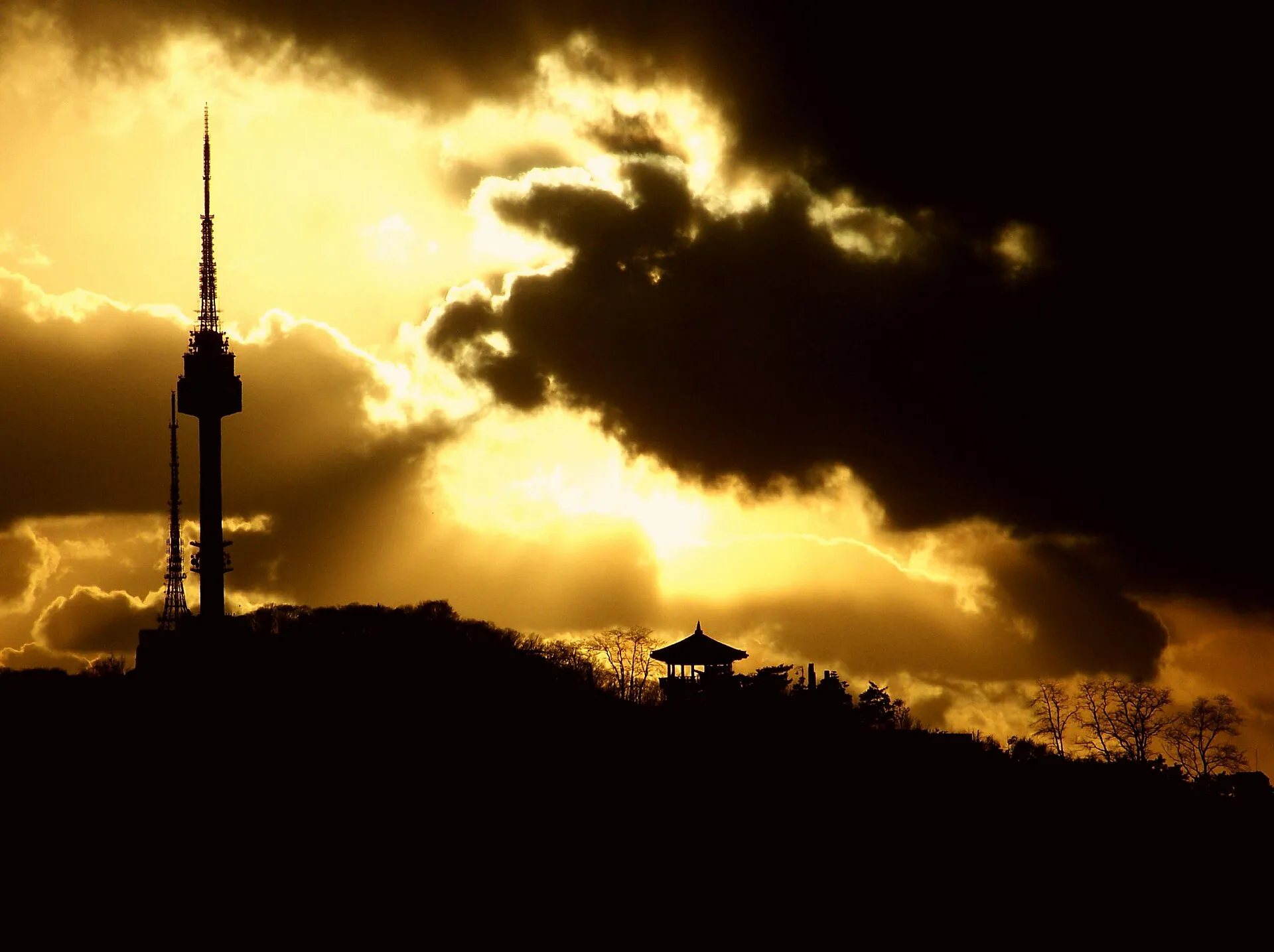
Two distinct towers provide elevated perspectives over the Han River valley and Seoul’s ring of protective mountains.
| Feature | N Seoul Tower | Seoul Sky (Lotte World Tower) |
|---|---|---|
| Height / Elevation | 236 m tower (480 m above sea level) | 555 m skyscraper (123 storeys) |
| Location | Mount Namsan (Central Seoul) | Jamsil, Songpa-gu (Southeastern Seoul) |
| Setting & Highlights | Forested mountain park, Love Locks terrace | Hyper-modern glass skyscraper, 118th-floor glass deck |
| Adult Admission | ₩29,000 (outdoor terraces free) | ₩31,000 |
| Nearest Transit | Myeongdong (Line 4) + bus or cable car | Jamsil Station (Lines 2 & 8 direct) |
N Seoul Tower (Mount Namsan)
Perched atop Mount Namsan, N Seoul Tower rises to an altitude of 480 metres above sea level. Reach the summit by riding the yellow Namsan circular shuttle bus 01A or 01B (₩1,500, transport card only) from Chungmuro Station, or take the Namsan Cable Car from Myeongdong.
The outdoor plaza is famous for thousands of colourful padlocks secured to fences by couples. The indoor observation deck (₩29,000) offers 360-degree glass views through panoramic floor plates, featuring distance markers to global cities painted across the glazing.
Seoul Sky at Lotte World Tower
Standing 555 metres high with 123 storeys in Jamsil, Lotte World Tower is the tallest building in South Korea and the sixth tallest on the planet. Visitors access the Seoul Sky observation deck via the Sky Shuttle, a double-deck lift that shoots through the tower core at 600 metres per minute, reaching floor 117 in 60 seconds.
The observation deck spans floors 117 to 123. The star feature is the Sky Deck on floor 118, where sections of opaque flooring suddenly turn clear beneath your shoes, revealing the street traffic 478 metres directly below. Timed sunset tickets cost ₩31,000 for adults.
Cultural enclaves: Hanok villages and art alleys
Preserved neighbourhoods provide intimate glimpses into pre-modern Korean domestic architecture and artisan crafts.
Bukchon Hanok Village
Tucked between Gyeongbokgung and Changdeokgung, Bukchon preserves the residential alleys where the Joseon aristocracy resided. Winding uphill stone passageways are lined with traditional mud-brick, wooden, and tiled houses (hanok).
The quintessential vantage point is Bukchon-ro 11-gil, looking downward through gabled tiled roofs toward the modern glass towers of Jongno. Because Bukchon is an inhabited residential neighbourhood, visitors must respect strict quiet hours between 10:00 and 17:00 Monday to Saturday; tourist access to core alleys is restricted on Sundays.
Insadong
Connected to Anguk Station (Line 3), Insadong-gil is the primary historic avenue for Korean traditional arts, calligraphy brushes, antique porcelain, and handmade mulberry paper (hanji).
Wander into Ssamzigil, a whimsical modern open-air shopping complex where a continuous pedestrian ramp spirals upward past independent artisan craft workshops. Duck into the narrow side alleys to discover secluded wooden teahouses serving hot roasted grain teas, omija infusions, and sweet pumpkin porridge.
Ikseon-dong
Located a five-minute walk east of Insadong near Jongno 3-ga Station (Lines 1, 3, 5), Ikseon-dong is one of Seoul’s oldest hanok residential quarters, developed in the 1920s. Over the past decade, young Korean designers transformed the dense, maze-like alleys into a chic lifestyle village.
Original timber beams and tiled eaves now house artisanal bakeries serving steamed brioche, dessert cafes adorned with blooming indoor gardens, micro-distilleries, and vintage photobooths. Arrive by 11:30 or after 17:00 to avoid mid-afternoon pedestrian queues.
Traditional markets: food, fabrics and wholesale
Seoul’s historic markets are energetic commercial hives operating from dawn until well past midnight.
Gwangjang Market
Established in 1905, Gwangjang Market is the epicentre of traditional northern Korean street food. Underneath overhead flags, communal wooden benches surround smoking griddles.
Must-try specialities include:
- Bindaetteok: Stone-milled mung bean batter mixed with bean sprouts and scallions, fried until golden and crisp (₩5,000).
- Mayak Gimbap: Mini seaweed rice rolls brushed with aromatic sesame oil and served with sharp mustard dip (₩3,000).
- Yukhoe: Finely sliced fresh raw beef tossed with sesame oil, garlic, and sliced sweet pear, topped with a raw egg yolk (₩19,000 per plate in Yukhoe Alley).
Namdaemun Market
South Korea’s largest traditional marketplace dates back to 1414, sprawling over several blocks near Hoehyeon Station (Line 4). More than 10,000 independent shops and stalls sell clothing, children’s garments, kitchenware, luggage, and ginseng at wholesale prices.
Do not miss Kalguksu Alley, an enclosed row of steaming noodle stalls where ordering a bowl of hand-cut knife noodles (approx ₩8,000) includes complimentary side bowls of spicy cold noodles (bibim naengmyeon) and barley rice (boribap).
Noryangjin Fisheries Wholesale Market
Connected to Noryangjin Station (Lines 1 and 9) via an enclosed footbridge, Noryangjin is a massive 24-hour seafood exchange. The ground floor houses hundreds of wet stalls displaying fresh marine catches from across the Korean peninsula: giant king crabs, live octopus (sannakji), sea squirts, halibut, and abalone.
Select your seafood directly from the stallholder, pay for the raw produce, and take it upstairs to the second-floor dining restaurants. The kitchen will steam, grill, or slice your purchase for a standard preparation fee (typically ₩4,000 to ₩6,000 per person, plus cooking charges per dish).
Tours and guided city sightseeing
Organised tours provide direct air-conditioned transport between distant sights, bypassing subway interchanges.
Seoul: Highlights of Seoul Full-Day Tour
From ₩80,464 · 4.9 stars from 910 reviews · 8 - 8.5 hours · all key sights & transport
Seoul: Highlights of Seoul Full-Day Tourad: Covers Gyeongbokgung Palace, Jogyesa Temple, Insadong, and traditional markets with an English guide and lunch included.
Seoul: City Highlights Palace Tour & Optional Hanbok
From ₩87,283 · 4.9 stars from 1,100 reviews · 4 hours · palace history & architecture
Seoul: Half-Day City Highlights & Palace Tour with Hanbokad: Morning palace tour exploring royal court architecture and ceremonial halls.
Seoul: DMZ Tour + North Korean Defector Q&A
From ₩68,190 · 4.9 stars from 23,549 reviews · 7 - 9 hours · border history & 3rd Tunnel
Seoul: DMZ Tour + North Korean Defector Q&Aad: Full-day military security border tour with Dora Observatory and Third Tunnel walk.
Seoul: N Seoul Tower Observatory Ticket
From ₩29,000 · 4.4 stars from 205 reviews · 2 to 3 hours · skyline views voucher
Seoul: N Seoul Tower Observatory Entry Ticketad: Digital admission voucher for the observation deck at the top of Mount Namsan.
Urban parks and green corridors
Seoul is criss-crossed by riverfront reserves and restored waterways that showcase the capital’s ecological restoration.
Cheonggyecheon Stream
Covered by an elevated motorway during post-war industrial expansion, this historic downtown stream was excavated and restored as an 11-kilometre ecological park in 2005. Running from Cheonggye Plaza east toward the Jungnangcheon tributary, the sunken walkway features stepping stones, small waterfalls, historic bridge piers, and illuminated art installations. It offers a cool, traffic-free walking trail through the heart of the city.
Hangang Parks (Yeouido and Banpo)
The Han River divides Seoul into northern (Gangbuk) and southern (Gangnam) halves, bordered by 11 distinct public riverside parks.
- Yeouido Hangang Park: Famous for cherry blossoms in April, sprawling green picnic lawns, and tandem bicycle rentals (approx ₩7,000 per hour). Grab an instant ramyeon bowl from a riverside convenience store and prepare it using the automated induction boiling machines for a popular Seoul leisure ritual.
- Banpo Hangang Park: Renowned for the Banpo Bridge Moonlight Rainbow Fountain, the world’s longest bridge fountain featuring 380 water nozzles. Water jets shoot 43 metres across the river, synchronised to music and coloured lighting every evening from April to October.
Seoul Forest
Located near Seongsu-dong, Seoul Forest spans over 1.2 million square metres of former royal hunting grounds and equestrian racecourses. Today, the park comprises five themed cultural and ecological zones, including an insect botanical garden, an enclosed deer corral where visitors can feed Korean deer, outdoor sculpture gardens, and paved cycling lanes shaded by mature ginkgo and metasequoia trees.
To plan your daily routes seamlessly across these attractions, consult our recommended 3-day Seoul itinerary, review options for free things to do in Seoul, or read our comprehensive guide on how to use public transport in Seoul.
Common questions
What are the essential sights to see in Seoul?
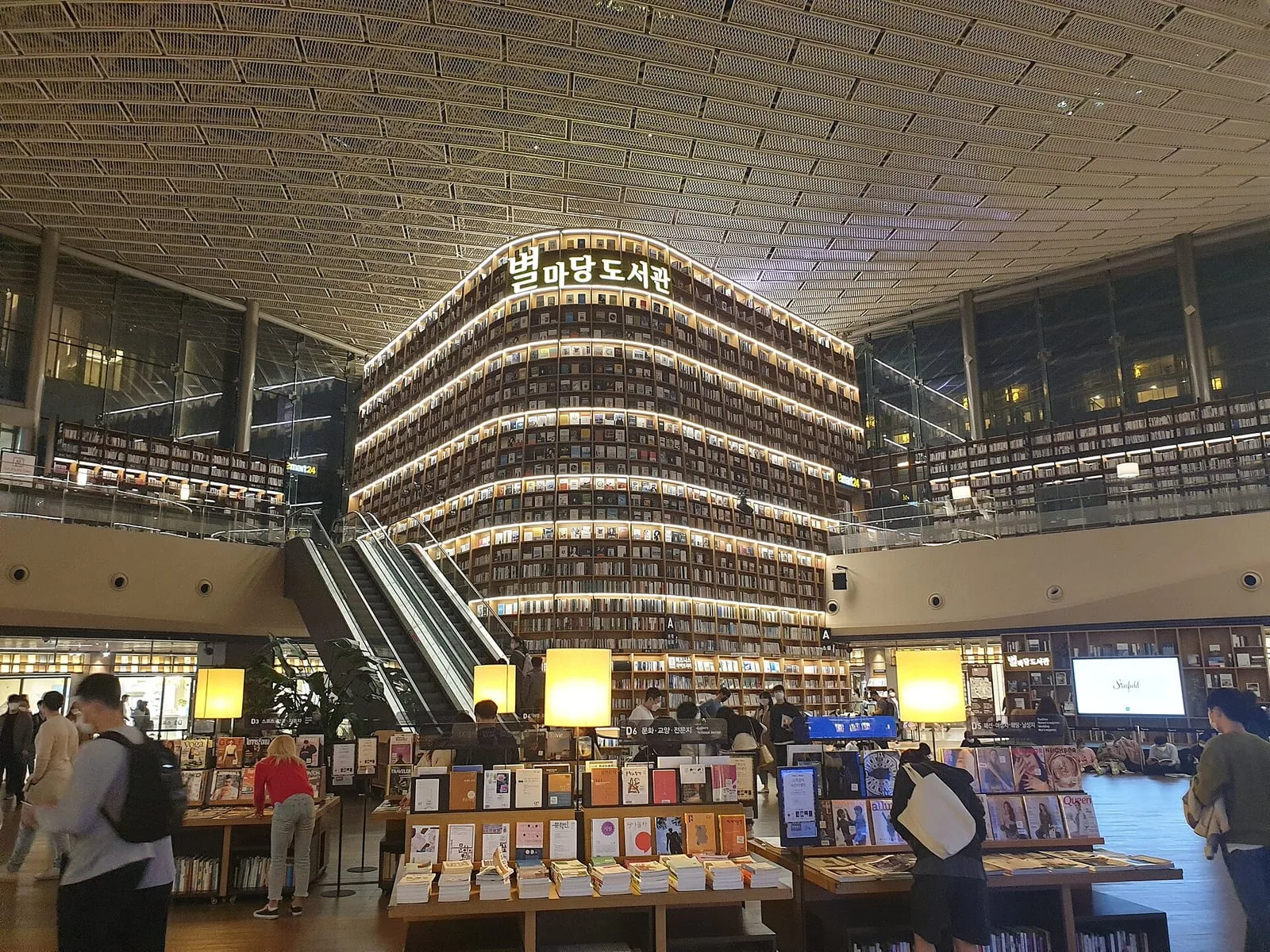
The core sights comprise Gyeongbokgung Palace and Changdeokgung Secret Garden, Bukchon Hanok Village, the N Seoul Tower observatory, Gwangjang Market street food, Starfield Library at COEX, and Cheonggyecheon Stream.
Is the Royal Palace Integrated Ticket worth buying in Seoul?
The integrated ticket costs ₩10,000 and covers Gyeongbokgung (₩3,000), Changdeokgung including Huwon Secret Garden (₩8,000 combined), Changgyeonggung (₩1,000), Deoksugung (₩1,000), and Jongmyo Shrine (₩1,000). Visiting Changdeokgung Secret Garden plus any two other palaces saves money over individual tickets.
Can you enter royal palaces in Seoul for free?
Visitors dressed in complete traditional Korean Hanbok receive free admission to all four royal palaces (Gyeongbokgung, Changdeokgung, Deoksugung, and Changgyeonggung) and Jongmyo Shrine every operating day.
Which observation deck provides the best view in Seoul?
N Seoul Tower offers a central panoramic view from atop forested Mount Namsan across downtown and Gangnam. Seoul Sky at Lotte World Tower provides the highest vantage point in South Korea from 555 metres above the Jamsil district.