In this guide
The Short Version: Book Petronas Twin Towers observation deck tickets online 1 to 2 weeks in advance, as daily visitor quotas fill up quickly and gate purchases rarely succeed. All prices throughout this guide are quoted in Malaysian ringgit (RM). The KLIA Ekspres non-stop train connects the airport to KL Sentral in 28 minutes for RM55 (scheduled to adjust to RM65 from 1 January 2027), making it the quickest transfer into the capital. For moving around town, pick up a Touch ‘n Go (TnG) card or purchase a MyCity Pass for unlimited rides on the integrated MRT, LRT, and KL Monorail networks, complemented by inexpensive rides using the Grab app. Base yourself in Bukit Bintang for retail shopping and hawker street feasts along Jalan Alor, or stay in KLCC for high-rise towers, park greenery, and skyline pools. Sights such as Batu Caves are free to enter (with modest attire required for the 272 steps), while full-day excursions to historic Malacca or the cool tea plantations of the Cameron Highlands reveal peninsular Malaysia’s colonial and natural heritage.
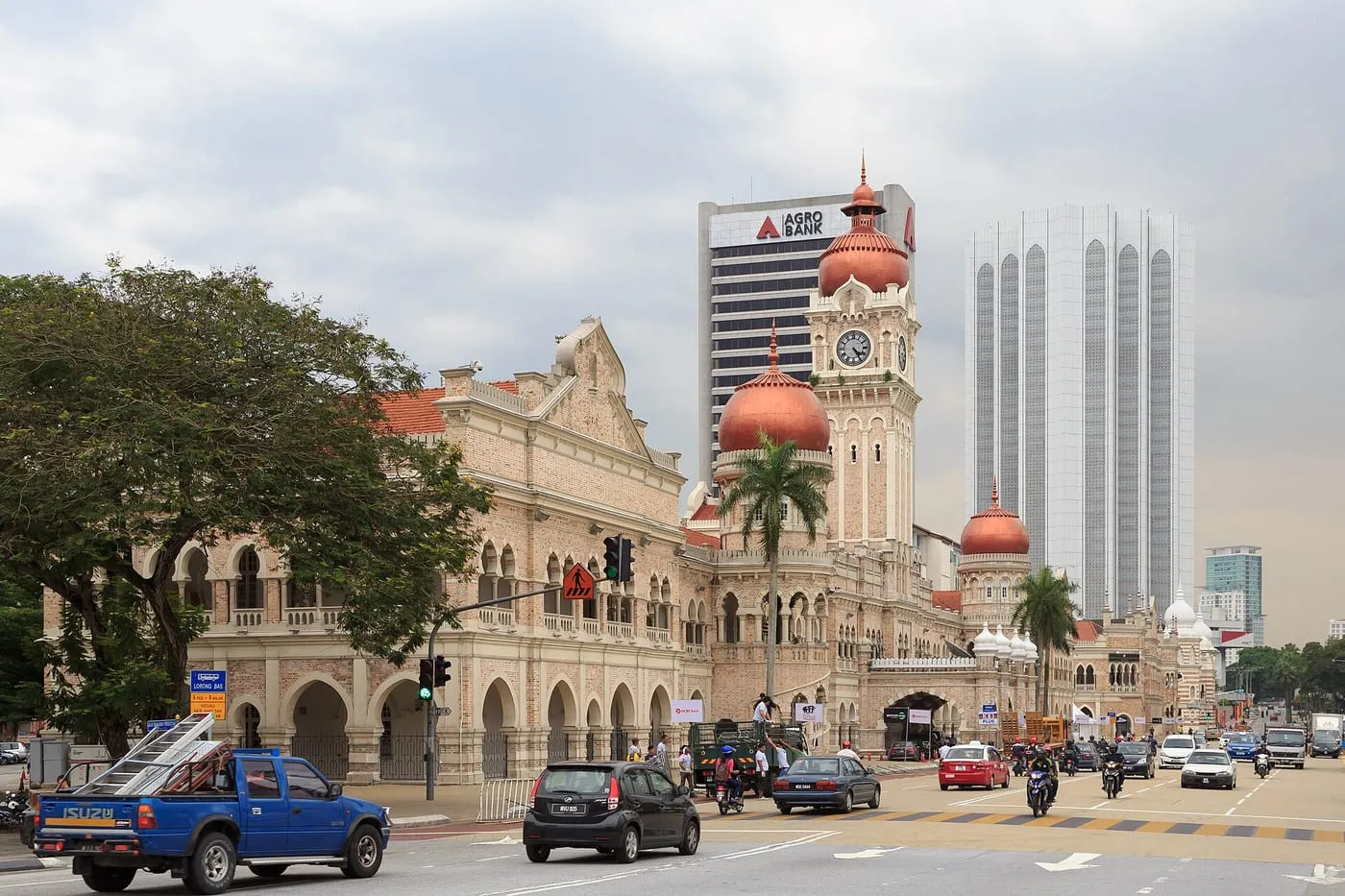
The Sultan Abdul Samad Building on Merdeka Square. Photo: CEphoto, Uwe Aranas, Wikimedia Commons, CC BY-SA 3.0.
What to book before you go
Kuala Lumpur is modern and convenient to navigate, but several headline sights and day tours enforce strict caps on daily visitor numbers. Securing your tickets in advance guarantees your preferred entry slot and eliminates ticket counter lines in the humid midday heat.
| Attraction or service | Booking window | Adult price | Booking platform | Practical considerations |
|---|---|---|---|---|
| Petronas Twin Towers | 1–2 weeks ahead | RM127 weekday / RM137 weekend (adult) | Official Petronas portal | Timed 45-min guided slot (Skybridge L41 & Obs Deck L86); open Tue–Sun 09:00–22:30 (open through Friday prayers); open 2nd, 4th, 5th Mon 09:00–20:00 (closed 1st & 3rd Mon) |
| KL Tower (Menara KL) | 2–5 days ahead | Observation Deck or Sky Deck ticket | Official site or ticket desk | Open daily 09:00–22:00; open-air 300-metre outdoor deck offers direct vistas of Petronas Towers; subject to weather halts |
| Batu Caves tour or transit | Buy on the day | Free (Cathedral Cave) / RM5 (Ramayana Cave) | KTM Komuter train at station (RM2.60) | Main cavern is free; 272 rainbow steps require covered knees and shoulders; 42.7m Murugan statue is tallest Hindu deity statue in Malaysia |
| KLIA Ekspres airport train | Book ahead or tap TnG | RM55 single / RM100 return (RM25 child) | Official app or station counters | 28 mins non-stop T1 to KL Sentral; runs 05:00 to 01:00 (stops all stations from 23:00); fares adjust to RM65/RM118/RM29 from 1 Jan 2027 |
| Aquaria KLCC | 1–3 days ahead | RM82 (adult) | Aquaria KLCC tickets | 90-metre oceanarium tunnel beneath KL Convention Centre; sand tiger shark feeding Mon, Wed, Sat at 15:00 |
| KL Bird Park | On the day or ahead | RM90 adult / RM70 child | KL Bird Park ticketing | 20.9-acre free-flight aviary; open daily 09:00–17:30 in Perdana Botanical Gardens |
| Sunway Lagoon Theme Park | 1–3 days ahead | RM160–RM225 (adult) | Sunway Lagoon portal | 6 adventure parks; online tickets save roughly 25% over walk-up counter rates |
| Petrosains Science Discovery Centre | 1–3 days ahead | RM22 adult / RM12 child | Petrosains portal | Level 4 Suria KLCC; hands-on oil platform simulations and dinosaur exhibits |
| Malacca heritage day trip | 3–7 days ahead | From RM118 | GetYourGuidead or Klookad | Full-day 10-hour excursion covering Christ Church, A Famosa fortress, St Paul’s Hill, and Jonker Street |
| Cameron Highlands day tour | 3–7 days ahead | From RM320 | Klookad or GetYourGuide | 12-hour guided mountain trip visiting BOH Tea Plantation, strawberry farms, and cool montane cloud forests |
Quick orientation: Kuala Lumpur’s core districts
Kuala Lumpur is a sprawling, tropical metropolis that developed from a 19th-century tin-mining settlement at the confluence of the Klang and Gombak rivers into a shimmering forest of steel and glass skyscrapers. The city centre is organised around several distinct quarters, each linked by modern overhead walkways and mass rail:
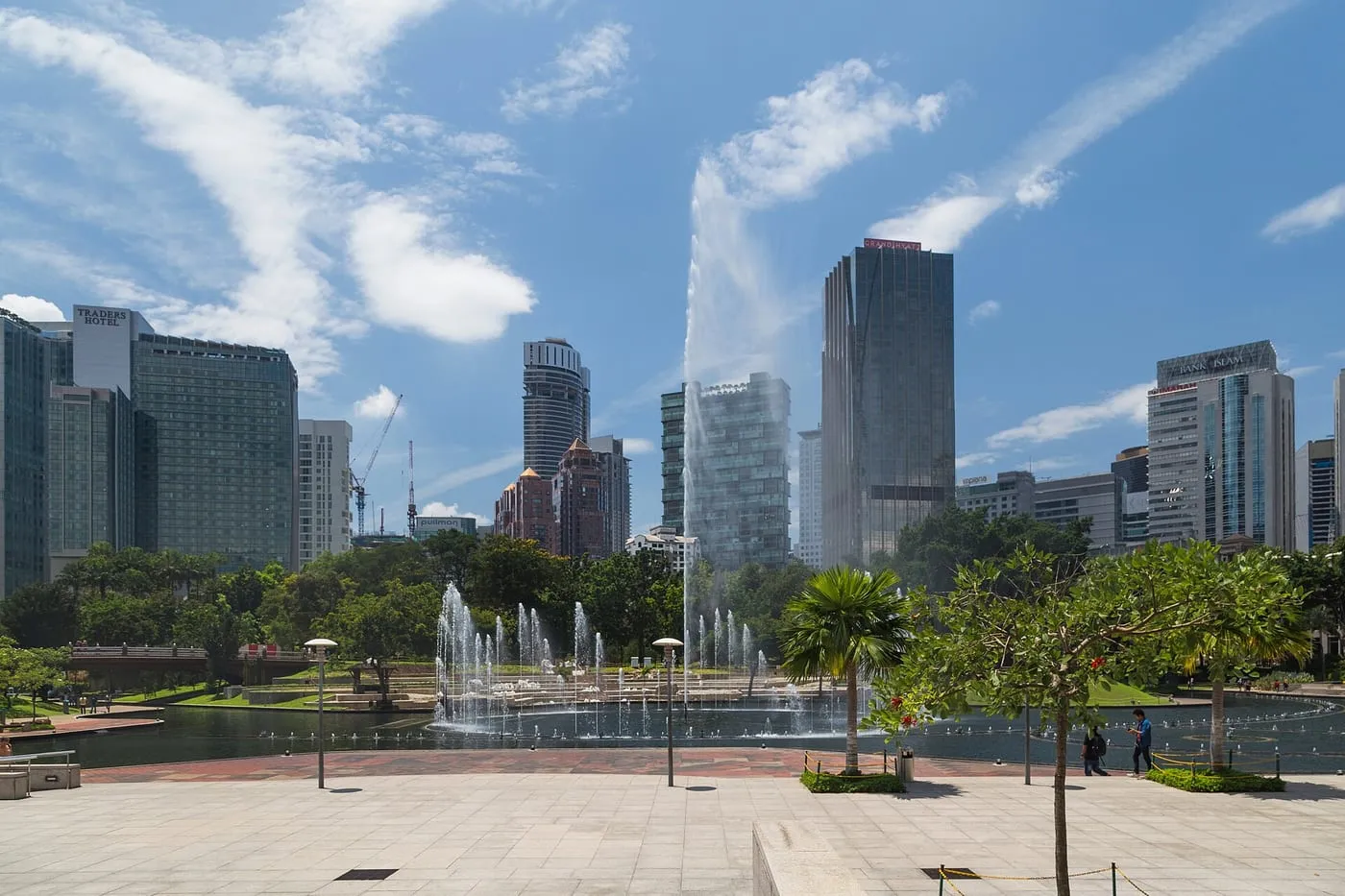
- KLCC (Kuala Lumpur City Centre): The gleaming commercial heart anchored by the 451.9-metre Petronas Twin Towers, Suria KLCC shopping mall, and the meticulously landscaped 50-acre KLCC Park. It hosts the city’s finest five-star luxury towers and serviced apartments; explore options in our guide to hotels near Petronas Towers and KLCC.
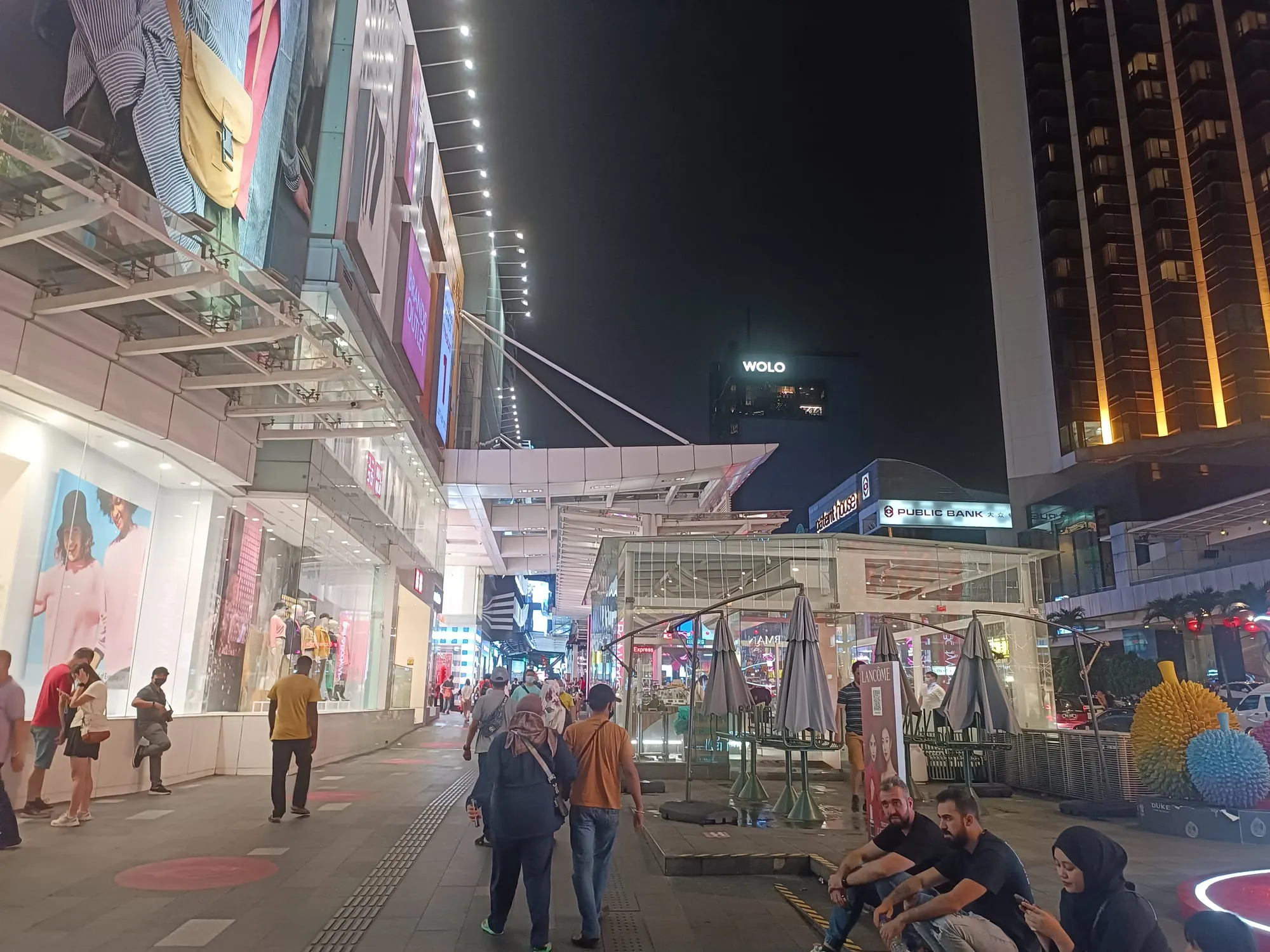
- Bukit Bintang: The central shopping, entertainment, and culinary district. Home to major retail hubs like Pavilion KL, electronics mecca Plaza Low Yat, and the famous evening hawker street of Jalan Alor.
- Chinatown and Petaling Street: A heritage district packed with covered markets, atmospheric clan temples like Guan Di Temple, third-wave specialty coffee roasters on Jalan Petaling, and colourful street art alleys; plan your visit with our Central Market and Chinatown guide.
- KL Sentral and Brickfields: The primary national and international railway hub, connected to the lively lanes of Little India, filled with south Indian banana leaf curry houses, spice merchants, and sweet shops; explore top dining in our Brickfields Little India food and culture guide.
- Colonial District and Merdeka Square: The historic administrative precinct showcasing late-Victorian and Moorish revival architecture, including the copper-domed Sultan Abdul Samad Building, the National Textile Museum, and the Royal Selangor Club; trace the historic streets using our Colonial district and Chinatown walk.
Key transit corridors between districts
- KLIA Airport to KL Sentral: 55 km south, connected non-stop by the KLIA Ekspres train in 28 minutes.
- KL Sentral to Chinatown & Colonial Core: 1 stop north on the LRT Kelana Jaya Line to Pasar Seni and Masjid Jamek.
- KL Sentral to Bukit Bintang: 3 stops on the MRT Kajang Line (Muzium Negara) or 15 minutes via the KL Monorail.
- Bukit Bintang to KLCC: Connected by the air-conditioned KLCC–Bukit Bintang elevated pedestrian walkway or 1 stop on the MRT.
- Central KL to Batu Caves: 13 km north, reached directly in 30 minutes via the KTM Komuter train from KL Sentral.
Planning your days and walks
Whether spending a short stopover or a week in peninsular Malaysia, structured itineraries keep travel efficient in the tropical heat:
- 3 days in Kuala Lumpur: Our complete 72-hour route balancing skyline viewpoints, historic temples, and evening hawker feasts.
- Things to do in Kuala Lumpur: A ranked overview of the capital’s top 15 attractions, museums, and natural reserves.
- Free things to do in Kuala Lumpur: Zero-ringgit sights including Batu Caves Cathedral Cave, KLCC Park paddling pool, and Merdeka Square.
- Kuala Lumpur with kids: Family-tested attractions including Petrosains Discovery Centre, Aquaria KLCC, and Sunway Lagoon waterpark.
- Colonial district and Chinatown walk: A 3-hour self-guided walking route connecting British administrative monuments to Chinatown street stalls.
- Bukit Bintang to KLCC walk: An air-conditioned elevated walkway connecting major shopping malls without navigating street-level traffic.
Entry requirements and Malaysia Digital Arrival Card (MDAC)
Before flying to Malaysia, ensure all passport and arrival documentation are completed within the required official timeframes:
| Requirement | Regulation & timeframe | Applicable travellers |
|---|---|---|
| Visa-free tourism | Up to 90 days stay without a visa | Citizens of the UK, US, Canada, Australia, EU member states, and select other nations |
| Passport validity | Minimum 6 months validity from the date of arrival | All international visitors |
| Malaysia Digital Arrival Card (MDAC) | Mandatory, free electronic arrival registration submitted within 3 days prior to arrival via the official Immigration Department of Malaysia portal | All international arrivals except Singapore citizens, diplomatic passport holders, and long-term pass holders |
| European travel systems | Malaysia is completely outside Europe; European border schemes (such as EES or ETIAS) do not apply | All incoming travellers |
Arriving in Kuala Lumpur
Kuala Lumpur International Airport (KLIA) sits approximately 55 kilometres south of the city in Sepang. The airport consists of two separate terminals: Terminal 1 (KLIA1), which handles full-service international and national carriers (such as Malaysia Airlines, Singapore Airlines, Emirates, and British Airways), and Terminal 2 (KLIA2), a vast, modern low-cost carrier hub primarily serving AirAsia and other regional budget airlines.
For comprehensive breakdown of timetables, baggage logistics, and step-by-step terminal guides, read our complete guide on Kuala Lumpur airport to city centre transfers.
| Transfer mode | Travel time to centre | Standard fare | Pick-up point | Key strengths |
|---|---|---|---|---|
| KLIA Ekspres Train | 28–33 minutes | RM55 single / RM100 return (child RM25) | Basement Level 1 (T1 & T2) | Avoids highway jams; runs 05:00 to 01:00 (stops all stations from 23:00); adjusting to RM65/RM118 from 1 Jan 2027 |
| Airport Express Bus | 60–75 minutes | RM12–RM15 | Level 1 Bus Hub | Budget-friendly option running every 20–30 minutes to KL Sentral ground concourse |
| Grab E-hailing Car | 45–70 minutes | RM65–RM85 (+ tolls) | Designated e-hailing doors (Doors 3/4) | Door-to-door comfort directly to your hotel lobby; fixed upfront fare in app |
| Airport Taxi Kiosk | 45–70 minutes | RM80–RM120 | Official taxi counter coupon | Fixed-price prepaid coupon purchased before vehicle boarding at airport arrivals |
Getting around the city
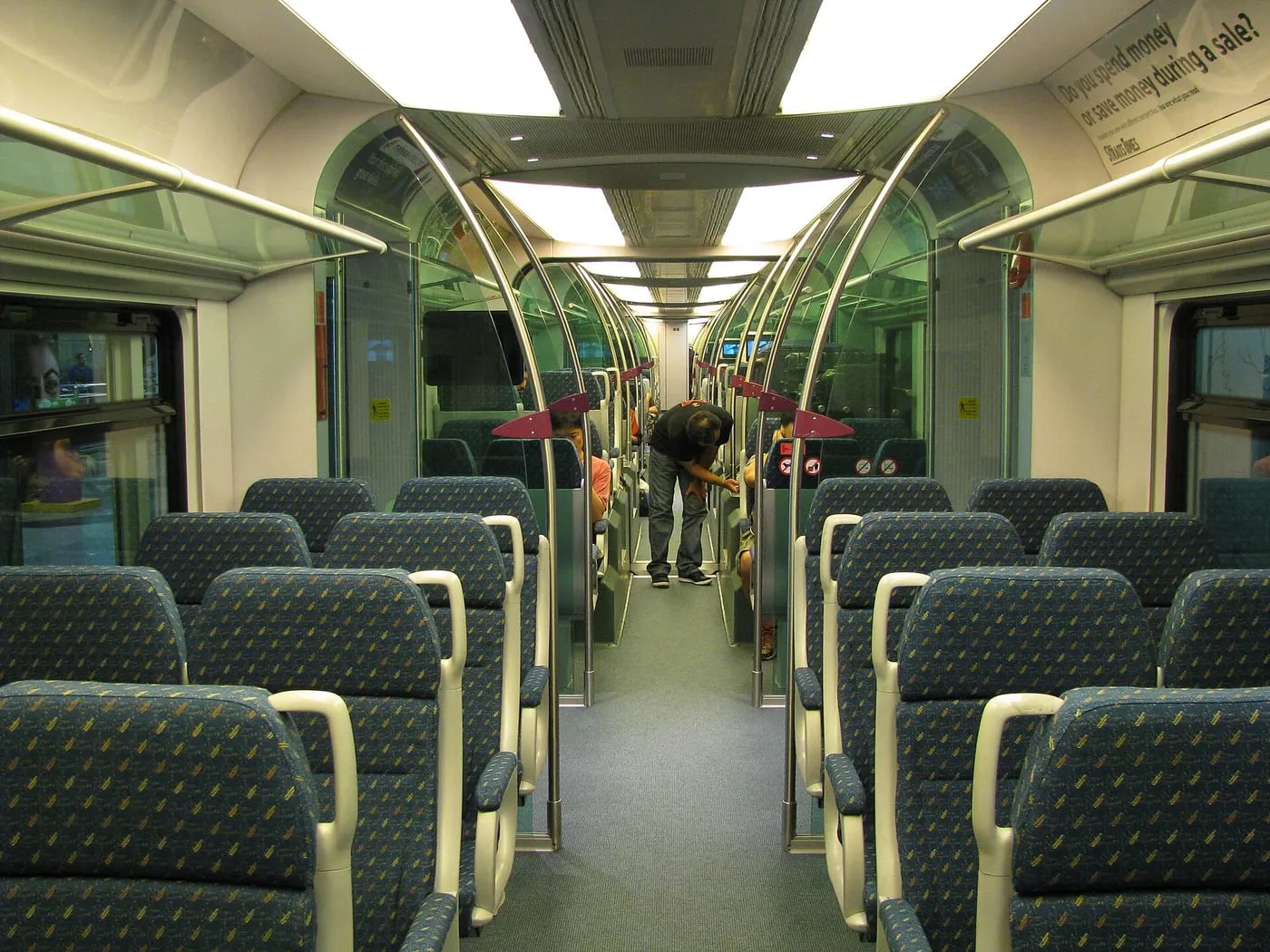
Kuala Lumpur features an extensive, clean, and air-conditioned urban rail transit network managed largely by RapidKL. Moving between central neighbourhoods is straightforward once you grasp how the various train lines connect. Detailed route maps, ticket types, and transit strategies are explained in our complete Kuala Lumpur public transport guide.
- MRT (Mass Rapid Transit): Modern, high-capacity underground and elevated driverless trains. The MRT Kajang Line (Green Line) connects Muzium Negara (KL Sentral), Pasar Seni (Chinatown), and Bukit Bintang, while the MRT Putrajaya Line (Yellow Line) serves northern and southern suburbs and connects to Ampang Park near KLCC.
- LRT (Light Rail Transit): The LRT Kelana Jaya Line (Red Line) is the most useful tourist transit artery, slicing directly through KL Sentral, Pasar Seni, Masjid Jamek, and KLCC.
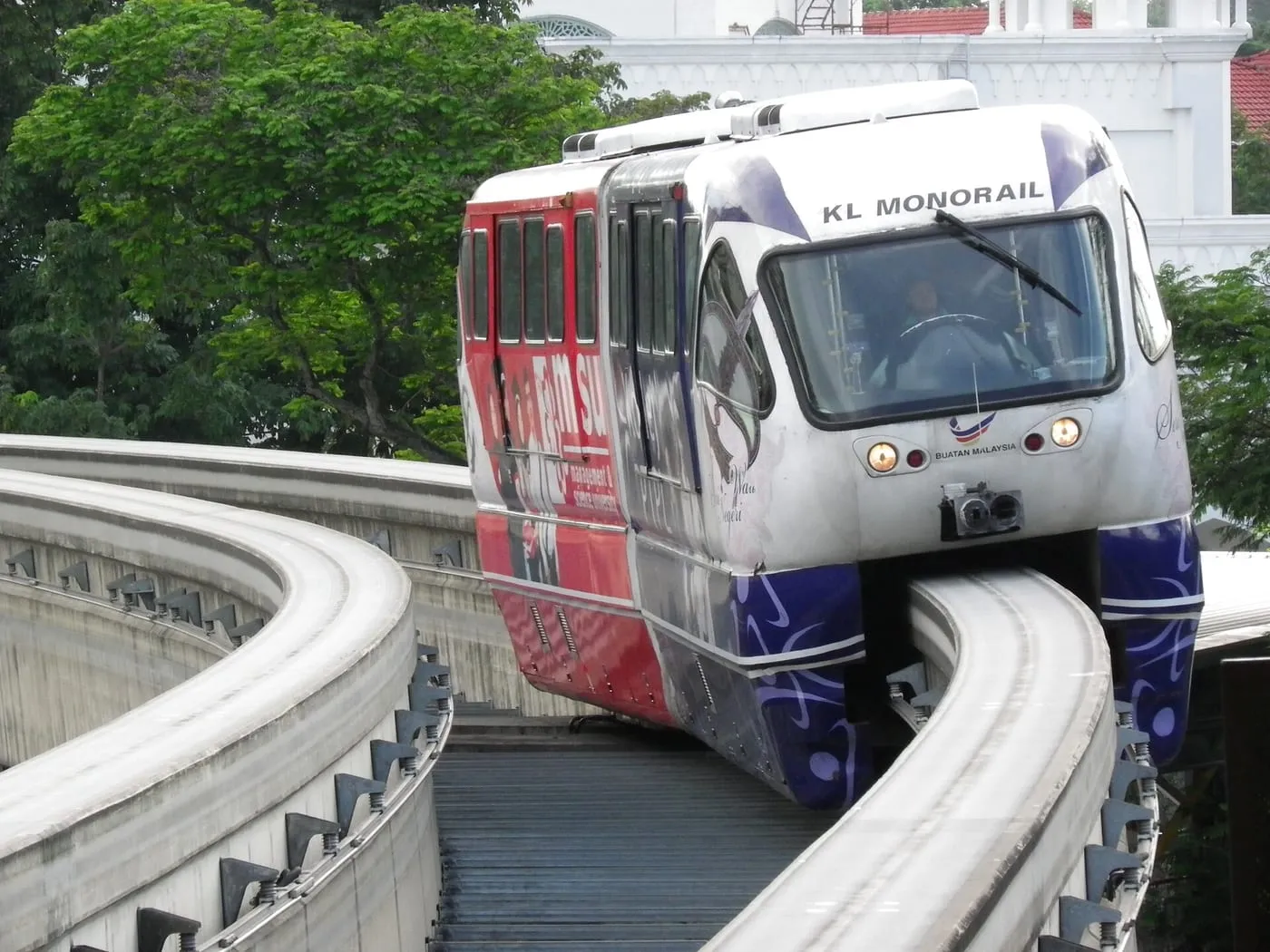
- KL Monorail: An elevated straddle monorail running through the spine of the Golden Triangle, connecting KL Sentral with Hang Tuah, Bukit Bintang, and Chow Kit.
- Touch ‘n Go (TnG) Card: A contactless smart card costing RM10 (card issuance fee) that can be loaded with cash credit at station counters or convenience stores. It enables tap-and-go entry across all MRT, LRT, Monorail, and RapidKL buses with a slight discount over paper tokens.
- MyCity Pass: Designed for commuters and visitors, offering unlimited travel on RapidKL LRT, MRT, Monorail, and BRT lines. Malaysian citizens pay RM6 for 1 day or RM15 for 3 days; foreign visitors can purchase a pass for RM10 (1 day) or RM25 (3 days) loaded onto a physical Touch ‘n Go card.
- Grab: Southeast Asia’s dominant ride-hailing app works seamlessly throughout Kuala Lumpur. Short journeys within the city centre typically cost between RM8 and RM20.
Where to stay: neighbourhood overview
Selecting the right neighbourhood shapes your day-to-day sightseeing rhythm in Kuala Lumpur. Because highway traffic during morning and evening rush hours can crawl, staying near an MRT or LRT station saves considerable travel time.
To explore handpicked properties and detailed pros and cons, see our comprehensive guide on where to stay in Kuala Lumpur.
| Neighbourhood | Character and atmosphere | Nearest transport | Typical hotel rate | Ideal for |
|---|---|---|---|---|
| Bukit Bintang | Lively shopping malls, buzzing night markets, rooftop bars, central pulse | MRT & Monorail Bukit Bintang | RM200–RM550 / night | First-time visitors, food lovers, shoppers, and nightlife seekers |
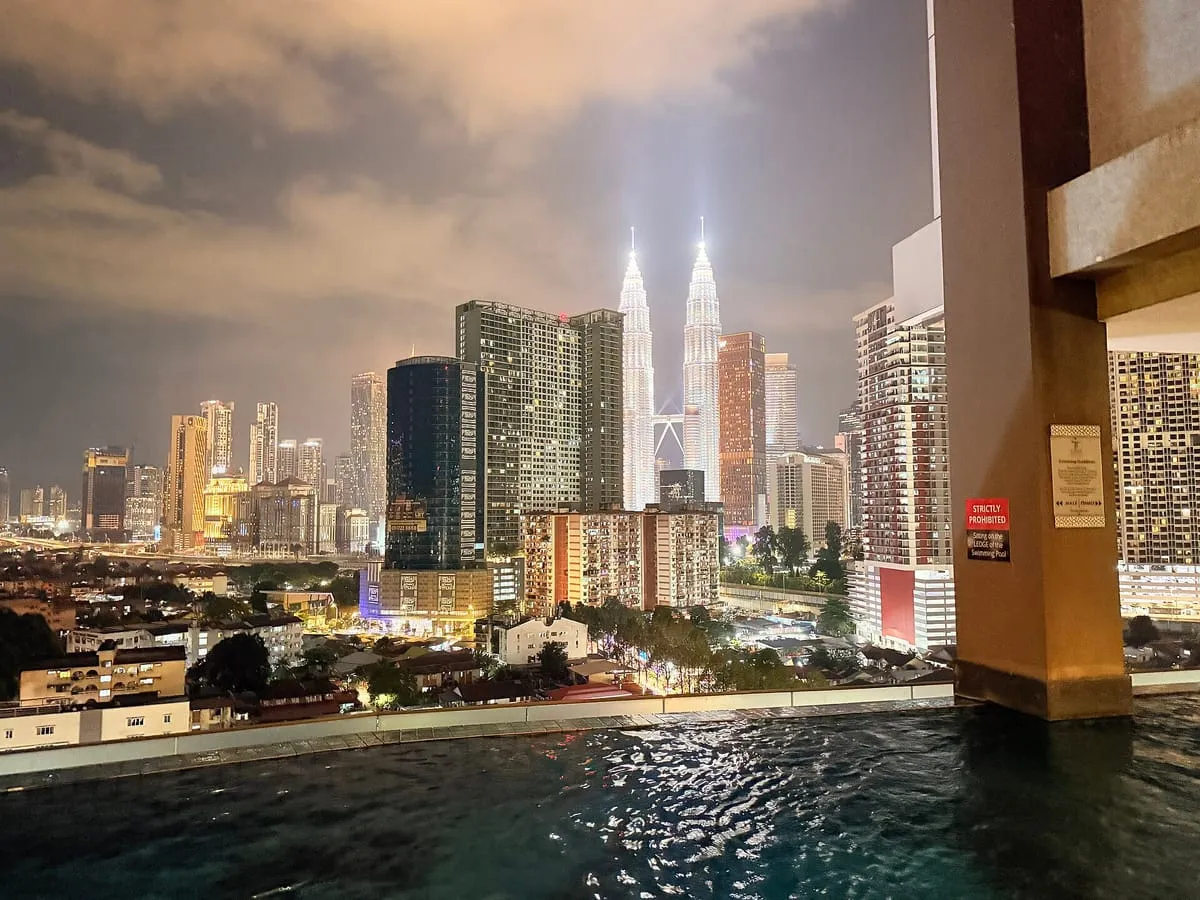
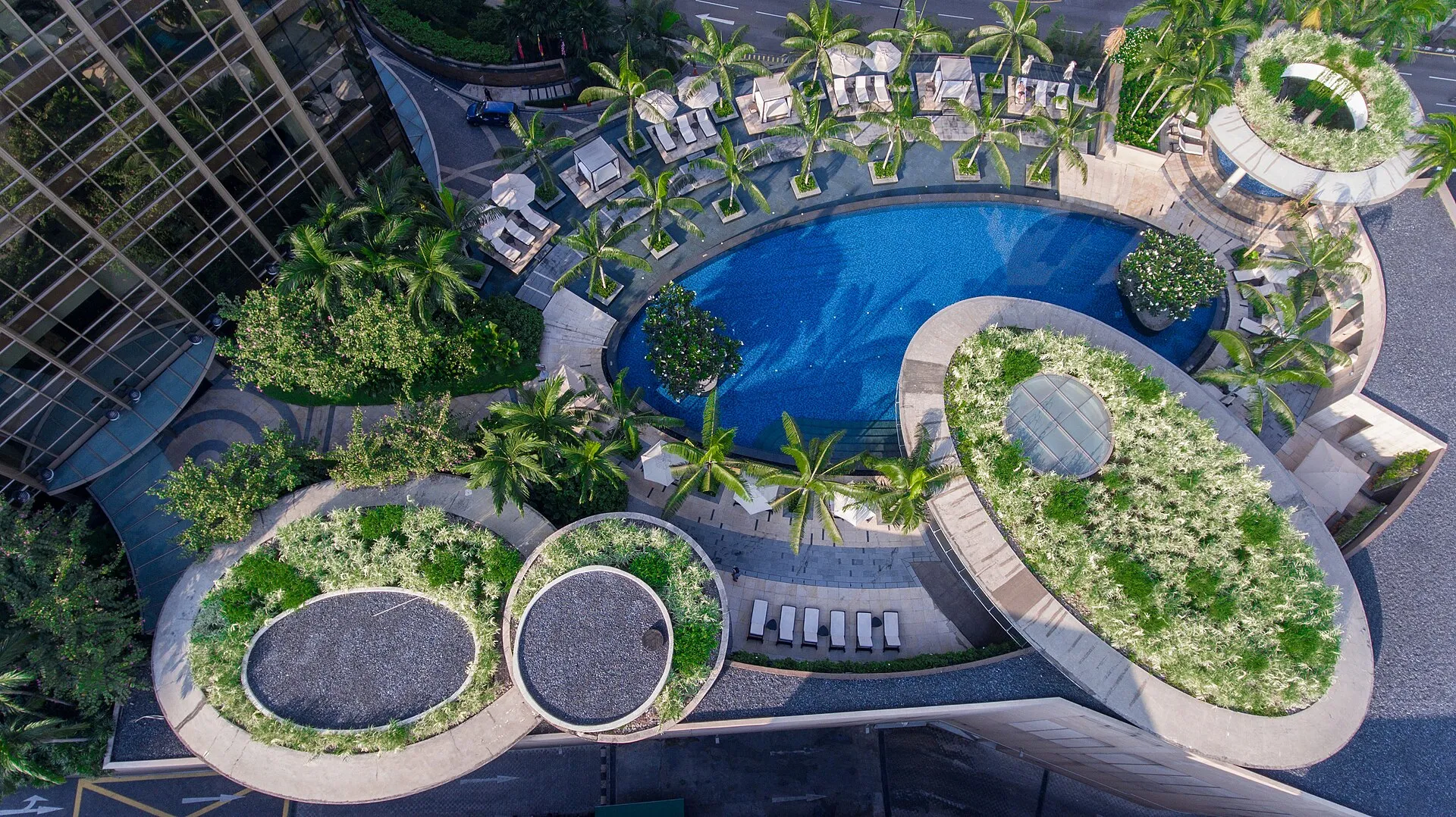
| KLCC | Glitzy glass towers, manicured park, fine dining, rooftop infinity pools | LRT KLCC & MRT Ampang Park | RM350–RM1,200 / night | Luxury seekers, couples, business travellers, and families |
| Chinatown / Petaling Street | Atmospheric shophouses, heritage temples, speakeasies, street stalls | MRT / LRT Pasar Seni | RM120–RM350 / night | Budget travellers, heritage buffs, cafe lovers, and backpackers |
| KL Sentral & Brickfields | Transit interchange, Indian eateries, modern corporate high-rises | All rail lines interchange | RM220–RM600 / night | Short layovers, business trips, and travellers taking early airport trains |
For an upscale stay overlooking the park and towers, read our dedicated review of hotels near Petronas Towers and KLCC, covering top luxury properties such as the Mandarin Oriental, Traders Hotel, and W Kuala Lumpur.
Key attractions to prioritise
1. Petronas Twin Towers
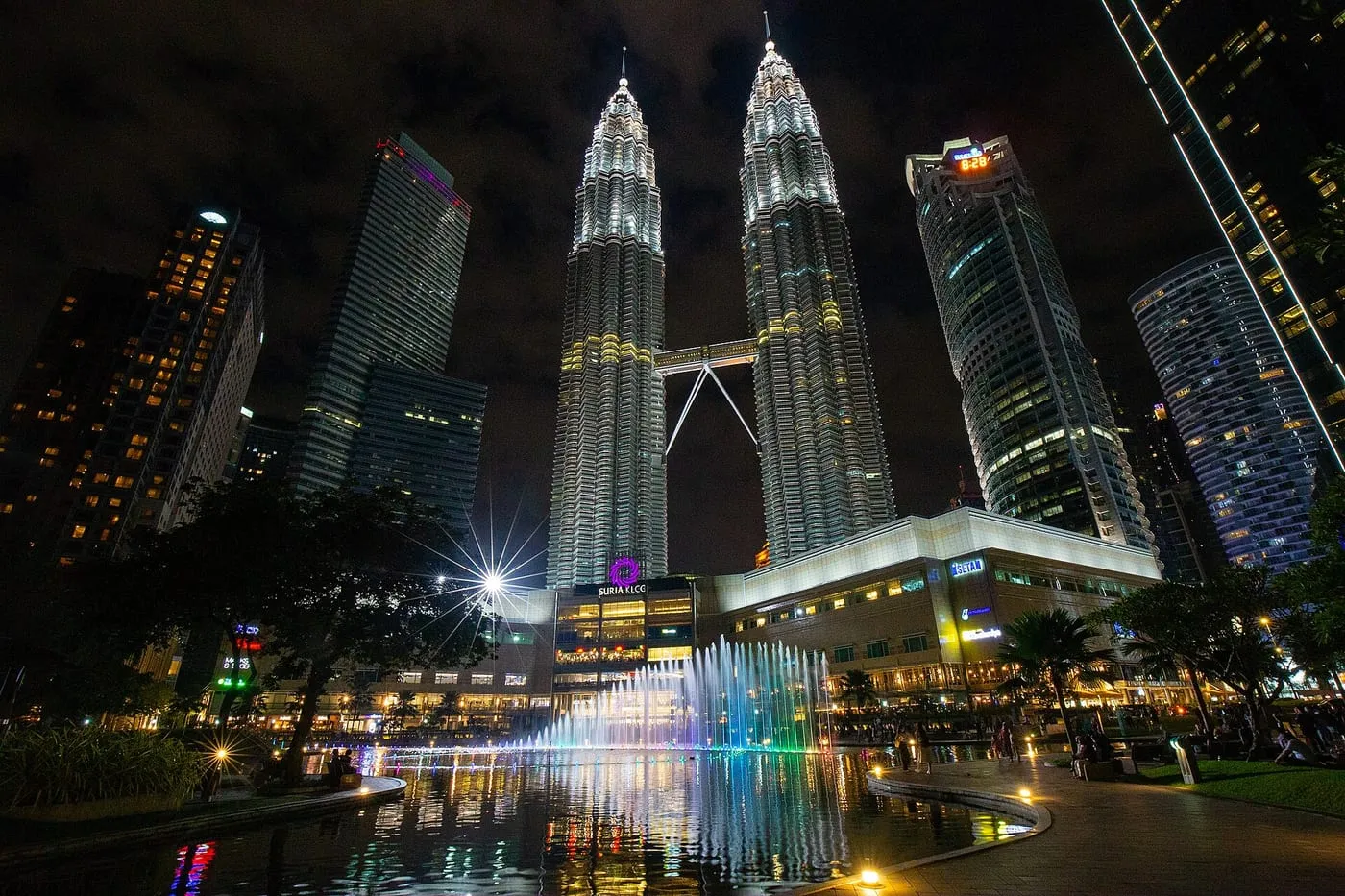
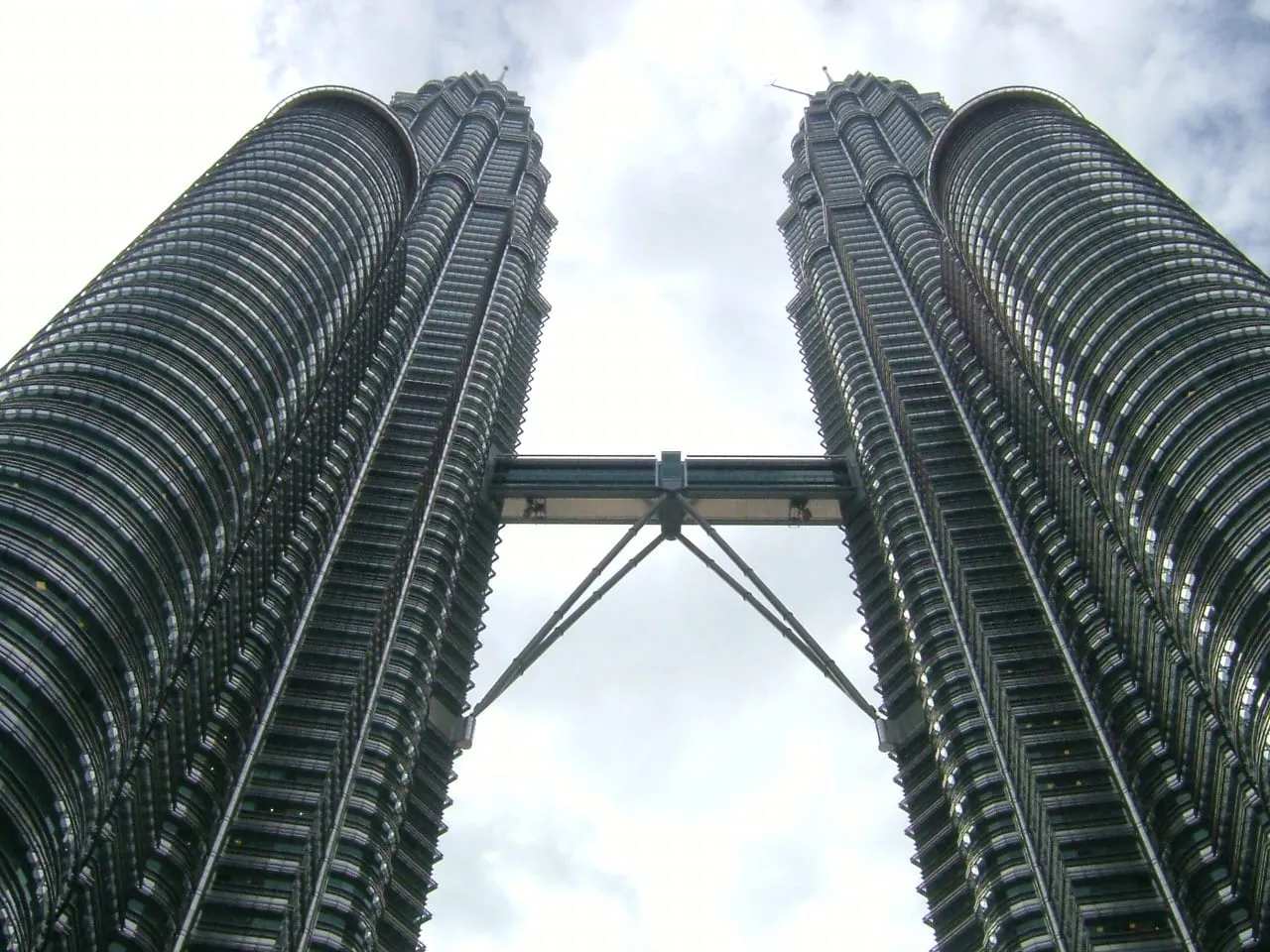
Standing at 451.9 metres, these world-famous twin towers designed by Cesar Pelli showcase traditional Islamic geometric motifs reflected in gleaming stainless steel and glass facades. Visitors ascend to the double-decked Skybridge on the 41st and 42nd floors before heading to the Observation Deck on Level 86. Tickets are strictly timed and sell out days ahead; consult our complete guide to Petronas Twin Towers tickets and visiting advice.
2. Batu Caves
Located 13 kilometres north of downtown in Gombak, Batu Caves is a 400-million-year-old limestone hill holding a complex of Hindu cave temples. At the foot of the hill stands the colossal 42.7-metre (140-foot) golden statue of Lord Murugan, the tallest statue of a Hindu deity in Malaysia. Cathedral Cave is free to enter via the 272 rainbow steps, while the adjacent Ramayana Cave charges RM5. Read our practical Batu Caves visitor guide for dress code rules, monkey precautions, and KTM Komuter train directions.
3. Menara Kuala Lumpur (KL Tower)
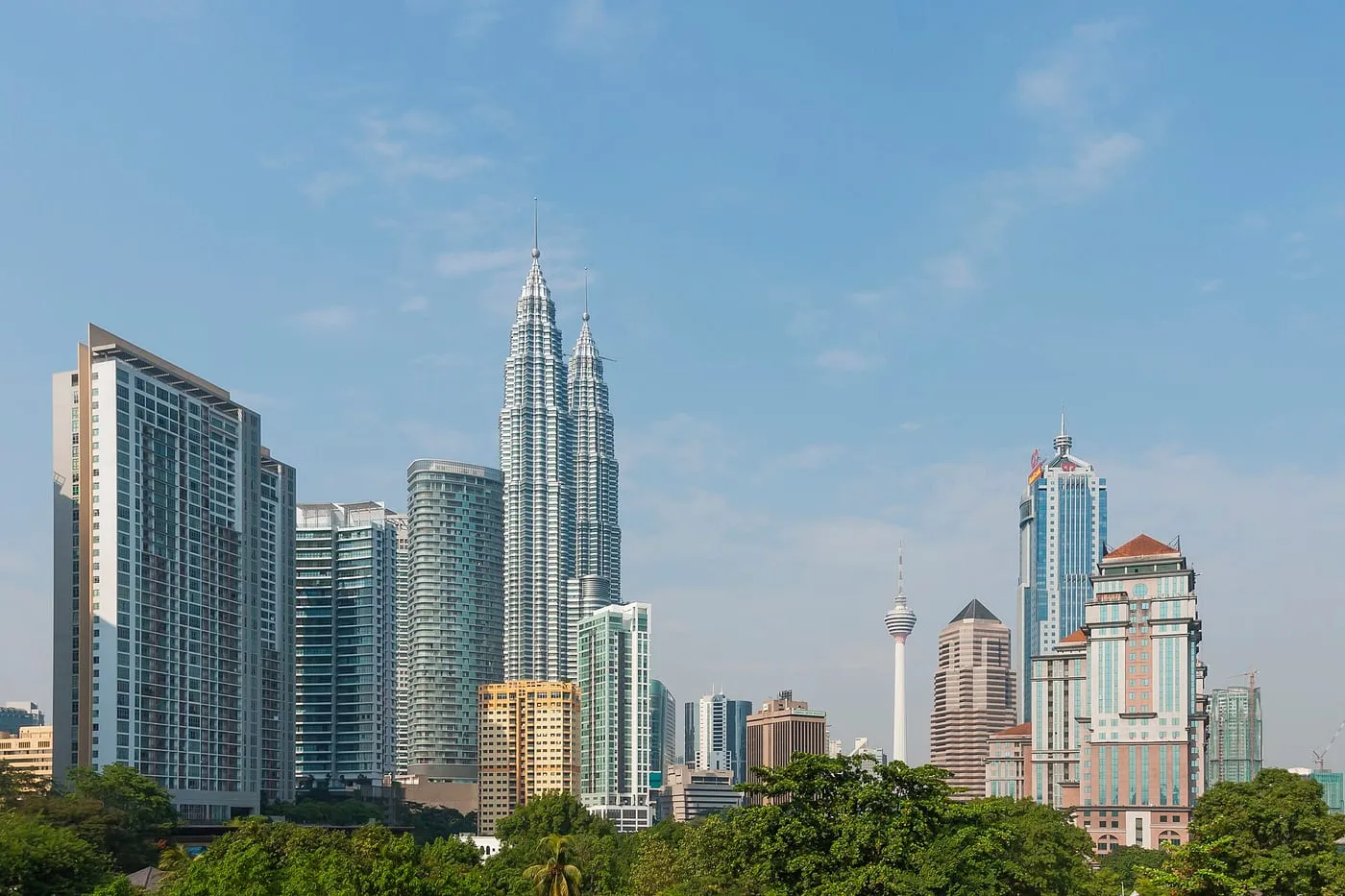
Perched on the Bukit Nanas forest reserve, this 421-metre telecommunications tower offers an open-air Sky Deck at 300 metres above ground level, featuring two glass-floored Sky Boxes projecting out over the sheer drop. Because KL Tower sits outside the Petronas footprint, its open deck provides unobstructed panoramic views directly across at the twin spires. The indoor Observation Deck and the open-air Sky Deck are separate tickets. Open daily from 09:00 to 22:00. Plan your visit with our KL Tower Menara Kuala Lumpur ticket guide.
4. Merdeka Square and the Colonial Quarter
Merdeka Square (Independence Square) is the birthplace of sovereign Malaysia, where the Union Flag was lowered and the Malayan flag raised for the first time at midnight on 31 August 1957. Surrounding the manicured cricket pitch are architectural showpieces including the Moorish-arched Sultan Abdul Samad Building, the Royal Selangor Club, and the Victorian St Mary’s Anglican Cathedral.
5. Thean Hou Temple
Constructed between 1981 and 1987 and officially opened in 1989 on Robson Heights, this multi-tiered temple dedicated to the Chinese sea goddess Mazu is open daily from 08:00 to 20:00 (extended to 22:00 during major festivals) with free admission. Featuring striking red pillars, thousands of hanging red lanterns, ornate dragon carvings, and rooftop views across the southern skyline, it remains an essential cultural photography spot; see visiting hours and photo tips in our Thean Hou Temple guide.
6. Islamic Arts Museum Malaysia (IAMM)
Sitting on the edge of the Perdana Botanical Gardens, this museum holds one of the world’s most prestigious collections of Islamic decorative arts. The galleries display intricately illuminated Quranic manuscripts, fine Persian carpets, Ottoman weaponry, jade jewellery, and scale models of architectural landmarks from Mecca to Samarkand, housed beneath mosaic domes. Admission is RM20 for adults and non-Malaysian seniors (RM10 for Malaysian seniors). Open daily from 09:30 to 18:00 (closing at 17:00 during Ramadan; closed on Hari Raya Aidilfitri and Hari Raya Aidiladha). Directly opposite, the National Mosque (Masjid Negara) welcomes non-Muslim visitors Saturday to Thursday 09:00–12:00, 15:00–16:00, and 17:30–18:30, and on Fridays 15:00–16:00 and 17:30–18:30 (closed to tourists during Friday prayers and Eid prayer sessions); check our Islamic Arts Museum and National Mosque guide for gallery details and dress codes.
7. Petrosains and Suria KLCC
Occupying Level 4 of the Suria KLCC shopping mall beneath the twin towers, Petrosains Science Discovery Centre offers 7,000 square metres of hands-on science exhibits, petroleum engineering simulators, and interactive robotics popular with travelling families.
8. KL Bird Park and Perdana Botanical Gardens
Set within the lush green belt of Lake Gardens, KL Bird Park is home to over 3,000 birds across four sprawling walk-in zones, including free-flying rhinoceros hornbills and storks.
Kuala Lumpur’s food scene
Kuala Lumpur’s cuisine reflects Malaysia’s multicultural Malay, Chinese, and Indian heritage, spiced by centuries of maritime trade; explore top food streets and neighbourhoods in our guide on where to eat in Kuala Lumpur or join guided tasting walks with our review of Kuala Lumpur food tours:
- Nasi Lemak and Roti Canai: Fragrant coconut rice with fiery sambal, alongside flaky griddle flatbreads served with dhal curry; discover standout morning stalls in our guide to the best nasi lemak and roti canai in Kuala Lumpur.
- Roti Canai: Flaky, buttery flatbread tossed paper-thin by Mamak chefs and fried crisp on a flat griddle, served with aromatic dhal curry, fish curry, and fiery sambal dip.
- Curry Laksa and Char Kway Teow: Luxurious spiced coconut curries and charcoal-fired wok noodles; find our favourite hawker institutions in best curry laksa and char kway teow in Kuala Lumpur.
- Char Kway Teow: Flat rice noodles stir-fried over roaring wok burners with prawns, Chinese sausage (lap cheong), duck eggs, bean sprouts, and chives, imbued with smoky “wok hei” aroma.
- Jalan Alor Night Market: An energetic open-air feast in Bukit Bintang lined with plastic tables, smoking satay grills, fresh tropical fruits (including the pungent king of fruits, durian), barbecue chicken wings, and butter crab.
- Lot 10 Hutong: An air-conditioned subterranean food village in Bukit Bintang that gathered multi-generational master hawker stalls from around Malaysia into a single venue.
Easy day trips from the capital
Thanks to Malaysia’s well-maintained highway and rail infrastructure, Kuala Lumpur serves as an outstanding launchpad for excursions across western peninsular Malaysia; compare all destinations in our complete guide to day trips from Kuala Lumpur:
- Batu Caves (Half day): Only 30 minutes north of downtown on the direct KTM Komuter train line from KL Sentral for just RM2.60 each way. Details in our Batu Caves guide.
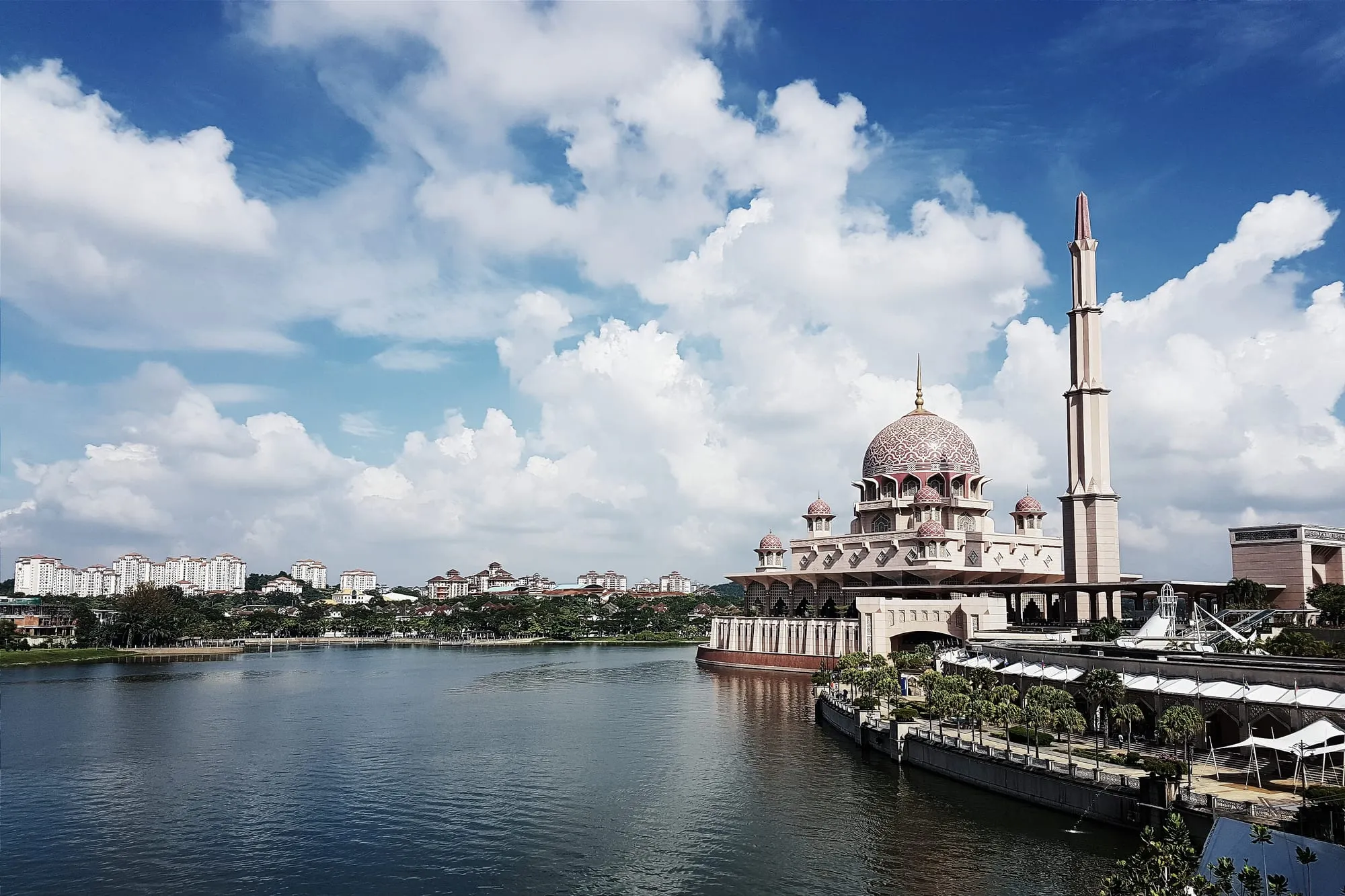
- Putrajaya (Half day): Malaysia’s administrative capital, 20 minutes south on the KLIA Transit line; consult our Putrajaya day trip guide.
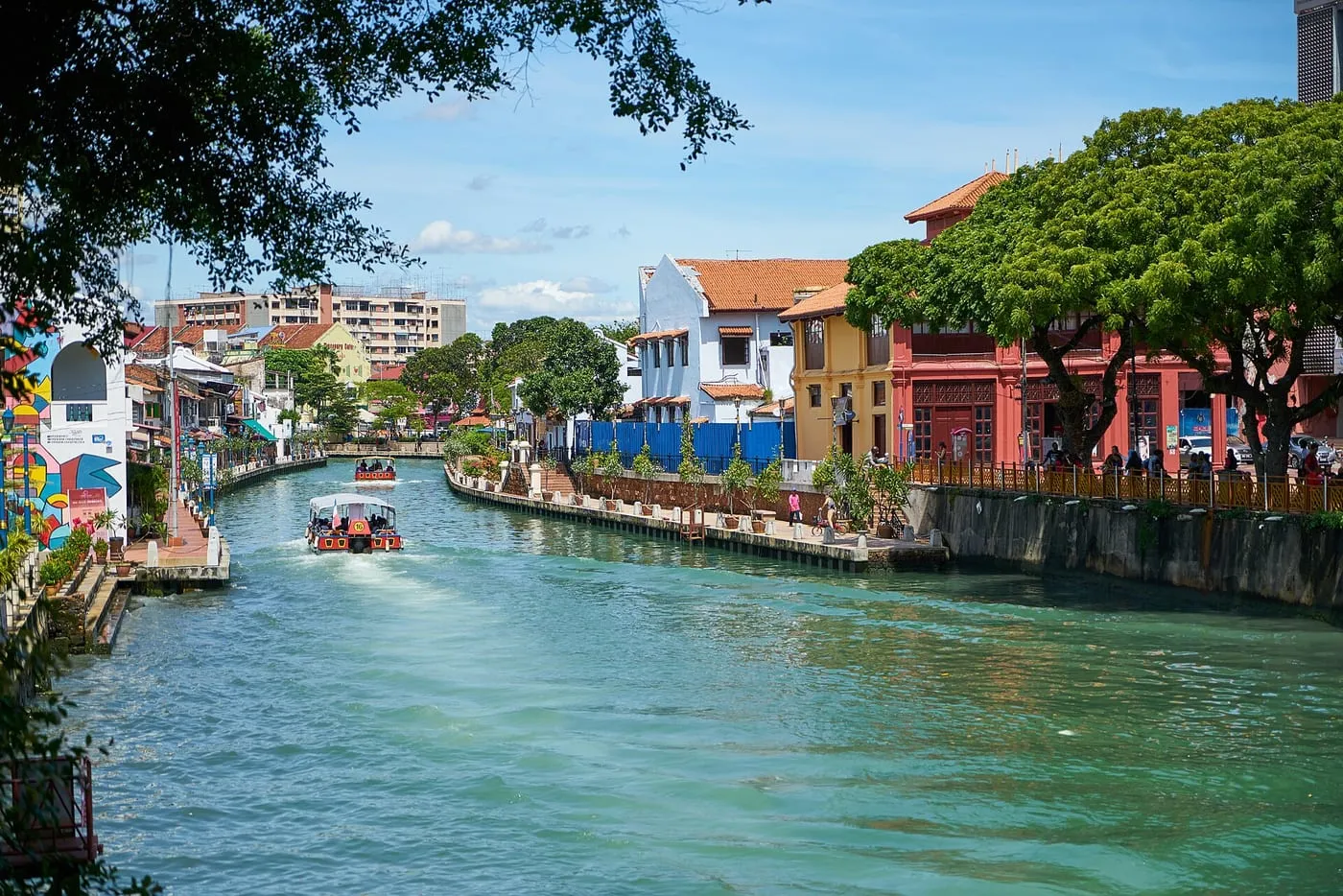
- Historic Malacca / Melaka (Full day): A 2-hour drive south brings you to this UNESCO World Heritage port town, celebrated for Dutch colonial architecture, St Paul’s Church, Baba Nyonya Peranakan culture, and weekend night markets along Jonker Street.
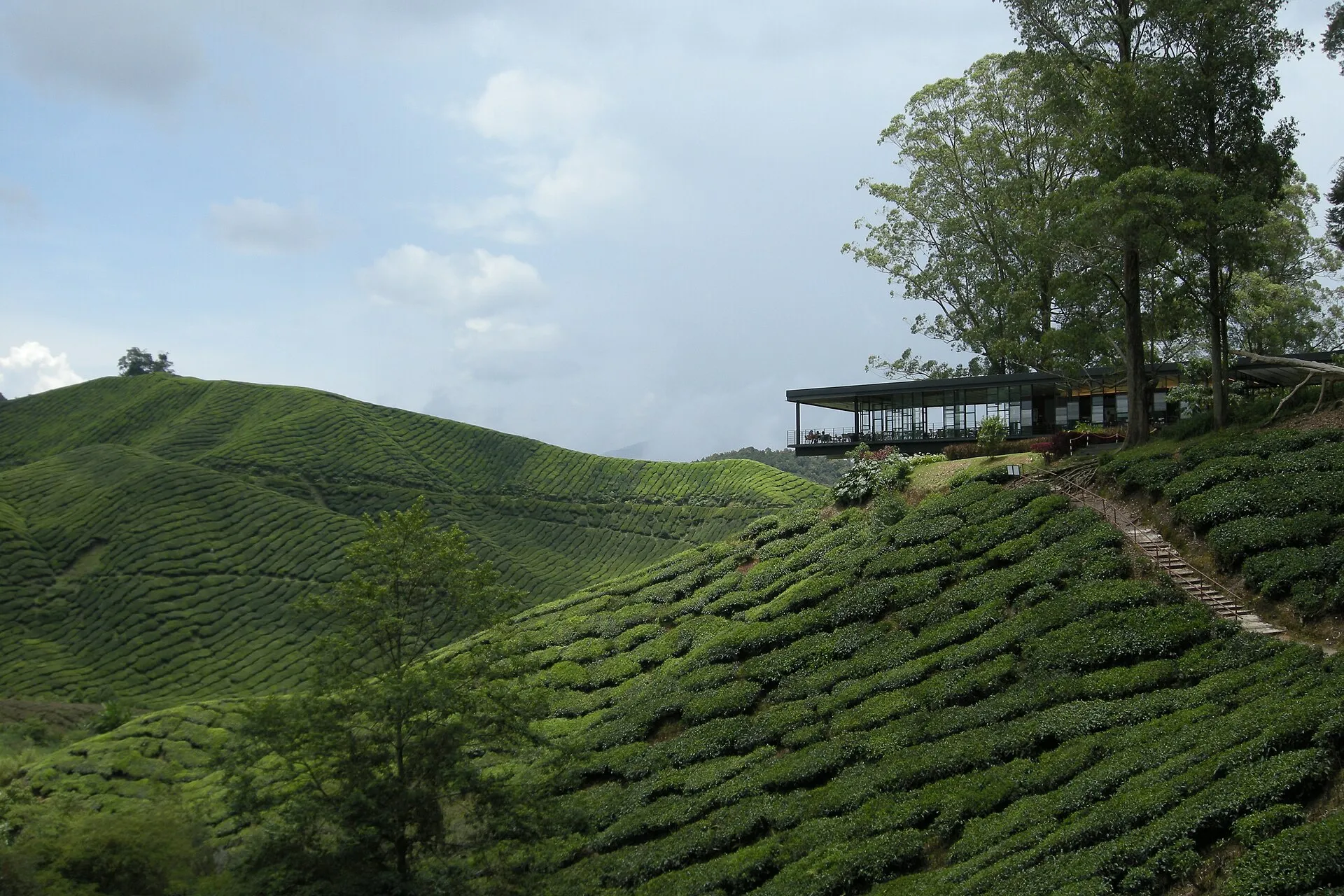
- Cameron Highlands (Full day): A 3.5-hour climb into the Titiwangsa Mountains reveals refreshing cool highland temperatures, rolling tea plantations, Tudor-style cottages, and mossy mountain hiking trails.
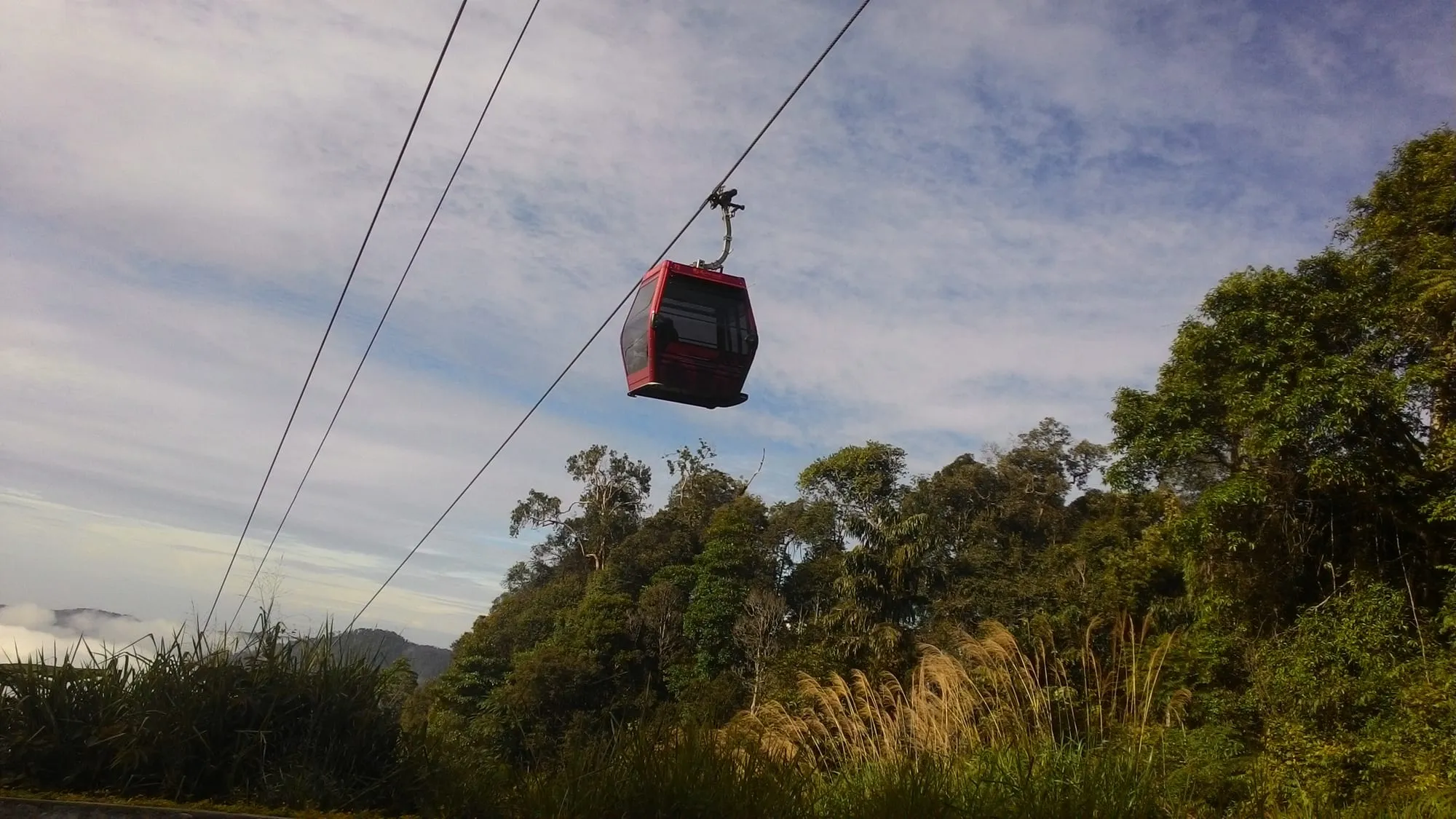
- Genting Highlands (Full day): Mountain resort and casino complex reached via the scenic Awana SkyWay cable car; see tickets and transport in our Genting Highlands day trip guide.
- Sunway Lagoon (Full day): Sprawling 88-acre multi-park attraction with giant wave pools and wildlife zones; check admission tips in our Sunway Lagoon theme park tickets guide.
- Kuala Selangor (Afternoon to night): Historic coastal hill Bukit Melawati, boat trips across mangrove estuaries to watch synchronous fireflies, and tidal mudflat tours; read our Kuala Selangor fireflies and Sky Mirror day trip guide.
Practical travel advice
-
Money and payments: Credit cards and Grab pay in malls and hotels, but cash in ringgit is essential for hawker stalls and reloading Touch ‘n Go transit cards: see money in Kuala Lumpur.
-
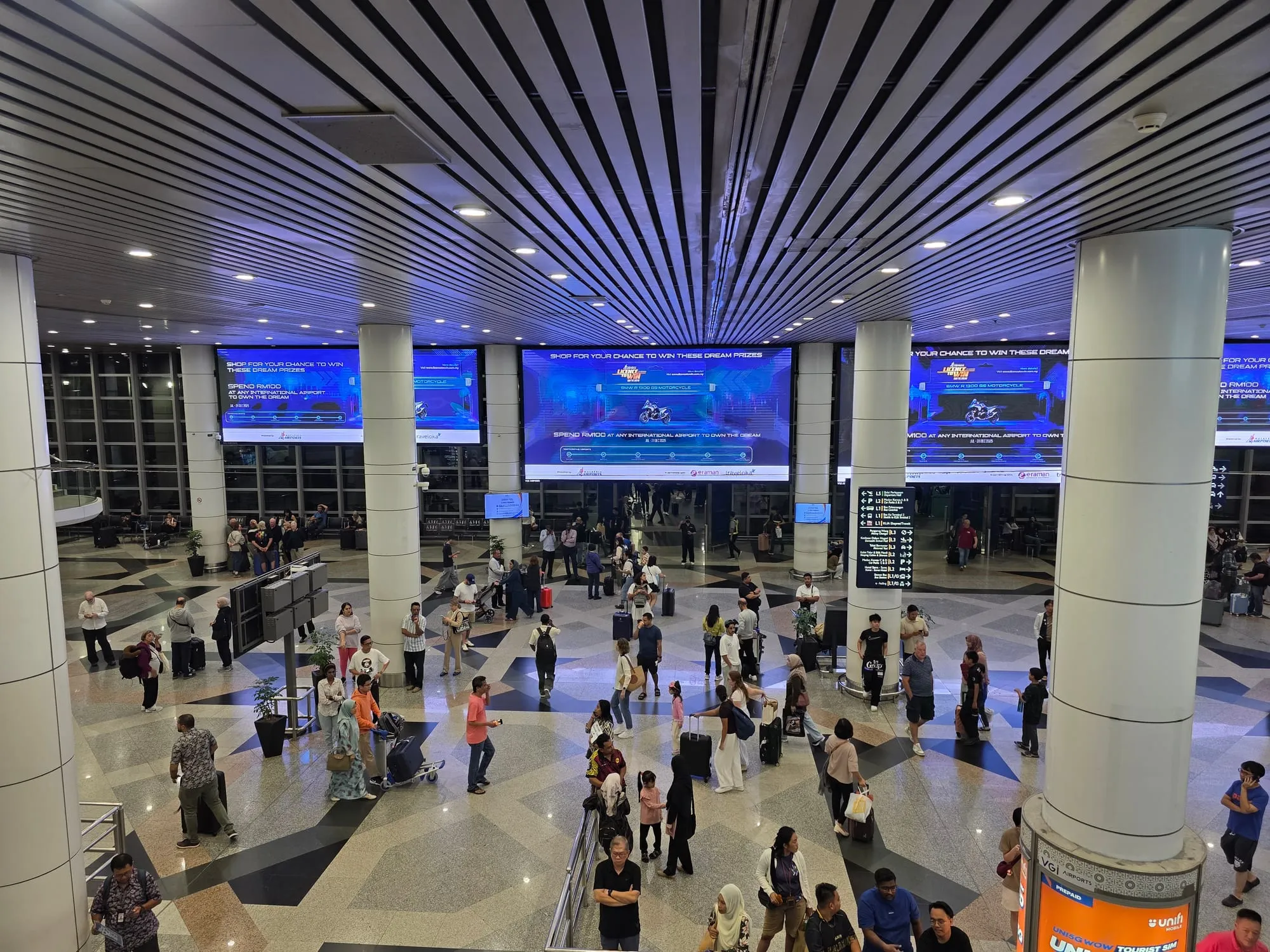
Mobile data: Avoid roaming surcharges with an eSIM installed before arrival or buy a prepaid tourist SIM at KLIA: see our eSIM for Malaysia guide.
-
Safety and health: Violent crime is rare, but watch for opportunistic motorbike bag snatching and insist on metered taxis: see is Kuala Lumpur safe.
-
Cultural etiquette: Dress modestly covering knees and shoulders at mosques and Hindu temples, and eat finger foods strictly with your right hand: see Kuala Lumpur etiquette.
-
When to visit and festivals: Balance rainfall patterns, dry months, and major celebrations using our guide on the best time to visit Kuala Lumpur. For cultural highlights, see our festival guides to Thaipusam at Batu Caves and Hari Raya and Ramadan in Kuala Lumpur.
-
Tropical climate: Kuala Lumpur experiences consistent daytime temperatures between 31°C and 34°C with high humidity year-round. Short, intense tropical downpours are common in the late afternoon; carry a compact umbrella and take shelter inside air-conditioned malls or covered walkways.
-
Health and water: Tap water is chlorinated but local residents and medical authorities advise drinking boiled or bottled filtered water. Modern restaurants and cafes use commercial purified ice, which is safe to consume.
-
Tipping etiquette: Tipping is not customary in Malaysia. Most sit-down restaurants automatically add a 10% service charge and a 6% sales and service tax (SST) directly to your itemised bill. Leaving spare small change is appreciated but never expected.
-
Electricity and plugs: Malaysia uses the British Type G three-pin plug operating at 240V and 50Hz, meaning travellers from the UK, Ireland, Singapore, and Hong Kong do not require plug adaptors.
-
Emergency numbers: Dial 999 for police and ambulance services, or 994 for the fire brigade. Tourist police booths are maintained in Bukit Bintang and around Merdeka Square.
For a first trip to Asia, best cities in Asia for a first trip sets Kuala Lumpur against the other Asian cities we cover, with the entry rules, how easy each is to get around and what catches newcomers out.
Itineraries
Day-by-day plans for a first visit.
Itinerary
3 Days in Kuala Lumpur: The Perfect 72-Hour Itinerary
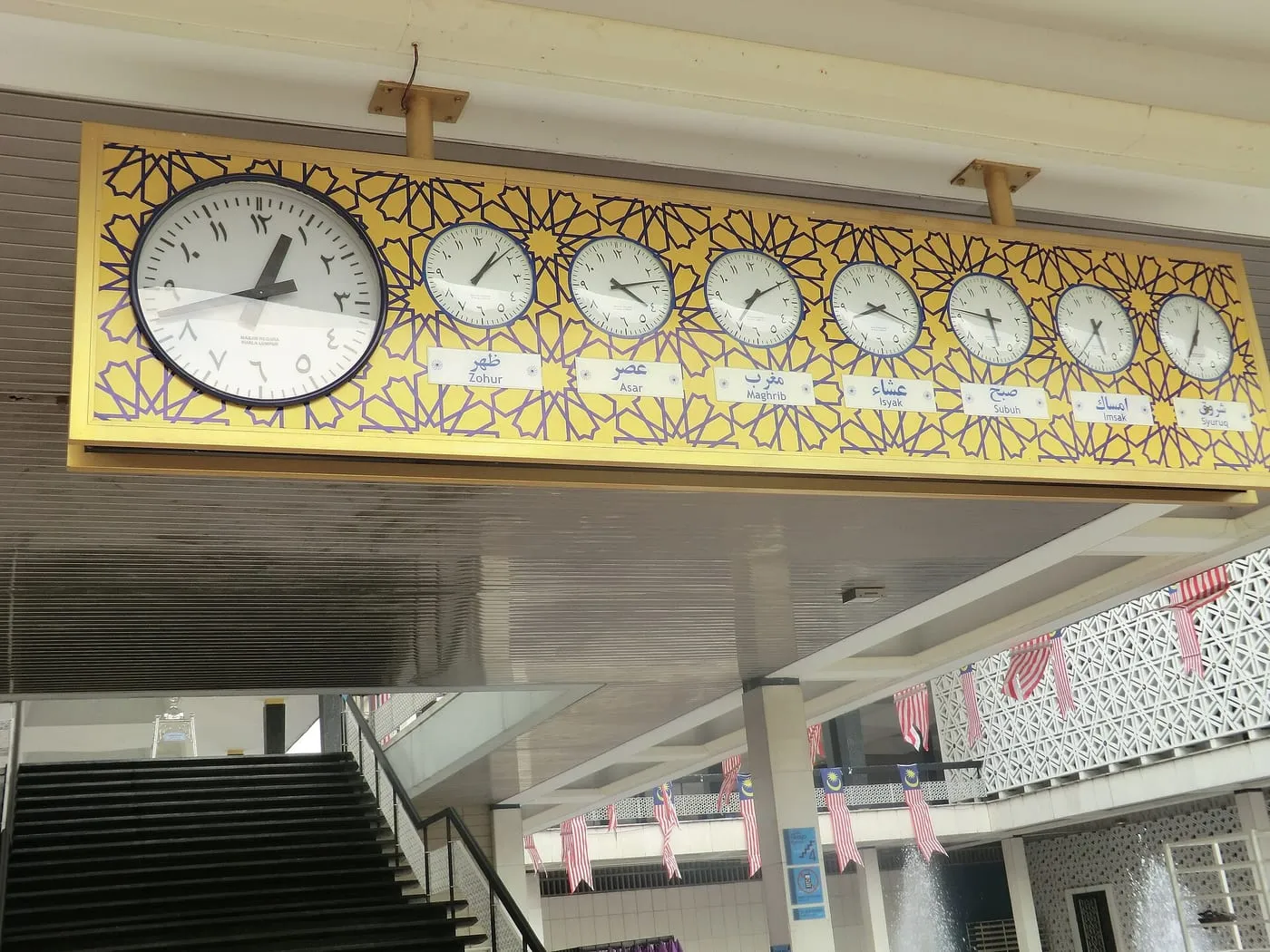
A complete 72-hour Kuala Lumpur itinerary covering the Petronas Twin Towers, Batu Caves, colonial Merdeka Square, Petaling Street, and Jalan Alor street food.
Itinerary
Free Things to Do in Kuala Lumpur: Top Budget Sights
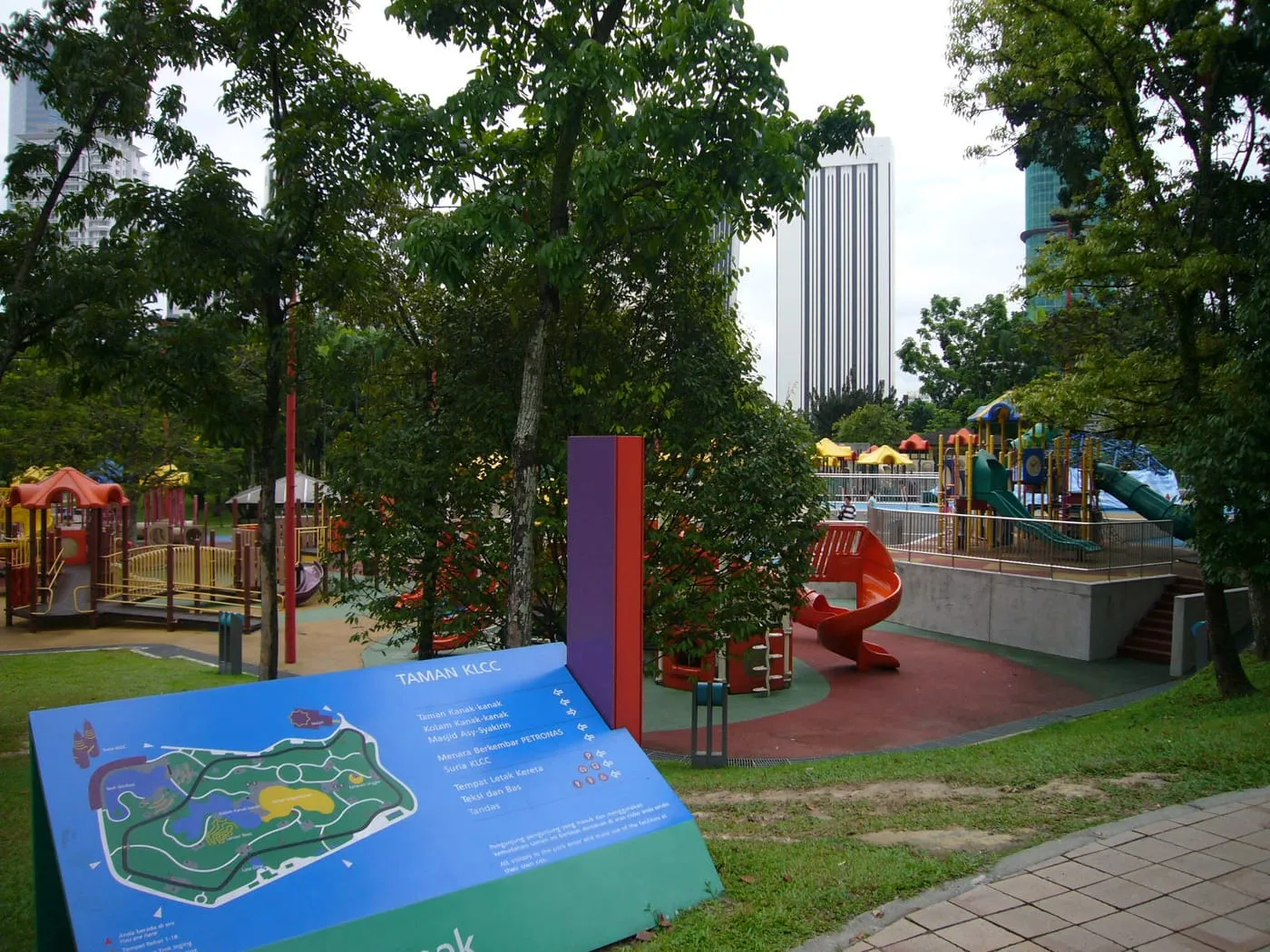
The best free attractions and activities in Kuala Lumpur: Batu Caves, Perdana Botanical Gardens, Thean Hou Temple, Lake Symphony, and heritage walks.
Itinerary
Kuala Lumpur with Kids: Family Attractions & Guide
A complete family travel guide to Kuala Lumpur: Aquaria KLCC, Petrosains, Sunway Lagoon, KL Bird Park, stroller advice, and kid-friendly dining.
Which ticket to buy
The official ticket, the tours that include entry, and which sells out first.
Tickets
Petronas Twin Towers Tickets: Booking & Prices
Essential visitor guide to the 451.9m Petronas Twin Towers: Skybridge on level 41, Observation Deck on level 86, ticket prices, advance booking and tips.
Tickets
KL Tower Tickets: Sky Deck, Sky Box & Prices
Menara KL Tower ticket guide: open-air Sky Deck at 300m, glass Sky Box, indoor Observation Deck, ticket prices, dining at ARAS and visiting advice.
Tickets
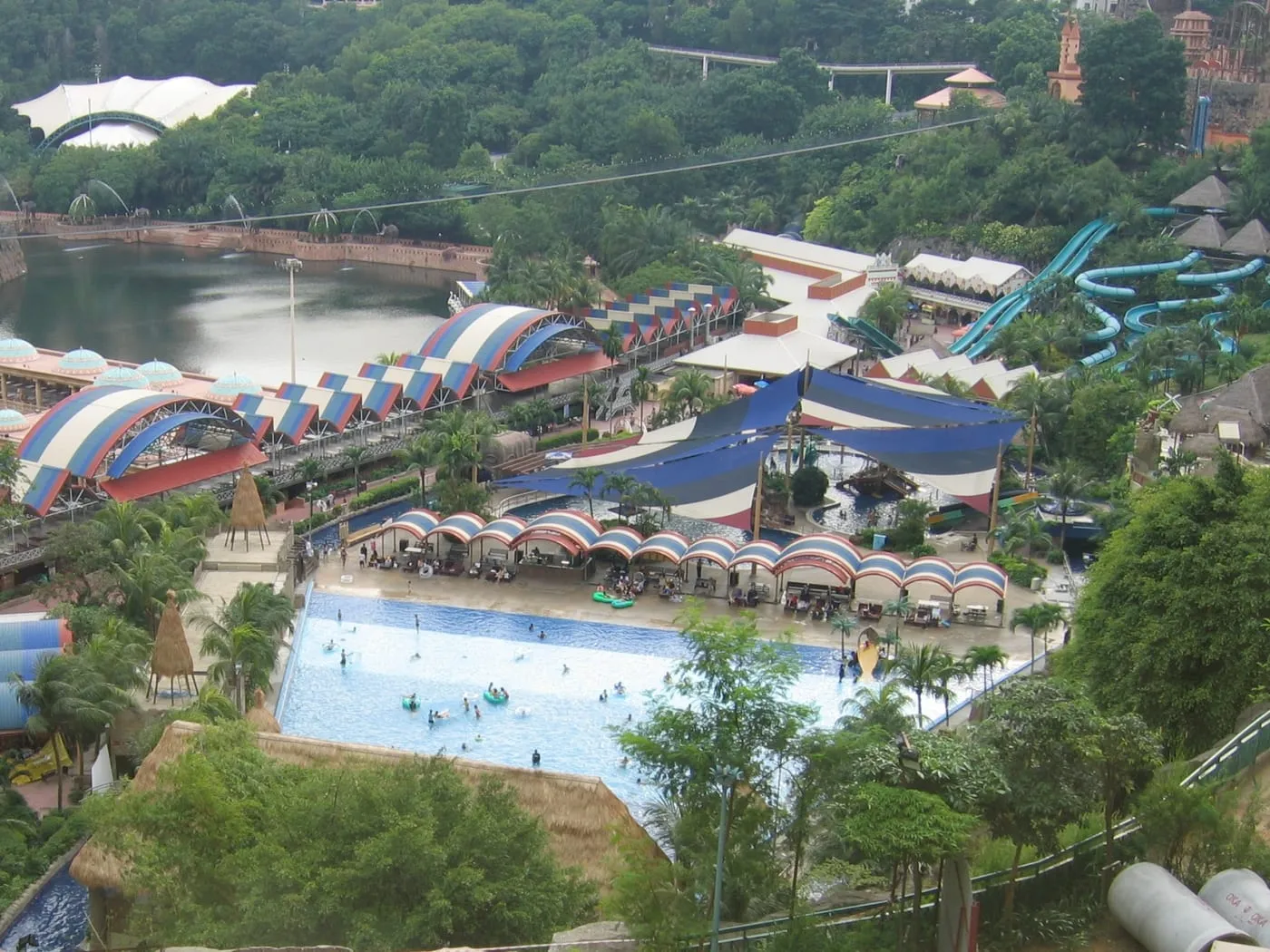
Sunway Lagoon Tickets: 6 Zones & Passes
Entry ticket prices, Quack Xpress express passes, lockers, cashless wristbands and transport from central Kuala Lumpur to all 6 zones of Sunway Lagoon theme park.
Tickets
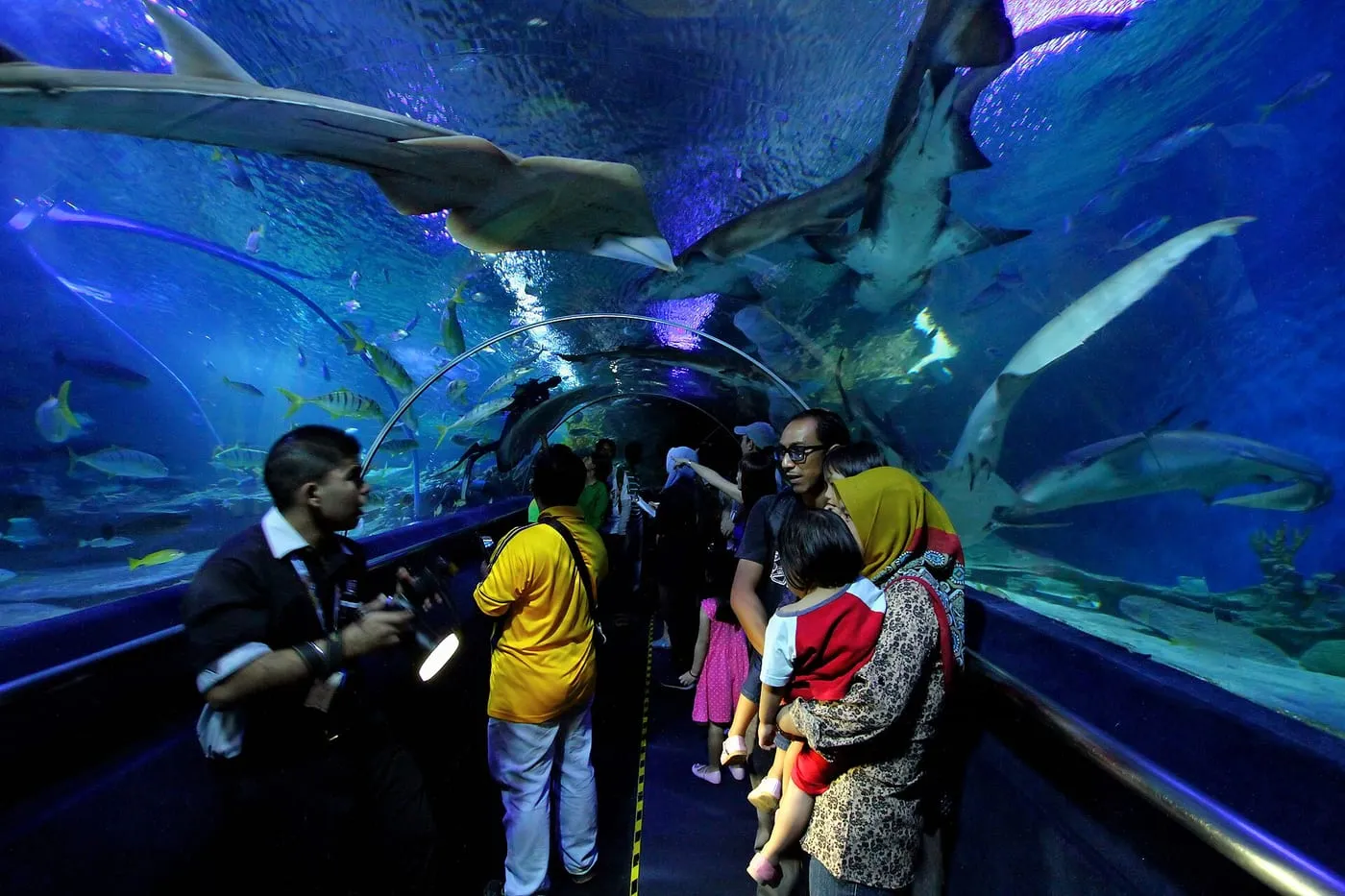
Aquaria KLCC Tickets: Tunnel & Feeding Times
Aquaria KLCC admission prices, 90-metre underwater tunnel, shark and ray feeding schedules, combo passes with Petronas Towers and visiting tips.
Tickets
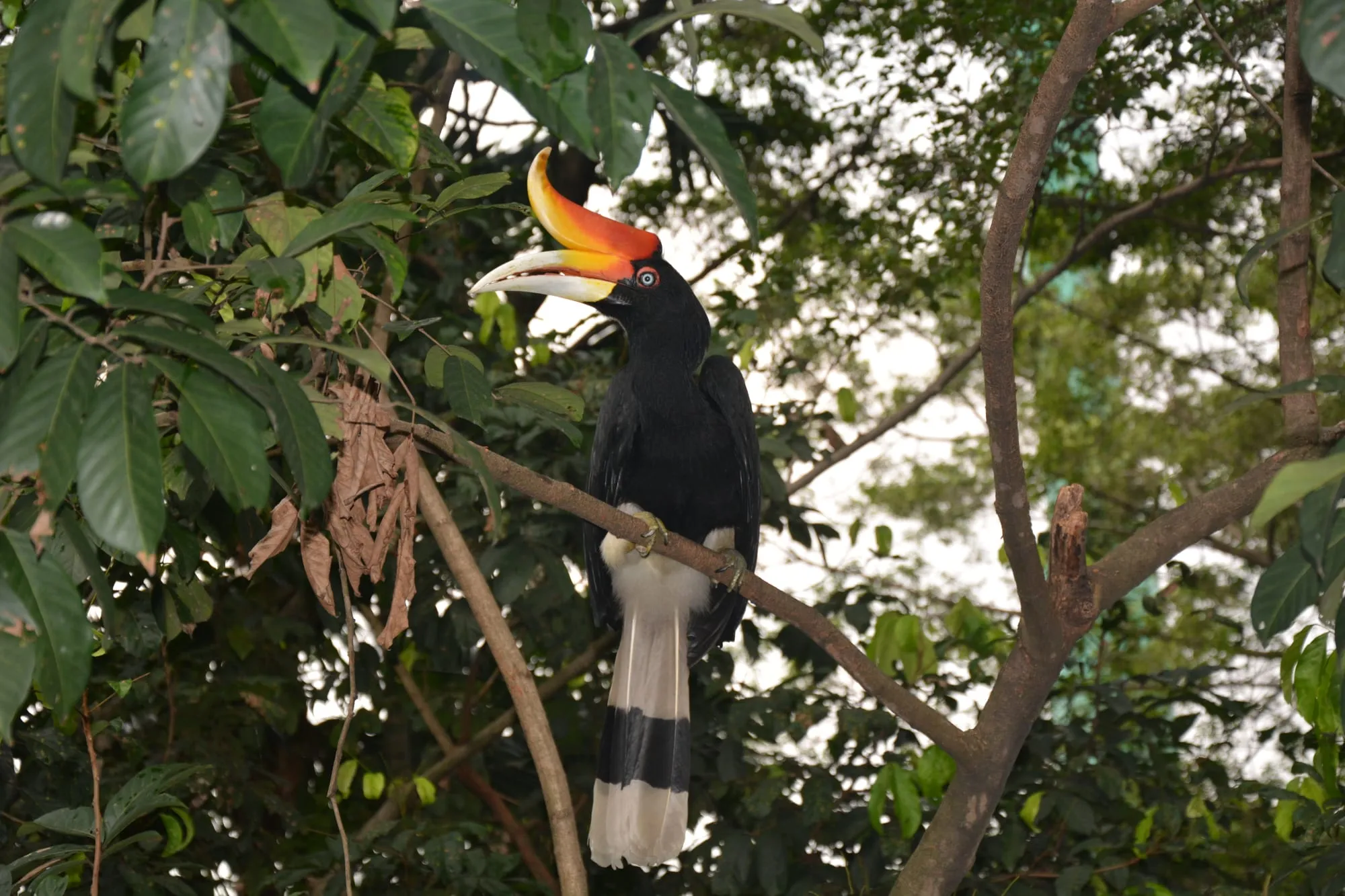
KL Bird Park Tickets: Free-Flight Aviary Guide
World's largest free-flight walk-in aviary guide: ticket prices, zones 1 to 4 walking route, Rhinoceros Hornbill sightings, daily bird shows and photo tips.
Day trips from Kuala Lumpur
Out and back in a day, with the tours compared against going on your own.
Day trip
Day Trips from Kuala Lumpur: 6 Best Escapes
Compare top day trips from Kuala Lumpur: historic Malacca, cooling Genting Highlands, Kuala Selangor fireflies, Putrajaya, Cameron Highlands, and Batu Caves.
Day trip
Malacca Day Trip from Kuala Lumpur: Full Guide
How to plan a day trip from Kuala Lumpur to UNESCO-listed Malacca: TBS express buses, Dutch Square, A Famosa, Jonker Street food, and Melaka River boat cruises.
Day trip
Genting Highlands Day Trip: Awana SkyWay & Parks
Escape the heat with a day trip from Kuala Lumpur to Genting Highlands: Awana SkyWay cable car, Chin Swee Caves Temple, Genting SkyWorlds, and SkyAvenue mall.

Day trip
Kuala Selangor Fireflies & Sky Mirror Day Trip
Discover Kuala Selangor from Kuala Lumpur: synchronized mangrove firefly boat cruises, Sasaran Sky Mirror sandbank photos, Bukit Melawati monkeys, and seafood.
Day trip
Putrajaya Day Trip from Kuala Lumpur: Mosque Guide
How to take a day trip to Putrajaya from Kuala Lumpur: KLIA Transit trains, Putra Mosque pink domes, lake boat cruises, Seri Wawasan bridge, and Botanical Garden.
Day trip
Cameron Highlands Day Trip: Tea Estates & Trails
Plan a day trip from Kuala Lumpur to Cameron Highlands: [BOH Tea Centre Sungei Palas](https://bohtea.com/), Mossy Forest boardwalk, strawberry picking, and transport advice.
Where to stay
Areas and hotels, chosen for a visitor rather than a resident.
Where to stay
Where to Stay in Kuala Lumpur: Best Areas
Neighbourhood guide for Kuala Lumpur: KLCC for skyline luxury, Bukit Bintang for dining, Chinatown for heritage, KL Sentral for transit, and Chow Kit for design.
Where to stay
Hotels Near Petronas Towers & KLCC: Best Stays
In-depth guide to luxury hotels near the Petronas Twin Towers and KLCC: Mandarin Oriental, Grand Hyatt, Traders, Four Seasons, W Kuala Lumpur and serviced suites.
Airport transfers
From the airport to the centre, every option priced and timed.
Getting around
Tickets, passes and the transport a visitor actually uses.

What's on, month by month
Festivals, holidays and closures that change a visit.

Events
Best Time to Visit Kuala Lumpur: Weather & Seasons
Kuala Lumpur weather month by month: monsoon seasons, temperatures, rainfall patterns, transboundary haze risks, and the best festival calendar.
Events
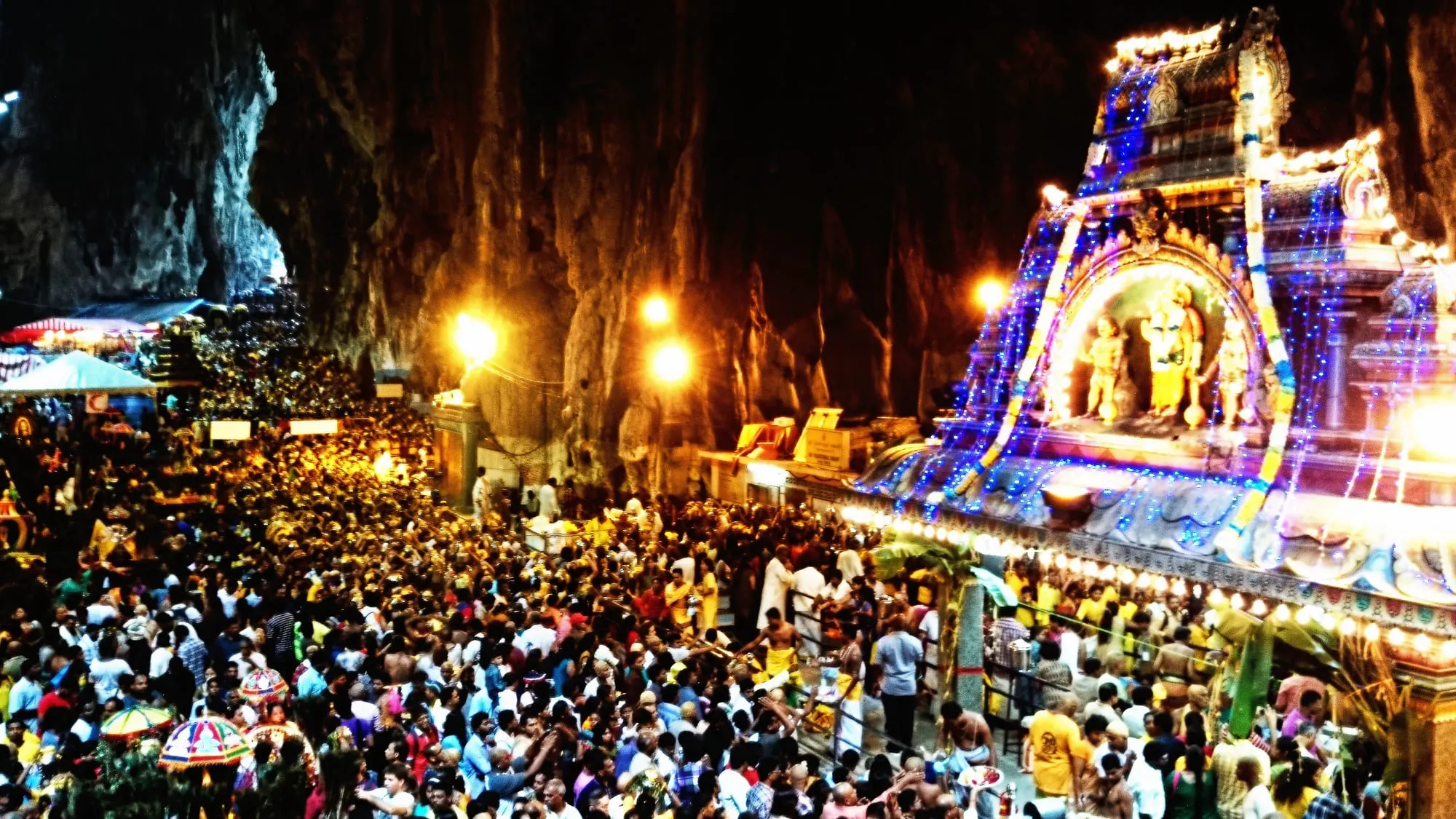
Thaipusam at Batu Caves 2027: Festival & Visitor Guide
A complete visitor guide to Thaipusam at Batu Caves in January 2027: festival dates, the silver chariot procession, kavadi rituals, and train travel tips.
Events
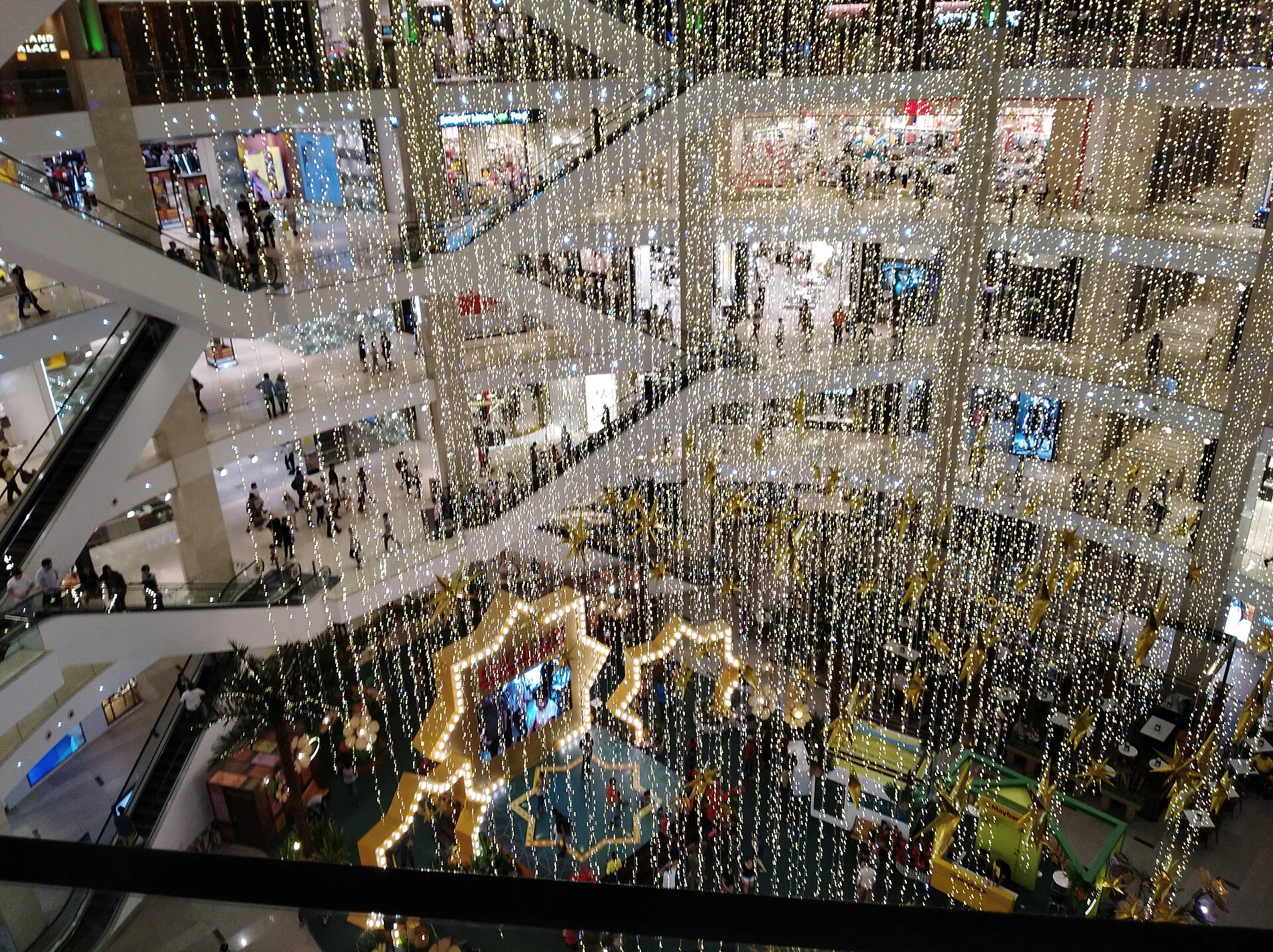
Ramadan & Hari Raya in KL 2027: Bazaars Guide
Visiting Kuala Lumpur during Ramadan and Hari Raya 2027: Kampung Baru night bazaars, iftar buffets, Balik Kampung traffic, opening hours, and etiquette.
Food and drink
Where to eat, what to order and when to book.
Food and drink
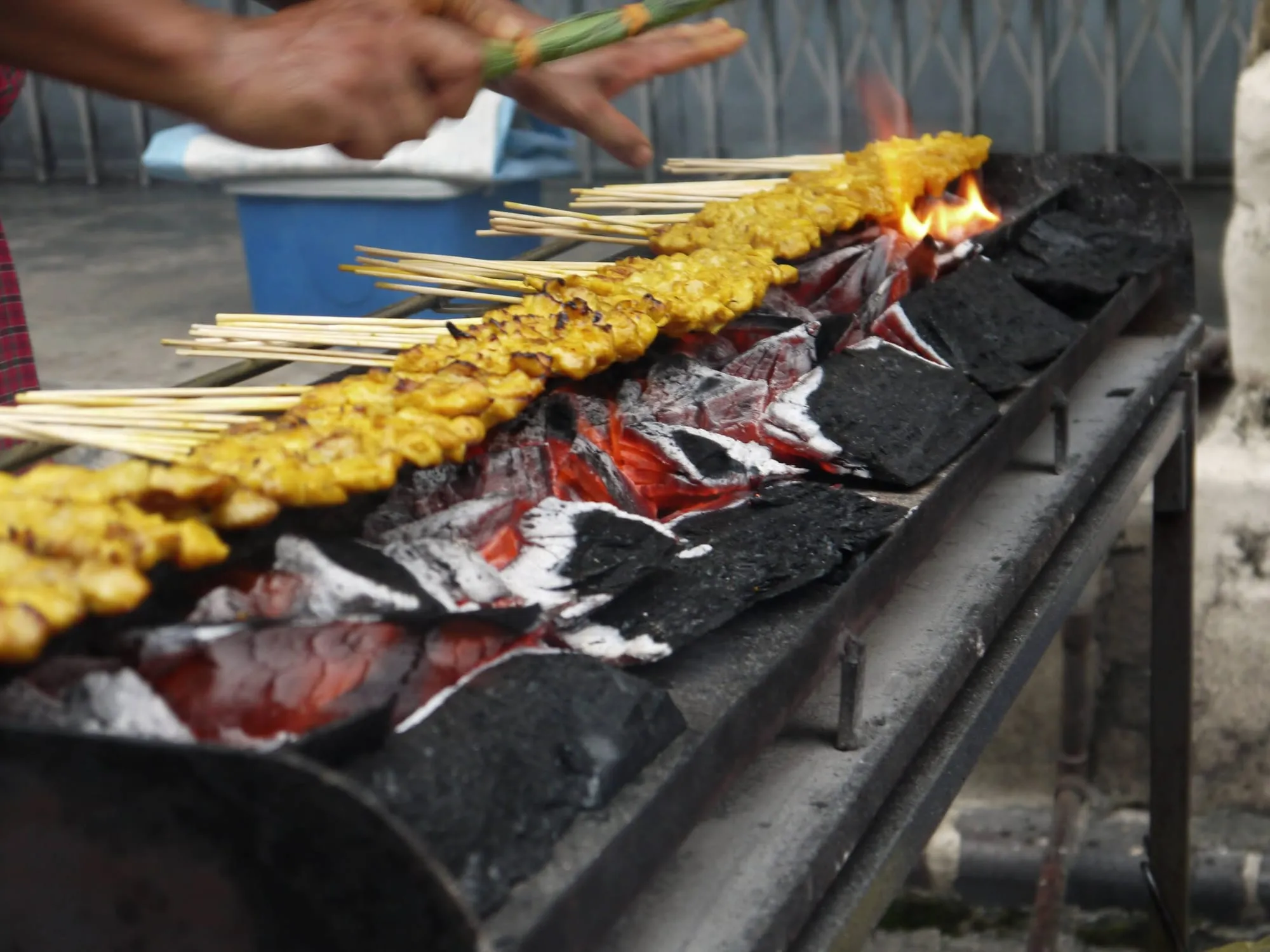
Where to Eat in Kuala Lumpur: KL Food Guide
Where to eat in Kuala Lumpur across 5 culinary traditions: nasi lemak, banana leaf rice, street noodles, Chinese classics and 24-hour mamak stalls, with prices in RM.
Food and drink
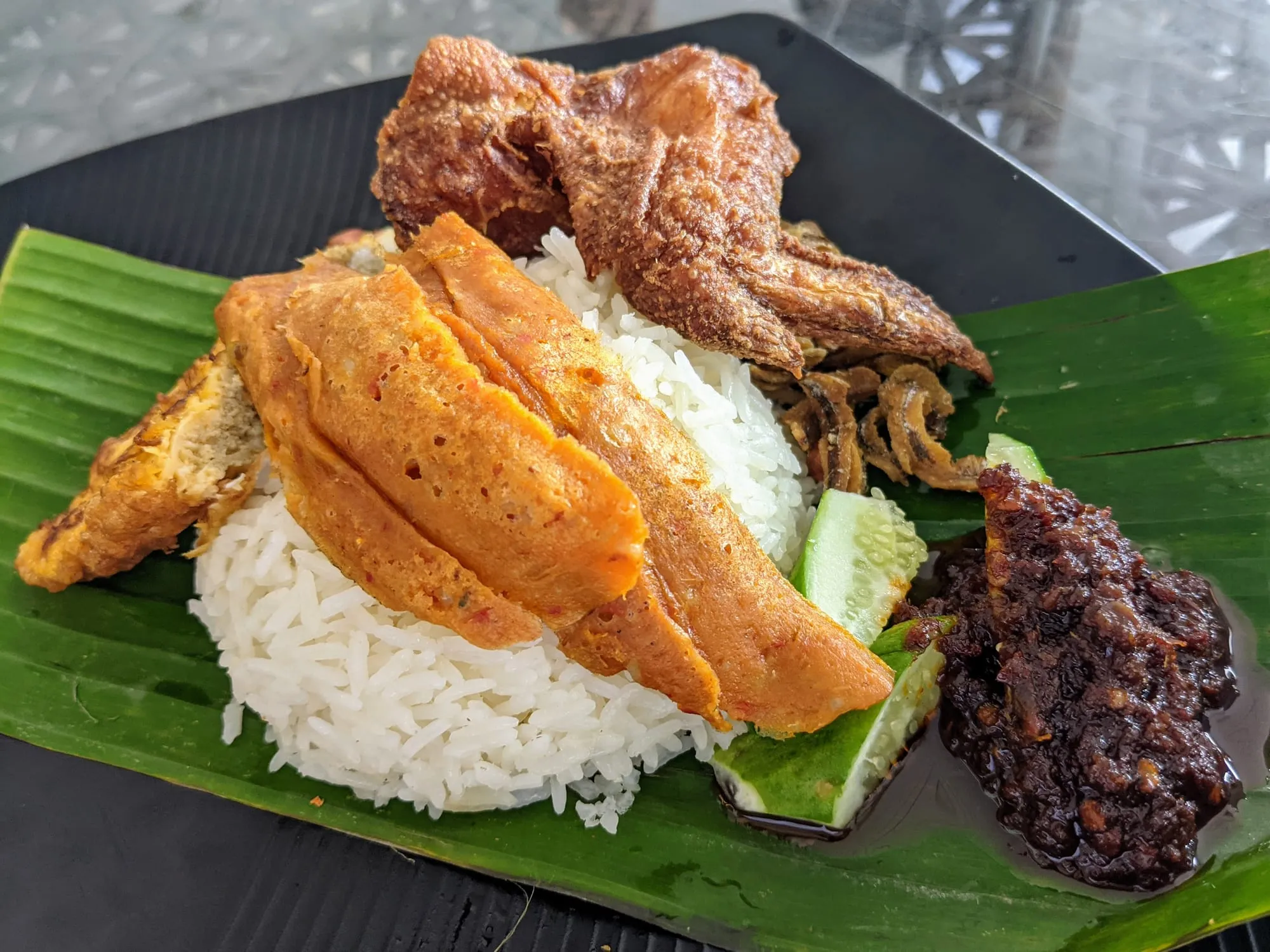
Best Nasi Lemak & Roti Canai in KL: Top Spots
Where to eat Malaysia's two greatest breakfast dishes in Kuala Lumpur: Village Park, Wanjo, Mansion Tea Stall, roti canai styles, curries, and pricing.
Food and drink
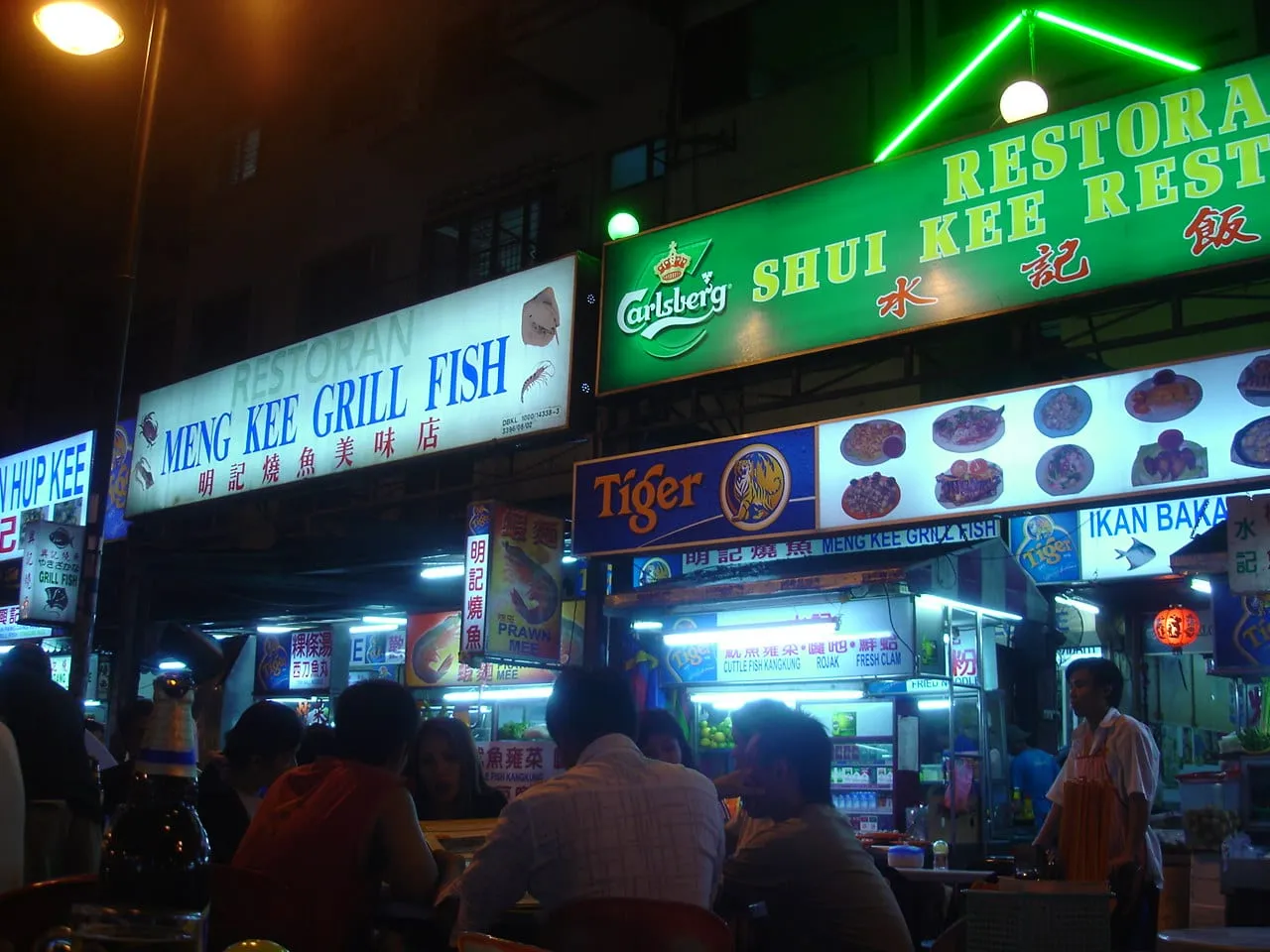
Jalan Alor Night Food Street Guide: Top Stalls
Everything you need to know about Jalan Alor in Bukit Bintang: Wong Ah Wah chicken wings, sambal stingray, durian stalls, prices, timing, and Grab tips.
Food and drink
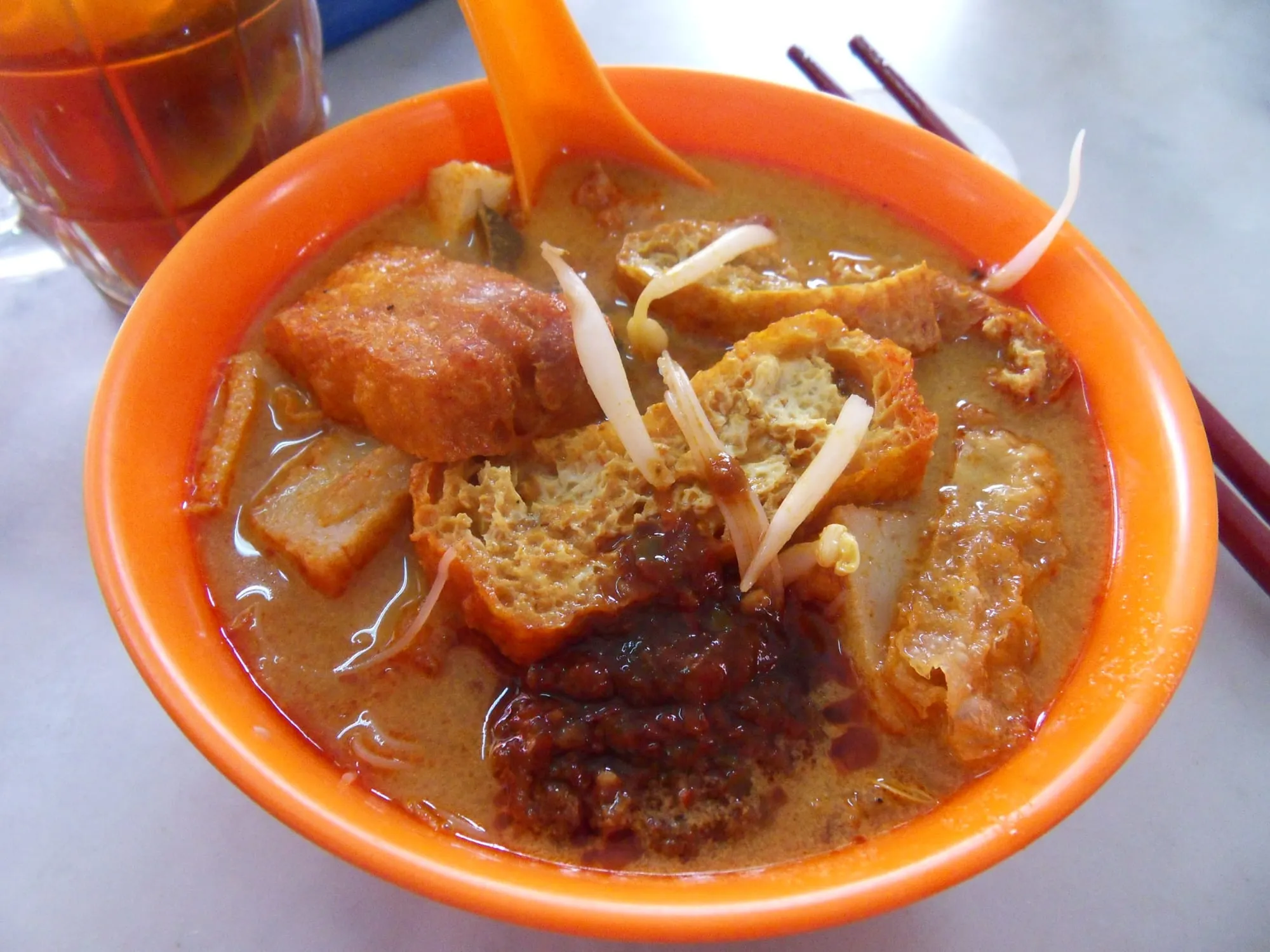
Best Curry Laksa & Char Kway Teow in KL
Where to eat Kuala Lumpur's top two noodle icons: rich coconut curry mee at Madras Lane and Restoran 168, and smoky charcoal char kway teow in Brickfields.
Food and drink
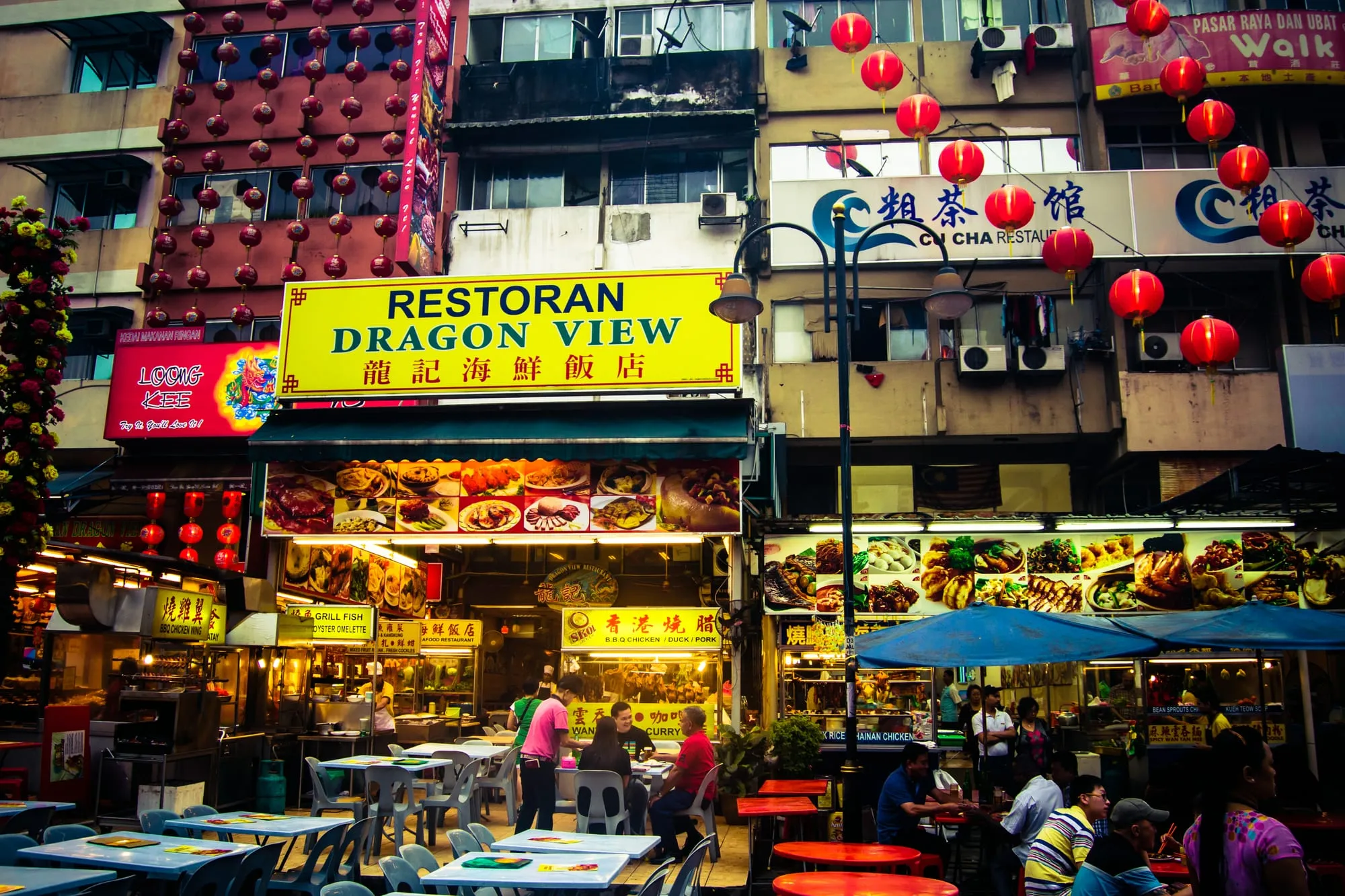
Kuala Lumpur Food Tours: Street Eats & Tastings
How to choose the best food tour in Kuala Lumpur: morning market walks, evening street food trails, dietary adaptations, prices, and booking tips.
Food and drink
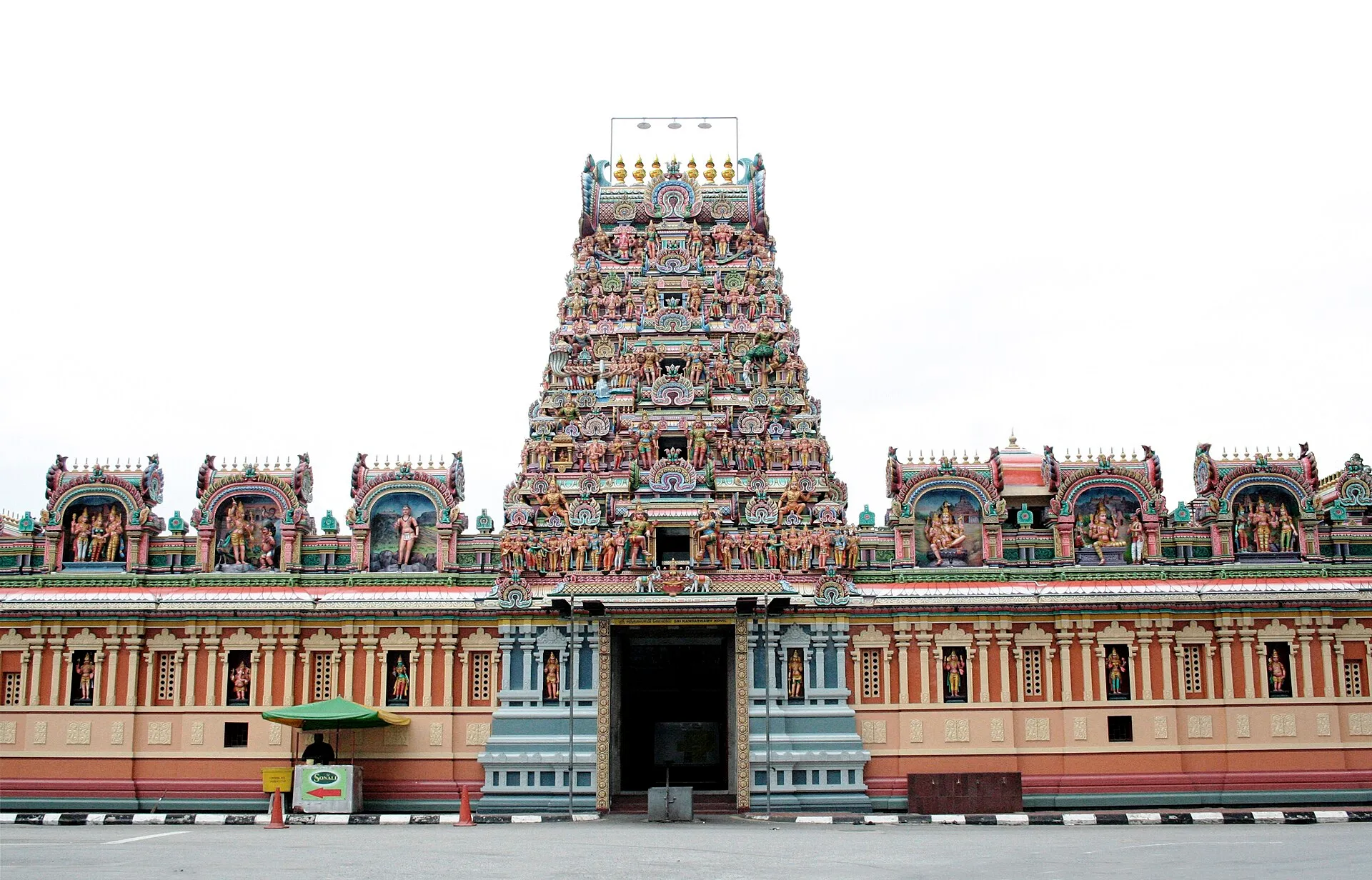
Brickfields Little India: Food & Culture Guide
Explore Brickfields Little India: banana leaf rice feasts, Chettinad curries, sweet shops, jasmine garlands, temples, and dining etiquette near KL Sentral.
Walks
Self-guided routes, stop by stop.
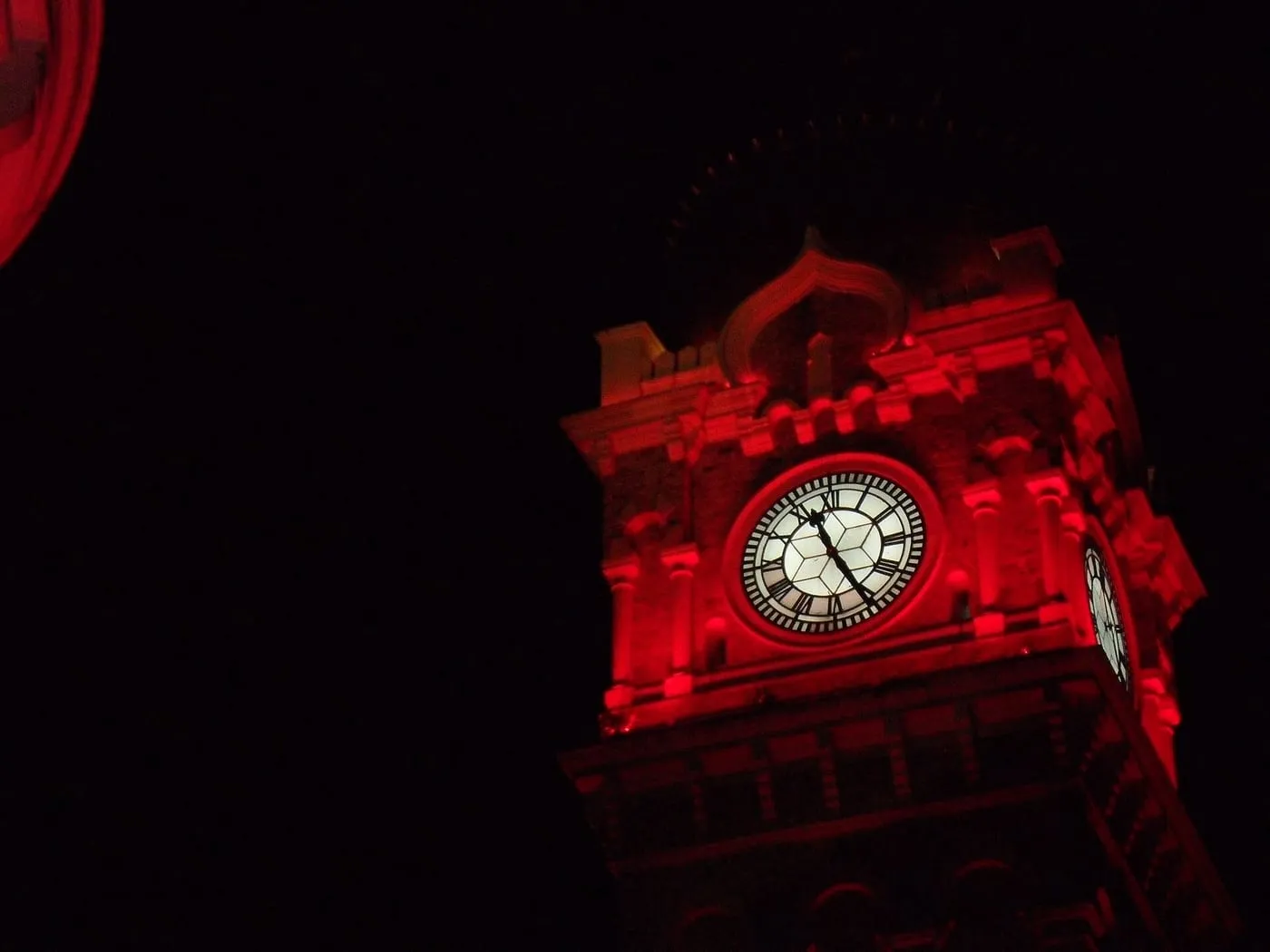
Walk
Colonial District & Chinatown Walk: Heritage Route
A self-guided heritage walking tour through Kuala Lumpur's colonial centre and Chinatown: Merdeka Square, Sultan Abdul Samad Building, Central Market, and Kwai Chai Hong.
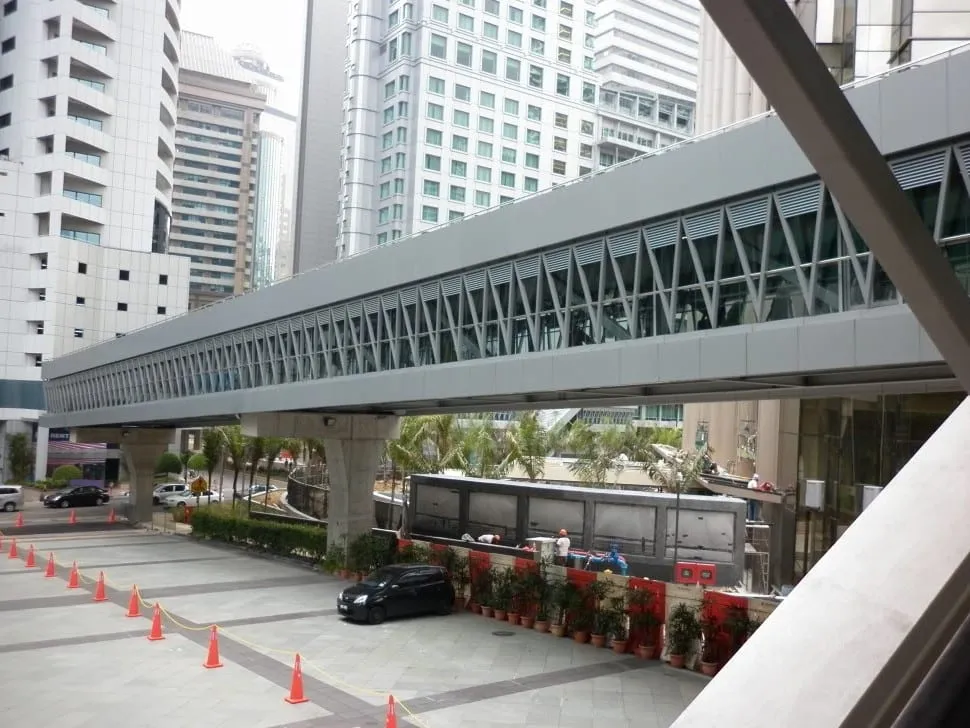
Walk
Bukit Bintang to KLCC Walk: Modern City Route
A step-by-step walking guide from Bukit Bintang to KLCC: Pavilion mall, air-conditioned elevated walkway, Aquaria, KLCC Park, and the Petronas Twin Towers.
More guides
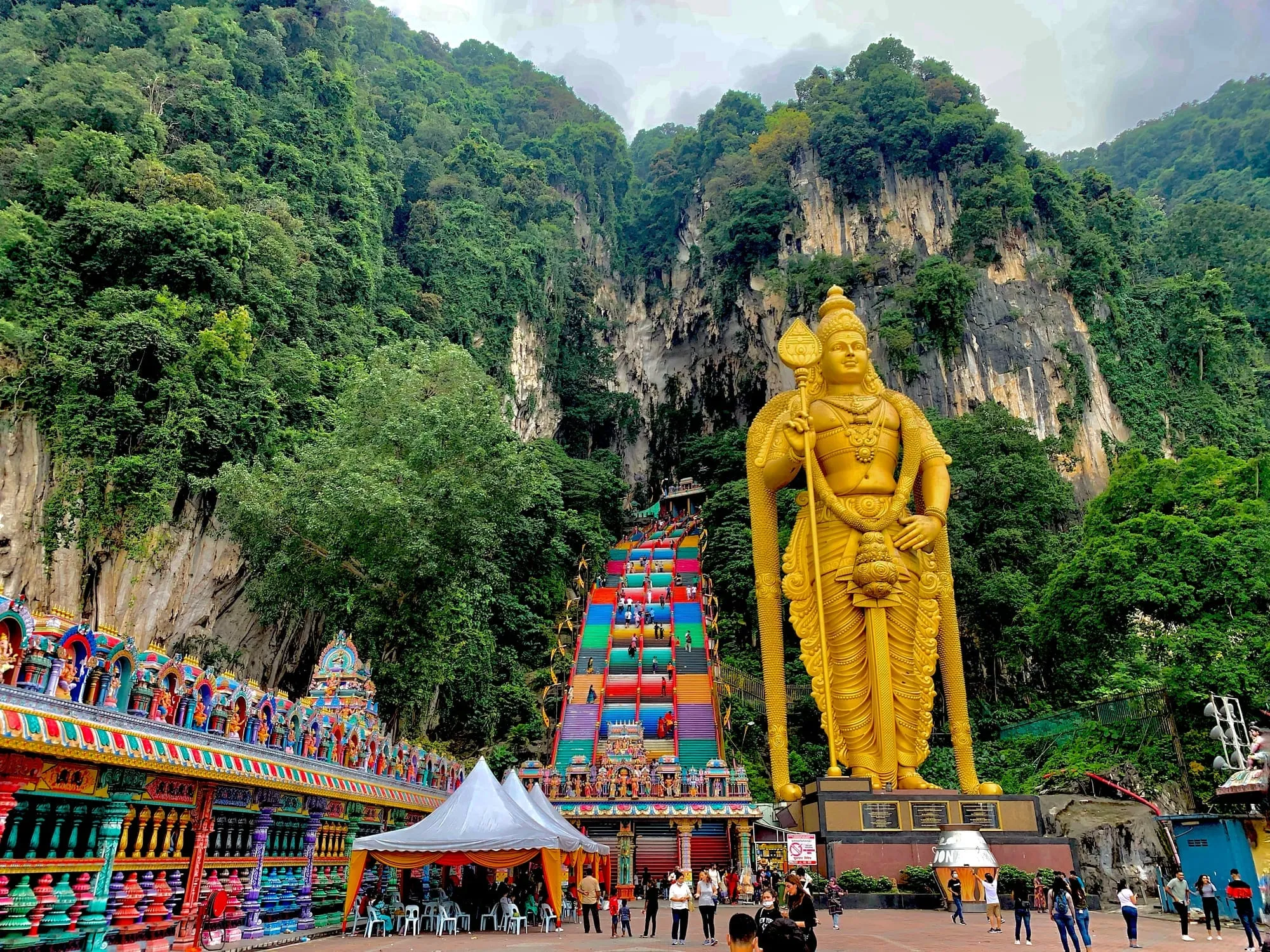
Guide
Batu Caves Guide: Train, 272 Steps & Dress Code
Visitor guide to Batu Caves: the 272 rainbow steps, 140ft golden Lord Murugan statue, Temple Cave, dress code rules, monkeys and train from KL Sentral.
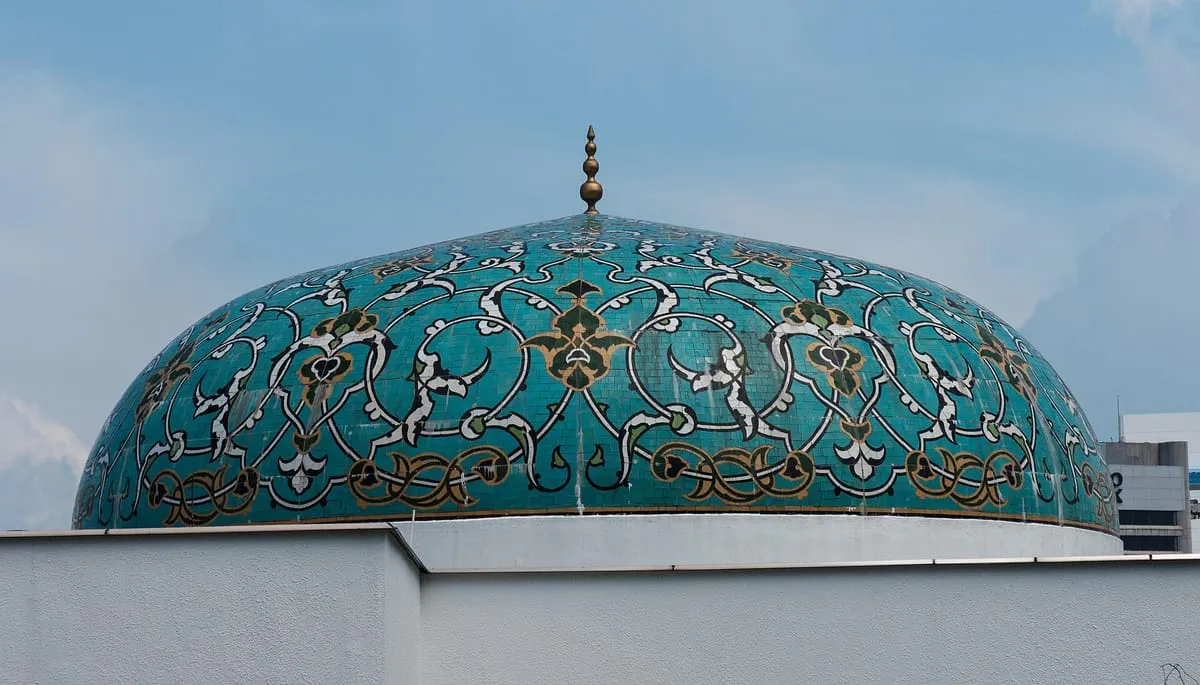
Guide
Islamic Arts Museum & National Mosque KL Guide
Pairing Southeast Asia's major Islamic Arts Museum with the modernist National Mosque (Masjid Negara): dome architecture, visiting hours, robes and etiquette.
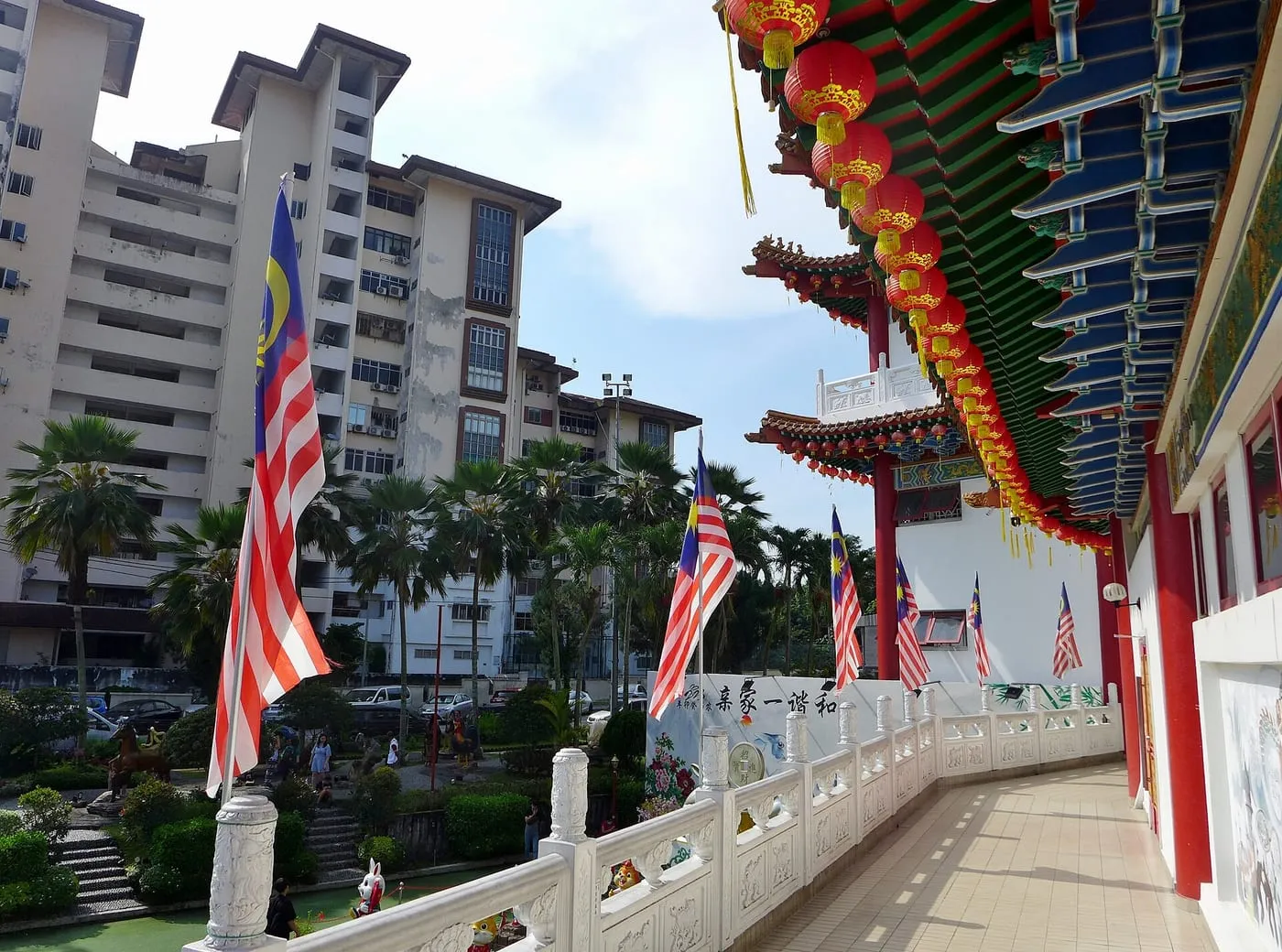
Guide
Thean Hou Temple KL: Lanterns, Hours & Views
Complete guide to Thean Hou Temple on Robson Heights: red lanterns, Mazu shrine, golden hour skyline views, Kau Chim fortune sticks, entry and Grab advice.
 shopping mall beneath the Twin Towers](/_astro/suria-klcc-atrium-shopping-levels.DtKbsFZq_Z1goekV.webp)
Guide
Petrosains & Suria KLCC: Exhibits & Shopping
Interactive science discovery centre Petrosains on level 4 of Suria KLCC: Dark Ride, F1 simulator, ticket prices, paired with a shopping and dining guide.
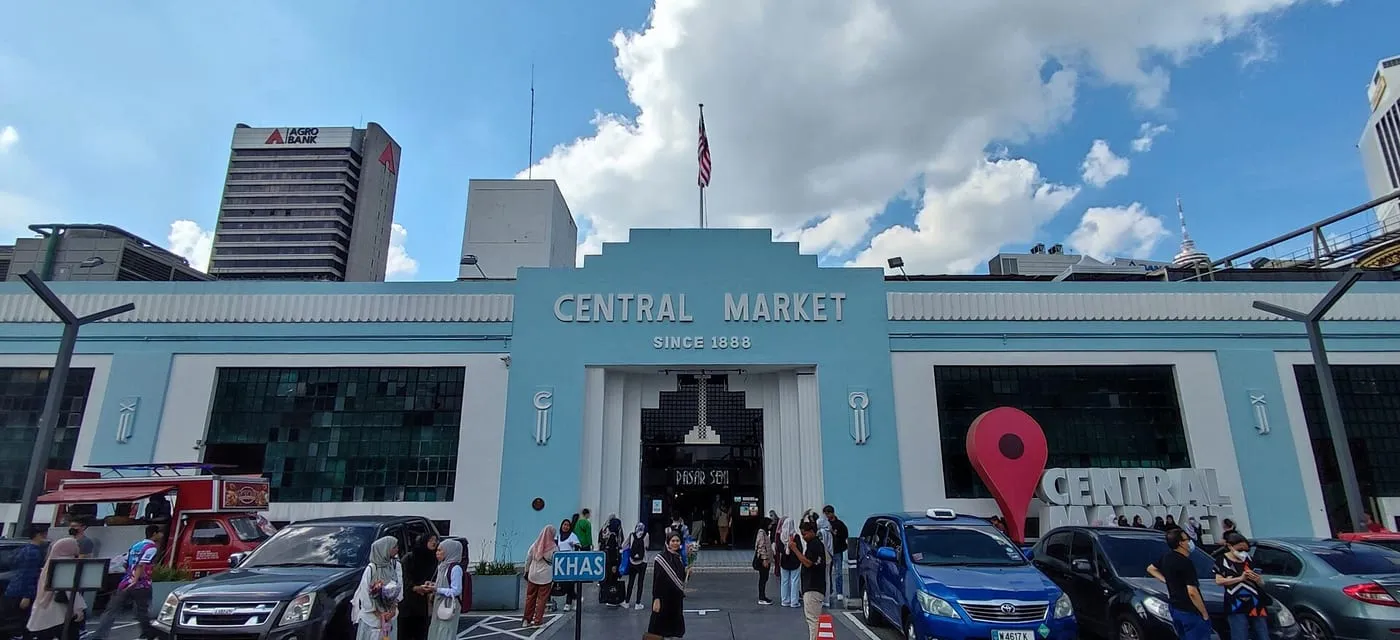
Guide
Central Market & Chinatown KL: Crafts & Temples
Art Deco [Central Market](https://www.centralmarket.com.my/) (Pasar Seni) crafts and batik workshops paired with Petaling Street Chinatown, Sri Mahamariamman temple, clan halls and street food.
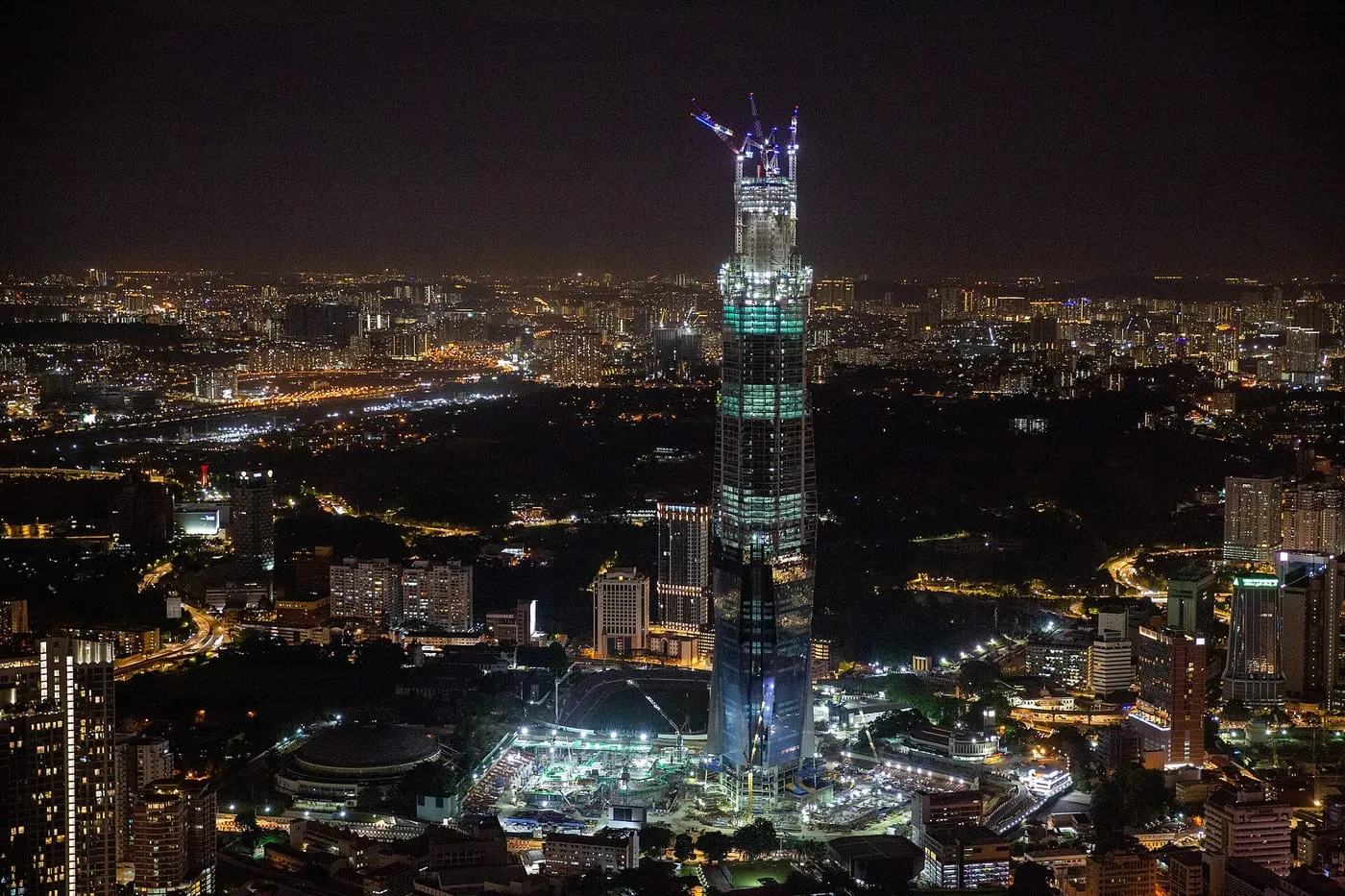
Guide
15 Best Things to Do in Kuala Lumpur: Sights & Tips
Discover the 15 essential things to do in Kuala Lumpur: [Petronas Twin Towers](https://www.petronastwintowers.com.my/), Batu Caves, Jalan Alor food street, Merdeka 118, KL Tower, and Central Market.
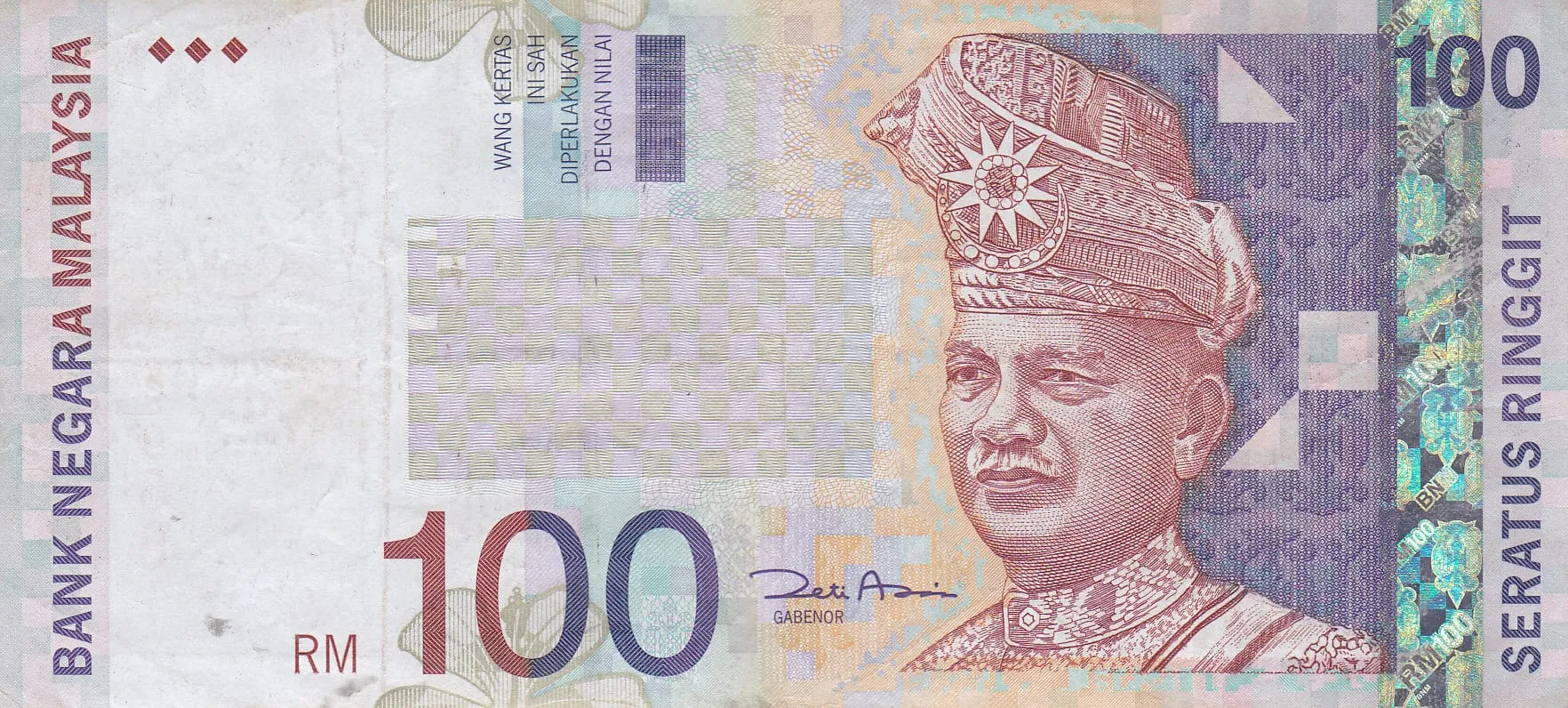
Guide
Money in Kuala Lumpur: Cash, Cards, ATMs & TnG
Kuala Lumpur blends tap-and-pay cards and Grab with cash-only hawker centres. Complete guide to Ringgit notes, Touch 'n Go transit, ATMs, and tipping.
Guide
eSIM for Malaysia: Best Plans, Setup & Telco Rules
Choosing between travel eSIMs and local Malaysian SIMs. Data plans, passport registration rules, airport telco counters at KLIA, and coverage across Malaysia.
Guide
Is Kuala Lumpur Safe? Crime, Scams & Travel Tips
Kuala Lumpur is one of Southeast Asia's safest capital cities. Practical advice on avoiding motorbike snatch thefts, taxi overcharging, tap water, and emergency numbers.
Guide
Kuala Lumpur Etiquette: Mosque Rules & Dining Customs
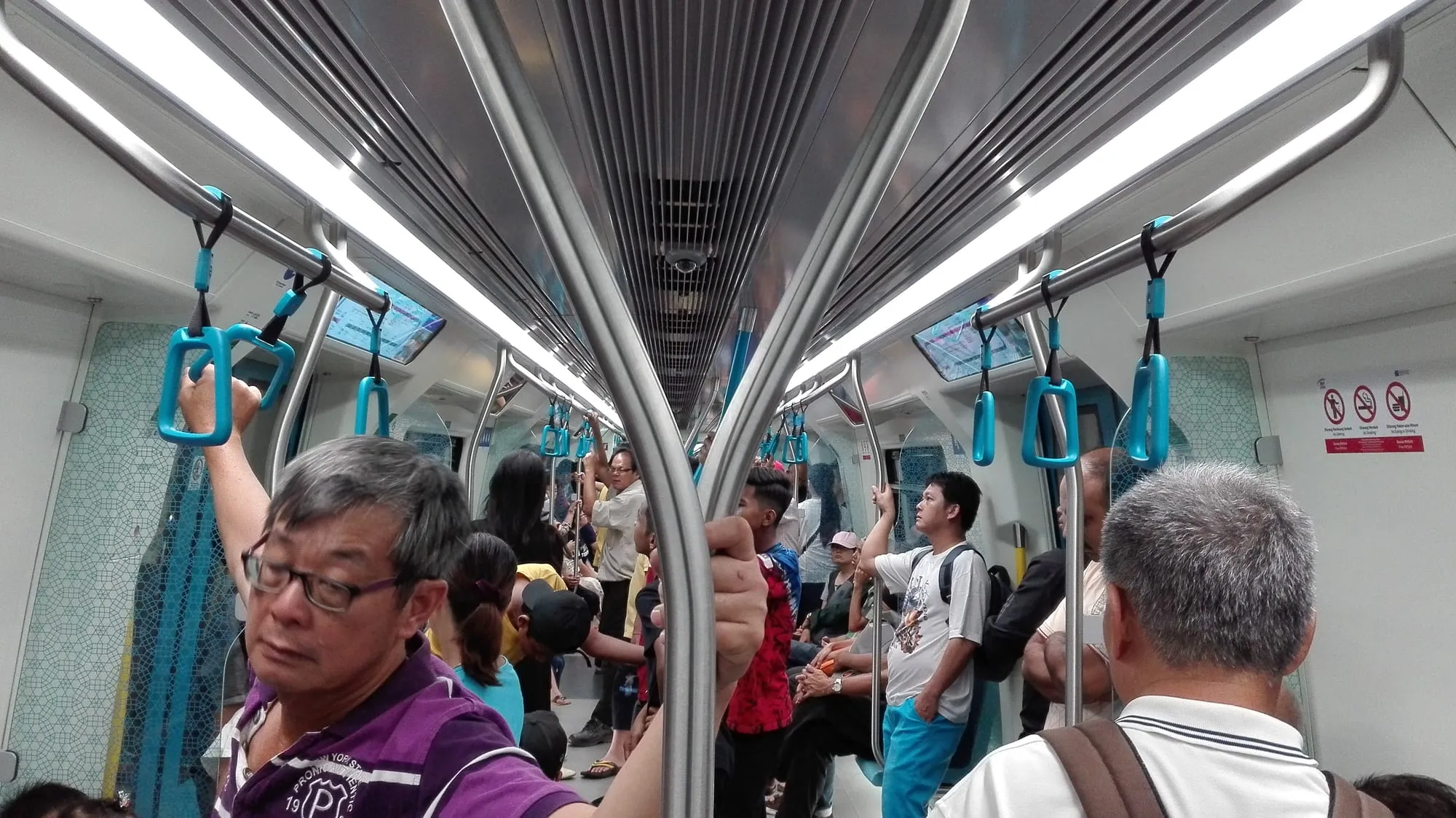
Essential cultural etiquette for Kuala Lumpur: mosque and Hindu temple dress rules, right-hand eating customs, RapidKL transit courtesy, and local laws.
Plan your trip
The rules and costs that apply to every city on the site.
Common questions
What should I book before arriving in Kuala Lumpur?
Book Petronas Twin Towers observation deck tickets 1 to 2 weeks in advance, as visitor slots are strictly capped and regularly sell out. Book popular high-floor hotel rooms overlooking KLCC Park and timed tickets for the KL Tower Sky Deck ahead of peak travel periods.
How do I get from Kuala Lumpur International Airport to the city centre?
The KLIA Ekspres non-stop train connects both Terminal 1 and Terminal 2 directly to KL Sentral in 28 to 33 minutes for RM55 single (RM100 return). Alternatively, airport express buses run to KL Sentral for RM12 to RM15 (taking roughly 60 minutes), and e-hailing cars via Grab cost roughly RM65 to RM85 plus highway tolls.
Do I need cash in Kuala Lumpur, or can I pay by card?
Credit and debit cards are widely accepted across shopping malls, hotels, supermarkets, and upscale restaurants. However, cash in Malaysian ringgit (RM) remains essential for hawker stalls, street food markets along Jalan Alor, reloading physical Touch 'n Go transit cards, and small temple donations.
What is the dress code for religious attractions in Kuala Lumpur?
Batu Caves, the National Mosque (Masjid Negara), and Thean Hou Temple require modest attire. Shoulders and knees must be covered, and low-cut tops, short skirts, or sleeveless singlets are prohibited. Mosques provide complimentary hooded robes to visitors at the entrance, while sarongs can be rented at Batu Caves.
How many days are recommended for a first trip to Kuala Lumpur?
Three full days allow you to explore the modern skyline around KLCC, ascend the Petronas Twin Towers, explore the colourful stairs of Batu Caves, visit the historic colonial core around Merdeka Square, and indulge in the diverse street dining of Bukit Bintang and Chinatown.