In this guide
💡 The Short Version: Seoul is one of the world’s safest capital cities, with exceptionally low rates of violent crime and theft. Solo travellers and women can walk through central districts late into the night without concern. Primary risks are minor: unmetered black taxi vans quoting inflated flat fares outside Seoul Station or Dongdaemun, aggressive religious cult recruiters approaching solo tourists under the guise of ‘traditional Korean cultural experiences’, and late-night alcohol-fuelled rows in crowded entertainment alleys. In an emergency, dial 112 for Police or 119 for Ambulance, and call the Korea Travel Hotline on 1330 for free 24-hour English translation. Both the UK Foreign Office and the US State Department classify South Korea at their lowest travel advisory levels.
Crime rates and general safety profile
South Korea consistently ranks among the top five safest countries globally in international public safety indices, overseen by the Korean National Police Agency. Violent street crime against tourists—such as mugging, armed robbery, or physical assault—is statistically negligible.
Several structural factors contribute to Seoul’s high level of civic safety:
- Comprehensive CCTV surveillance: Over 100,000 municipal and private surveillance cameras monitor street intersections, subway platforms, bus shelters, and commercial districts across Seoul, acting as an effective deterrent against opportunist theft.
- Lost property integrity: South Koreans demonstrate a high degree of civic honesty regarding unattended personal belongings. Leaving a laptop or smartphone on a cafe table while visiting the restroom is common practice among locals. Lost items handed into transport staff or police are catalogued on the nationwide police database Lost112.
- Safe haven convenience stores: More than 40,000 convenience stores (CU, GS25, 7-Eleven) across the metropolis are linked directly with local police networks. If you ever feel followed or unsafe, enter any convenience store; staff are trained to press emergency silent alarm foot-switches that summon local patrol officers within minutes.
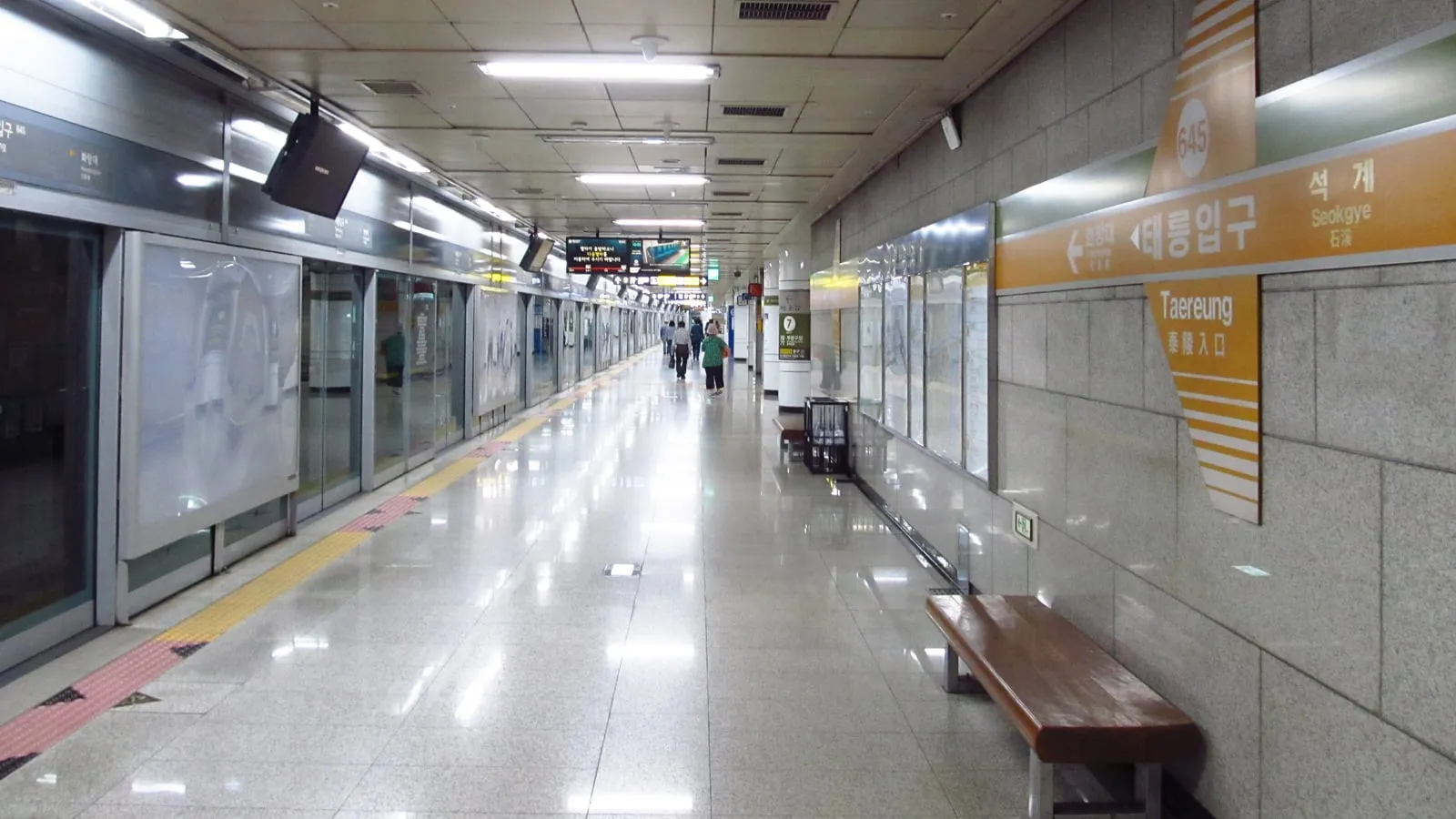
Platform screen doors at Taereung Station on Seoul Metro. Photo: Mtattrain, Wikimedia Commons, CC BY-SA 4.0.
Public transport and night travel safety
The Seoul Metropolitan Subway and city bus systems are remarkably safe, well maintained, and comprehensively lit.
- Platform screen doors: Every subway station platform features full-height glass barrier doors, preventing accidental falls or track intrusions.
- Late-night transit options: Subway trains cease operation between midnight and 00:30. After trains finish, Seoul’s dedicated night bus network—the Owl Bus (routes designated with an ‘N’, such as N13, N15, N26, N37)—operates between 23:30 and 06:00 across major nightlife and commuter arteries, charging a flat fare of ₩2,150 with a T-money card.
- Women-only designated spaces: Subway Line 1 and Line 2 trains carry designated pink floor markings and priority seating for pregnant passengers and women with infants. During late evening hours, women travelling alone can request the Safe Return Home Service (Ansim Gwi-ga) through municipal district offices, which arranges for two municipal safety wardens in yellow vests to meet you at a designated bus or subway stop and escort you to your doorstep free of charge.
Common scams and irritants
While physical safety is rarely compromised, visitors should remain aware of several recurring tourist-focused scams:
| Issue | Typical location | What happens | How to respond |
|---|---|---|---|
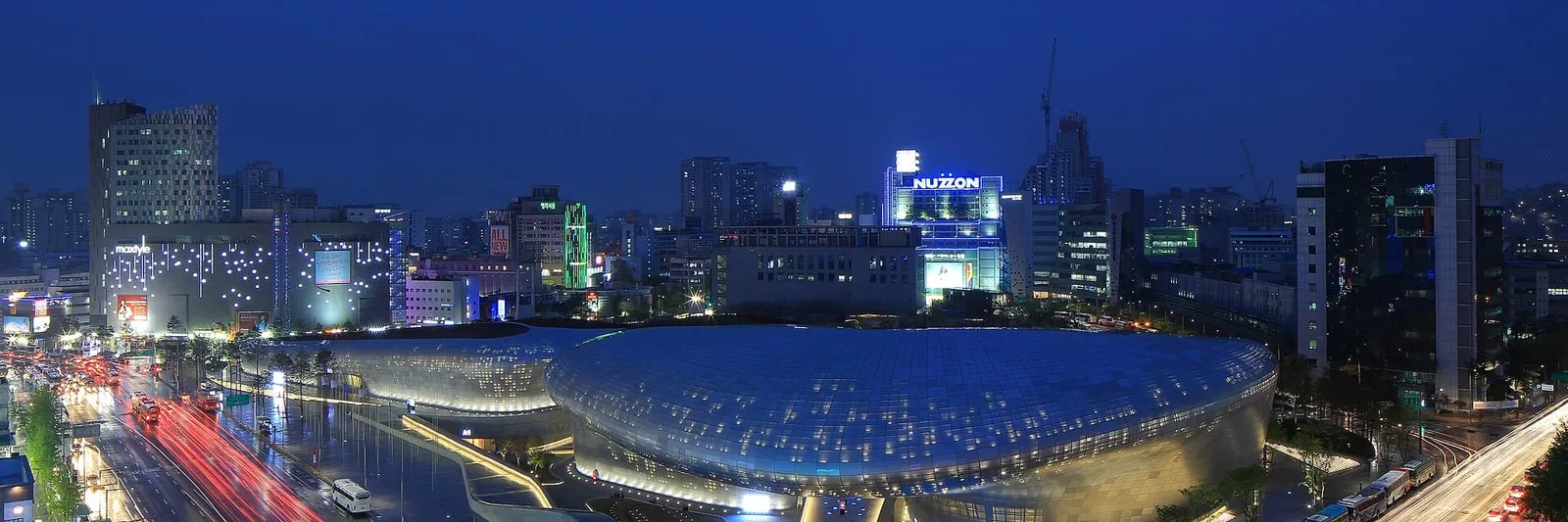
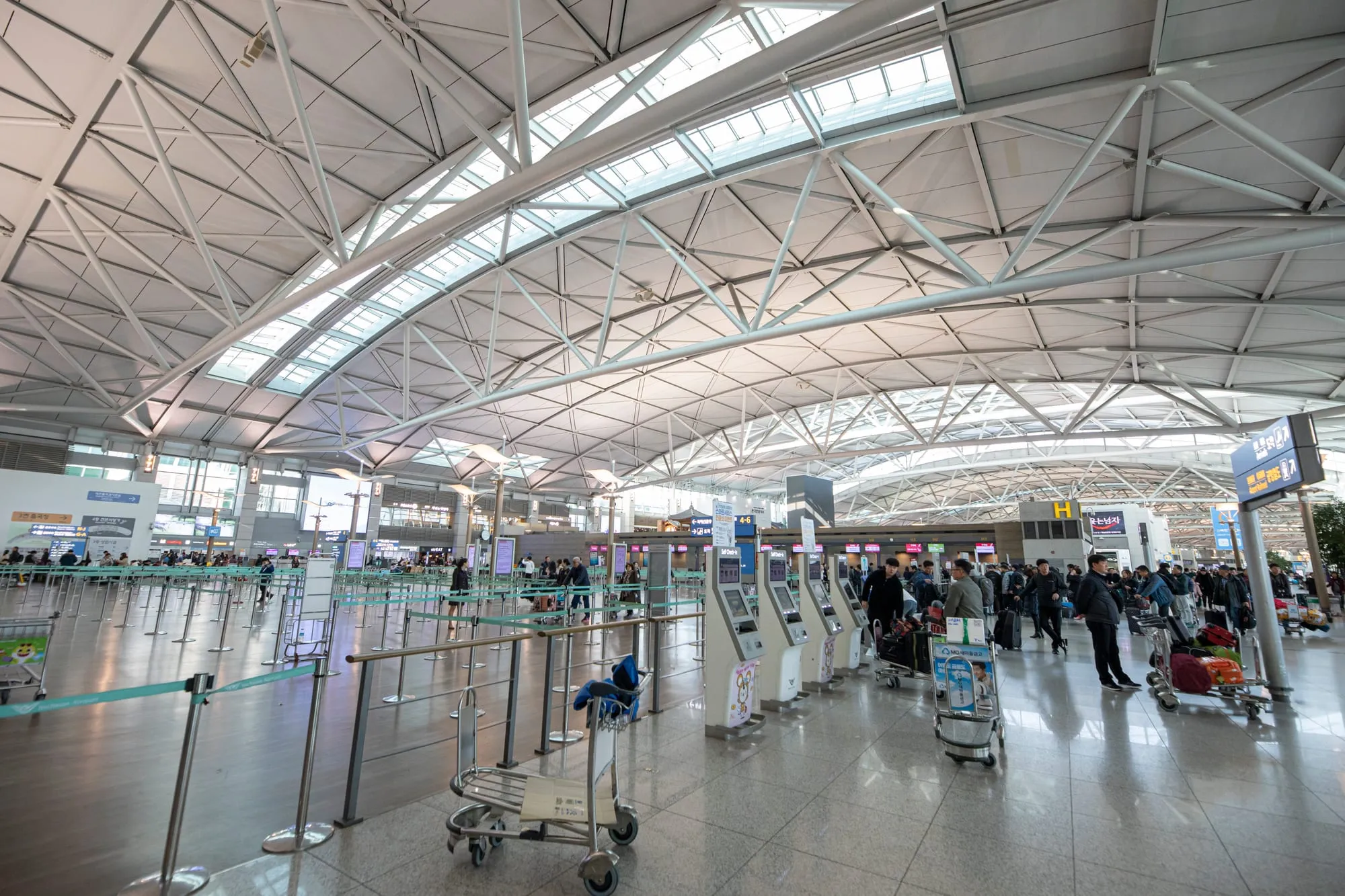
| Unmetered ‘Call Van’ / black taxi | Seoul Station, Incheon Airport, Dongdaemun | Drivers quote flat fares of ₩80,000 to ₩150,000 for short rides | Refuse flat quotes; insist on standard taximeter or use Kakao T |
| Religious cult recruiters | Hongdae, Insadong, Sinchon, Gangnam | Pairs of students invite solo foreigners to participate in a ‘traditional tea ceremony’ or ancestral ritual (Jesa) | Firmly decline and walk away; do not accompany them to private residential flats |
| Overcharging in bar alleys | Itaewon, Hongdae, Gangnam club streets | Venues charge extortionate table minimums or add undisclosed drink charges | Check menu pricing upfront; pay per round with itemised till receipts |
| Fake monk donations | Near Jongmyo Shrine, Insadong, Jogyesa | Individuals dressed in monastic robes hand out golden charms and aggressively demand cash donations | Genuine Korean Buddhist monastics never solicit cash in public streets; ignore them |
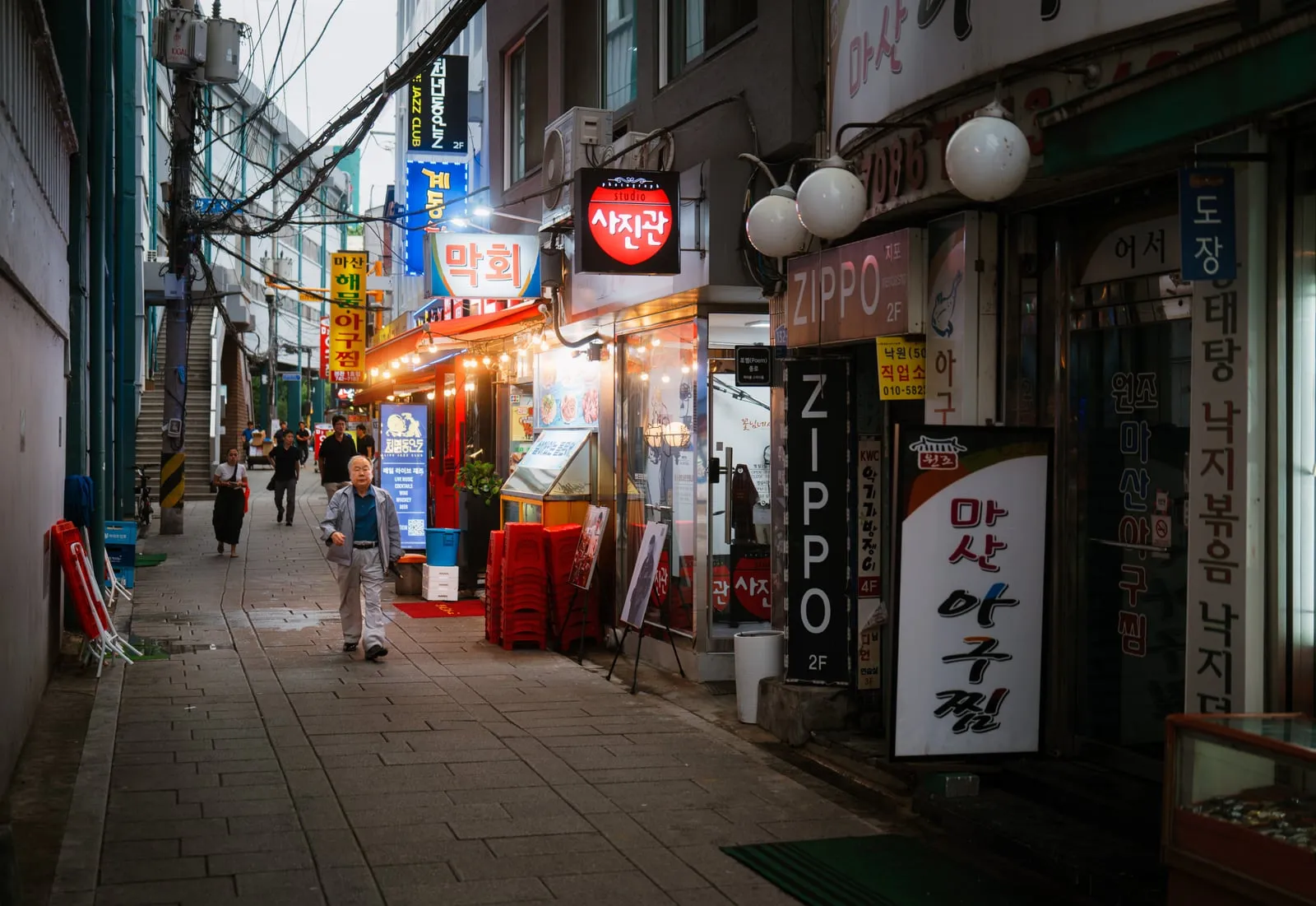
A quiet backstreet of restaurants in Seoul at dusk. Photo: Sgroey, Wikimedia Commons, CC BY-SA 4.0.
Taxi safety and ride-hailing
Taxis in Seoul are safe, regulated, and affordable, but understanding vehicle categories avoids overpaying:
- Standard taxis: Orange, silver, or white sedans with roof signs. The daytime base fare is ₩4,800 for the first 1.6 km, calculated strictly by dashboard taximeter. Late-night surcharges (20% to 40%) apply between 22:00 and 04:00.
- Deluxe taxis (Mobeom): Black sedans with yellow roof lamps and gold side stripes. Base fare starts at ₩7,000. Drivers speak basic foreign languages and provide larger vehicles, but cost roughly 40% more.
- Unregulated ‘Call Vans’ (Black Jumbo Vans): Larger black 6- to 9-seater vans that park near Dongdaemun wholesale clothing markets and major rail terminals. These are licensed for freight/cargo transport rather than passenger taxi services and are the primary source of tourist taxi overcharging complaints. Never board a large black van without confirming it operates on an official metered taxi tariff.
- Ride-hailing via app: Download Kakao T. The app lets foreign tourists book standard municipal taxis without speaking Korean, shows the estimated metered fare upfront, records the driver’s vehicle registration number, and permits payment by international credit card.
Nightlife safety: Hongdae and Itaewon
Seoul maintains an active 24-hour entertainment culture, but basic situational awareness applies:
- Alcohol culture: Heavy drinking is commonplace in South Korea. On Friday and Saturday evenings in Hongdae, Sinchon, and Itaewon, you will encounter intoxicated revellers sitting along pavements. Violent confrontations are rare, but avoid getting drawn into drunken disputes.
- Spiked drinks and club safety: While rare, instances of drink tampering have been reported in nightlife districts. Never leave drinks unattended in crowded nightclubs, and decline open beverages from strangers.
- Drug laws: South Korea enforces zero-tolerance narcotics legislation under the Narcotics Control Act. Possession, use, or trafficking of cannabis, ecstasy, or other illicit substances carries severe criminal penalties, including mandatory prison terms and immediate deportation, regardless of nationality or legality in your home country.
Natural hazards and seasonal health
Beyond crime, travellers should prepare for regional environmental factors:
- Fine dust and yellow dust (Hwangsa): During spring (March to May), winds blow mineral dust from the Gobi Desert across the Korean peninsula, elevating particulate matter (PM2.5 and PM10) concentrations. Check daily readings via the Korea Meteorological Administration or the AirVisual smartphone app. On ‘Unhealthy’ days, wear KF94 protective filtration masks (available at every pharmacy and convenience store for ₩1,000–₩1,500).
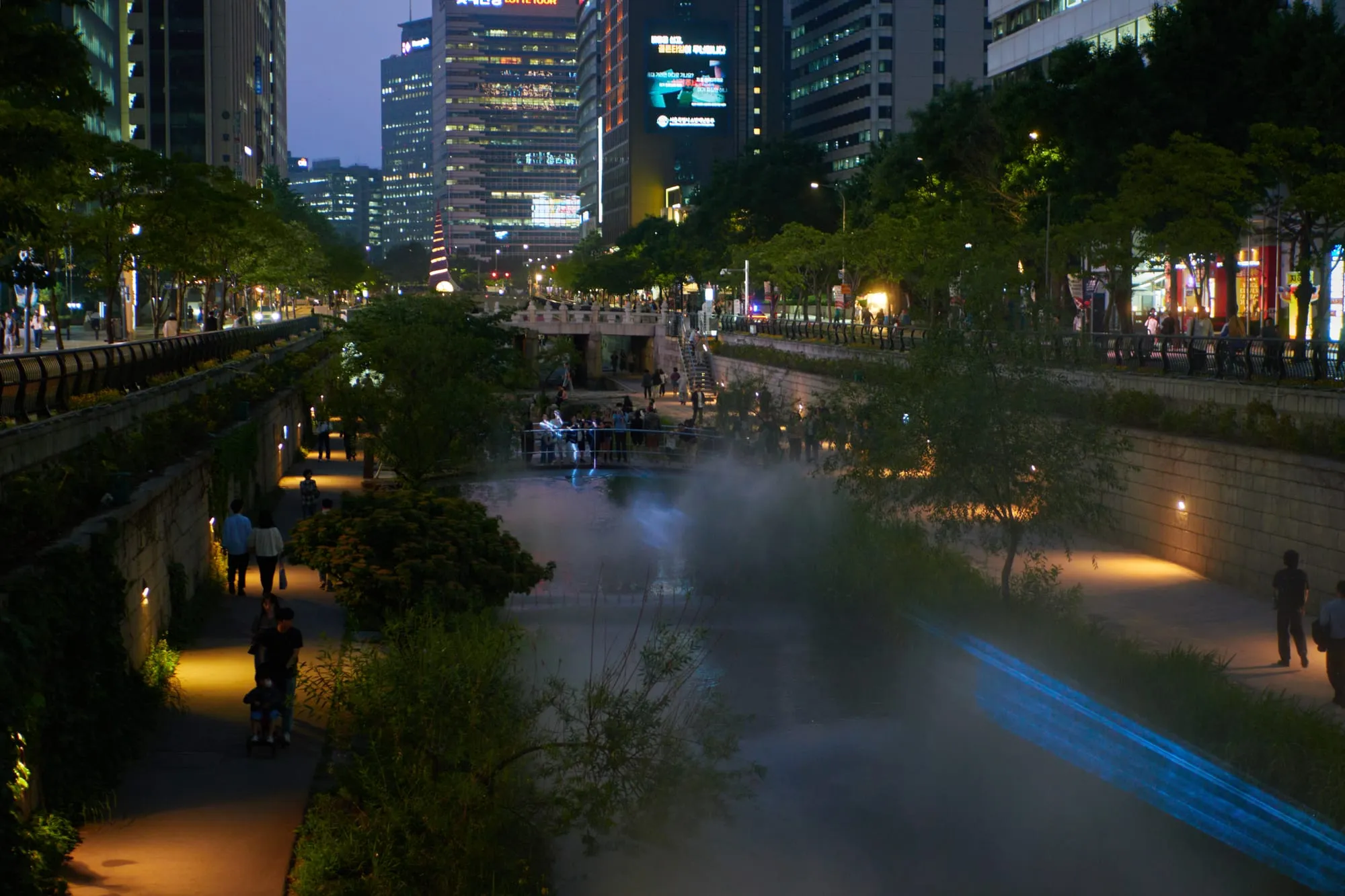
- Summer monsoon rainfall (Jangma): Late June through July experiences intense torrential downpours. Low-lying sections of Cheonggyecheon Stream and riverside parks along the Han River can flood rapidly within minutes. Municipal sirens sound and pedestrian gates lock automatically when water levels rise; immediately exit sunken riverside pathways if sirens activate.
Emergency contacts and healthcare services
Keep these emergency numbers saved in your mobile phone:
| Service | Telephone number | Language support | Notes |
|---|---|---|---|
| Police Emergency | 112 | English, Japanese, Chinese | Automated translation dispatch service available |
| Fire & Medical Ambulance | 119 | English translation bridge | Coordinates rapid paramedic and fire response |
| Korea Travel Hotline | 1330 | 24/7 English, Japanese, Chinese | Tourist assistance, emergency interpretation, lost property |
| Medical Referral Helpline | 1339 | English medical counselling | Connects with on-call emergency hospital clinics |
| British Embassy Seoul | +82 (0)2 3210 5500 | English | Consular emergency support for British citizens |
| US Embassy Seoul | +82 (0)2 397 4114 | English | American citizen services and passport emergencies |
International hospital clinics in Seoul
For non-emergency medical consultations or illness, Seoul features major tertiary teaching hospitals with dedicated international healthcare clinics staffed by fluent English-speaking doctors:
- Severance Hospital International Health Care Center: 50-1 Yonsei-ro, Seodaemun-gu (Sinchon). Comprehensive multilingual medical departments with direct international insurance billing.
- Seoul National University Hospital International Clinic: 101 Daehak-ro, Jongno-gu (Hyehwa). Renowned university medical centre with 24-hour English emergency trauma intake.
- Asan Medical Center International Clinic: 88 Olympic-ro 43-gil, Songpa-gu (Jamsil). South Korea’s largest medical complex, equipped with extensive outpatient and diagnostic facilities.
Common questions
Is Seoul safe for solo female travellers?
Yes. Seoul is widely documented as one of the safest major metropolitan areas in the world. Violent street crime is exceptionally rare, public spaces and transit systems are monitored by extensive CCTV networks, streets remain well lit late into the night, and 24-hour convenience stores function as official emergency safe havens.
What tourist scams occur in Seoul?
The most common issues involve unmetered black deluxe taxis or private vans quoting inflated flat fares outside major transport hubs, religious pseudo-cult recruiters approaching solo foreigners around Hongdae or Gangnam under the pretext of traditional tea ceremonies, and bar overcharging in late-night entertainment alleys.
What are the emergency numbers in South Korea?
Dial 112 for Police (free interpretation available in English), 119 for Fire and Ambulance services, and 1330 for the Korea Travel Hotline, which provides 24-hour tourist assistance, consumer complaint support, and emergency three-way interpretation.
Is it safe to walk around Seoul late at night?
Yes. Main thoroughfares across districts like Hongdae, Myeongdong, Gangnam, and Jongno remain active and populated well past midnight, supported by late-running night buses (Owl Buses) and round-the-clock convenience stores.