In this guide
The Short Version: Kuala Lumpur operates on a practical mix of digital card payments and cash. Visa, Mastercard, and mobile wallets work across department stores, upscale restaurants, and hotels, while cash in Malaysian ringgit (RM) is essential for Mamak stalls, hawker meals along Jalan Alor, wet markets, and reloading physical transit cards. Pick up a Touch ‘n Go (TnG) card or load a MyCity Pass (costing RM 10 for 1 day or RM 25 for 3 days) for unlimited public transit on the MRT, LRT, and Monorail. Major ATMs (Maybank, CIMB, Public Bank, RHB) welcome foreign cards; always reject Dynamic Currency Conversion (DCC) at the machine to secure your home bank’s interbank rate. Tipping is not customary in Malaysia, as restaurant bills already bundle a 10% service charge and 6% SST tax. Foreign hotel guests pay a mandatory government Tourist Tax of RM 10 per room per night.
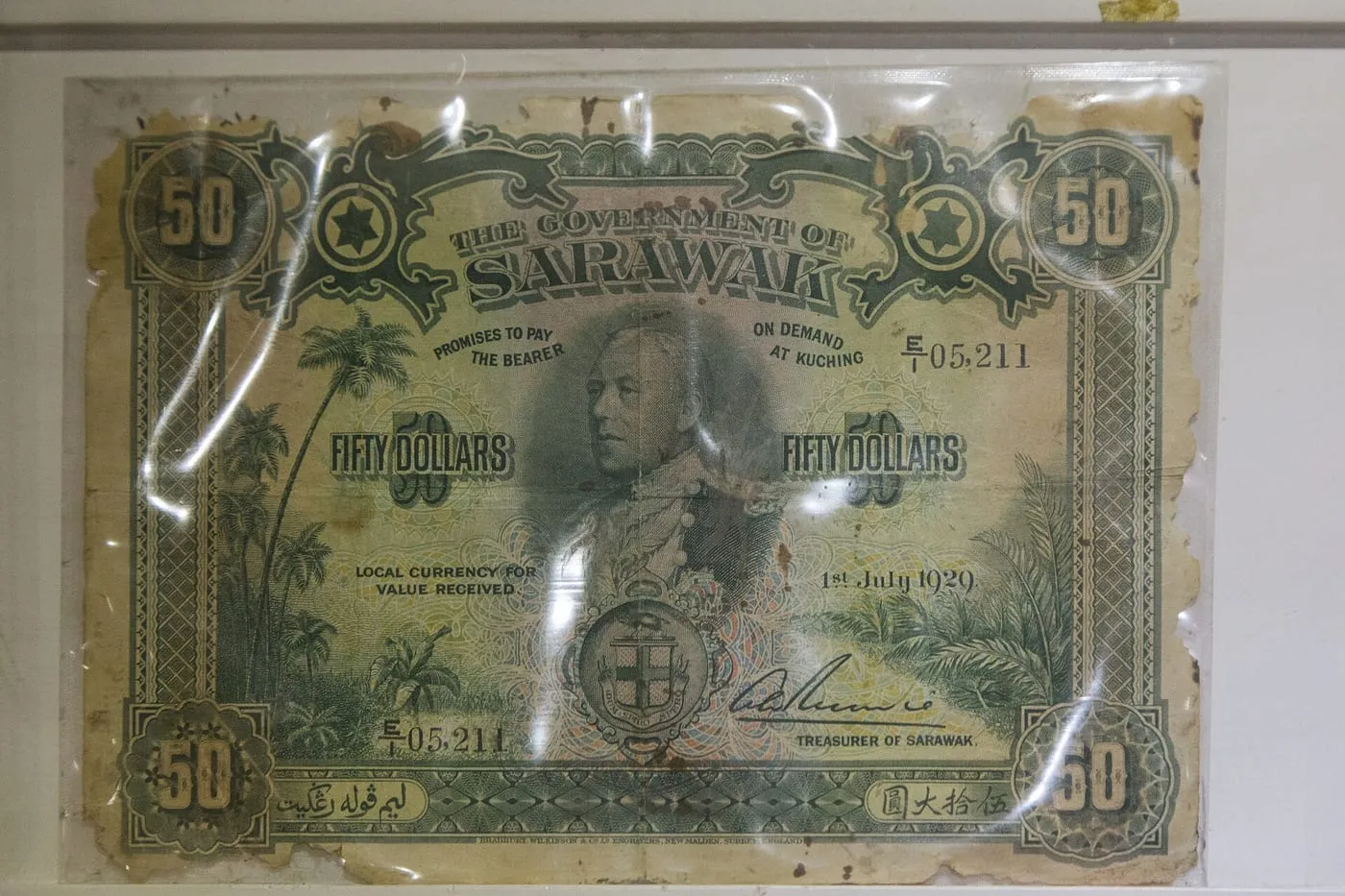
Historical Malaysian currency at the National Museum. Photo: Marcin Konsek, Wikimedia Commons, CC BY-SA 4.0.
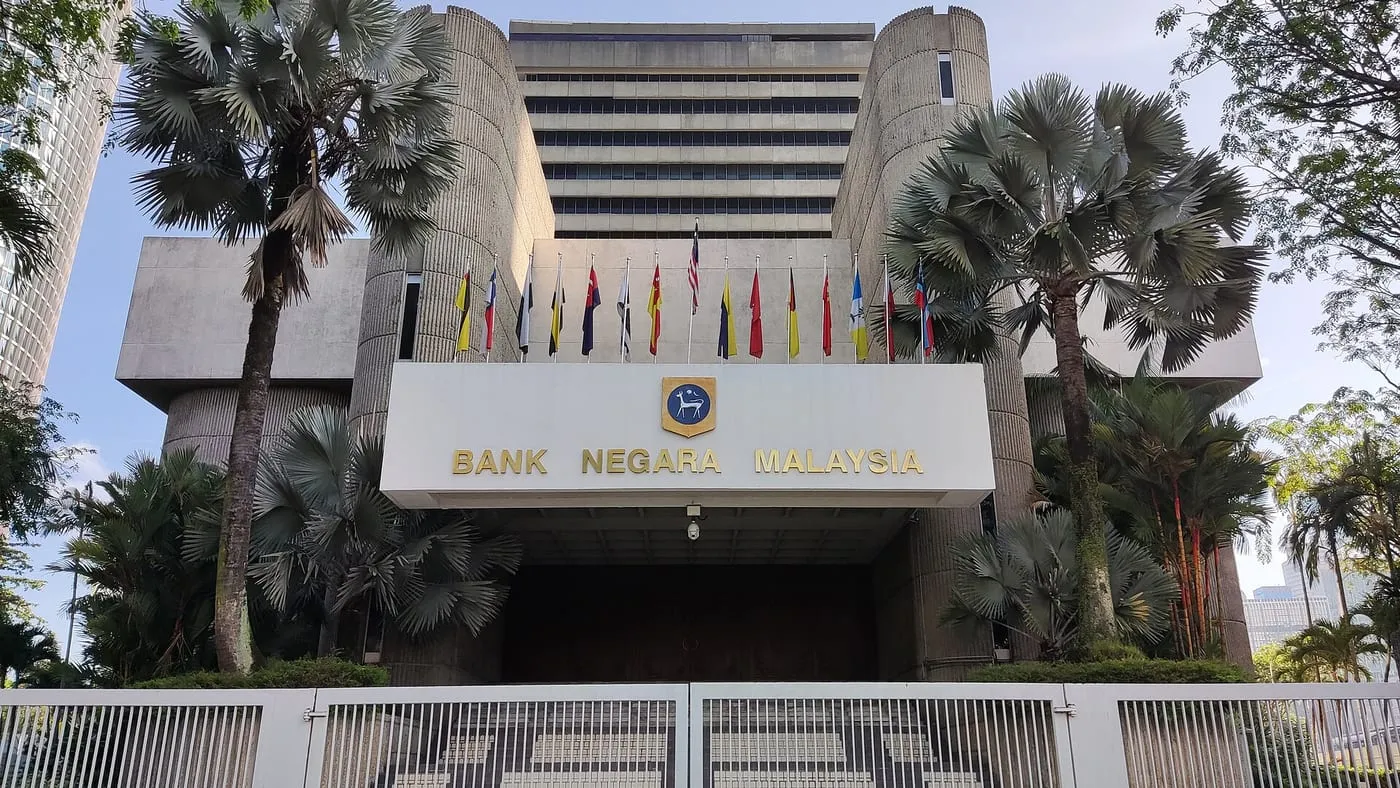
Bank Negara Malaysia headquarters. Photo: Wee Hong, Wikimedia Commons, CC BY-SA 4.0.
The Malaysian Ringgit: currency and banknotes
Malaysia’s official currency is the Malaysian ringgit, issued and regulated by Bank Negara Malaysia (currency code: MYR, written locally and on price tags as RM). The ringgit is subdivided into 100 sen.
Bank Negara Malaysia issues the fourth series of banknotes, also featured at the Bank Negara Malaysia Museum and Art Gallery, which are colour-coded and feature Malaysia’s national flower, the red hibiscus (bunga raya), alongside portraiture of the first Yang di-Pertuan Agong, Tuanku Abdul Rahman:
- RM 1 (Blue): Polymer banknote; the standard note for small change, bottled drinks, and street snacks.
- RM 5 (Green): Polymer banknote; commonly used for roti canai breakfasts and short bus rides.
- RM 10 (Red): Paper note; ideal for hawker meals, iced kopi, and fruit juices.
- RM 20 (Orange): Paper note; features sea turtle illustrations; frequently used in casual dining.
- RM 50 (Cyan/Green-Blue): Paper note; the workhorse denomination dispensed by ATMs across the city.
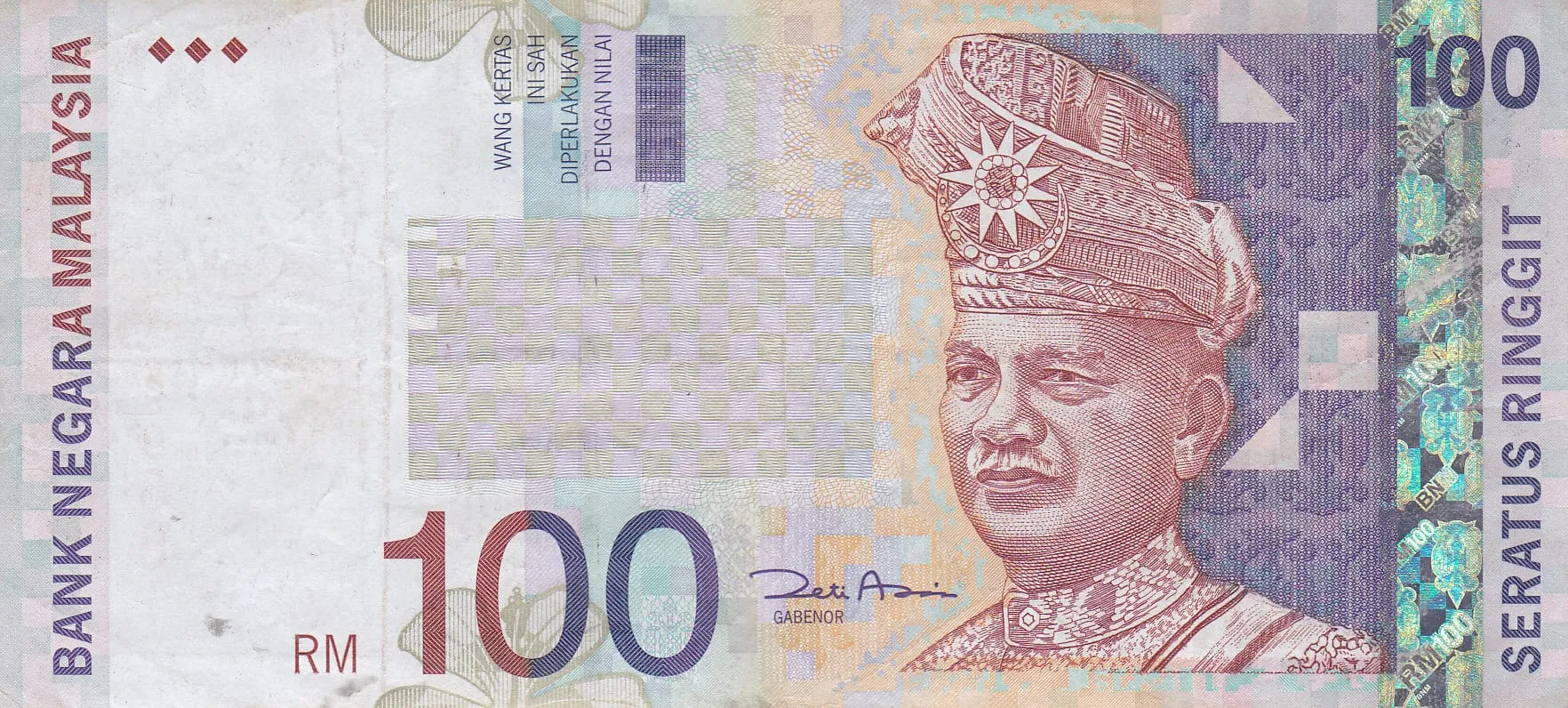
- RM 100 (Purple): Paper note; the highest common circulation note. Many small roadside stalls and taxi drivers struggle to break RM 100 notes for small purchases under RM 10, so break them into smaller denominations at convenience stores or supermarket chains.
- Coins: Issued in denominations of 5 sen, 10 sen, 20 sen, and 50 sen (in brass-gold and stainless-steel finishes).
Touch ‘n Go (TnG) card and the MyCity Pass
Navigating Kuala Lumpur’s public transit network—including the RapidKL LRT, MRT, Monorail, and BRT systems—requires a contactless transit payment method. For detailed lines and network maps, consult our complete Kuala Lumpur public transport guide.
What is the Touch ‘n Go card?
The Touch ‘n Go (TnG) card is Malaysia’s universal contactless stored-value card. You tap the physical card on the sensor turnstiles when entering and exiting train stations, or on readers when boarding RapidKL buses.
- Purchase cost: A physical TnG card typically costs RM 10 for the card alone (non-refundable issuance fee), after which you load stored transit credit.
- Where to buy: Customer service counters at major LRT and MRT stations (including KL Sentral, Pasar Seni, Bukit Bintang, and KLCC), as well as convenience stores like 7-Eleven and KK Super Mart.
- Cash reloads: Physical cards can be reloaded using cash at station ticketing windows, customer service desks, and self-service kiosks. Note that reloads at third-party convenience stores may incur a nominal fee of RM 0.50.
The MyCity Pass for visitors
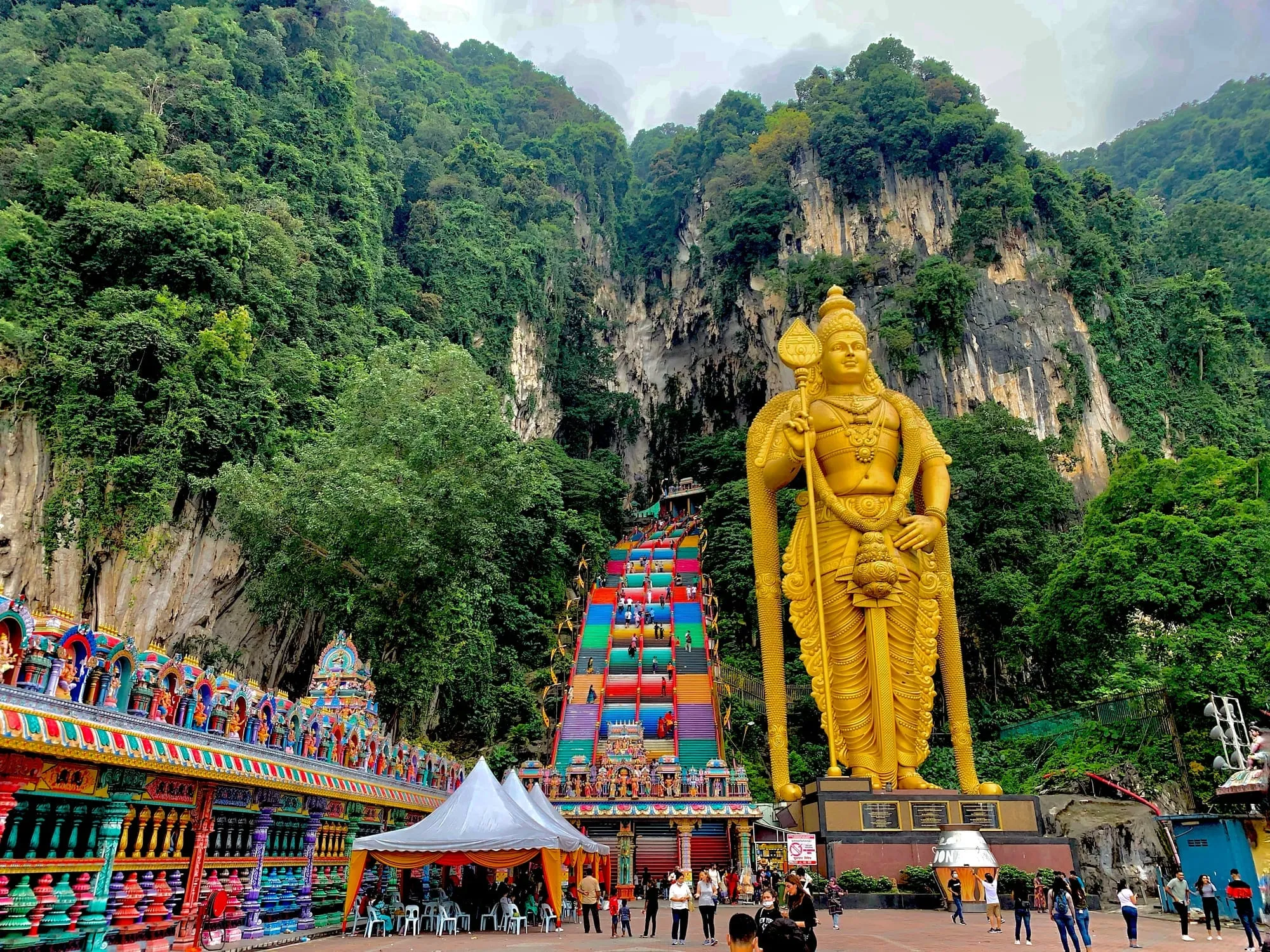
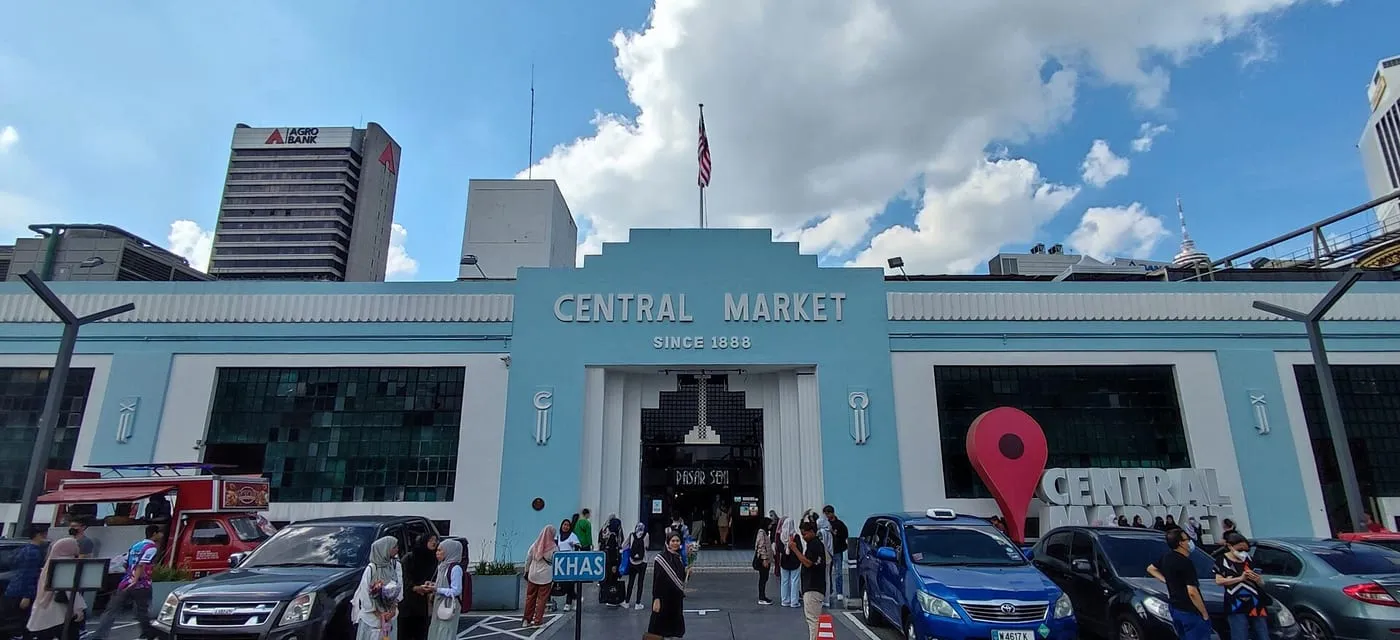
For tourists planning a busy day of urban exploration between sights like Batu Caves, Petronas Twin Towers, and Central Market, the MyCity Pass loaded directly onto a Touch ‘n Go card offers exceptional value:
| Pass Option | Fare for International Tourists | Validity Period | Covered Transit Lines |
|---|---|---|---|
| 1-Day MyCity Pass | RM 10 | 1 calendar day until end of service | Unlimited rides on RapidKL LRT, MRT, Monorail, and BRT |
| 3-Day MyCity Pass | RM 25 | 3 consecutive calendar days | Unlimited rides on RapidKL LRT, MRT, Monorail, and BRT |
Note: The MyCity Pass requires an active Touch ‘n Go card with a minimum wallet balance of RM 5 to validate entry at turnstiles. The KTM Komuter rail network and airport express trains (KLIA Ekspres / KLIA Transit) are operated separately and are not covered by the RapidKL MyCity Pass.
Cash vs cards: where each is accepted
Kuala Lumpur is a highly developed capital city, yet everyday spending habits differ dramatically depending on where you dine and shop.
Where credit cards and digital wallets work
- Hotels and serviced apartments: Major chains and boutique properties in KLCC and Bukit Bintang accept Visa and Mastercard. American Express is accepted at luxury luxury properties and department stores.
- Shopping centres and supermarkets: Malls such as Pavilion KL, Suria KLCC, Mid Valley Megamall, and chain grocery stores (Jaya Grocer, Village Grocer) accept contactless cards, Apple Pay, and Google Wallet.
- Grab e-hailing app: Malaysia’s primary ride-hailing app connects directly to international credit and debit cards, charging all journeys—including electronic highway road tolls—cashlessly without driver interaction.
- Sit-down dining and cafes: Air-conditioned restaurants, hotel buffets, craft cocktail bars, and modern specialty coffee shops accept cards seamlessly.
Where physical cash in RM is strictly required
- Hawker stalls and food courts: Open-air hawker centres and morning market stalls operate exclusively on cash.
- Mamak eateries: 24-hour Indian-Muslim eateries serving roti canai, murtabak, and teh tarik generally require cash payment at the counter.
- Night food markets: Street food stalls along Jalan Alor and night bazaars require cash for satay skewers, grilled seafood, and tropical fruits like durian.
- Heritage markets: Souvenir and handicraft vendors inside Petaling Street flea markets and wet markets in Chow Kit.
- Transit card cash reloads: Adding money to a physical Touch ‘n Go card at transit kiosks is conducted primarily in cash.
Using foreign cards at ATMs: MEPS network and DCC rules
Withdrawing cash in ringgit upon arrival is simple and economical when using major Malaysian bank ATMs.
Reliable bank networks
Look for ATMs operated by major domestic banks linked to the MEPS (Malaysian Electronic Payment System) network:
- Maybank (Malayan Banking Berhad): The largest bank in Malaysia, instantly recognizable by its bright yellow logo and tiger emblem. Maybank ATMs are ubiquitous at KLIA airport terminals, train stations, and shopping malls.
- CIMB Bank: Recognizable by its red branding; extensive ATM network across KL Sentral, transit stations, and commercial avenues.
- Public Bank & RHB Bank: Highly reliable high-street banks with automated branches throughout central districts.
How to avoid the Dynamic Currency Conversion (DCC) trap
When inserting a foreign Visa or Mastercard into a Malaysian ATM, the machine may ask whether you wish to be billed in your home currency (such as GBP, EUR, or USD) or in local currency (MYR / RM).
Important ATM Rule: Always decline Dynamic Currency Conversion (DCC) and select to be charged in RM. If you accept DCC, the local ATM operator converts the rate using an unfavourable markup often 5% to 8% above the mid-market rate. By selecting RM, the conversion is processed directly by your home bank or digital card provider (such as Wise or Revolut) at true interbank exchange rates.
Tipping customs in Malaysia
Tipping is not customary or expected in Kuala Lumpur or anywhere else in peninsular Malaysia. Understanding local dining and service conventions prevents unnecessary overspending:
- Sit-down restaurants: Registered sit-down restaurants automatically add a 10% service charge and a 6% Sales and Service Tax (SST) directly to the itemised bill. Because service is already factored into the total, leaving an additional tip on top is completely unnecessary.
- Hawker centres and Mamak stalls: No service charge is levied, and no tip is expected. You simply pay the exact bill presented at the register or food stall.
- Taxis and Grab drivers: Tipping is not expected on Grab or in metered taxis. If paying a street taxi in cash, passengers frequently let the driver keep small change up to the nearest ringgit for convenience.
- Hotel porters and spa therapists: In luxury five-star hotels, tipping RM 5 to RM 10 to luggage porters who carry heavy bags to your room, or rounding up at high-end massage spas, is an optional gesture of appreciation.
Hotel Tourist Tax (TTx)
Foreign visitors staying in commercial accommodation in Kuala Lumpur should budget for Malaysia’s statutory Tourist Tax (TTx):
- Flat rate: Foreign passport holders are charged a flat rate of RM 10 per room per night, regardless of the hotel’s star rating or room price.
- Payment method: This tax is typically collected by hotel reception staff upon check-in or check-out, and is paid separately from prepaid room bookings made through third-party travel websites.
- Exemptions: Malaysian citizens and permanent residents carrying a valid MyKad identity card are legally exempt from the Tourist Tax.
For further practical details on airport rail tickets and neighbourhood hotel suggestions, explore our comprehensive Kuala Lumpur travel guide, our airport transfer guide, and our handpicked review of where to stay in Kuala Lumpur.
Common questions
Can I pay by credit or debit card in Kuala Lumpur?
Visa and Mastercard are accepted widely across shopping malls, hotels, supermarkets, and sit-down restaurants. Contactless payments like Apple Pay and Google Wallet also work reliably wherever card readers are present. However, cash in Malaysian ringgit remains strictly necessary for street food stalls, Mamak eateries, and physical transit card reloads.
Do I need cash in Kuala Lumpur?
Yes. Physical ringgit cash is essential for eating at hawker centres, dining at Mamak stalls, buying street snacks along Jalan Alor, shopping in open-air night markets, paying small temple donations, and adding funds to physical Touch 'n Go cards at station counters.
What is a Touch 'n Go card and should I buy one?
Touch 'n Go (TnG) is Malaysia's universal contactless transit smart card, used across RapidKL LRT, MRT, Monorail, and city buses. Tourists can purchase a physical card or buy a MyCity Pass (RM 10 for 1 day or RM 25 for 3 days) for unlimited travel across the rail and bus network.
Do ATMs in Kuala Lumpur take international cards?
Yes. ATMs linked to the national MEPS network and major domestic banks—including Maybank, CIMB Bank, Public Bank, and RHB—accept foreign Visa, Plus, Mastercard, and Cirrus cards. Always choose to be billed in local currency (RM) and decline Dynamic Currency Conversion (DCC) to avoid hefty exchange markups.
Do people tip in Kuala Lumpur?
Tipping is not customary in Malaysia. Sit-down dining establishments automatically add a 10% service charge and 6% sales and service tax (SST) directly to your bill. Tipping is never expected on ride-hailing apps like Grab or in regular taxis, though leaving spare small coins when paying cash at cafes is appreciated.