In this guide
💡 The Short Version: Kuala Lumpur is a safe, welcoming, and modern destination where violent crime is exceptionally uncommon. The main security hazard is opportunistic motorbike snatch theft (ragut): always carry your handbag or camera on the side away from moving traffic, walk facing oncoming vehicles, and never hold your smartphone loosely near the road curb. To eliminate taxi overcharging, use the Grab mobile app for upfront, fixed pricing rather than hailing street cabs. Tap water is treated but best boiled or filtered; bottled water is readily accessible everywhere for around RM 1.50 to RM 3.00. Dial 999 for national emergencies or reach the dedicated Tourist Police at +60 3 2149 6590.
Overview: Safety levels across the Malaysian capital
Kuala Lumpur ranks among the safest metropolitan centres in Southeast Asia. Tourism is a critical pillar of the national economy, and major leisure quarters enjoy strong security visibility, high-resolution surveillance coverage, and regular patrols by the Royal Malaysia Police (Polis Diraja Malaysia).
Solo female travellers regularly visit Kuala Lumpur without encountering harassment. The city is cosmopolitan and multicultural, with large Malay, Chinese, and Indian communities coexisting harmoniously alongside international business workers and expatriates. Both the UK Foreign Office (FCDO Malaysia travel advice) and the US Department of State (Malaysia Travel Advisory) rate peninsular Malaysia as safe for travel with routine precautions. Practising standard urban awareness—the same vigilance you would employ in London, Tokyo, or Barcelona—is all that is required for a safe holiday.
Common petty crime and how to avoid it
While violent offenses are rare, opportunistic petty crime does occur. Awareness of the local methods prevents inconvenience:
1. Motorbike snatch thefts (ragut)
Motorcycle snatch theft remains the most frequently reported crime affecting pedestrians in urban Malaysia. A pillion rider on a motorbike speeds past from behind, yanks a handbag, shoulder tote, or mobile phone from an unsuspecting pedestrian, and accelerates away into city traffic.
How to stay safe:
- Walk facing oncoming traffic: Walking on the pavement facing oncoming vehicles ensures you can see approaching motorbikes.
- Position bags away from the kerb: Keep backpacks, purses, and crossbody bags on the side of your body furthest from the street curb.
- Do not text near the roadside: Avoid holding your smartphone loosely with one hand while standing at traffic lights or pedestrian crossings.
- Use pedestrian skybridges: Whenever possible, take advantage of Kuala Lumpur’s extensive network of air-conditioned overhead pedestrian links, such as the Bukit Bintang to KLCC elevated walkway.
2. Pickpocketing in crowded markets
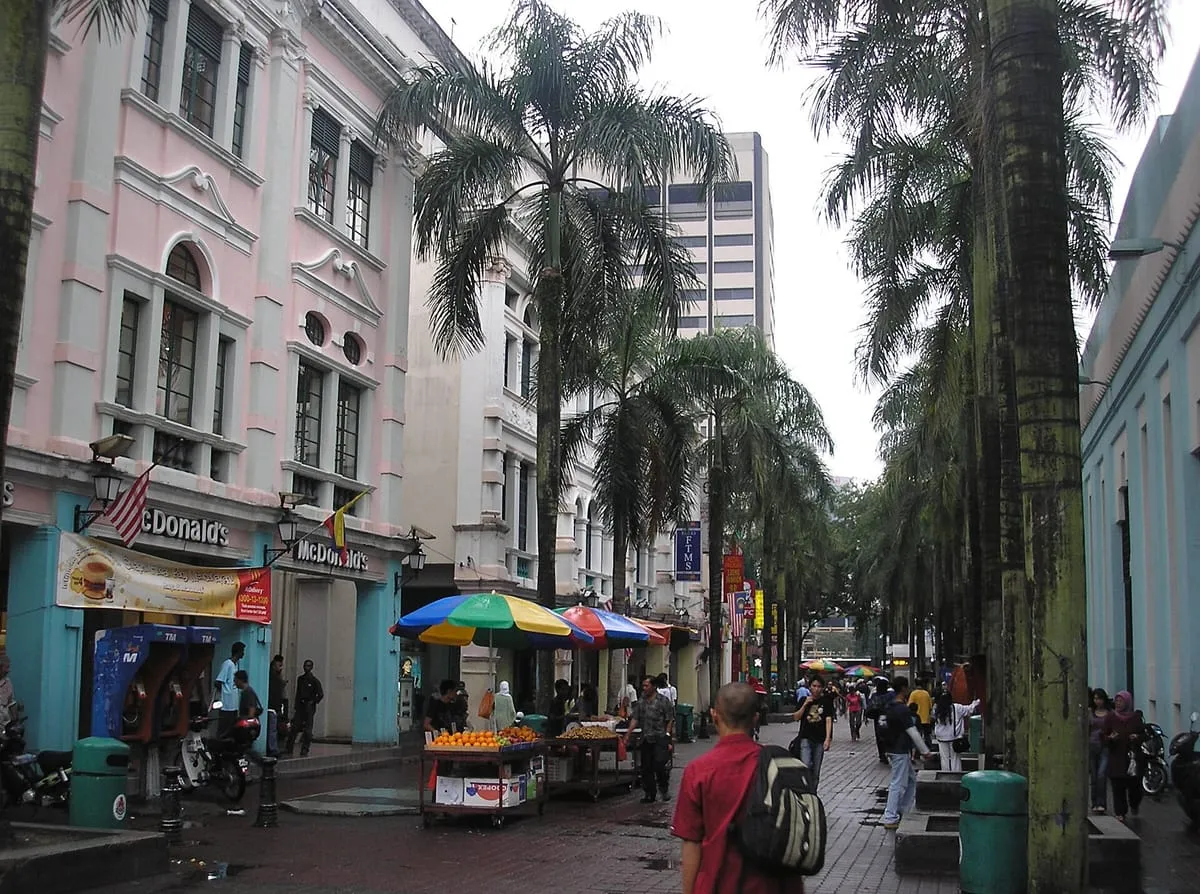
Crowded retail enclaves—notably Petaling Street in Chinatown, the night market along Jalan Alor, and busy transit interchanges like KL Sentral during rush hour—attract skilled pickpockets.
How to stay safe:
- Keep your wallet, passport, and phone in zipped interior compartments or a secure front crossbody bag.
- Avoid carrying large bundles of physical cash. Pay with contactless debit or credit cards wherever accepted, and keep only what cash you need for daily hawker meals, as outlined in our guide to money in Kuala Lumpur.
3. Taxi meter refusal and fare gouging
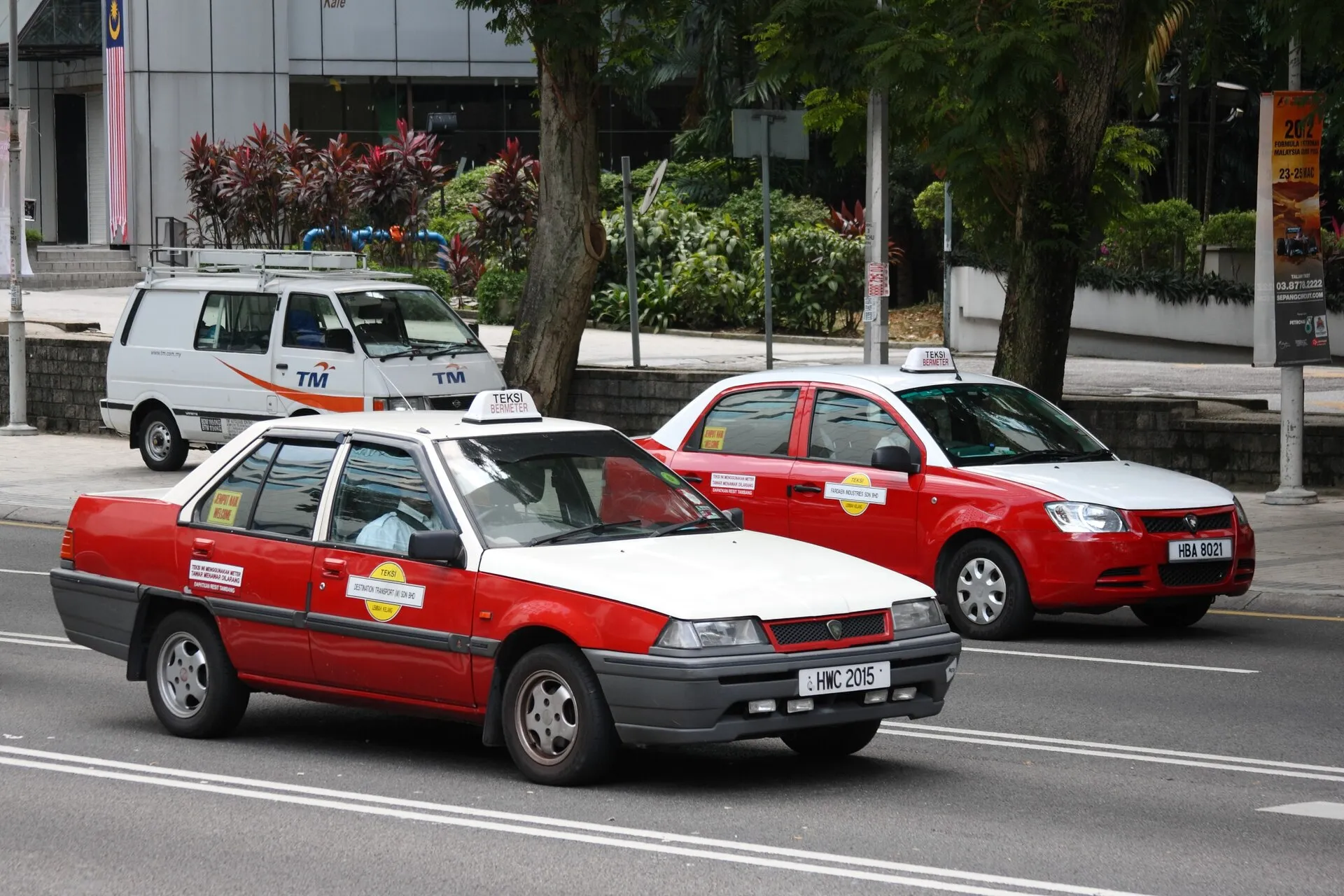
Traditional red-and-white or blue executive street taxis often prey on tourists by refusing to switch on the dashboard meter (tak mahu guna meter) outside tourist hotspots such as the Petronas Twin Towers, Batu Caves, and night entertainment strips. Drivers will quote arbitrary flat rates two to four times higher than the regulated meter fare.
How to stay safe:
- Always use Grab: The Grab e-hailing application is universally used in Malaysia. Fares are locked upfront before booking, vehicles are tracked via GPS, driver identities are verified, and fares charge seamlessly to your credit card.
- If hailing a street cab: Insist firmly on the meter (“Guna meter, boleh?”) before stepping into the vehicle. If the driver refuses, step out and hail another cab or open your Grab app.
Neighbourhood safety comparison
Different quarters of the capital carry distinct evening characteristics:
| District | Safety rating | Night atmosphere | Practical advice |
|---|---|---|---|
| KLCC & City Centre | Very High | Modern, highly secure, well-lit perimeter around Suria KLCC, luxury hotels, and landscaped parkland | Safe at all hours. Ideal base for luxury hotels and families; see where to stay in Kuala Lumpur |
| Bukit Bintang & Changkat | High | Lively, heavy pedestrian traffic past midnight, street dining, buskers, and shopping malls | Watch for pickpockets in dense crowds and be alert to passing motorbikes when crossing streets |
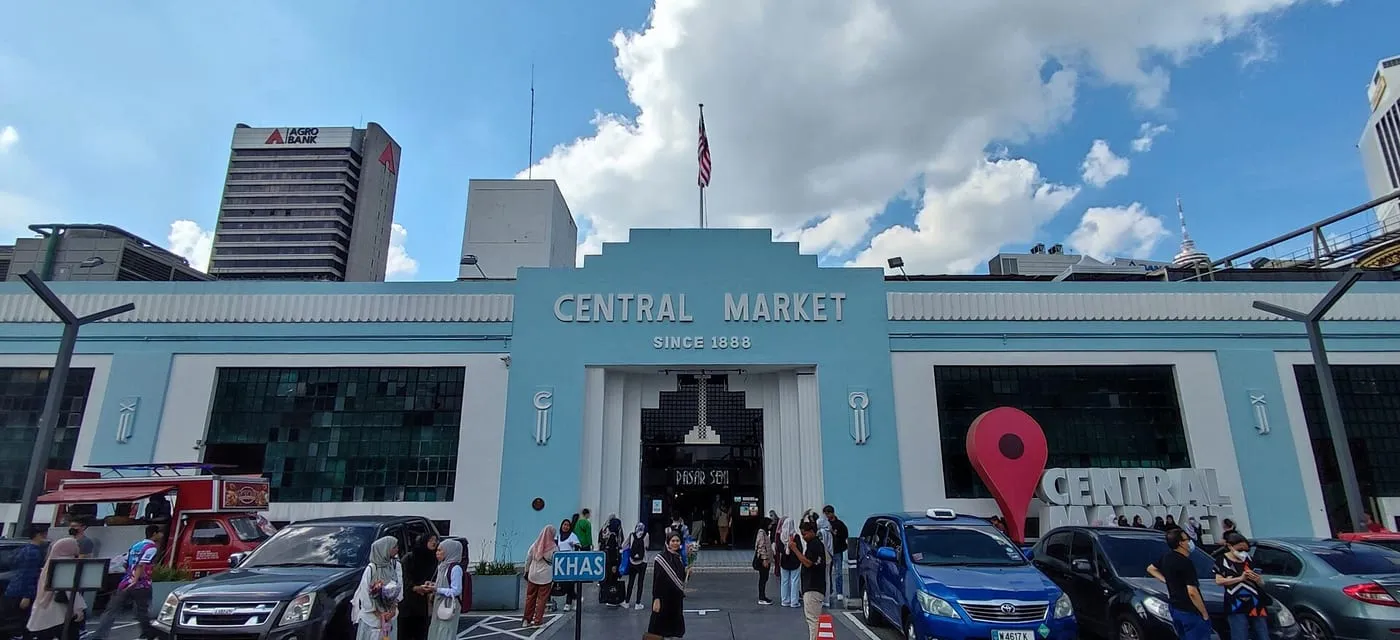
| Chinatown & Pasar Seni | High | Heritage night markets, historic temples, trendy cocktail speakeasies on Jalan Petaling | Stick to active shopfronts; avoid unlit back alleys between shophouses after retail stalls close |
| KL Sentral & Brickfields | High | Major transit hub; constant commuter foot traffic by day, relaxed Indian dining lanes in the evening | Safe around major hotel towers and train concourses; exercise caution around construction perimeters |
| Chow Kit | Moderate | Working-class commercial quarter with traditional wet markets; developing boutique hotel pocket | Fascinating cultural district by day; stick to main thoroughfares (Jalan Tuanku Abdul Rahman) late at night |
Health, climate, and medical care
Tap water safety
Kuala Lumpur’s municipal water supply meets World Health Organization drinking guidelines when it leaves water treatment plants. However, because older municipal distribution mains and domestic rooftop storage cisterns vary in age and condition, drinking unboiled tap water can lead to minor stomach upset.
- Hotels: Mid-range and luxury properties routinely supply complimentary bottled water or installed multi-stage reverse-osmosis filtration taps.
- Dining: Bottled drinking water, ice made from certified commercial purified plants, and piping hot soups at hawker stalls are safe to consume.
Tropical climate and hydration
Kuala Lumpur sits roughly 3 degrees north of the equator, experiencing year-round daytime temperatures between 31°C and 34°C with humidity exceeding 80%. Tropical thunderstorms are frequent in the late afternoon.
- Drink at least 2 to 3 litres of water daily to prevent heat exhaustion.
- Wear lightweight, breathable cotton or linen clothing, and carry a compact umbrella.
Mosquitoes and dengue prevention
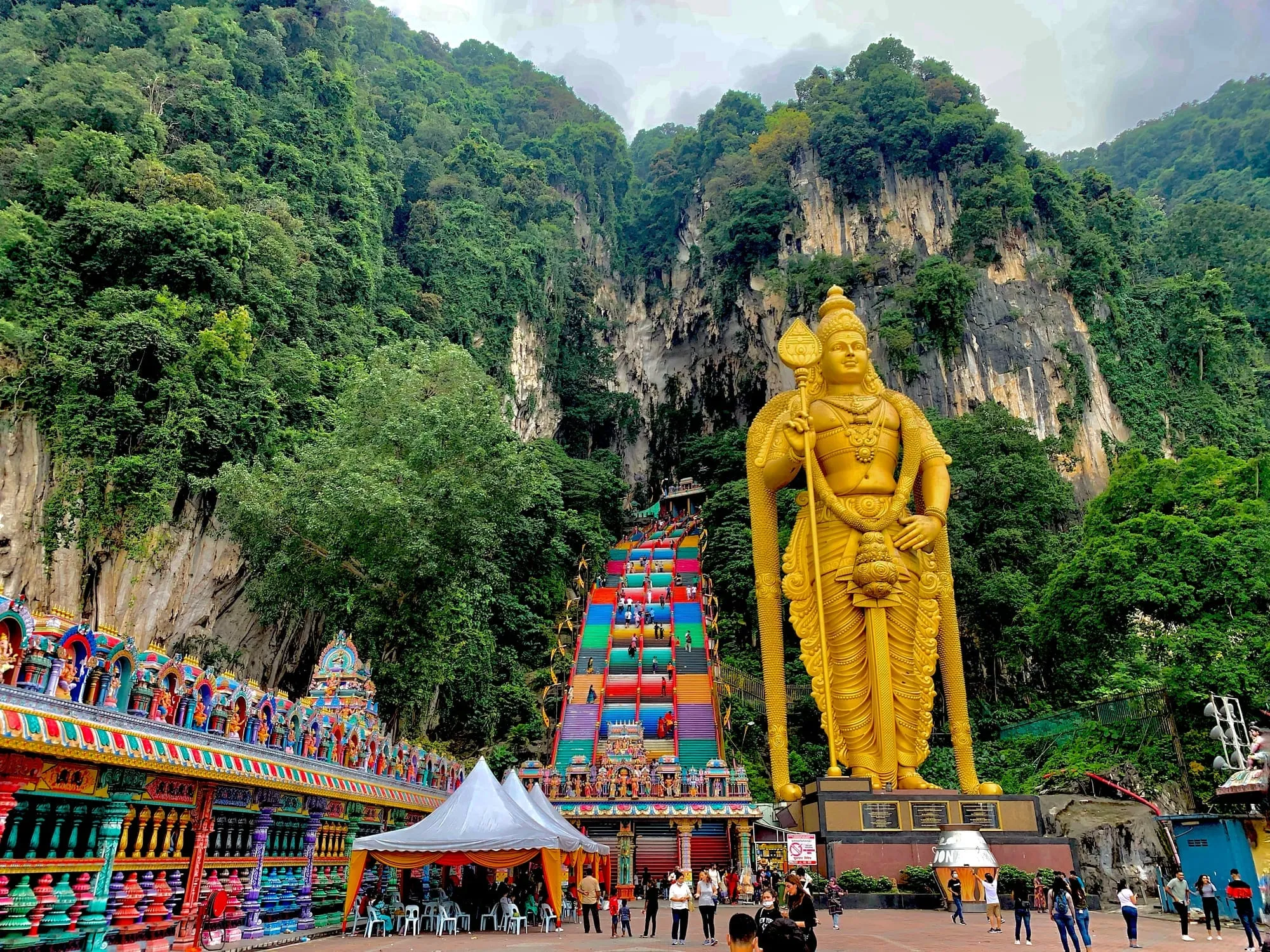
Dengue fever is present in tropical urban environments across Southeast Asia. While prime urban areas like KLCC and Bukit Bintang undergo regular municipal fogging to control mosquito populations, apply DEET-based mosquito repellent when visiting vegetated outdoor attractions, such as the Perdana Botanical Gardens, the jungle trails of Batu Caves, or taking an evening excursion to Kuala Selangor for fireflies.
Quality of healthcare
Malaysia is a renowned international hub for medical tourism. Private hospitals throughout Kuala Lumpur—such as Prince Court Medical Centre, Gleneagles Hospital, and Pantai Hospital—feature English-speaking specialists trained in the UK, Australia, and North America with modern diagnostic equipment. Always travel with comprehensive medical insurance that covers outpatient hospital visits.
Emergency contact numbers
Keep these contact details saved on your smartphone:
| Service | Contact number | Operating hours | Notes |
|---|---|---|---|
| General Emergency (Police, Ambulance, Fire) | 999 | 24 hours | Toll-free from any mobile phone or landline; English spoken |
| Tourist Police Hotline | +60 3 2149 6590 | 24 hours | Dedicated unit handling visitor inquiries, lost property, and tourist assistance |
| Tourist Police Enflex Station | Jalan Alor / Bukit Bintang | 24 hours | Physical walk-in police kiosk located near the entrance to Jalan Alor food street |
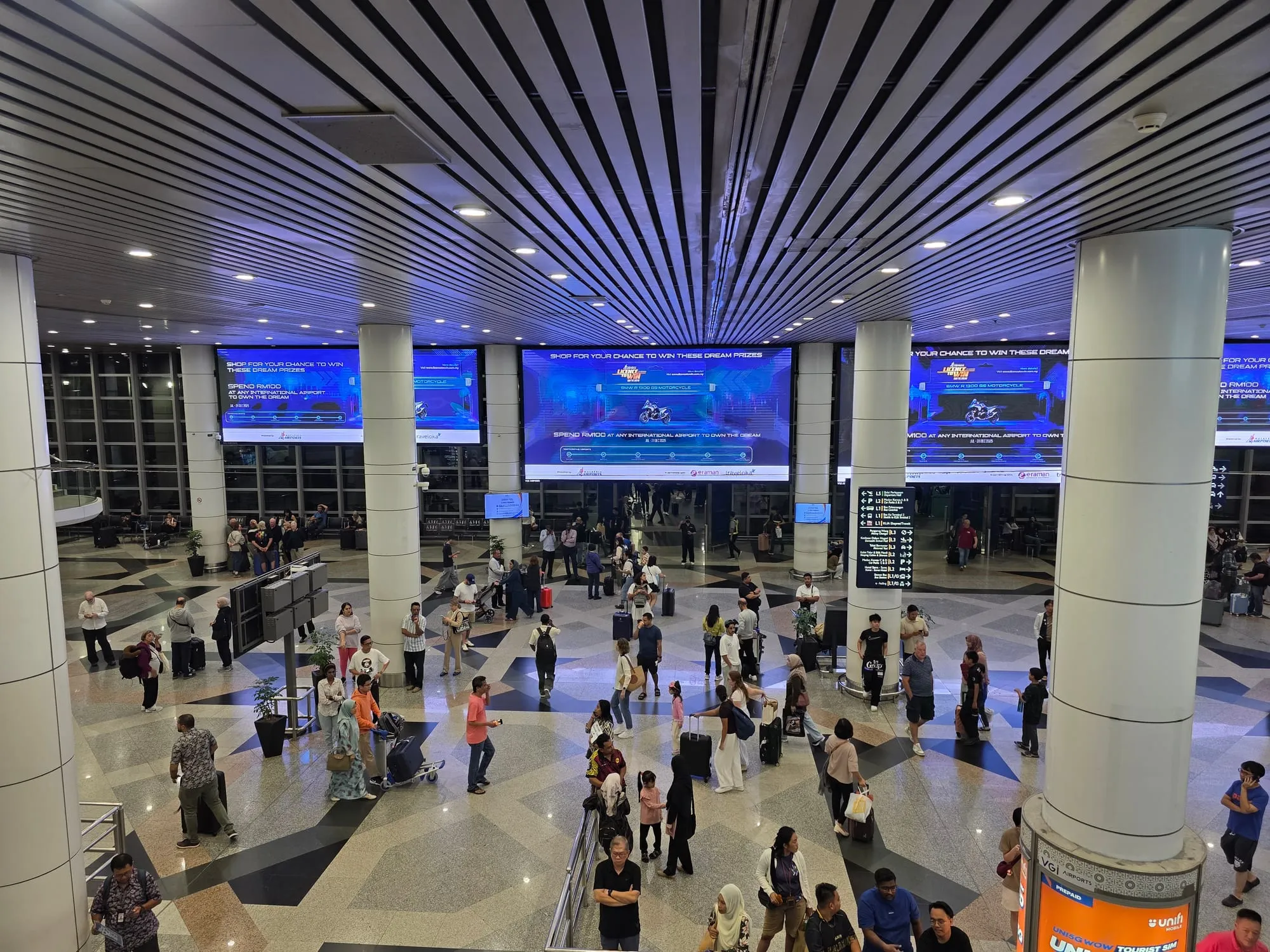
| KLIA Airport Information Desk | +60 3 8776 2000 | 24 hours | Ground terminal assistance at KLIA Terminal 1 & 2 |
What to explore next
Prepare for your trip by reviewing local social customs in Kuala Lumpur etiquette, mobile connectivity options in eSIM for Malaysia, and plan a seamless schedule with our 3 days in Kuala Lumpur itinerary.
Common questions
Is Kuala Lumpur safe for tourists and solo travellers?
Yes. Kuala Lumpur is generally very safe for tourists, solo female travellers, and families. Violent crime against visitors is rare. The primary security concern is opportunistic petty crime—specifically bag snatching by passing motorcyclists and pickpocketing in crowded shopping strips.
Is it safe to walk around Kuala Lumpur at night?
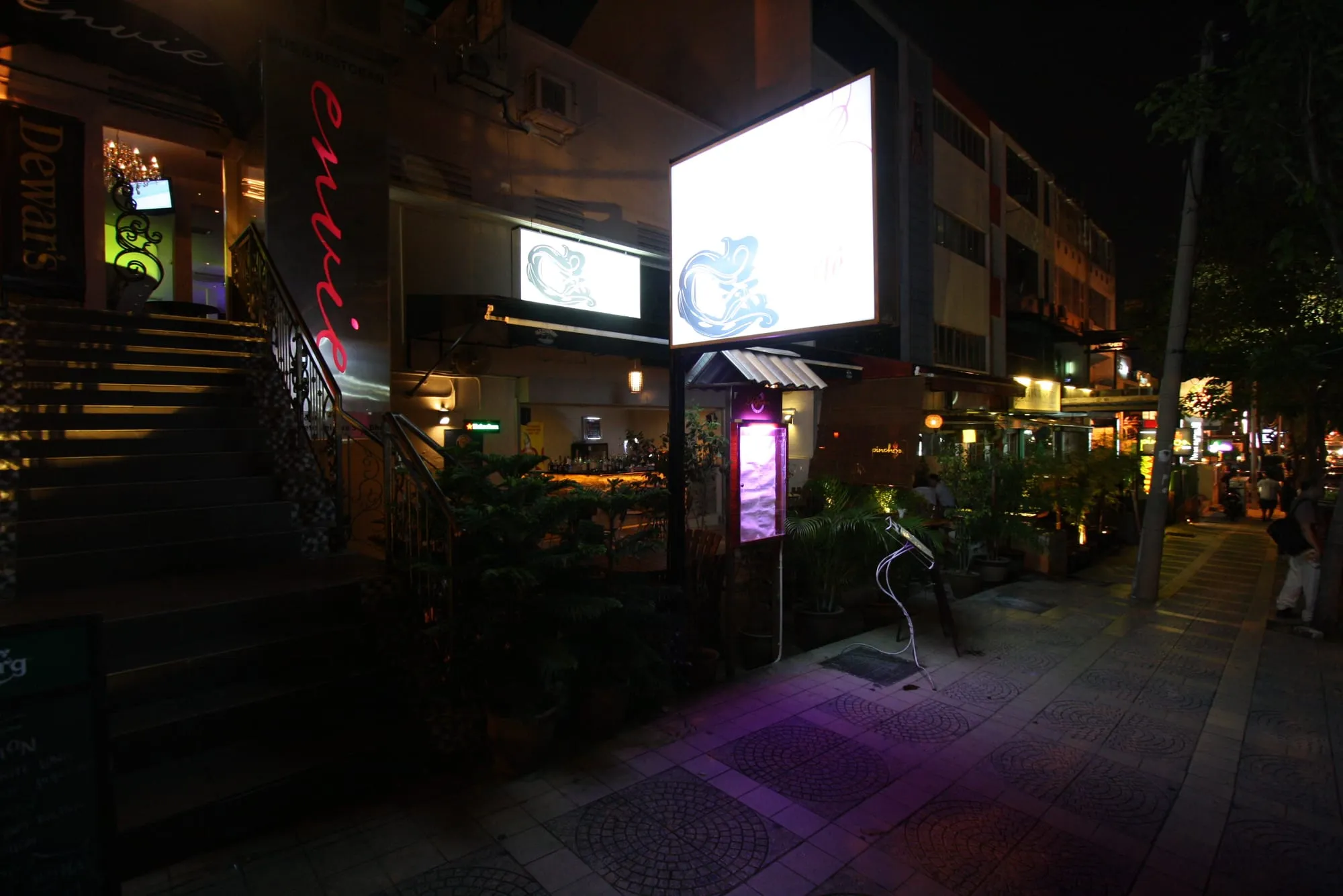
Core tourist and entertainment districts—such as Bukit Bintang, KLCC Park, Changkat, and the lively food corridor along Jalan Alor—are well-lit, heavily patronised, and safe to navigate well past midnight. Avoid poorly illuminated back lanes, unpaved pedestrian alleys, and deserted construction zones after dark.
What is the most common scam targeting tourists in Kuala Lumpur?
Taxi meter refusal is the most frequent issue. Street taxi drivers parked outside major sights, hotels, or night entertainment zones often refuse to turn on the meter and quote inflated flat fares (such as charging RM 40 for a journey that should cost RM 12). Always book through the Grab e-hailing app or firmly insist on meter usage.
Can you drink tap water in Kuala Lumpur?
Tap water in Kuala Lumpur is treated to international safety standards at municipal filtration plants, but aged plumbing pipes in older buildings and shophouses can introduce sediment and metallic taste. Most locals and hotels boil tap water or use multi-stage filtration units, and bottled drinking water is cheap and widely available at 7-Eleven and convenience stores.
What should I do in an emergency in Kuala Lumpur?
Dial 999 for national emergency response, including Police, Fire and Rescue, and Ambulance services. For tourist-specific assistance or reporting theft, contact the Royal Malaysia Police Tourist Police Unit (Polis Pelancong) at +60 3 2149 6590 or visit their visible service booth near Jalan Alor in Bukit Bintang.