In this guide
The Short Version: Experiencing Ramadan and Hari Raya Aidilfitri in Kuala Lumpur provides an exceptional window into Malaysian culture, highlighted by afternoon street food bazaars (Pasar Ramadan), lavish evening iftar feasts, and festive mall decorations. In 2027, Ramadan runs approximately from 8 February to 9 March 2027, followed by the two-day national holiday of Hari Raya Aidilfitri on 10–11 March 2027 (pending official lunar declaration from the Department of Islamic Development Malaysia). The headline attraction for visitors is exploring the vast evening food bazaars in Kampung Baru and TTDI, which open daily from 16:00 to 19:30 serving signature seasonal specialities like ayam percik, bamboo-cooked lemang, and stuffed murtabak. During Hari Raya itself, the massive Balik Kampung exodus empties city roads of traffic, though intercity expressways become heavily congested. Mosque prayer timings are coordinated by the Federal Territory Islamic Religious Department (JAWI). Non-Muslim dining, rapid rail transit, and major sightseeing attractions operate smoothly throughout the period.
The cultural significance of Ramadan and Hari Raya
Ramadan is the ninth and holiest month of the Islamic lunar calendar, observed by Malaysia’s Muslim majority through daily fasting (sawm) from dawn (Imsak, approximately 05:50) to sunset (Maghrib, approximately 19:25). During these daylight hours, observers abstain from food, drink, and smoking.
In Malaysia, the rhythm of daily life adjusts harmoniously to the holy month. Office hours often shift slightly earlier, while the late afternoon fills with lively culinary activity as hundreds of neighbourhood food markets—known locally as Pasar Ramadan—spring up across every district of the capital.
| Festive event | Expected date window | Atmosphere in Kuala Lumpur |
|---|---|---|
| Ramadan Month | 8 February – 9 March 2027 | Daytime fasting; afternoon food bazaars come alive from 16:00 |
| Nuzul Al-Quran | 24 February 2027 | Public holiday in Kuala Lumpur; tranquil daytime streets |
| Hari Raya Eve | 9 March 2027 | Frenzied shopping in Jalan Tuanku Abdul Rahman; massive night markets |
| Hari Raya Aidilfitri (Day 1) | 10 March 2027 | National public holiday; morning mosque prayers, family open houses |
| Hari Raya Aidilfitri (Day 2) | 11 March 2027 | National public holiday; festive visits continue across the city |
| Balik Kampung Travel Peak | 8 March – 15 March 2027 | City centre streets are quiet while intercity highways experience jams |
The conclusion of the fasting month is marked by Hari Raya Aidilfitri (also called Hari Raya Puasa or Eid al-Fitr). It is a joyous two-day national holiday of family reunions, forgiveness, reconciliation, and open-house hospitality.
Pasar Ramadan: Kuala Lumpur’s evening festive food markets
The evening Ramadan bazaars are among the most exciting culinary events in Southeast Asia. Operating every afternoon from 16:00 until roughly 19:30, these temporary street markets gather hundreds of independent cooks and hawkers under long canopies of brightly coloured awnings.
| Dish name | Description & culinary style | What to expect |
|---|---|---|
| Ayam Percik | Charcoal-grilled chicken basted in thick coconut, lemongrass and chilli gravy | Smoky, sweet, savoury charred chicken perfection |
| Roti John | Long crusty baguette omelette stuffed with spiced minced beef, onions and sauces | Hearty, saucy, savoury street sandwich |
| Murtabak | Pan-fried folded flatbread packed with spiced minced mutton or beef and egg | Served with pickled pink onions and rich dhal curry |
| Lemang & Rendang | Glutinous rice roasted inside bamboo poles over wood fires with beef rendang | Rich, sticky, smoky coconut rice paired with dark caramelised beef |
| Tepung Pelita | Two-layered steamed pandan and salted coconut cream custard in leaf canoes | Silky, sweet-salty melt-in-the-mouth traditional dessert |
| Air Kathira | Chilled sweet herbal milk drink with basil seeds, malva nuts, and dates | Cooling, fragrant, restorative evening Ramadan beverage |
Signature festive dishes to order
- Ayam Percik (12.00–16.00 MYR per quarter): Originating from Kelantan and Terengganu in northern Peninsular Malaysia, whole chicken quarters are clamped into split bamboo holders and grilled over smoky charcoal embers. As the meat chars, the cook repeatedly ladles on a thick, creamy sauce prepared from coconut milk, shallots, garlic, lemongrass, tamarind, and fresh turmeric until the poultry develops a thick, caramelised spiced coating.
- Murtabak (6.00–10.00 MYR): A hearty flatbread parcel stuffed with spiced minced beef, chicken, or mutton, beaten eggs, and diced shallots, fried on searing flat-top griddles until golden brown. It is served with a side of sweet-sour pickled shallots steeped in rose-tinted vinegar.
- Roti John (8.00–14.00 MYR): A local street classic created when a French baguette is sliced open, dipped into a mixture of minced spiced beef and beaten eggs, and inverted onto a buttered griddle. Once cooked, it is loaded with shredded cabbage, cucumber, mayonnaise, sweet chilli sauce, and cheese, then sliced into generous fingers.
- Lemang with Rendang (18.00–28.00 MYR per bamboo tube): Glutinous rice mixed with coconut milk and salt is poured into hollow stalks of green bamboo lined on the inside with banana leaves. The bamboo poles are leaned at an angle against long open-air firewood trenches and slowly rotated for four to five hours until the rice is thoroughly steamed. Slices of the fragrant bamboo rice are paired with dark, slow-simmered beef rendang (Rendang Tok).
- Kuih-Muih (0.80–1.50 MYR per piece): Traditional sweet bites, including kuih lapis (steamed multi-layered colourful rice flour cakes), seri muka (pandan custard layered over glutinous rice), and tepung pelita (soft, sweet pandan pudding topped with salted coconut cream in folded banana leaf boats).
Top Ramadan bazaars in Kuala Lumpur
While nearly every residential suburb hosts a local market, three stand out for variety, scale, and atmosphere:
| Ramadan Bazaar | Location | Atmosphere and character | Transport connection |
|---|---|---|---|
| Kampung Baru Bazaar | Jalan Raja Alang | The historic heavyweight; dense crowds, traditional Malay atmosphere | LRT Kelana Jaya Line to Kampung Baru |
| TTDI Bazaar | Jalan Tun Mohd Fuad 2 | Upscale, exceptionally clean, gourmet street food specialities | MRT Kajang Line to TTDI (Exit A) |
| Stadium Shah Alam Bazaar | Shah Alam (Selangor) | Massive suburban bazaar with hundreds of stalls and wide aisles | KTM Komuter to Batu Tiga (or Grab ride) |
1. Kampung Baru Ramadan Bazaar (Jalan Raja Alang)
The undisputed flagship market of the capital. Spanning several blocks along Jalan Raja Alang in the historic Malay enclave of Kampung Baru, this bazaar draws thousands of visitors daily. The aroma of charcoal smoke mingles with sweet pandan steam against the backdrop of the modern skyscrapers of the city centre. Stalls here specialise in traditional East Coast Malay dishes (nasi kerabu, ayam percik, and lemang). Combine your trip with a visit to the nearby permanent nasi lemak institutions detailed in our guide to the best nasi lemak in Kuala Lumpur.
2. TTDI Ramadan Bazaar (Taman Tun Dr Ismail)
Situated in the affluent residential suburb of TTDI (accessible via the MRT Kajang Line), this bazaar is celebrated for its organised layout and high culinary standards. It is famous for gourmet roasted lamb (kambing golek), high-grade beef rendang, artisanal murtabak, and modern desserts. Crowds here are orderly, and prep surfaces are exceptionally clean.
The Iftar (Buka Puasa) buffet tradition
When the evening call to prayer (Azan Maghrib) sounds around 19:20–19:30, Muslims break their fast—traditionally beginning with a sip of water and a fresh date (kurma) following the prophetic tradition.
In Kuala Lumpur, breaking the fast (buka puasa) has evolved into a celebrated social event where multi-generational families, colleagues, and friends gather for lavish banquets. Major luxury hotels and heritage restaurants across Bukit Bintang and KLCC host extravagant Iftar Buffets:
| Buffet tier | Typical price range | Key culinary highlights |
|---|---|---|
| 5-Star Luxury (KLCC & Pavilion) | 220–320 MYR per person | Whole roasted spiced lamb, seafood ice bars, royal heritage Malay dishes |
| 4-Star Hotel (City Centre) | 120–190 MYR per person | Live satay grilling stations, bubbling rendang cauldrons, expansive dessert bars |
| Heritage Malay Restaurants | 65–110 MYR per person | Homestyle kampung gulai, ulam-ulaman fresh herb bars with fiery sambals |
Hotel buffets typically feature live cooking stations carving whole spit-roasted lamb basted in rosemary and coriander, enormous paella pans of spiced rice (nasi biryani), charcoal satay grills, and dessert tables featuring dozens of regional puddings and pastries. For hotel stays during this period, refer to our neighbourhood recommendations in Where to Stay in Kuala Lumpur.
[!TIP] Hotel and sit-down iftar buffets are in high demand throughout the month of Ramadan. If you plan to dine at prominent establishments in the city centre, reserve your table at least two to three weeks in advance. Note that between 19:15 and 20:30, restaurant dining rooms become intensely busy and loud as thousands of guests dine simultaneously.
Hari Raya Aidilfitri celebrations and the “Balik Kampung” exodus
The arrival of Hari Raya Aidilfitri triggers one of the most remarkable social migrations in Southeast Asia: the Balik Kampung (literally “return to the village”) phenomenon. Over two to three days before the festival, hundreds of thousands of Kuala Lumpur residents leave the metropolis to reunite with extended families in rural hometowns across Peninsular Malaysia.
- Intercity Expressways (E1 North-South Expressway & E8 Karak Highway): Severe traffic jams with driving times multiplying up to three times standard duration. Avoid driving out of Kuala Lumpur between 8 and 10 March 2027.
- Kuala Lumpur Urban Streets: The city centre enjoys blissfully empty, traffic-free streets during the two official public holidays as residents travel to their hometowns.
- Public Transport Network: RapidKL MRT, LRT, and Monorail lines operate smoothly on weekend/holiday schedules throughout the festive period.
For visitors staying inside Kuala Lumpur, Hari Raya is a delightful time to explore the city centre. With commuter traffic gone, city streets are unusually calm and quiet. However, travellers planning intercity road trips—such as driving up to the Cameron Highlands, Penang, or the East Coast—should avoid the highways completely between 8 March and 12 March 2027, as journeys that normally take three hours can easily stretch to eight hours in stop-and-go congestion.
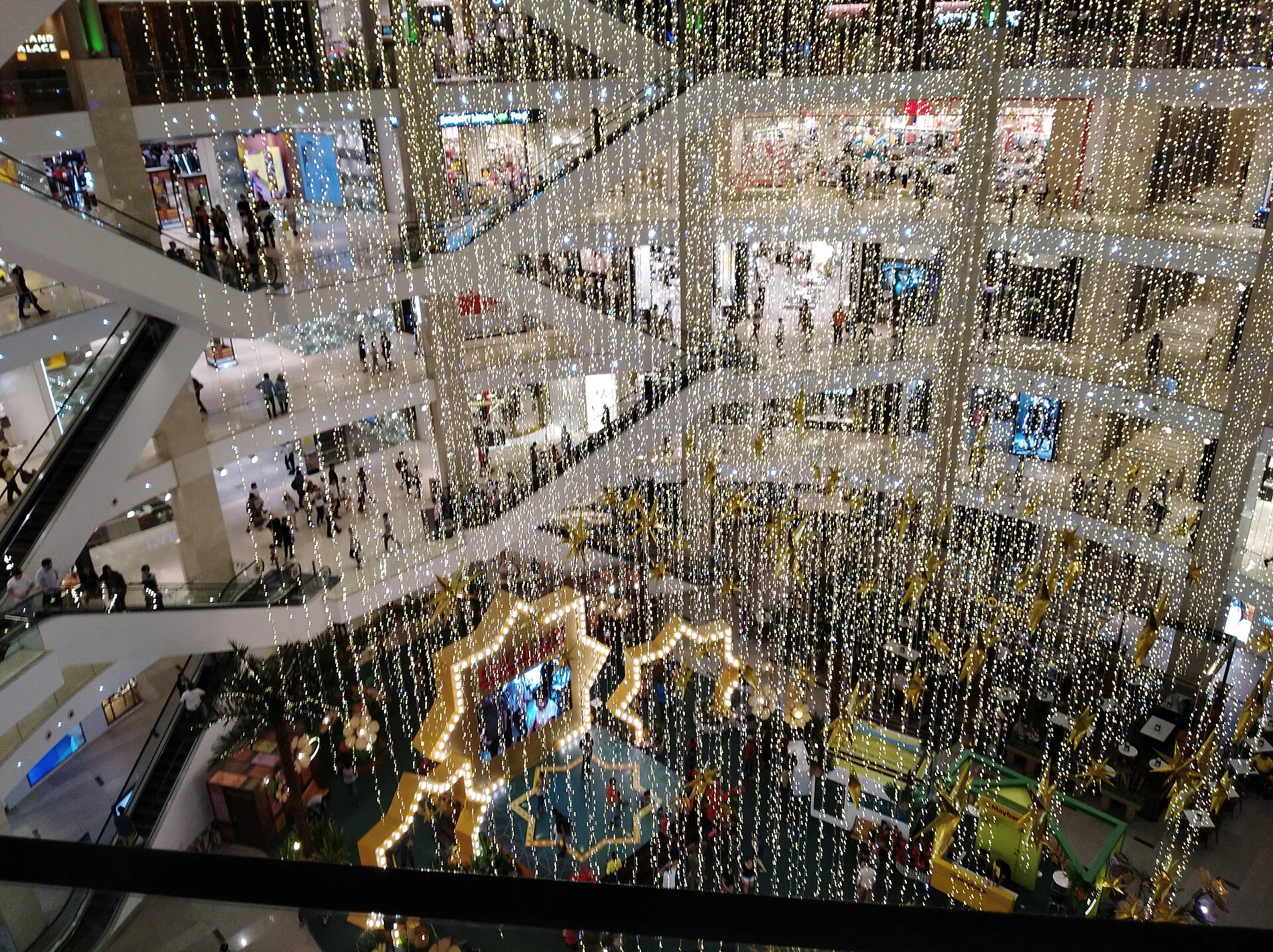
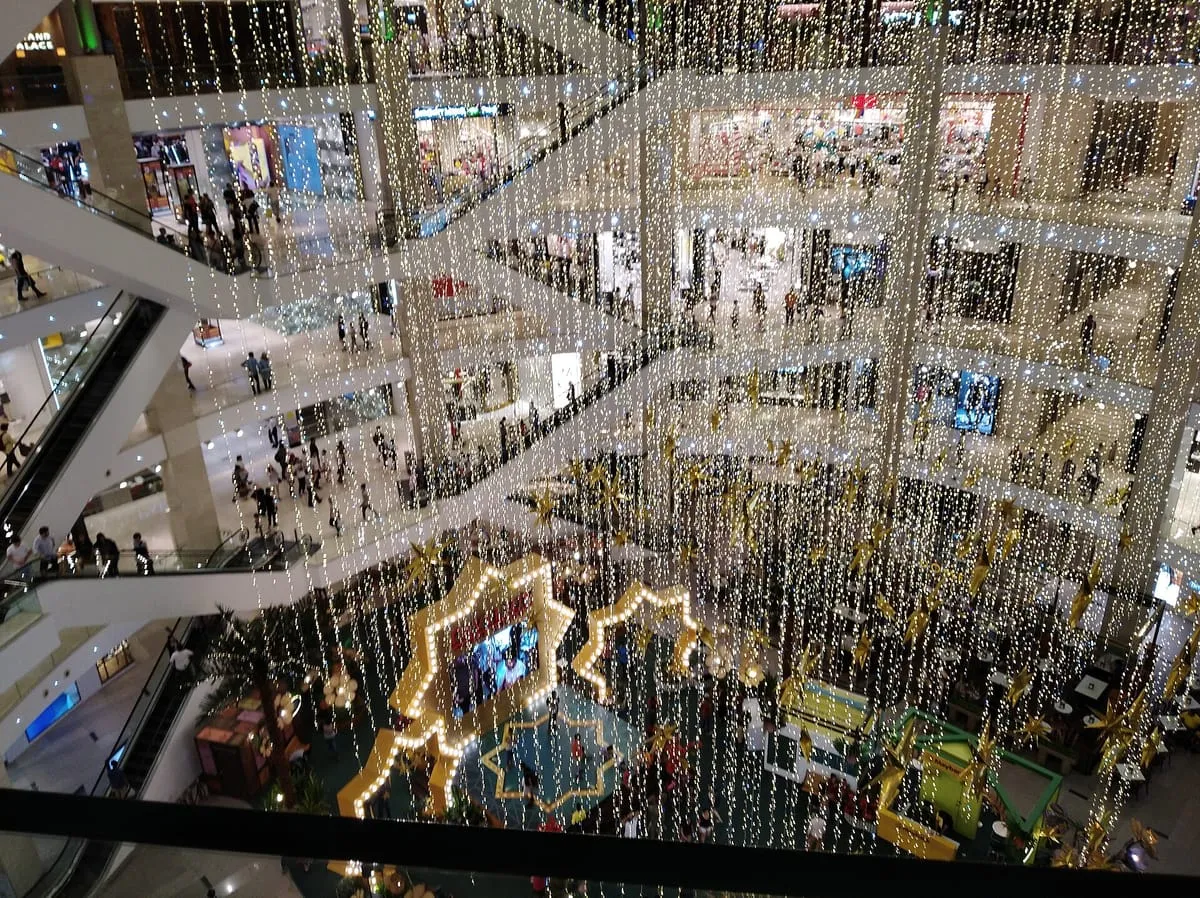
Mall light displays and festive decor
Leading up to Hari Raya, Kuala Lumpur’s flagship shopping centres compete to erect the most elaborate festive installations:
- Suria KLCC: The central atrium features life-sized traditional Malay wooden stilt houses (rumah kampung) surrounded by mock rubber trees, traditional oil lamps (pelita), and oversized woven palm leaf ornaments (ketupat).
- Pavilion Kuala Lumpur: Features intricate Islamic geometric light arches, floral displays, and evening cultural musical performances along its grand entrance steps in Bukit Bintang.
- Mid Valley Megamall: Presents immersive heritage village markets selling bespoke textiles, songket fabrics, brocade, and festive butter cookies (kuih raya).
The Open House (Rumah Terbuka) tradition
A cornerstone of Malaysian hospitality during Hari Raya is the Rumah Terbuka (Open House). Families open their homes to neighbours, acquaintances, and visitors of all ethnic backgrounds to share food, sweets, and friendship.
On a national level, the federal government hosts official public open houses, frequently held at the Prime Minister’s residence (Seri Perdana) in Putrajaya or at the National Palace (Istana Negara). Members of the public, including international tourists, are welcomed to attend, enjoy free traditional buffets, and greet national leaders in person. Modest formal attire is required (long trousers or long skirts, with shoulders fully covered).
Greeting etiquette: “Selamat Hari Raya”
When meeting local residents during the festive season, greeting them with the customary phrase is warmly appreciated:
- “Selamat Hari Raya, Maaf Zahir dan Batin” (pronounced: suh-lah-mat hah-ree rye-ah, mah-af zah-heer dahn bah-tin).
- Meaning: “Wishing you a blessed celebration, and asking forgiveness for any physical or emotional transgressions in the past year.”
Practical traveller tips for Ramadan and Hari Raya
Navigating Kuala Lumpur during this festive period is straightforward when you keep local practicalities in mind:
1. Daytime dining availability
Non-Muslim businesses—including Cantonese noodle shops in Chinatown and Petaling Street, banana leaf curry houses in Brickfields Little India, international restaurant chains, and shopping mall food courts—operate normally throughout Ramadan. You will have no difficulty finding breakfast, lunch, or coffee.
2. Public conduct during fasting hours
While non-Muslims are not expected to fast, showing courtesy is important:
- Refrain from ostentatiously drinking, eating, or chewing gum while walking along public street footpaths in predominantly Muslim neighbourhoods (such as Kampung Baru, Chow Kit, or Shah Alam).
- Eating inside air-conditioned mall eateries, cafes, and hotel restaurants is completely standard and causes no offence.
3. Business and sight operating hours
- Tourist attractions: The Petronas Twin Towers, KL Tower, Batu Caves, museums, and Aquaria KLCC remain open daily, including on Hari Raya public holidays.
- Banks and government offices: Closed for the two national holidays of Hari Raya Aidilfitri (roughly 10–11 March 2027). Ensure you exchange sufficient currency or withdraw cash beforehand.
- Public transport: The LRT, MRT, Monorail, and feeder buses run without interruption across the holidays, operating on public holiday schedules with slightly longer train headways (8 to 12 minutes rather than 4 to 6 minutes), as detailed in our guide to getting around Kuala Lumpur by public transport.
For wider seasonal context on annual weather, rainfall patterns, and holiday calendars, consult our overview of the best time to visit Kuala Lumpur.
Common questions
When will Ramadan and Hari Raya Aidilfitri take place in 2027?
Based on projected astronomical lunar calculations, Ramadan in 2027 is expected to begin on approximately Monday, 8 February and conclude on Tuesday, 9 March 2027. Hari Raya Aidilfitri will be celebrated on roughly Wednesday, 10 March and Thursday, 11 March 2027, subject to the official sighting of the crescent new moon by the Keeper of the Rulers' Seal.
Can non-Muslim travellers eat and drink in public during daylight in Ramadan?
Yes, non-Muslim visitors can eat and drink normally in shopping mall food courts, international restaurants, Chinese coffee shops, and hotel dining rooms. As a courtesy, avoid eating, drinking, or smoking blatantly on public street footpaths in conservative Muslim residential districts such as Kampung Baru during fasting hours.
What time do Ramadan food bazaars (Pasar Ramadan) open?
Pasar Ramadan food markets operate daily between 16:00 and 19:30 throughout the month of Ramadan. Arriving between 16:30 and 17:30 gives you access to the freshest batches of grilled meats, murtabak, and traditional kuih before the heaviest rush of local workers buying their evening meals between 17:45 and 19:00.
Does public transport and sightseeing shut down during Hari Raya?
No, all rapid transit rail lines (LRT, MRT, Monorail) and bus networks operate throughout Hari Raya on holiday timetables. Major tourist sights—including the Petronas Twin Towers, KL Tower, Batu Caves, and major shopping malls—remain open every day. Malay-owned independent shops, market stalls, and government offices close for two to three days.