In this guide
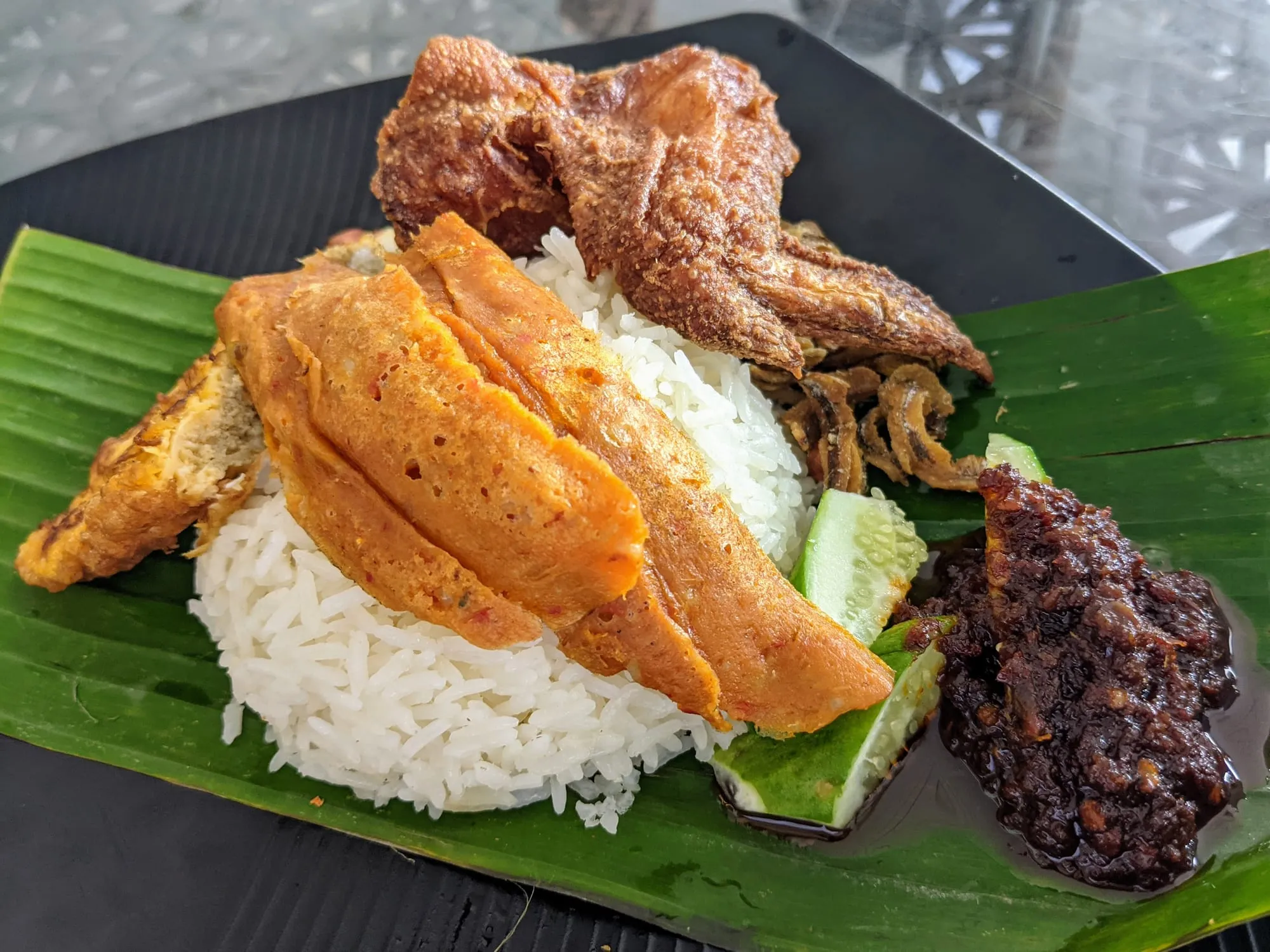
The Short Version: Located directly adjacent to the KL Sentral transport interchange, Brickfields Little India is Kuala Lumpur’s historic centre of South Indian heritage, celebrated for its purple decorative archways, Bollywood music pouring from open shopfronts, and the sweet perfume of fresh jasmine flower garlands. The headline culinary ritual is banana leaf rice—steaming white rice served across a fresh green leaf, accompanied by three to four spiced vegetable curries, crisp papadums, rasam broth, and ladles of fragrant dhal or fish curry. Leading dining institutions include Vishal Food & Catering for authentic Chettinad mess dining, Sri Nirwana Maju for crispy fried bitter gourd, and Restoran Lawanya for homestyle vegetarian dishes. A lavish banana leaf feast costs between 12.00 MYR and 25.00 MYR. Remember the traditional etiquette rule: always fold your banana leaf inwards towards yourself when finished to show your appreciation to the host. Or book a tour: explore authentic banana leaf joints and spice shops on the Sambal Streets food tourad (from RM 226, 4.9 stars from 2,176 reviews).
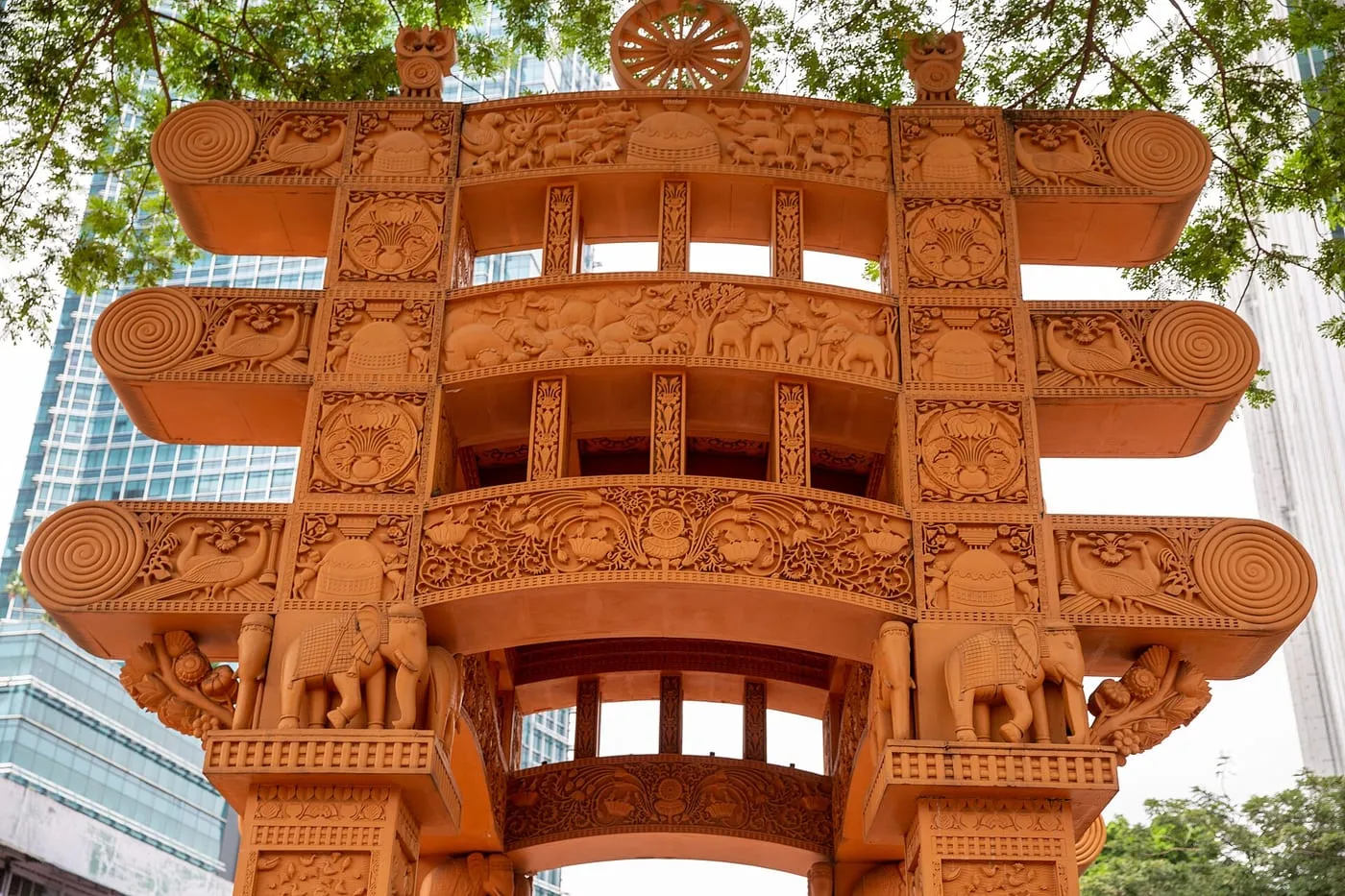
The Torana Gate in Brickfields Little India. Photo: Shesmax, Wikimedia Commons, CC BY-SA 4.0.
The heritage and atmosphere of Brickfields
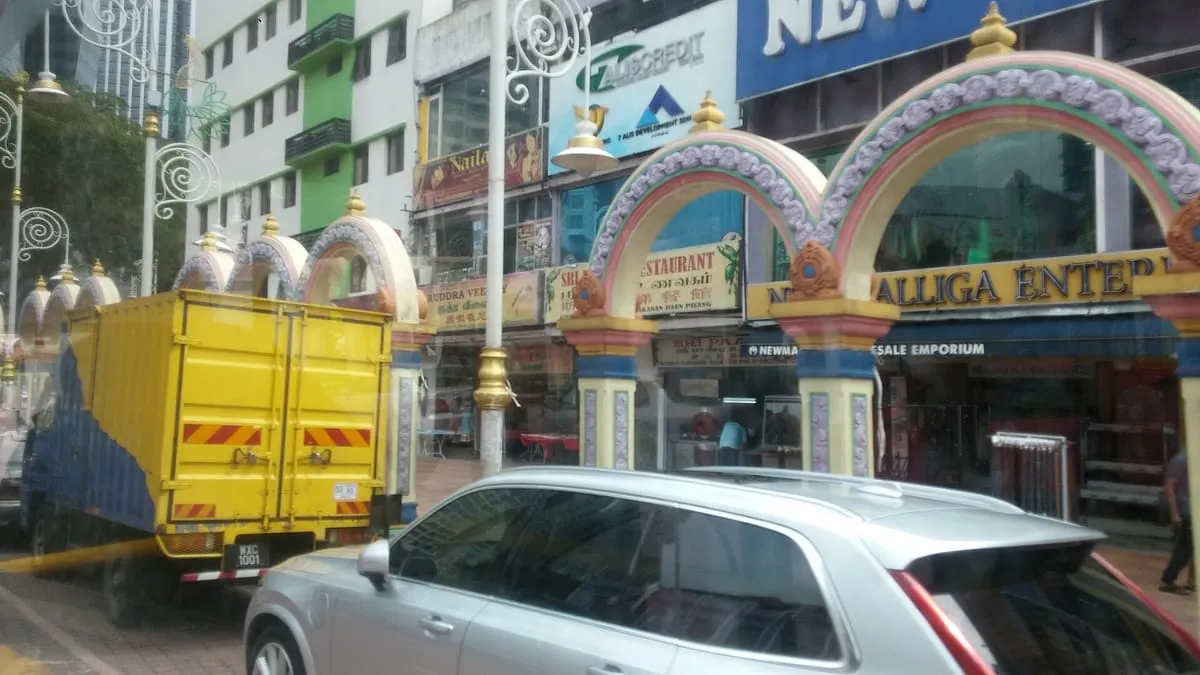
Brickfields holds a distinct place in Kuala Lumpur’s history. In 1881, after a catastrophic fire and flood leveled the young mining settlement of Kuala Lumpur, British Resident Frank Swettenham mandated that all future buildings be constructed from brick and tile rather than timber and thatch. The colonial administration established extensive brick-making kilns along the banks of the Klang River, giving the district its enduring English name: Brickfields.
Shortly afterward, Brickfields became the operational headquarters of the Malayan Railway (KTM). The British colonial authorities recruited thousands of workers from Southern India (Tamil Nadu) and Ceylon (Sri Lanka) to operate the rail yards, locomotive depots, and engineering workshops. Generations of railway families settled in the surrounding shophouses, building temples, churches, and community halls that established the area as the cultural heartland of Malaysia’s Indian community.
| Feature | Highlights | Practical visitor tip |
|---|---|---|
| Main Thoroughfare | Jalan Tun Sambanthan | 1-kilometre street lined with ornate purple arches, sari shops and sweet houses |
| Transit Access | KL Sentral & Monorail | 5-minute walk from KL Sentral station concourse via Nu Sentral mall exit |
| Signature Cuisine | South Indian Banana Leaf Rice | Authentic Chettinad, Tamil, and Keralite home-style dining |
| Peak Visiting Hours | 12:00–14:30 & 18:30–21:00 | Lunchtime banana leaf service is busy with office workers and locals |
Today, walking along Jalan Tun Sambanthan is a captivating sensory experience. Towering purple and yellow decorative arches line the street, while elephant-shaped streetlamps flank the pavements. Market stalls display woven garlands of fresh white jasmine blossoms (malli poo) and orange marigolds, used for temple offerings and daily hair adornments. Brass emporiums gleam with traditional oil lamps (diya), and textile stores showcase bright silk saris, embroidered sherwanis, and gold jewellery.
Because the district sits right beside KL Sentral—where airport express trains arrive from KLIA, as detailed in our guide to Kuala Lumpur airport transfers—Brickfields is often the first neighbourhood visitors encounter.
The Banana Leaf Rice dining tradition
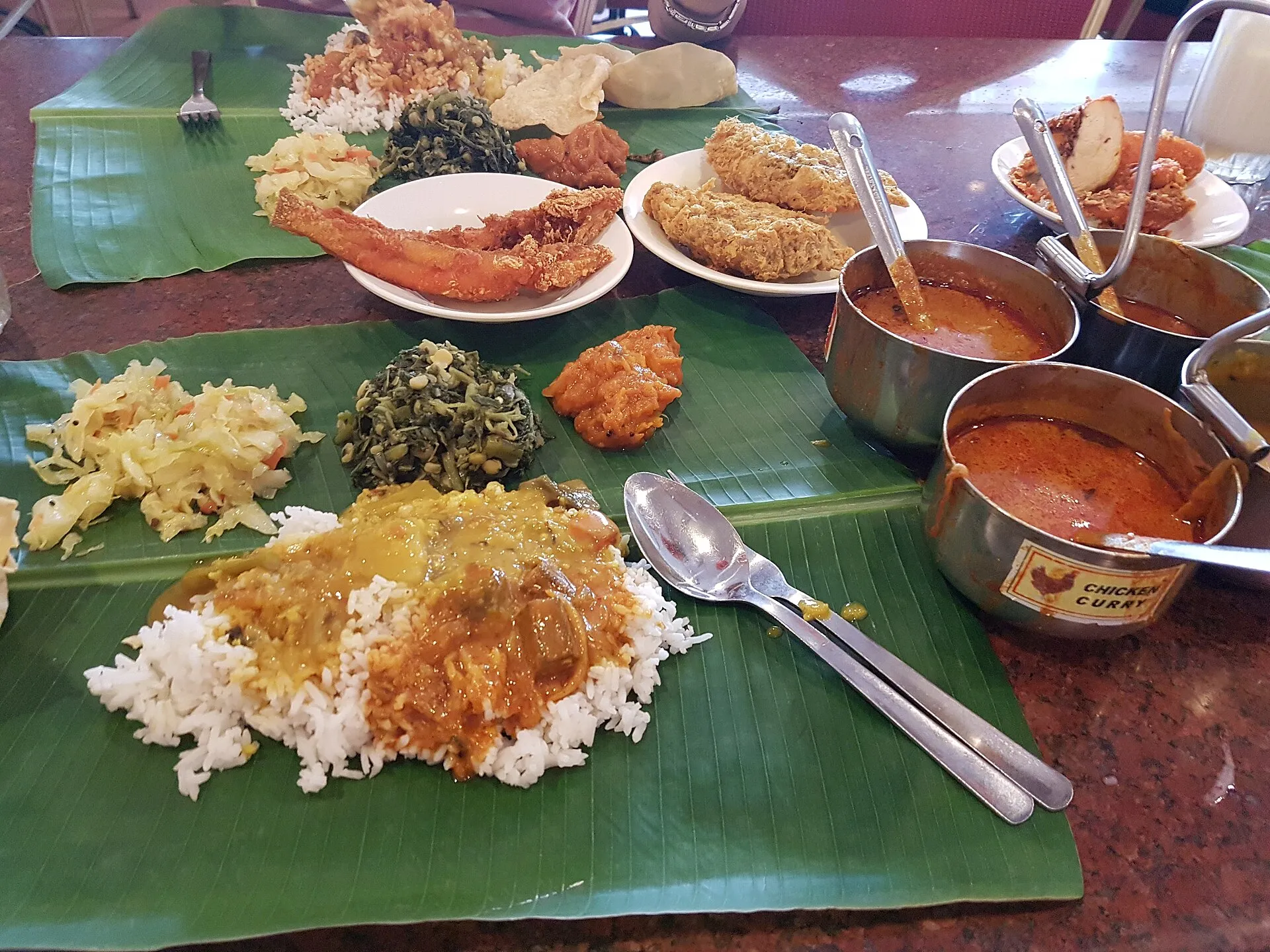
Dining in Brickfields centres on the communal ritual of the banana leaf meal, a tradition rooted in the agricultural history of Tamil Nadu and Kerala.
| Meal element | Traditional offerings | Dining custom |
|---|---|---|
| The Foundation | Steamed white ponni rice, biryani rice, or parboiled brown rice | Laid in a generous mound on a fresh cut banana leaf |
| Vegetable Sides | Spiced cabbage with mustard seeds, cucumber pachadi, pumpkin masala | 3 to 4 distinct seasonal vegetable dishes placed at top edge |
| Crispy Accompaniments | Papadum lentil wafers and deep-fried bitter gourd chips (karela) | Provides essential salty, crispy crunch throughout the meal |
| The Gravies (Kuah) | Dhal curry, spicy fish curry, rich chicken curry, or mutton kurma | Servers ladle curries generously over the rice (“kuah campur” mix) |
| Rasam & Cooling Dairy | Tangy pepper-tamarind broth (rasam) and spiced yoghurt (mor) | Cleanses palate, aids digestion, and cools residual chilli warmth |
The step-by-step ritual
- The Leaf Unrolled: A server places a rectangular segment of fresh green banana leaf before you and sprinkles it with water, which you wipe across the surface with your fingertips.
- The Rice and Sides: The server ladles a generous mound of steaming white rice onto the centre of the leaf, followed by small portions of three to four freshly prepared vegetable dishes arranged along the top edge:
- Curried cabbage with mustard seeds and fresh turmeric.
- Cucumber and tomato pachadi in cooling spiced yoghurt.
- Deep-fried bitter gourd (karela), sliced paper-thin, coated in spiced flour, and fried until crunchier than crisps.
- Spiced snake gourd or pumpkin stewed with yellow lentils.
- The Papadum and Accompaniments: A golden, brittle papadum lentil cracker is crushed over the rice, accompanied by a small fried salted curd chilli (mor milagai).
- The Gravies (Kuah): Servers carry steel pots containing freshly simmered curries, asking which gravies you prefer:
- Dhal: Mild, creamy yellow lentils cooked with garlic and cumin.
- Kari Ikan (Fish Curry): Tangy, sharp, and spiced with tamarind and fenugreek seeds.
- Kari Ayam (Chicken Curry): A robust, aromatic curry thick with ground coriander, cardamom, and cinnamon.
- Sambar: A rich South Indian stew of pigeon peas, tamarind, and seasonal drumstick vegetables.
- Most diners request kuah campur—a combination ladle of dhal, fish curry, and chicken gravy poured directly over the rice mountain until it forms a fragrant reservoir.
- Rasam: You are handed a small stainless steel cup containing warm rasam—a thin, peppery, highly acidic soup of tamarind, tomatoes, crushed black peppercorns, and cumin that cleanses the palate and aids digestion.
Adding supplementary proteins
While the basic vegetable banana leaf meal (costing 9.00 MYR to 12.00 MYR) is fully vegetarian, diners can order side dishes brought from the kitchen:
-
Ayam Goreng Berempah (spiced fried chicken): Marinated in ginger, garlic, and crushed fennel seeds, deep-fried until crisp (7.00 MYR to 9.00 MYR).
-
Mutton Varuval: Tender cubes of slow-braised goat or mutton dry-fried with caramelised shallots, curry leaves, and black pepper until dark and rich (12.00 MYR to 16.00 MYR).
-
Fried Tenggiri (Mackerel Steak): Slices of fresh sea mackerel rubbed with red chilli paste and turmeric, pan-fried to order (9.00 MYR to 14.00 MYR).
-
Squid Masala (Sotong Masala): Tender squid rings simmered in a thick, spicy tomato-onion gravy (11.00 MYR to 15.00 MYR).
-
Fold the banana leaf INWARDS towards yourself: This universal South Indian tradition indicates that you enjoyed your meal and were thoroughly satisfied with the food and hospitality.
-
NEVER fold the leaf OUTWARDS away from yourself: Folding the leaf outwards indicates dissatisfaction with the meal, or is traditionally reserved for solemn Hindu funeral feasts.
-
Eating with your right hand: While fork and spoons are readily available on request, eating with your fingers (using only the right hand, keeping food within the fingertips) is the authentic way to enjoy banana leaf rice.
Top dining spots in Brickfields
Brickfields hosts an exceptional concentration of culinary institutions ranging from busy Chettinad mess halls to relaxed vegetarian cafes.
| Restaurant | Location | Signature culinary speciality | Dining style | Typical price |
|---|---|---|---|---|
| Vishal Food & Catering | Jalan Scott | Chettinad mess-style dining, fiery mutton varuval, crab curry | Shared long communal tables with fast-paced service | 14.00 MYR to 26.00 MYR |
| Sri Nirwana Maju | Bangsar / Brickfields fringe | Signature crunchy deep-fried bitter gourd, fish head curry | Busy shophouse with outdoor seating and queues | 15.00 MYR to 28.00 MYR |
| Restoran Lawanya | Jalan Scott | Budget-friendly homestyle vegetarian banana leaf | Modest open-fronted family warung | 9.00 MYR to 15.00 MYR |
| Saravanaa Bhavan | Jalan Tun Sambanthan | 100% pure vegetarian dosas, idlis, and South Indian thalis | Air-conditioned international chain dining room | 12.00 MYR to 22.00 MYR |
| Chat Masala | Jalan Tun Sambanthan | North and South Indian vegetarian, paneer tikka, chana bhatura | Casual, clean air-conditioned cafe | 14.00 MYR to 24.00 MYR |
Vishal Food & Catering (Jalan Scott)
Hidden on residential Jalan Scott (a five-minute stroll north from the main archway of Jalan Tun Sambanthan), Vishal operates in the traditional South Indian “mess hall” format. Historically established to cater to single railway workers away from home, diners sit side-by-side along long communal banquet tables.
Vishal specialises in Chettinad cuisine from the Sivaganga district of Tamil Nadu—renowned for its fiery, unsparing use of freshly roasted spices, black peppercorns, star anise, and whole garlic cloves. The curries here are complex, bold, and intense. Must-order accompaniments include the claypot crab curry, tender mutton varuval, and spiced quail (kaadai). Arrive between 12:00 and 13:30 to experience the lunchtime energy when fresh pots are carried continuously through the dining room.
Sri Nirwana Maju
While their branch in nearby Bangsar draws hour-long queues every evening, Sri Nirwana Maju’s reputation across the capital was built on their uncompromising attention to side textures.
Their standout feature is their deep-fried bitter gourd (peria goreng). While bitter gourd can be polarizing, Nirwana marinates thin slices in chilli flour and turmeric before deep-frying them until all bitter juices dissipate, leaving crunchy, golden crisps that diners eagerly heap across their rice. Pair it with their rich squid sambal and tender fried chicken.
Restoran Lawanya (Jalan Scott)
Situated directly across from the Sri Kandaswamy temple complex on Jalan Scott, Restoran Lawanya is an unassuming, modest corner eatery that serves some of the most authentic and wallet-friendly home-cooked South Indian vegetarian food in the capital.
The vegetable selection changes daily based on market produce, featuring curried eggplant, spiced beetroot stir-fry with grated coconut, and drumstick sambar. A generous vegetarian banana leaf lunch here rarely exceeds 10.00 MYR to 12.00 MYR per person, making it a beloved haunt for temple devotees and neighbourhood residents.
Indian sweets, snacks, and street food
Beyond full sit-down meals, Brickfields offers an endless assortment of traditional confections and afternoon street savouries.
| Sweet / Snack | Composition | Flavour profile |
|---|---|---|
| Motichoor Laddu | Tiny fried gram-flour pearls soaked in cardamom-saffron sugar syrup | Sweet, fragrant, melt-in-the-mouth golden sphere |
| Gulab Jamun | Fried milk-solid dough balls steeped in rosewater and cardamom syrup | Warm, decadent, intensely sweet dessert |
| Jalebi | Deep-fried fermented flour spirals soaked in citrus-saffron syrup | Crunchy exterior with sweet, chewy, syrupy interior |
| Masala Vadai | Savoury spiced lentil patties studded with onions, curry leaves and fennel | Crunchy, savoury, aromatic deep-fried tea snack |
| Madras Filter Coffee | Dark roasted chicory coffee brewed in a brass filter with boiled milk | Frothy, robust, aromatic coffee poured between two cups |
Along Jalan Tun Sambanthan, sweet shops such as Moghul Sweets and Jai Hind present glass display cases filled with hundreds of colourful sweets sold by the piece (typically 1.50 MYR to 3.00 MYR each) or boxed by the kilogram.
In the mid-afternoon around 15:30, roadside carts park outside textile shops, dropping raw batches of masala vadai and vegetable samosas into bubbling cauldrons of hot oil. Grab two freshly fried vadai (1.20 MYR each) wrapped in brown greaseproof paper, and step into an adjoining tea shop for a hot glass of Madras Filter Coffee (3.50 MYR), brewed in traditional brass percolation filters and served frothing inside a stainless steel tumbler and shallow saucer (davarah).
Cultural and historic landmarks in Brickfields
While food is the headline attraction, a walk through Brickfields reveals significant architectural and religious landmarks illustrating Malaysia’s multicultural fabric:
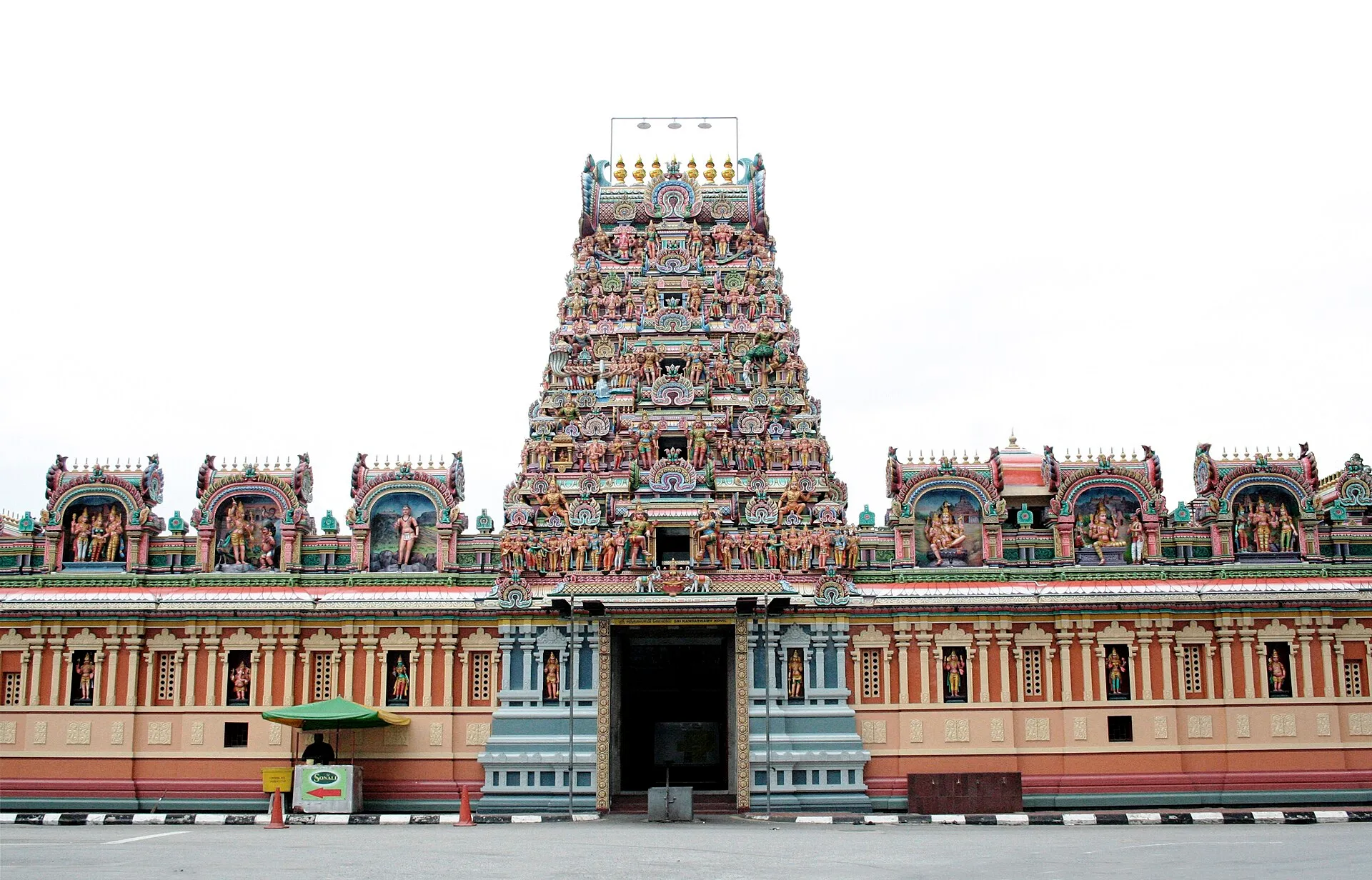
- Sri Kandaswamy Kovil Temple (Jalan Scott): Founded in 1902 by Sri Lankan Tamil railway clerks, this Saivite Hindu temple features a five-tiered rajagopuram (entrance tower) adorned with hundreds of hand-carved, vividly painted sculptures depicting Lord Murugan and Vedic legends. Visitors are welcome to enter (remove shoes at the entrance gate; modest attire covering shoulders and knees is mandatory).
- Buddhist Maha Vihara (Jalan Berhala): Established in 1894 by the Sasana Abhiwurdhi Wardhana Society of Sri Lankan Theravada Buddhists, this peaceful temple complex features a serene bodhi tree courtyard, historic colonial-era shrine halls, and a revered library. It serves as the primary focal point for annual Wesak Day celebrations in Kuala Lumpur.
- The Blind Massage Centres of Brickfields: Due to the historic presence of the Malaysian Association for the Blind (MAB) headquarters along Jalan Thambipillay, Brickfields houses dozens of certified blind massage clinics. An hour of professional therapeutic reflexology or full-body massage costs 50 MYR to 70 MYR, providing genuine local employment while soothing tired feet after walking the city.
Visiting practicalities and transport
- Getting there: Take the LRT Kelana Jaya Line, MRT Kajang Line, MRT Putrajaya Line, or KLIA Ekspres to KL Sentral. Follow the directional signage towards the southern exits or the Nu Sentral shopping mall. Walk through the street-level exit onto Jalan Travers; the decorative purple archways of Jalan Tun Sambanthan begin 150 metres ahead. Alternatively, take the KL Monorail directly to Tun Sambanthan station, which drops you right into the middle of the Little India shopping strip.
- Best time to visit:
- Lunchtime (11:30–14:00): Best for banana leaf rice dining when vegetable side dishes and freshly fried meats are at their freshest.
- Late afternoon (16:30–19:30): Best for cultural shopping, temple visits, street snack stalls, and atmospheric evening lighting.
To explore Brickfields as part of a structured culinary tasting itinerary, see our comprehensive guide to Kuala Lumpur food tours or explore other culinary hubs in Where to Eat in Kuala Lumpur.
Tours and guided options
Brickfields Little India is an easy 5-minute walk from KL Sentral station. Cultural walking and food tours guide you through banana leaf rice customs, Chettinad spice blending, and sacred Hindu temple rituals.
Sambal Streets food tour with Indian hawker specialities
From RM 226 · 4.9 stars from 2,176 reviews · 4 hours · 15+ multi-ethnic tastings
Sambal Streets food tour with Indian hawker specialitiesad: Join a guided walking tour in Kuala Lumpur and get to grips with Malaysian cuisine with the help of a local foodie. Savor more than 15 tastings and discover Malaysia’s culinary story along the way.
Kuala Lumpur half-day heritage trail guided walking tour
From RM 207 · 4 hours · historic enclaves and culture
Kuala Lumpur half-day heritage trail guided walking tourad: Discover the rich history and culture of Kuala Lumpur on a walking tour. Visit the Sin Sze Si Ya Temple, the Sri Maha Mariamman Temple, the Central Market, and the Buddhist Maha Vihara Temple.
Grand full-day Kuala Lumpur guided tour with cultural stops
From RM 96 · 4.6 stars from 1,209 reviews · 10 hours · citywide heritage overview
Grand full-day Kuala Lumpur guided tour with cultural stopsad: Explore 25 top Kuala Lumpur sights in one day! Experience diverse cultures, prominent landmarks, and local stories—perfect for first-time visitors seeking the city’s highlights.
Common questions
Where is Brickfields located in Kuala Lumpur?
Brickfields is situated directly adjacent to the southern exit of KL Sentral, the capital's principal transport interchange. Visitors can walk from the KL Sentral concourse across Jalan Travers into Little India in less than five minutes, or ride the KL Monorail directly to Tun Sambanthan station.
How do you eat banana leaf rice traditionally?
Banana leaf rice is traditionally eaten with the fingers of your right hand. Sinks with soap are installed in every dining room for hand washing. Forks and spoons are always readily available upon request if you prefer eating with cutlery.
Why do you fold your banana leaf at the end of the meal?
Folding the banana leaf is an important dining etiquette ritual. Always fold the leaf inwards towards your body to signify that you loved the meal and were satisfied with the food and service. Folding the leaf away from you (outwards) is customary only at funerals or indicates grave dissatisfaction.
Is Brickfields suitable for vegetarian and vegan travellers?
Yes, Brickfields is one of the most vegetarian-friendly neighbourhoods in Southeast Asia. Numerous restaurants are strictly vegetarian, offering plant-based South Indian thalis, dosas, idlis, and vegetable curries prepared without meat, poultry, or fish.