In this guide
The Short Version: Kuala Lumpur features a clean, air-conditioned, and affordable rail transit system managed by RapidKL. For the smoothest experience, buy a physical Touch ‘n Go (TnG) card (RM10) at any major rail station and load a MyCity Pass (RM10 for 1 day, RM25 for 3 days) for unlimited rides across the MRT, LRT, and KL Monorail networks. Single rides cost between RM1.20 and RM6.40 across the city centre, with trains running from 06:00 until midnight. Complement rail journeys with Grab for late-night transfers or destinations outside the immediate rail grid. Or book ahead: book KLIA Ekspres tickets on Klookad{rel=“sponsored nofollow noopener”} to scan digital QR codes straight onto airport express platforms.
The Kuala Lumpur rail network explained
Kuala Lumpur’s urban rail network links the historic core, shopping belts, business districts, and outer suburbs. The network is operated primarily by RapidKL (which runs the MRT, LRT, and Monorail), while KTM operates suburban commuter trains and ERL operates airport express links.
| Rail system | Line colour / number | Key central stations | Service frequency | Best for visitors |
|---|---|---|---|---|
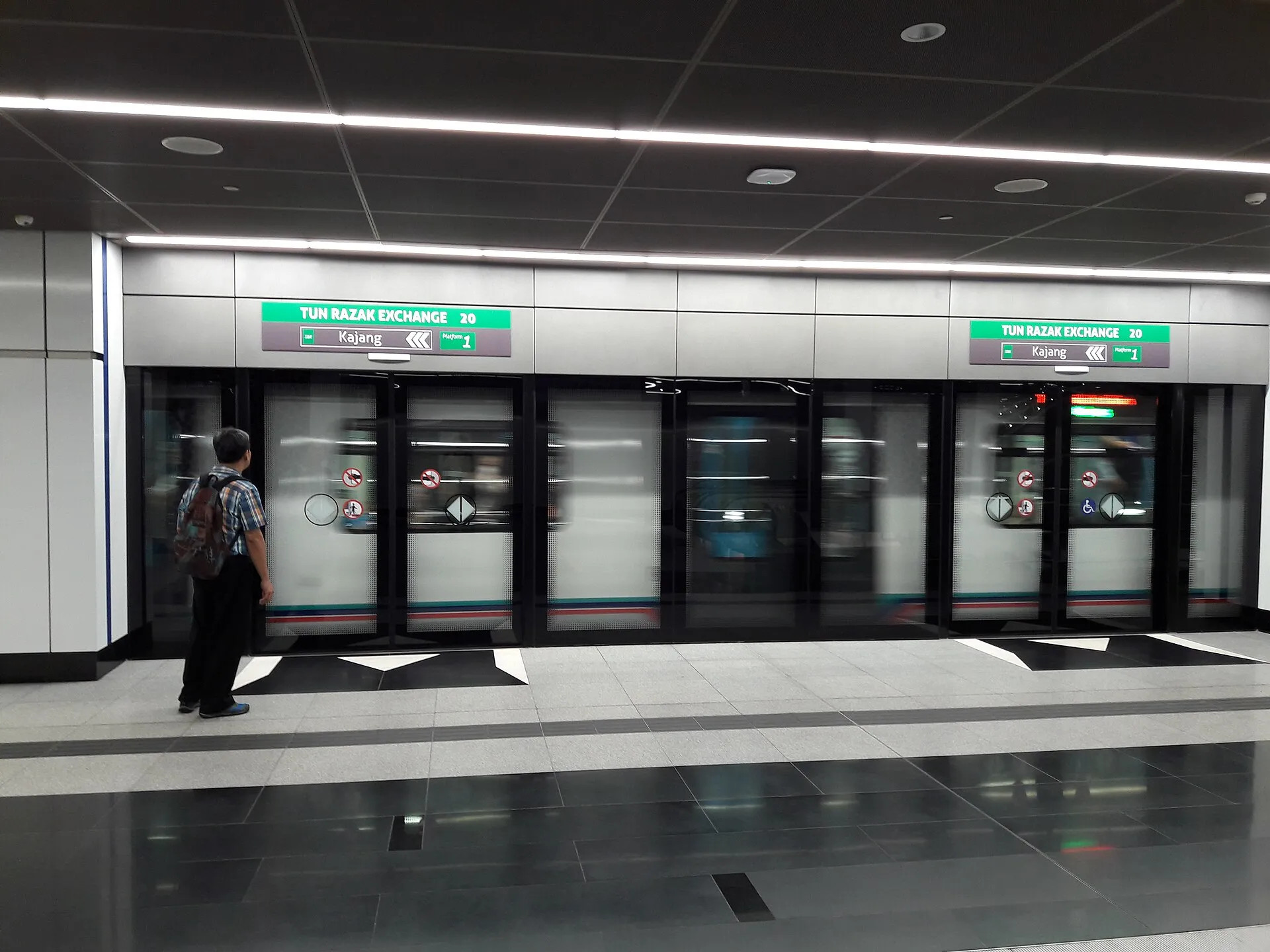
| MRT Kajang Line | Green (Line 9) | Muzium Negara, Pasar Seni, Bukit Bintang, Tun Razak Exchange (TRX) | Every 4–8 minutes | Connecting Chinatown and KL Sentral directly to the Bukit Bintang shopping district |
| MRT Putrajaya Line | Yellow (Line 12) | Titiwangsa, Raja Uda, Ampang Park, Tun Razak Exchange (TRX) | Every 4–8 minutes | Northern suburbs, modern business corridors, and connections near KLCC |
| LRT Kelana Jaya Line | Ruby Red (Line 5) | KL Sentral, Pasar Seni, Masjid Jamek, KLCC | Every 3–6 minutes | Slicing between KL Sentral, historic mosques, and the Petronas Twin Towers at KLCC |
| LRT Ampang & Sri Petaling Lines | Orange / Yellow (Lines 3 & 4) | Bandaraya, Masjid Jamek, Plaza Rakyat, Hang Tuah | Every 4–8 minutes | Travelling north-south through older commercial districts and Merdeka Square |
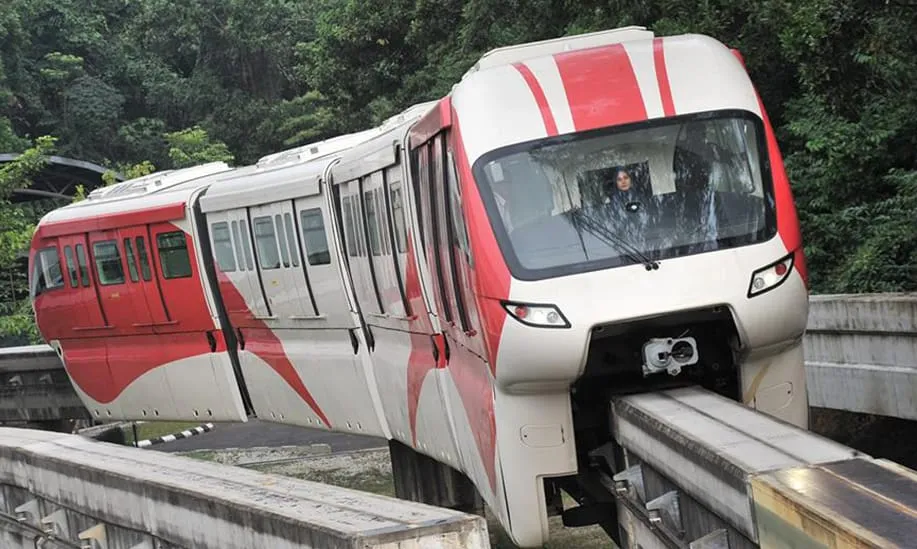
| KL Monorail | Light Green (Line 8) | KL Sentral, Hang Tuah, Bukit Bintang, Raja Chulan, Bukit Nanas | Every 5–10 minutes | Elevated street-level sightseeing through the Golden Triangle and to KL Tower |
| KTM Komuter | Blue (Lines 1 & 2) | KL Sentral, Kuala Lumpur (Old Station), Bank Negara, Batu Caves | Every 30–45 minutes | Direct suburban transit out to the Batu Caves temple complex |
| KLIA Ekspres & Transit | Purple / Teal (Lines 6 & 7) | KL Sentral, Bandar Tasik Selatan (TBS), Putrajaya, KLIA T1 & T2 | Every 15–20 minutes | Dedicated high-speed transit (RM55 single / RM100 return; 05:00–01:00) into KL Sentral; adjusts to RM65 / RM118 from 1 Jan 2027 |
| Station | Intersecting lines | Direct access highlights |
|---|---|---|
| KL Sentral | LRT Kelana Jaya, MRT Kajang (Muzium Negara), KL Monorail, KTM Komuter, KLIA Ekspres | National transport hub, Brickfields Little India |
| Pasar Seni | LRT Kelana Jaya Line & MRT Kajang Line | Pedestrian bridge to Central Market and Petaling Street |
| Masjid Jamek | LRT Kelana Jaya Line, Ampang Line & Sri Petaling Line | Colonial District, River of Life, Sultan Abdul Samad Building |
| KLCC | LRT Kelana Jaya Line & Putrajaya MRT (Persiaran KLCC) | Direct underground concourse to Petronas Towers & Suria KLCC |
| Bukit Bintang | MRT Kajang Line & KL Monorail | Pavilion KL, Lot 10, Jalan Alor night food street |
Or book a tour
You can purchase high-speed airport rail tickets in advance through the KLIA Ekspres Airport Train on Klookad{rel=“sponsored nofollow noopener”} to skip the station ticket counters upon landing.
How to pay for transit
Kuala Lumpur uses several ticketing methods across its various transit operators.
1. Touch ‘n Go (TnG) Card
A physical Touch ‘n Go card is a contactless smart card used across all Malaysian road tolls, parking barriers, buses, and rail lines.
- Card fee: RM10 (non-refundable card issuance fee).
- Purchasing: Available at customer service counters in major LRT/MRT stations, convenience stores like 7-Eleven or KK Super Mart, and airport railway desks.
- Reloading: Reload cards using cash at station ticket windows or automated TnG reload kiosks. Maintain a minimum balance of at least RM5.00 on the card to pass through rail entry barriers.
- Benefits: Tap-and-go at fare gates without queuing for tokens, with roughly 10% to 20% discount compared to cash token prices.
2. MyCity Pass (Unlimited RapidKL travel)
For visitors planning several journeys daily, the MyCity Pass provides great value on RapidKL networks (LRT, MRT, Monorail, and BRT Sunway Line). It does not cover KTM Komuter or KLIA Ekspres.
- Foreign visitor prices: RM10 for 1 day or RM25 for 3 days. (Malaysian citizens with MyKad pay RM6 for 1 day or RM15 for 3 days).
- How it works: The pass must be activated onto a physical Touch ‘n Go card at any RapidKL LRT, MRT, or Monorail customer service counter. You must maintain at least RM5.00 of wallet balance on the card as a security threshold.
- Validity: The pass runs on a calendar-day basis from the moment of activation until the end of rail operating hours that night.
3. Single journey tokens
If you are taking only one or two train rides during your entire stay, you can purchase plastic RFID tokens at automated touchscreen vending machines in every station.
- Payment: Ticket machines accept Malaysian Ringgit banknotes (RM1 and RM5 notes) and coins. Notes above RM10 often need to be changed at the customer service counter.
- Usage: Tap the blue token against the scanner at the entry turnstile, and drop the token into the exit slot at your destination station to release the barrier.
4. Contactless bank cards (Visa / Mastercard)
Contactless credit and debit cards can be tapped directly at KLIA Ekspres / Transit turnstiles and at KTM Komuter gates. However, contactless bank cards are currently being phased into RapidKL gates; until full rollout is universal, carrying a Touch ‘n Go card or cash tokens remains mandatory on LRT, MRT, and Monorail lines.
Detailed line breakdown for travellers
MRT Kajang Line (Green Line / Line 9)
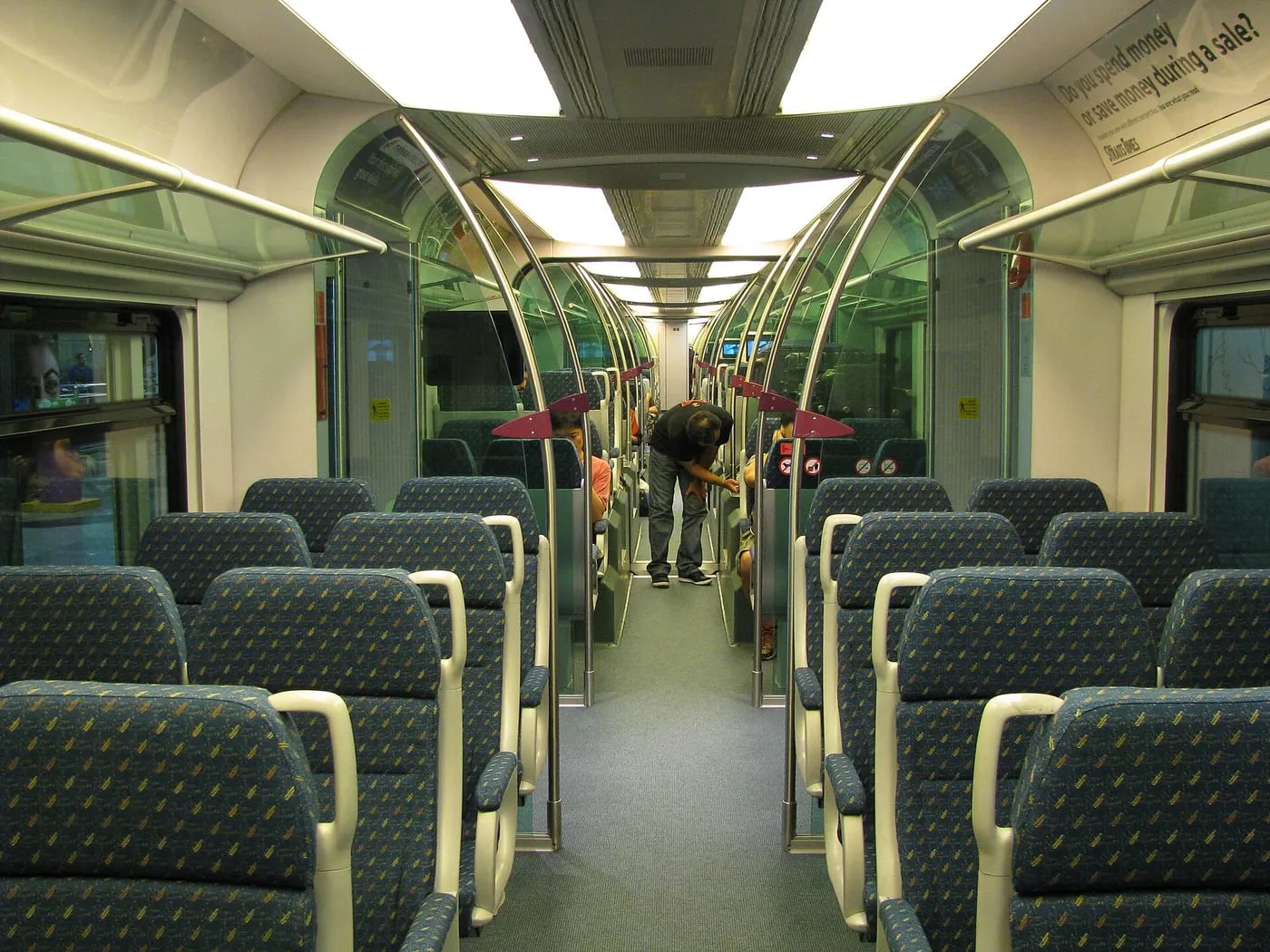
This line features deep underground tunnels through the city centre and elevated viaducts through the outer suburbs. It is exceptionally modern, air-conditioned, and reliable:
- Muzium Negara: Connected via a 240-metre air-conditioned underground walkway to KL Sentral concourse.
- Pasar Seni: Step directly into Chinatown, Petaling Street market, and Central Market. Connects via an elevated paid interchange bridge to the LRT Kelana Jaya Line.
- Merdeka: Located beside the world’s second-tallest building, Merdeka 118, and connected via underground passage to Plaza Rakyat LRT.
- Bukit Bintang: Right in the heart of shopping mall country, with direct underground exits to Pavilion KL, Lot 10, Fahrenheit88, and Starhill.
- Tun Razak Exchange (TRX): The new financial quarter, featuring The Exchange TRX shopping mall and rooftop public park.
LRT Kelana Jaya Line (Ruby Red Line / Line 5)
The workhorse line of Kuala Lumpur transit, running driverless trains every 3 minutes during morning and evening rush hours:
- KL Sentral: Directly accessible from the main station floor.
- Pasar Seni: Chinatown access.
- Masjid Jamek: Interchanges with LRT Lines 3 and 4; steps from the historic Jamek Mosque and Merdeka Square.
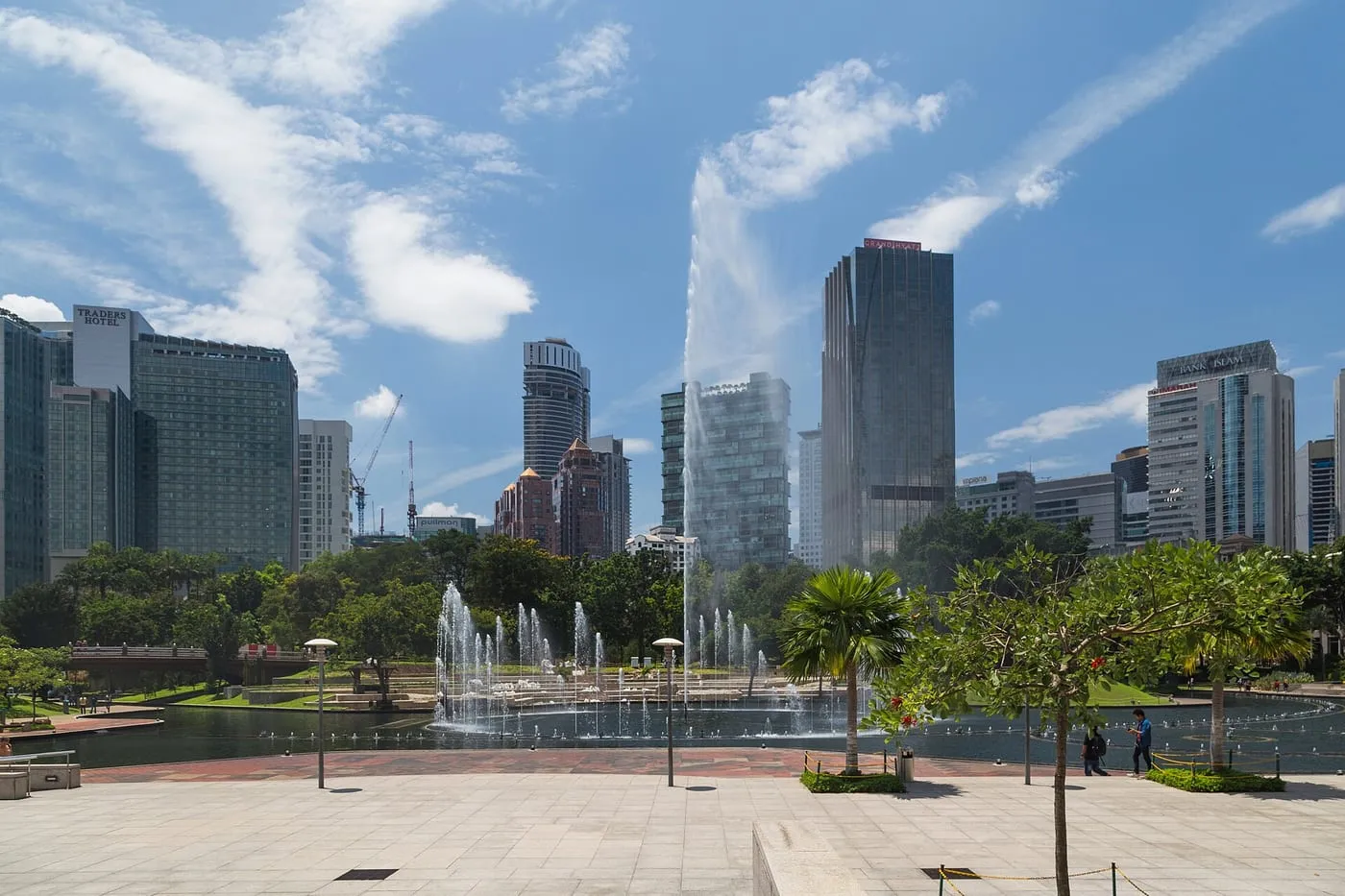
- KLCC: Exits directly into the basement of Suria KLCC shopping mall beneath the Petronas Twin Towers. Check luxury accommodation nearby in our guide to hotels near Petronas Towers and KLCC.
KL Monorail (Line 8)
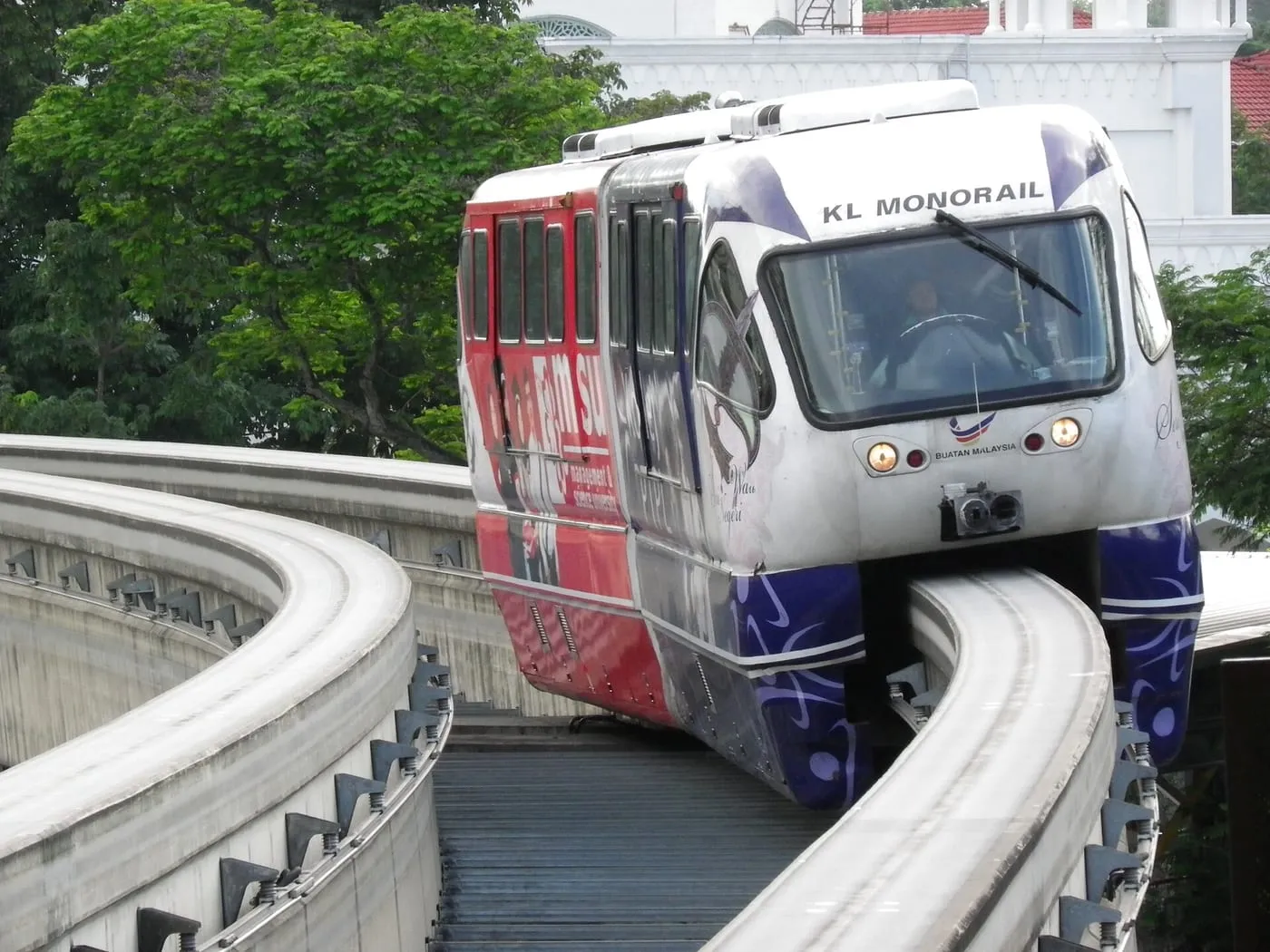
This two-car and four-car straddle monorail winds above street level along Jalan Sultan Ismail and Jalan Bukit Bintang:
- Views: Offers entertaining aerial views of Kuala Lumpur’s active streets, street art, and neon billboards.
- Bukit Nanas Station: Located a short 10-minute uphill walk from the entrance of the KL Tower and Bukit Nanas Eco Park; see our KL Tower Menara Kuala Lumpur ticket guide.
- Capacity: Monorail cars are narrower than MRT trains and can become tightly packed during the 17:30 to 19:00 evening rush hour.
KTM Komuter (Suburban trains)
Operated by Keretapi Tanah Melayu (KTM), these heavy-rail commuter trains connect central Kuala Lumpur with suburban satellite towns:
- Batu Caves Line (Line 1): The primary route for visitors heading to the limestone temple complex. Trains depart KL Sentral platform 3 or 4 directly to Batu Caves station (30 minutes, RM2.60). Check our Batu Caves guide for timetables and advice.
- Frequency: KTM Komuter trains run less frequently than urban metro trains, typically every 30 to 45 minutes. Check departure monitors at KL Sentral before boarding.
Major interchange stations
Changing between train lines in Kuala Lumpur is generally easy, but knowing the station layout avoids unnecessary backtracking:
- KL Sentral Station: LRT Kelana Jaya Line and KTM Komuter/KLIA Ekspres depart from the main ground concourse. KL Monorail is reached via a 5-minute indoor walk through Nu Sentral mall. MRT Kajang Line (Muzium Negara) is connected by an underground walkway.
- Pasar Seni Station: An integrated covered pedestrian bridge links the elevated LRT Kelana Jaya Line directly to the underground MRT Kajang Line.
- Masjid Jamek Station: A direct paid-area transfer concourse connects the LRT Kelana Jaya Line with the elevated LRT Ampang and Sri Petaling Lines.
- Bukit Bintang Station: The modern underground MRT Kajang station exits onto Bukit Bintang crossing, connected by street crossings to the elevated KL Monorail terminus.
Using the Grab app
While the rail network covers central commercial and heritage areas well, the Grab app is indispensable for reaching spots without immediate rail access (such as Thean Hou Temple, the Islamic Arts Museum, or Lake Gardens):
- Pricing: Rides within the central city centre generally cost between RM8 and RM20. Fares are fixed upfront before booking, shielding passengers from taxi meter disputes.
- Payment: Link an international Visa or Mastercard to your Grab account to ride completely cashless.
- Peak hour traffic: Between 07:30–09:30 and 17:00–19:30, surface roads around Bukit Bintang, Jalan Ampang, and Jalan Tun Razak suffer severe congestion. During these windows, the rail network is significantly faster than any car or taxi.
Transit rules, safety and etiquette
- No eating or drinking: Consuming food, drinking liquids (including water), or chewing gum inside trains or behind station fare gates is strictly prohibited. Violators face fines up to RM500.
- Women-only carriages: Clearly designated by bright pink decals on station platform floors and carriage windows. These carriages are reserved exclusively for female travellers at all times. Male passengers must board general carriages.
- Priority seating: Give up designated red-cushioned priority seats for elderly travellers, pregnant women, and passengers with disabilities.
- Escalator etiquette: Stand on the left-hand side of escalators to allow rushing commuters to pass on the right.
- Accessibility: All MRT stations and modernised LRT stations feature elevators, tactile paving, and wide automated fare turnstiles for wheelchairs and strollers.
To help choose your accommodation base near optimal train stations, read our complete guide on where to stay in Kuala Lumpur, or plan your arrival route from the airport in our Kuala Lumpur airport to city centre transit guide.
Common questions
What is the best transit ticket for tourists visiting Kuala Lumpur?
The MyCity Pass loaded onto a physical Touch 'n Go card is the best option for visitors. A 1-day pass costs RM10 and a 3-day pass costs RM25 for foreign visitors (plus a one-off RM10 card fee), providing unlimited travel across all RapidKL MRT, LRT, and Monorail lines.
Can I pay for public transport in Kuala Lumpur with a contactless credit card?
Contactless bank cards can be tapped directly at KLIA Ekspres and KTM Komuter fare gates. However, across the main urban RapidKL rail network (MRT, LRT, and Monorail), passengers must use a physical Touch 'n Go card, a MyCity Pass, or purchase individual plastic tokens at station vending machines using cash.
What are the operating hours for trains in Kuala Lumpur?
RapidKL trains start operating at 06:00 daily across all lines. Station entrances close between 23:30 and 00:00 (midnight), with trains running through to terminal stations by approximately 00:30.
How much does a typical train journey cost in Kuala Lumpur?
Single journeys within central Kuala Lumpur generally range from RM1.20 to RM6.40 when paying with a Touch 'n Go card or token, depending on distance and transfers.
Are there female-only carriages on Kuala Lumpur trains?
Yes. Both the MRT Kajang Line, MRT Putrajaya Line, and LRT Kelana Jaya Line feature clearly designated pink Women-Only Coaches located in the middle cars of every train, reserved exclusively for female passengers at all times.