In this guide
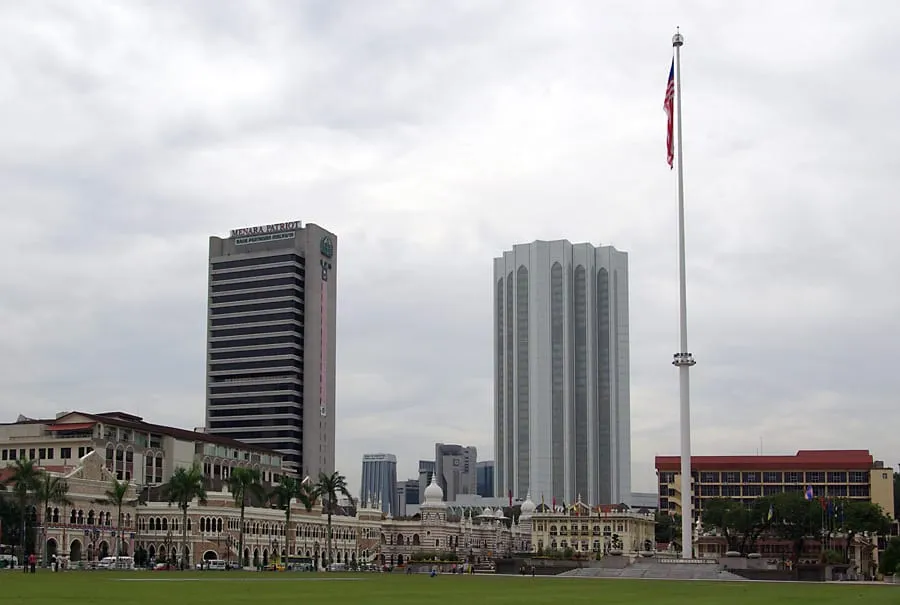
The Short Version: Monitored by the Malaysian Meteorological Department (MetMalaysia), Kuala Lumpur has an equatorial tropical climate with consistent daytime temperatures of 31°C to 33°C and high humidity year-round. The Southwest Monsoon (May to September) brings relatively drier conditions and sunny mornings, making June, July, and August the optimal months for outdoor touring and urban photography. The Northeast Monsoon (November to March) and the inter-monsoon transition periods tracked by the Malaysian Meteorological Department (April and October–November) bring heavier afternoon downpours that rarely last more than an hour or two. December to February delivers major cultural celebrations highlighted by Tourism Malaysia, including the dramatic Thaipusam festival at Batu Caves and Chinese New Year in Chinatown.
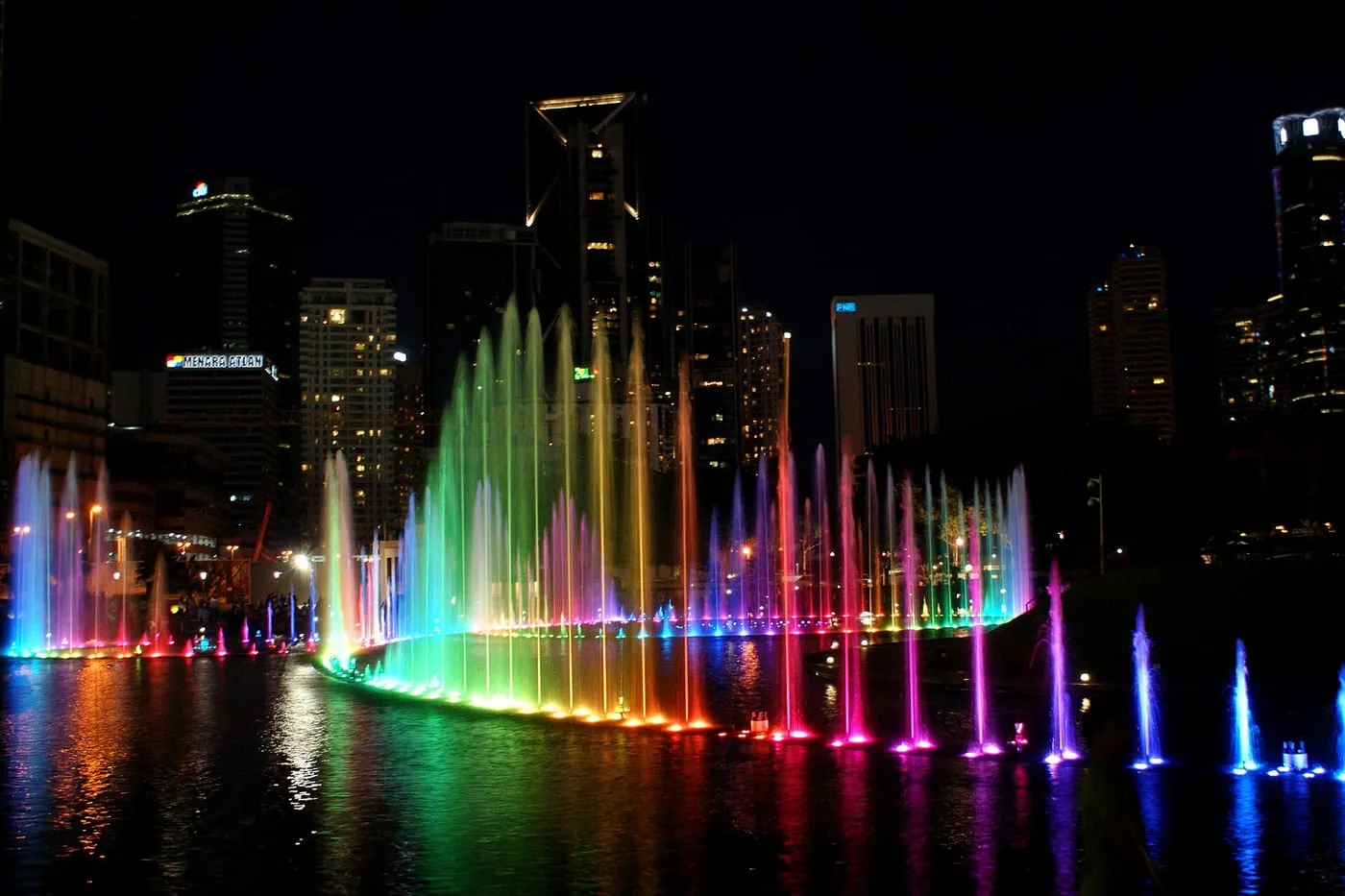
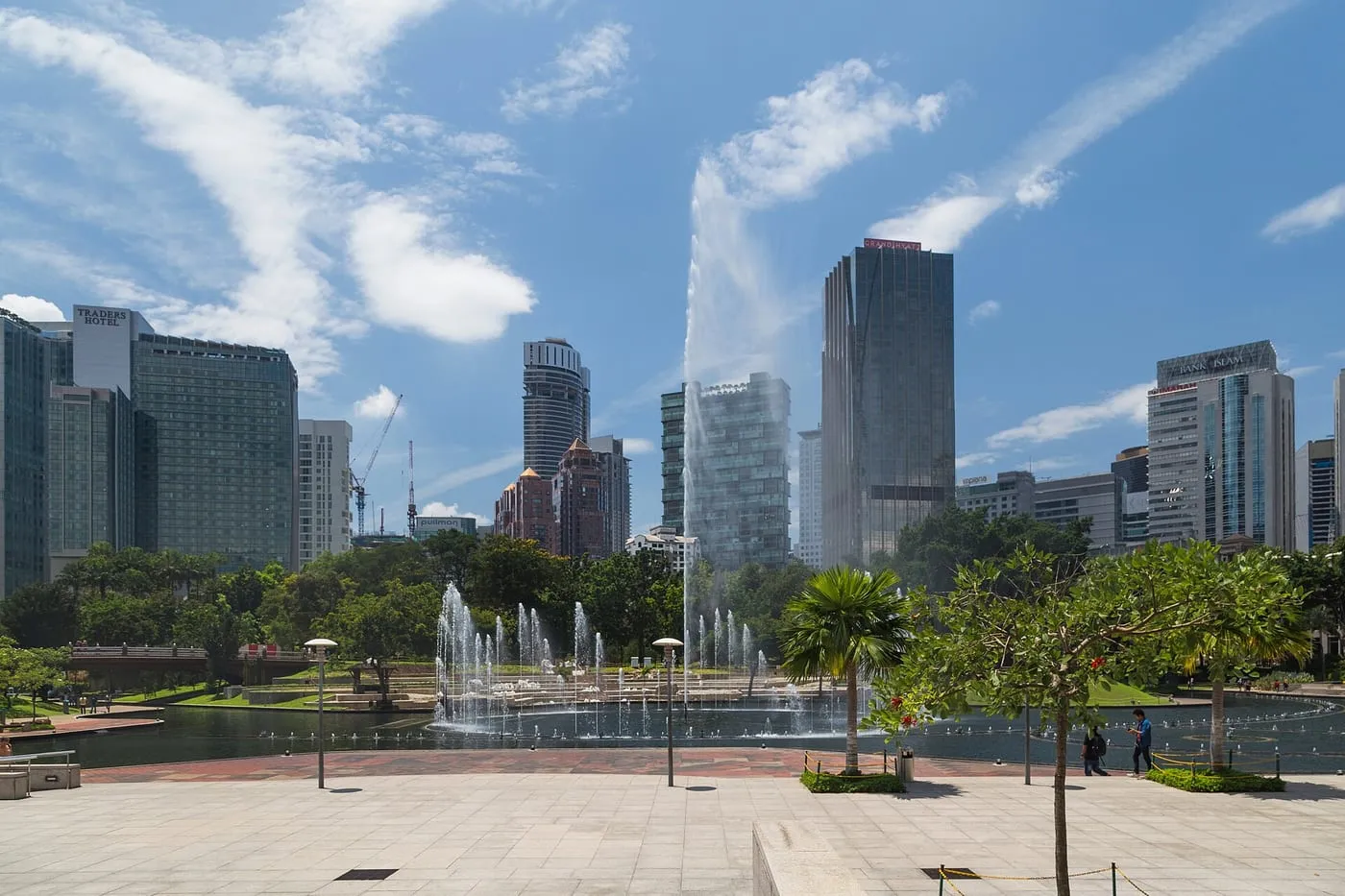
Lake Symphony fountains at KLCC Park. Photo: Kondephy, Wikimedia Commons, CC BY-SA 4.0.
Kuala Lumpur weather month by month
Because Kuala Lumpur sits just three degrees north of the equator, seasonal variations are measured not by temperature fluctuations, but by rainfall volume, wind direction, and humidity levels.
| Month | Avg High / Low (°C) | Rain (mm) | Rain Days | Season & travel conditions |
|---|---|---|---|---|
| January | 32°C / 23°C | 170 mm | 14 days | Northeast monsoon; moderate rainfall, active festive period for Thaipusam and New Year |
| February | 33°C / 23°C | 150 mm | 12 days | Relatively dry pocket; Chinese New Year lantern celebrations at Thean Hou Temple |
| March | 33°C / 24°C | 240 mm | 17 days | Monsoon transition; climbing humidity with increasing late-afternoon thunderstorms |
| April | 33°C / 24°C | 280 mm | 19 days | Inter-monsoon peak; wettest spring month with intense 16:00 cloudbursts |
| May | 33°C / 24°C | 200 mm | 15 days | Southwest monsoon begins; rainfall begins decreasing and morning sunshine increases |
| June | 33°C / 24°C | 130 mm | 12 days | Dry season peak; ideal for walking tours, day trips, and outdoor photography |
| July | 32°C / 24°C | 130 mm | 12 days | Relatively dry and sunny; Middle Eastern holiday season and elevated hotel demand |
| August | 32°C / 24°C | 150 mm | 13 days | Warm and mostly clear; National Day (Merdeka) parades at Merdeka Square on 31 August |
| September | 32°C / 24°C | 190 mm | 16 days | Southwest monsoon wanes; occasional late-summer transboundary haze risks |
| October | 32°C / 24°C | 270 mm | 20 days | Inter-monsoon transition; heavy afternoon downpours and flash road ponding |
| November | 32°C / 23°C | 290 mm | 22 days | Peak wet month of the year; Northeast monsoon starts; excellent shopping mall season |
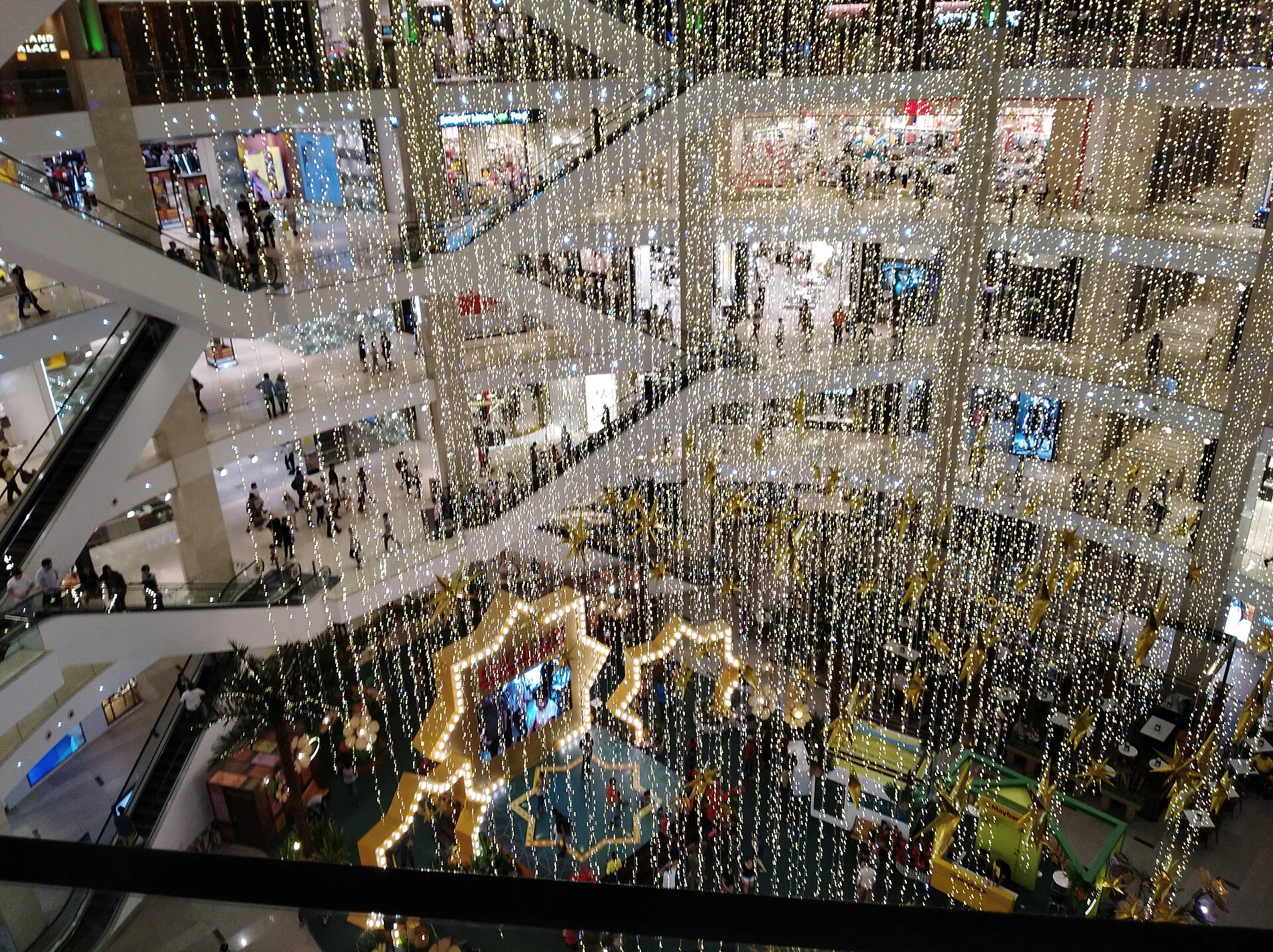
| December | 32°C / 23°C | 240 mm | 18 days | High holiday season; school holidays, glittering Christmas light displays in malls |
Understanding the monsoon patterns
Unlike coastal regions on Malaysia’s eastern seaboard (such as the Perhentian Islands or Tioman, which experience heavy monsoon closures between November and February), Kuala Lumpur is shielded on both sides:
- To the west, the massive landmass of the Indonesian island of Sumatra absorbs the brunt of Indian Ocean storms.
- To the east, the rugged Titiwangsa mountain range shields the Klang Valley from fierce South China Sea winds.
As a result, Kuala Lumpur never experiences a complete monsoon shutdown, and city infrastructure operates seamlessly throughout the year.
The Southwest Monsoon (May to September)
The Southwest Monsoon brings prevailing winds from the southwest. This is traditionally the drier period in the Klang Valley. Mornings are typically bright, sunny, and clear, with blue skies framing the skyscrapers. Rainfall averages around 130 mm to 150 mm per month, falling in short bursts. This season is ideal for outdoor itineraries such as our Colonial District and Chinatown Walk and trips up the 272 steps at Batu Caves.
The Northeast Monsoon (November to March)
Winds reverse to blow from the northeast across the South China Sea. While the east coast of Peninsular Malaysia receives torrential rainfall, Kuala Lumpur experiences elevated cloud cover, moderate evening downpours, and slightly cooler night breezes (averaging 22°C to 23°C).
The Inter-Monsoon Transition Periods (April and October–November)
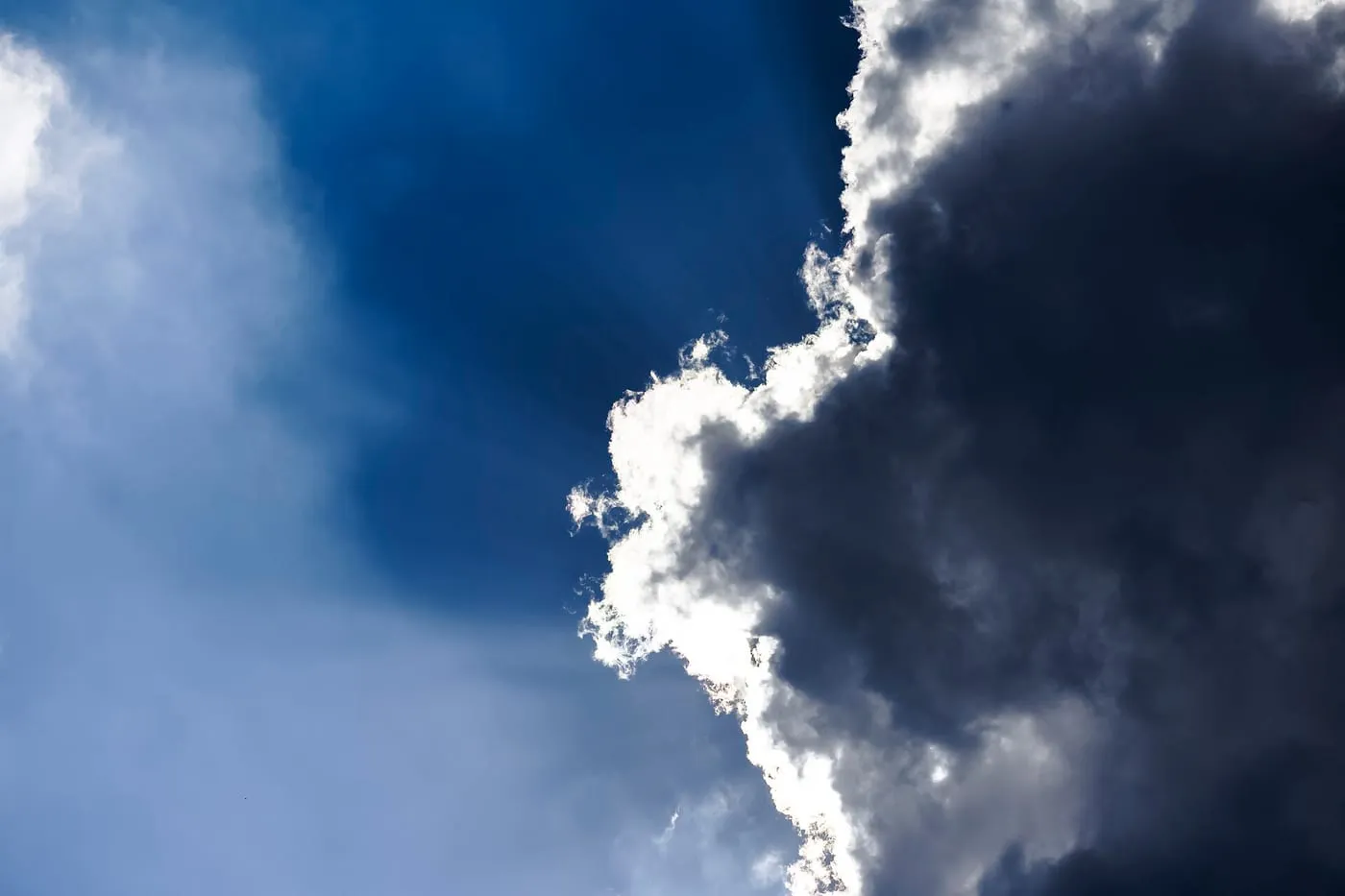
The periods when monsoon winds shift—primarily April and October to November—bring the heaviest annual rainfall to the capital. Solar heating of the moist equatorial atmosphere causes powerful convective thunderstorm clouds to build up over the Selangor hills during the midday hours. Between 15:30 and 17:30, these clouds unleash torrential rain, thunder, and lightning.
Flash street ponding is common during inter-monsoon storms, causing road traffic to slow significantly. During these months, plan indoor activities like Aquaria KLCC or the Islamic Arts Museum Malaysia in the late afternoon, and travel using rapid transit rail rather than road taxis.
Peak travel periods and hotel pricing trends
Hotel room rates and flight availability fluctuate according to holiday patterns across Southeast Asia, the Middle East, and Europe:
High Season (December to February & July to August)
- December & January: Coincides with school holidays in Malaysia and Singapore, Christmas travel, and major cultural festivals. Central hotels around KLCC and Bukit Bintang see peak occupancy. Room rates increase by 20% to 35%. Reserve accommodations at least 4 to 6 weeks in advance.
- July & August: A popular travel window for visitors from the Middle East seeking cooler urban retreats, alongside European summer vacationers. Weather is reliably sunny and dry.
Shoulder & Low Season (March to May & September to November)
- March to May (outside of school holidays and Easter): Tourist crowds thin out at major attractions like the Petronas Twin Towers. Four- and five-star luxury hotels offer attractive promotions and complimentary room upgrades.
- September to November: Despite frequent afternoon downpours, this is the most economical window for budget travellers. Shopping malls run deep year-end sales, and outdoor sites are delightfully quiet in the mornings.
Major festivals and cultural events
Kuala Lumpur’s multi-ethnic demographic—comprising Malay, Chinese, Indian, and indigenous communities—ensures a continuous calendar of religious and cultural celebrations.
Thaipusam (January or February)
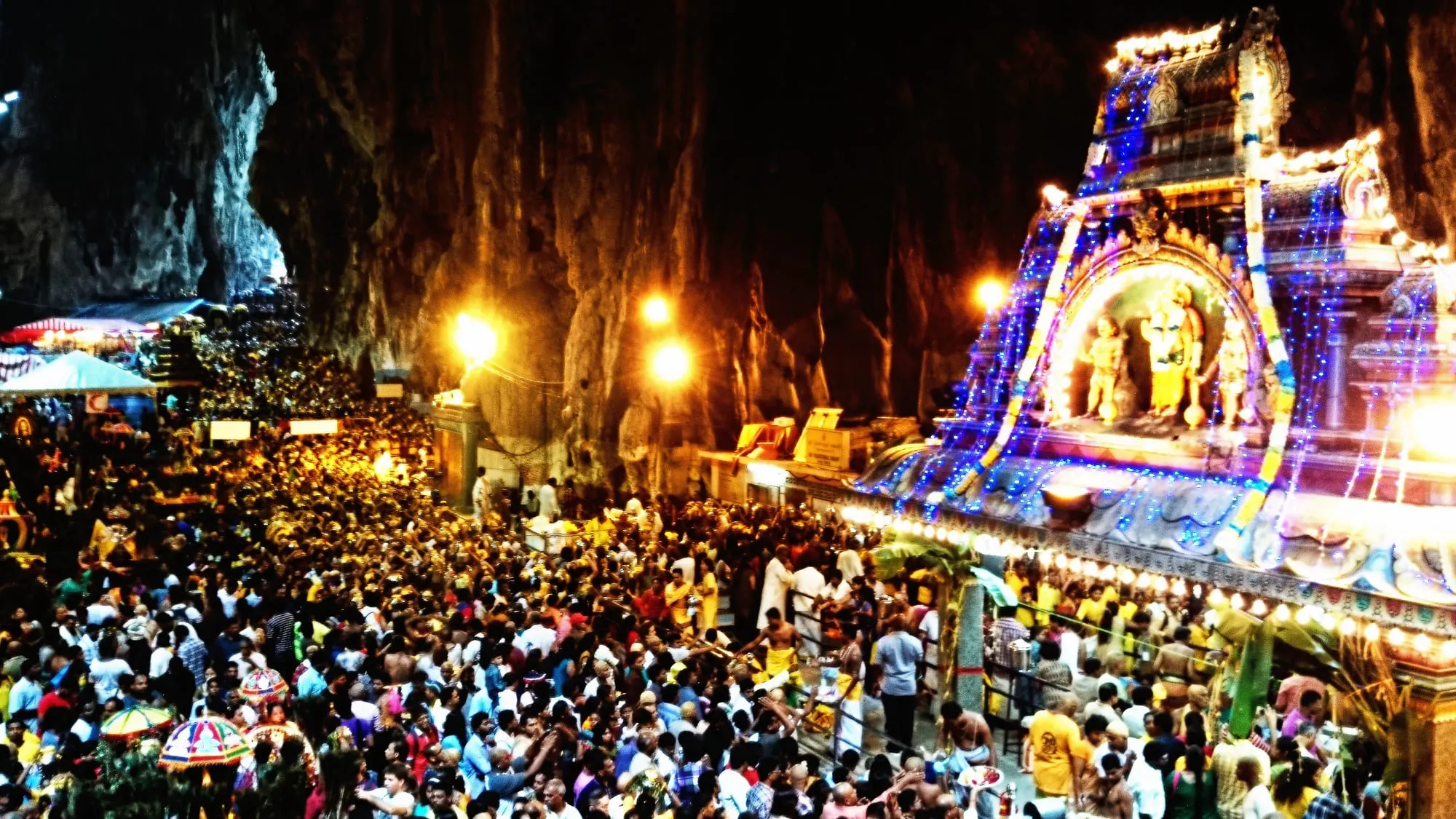
Observed primarily by the Tamil Hindu community, this festival honours Lord Murugan. Over one million pilgrims and international visitors gather at Batu Caves. The spectacle features devotees carrying elaborate steel and floral kavadi frameworks pierced into their skin, accompanied by rhythmic drumming and sacred chants. Read our comprehensive planning guide in Thaipusam at Batu Caves.
Chinese New Year (January or February)
Chinatown fills with lion dances, fireworks, and night market fairs. The hilltop Thean Hou Temple hangs thousands of red and gold lanterns across its courtyards, lit up at night. Smaller family-run Chinese hawker stalls and shophouses close for three to five days, though major malls and hotels operate normally.
Ramadan & Hari Raya Aidilfitri (Dates vary by lunar calendar)
During the Islamic fasting month of Ramadan, crowded bazar Ramadan street food markets emerge across the city each afternoon from 16:00, most notably in Kampong Bharu and TTDI. Scented roasted meats, spiced curries, and colourful traditional kuih sweets draw thousands of hungry locals. The month concludes with Hari Raya Aidilfitri, celebrated with nationwide open houses (rumah terbuka). Read our detailed guide in Hari Raya and Ramadan in Kuala Lumpur.
National Day (Hari Merdeka - 31 August)
Commemorates Malayan independence declared at Merdeka Square in 1957. The city hosts grand military parades, cultural dance troupes, and flypasts over the Sultan Abdul Samad Building, followed by midnight firework displays above KLCC Park.
Deepavali (October or November)
The Hindu Festival of Lights illuminates Brickfields (Little India) with elaborate colourful chalk-powder rangoli patterns (kolam), flower garlands, and special sweet stalls selling ladoo, jalebi, and savoury murukku.
Air quality and transboundary haze considerations
Between late July and September, prevailing south-westerly winds can occasionally transport smoke particulate from agricultural peat and forest fires in southern Sumatra across the Malacca Strait into Peninsular Malaysia.
- How it affects travel: Most years experience minimal disruption or only two to three hazy days. However, when regional dry spells align with active burning, the city can experience atmospheric haze that obscures skyline views and reduces air quality.
- Monitoring readings: Malaysia measures air quality using the Air Pollutant Index (API). Readings under 50 indicate good air; 51 to 100 is moderate; readings above 100 are unhealthy for sensitive individuals. Official real-time data is published by the Department of Environment (APIMS).
- Practical precautions: If travelling in August or September, carry a couple of sealed N95 face masks in your luggage. If API levels rise, take advantage of the city’s vast network of indoor attractions, including Petrosains Discovery Centre, Aquaria KLCC, and the climate-controlled Bukit Bintang to KLCC Walkway.
For a balanced 72-hour holiday plan across all seasons, consult our master 3 Days in Kuala Lumpur Itinerary and explore our curated roundup of Free Things to Do in Kuala Lumpur.
Common questions
What is the best month to visit Kuala Lumpur?
June, July, and August offer the lowest average rainfall and the highest number of sunshine hours. December to February is also popular for pleasant festival atmospheres during Thaipusam and Chinese New Year, despite occasional afternoon downpours.
When is the rainy season in Kuala Lumpur?
Kuala Lumpur experiences rainfall year-round, but precipitation peaks during the two inter-monsoon periods: April and October to November. During these months, heavy convective afternoon thunderstorms occur on roughly 18 to 22 days per month.
Does it rain all day in Kuala Lumpur during the monsoon?
No. Tropical rain in Kuala Lumpur typically takes the form of sudden, intense thunderstorms lasting 45 to 90 minutes in the late afternoon (between 15:30 and 18:00), leaving mornings and evenings largely clear for sightseeing.
What is the haze season in Kuala Lumpur?
Transboundary haze caused by agricultural slash-and-burn peat fires in Sumatra can periodically affect air quality between July and September when prevailing southwesterly winds blow across the Strait of Malacca. Most years experience minimal disruption, but travellers can monitor real-time Air Pollutant Index (API) readings.