In this guide
The Short Version: Taking a guided street food walking tour is one of the most effective ways to navigate Kuala Lumpur’s layered culinary crossroads, bridging Malay, Cantonese, Hakka, South Indian, and Mamak traditions in a single outing. High-quality tours avoid commercial tourist traps, leading visitors into working wet markets like Pudu, hidden back alleys in Chinatown and Petaling Street, sizzling evening street grills along Jalan Alor, traditional timber villages in Kampung Baru, and fragrant curry houses in Brickfields Little India. Small-group tours run for 3 to 4 hours, incorporate 10 to 15 generous tastings, and generally cost between RM150 and RM260 per person. Both morning wet market walks and evening hawker trails operate daily. Top-rated options can be reserved via GetYourGuide’s Kuala Lumpur food toursad or Klook’s Kuala Lumpur experiencesad. Or book a tour: indulge in an all-inclusive culinary journey on the Sambal Streets food tour with 15+ tastingsad (from RM 226, 4.9 stars from 2,176 reviews).
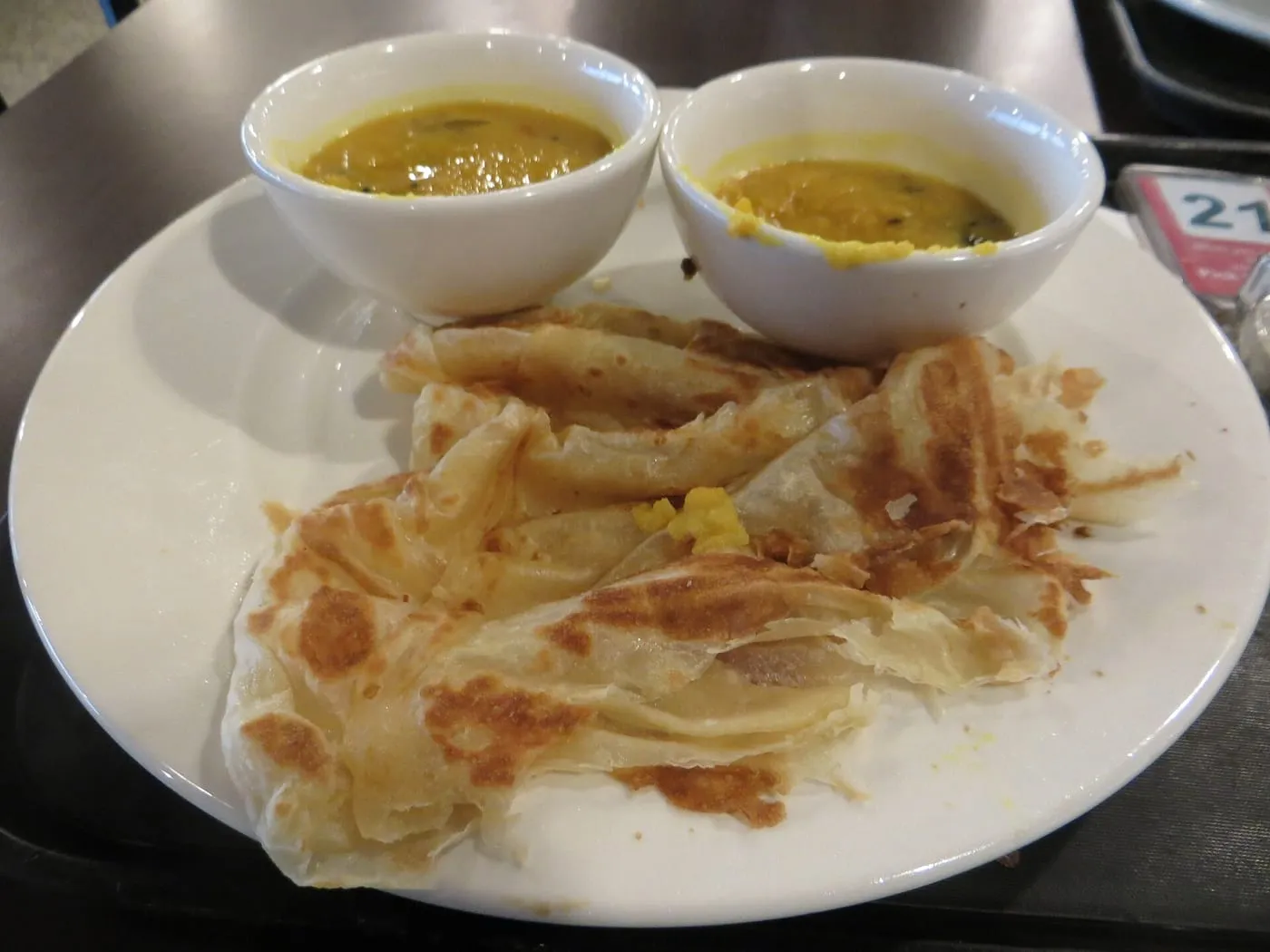
Fresh roti canai served with dhal. Photo: Sunnya343, Wikimedia Commons, CC BY-SA 4.0.
Why take a food tour in Kuala Lumpur?
While eating independently at local hawker stalls is straightforward in Malaysia, navigating the capital’s complex food ecosystem presents real hurdles for first-time visitors:
- Culinary diversity: Malaysia’s food culture is divided across three major ethnic traditions (Malay, Chinese, Indian), each with its own regional sub-cuisines, religious dietary requirements, and specialised dining establishments.
- Hidden locations: Many of Kuala Lumpur’s most historic family-run recipes operate from unlabelled corrugated-iron stalls, market undercrofts, or residential shophouses with zero English signage.
- Ordering etiquette: Deciding whether to queue, sit down first, point at ingredients, pay the cook directly, or wait for a roving drink vendor can be confusing without local guidance.
- Cultural storytelling: A knowledgeable local host explains the historical migrations behind each dish, such as how tin miners shaped claypot chicken rice, or why South Indian railway workers introduced banana leaf rice to Brickfields.
| Tour format | Typical timing | Focus areas | Price range per person |
|---|---|---|---|
| Morning Wet Market Walk | 08:30–12:00 | Pudu Market, Chinatown kopi tiams, traditional breakfast | RM150–RM220 |
| Evening Hawker Trail | 18:00–21:30 | Jalan Alor, hidden back-alleys, night satay & seafood | RM180–RM260 |
| Multi-Ethnic Heritage Walk | 10:00–14:30 | Brickfields (Indian) to Chinatown and Kampung Baru (Malay) | RM200–RM300 |
| Private Bespoke Tour | Flexible timing | Tailored dietary preferences, private guide and transport | RM350–RM550 |
Or book a tour
To taste your way through backstreet eateries with a culinary insider, book the guided Kuala Lumpur: Sambal Streets Food Tour with 15 Tastingsad{rel=“sponsored nofollow noopener”}.
Distinctive foodie neighbourhoods explored on tours
Different food tours focus on specific quarters of the capital, each offering a distinct cultural and culinary atmosphere.
| Neighbourhood | Primary ethnic heritage | Signature culinary tastings | Nearest rail station |
|---|---|---|---|
| Chinatown / Petaling Street | Cantonese, Hokkien, Hakka | Madras Lane curry mee, chee cheong fun, herbal tea, roast duck | Pasar Seni (LRT / MRT) |
| Brickfields Little India | South Indian & Sri Lankan | Banana leaf rice, crispy dosas, masala chai, piping hot vadai | KL Sentral (All rail lines) |
| Jalan Alor & Bukit Bintang | Street hawkers & seafood | Charcoal-grilled chicken wings, sambal stingray, satay skewers | Bukit Bintang (MRT / Monorail) |
| Kampung Baru | Traditional ethnic Malay | Nasi lemak, ayam percik, charcoal grilled fish, colourful kuih | Kampung Baru (LRT Kelana Jaya) |
| Pudu Market & Shophouses | Old-school Chinese | Hakka noodles, claypot chicken rice, egg tarts, herbal turtle jelly | Pudu (LRT Ampang Line) |
1. Chinatown hidden alleys and wet markets
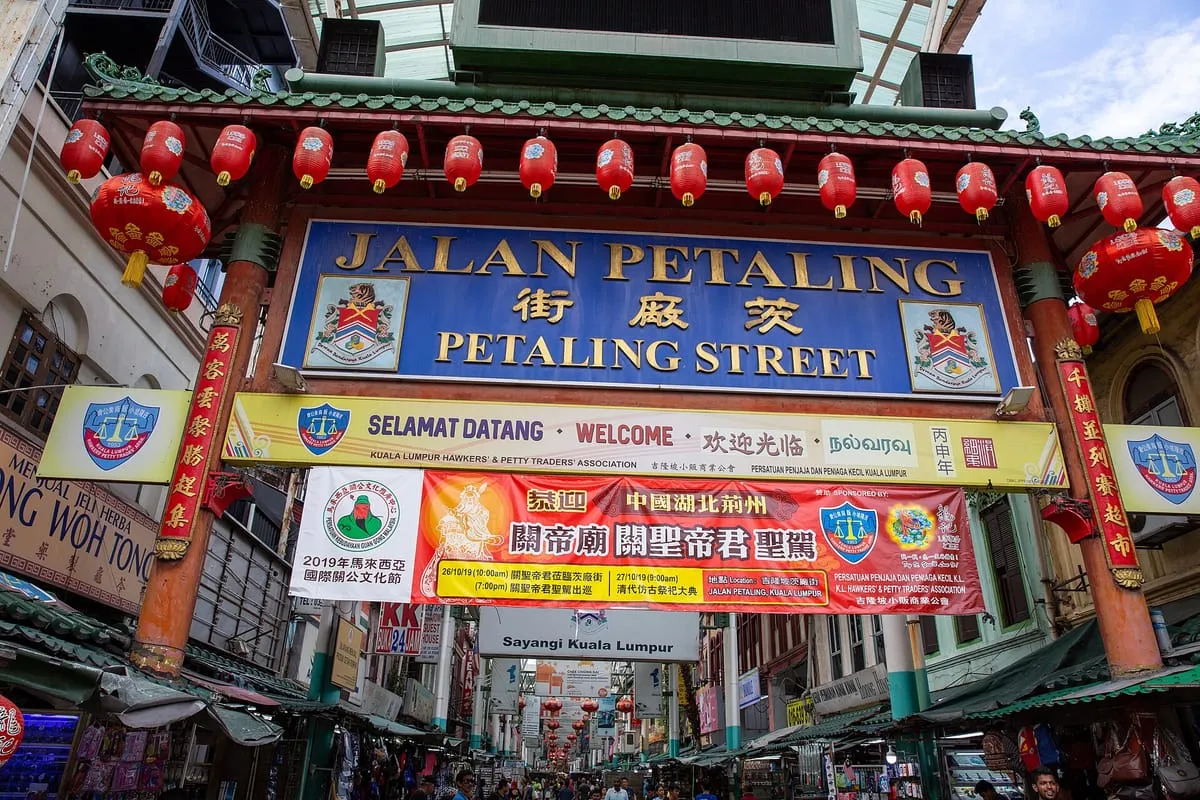
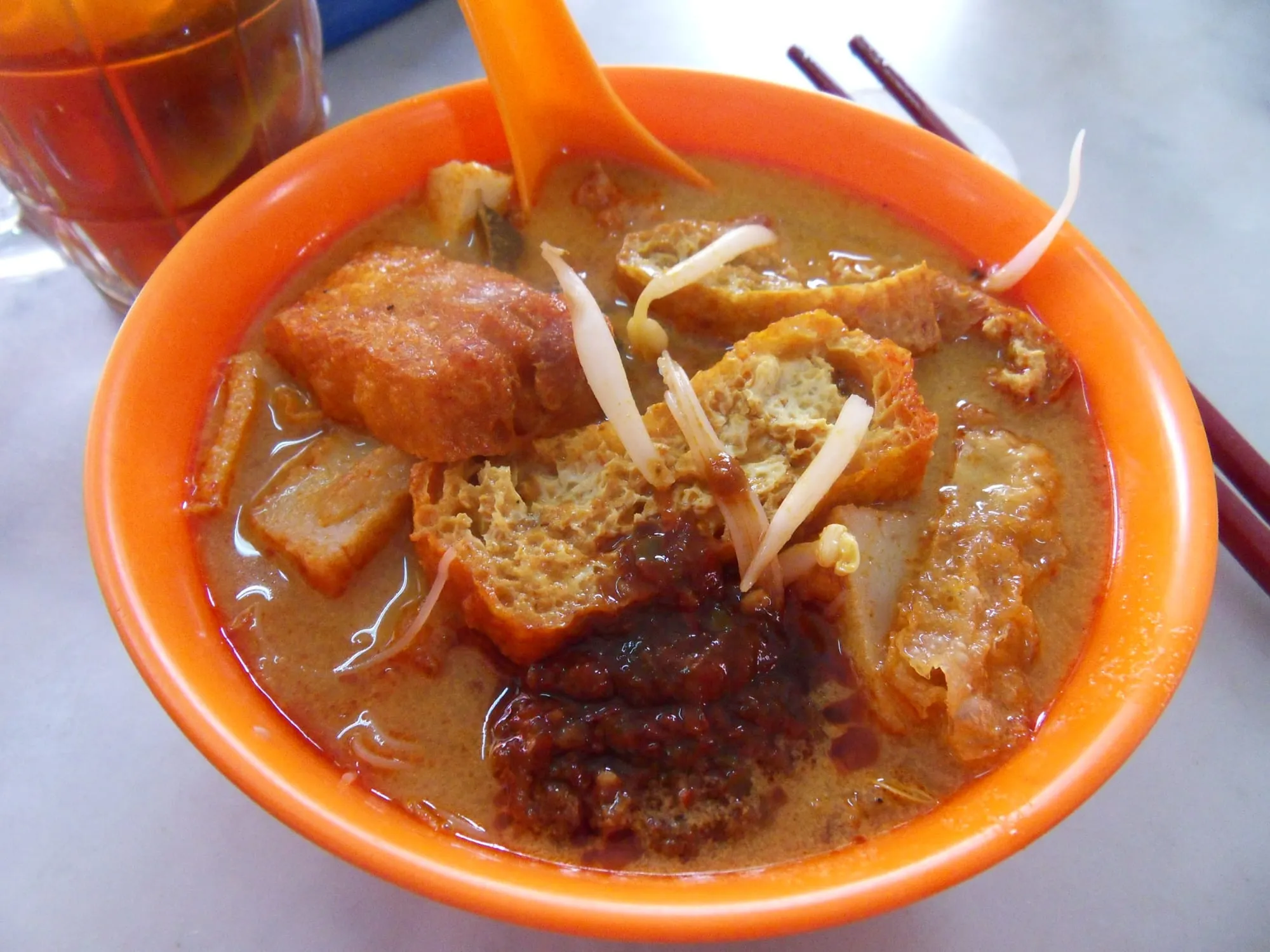
Tours centring on Chinatown explore the historic quarter bounded by Jalan Petaling, Jalan Sultan, and Madras Lane. Guides introduce traditional Cantonese roasting techniques, stopping for crispy roast duck, rich curry laksa (RM11), smooth steamed rice noodle rolls (chee cheong fun, RM6), and traditional soy bean milk paired with freshly fried Chinese crullers (youtiao, RM3). These walks also stop at heritage medicinal herbal tea stands where bitter cooling teas (leong cha, RM3) are poured from brass urns to balance internal body heat.
2. Brickfields: South Indian spices and banana leaf feasts
A culinary walk through Brickfields Little India is an aromatic immersion in cardamom, toasted mustard seeds, and curry leaves. Walking down Jalan Tun Sambanthan and Jalan Scott, guides explain the ritual of eating banana leaf rice with your fingers, demonstrate how South Indian cooks ferment lentil batters for thin crispy thosai (dosas, RM3.50), and stop at roadside friers turning out golden masala vadai (spiced lentil patties, RM1.50) and sweet Indian confections like orange jalebi and saffron laddu.
3. Jalan Alor and Bukit Bintang evening hawker walks
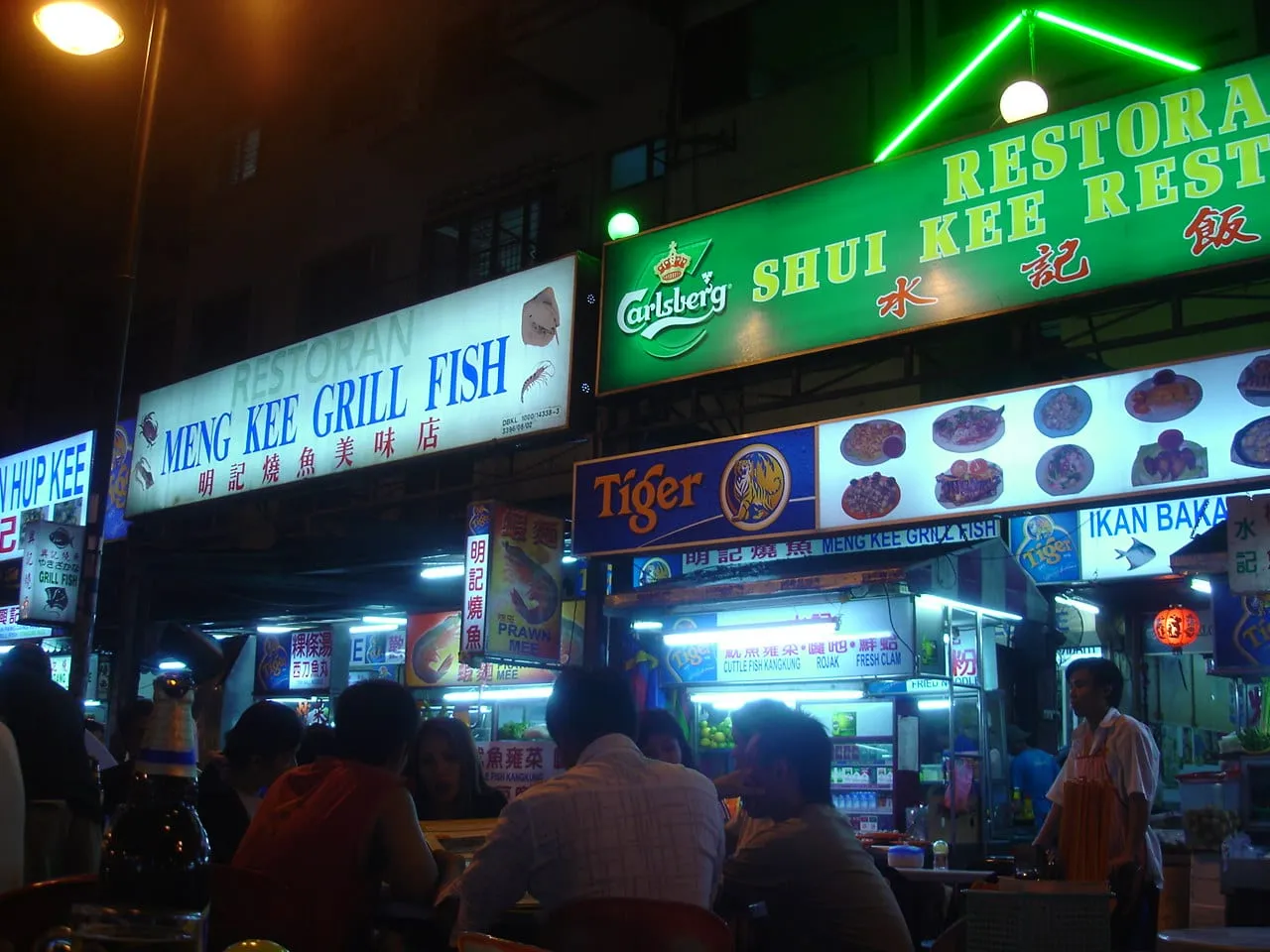
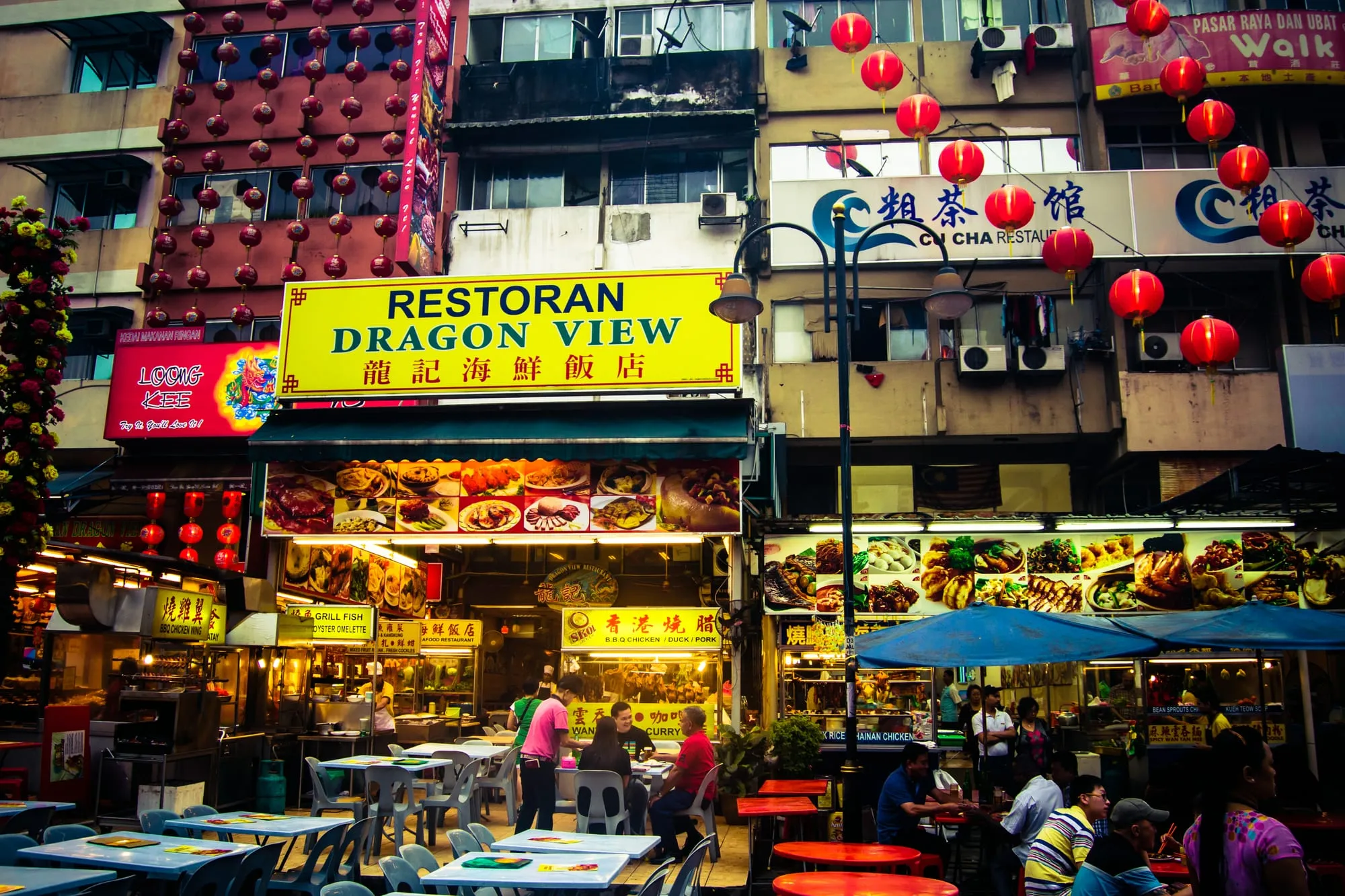
Centred on the 500-metre dining avenue running parallel to Bukit Bintang, an evening walk through Jalan Alor immerses visitors in sizzling woks and glowing lanterns. Tours stop at Wong Ah Wah for their famous charcoal-grilled honey chicken wings (RM4.20 per wing), followed by crispy salted egg squid (RM28), banana leaf grilled stingray slathered in spicy sambal (RM32), freshly grilled chicken and beef satay skewers with peanut dip (RM2 per skewer), and sweet coconut ice cream or durian tastings for dessert.
4. Kampung Baru: traditional Malay stilt village
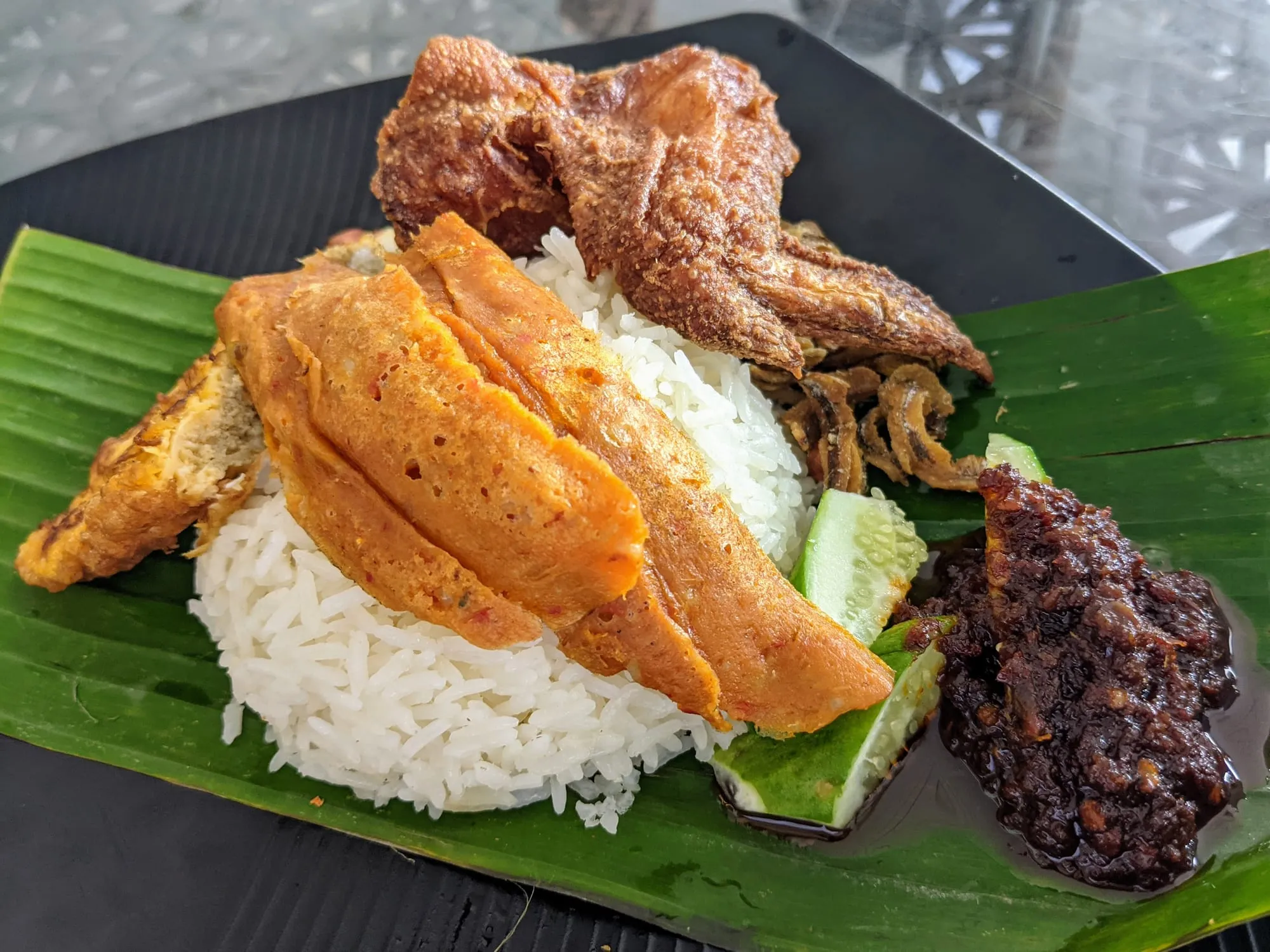
Just north of the city centre across the Klang River, Kampung Baru provides a stark visual and culinary contrast. Wooden timber houses on stilts with banana and papaya trees sit under the dramatic backdrop of modern skyscrapers. Guided evening tours here focus on authentic Malay street foods: steaming plates of fragrant nasi lemak at legendary family stalls (RM10 to RM14), whole grilled fish (ikan bakar, RM25 to RM35) brushed with fresh turmeric and sambal, and sweet evening desserts like onde-onde (glutinous rice balls filled with liquid palm sugar and coated in fresh grated coconut, RM4 for a box).
5. Pudu: raw culinary engine and wholesale produce
Pudu is one of the oldest, grittiest Chinese residential districts in the city. Tours here steer away from souvenir stalls entirely, plunging into the labyrinthine alleys of the Pudu Wet Market—the largest wet market in the capital. Visitors observe produce vendors and butchers who supply Kuala Lumpur’s top restaurants. Surrounding shophouses offer century-old recipes: springy Hakka flat noodles tossed in dark minced pork sauce (RM9), flaky warm custard egg tarts from family bakeries (RM3.50), and charcoal-baked claypot chicken rice (RM15).
Typical tasting itinerary on a street food tour
- Stop 1 (Kopi Tiam Breakfast): Freshly toasted Hainanese bread with silky coconut-egg kaya and salted butter, paired with soft-boiled eggs and traditional pulled teh tarik (RM6.50).
- Stop 2 (Market Produce & Snacks): Walking through produce stalls sampling tropical mangosteens, rambutan, freshly fried curry puffs, and steamed pandan kuih (RM8).
- Stop 3 (Noodle Masterclass): Slurping rich coconut curry mee topped with tofu puffs and cockles at an alleyway stall (RM11).
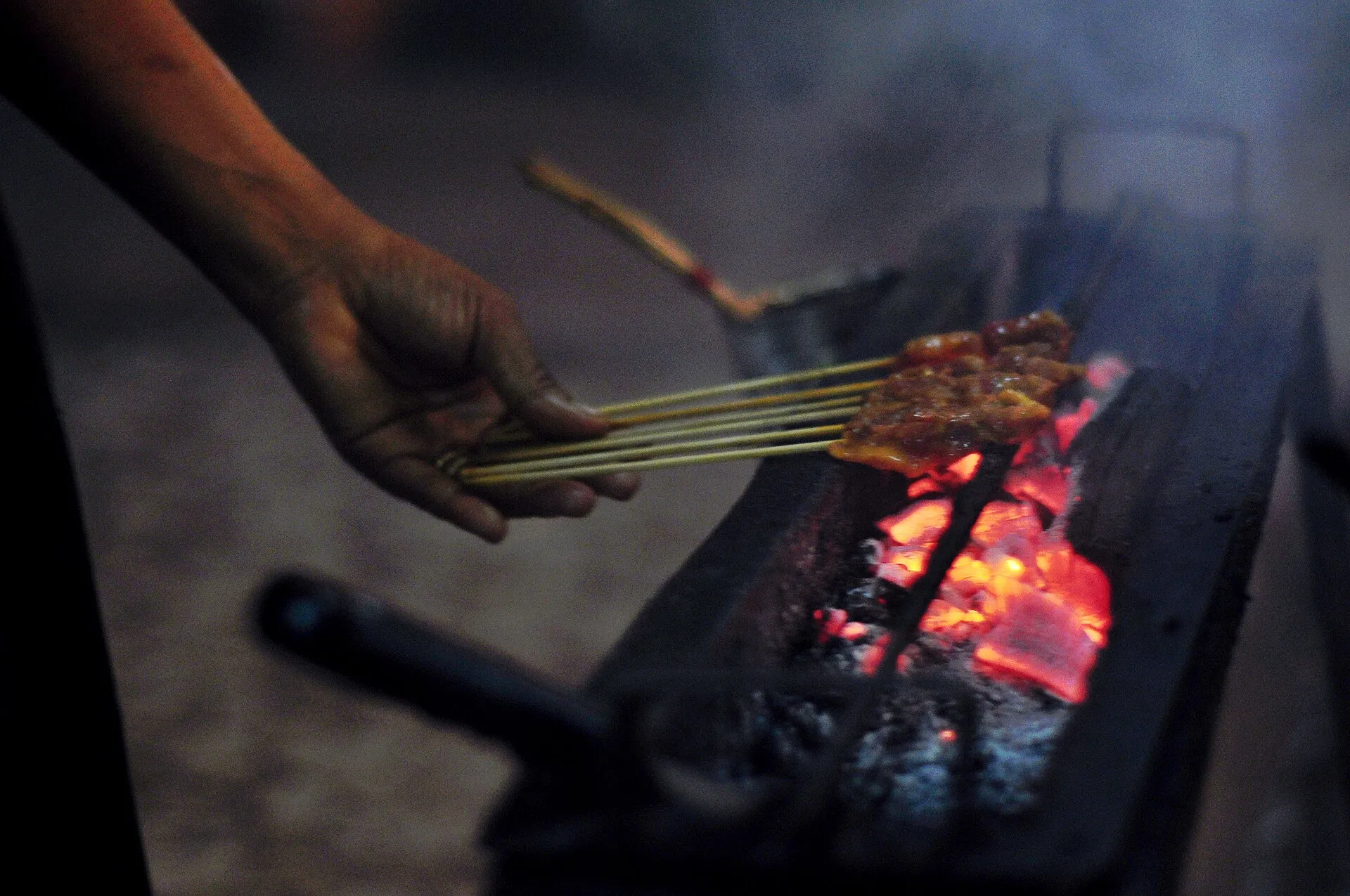
- Stop 4 (Claypot & Wok Delights): Watching roaring flames caramelise smoky char kway teow and sizzling chicken satay skewers (RM14).
- Stop 5 (Dessert Finale): Shaved ice cendol bathed in rich gula melaka palm sugar syrup, fresh coconut milk, and green pandan rice jelly noodles (RM4.50).
Morning market tours vs evening hawker trails
Selecting between a morning and an evening tour depends on your schedule and personal interests:
Morning walking tours (08:30–12:30)
- Advantages: You witness traditional markets at their peak commercial activity. Fishmongers, butchers, and fruit merchants are operating at full throttle. Kopi tiams are buzzing with neighbourhood seniors enjoying their morning paper and coffee.
- Considerations: Kuala Lumpur heats up rapidly by 10:30; wear breathable cotton clothing, a hat, and carry a water bottle.
- Ideal for: Enthusiastic cooks, photographers, and travellers interested in raw produce, butcher crafts, and breakfast noodle traditions.
Evening hawker trails (17:30–21:30)
- Advantages: Temperatures drop as the sun sets. The street atmosphere is electric with glowing red lanterns, sizzling woks, and smoky charcoal braziers. Night markets come alive, and the tour naturally segues into late-evening drinks or a visit to Jalan Alor night food street.
- Considerations: Can involve navigating denser pedestrian traffic and noisier environments.
- Ideal for: Diners who enjoy a lively social buzz and hearty dinner fare like satay, barbecued seafood, and stir-fried noodles.
Dietary requirements and spice management
One of the great advantages of joining an organised tour is having a bilingual guide negotiate dietary preferences with street cooks who may not speak fluent English.
| Dietary requirement | Feasibility on KL food tours | Planning advice |
|---|---|---|
| Halal Dining | Very High | Malay and Mamak establishments are 100% halal; select halal-certified tour operators |
| Vegetarian / Vegan | High | South Indian banana leaf and Buddhist vegetarian venues offer plant-based spreads |
| Gluten-Free (Coeliac) | Moderate | Rice dishes, rice vermicelli, and grilled meats are safe; avoid soya-sauce wok noodles |
| Peanut / Nut Allergy | Caution Advised | Peanuts are ubiquitous in satay sauces and nasi lemak garnishes; inform your guide in advance |
| Shellfish Allergy | Caution Advised | Dried shrimp (belacan) is a core base in sambals, laksa broths, and stir-fries |
- Halal Dining: Because Islam is Malaysia’s official religion, all Malay food establishments and Mamak eateries are strictly halal. Chinese hawkers, however, frequently cook with pork lard. If you require a 100% halal itinerary, select a tour dedicated to Malay and Muslim-friendly eateries.
- Vegetarian and Vegan: Indian walking tours through Brickfields cater easily to vegetarians. In Chinatown and Malay quarters, inform your guide during booking. Many vegetable dishes are stir-fried with oyster sauce, dried shrimp (hae bee), or fermented shrimp paste (belacan).
- Spice Tolerance: Malaysian street food relies heavily on fresh bird’s-eye chillies and dried chilli pastes. Guides can request cooks to prepare dishes kurang pedas (less spicy) or serve sambals in separate side saucers.
- Nut and Shellfish Allergies: Peanut sauces accompany satay, candlenuts thicken curry rempahs, and blood cockles are ubiquitous in street noodles. Always declare severe allergies to tour operators well before departure.
Small-group vs private guided food tours
When choosing a tour operator, weigh the trade-offs between shared group departures and private guides:
| Tour format | Typical party size | Price per person | Flexibility | Booking lead time |
|---|---|---|---|---|
| Small-group walk | 6 to 10 guests | RM150 to RM240 | Fixed route and set tasting stops | 2 to 5 days in advance |
| Private culinary tour | 2 to 6 guests | RM280 to RM450 | Fully customisable route and dietary focus | 1 to 2 weeks in advance |
Small-group tours offer great camaraderie and represent good economic value, as tasting portions are shared and varied. Private tours are ideal for families with young children, travellers with specific mobility constraints, or serious food enthusiasts wanting to spend extra time exploring particular markets.
Booking options and recommended platforms
Reputable food tour companies in Kuala Lumpur operate with licensed local city guides and established hygiene track records:
- GetYourGuide: Offers verified guest reviews, clear cancellation policies up to 24 hours before departure, and instant mobile ticketing. Explore current departures on GetYourGuide’s Kuala Lumpur culinary activitiesad.
- Klook: Lists food tours and cooking classes on Klook’s Kuala Lumpur experiencesad.
To continue planning your culinary journey independently, explore our complete neighbourhood dining breakdown in Where to Eat in Kuala Lumpur and our guide to navigating the city’s rail lines in Getting Around Kuala Lumpur by Public Transport.
Tours and guided options
Navigating Kuala Lumpur’s diverse street hawkers independently is straightforward, but guided food tours introduce you to multi-generational recipes, regional sambals, and wet-market breakfast stalls that rare tourists discover.
Sambal Streets food tour with 15+ tastings
From RM 226 · 4.9 stars from 2,176 reviews · 4 hours · Malay, Chinese, and Indian hawker specialities
Sambal Streets food tour with 15+ tastingsad: Join a guided walking tour in Kuala Lumpur and get to grips with Malaysian cuisine with the help of a local foodie. Savor more than 15 tastings and discover Malaysia’s culinary story along the way.
Local street food night tour with night market tastings
From RM 278 · 4.6 stars from 164 reviews · 2.5 hours · evening food alleys and satay grills
Local street food night tour with night market tastingsad: Experience the street food of Malaysia on a night tour of Kuala Lumpur, and follow in the footsteps of the locals at a lively night market and more. Taste typical flavours and delicious bites, such as chicken curry puff, dim sum and satay sticks.
Nightlife street food tour with 6 curated tastings
From RM 205 · 4.6 stars from 107 reviews · 4 hours · evening hawkers, bars, and dessert stalls
Nightlife street food tour with 6 curated tastingsad: Experience Kuala Lumpur’s delectable culture with this guided evening food tour. Sample delicious local culinary creations as you explore the city’s diverse neighbourhoods.
Chinatown and city centre food tour with 12 tastings
From RM 231 · 5 stars from 9 reviews · 3 hours · heritage kopi tiams and claypot dishes
Chinatown and city centre food tour with 12 tastingsad: Discover the flavours of Kuala Lumpur on our guided food tour. Explore Chinatown and the colonial district, and taste over 12 authentic dishes that reflect Malaysia’s cultural blend !
Common questions
How much does a guided food tour cost in Kuala Lumpur?
Standard small-group guided street food walking tours typically cost between RM150 and RM260 per person for a 3 to 4-hour experience, which covers all food tastings (usually 10 to 15 different dishes and drinks), bottled water, and an English-speaking local guide. Private customized culinary tours range from RM280 to RM450 per person.
Are food tours in Kuala Lumpur suitable for vegetarians?
Tours focusing on South Indian food in Brickfields accommodate vegetarians and vegans with ease, offering dosas, vadai, and plant-based banana leaf curries. General street food tours through Chinatown and Malay quarters require advance notice, as many traditional Chinese and Malay dishes use pork lard, oyster sauce, or shrimp paste (belacan).
Should I book a morning food tour or an evening food tour?
Morning food tours (starting between 08:30 and 09:30) are ideal for visiting busy fresh produce wet markets like Pudu or Chow Kit, watching breakfast kopi tiam coffee roasting, and sampling fresh roti canai. Evening tours (starting around 17:30 to 18:30) are cooler and focus on night markets, sizzling satay braziers, wok-fried noodles, and seafood on Jalan Alor.
How many food tastings are typically included?
Most reputable walking tours include between 10 and 15 distinct tastings, ranging from savoury small bites (curry puffs, spring rolls) and hearty street noodle portions to tropical fruits, traditional sweets (kuih), and specialty beverages like teh tarik. Come with an empty stomach and pace yourself throughout the walk.