In this guide
The Short Version: Spend Day 1 immersing yourself in colonial heritage and Cantonese trading history around Merdeka Square, Masjid Jamek, and Central Market, finishing with grilled chicken wings and satay on Jalan Alor. Devote Day 2 to modern architectural icons, ascending the Petronas Twin Towers (RM127), exploring KLCC Park and Aquaria KLCC, shopping in Bukit Bintang, and sipping twilight cocktails at a skyline lounge. Dedicate Day 3 to spiritual sanctuaries, climbing the 272 rainbow steps at Batu Caves (free) before noon, admiring panoramic city vistas at Thean Hou Temple (free), and wandering through the Islamic Arts Museum (RM20) and Perdana Botanical Gardens. Or book a tour: streamline your sightseeing across three days with the Grand full-day Kuala Lumpur city tourad (from RM 96, 4.6 stars from 1,209 reviews) covering 25 major sights.
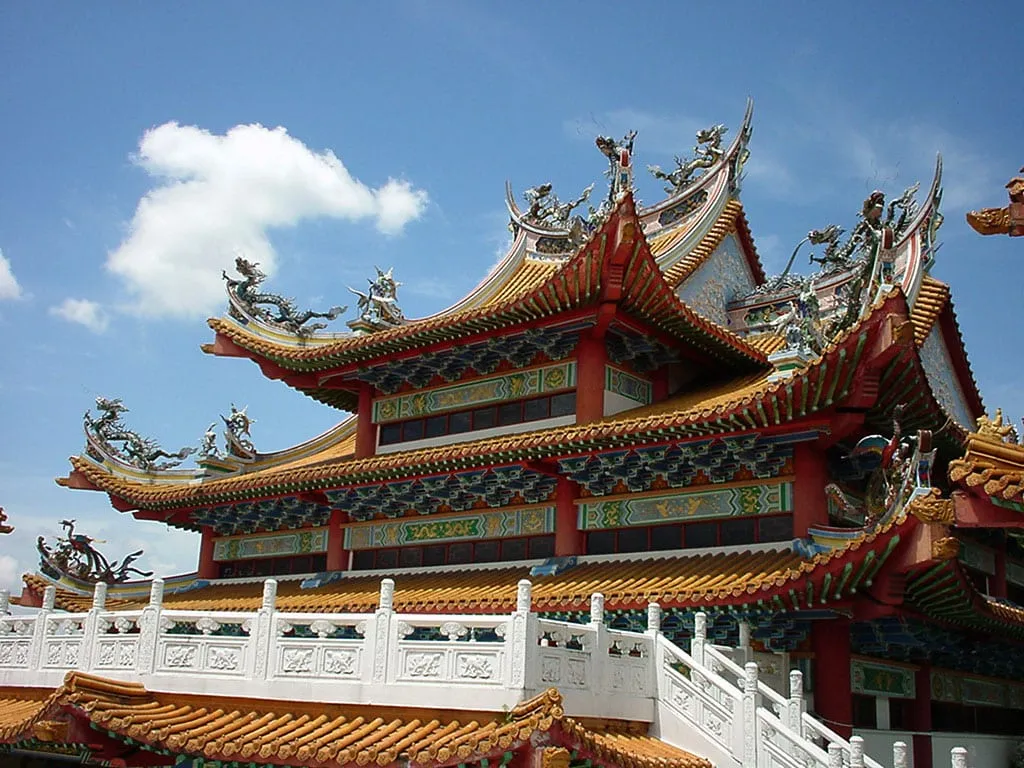
The ornate roof ridges of Thean Hou Temple. Photo: Acred99, Wikimedia Commons, CC BY-SA 3.0.
The 72-hour itinerary at a glance
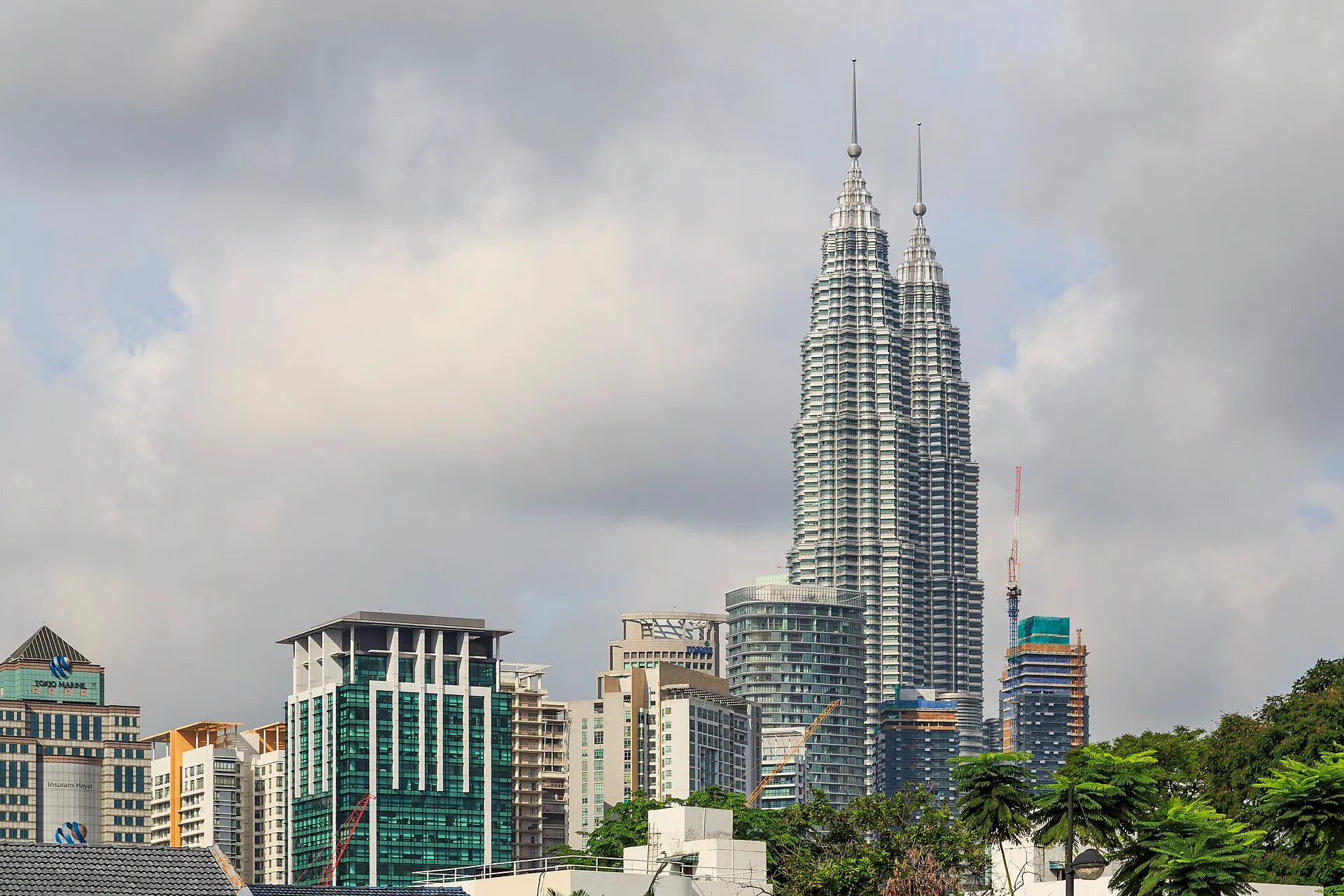
Kuala Lumpur balances shimmering futuristic skyscrapers with centuries of multicultural heritage. Because equatorial humidity peaks in the early afternoon, this itinerary places strenuous outdoor climbs in the cooler morning hours, moves indoors to air-conditioned galleries or shaded arcades from 12:30 to 15:30, and resumes open-air exploration at dusk.
| Day | Morning (08:30–12:30) | Afternoon (13:00–16:30) | Evening (17:30–22:00) | Primary transit & sight costs |
|---|---|---|---|---|
| 1 | Merdeka Square, Sultan Abdul Samad Building & River of Life | Central Market handicrafts & Sri Mahamariamman Temple | Chinatown street markets & Jalan Alor hawker dinner | LRT to Pasar Seni; sights free, dinner RM35–RM60 |
| 2 | Petronas Twin Towers Skybridge & Suria KLCC | Aquaria KLCC or Petrosains Discovery Centre | KLCC Park Lake Symphony fountains & rooftop skyline bar | Elevated walkway & Monorail; towers RM127, Aquaria RM82 |
| 3 | Batu Caves rainbow stairs & Murugan statue | Thean Hou Temple & Islamic Arts Museum Malaysia | Perdana Botanical Gardens sunset stroll & Mamak supper | KTM Komuter train & Grab; caves free, museum RM20 |
What to book before you arrive
Most cultural monuments and open-air public plazas across Kuala Lumpur charge no admission fee. However, the city’s flagship vantage point has strict visitor quotas that require advance booking.
| Attraction | Booking window | Admission | Opening hours | Transport & booking advice |
|---|---|---|---|---|
| Petronas Twin Towers | 1 to 2 weeks ahead | RM127 adult | Tue–Sun 09:00 to 22:30; open 2nd, 4th and 5th Mondays 09:00 to 20:00 | Timed 45-minute slots; reserve on the official portal |
| Aquaria KLCC | 1 to 3 days ahead | RM82 online (RM82 gate) | 10:00 to 20:00 daily | Underneath Convention Centre; instant confirmation voucher saves RM10 per ticket |
| Islamic Arts Museum | Buy on arrival | RM20 adult | 09:30 to 18:00 daily | Pay at the front reception counter; includes all permanent galleries |
| Batu Caves | No booking needed | Free (Cathedral Cave) | 07:00 to 21:00 daily | Reached directly via KTM Komuter train from KL Sentral for RM2.60 each way |
Or book a tour
Book the 41st-floor Skybridge and 86th-floor observation deck in advance through the official ticketing site, or with a timed entry e-ticketad from RM 182.
Day 1: Colonial roots, Chinatown heritage and night food
Day 1 introduces the historic crossroads where Kuala Lumpur was founded in 1857 at the confluence of the Klang and Gombak rivers. For a step-by-step walking path connecting each stop, follow our self-guided Colonial District and Chinatown Walk.
Morning: Merdeka Square, Sultan Abdul Samad Building and River of Life
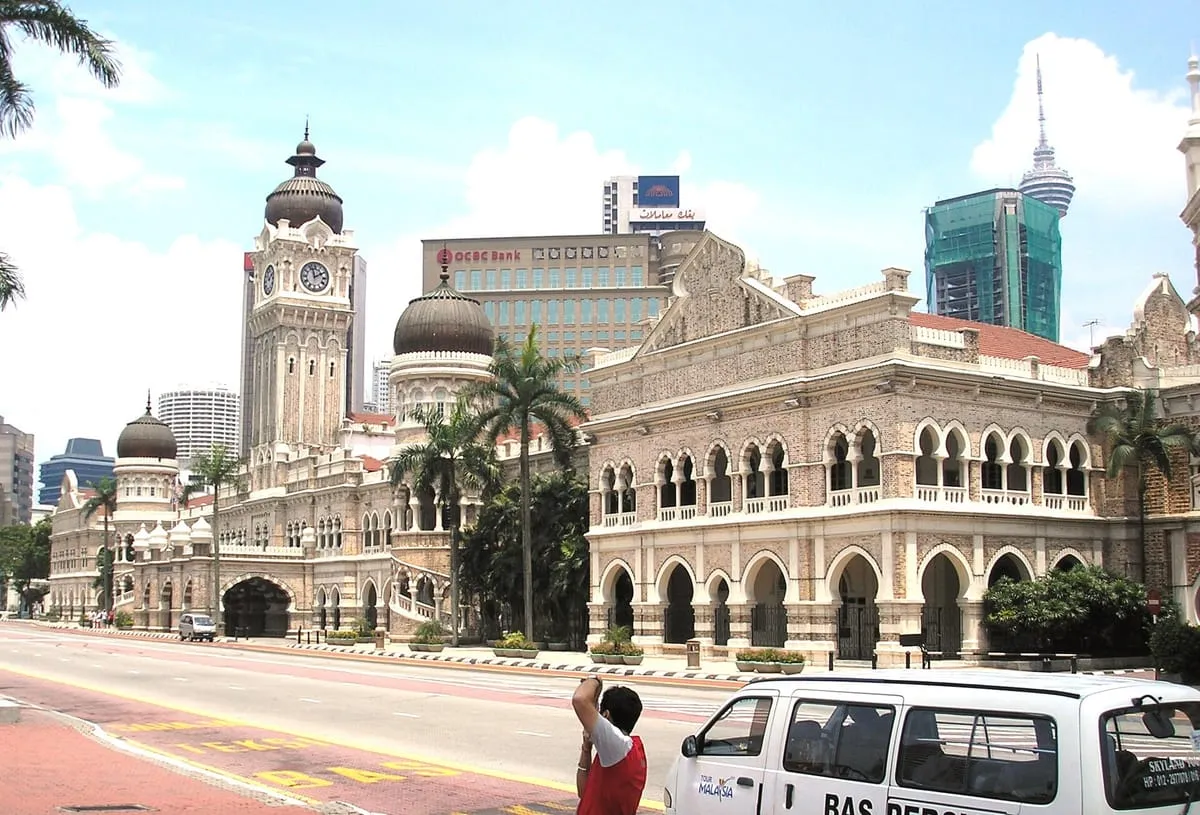
Begin your morning around 08:30 at Merdeka Square (Dataran Merdeka), the expansive green lawn where the Union flag was lowered and the Malayan flag raised for the first time at midnight on 31 August 1957. Standing on the square’s western edge gives an unobstructed view of the 95-metre flagpole, one of the tallest in the world.
Directly across the road stands the magnificent Sultan Abdul Samad Building, completed in 1897. Designed by British architect A.C. Norman, its distinctive blend of Mogul, Moorish, and Victorian styles features sweeping copper-clad cupolas and a 41-metre clock tower that chimed for Queen Victoria’s Jubilee.
A two-minute stroll eastward brings you to the River of Life waterfront, right at the river confluence. Here, Masjid Jamek Sultan Abdul Samad rises between rows of royal palm trees. Built in 1909, this Moorish-style mosque was Kuala Lumpur’s primary place of worship for decades. Step onto the pedestrian bridge to admire the riverside mist installations before walking south towards the market district.
Tours and guided options
While this 72-hour route is designed for independent travel using the RapidKL network and Grab, booking guided tours for specific half-days—such as Batu Caves or an evening food walk—relieves planning fatigue.
Grand full-day Kuala Lumpur guided tour with 25 attractions
From RM 96 · 4.6 stars from 1,209 reviews · 10 hours · city landmarks with transport
Grand full-day Kuala Lumpur guided tour with 25 attractionsad: Explore 25 top Kuala Lumpur sights in one day! Experience diverse cultures, prominent landmarks, and local stories—perfect for first-time visitors seeking the city’s highlights.
Historical Malacca full-day excursion with lunch
From RM 118 · 4.4 stars from 4,164 reviews · 10 hours · UNESCO heritage port day trip
Historical Malacca full-day excursion with lunchad: Discover the UNESCO World Heritage city of Malacca on a day tour from Kuala Lumpur, exploring colonial landmarks, rich culture, and historic sites in this historic heritage destination.
Sambal Streets food tour with 15+ tastings
From RM 226 · 4.9 stars from 2,176 reviews · 4 hours · evening hawker food trail
Sambal Streets food tour with 15+ tastingsad: Join a guided walking tour in Kuala Lumpur and get to grips with Malaysian cuisine with the help of a local foodie. Savor more than 15 tastings and discover Malaysia’s culinary story along the way.
Kuala Lumpur hop-on hop-off sightseeing bus pass
From RM 38 · 3.8 stars from 1,235 reviews · 2 hours - 2 days · flexible city loop
Kuala Lumpur hop-on hop-off sightseeing bus passad: Discover Kuala Lumpur your way on a hop-on hop-off sightseeing bus. Ride past prominent landmarks, hop off at the main attractions, and enjoy city views with onboard audio commentary.
Afternoon: Central Market, Sri Mahamariamman Temple and Kwai Chai Hong
Escape the midday heat around 11:30 by entering the air-conditioned aisles of Central Market (Pasar Seni). Originally opened in 1888 as a wet market, this 1937 Art Deco landmark now houses boutique craft stalls, batik ateliers, pewter workshops, and woodcarving galleries. For lunch, choose between the first-floor food court (serving Hainanese chicken rice and noodle bowls for RM12 to RM18) or duck into Madras Lane just off Petaling Street. Note that Madras Lane hawker stalls—celebrated for rich curry laksa and freshly prepared yong tau foo—operate strictly from 08:00 to 14:00 (closed Mondays), making lunchtime the only chance to experience this culinary institution.
After lunch, cross Jalan Tun H.S. Lee to visit Sri Mahamariamman Temple, founded in 1873. This is the oldest operational Hindu temple in Kuala Lumpur, renowned for its 23-metre Raja Gopuram tower adorned with 228 intricately sculpted Hindu deities. Remove your footwear at the entrance counter (deposit RM0.50) and step into the fragrant sanctuary of burning camphor and jasmine garlands.
Two blocks south lies Kwai Chai Hong (“Ghost Lane”), a restored heritage alleyway between Jalan Petaling and Lorong Panggung. Once a neglected rear corridor, the lane now showcases expressive murals depicting 1960s Chinatown daily life, including traditional barbers, calligraphers, and children playing marbles, set against vintage shophouse brickwork and wooden shutters.
Evening: Petaling Street and an open-air feast on Jalan Alor
As dusk settles, enter Petaling Street, the focal pedestrian spine of Chinatown. Shielded beneath a sweeping green dragon-shaped glass canopy known as the “Green Dragon,” this pedestrian mall fills with evening vendors selling textiles, watches, souvenirs, and roasted chestnuts. Stop at the Madam Tang or Kim Soya Bean cart near the intersection for a cup of freshly pressed warm soya bean milk or cold herbal tea (RM2.50 to RM3.50).
Around 18:30, board the MRT Kajang Line at Pasar Seni towards Kajang and ride two stops to Bukit Bintang, then walk five minutes to Jalan Alor Night Food Street. As the neon signs illuminate, this 500-metre street transforms into an energetic dining thoroughfare. Take an outdoor plastic table at Restoran Wong Ah Wah or Sai Woo and order signature Malaysian specialities:
- Barbecued chicken wings: Charcoal-roasted until the skin is blistered and sweet with sticky soy glaze (approx RM4.00 per wing).
- Char kway teow: Flat rice noodles wok-fried over fierce heat with duck egg, prawns, cockles, beansprouts, and spicy sambal (RM12 to RM16).
- Satay skewers: Grilled chicken, beef, or mutton skewers served with thick peanut dipping gravy, compressed rice cubes, and raw red onion (RM1.50 to RM2.00 per skewer).
- Salted egg squid: Crisp squid rings tossed in butter, aromatic curry leaves, and rich salted duck egg yolk (RM22 to RM35).
Day 2: Modern heights, parkland and Bukit Bintang
Day 2 focuses on Kuala Lumpur’s ultra-modern Golden Triangle, combining high-altitude views, high-end shopping complexes, and urban green spaces. Follow our Bukit Bintang to KLCC Walk for elevated, weather-protected pedestrian paths.
Morning: Petronas Twin Towers Skybridge and Suria KLCC
Reserve a 09:00 or 09:30 morning entry slot for the Petronas Twin Towers. Standard tickets for non-Malaysian visitors cost RM127 weekday / RM137 weekend for adults, RM65 weekday / RM69 weekend for children (ages 2–12), and RM88 weekday / RM96 weekend for seniors (61+), with evening and premium slots priced at RM157 to RM169. Malaysian MyKad holders pay RM42 weekday / RM45 weekend (child RM20 / RM22). Book tickets online 1 to 2 weeks ahead, as visitor batches are strictly limited.
[!NOTE] Petronas Towers opening hours: Regular visiting hours are Tuesday to Sunday and public holidays from 09:00 to 22:30 (last entry 21:30). Tours operate continuously throughout Friday prayers without pausing. On Mondays, the towers open only on the 2nd, 4th, and 5th Monday of each month from 09:00 to 20:00 (strictly closed on the 1st and 3rd Monday of each month). If your Day 2 falls on a Monday, check the monthly calendar or swap Day 1 and Day 2.
The 45-minute guided tour ascends first to the double-decker Skybridge on the 41st and 42nd floors, 170 metres above street level. The bridge floats freely on massive ball joints to accommodate structural sway in high winds. From here, express lifts rocket up to the 86th-floor Observation Deck for sweeping 360-degree vistas stretching to the Titiwangsa mountain range and the newly completed Merdeka 118 tower.
After descending, explore the six levels of Suria KLCC, situated at the base of the towers. Browse international fashion brands, specialty bookstores like Kinokuniya, and local pastry boutiques.
Afternoon: Aquaria KLCC, Petrosains and the elevated walkway
Walk through the air-conditioned underground concourse connecting Suria KLCC to the Kuala Lumpur Convention Centre to visit Aquaria KLCC. This 5,600-square-metre oceanarium houses over 5,000 marine and freshwater creatures. Its centrepiece is a 90-metre underwater acrylic viewing tunnel equipped with a moving travelator, allowing sand tiger sharks, giant green sea turtles, and massive stingrays to glide directly over your head.
Alternatively, if travelling with inquisitive teenagers, visit Petrosains Discovery Centre on the fourth floor of Suria KLCC. This interactive science centre features simulated offshore drilling platforms, earthquake simulators, and hands-on robotics workshops.
At 15:30, make your way into the KLCC–Bukit Bintang Elevated Walkway. This 1.1-kilometre enclosed, air-conditioned pedestrian bridge connects the Convention Centre directly to the Pavilion Kuala Lumpur mall, keeping you safely isolated from traffic exhaust and sudden tropical downpours.
Evening: Bukit Bintang shopping and skyline cocktails
Emerge into Pavilion Kuala Lumpur, an upscale multi-storey shopping palace flanked by the striking Liuli crystal fountain. Explore the basement food hall for Japanese and Taiwanese delicacies, or browse seventh-floor designer boutiques. Across the junction lies Lot 10, home to the famous Hutong Food Village in its basement, which gathered multi-generational street food hawker stalls under one roof.
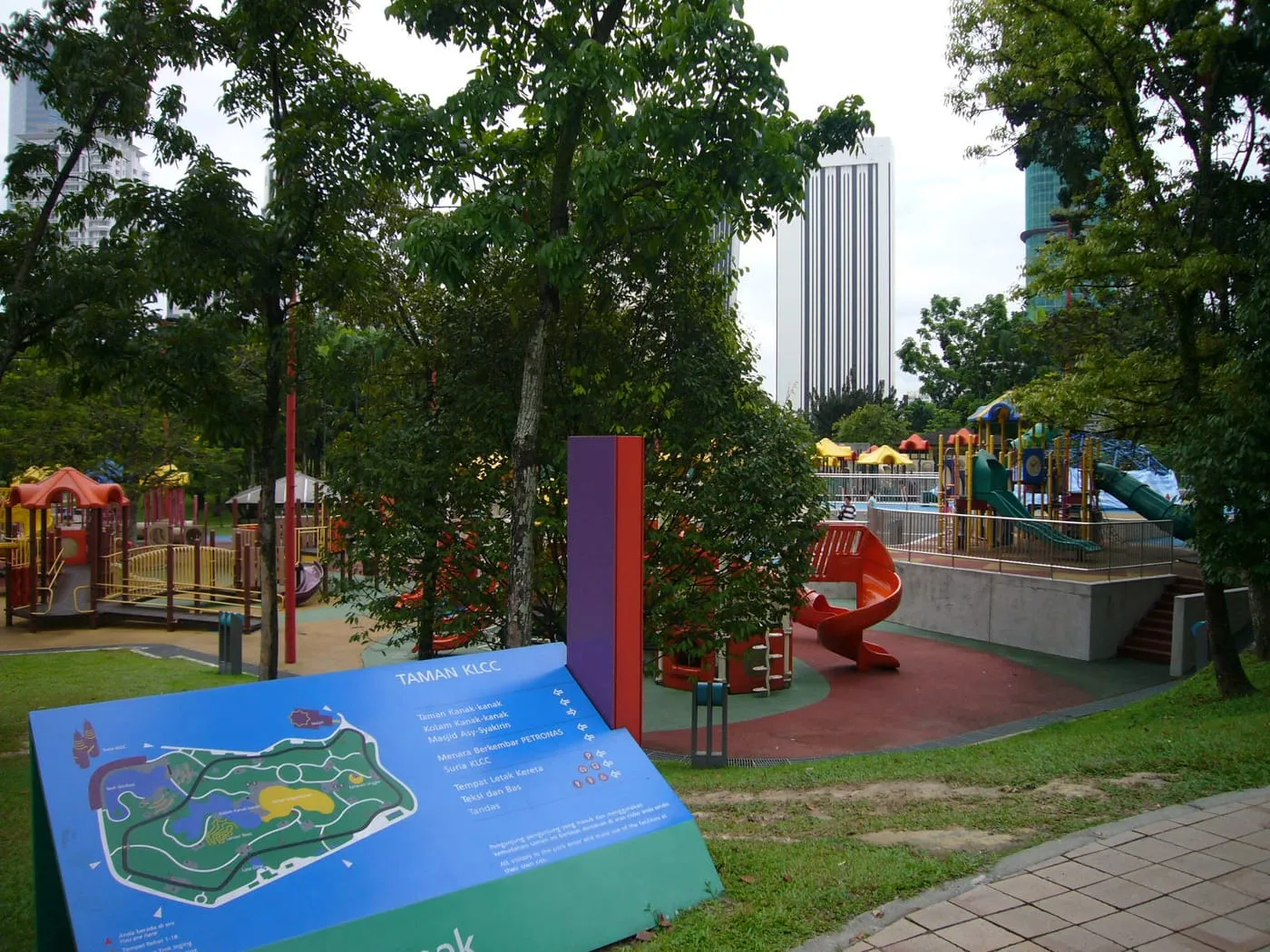
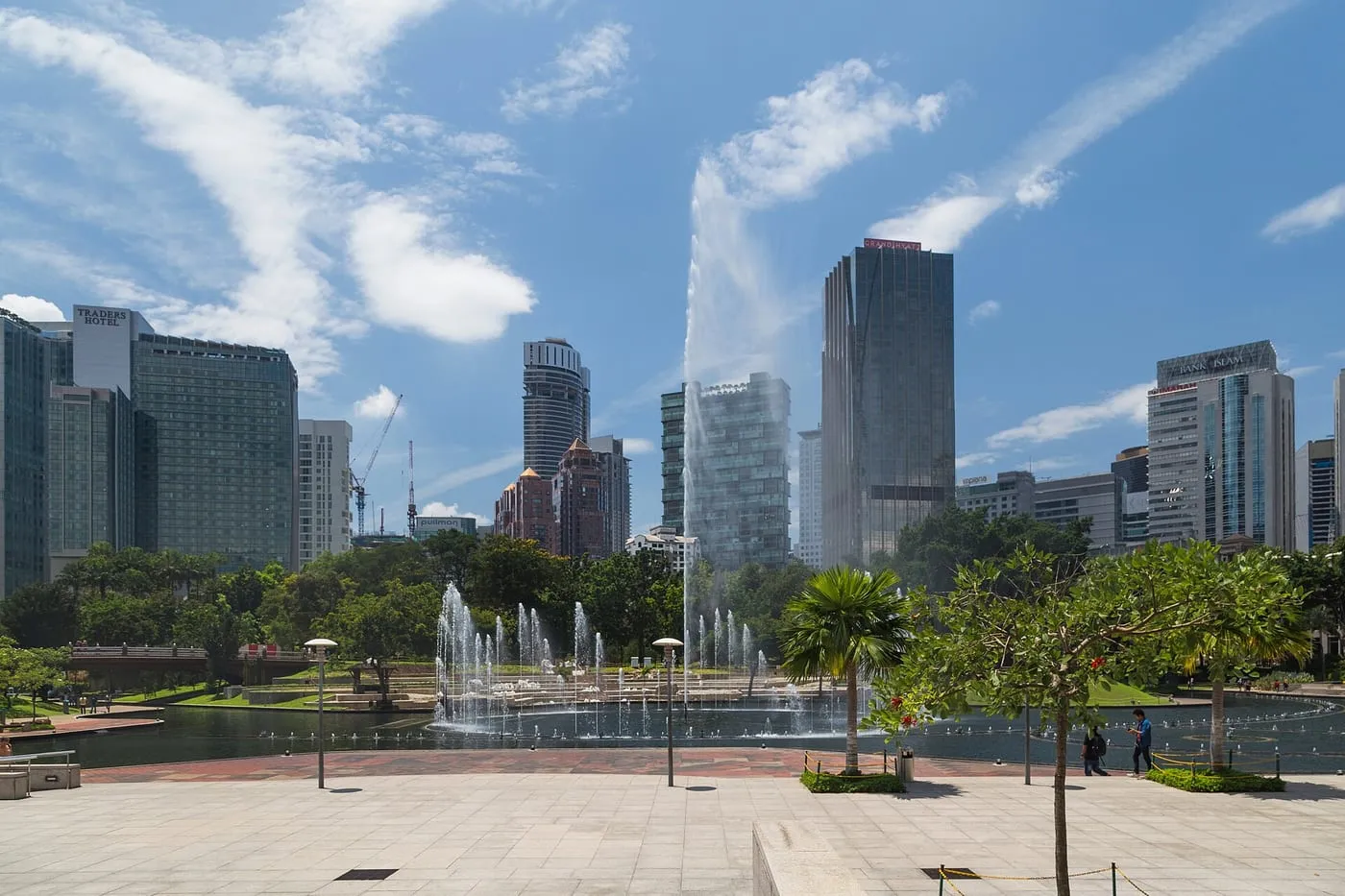
As 18:30 approaches, stroll back to KLCC Park to watch the dusk light catch the towers’ stainless steel pinnacles. At 20:00, the Lake Symphony musical fountain show erupts in front of Suria KLCC, choreographing soaring water jets illuminated by multi-coloured spotlights to classical and pop musical scores.
Conclude the evening with drinks at an elevated skyline venue:
- SkyBar at Traders Hotel: Perched on the 33rd floor directly opposite the towers, featuring cabana seating arranged around a central indoor pool.
- Heli Lounge Bar: Located on the 34th floor of Menara KH near Bukit Bintang, operating as a functional daytime helipad that converts into an open-air rooftop viewing terrace with no perimeter walls at 17:00.
Day 3: Spiritual wonders, Islamic art and botanical gardens
Day 3 showcases Kuala Lumpur’s profound spiritual traditions and expansive public parklands, starting outside the city centre and working back towards heritage districts.
Morning: Batu Caves rainbow stairs and Hindu shrines
Take the 08:00 KTM Komuter train from KL Sentral directly to Batu Caves station (a 30-minute ride costing RM2.60). Arriving before 09:00 allows you to beat both the midday heat and the tour bus crowds.
Gaze up at the monumental 42.7-metre golden statue of Lord Murugan, the tallest statue of a Hindu deity in Malaysia, coated in over 300 litres of gold paint. Behind the statue rise the famous 272 rainbow-painted limestone steps. As you climb into the 400-million-year-old limestone massif, watch out for the resident long-tailed macaques; keep water bottles, sunglasses, and loose food tucked securely inside zipped backpacks.
At the summit opens the vast Cathedral Cave, featuring a cathedral-sized cavern ceiling soaring over 100 metres high with natural skylights illuminating ornate Hindu shrines. Admission to Cathedral Cave is completely free, while the adjacent Ramayana Cave charges RM5. If you visit in January or February, this sanctuary becomes the focus of Thaipusam at Batu Caves, when over one million pilgrims congregate.
Afternoon: Thean Hou Temple and the Islamic Arts Museum Malaysia
Catch the train or order an RM15 Grab ride back towards the city and head up Robson Heights to Thean Hou Temple. Built between 1981 and 1987 and opened in 1989 by the Hainanese community, this multi-tiered temple honours Mazu, the Chinese sea goddess. Admission is free, and the temple is open daily from 08:00 to 20:00 (extended to 22:00 during major celebrations). It combines elements of Buddhism, Taoism, and Confucianism, boasting ornate dragon roof ridges, intricate pillars, and thousands of red decorative lanterns hanging in sweeping tiers. Step onto the top outdoor balcony for sweeping panoramic views across the modern Kuala Lumpur skyline.
Next, take a 10-minute Grab ride to the Islamic Arts Museum Malaysia (IAMM), located on the fringe of the Perdana Botanical Gardens. Open daily from 09:30 to 18:00 (closing at 17:00 during Ramadan), IAMM admission is RM20 for adults and non-Malaysian seniors (RM10 for Malaysian seniors). This is the largest museum of Islamic arts in Southeast Asia, housing more than 10,000 artefacts. Highlights include:
- The Architecture Gallery, showcasing scale models of world-renowned mosques such as the Masjid al-Haram in Mecca and the Taj Mahal.
- The Quran and Manuscripts Gallery, displaying illuminated calligraphic folios dating from the 8th to 19th centuries.
- Intricately tiled ceramic domes designed by Uzbek craftspeople that bathe the interior galleries in soft turquoise light.
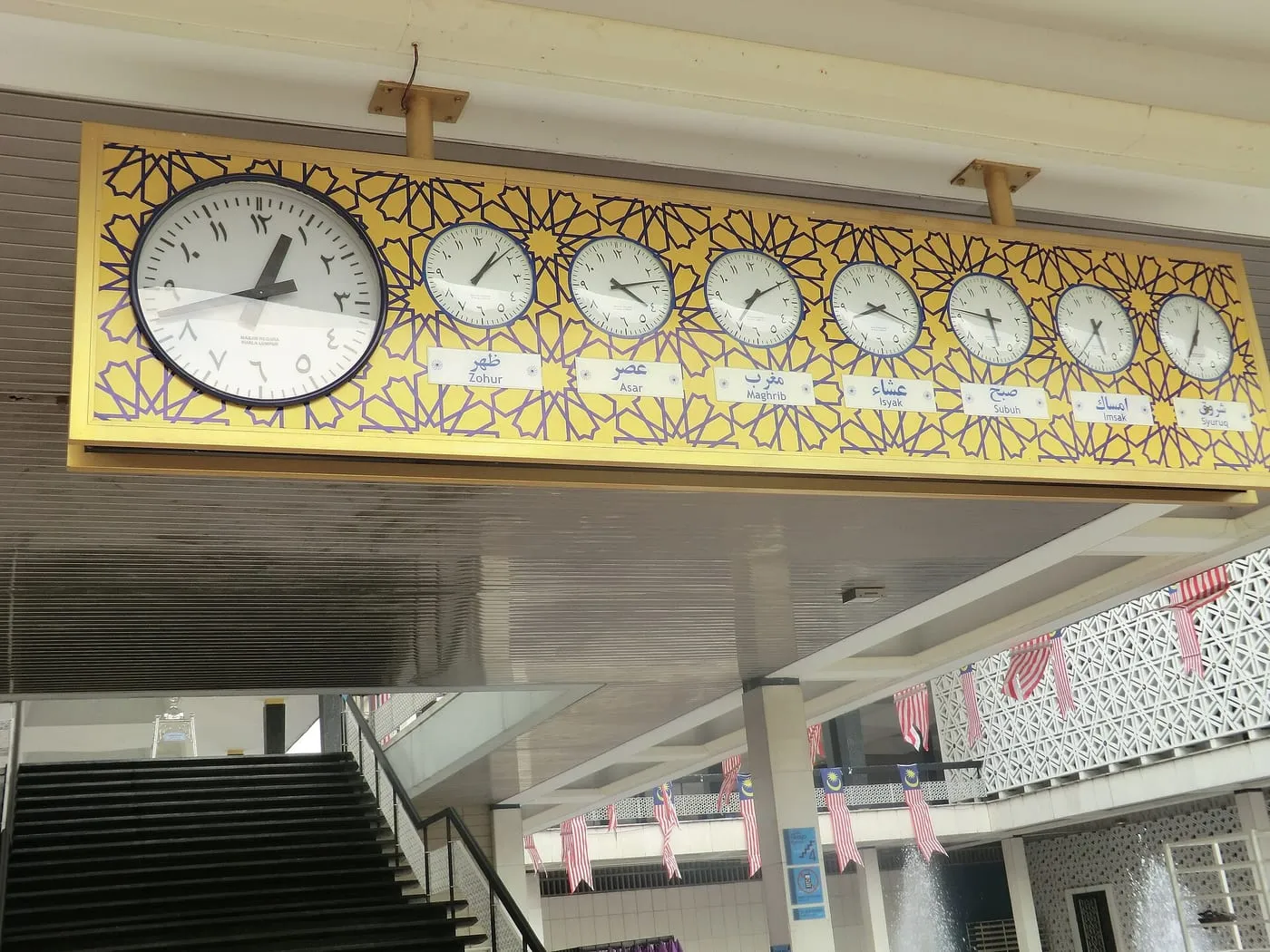
Directly across the road stands the National Mosque of Malaysia (Masjid Negara). Its 73-metre minaret and 16-pointed blue-tiled umbrella dome represent the independent nation’s modern aspirations.
[!IMPORTANT] Visiting hours & holiday warning: Non-Muslim visiting hours at the National Mosque are strictly regulated: Saturday to Thursday 09:00–12:00, 15:00–16:00, and 17:30–18:30; Friday 15:00–16:00 and 17:30–18:30 only (closed to non-Muslim visitors on Friday mornings for congregational prayers). Robes and head coverings are provided free of charge at the entrance. Note that during major Islamic holidays—specifically Hari Raya Aidilfitri and Hari Raya Aidiladha—IAMM is closed and the National Mosque is reserved solely for congregational Eid prayers.
Evening: Perdana Botanical Gardens and Brickfields Mamak supper
Spend your late afternoon wandering through the shady groves of Perdana Botanical Gardens (formerly Lake Gardens), established in 1888. Walk around the tranquil lotus pond, stroll through the Sunken Garden, and explore the collections of rare tropical bamboo and hibiscus bushes.
For your final dinner, take a short Grab ride south to Brickfields, Kuala Lumpur’s lively “Little India”. The streets are lined with stalls selling flower garlands, sweet gulab jamun, and traditional textile shops playing Tamil film music. Settle into a classic Brickfields banana leaf rice mess hall such as Vishal Food & Catering on Jalan Scott. Your meal is ladled directly onto a fresh banana leaf: steamed rice doused in rich fish, chicken, or crab curry, accompanied by spiced vegetables, rasam, and crispy papadums for RM14 to RM22.
(Note: If you have heard widespread praise for Restoran Sri Nirwana Maju’s banana leaf rice and fried bitter gourd, note that it is located in nearby Bangsar along Jalan Telawi 3, rather than in Brickfields itself—an easy 10-minute taxi ride away).
Wash it down with a glass of frothy teh tarik (pulled milk tea) to toast a memorable 72 hours in Malaysia’s capital.
Beating the tropical heat & timing your days
Located just three degrees north of the equator, Kuala Lumpur experiences warm temperatures (30°C to 33°C) and relative humidity hovering between 75% and 90% every month of the year. To keep your days comfortable and energetic:
- Front-load outdoor climbs: Undertake high-exertion climbs—such as the 272 steps at Batu Caves or walks around Merdeka Square—between 08:00 and 10:30.
- Utilise the afternoon lull (12:30–15:30): Dedicate early afternoons to museums like the Islamic Arts Museum, oceanariums like Aquaria KLCC, or air-conditioned shopping galleries.
- Hydrate strategically: Fresh young coconuts are sold at street stalls for RM5 to RM7 and provide rapid electrolyte replenishment. Always carry a refillable water bottle.
- Carry an umbrella daily: Brief tropical downpours are common between 15:00 and 17:30, particularly during inter-monsoon months. Check our seasonal analysis in Best Time to Visit Kuala Lumpur.
Getting around: Grab vs public transit
Kuala Lumpur’s transport system offers multiple options, but understanding which mode fits each trip saves both time and money. For full details on passes and line interchanges, see our guide to Public Transport in Kuala Lumpur.
| Transit mode | Typical cost | Best used for | Tips & payment |
|---|---|---|---|
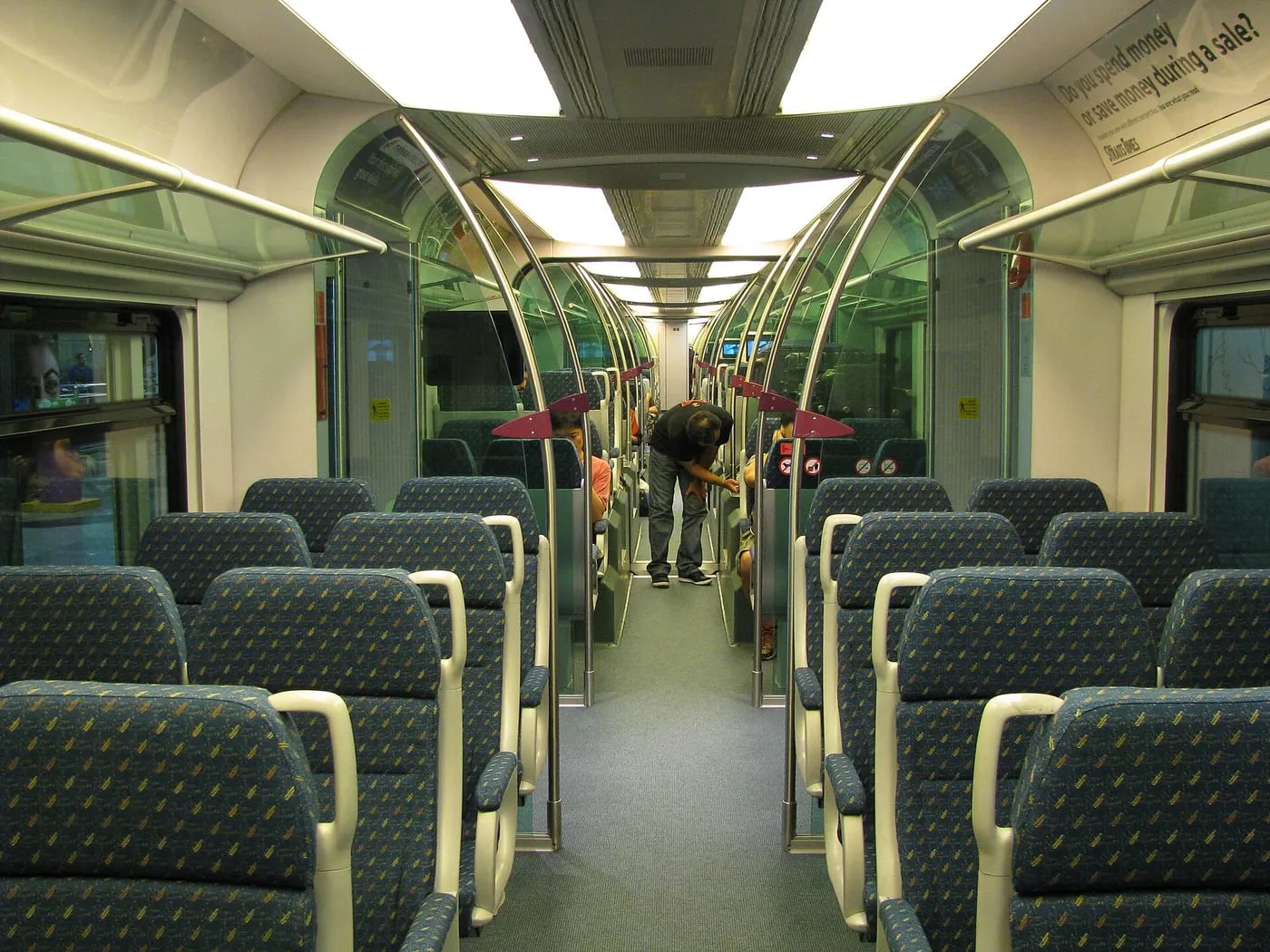
| LRT & MRT rail | RM1.20 to RM6.40 per journey | Traversing between KL Sentral, Pasar Seni, Bukit Bintang, and KLCC | Purchase single-journey tokens or tap a Touch ‘n Go card at the fare gates |
| KL Monorail | RM1.40 to RM3.10 | Short hops within Bukit Bintang, Chow Kit, and Brickfields | Slower elevated cars; avoid during commuter rush hours (08:00–09:30, 17:30–19:00) |
| KTM Komuter | RM2.60 to Batu Caves | Direct suburban travel to Batu Caves from KL Sentral | Trains run roughly every 30 to 45 minutes; check display timetables |
| Grab (e-hailing) | RM8.00 to RM25.00 across central city | Door-to-door hops to Thean Hou Temple or late nights | Set up the Grab app with a credit card; fares surge during heavy rainstorms |
| KLIA Ekspres | RM55 one-way (airport train) | Fastest transit from KLIA/KLIA2 to KL Sentral (28 minutes) | See full transfer details in Airport to City |
Where to stay for 3 days
Choosing the right neighbourhood cuts your daily transit time dramatically:
- KLCC & City Centre: Ideal for luxury hotels, modern shopping, and proximity to the Petronas Towers. Great choices include the Mandarin Oriental and Traders Hotel. Discover top options in Hotels Near Petronas Towers and KLCC.
- Bukit Bintang: Best for energetic nightlife, varied dining, and non-stop retail therapy. Connected directly via the monorail and MRT lines.
- Chinatown & Old Town: Perfect for budget travellers, boutique heritage shophouses, and immediate access to traditional food markets. Read our neighbourhood breakdown in Where to Stay in Kuala Lumpur.
For more trip planning ideas, explore our curated list of top Things to Do in Kuala Lumpur and the citywide Where to Eat in Kuala Lumpur directory. If you are travelling as a family, consult our tailored guide to Kuala Lumpur with Kids.
Common questions
Is 3 days enough for Kuala Lumpur?
Three full days provide sufficient time to tour the Petronas Twin Towers and modern KLCC, explore the historic core around Merdeka Square and Chinatown, climb the 272 steps at Batu Caves, and feast along Jalan Alor.
How much do core sightseeing tickets cost for 3 days in Kuala Lumpur?
Sightseeing admissions average roughly RM118 to RM195 per person: the Petronas Twin Towers observation deck (RM127), the Islamic Arts Museum (RM20), and optional entry to Aquaria KLCC (RM82). Batu Caves Cathedral Cave, Thean Hou Temple, and Merdeka Square are completely free.
What should you book in advance for a 3-day trip to Kuala Lumpur?
Petronas Twin Towers tickets should be reserved online 1 to 2 weeks ahead, as daily timed slots sell out fast. Grab rides, transit tokens, and museum entries can be handled on the spot.
What is the best way to get around Kuala Lumpur over 3 days?
Use the rapid transit rail network (LRT Kelana Jaya Line and MRT Kajang/Putrajaya Lines) for rapid, air-conditioned journeys between hubs like KL Sentral, Pasar Seni, and KLCC. Use the Grab app for off-grid hops to Thean Hou Temple or late-night trips back to your hotel.