In this guide
The Short Version: Vietnam’s thousand-year-old capital is an intoxicating blend of Southeast Asian street life, ancient dynastic heritage, and French colonial architecture. Top priorities begin in the tangled alleyways of the Old Quarter, circling peaceful Hoan Kiem Lake to cross the red wooden bridge to Ngoc Son Temple, and sipping rich egg coffee at Cafe Giang. Cultural essentials include an evening performance at the Thang Long Water Puppet Theatre, exploring Vietnam’s first imperial university at the Temple of Literature, and walking the cantilevered iron spans of the historic Long Bien Bridge. Evenings belong to sidewalk stools drinking unpasteurised bia hoi and sampling fragrant pho and bun cha. Beyond the centre, excursions reach Ha Long Bay and Ninh Binh in roughly two hours.
With over a millennium of continuous history since King Ly Thai To founded Thang Long in 1010, Hanoi rewards travellers who slow down and observe its layered rhythms. Motorbikes sweep past tamarind trees, sidewalk tea vendors boil water over charcoal braziers, and saffron-robed monks chant in hidden lakeside pagodas.
Here are the 15 definitive experiences every visitor should prioritise when exploring Vietnam’s cultural heart.
Top 15 Hanoi experiences at a glance
| Experience | Category | Typical cost | Time needed | Highlights & neighbourhood |
|---|---|---|---|---|
| 1. Old Quarter guild streets | Culture & Walking | Free | Half day | 36 historic artisan streets, narrow “tube houses”, spice markets, and lively commerce. |
| 2. Hoan Kiem Lake & Ngoc Son | Nature & Spiritual | 50,000 VND | 1–2 hours | Morning tai chi, Turtle Tower, and The Huc crimson bridge across the lake. |
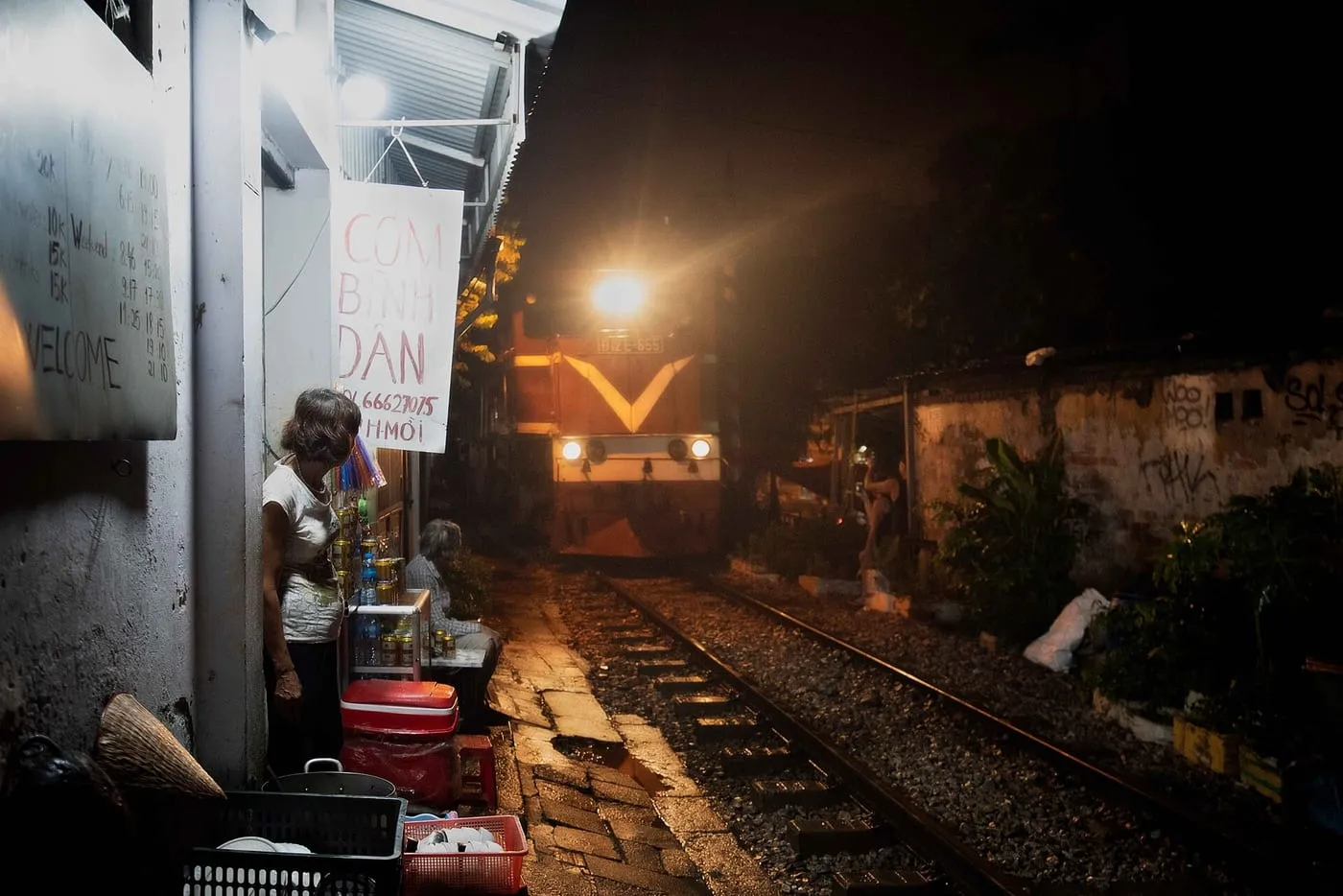
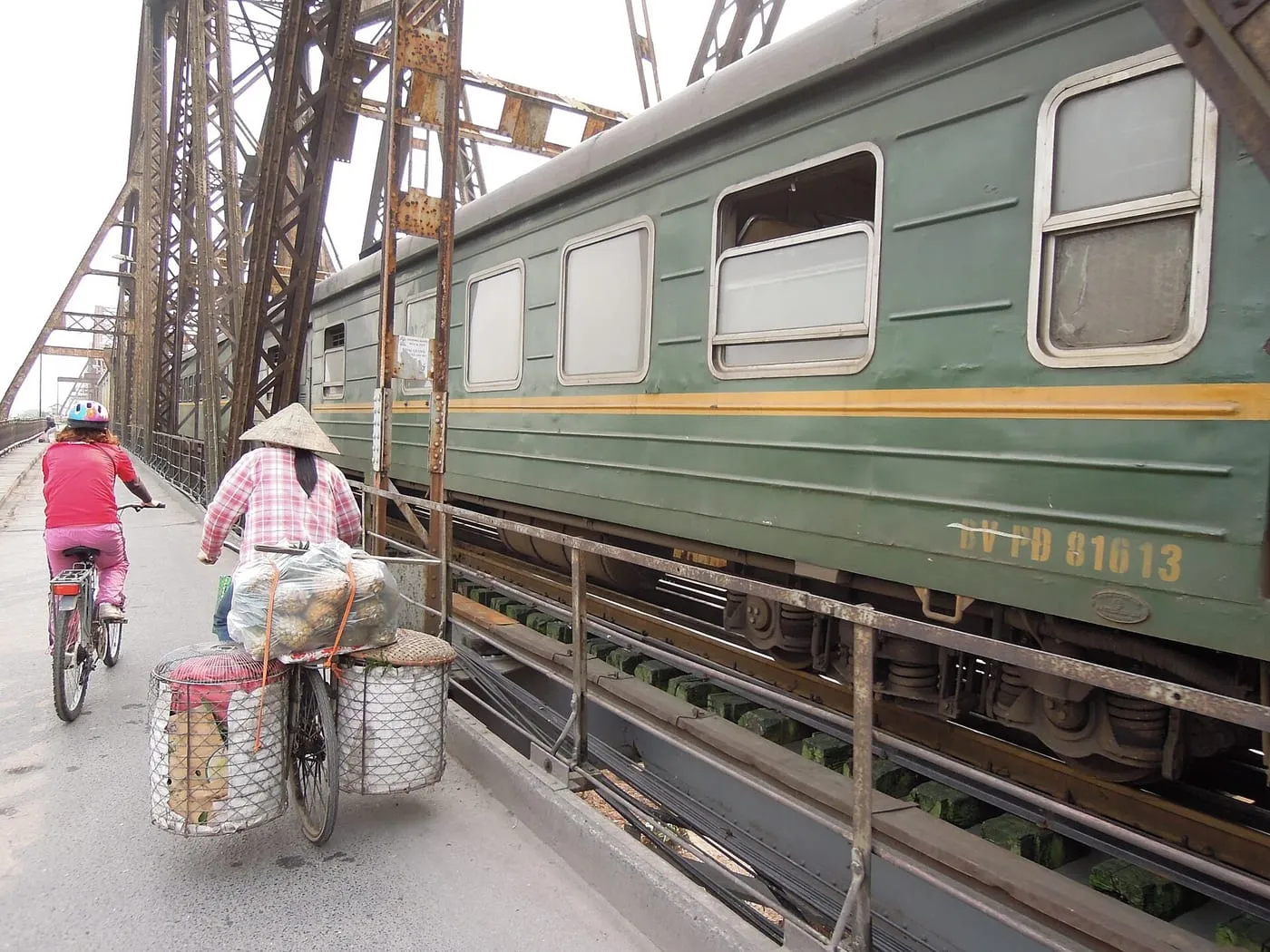
| 3. Long Bien Bridge and Train Street | History & Railways | Free | 1 hour | The iron bridge over the Red River, and what has changed on Train Street. |
| 4. Thang Long Water Puppetry | Performing Arts | Box office price | 50 minutes | 11th-century aquatic folklore puppets accompanied by live traditional Cheo orchestra. |
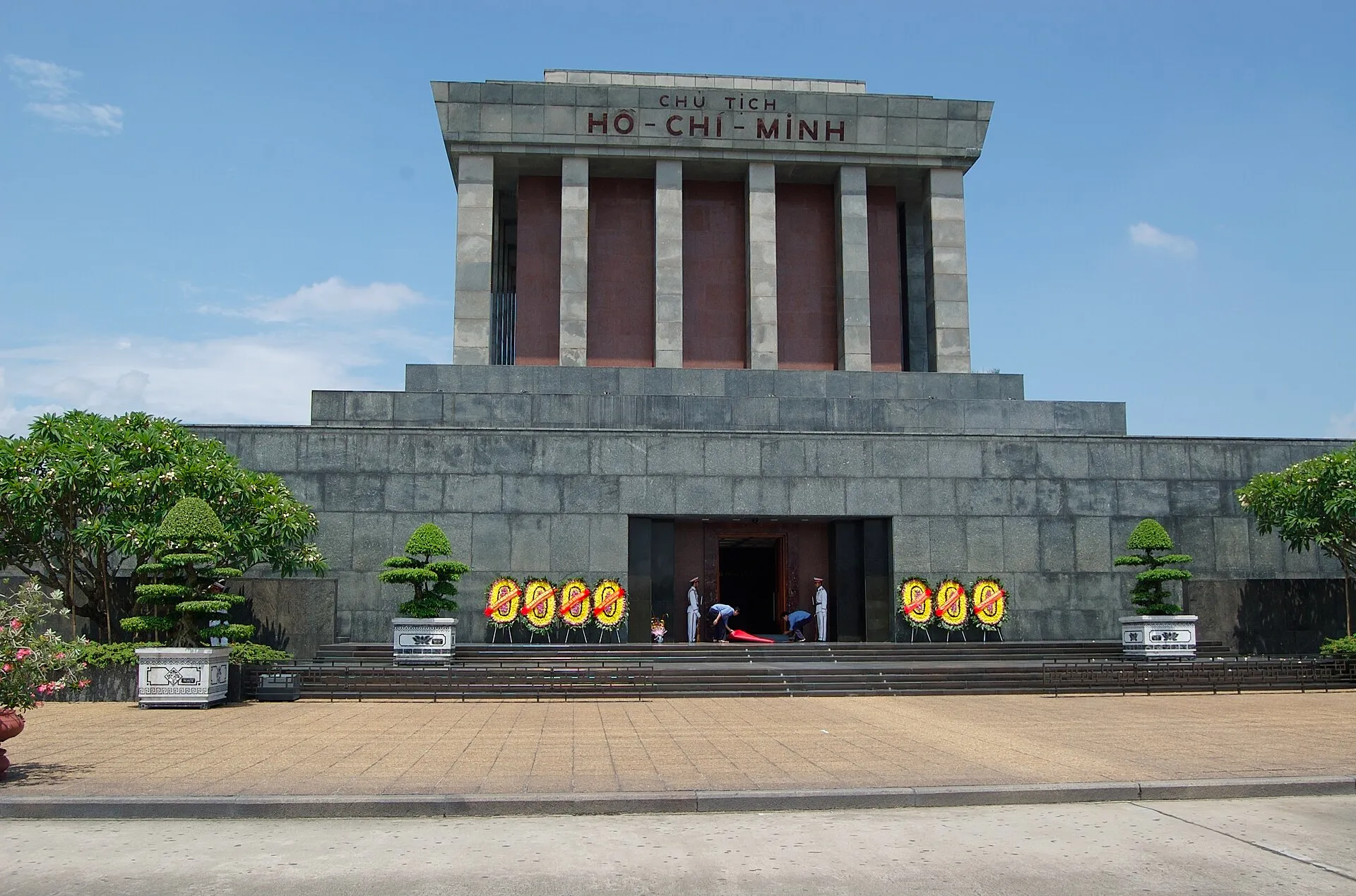
| 5. Ho Chi Minh Mausoleum Complex | National History | Free / 40,000 VND | 2 hours | Ba Dinh Square, President Ho’s stilt house, Presidential Palace, and One Pillar Pagoda. |
| 6. Temple of Literature | Dynastic Heritage | 70,000 VND | 1.5 hours | Vietnam’s first national university (1070 AD), 82 stone turtle doctoral stelae, Khue Van pavilion. |
| 7. Hoa Lo Prison Memorial | Historical Memory | 50,000 VND | 1.5 hours | French colonial Maison Centrale, political prisoner cells, and American pilot displays. |
| 8. Vietnam Museum of Ethnology | Cultural Heritage | 40,000 VND | 2–3 hours | Celebrating 54 ethnic groups, textile galleries, and life-sized outdoor tribal architecture. |
| 9. Long Bien Bridge Walk | Architecture & Vistas | Free | 1 hour | Gustave Eiffel-designed 1902 cantilever railway bridge spanning the Red River. |
| 10. Sidewalk Bia Hoi Experience | Food & Nightlife | 11,000–15,000 VND | Evening | Daily fresh unpasteurised draught beer on low plastic sidewalk stools at Ta Hien corner. |
| 11. Egg coffee (ca phe trung) | Culinary Tradition | 35,000–50,000 VND | 45 minutes | Decadent whipped egg yolk and sweetened condensed milk over dark robusta coffee at Cafe Giang. |
| 12. West Lake & Tran Quoc Pagoda | Temples & Sunsets | Free | 2 hours | 6th-century lakeside stupa, fresh breezes, waterside cafes, and lotus pond cycling. |
| 13. Pho and Bun Cha feast | Food Culture | 45,000–70,000 VND | 1 hour | Charcoal-grilled pork patties in sweet broth and aromatic beef noodle soup. |
| 14. St. Joseph’s & French Quarter | Architecture | Free | 2 hours | Neo-Gothic cathedral square, grand boulevards, and the 1911 Hanoi Opera House. |
| 15. Day trips: Ha Long or Ninh Binh | Day Excursions | 750,000–1,900,000 VND | Full day | Dramatic limestone karst pinnacles, cave explorations, and riverboat sampan cruises. |
1. Get lost in the 36 guild streets of the Old Quarter
The heart of Hanoi beats across the Old Quarter (Pho Co), an intricate maze of narrow streets north of Hoan Kiem Lake dating back over a thousand years. Each street historically specialized in a single commercial trade, reflected in the prefix Hang (“merchandise”):
- Hang Bac (Silver Street): Packed with jewellery workshops, silversmiths, and bullion dealers.
- Hang Gai (Silk Street): Home to bespoke tailors, silk boutiques, and souvenir shops.
- Hang Ma (Paper Street): Filled with colourful paper votive offerings, festival lanterns, and ceremonial decorations.
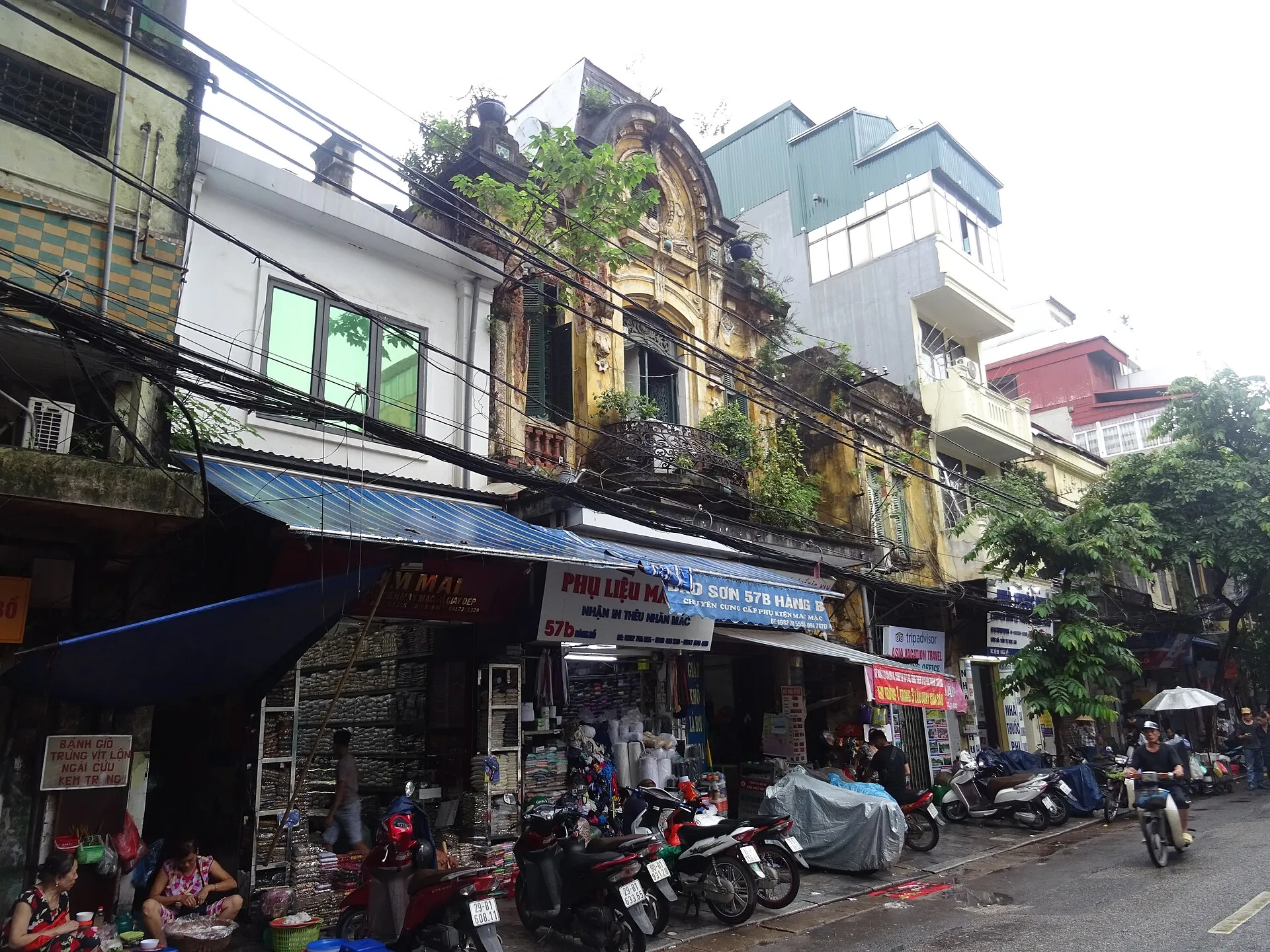
Hang Bo Street, Old Quarter. Photo: Christophe95, Wikimedia Commons, CC BY-SA 4.0.
Notice the distinctive architecture of tube houses (nha ong): narrow street frontages (historically designed to minimise property taxes based on street width) stretching dozens of metres deep into central courtyards and lightwells. Stop by 87 Ma May, a preserved 19th-century merchant house, to walk through its ironwood rooms and inner courtyards. Plan where to base yourself in our where to stay in Hanoi guide.
2. Stroll Hoan Kiem Lake and cross to Ngoc Son Temple
Hoan Kiem Lake (Lake of the Restored Sword) is Hanoi’s spiritual and geographic centrepiece. In 15th-century legend, Emperor Le Loi returned a magical sword to a giant golden turtle here after defeating the Ming invaders.
- Morning Rhythms: Visit at 06:00 to see hundreds of local residents practicing tai chi, aerobics, ballroom dancing, and laughter yoga beneath weeping willows.
- The Huc Bridge & Ngoc Son Temple: Cross the vivid crimson-painted wooden bridge (“Bridge of the Rising Sun”) to Jade Island. Here sits Ngoc Son Temple (entry 50,000 VND), dedicated to scholar Van Xuong and General Tran Hung Dao. Inside rests the preserved specimen of a 250-kg Yangtze giant softshell turtle recovered from the lake.
- Weekend Pedestrian Zone: From Friday 19:00 to Sunday midnight, surrounding streets close to all motorised traffic, transforming into an open-air carnival of street musicians, traditional tug-of-war games, and portrait artists.
3. Long Bien Bridge and the Train Street story
Long Bien Bridge carries the railway line across the Red River, a short ride north of the Old Quarter. The line runs on past Hanoi Station through the narrow residential strip known as Train Street. The trackside cafes lost their licences in 2022, tour operators were told not to bring visitors, and walking on the tracks is prohibited. The Train Street guide has the rules and the alternative, the Hoa Xa cafe inside Long Bien Railway Station.
4. Catch a show at Thang Long Water Puppet Theatre
Originating in the flooded rice paddies of the Red River Delta during the 11th century, water puppetry (mua roi nuoc) is unique to northern Vietnam. Puppeteers stand waist-deep behind a bamboo curtain, manipulating lacquer-painted wooden puppets attached to submerged bamboo poles and wire mechanisms.
- The Venue: The Thang Long Water Puppet Theatre stands right on Dinh Tien Hoang Street opposite Hoan Kiem Lake.
- The Show: Lasting 50 minutes, the performance depicts rural folk tales, buffalo fighting, rice planting, and the mythical four sacred beasts (dragon, unicorn, tortoise, and phoenix), accompanied by a live traditional Cheo orchestra playing bronze gongs, drums, and monochord flutes (dan bau).
- Tickets: Cost 100,000 to 200,000 VND; book in advance at the box office or online to secure front-row seating.
5. Pay respects at the Ho Chi Minh Mausoleum and Ba Dinh Square
Ba Dinh Square is modern Vietnam’s ceremonial ground, where President Ho Chi Minh read the Declaration of Independence on 2 September 1945.
- The Mausoleum: A monumental grey granite edifice inspired by Lenin’s tomb in Moscow, housing the embalmed body of Uncle Ho (Bac Ho). Entry is free; strict decorum, covered shoulders and knees, and absolute silence are enforced. (Open Tuesday to Thursday, Saturday and Sunday mornings only: 08:00 to 11:00 from November to March, 07:30 to 10:30 from April to October. Closed Mondays and Fridays, and for a yearly restoration that ended on 2 November 2026.)
- Presidential Palace & Stilt House: Behind the mausoleum lies the mango-lined garden path to Ho Chi Minh’s modest two-room wooden Stilt House (Nha San), where he chose to live and work from 1958 until his death in 1969, overlooking a serene carp pond.
- One Pillar Pagoda (Chua Mot Cot): A tiny 11th-century timber shrine balanced on a single stone pillar in a lotus pond, designed to resemble a blooming lotus flower.
Consult our detailed Ho Chi Minh Mausoleum and Ba Dinh complex guide for visiting hours and dress rules.
6. Explore the Temple of Literature (Van Mieu)
Founded in 1070 by King Ly Thanh Tong, the Temple of Literature honours Confucius and was established as Vietnam’s first national university (Quoc Tu Giam) in 1076 to educate princes and high-ranking scholars.
The compound is arranged along a symmetrical north-south axis through five peaceful courtyards:
- Khue Van Pavilion: A red timber pavilion built in 1805 that appears on the 100,000 VND banknote and serves as Hanoi’s official municipal emblem.
- Doctoral Stelae on Stone Turtles: Eighty-two massive stone turtles carrying carved stone tablets recording the names and birthplaces of 1,307 scholars who passed the rigorous royal triennial examinations between 1442 and 1779.
- The Sanctuary of Confucius: An incense-scented grand hall housing statues of Confucius and his four closest disciples.
- Admission: 70,000 VND per adult.
7. Reflect on history at Hoa Lo Prison Memorial
Built by French colonial authorities in the late 19th century to incarcerate Vietnamese political revolutionaries, Hoa Lo Prison was known to the French as Maison Centrale and later nicknamed the “Hanoi Hilton” by American pilots imprisoned here during the Vietnam War (including Senator John McCain).
- Exhibits: The museum preserves dark, stone-paved solitary confinement cells (cacho), original guillotine execution blades used during the colonial era, and the narrow underground sewer drain through which over 100 Vietnamese freedom fighters escaped in 1945 and 1951.
- Admission: 50,000 VND per adult. An audio guide is available for 100,000 VND. Read our full Hoa Lo Prison memorial guide for historical context.
8. Discover 54 cultures at the Vietnam Museum of Ethnology
Located roughly 7 km west of the centre in Cau Giay district, the Vietnam Museum of Ethnology is widely celebrated as one of the finest cultural museums in Southeast Asia.
- Indoor Bronze Drum Gallery: Houses over 15,000 ethnographic artefacts showcasing the textiles, farming tools, and shamanic rituals of Vietnam’s 54 recognized ethnic groups.
- Outdoor Architecture Garden: The star highlight: an open-air park featuring full-scale tribal homes dismantled in remote mountain provinces and rebuilt here by native artisans, including a towering 19-metre Bahnar communal house (nha rong), a longhouse of the Ede people, and a thatched Hmong timber cottage.
- Admission: 40,000 VND per adult.
9. Walk across the historic Long Bien Bridge
Spanning 2.4 km across the Red River, Long Bien Bridge (Cau Long Bien) was completed in 1902 by French engineers Daydé & Pillé (frequently associated with Gustave Eiffel’s design studio). At the time of its opening, it was one of the longest cantilever bridges in Asia.
The bridge survived heavy bombardment during the Vietnam War, and its scarred, rusted iron girders remain an enduring symbol of Hanoi’s resilience. Walk along the pedestrian walkway in the late afternoon as passenger trains rumble down the central track and local vendors sell roasted corn and sweet potatoes above the fertile banana plantations of the river flats below.
10. Drink fresh sidewalk Bia Hoi on Ta Hien corner
No evening in Hanoi is complete without pulling up a low blue plastic stool on a crowded pavement corner for a glass of bia hoi—Vietnam’s light, unpasteurised draught beer brewed fresh daily without preservatives.
- The Price: Between 11,000 and 15,000 VND per foaming glass (roughly 4% ABV).
- Ta Hien “Beer Street”: The epicentre of the evening beer scene in the Old Quarter, where tourists and locals clink glasses alongside platters of fried fermented pork rolls (nem chua ran), roasted peanuts, and boiled quail eggs.
- Local Bia Hoi Corner: For a more traditional neighborhood setting, head to the intersection of Bat Dan and Duong Thanh or along Luong Ngoc Quyen.
11. Sip Hanoi’s egg coffee (Ca Phe Trung)
Born during the First Indochina War in 1946 when fresh cow’s milk was scarce in besieged Hanoi, egg coffee was invented by Mr. Nguyen Van Giang, then a bartender at the French-managed Sofitel Legend Metropole hotel. He substituted whipped egg yolks for milk, creating a rich, custard-like foam.
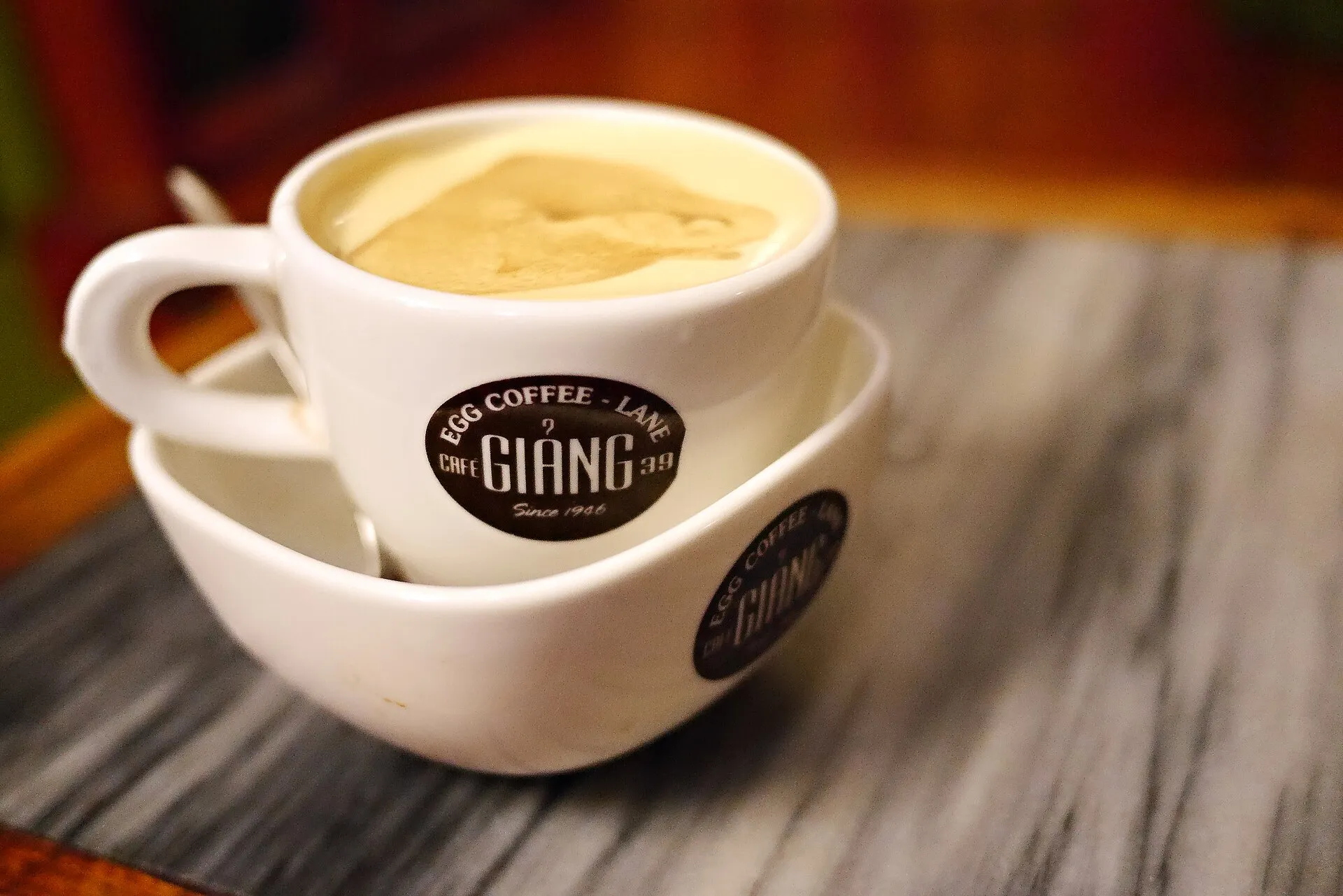
Egg coffee at Cafe Giang. Photo: travel oriented, Wikimedia Commons, CC BY-SA 2.0.
- Cafe Giang (39 Nguyen Huu Huan): The original birthplace, tucked down a narrow corridor in the Old Quarter. Served warm or over ice (35,000 VND) in a bowl of warm water to maintain its velvety temperature.
- Cafe Dinh (13 Dinh Tien Hoang): Run by Giang’s daughter, offering second-floor balcony views over Hoan Kiem Lake.
Explore our dedicated Hanoi egg coffee and cafe culture guide for tasting notes and specialty roasteries.
12. Watch the sunset over West Lake and Tran Quoc Pagoda
Covering over 500 hectares, West Lake (Tay Ho) is Hanoi’s largest body of water, offering cooling breezes, quiet lakeside promenades, and upscale dining.
- Tran Quoc Pagoda: Located on a small eastern island connected by a causeway, Tran Quoc Pagoda was founded in the 6th century during the reign of King Ly Nam De, making it Hanoi’s oldest Buddhist temple. Its striking 15-metre-tall red-brick stupa features eleven hexagonal tiers housing Amitabha Buddha statues.
- Sunset Coffee: Grab a seat at an open-air cafe along Thanh Nien Street to watch the sun drop behind the pagoda stupa, casting orange reflections across the lake.
13. Feast on Bun Cha and Pho Bo
Hanoi’s culinary identity is defined by its noodle broths and charcoal-grilled pork:
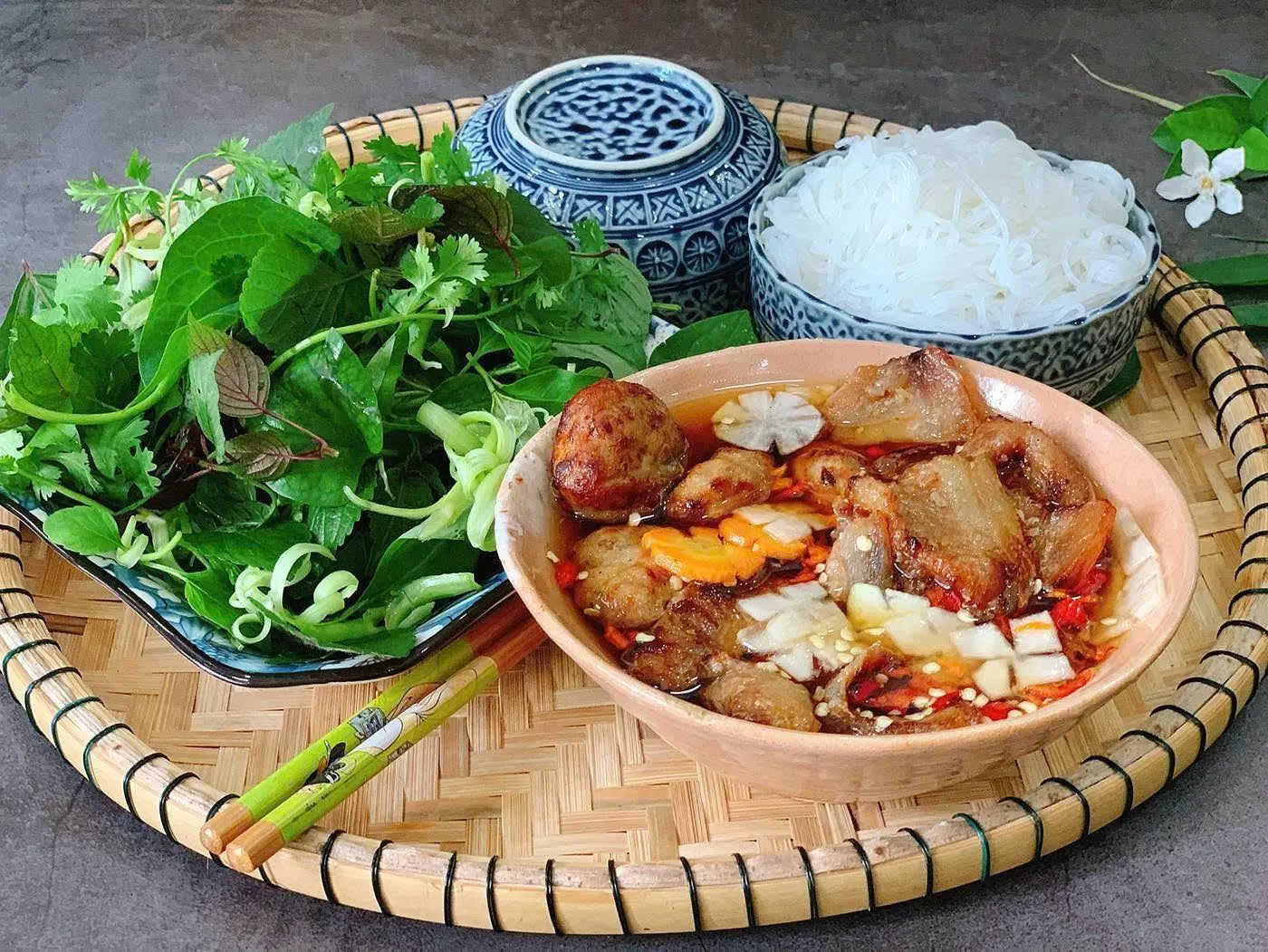
Bun cha. Photo: Hong.linh27061994, Wikimedia Commons, CC BY-SA 4.0.
- Bun Cha: Cold rice vermicelli served alongside a bowl of warm, sweet-and-sour fish sauce broth loaded with charcoal-grilled pork patties (cha vien) and sliced pork belly (cha mieng), accompanied by fresh herbs and crispy crab spring rolls (nem cua be). Visit Bun Cha Huong Lien (where Anthony Bourdain dined with Barack Obama in 2016) or Bun Cha Dac Kim on Hang Manh.
- Pho Bo: Hanoi’s beef noodle soup features clear, aromatic bone broth scented with star anise, cinnamon, and charred ginger, poured over flat rice noodles and thinly sliced beef. Head to Pho Gia Truyen Bat Dan or Pho Thin 13 Lo Duc.
Review our full dining guide to the best pho and bun cha in Hanoi and our wider breakdown of where to eat in Hanoi.
14. Admire St. Joseph’s Cathedral and the French Quarter
South and east of Hoan Kiem Lake, the dense alleys of the Old Quarter give way to the wide tree-lined boulevards and neoclassical villas of the French Quarter:
- St. Joseph’s Cathedral (Nha Tho Lon): Completed in 1886 in neo-Gothic style, reminiscent of Notre-Dame de Paris, featuring weathered twin bell towers and stained-glass lancet windows. The pedestrian square outside is packed with young locals sipping iced lemon tea (tra chanh).
- Hanoi Opera House: Commissioned in 1911 and modelled on the Palais Garnier in Paris, this yellow-and-cream landmark anchors Trang Tien Street.
- Trang Tien Ice Cream (Kem Trang Tien): Join hundreds of locals eating fresh coconut and cinnamon ice cream cones (15,000 VND) on the pavement near the lake.
15. Escape on day trips: Ha Long Bay & Ninh Binh
While Hanoi easily fills multiple days of urban exploration, northern Vietnam’s limestone landscapes sit within day-trip reach:
- Ha Long Bay Day Cruise: Marvel at thousands of emerald limestone towers rising out of the sea, explore massive stalactite caverns at Sung Sot, and kayak through Luon Cave. Modern expressways connect Hanoi to the coast in 2.5 hours. See our complete Ha Long Bay day trip guide.
- Ninh Binh (“Ha Long Bay on Land”): Glide down peaceful rivers rowed by local villagers through water caves at Trang An, climb 500 stone stairs up Hang Mua dragon peak, and visit the 10th-century temples of Hoa Lu. See our in-depth Ninh Binh day trip guide.
- Artisan Villages: Discover centuries of ceramic craftsmanship at Bat Trang Ceramic Village or explore laterite stone heritage at Duong Lam Ancient Village.
For full transit times, cost comparisons, and multi-day mountain escapes to Sapa or Ha Long overnight cruises, consult our master day trips from Hanoi hub.
Planning your Hanoi trip
To organise these experiences into an efficient day-by-day itinerary, consult our 3 days in Hanoi itinerary. For airport transit logistics and bus routes, see our airport to city guide and public transport overview.
Before you go, read Hanoi etiquette for temple and Mausoleum rules and is Hanoi safe? for traffic and scams.
Common questions
What should you not miss on a first visit to Hanoi?
Core highlights include wandering the labyrinthine 36 guild streets of the Old Quarter, circling Hoan Kiem Lake to visit Ngoc Son Temple, watching a traditional performance at Thang Long Water Puppet Theatre, drinking egg coffee at Cafe Giang, exploring the Temple of Literature, and taking a day cruise to Ha Long Bay or Ninh Binh.
How many days are ideal for visiting Hanoi?
Three full days in Hanoi allows you to explore major historical landmarks, sample the street food scene, and soak up cafe culture. Adding an extra two to four days provides time for full-day excursions to Ninh Binh and an overnight cruise in Ha Long Bay or Lan Ha Bay.
Is Hanoi a walkable city?
The Old Quarter, Hoan Kiem Lake, and the French Quarter are compact and best explored on foot, though navigating motorbikes parked on pavements requires walking along street edges. For longer hops to West Lake, the Museum of Ethnology, or the Temple of Literature, ride-hailing via Grab is inexpensive and fast.
Can you still visit Hanoi Train Street?
No. The trackside cafes lost their licences in 2022, tours are banned and walking the tracks is prohibited. On 27 February 2026 the Ministry of Construction and Hanoi agreed to cut passenger trains and suspend freight through the street.
How expensive are museum tickets in Hanoi?
Admission across Hanoi's museums and heritage sites is exceptionally affordable. Tickets range from 30,000 to 70,000 VND (roughly equivalent to a cup of coffee) at the Temple of Literature, Hoa Lo Prison Memorial, Museum of Ethnology, and the Imperial Citadel.