In this guide
The Short Version: Hanoi sits at the junction of northern Vietnam’s transit networks, making it an ideal base for exploring limestone karsts, mountain valleys, and centuries-old artisan settlements. Expressways connect Hanoi to Ha Long Bay in 2.5 hours and Ninh Binh in under 2 hours, making both straightforward full-day excursions. Village trips to Bat Trang Ceramic Village and Duong Lam Ancient Village require only half a day, while the sacred Perfume Pagoda combines river rowboats and karst mountain shrines. Sapa requires 5.5 hours each way and rewards multi-day stays, while overnight cruises unlock secluded bays beyond the day-boat reach.
Northern Vietnam contains some of Southeast Asia’s most dramatic geological formations alongside craft hamlets that have preserved ancestral techniques for centuries. Modern highway infrastructure has cut journey times dramatically across the Red River Delta, transforming full-day excursions into manageable itineraries from the Old Quarter.
Whether you seek emerald seascapes, riverside temples, mountain hiking, or terracotta workshops, each excursion offers a distinct window into northern Vietnamese geography and culture.
Day trips from Hanoi compared
The table below contrasts travel times, transport types, typical expenditure, and core highlights for every excursion from the capital.
| Destination | Distance | One-way transit | Typical cost | Overview and highlights |
|---|---|---|---|---|
| Ha Long Bay | 165 km | 2.5 hours (expressway) | 1,100,000–1,900,000 VND | Towering limestone sea karsts, Sung Sot Cave, Ti Top Island viewpoint, and kayaking at Luon Cave. |
| Ha Long & Lan Ha overnight | 165 km | 2.5 hours (limousine) | 3,200,000–7,500,000 VND | Luxury steel vessels, overnight anchorages, Cat Ba Island caves, sunrise tai chi, and peaceful swimming. |
| Ninh Binh | 95 km | 1.5–2 hours (limousine/train) | 750,000–1,500,000 VND | Inland river sampan rides through Trang An or Tam Coc, Hang Mua dragon stairway, and Hoa Lu ancient capital. |
| Sapa & Muong Hoa | 315 km | 5.5 hours (express bus/sleeper) | 1,400,000–3,200,000 VND | High-altitude rice terraces, Fansipan mountain cable car, Hmong homestays, and alpine trekking trails. |
| Perfume Pagoda | 65 km | 2 hours (minibus + boat) | 650,000–1,100,000 VND | Metal rowboat journey along Yen Stream, sacred Huong Tich Cave cavern, and Thien Tru Buddhist complex. |
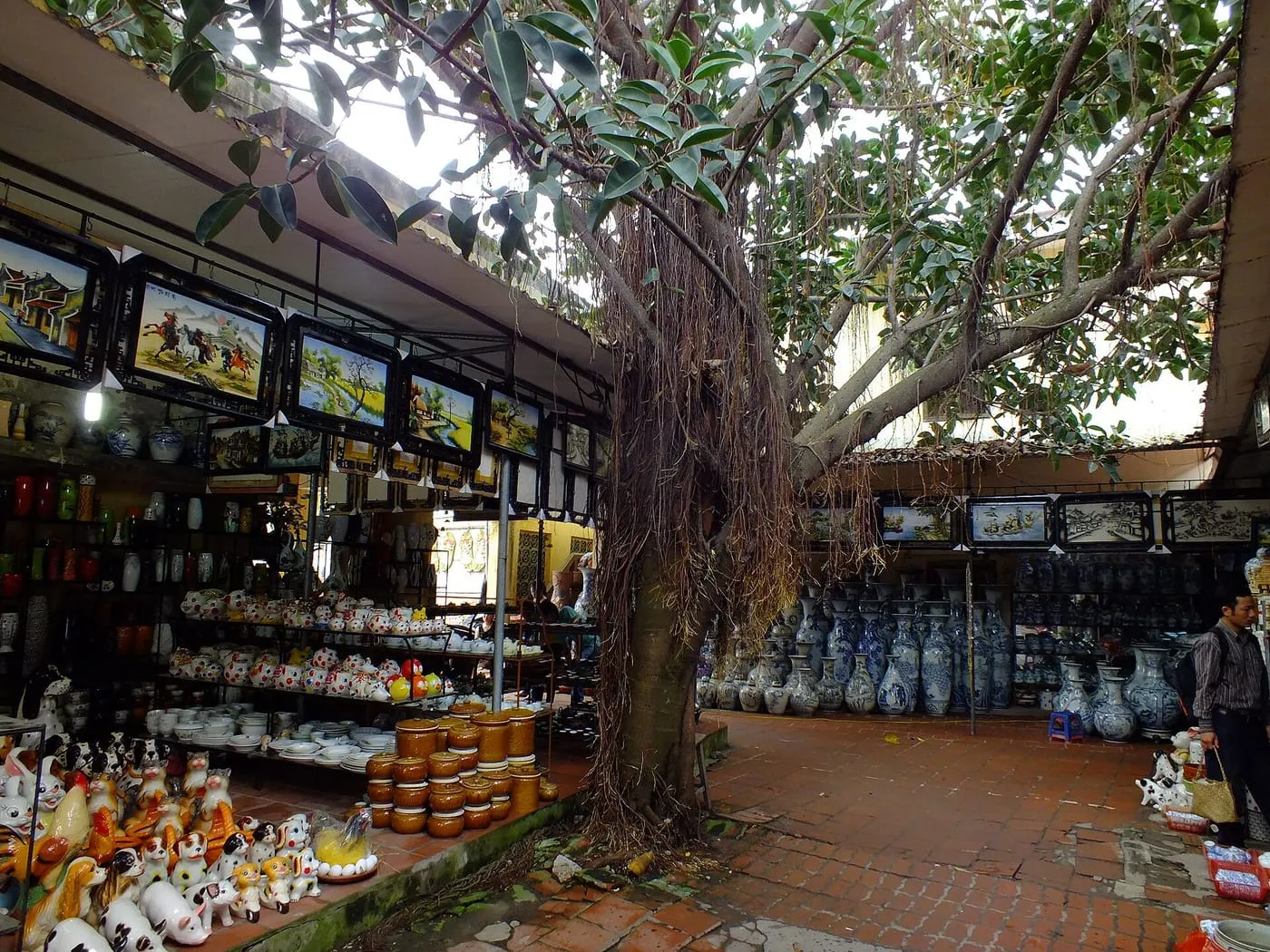
| Bat Trang Ceramic Village | 15 km | 35–45 minutes (bus/Grab) | 150,000–400,000 VND | 700-year-old pottery village, hands-on wheel throwing, Bat Trang Ceramic Museum, and market stalls. |
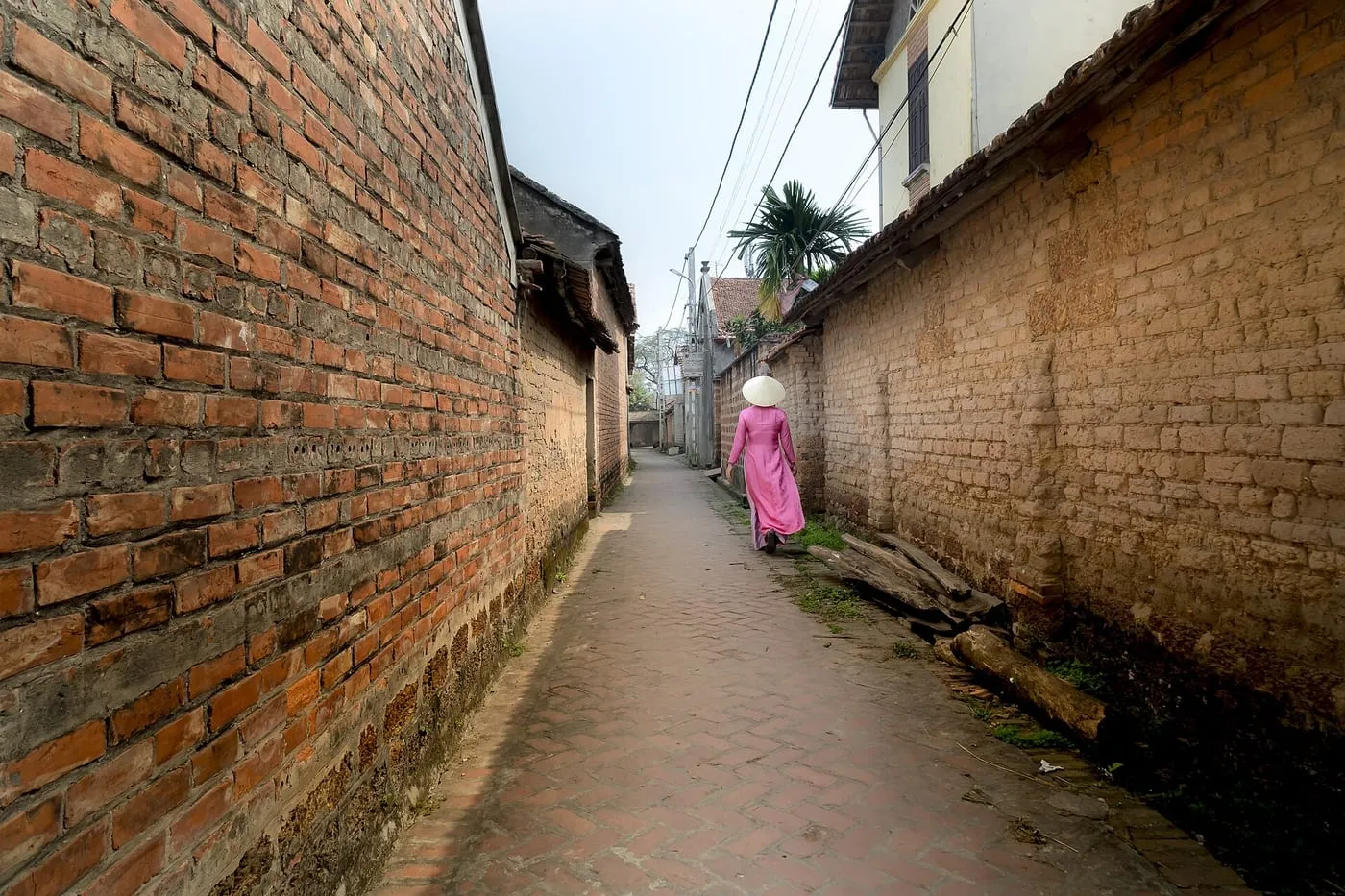
| Duong Lam Ancient Village | 45 km | 1.25 hours (bus/taxi) | 250,000–600,000 VND | 1,200-year-old agricultural settlement, laterite stone homes, soy sauce courtyards, and rural cycling. |
1. Ha Long Bay day cruise

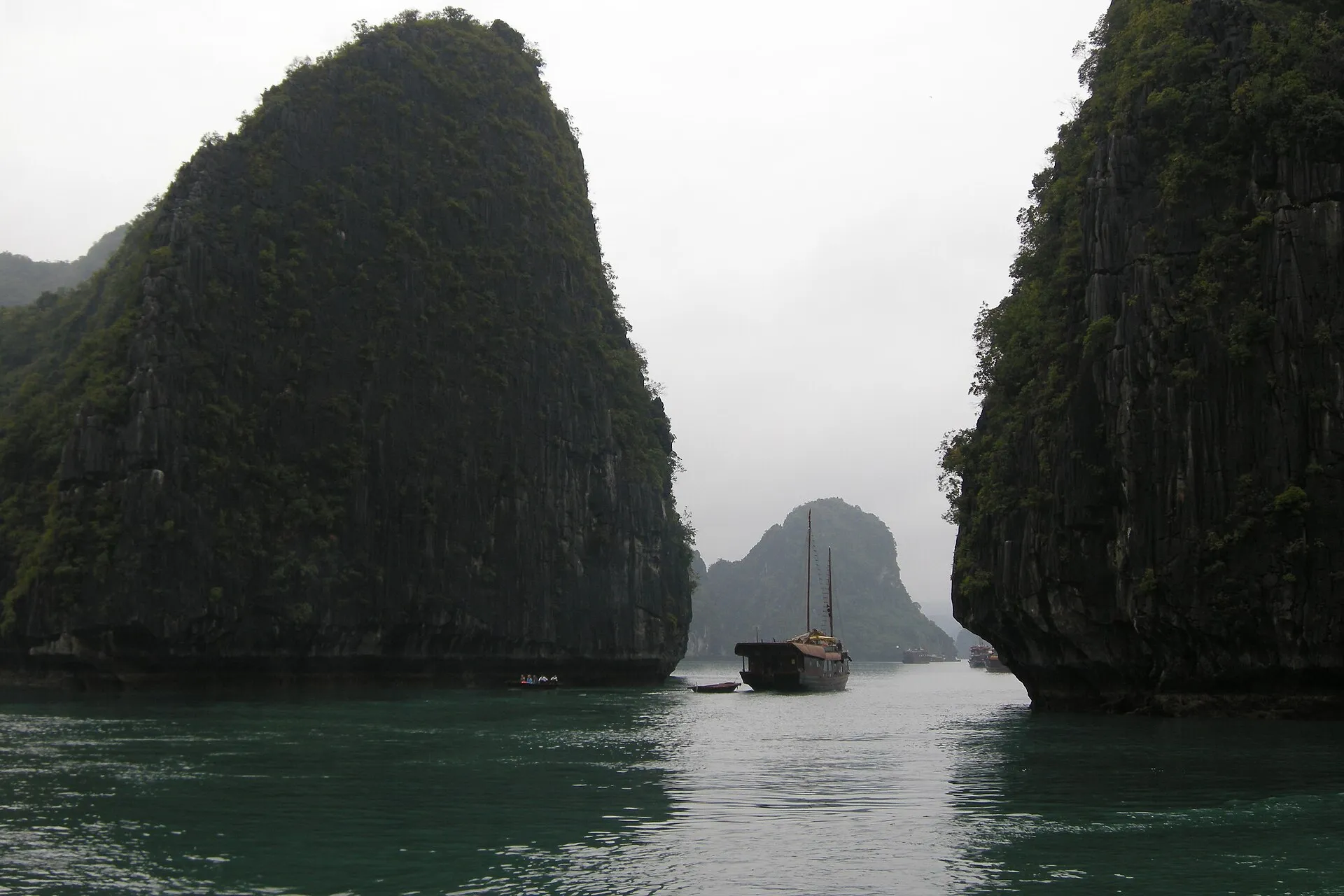
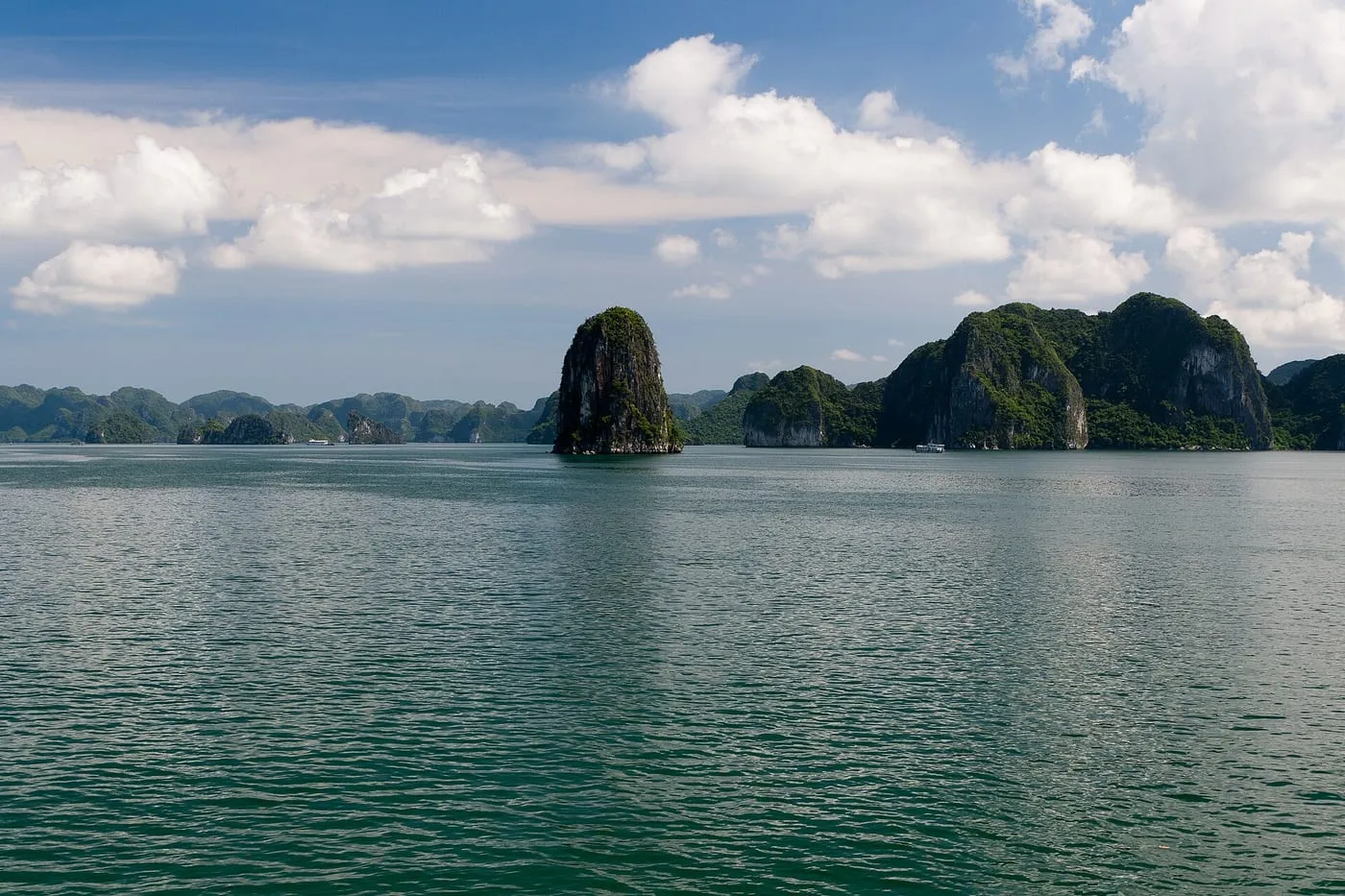
Recognised as a UNESCO World Heritage site, Ha Long Bay features roughly 1,600 limestone islands and islets erupting from the Gulf of Tonkin. The development of the Hanoi-Hai Phong-Ha Long Expressway has shortened the one-way road transit from 4 hours down to 2.5 hours, making an organised single-day cruise both comfortable and practical.
Day tours collect travellers from hotels in the Old Quarter between 07:15 and 08:00. Cruisers depart from either Tuan Chau Marina or the Halong International Cruise Port near Bai Chay around 11:30. Modern steel day cruisers offer six hours on the water, serving a multi-course Vietnamese seafood buffet lunch while navigating past pinnacles such as Stone Dog Rock and Fighting Cocks Rock.
Core stops include:
- Sung Sot Cave (Surprise Cave): A massive cavern spanning three interconnected chambers adorned with stalactites and geological folds.
- Ti Top Island: A steep limestone peak offering a 400-stone-step climb to an observation deck with a 360-degree panoramic vista over the bay, alongside a white crescent beach for swimming.
- Luon Cave: A tranquil water lagoon encircled by vertical cliffs, accessed either by two-person sit-on-top sea kayaks or guided bamboo rowboats.
Boats return to port around 17:30, with limousine shuttles dropping passengers back into Hanoi by 20:00 to 20:30. For a complete guide to departure times, ports, and booking options, consult our dedicated guide to the Ha Long Bay day trip from Hanoi.
2. Ha Long Bay & Lan Ha Bay overnight cruises
While a single-day cruise provides a swift overview of the core highlights, staying overnight on the water transforms the experience. Overnight vessels venture further east and south into Bai Tu Long Bay and pristine Lan Ha Bay near Cat Ba Island, escaping the concentrated daytime boat traffic.
Modern overnight vessels resemble floating boutique hotels, featuring private balconies, floor-to-ceiling glass panoramic windows, rooftop sun decks, and swimming pools. Daily itineraries include morning tai chi on the upper deck, sunset happy hours, cooking demonstrations, and evening squid fishing from the stern tender platform.
- 2-Day / 1-Night Cruises: Provide roughly 24 hours on board. You cruise deep into the archipelago on day one, anchor in a tranquil bay overnight, and explore a sea cave or floating fishing hamlet early the next morning before returning to port at midday.
- 3-Day / 2-Night Cruises: Include a full middle day on a smaller day tender boat to explore remote lagoons, cycling routes on Cat Ba Island (such as Viet Hai Village), and secluded swimming coves.
To compare cabin categories, route differences, and trusted luxury operators, see our in-depth Ha Long Bay overnight cruises guide.
3. Ninh Binh: “Ha Long Bay on land”
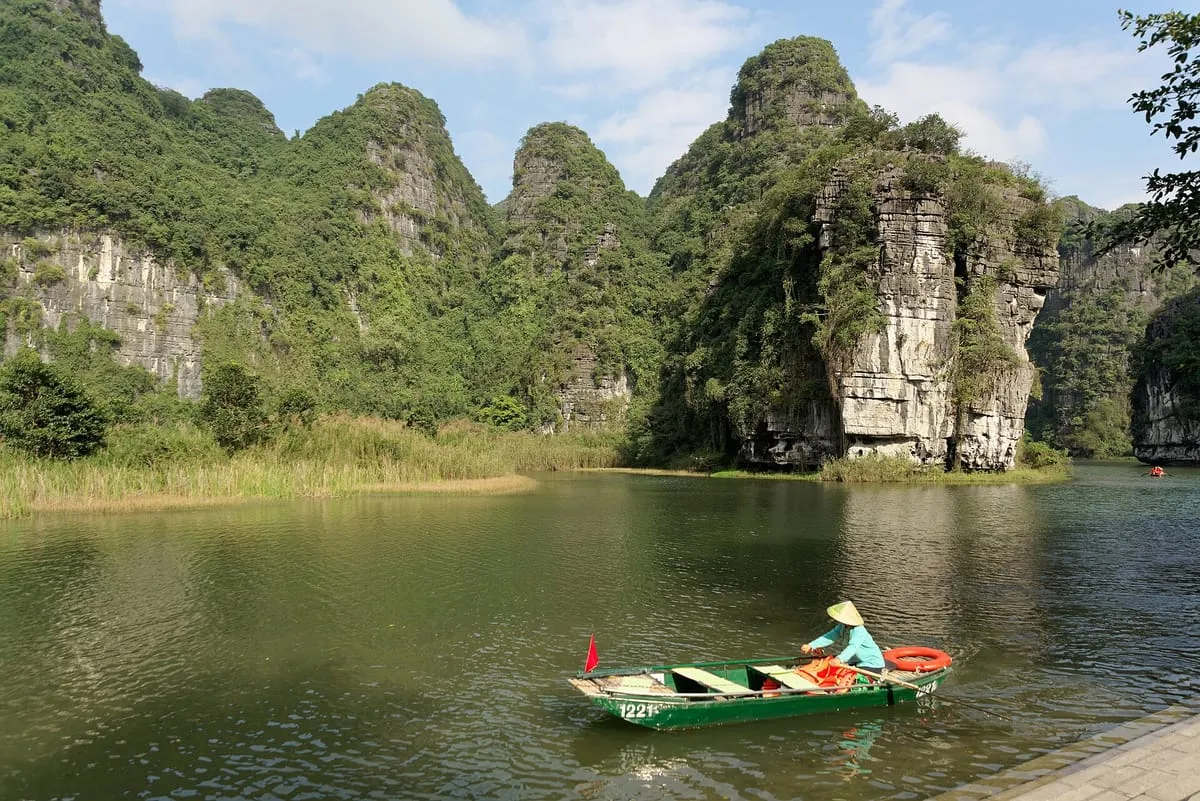
Situated 95 km south of Hanoi in the Red River Delta, Ninh Binh is celebrated for vertical limestone karsts rising out of emerald rice paddies and meandering riverways. Because transit takes under two hours via the expressway or the national railway line, it ranks among the most rewarding full-day excursions from the city.
A typical full-day circuit pairs a riverboat excursion with historical and viewpoint stops:
- Trang An Scenic Landscape Complex: A UNESCO World Heritage site where local rowers propel traditional metal sampans through a chain of flooded caverns and past forested limestone peaks.
- Tam Coc: Known as “Three Caves”, offering river journeys along the Ngo Dong River where limestone bluffs flank working rice paddies.
- Hang Mua (Mua Cave viewpoint): A steep climb of 500 stone stairs up a jagged ridge crowned with a carved stone dragon, rewarding climbers with an aerial view over Tam Coc and the surrounding river flats.
- Hoa Lu Ancient Capital: The 10th-century political heart of the Dinh and Early Le dynasties, housing ancient shrine pavilions set against natural limestone defense bastions.
Travel between Hanoi and Ninh Binh runs smoothly using hourly 9-seater limousine vans (150,000 to 200,000 VND) or the Reunification Express train departing from Hanoi Central Railway Station (85,000 to 140,000 VND). Full itinerary planning is detailed in our guide to the Ninh Binh day trip from Hanoi.
4. Sapa and the Muong Hoa Valley
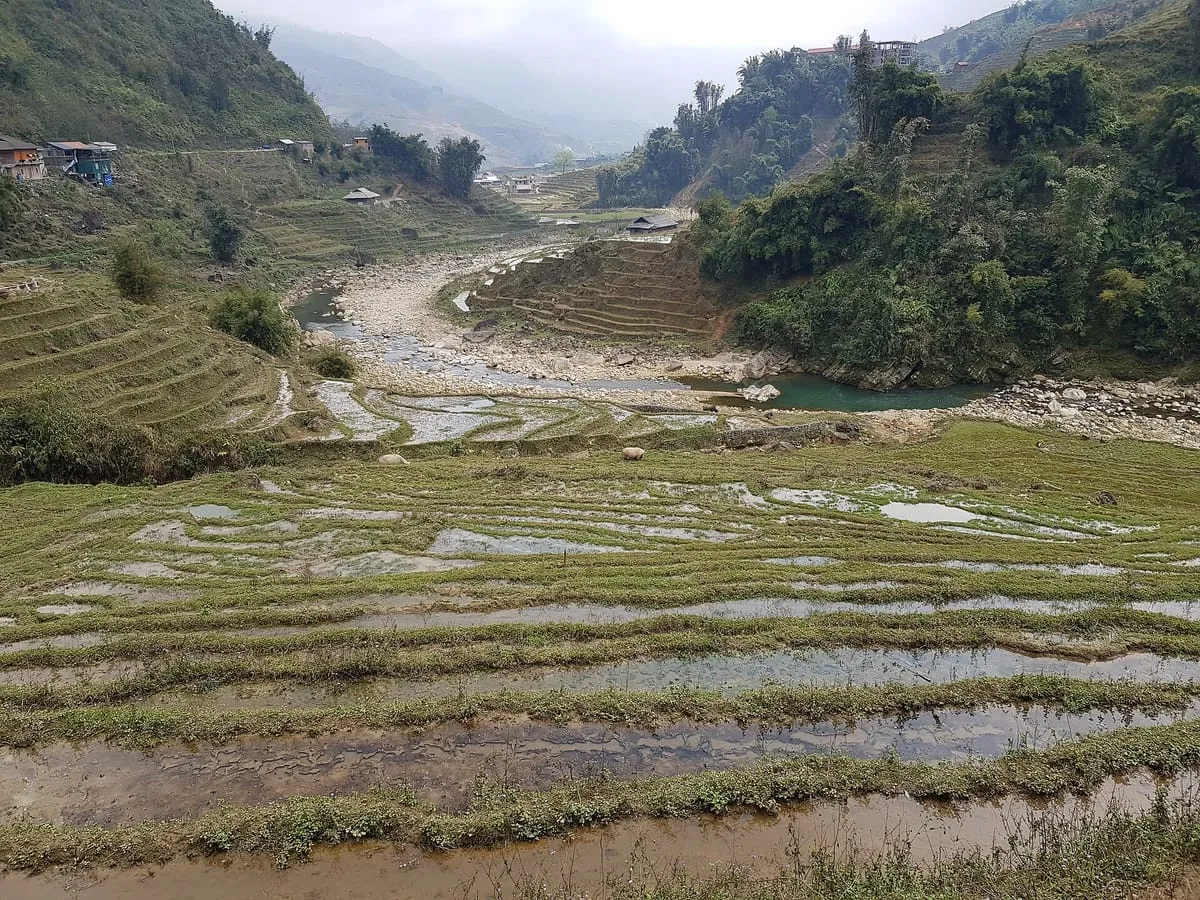
Sapa sits at 1,500 metres altitude in the Hoang Lien Son mountain range, close to the Chinese border. Famous for cascading terraced rice fields sculpted into steep hillsides, cool alpine air, and Black Hmong and Red Dao communities, Sapa is northern Vietnam’s main trekking base.
Reaching Sapa from Hanoi requires roughly 5.5 hours along the Noi Bai-Lao Cai Expressway by modern sleeper bus or daytime limousine coach (250,000 to 450,000 VND). Alternatively, historical overnight sleeper trains (such as the Chapa Express or Victoria Express) depart Hanoi Central Station around 22:00, arriving at Lao Cai station early the next morning for a connecting mountain shuttle bus.
Key experiences in Sapa include:
- Muong Hoa Valley trekking: Trails connecting villages such as Y Linh Ho, Lao Chai, and Ta Van winding past bamboo groves and stone riverbeds.
- Fansipan Cable Car: A world-record three-rope cable car gliding over the mist to the 3,143-metre summit of Mount Fansipan (“The Roof of Indochina”).
- Terrace seasons: The rice paddies show vivid green from June to August and transform into brilliant gold during the autumn harvest from late August through early October.
Given the 11-hour round-trip road journey, a single-day trip is exhausting. We advise dedicating at least two days to this mountain hub. For transit comparisons, trekking maps, and homestay advice, read our full Sapa from Hanoi train, bus, and trekking guide.
5. Perfume Pagoda (Chua Huong)
The Perfume Pagoda is an ancient complex of Buddhist shrines and mountain temples built into the karst limestone cliffs of Huong Son Mountain, 65 km southwest of Hanoi. It serves as one of northern Vietnam’s most revered pilgrimage destinations.
A visit here blends river transit with mountain exploration:
- Yen Stream Boat Journey: After arriving at Duc pier by road, visitors board slender metal rowboats paddled by local boatwomen for a peaceful 45-minute journey along the Yen Stream, gliding through wetland reeds with steep karst peaks on either flank.
- Thien Tru Pagoda: The lower ceremonial monastery, featuring 17th-century brick stupas and ancient worship halls.
- Huong Tich Cave: The spiritual heart of the complex, set inside a cavern carved like the open mouth of a dragon. Accessible by a 60-minute stone staircase climb through forest or a rapid 5-minute modern cable car ride.
Visiting between February and April coincides with the annual Chua Huong pilgrimage festival, bringing thousands of Buddhist devotees from across Vietnam. For quiet reflection and serene photography, travel during the off-peak autumn and early winter months. Check our Perfume Pagoda day trip guide for seasonal timing and transport arrangements.
6. Bat Trang Ceramic Village
For travellers seeking a convenient half-day excursion within suburban Hanoi, Bat Trang offers an artisan tradition dating back over 700 years. Located just 15 km southeast of the Old Quarter along the Red River dike, the village produces high-fire porcelain and glazed stoneware found in homes and restaurants across Vietnam.
Highlights of a half-day visit include:
- Bat Trang Ceramic Museum: An architectural landmark composed of seven interlocking curved terracotta structures designed to evoke giant potter’s wheels, housing historical artefacts and contemporary ceramic art.
- Hands-on Wheel Throwing: Workshops throughout the village provide a potter’s wheel, clay, and coaching for 50,000 to 80,000 VND, allowing you to shape a bowl or vase and paint it with colored glazes.
- Kiln Alleys and Market: The covered Bat Trang porcelain market displays thousands of teapots, decorative tiles, bowls, and incense burners at direct workshop prices.
Getting to Bat Trang is simple: public Bus 47A departs Long Bien interchange every 15 minutes (9,000 VND), while a Grab car ride takes 35 minutes and costs approximately 160,000 VND. Explore detailed workshop tips in our Bat Trang Ceramic Village day trip guide.
7. Duong Lam Ancient Village
Located 45 km west of Hanoi in Son Tay town, Duong Lam is recognised as a national historical relic and offers a glimpse of traditional rural life in the northern Red River Delta. The village is known as the “Land of Two Kings”, having produced King Phung Hung (8th century) and King Ngo Quyen (10th century), both celebrated for liberating Vietnam from Chinese rule.
Key features of Duong Lam include:
- Laterite Stone Architecture: Houses, courtyard walls, and community alleyways are built from porous orange-brown laterite brick, a local clay rock that hardens in the sun and regulates indoor temperatures.
- Mong Phu Communal House: Built in 1684, this central village hall exemplifies classic northern timber architecture with tiled roof ridges.
- Soy Sauce Courtyards: Stately clay jars lining house courtyards where families ferment tuong ban (traditional soybean sauce) under natural sunlight for months.
- Rural Cycling: Quiet paved lanes loop past lotus ponds, community wells, and centuries-old family pagodas.
Travel to Duong Lam takes roughly 75 minutes by taxi or private car, or 1.5 hours via public Bus 70 or Bus 71 from My Dinh Bus Station. Read our comprehensive Duong Lam Ancient Village day trip guide for bicycle routes and village lunch spots.
Top-rated guided day trips from Hanoi
Organised day trips remove the complexity of coordinating local buses, boat piers, and national park admission tickets:
Hanoi: Ninh Binh, Bai Dinh/Hoa Lu, Trang An, & Mua Cave Tour
From VND 1,169,600 · 4.8 stars from 11737 reviews · 1 day · Most popular excursion
Book the Ninh Binh, Trang An & Mua Cave Tourad for northern Vietnam’s premier land-based excursion. Includes limousine bus transfers from the Old Quarter, a 2-hour sampan cruise through Trang An’s UNESCO river caves, hiking up Mua Cave dragon peak, a buffet lunch, and bicycle riding through rural rice paddies.
Hanoi: Ha Long Bay Day Cruise - Swimming, Meal, Kayaking
From VND 979,000 · 4.8 stars from 14772 reviews · 1 day · Flagship bay cruise
Book the Ha Long Bay Day Cruisead to explore UNESCO World Heritage waters aboard an air-conditioned day cruiser. Includes expressway transfers from Hanoi, lunch on board, kayaking at Luon Cave, swimming at Ti Top Island, and exploring Sung Sot (Surprise) Cave.
From Hanoi: 3-Day Sapa Trekking & Homestay Adventure
From VND 2,617,600 · 4.6 stars from 340 reviews · 3 days · Mountain adventure
Book the 3-Day Sapa Trekking Tourad to trek through ethnic Black Hmong and Giay villages across the Hoang Lien Son range. Includes overnight sleeper transport or limousine, village homestay lodging, local meals, and guided trekking.
From Hanoi: Full-Day Perfume Pagoda Group Tour with Lunch
From VND 1,330,000 · 4.7 stars from 369 reviews · 12 hours - 1 day · Cultural pilgrimage
Book the Full-Day Perfume Pagoda Tourad for a guided spiritual excursion to sacred Huong Son mountain, including hotel pickup, scenic metal boat ride on Yen Stream, cable car ticket to Huong Tich Cave, and Vietnamese lunch.
Transport and planning tips for Hanoi day trips
Departure hubs in Hanoi
- Old Quarter hotel pickups: Most organised small-group tours include door-to-door collection from hotels in Hoan Kiem district between 07:15 and 08:00.
- Hanoi Central Railway Station (Ga Ha Noi): Located on Le Duan Street, this station handles southward Reunification Express trains to Ninh Binh as well as northwest night trains to Lao Cai (for Sapa).
- Bus terminals: Long-distance public coaches depart from My Dinh (west and north destinations like Sapa and Duong Lam), Giap Bat (southbound toward Ninh Binh), and Nuoc Ngam (national express routes).
Weather and seasonal considerations
- Autumn (September to November): Brings clear skies, low humidity, and pleasant temperatures of 22°C to 28°C, making it the finest window for open-air trekking in Sapa and boat rides in Ha Long Bay and Ninh Binh.
- Winter (December to February): Cooler conditions (14°C to 19°C) with occasional mist and overcast skies across the delta; bring warm layers for early morning mountain visits and bay cruises.
- Spring (March to April): Mild temperatures and blossoming countryside, though high humidity and drizzle can settle over coastal bays.
- Summer (May to August): Warm temperatures (32°C to 38°C) accompanied by occasional afternoon monsoon showers. Rice paddies across Tam Coc and Trang An glow emerald, while bay waters are warm for swimming.
Plan your central city itinerary alongside your excursions using our 3 days in Hanoi itinerary and explore the top things to do in Hanoi to make the most of your stay in Vietnam’s capital.
Common questions
Which day trip from Hanoi is easiest without a tour?
Bat Trang Ceramic Village is the simplest self-guided excursion, reachable in 35 minutes on public Bus 47A from Long Bien bus interchange for 9,000 VND each way, or 160,000 VND via Grab. Ninh Binh is also straightforward independently using the 2-hour Reunification Express train or an hourly limousine van from the Old Quarter.
Can you visit Ha Long Bay in a single day from Hanoi?
Yes. The Hanoi-Hai Phong-Ha Long expressway opened a direct 2.5-hour corridor each way. Organised day cruises provide 6 hours on the water, covering Sung Sot Cave, Ti Top Island, and kayaking at Luon Cave before returning to Hanoi by 20:30.
Is Sapa feasible as a day trip from Hanoi?
Sapa is roughly 315 km northwest of Hanoi and requires 5.5 hours of travel each way via express highway. While day tours exist, a minimum of two days and one night is recommended to experience mountain trekking, ethnic villages, and the Fansipan cable car.
What is the difference between Trang An and Tam Coc in Ninh Binh?
Trang An is a UNESCO-managed complex featuring longer 2.5-hour boat circuits through flooded karst caves and past reconstructed film sets. Tam Coc features a 1.5-hour journey along the Ngo Dong River through three natural caverns flanked directly by seasonal rice paddies.
When is the best season for day trips around northern Vietnam?
October through April offers dry conditions and comfortable temperatures for outdoor exploration. May through September brings lush green rice fields and warm waters in Ha Long Bay, though midday heat and occasional summer storms require flexible scheduling.