In this guide
The Short Version: The UK Foreign Office says violent crime against foreigners in Vietnam is rare; petty theft and bag snatching are the regular problems. In Hanoi, the everyday risks are motorbike traffic, bag snatchers on motorbikes (hold your bag in front of you or on the side away from the road), unlicensed taxis (use Grab, XanhSM or a metered taxi from a large firm) and overcharging (agree prices first). Drinks can contain methanol, so buy from licensed shops and bars. Winter air quality is poor, with pollution peaking from October to March. Emergency numbers: police 113, fire 114, ambulance 115, answered in Vietnamese only. Read the official advice before you go: the UK Foreign Office and the US State Department.
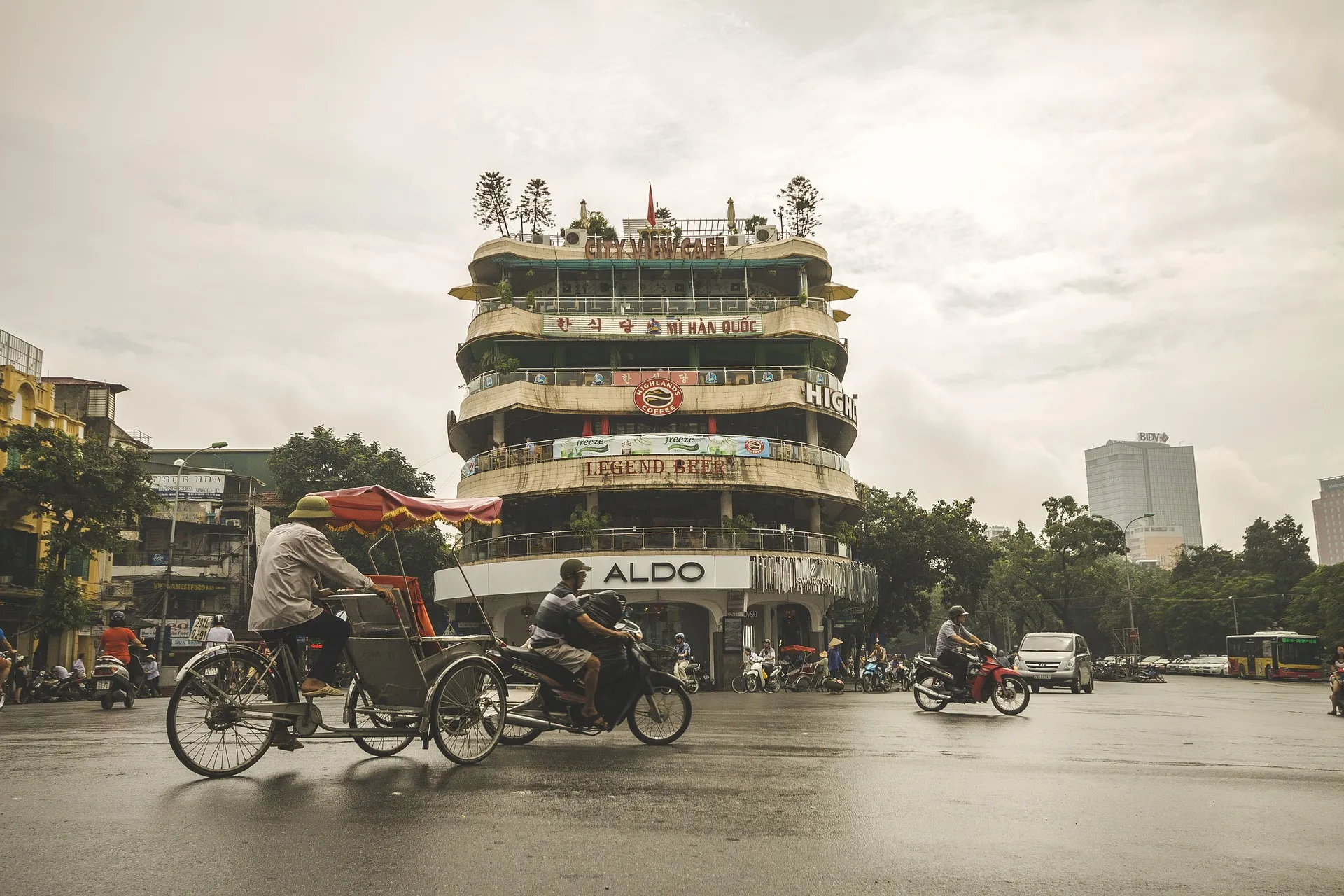
Traffic
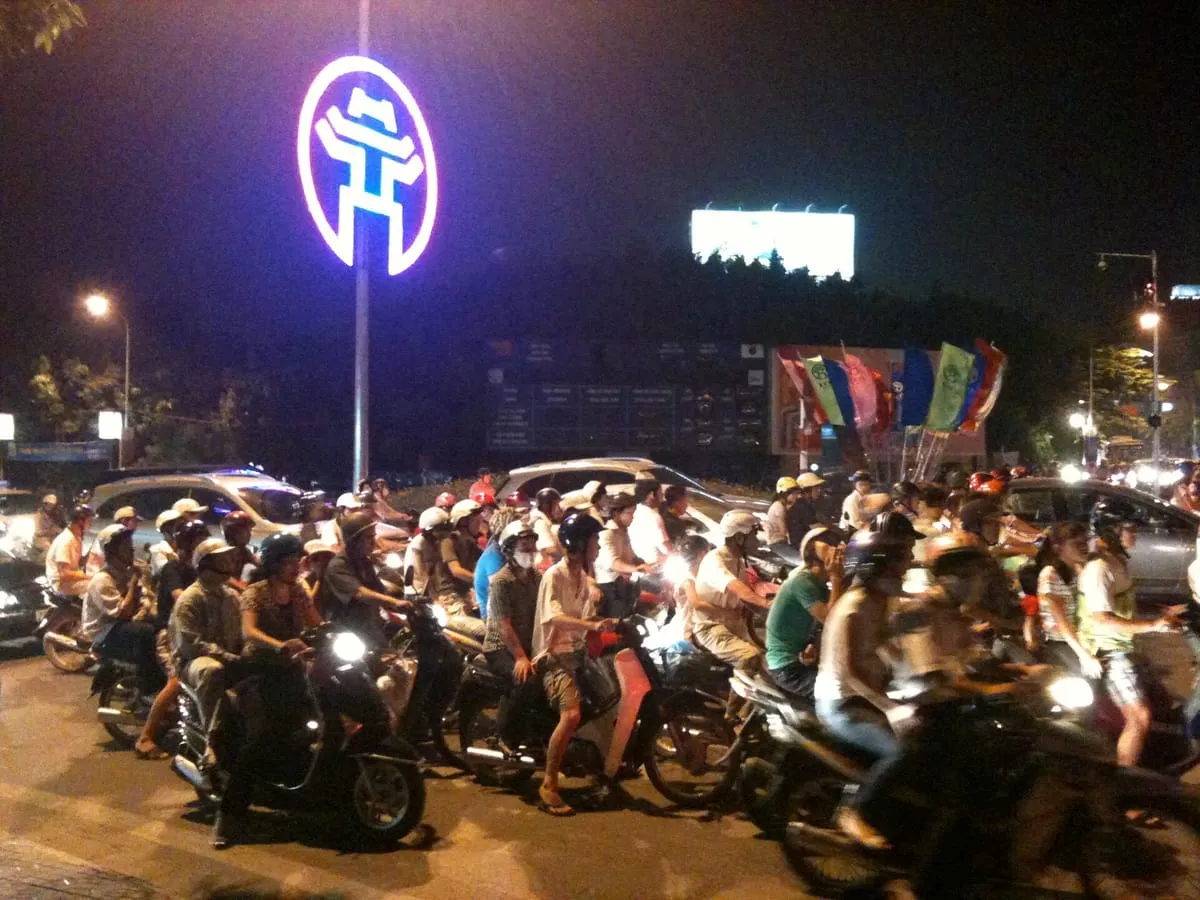
Compliance with road laws is poor, says the UK Foreign Office, and motorbike accidents are common.
- Crossing: the public transport guide covers how to cross a busy street.
- Pavements: parked motorbikes and food stalls fill the pavements in the Old Quarter, and pedestrians walk along the road edge.
- Hiring a motorbike: it is illegal for drivers and passengers to ride without a helmet. Driving needs the 1968 version of the international driving permit as well as your own licence, and insurance is compulsory.
- Passport deposits: never leave your passport with a rental shop as a deposit or guarantee.
Bag snatching and theft
- Bags: hold them in front of you or on the side away from the traffic, and listen for motorbikes behind you.
- If a bag is grabbed, surrender it rather than risk an injury in a struggle.
- Peak times: petty crime rises around Christmas and Tet.
- Buses and trains: petty theft happens on both, particularly while you sleep on an overnight train, so keep your valuables on you. See the Sapa trip.
- Papers: keep your passport in your hotel or another secure place, and carry photo and digital copies. You must carry photographic ID, and a printed copy of your passport photo page and visa is accepted.
Taxis, Grab and fake taxis
- Use a metered taxi from a large firm, Grab or XanhSM. The Foreign Office says Grab and XanhSM supply licensed cars, and that unlicensed taxi drivers are linked to reported sexual assaults in tourist areas.
- Book the whole journey in the app, and match the car and driver to what the app shows. Scammers claim to be from these companies.
- Free hotel transfers: do not accept offers of a free bus transfer unless your hotel organised it in advance. Some are scams.
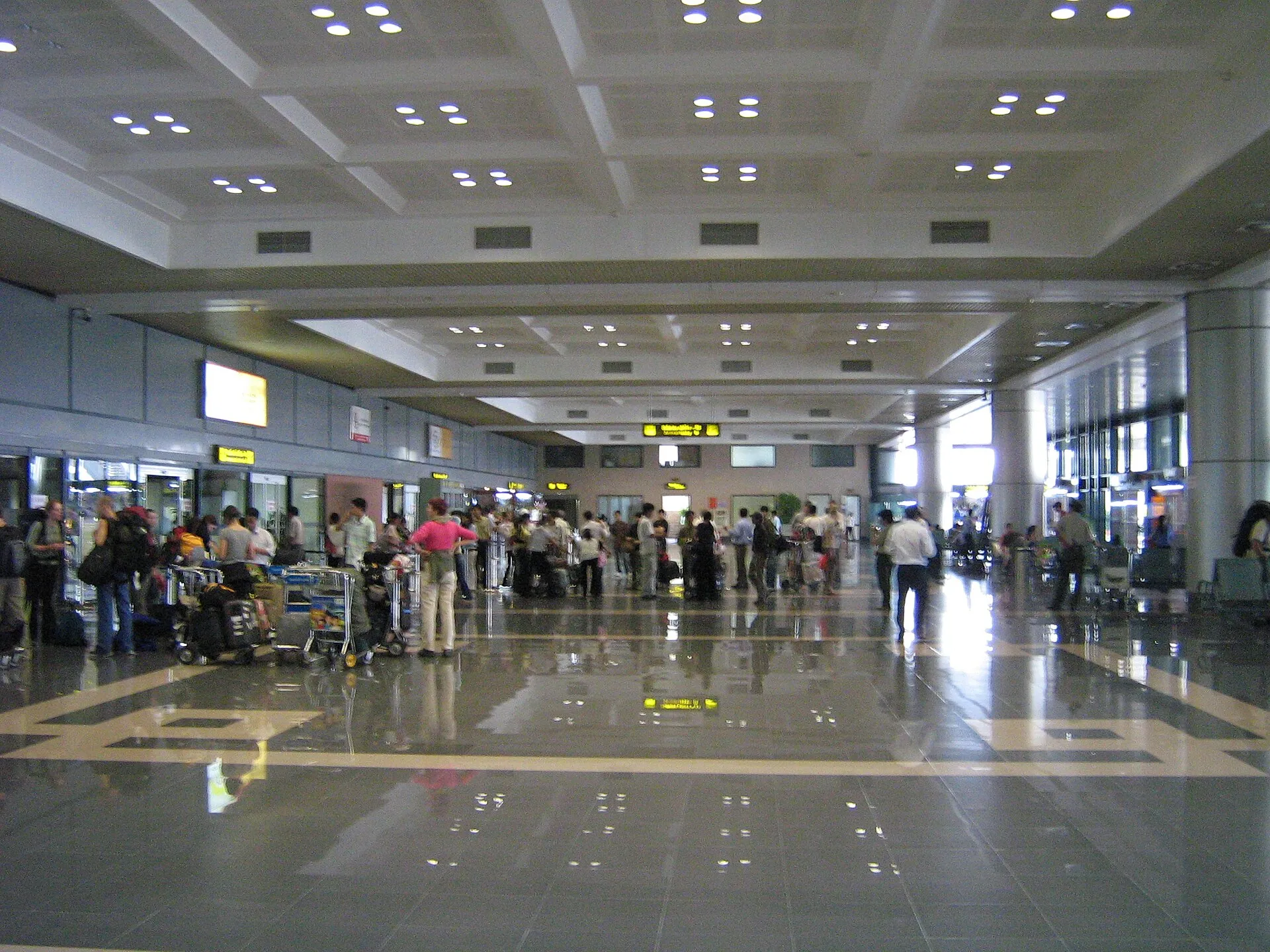
- At the airport, the airport guide names the taxi firms at the ranks and the fixed-price options.
Overcharging and scams
Hanoi’s Department of Tourism says that not displaying prices is a fraudulent practice, and that overcharging is a problem in the Old Quarter and during festivals (VnExpress). Two cases show the scale: an Australian family paid 1,200,000 VND for a cyclo ride, three times the regulated rate, and an American tourist paid 1,000,000 VND for a 7 km motorbike-taxi ride, 14 times the usual fare.
- Agree the price before a cyclo, a motorbike taxi or a purchase with no price on display.
- Look at each note you hand over: the blue 20,000 VND and 500,000 VND notes look alike. See money in Hanoi.
- Change money only at official exchange counters with a clear sign.
Drinks and nightlife
- Methanol: alcoholic drinks containing methanol have killed people in Vietnam, and cases came from drinks bought in licensed bars, shops and hotels in tourist areas. You cannot taste or smell it. Seek urgent medical attention if you or someone with you shows signs of poisoning after drinking.
- Spiking: buy your own drinks, keep them in sight, and decline snacks, drinks or gum from strangers.
- Getting home: save your accommodation’s location on a map app and use pre-booked transport.
- Harassment: the Foreign Office reports indecent assaults and groping, particularly while walking alone, and rapes and sexual assaults in main tourist areas. Tell the management of the bar, restaurant or hotel if anything feels wrong.
- Vapes are banned: you cannot buy them in Vietnam or bring them in.
- Drugs: penalties for possessing, using or smuggling any drug, cannabis included, are severe. Police raid nightlife venues and test people present, and a positive result can bring criminal charges. Nitrous oxide balloons are sold in nightlife venues and are dangerous.
- Street vendors: do not buy liquor or cigarettes from them; the authenticity cannot be assured.
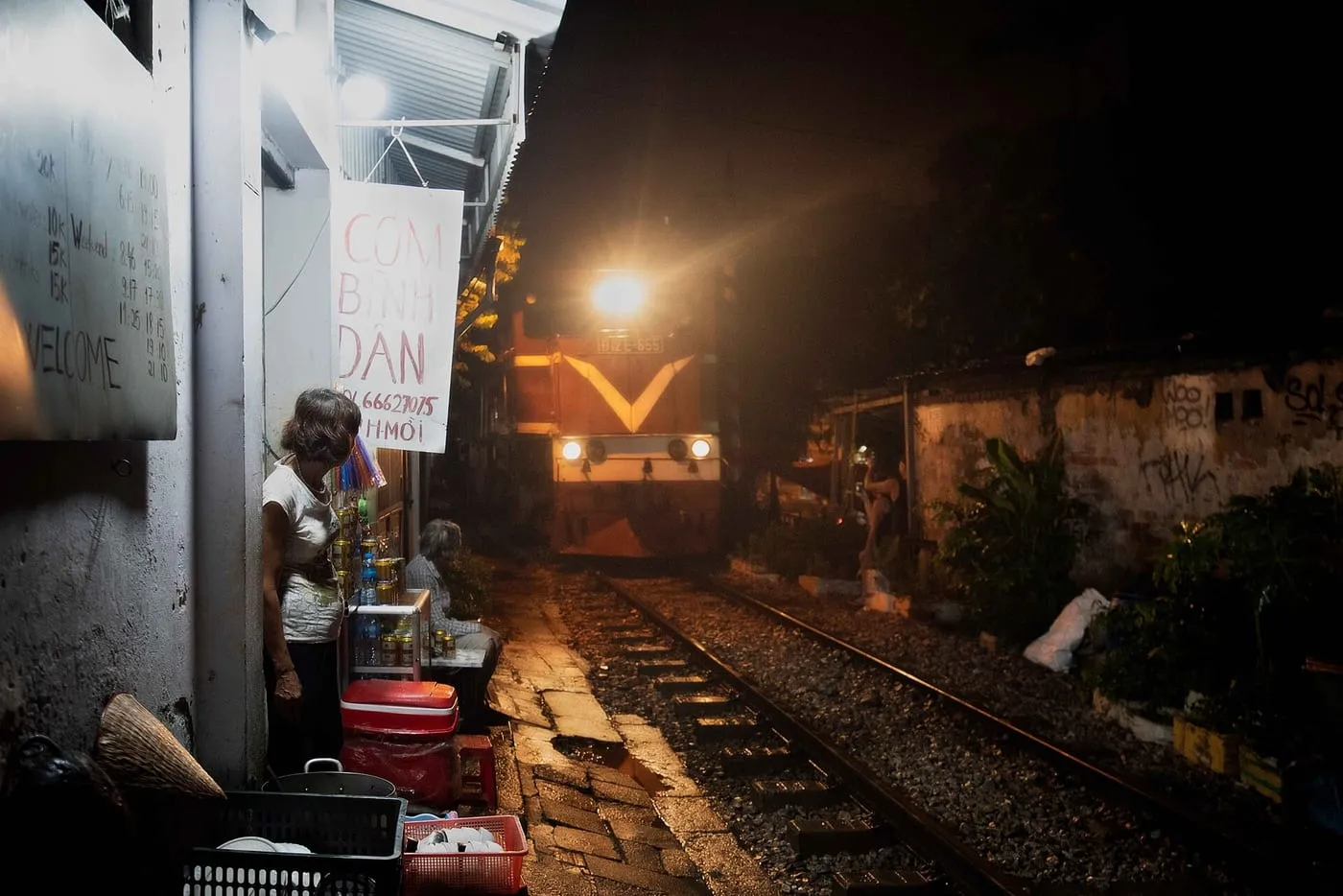
Train Street
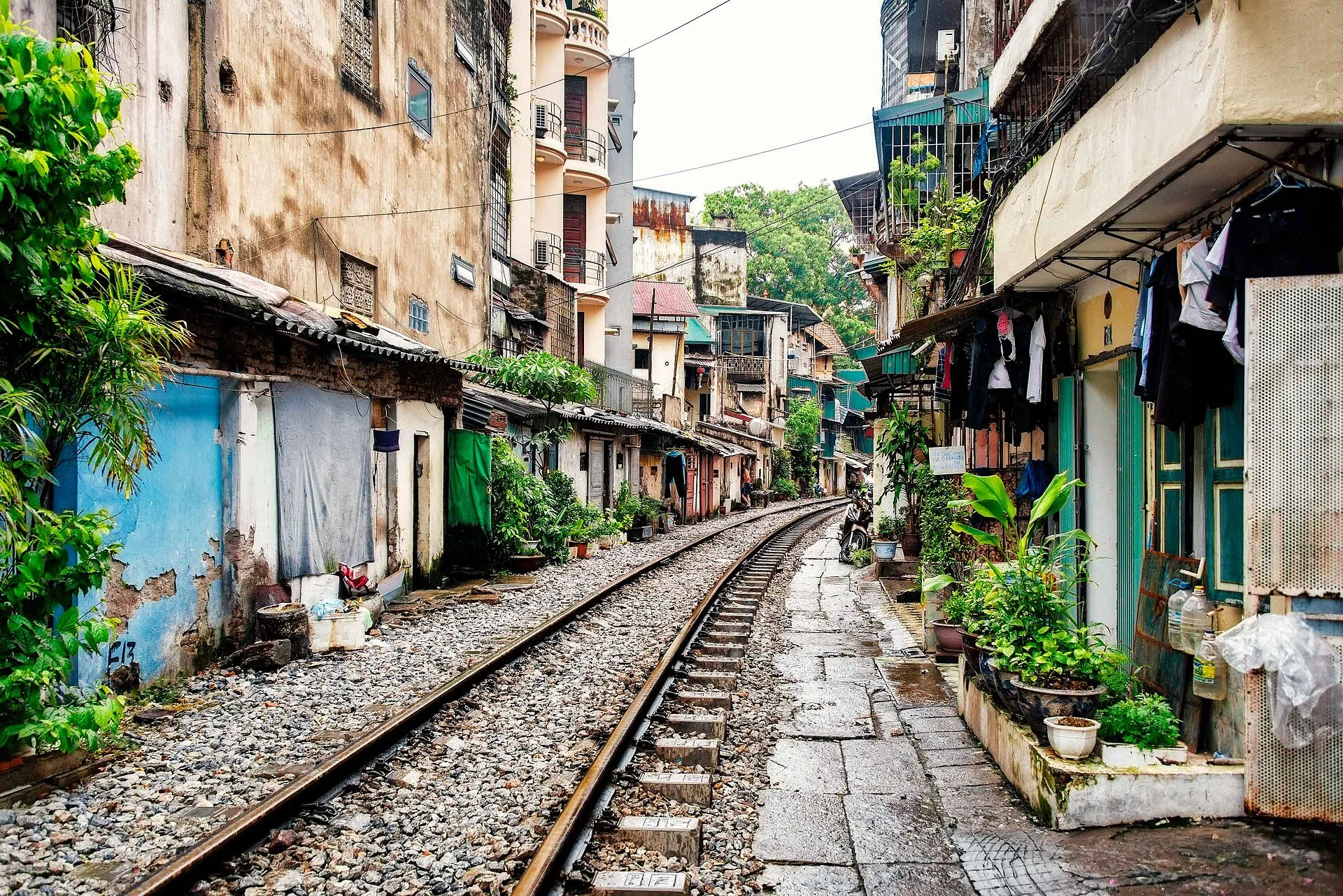
Walking on the tracks is prohibited. See the Hanoi Train Street guide.
Health, air and weather
- Water: drink sealed bottled water or water that has been boiled.
- Mosquitoes: dengue is present in Vietnam. The mosquitoes that carry it bite mainly in the daytime and are more common in towns and cities (TravelHealthPro). Use repellent.
- Air quality: pollution peaks from October to March (VietnamNet). IQAir says the air improves in the wet season from May to October (IQAir). Check the day’s reading before a long walk.
- Rain and floods: the wet season in the north runs from June to September, and seasonal flooding is common in and around Hanoi, particularly along the Red River. The tropical cyclone season normally runs from May to November.
- Heat: humidity and heat can be severe in the wet season. Know the signs of dehydration and heatstroke.
- Medicines: it is illegal to carry more than 7 days of prescribed medicine classed as addictive or psychotropic, which includes some treatments for anxiety, depression and insomnia. Carry the prescription and a doctor’s letter.
- Insurance: make sure your travel insurance covers local treatment, an air ambulance and repatriation. Embassies do not pay medical bills.
Rules that catch visitors out
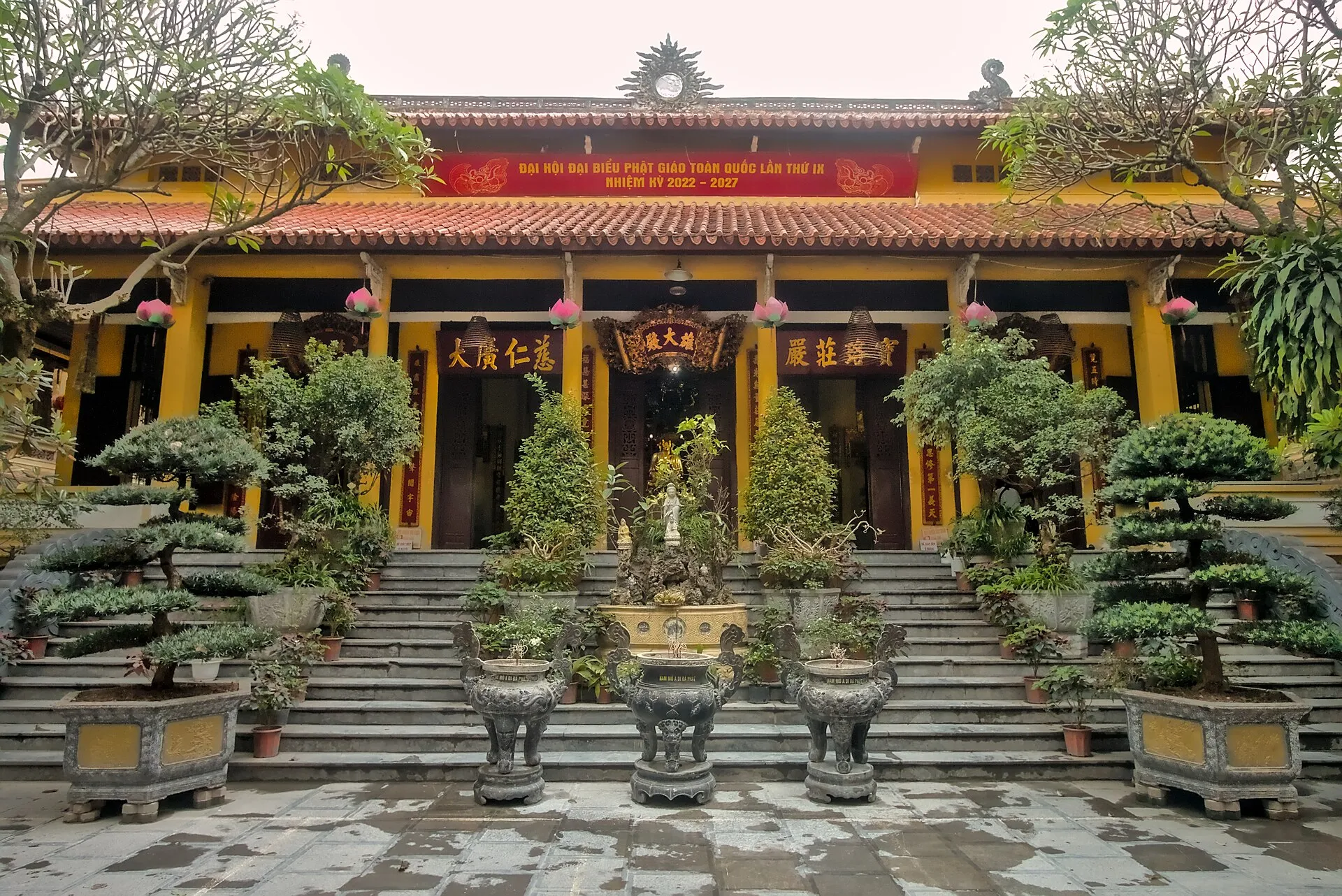
- Dress code: at religious and cultural sites cover your shoulders and knees. See Hanoi etiquette.
- Military bases: do not photograph them.
- Protests: avoid all protests and demonstrations.
- Ha Long Bay boats: check the boat’s safety record and certification, get a safety briefing and make sure you have a life jacket. See the overnight cruise guide.
Emergency numbers
| Service | Number |
|---|---|
| Police | 113 |
| Fire | 114 |
| Ambulance | 115 |
| National search and rescue | 112 |
| Child protection hotline | 111 |
The lines are answered in Vietnamese only. Ask your hotel to call, or take a Vietnamese speaker with you to report a crime, and always get a police report. Tell your insurer about any serious incident.
What next
Read money in Hanoi, Hanoi etiquette and eSIM for Vietnam. The public transport guide covers getting around, and the Hanoi guide has the full planning list.
Common questions
Is Hanoi safe for tourists?
The UK Foreign Office says violent crime against foreigners is rare, but petty theft and pickpocketing occur regularly, and bag-snatchers operate in crowded areas and places tourists visit. Traffic is the everyday risk.
How do I avoid bag snatching in Hanoi?
Hold your bag in front of you or on the side away from the traffic, and listen for motorbikes behind you as you walk. If someone grabs a bag, let it go rather than risk an injury in a struggle.
Are taxis in Hanoi safe?
Use a metered taxi from a large firm, or book with Grab or XanhSM, which supply licensed cars. Book the whole journey in the app and check the car and driver against the app. Be wary of anyone who says they are from Grab or XanhSM.
What are the emergency numbers in Vietnam?
Police 113, fire 114, ambulance 115 and national search and rescue 112. The lines are answered in Vietnamese only, so ask your hotel to call, or take a Vietnamese speaker with you to report a crime.
When is Hanoi's air quality worst?
Pollution peaks from October to March, in the northern winter, when calm winds and low rainfall keep fine particles near the ground. The air improves in the wet season from May to October.