In this guide
The Short Version: Invented in Hanoi in 1946 by Nguyen Van Giang—a bartender at the French colonial Grand Hotel Metropole who substituted whipped chicken egg yolks for scarce fresh milk during wartime—egg coffee (ca phe trung) is Hanoi’s defining liquid indulgence. A dense, velvety custard of sweetened egg yolk and condensed milk floats over a concentrated shot of dark Robusta coffee. Drink it at Cafe Giang (39 Nguyen Huu Huan, 25,000 to 50,000 VND), where the Giang family has brewed it for 80 years, take in lake views from the rustic balcony of Cafe Dinh (13 Dinh Tien Hoang, 25,000 to 35,000 VND), or sample cinnamon-infused egg coffee inside the 1930s French villa of Loading T (8 Chan Cam). For coconut coffee, head to Cong Caphe; for bohemian art history, visit Cafe Lam. Or book a tour: To learn the culinary mechanics of whipping your own perfect cup, book the Hanoi Coffee Workshop: Make Salt, Coconut and Egg Coffeead (VND 587,600) or Hanoi: Coffee Workshop 4-6 Brews with Egg/Coconut/Brown Cafead (VND 320,500).
Across Vietnam, cafe culture is not merely a morning necessity—it is an all-day social ritual conducted on tiny plastic stools along tree-shaded pavements. Vietnam stands as the world’s second-largest coffee exporter after Brazil and the undisputed global powerhouse of Coffea canephora (Robusta).
While southern Ho Chi Minh City gravitates towards tall, sweet iced coffee sucked quickly through straws in tropical heat, Hanoi cultivates a contemplative cafe society where strong, slow-dripped coffee is savoured over unhurried conversation.
History: wartime scarcity and culinary invention
The roots of Hanoi’s unique coffee culture date back to 1857, when French Catholic missionaries first introduced coffee plants to northern Tonkin. Large-scale cultivation soon shifted to the rich red basalt soil of the Central Highlands around Buon Ma Thuot, which proved exceptionally hospitable to hardier, high-caffeine Robusta beans.
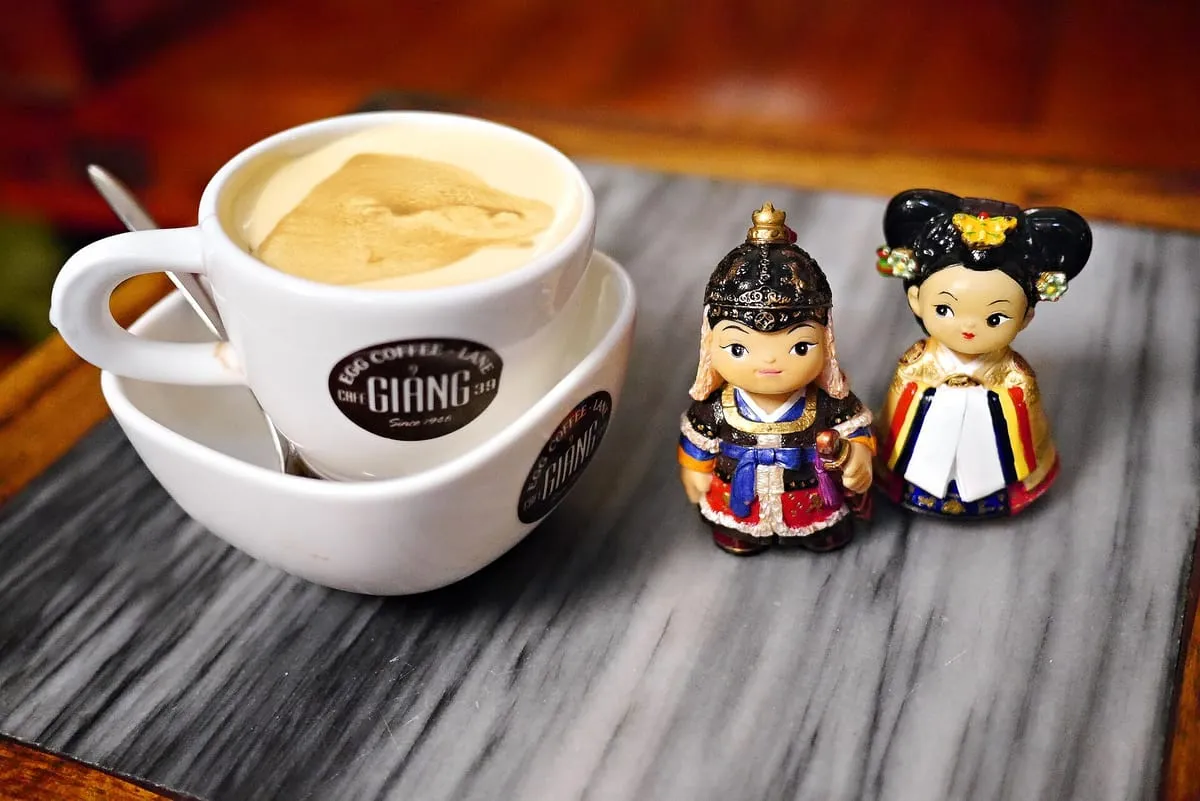
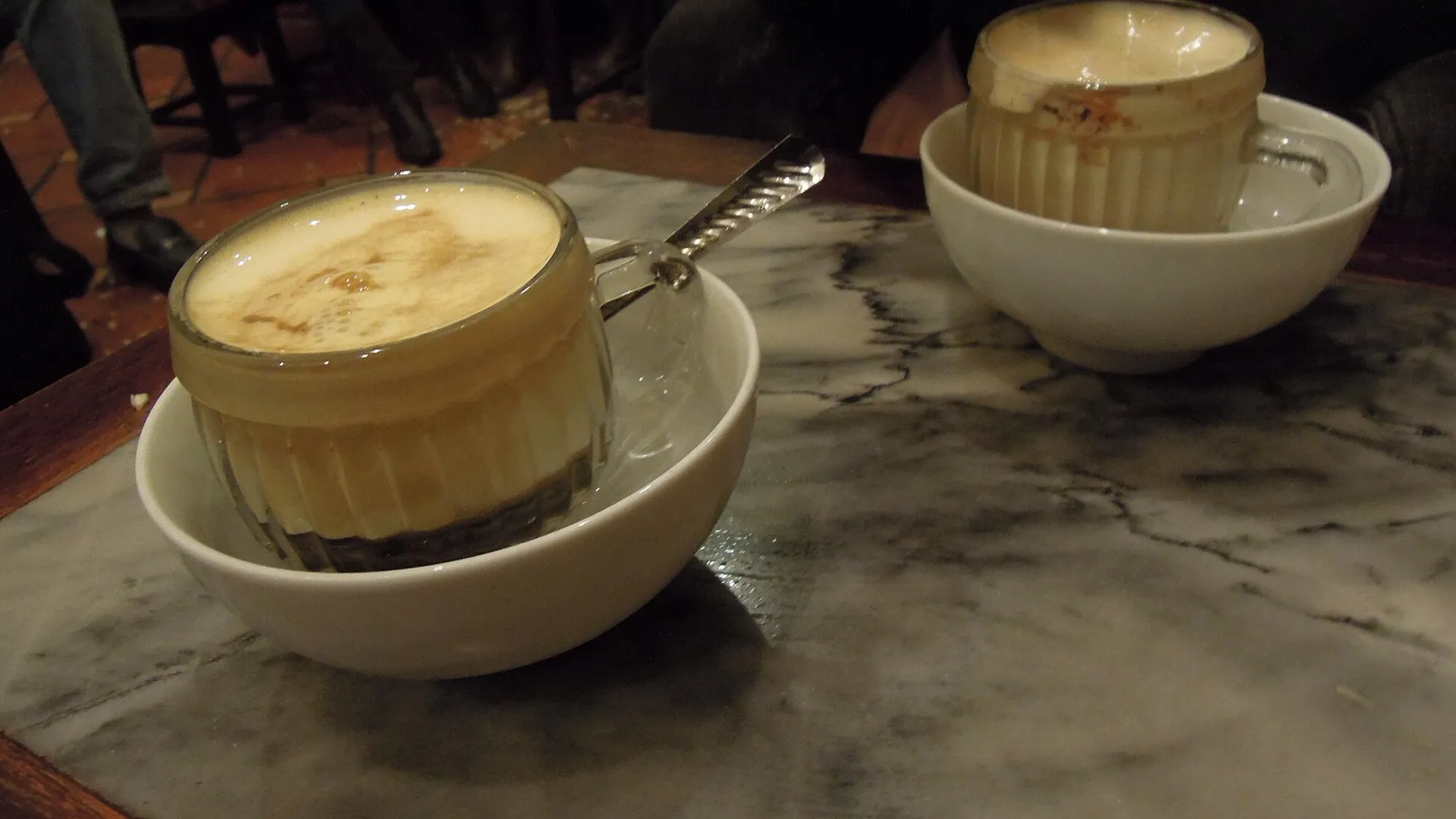
Rich whipped golden egg foam layered over dark robusta coffee in a warm water bath. Photo: travel oriented from Manila, Philippines, Wikimedia Commons, CC BY-SA 2.0.
In late 1946, as conflict erupted between French colonial forces and the Viet Minh, Hanoi was severed from rural milk supply lines. Imported canned condensed milk was strictly rationed and luxury dairy cream non-existent.
Working at the French colonial Grand Hotel Metropole (now the Sofitel Legend Metropole Hanoi), bartender Nguyen Van Giang sought a solution to replicate the creamy, foamy texture of a Western cappuccino. He began experimenting with fresh chicken egg yolks, whisking them vigorously with sugar and condensed milk until they transformed into an airy, pale yellow meringue. When floated atop a small cup of dark, concentrated Vietnamese drip coffee, ca phe trung was born.
Giang soon departed the hotel to open Cafe Giang on Hang Gai, relocating later to Nguyen Huu Huan Street. Today, the cafe remains under the stewardship of his descendants, serving hundreds of cups daily to both multi-generational locals and curious international travellers.
Brewing mechanics: Robusta chemistry and the Phin filter
To appreciate egg coffee, one must understand the foundation underneath the foam. Standard Vietnamese coffee relies on dark-roasted Robusta beans brewed using a traditional stainless steel or aluminium gravity filter known as a phin.
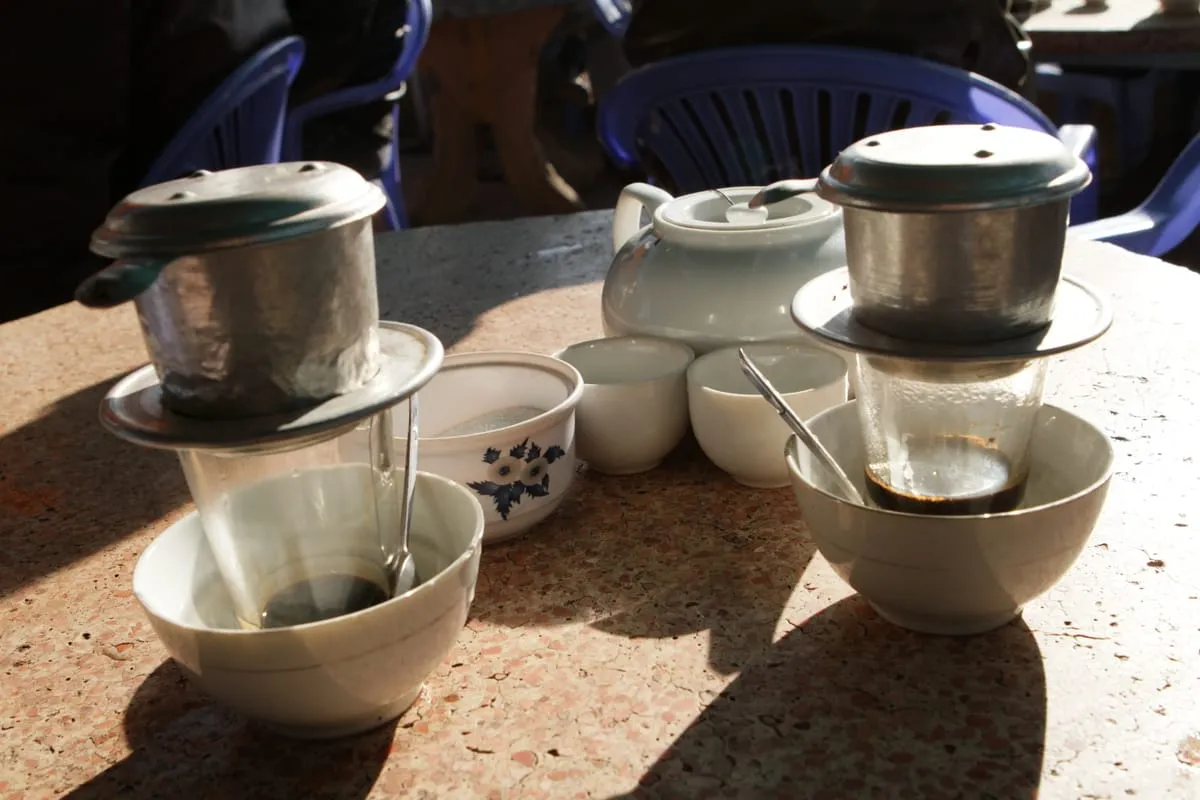
Slow-dripping Vietnamese robusta coffee through metal phin filters. Photo: Frank Fox, Wikimedia Commons, CC BY-SA 4.0.
- High caffeine and bold bitterness: Robusta contains roughly 2.7% caffeine by weight—nearly double that of Arabica—along with lower acidity and earthy, dark chocolate, and smoky tasting notes. This bold bitterness provides the crucial structural counterweight that cuts through the intense sweetness of the egg emulsion.
- The Phin extraction process: Finely ground coffee is tamped down gently beneath a perforated metal gravity press plate. Boiling water is poured into the upper chamber, releasing coffee through micro-punctures drop by drop over four to six minutes. The result is an intensely viscous, aromatic brew.
- The egg emulsion: Fresh egg yolks are combined with sweetened condensed milk, a dash of honey or vanilla, and sugar, whipped continuously with an electric beater for several minutes until volume quadruples and stiff, glossy peaks form. The warm coffee is poured directly into the cup, and the thick custard layer is floated gracefully over the top.
How to properly drink Hanoi egg coffee
Egg coffee is almost universally served with the small glass cup set inside a shallow ceramic bowl filled with steaming hot water. This water bath prevents the whipped egg foam from cooling and separating:
- Savour the foam: Begin by using the small teaspoon provided to sample a bite of the golden foam on its own. It should feel warm, airy, and velvety sweet, with the richness of a warm sabayon or custard.
- Sip the contrast: Tilt the cup gently to draw the intensely bitter, hot dark coffee through the sweet cap of egg foam without stirring. The temperature and flavour contrast between the bitter liquid and sweet cream is the heart of the experience.
- Stir towards the end: Once you have consumed roughly one-third to half of the cup, gently stir the remaining coffee and custard together into an integrated, silky caramel drink.
Essential Vietnamese coffees to try in Hanoi
While egg coffee is the capital’s culinary signature, Hanoi’s cafe menus offer a diverse array of creative coffee styles confirmed by the Vietnam National Authority of Tourism:
| Coffee style | Vietnamese name | Composition and flavour profile | Typical price |
|---|---|---|---|
| Egg Coffee | Ca phe trung | Whipped egg yolk, condensed milk, and sugar floated over hot phin coffee | 25,000–50,000 VND |
| Iced Milk Coffee | Ca phe sua da | Dark drip coffee stirred with sweetened condensed milk over crushed ice | 20,000–40,000 VND |
| Black Coffee | Ca phe den | Pure dark Robusta served hot or iced with optional sugar | 15,000–35,000 VND |
| Coconut Coffee | Ca phe cot dua | Ice-blended coconut milk and condensed milk slush topped with coffee | 35,000–65,000 VND |
| Salted Coffee | Ca phe muoi | Robusta coffee topped with sea-salt whipped cream (originating in Hue) | 30,000–55,000 VND |
| Yoghurt Coffee | Ca phe sua chua | Tart fermented Vietnamese yoghurt layered over ice and espresso | 30,000–50,000 VND |
The six best cafes in Hanoi for egg coffee and cafe culture
1. Cafe Giang: the historic birthplace
39 Nguyen Huu Huan Street, Ly Thai To, Hoan Kiem · Daily 07:00 to 22:00 · 25,000 to 50,000 VND
Still managed by the founder’s son, Nguyen Tri Hoa, Cafe Giang is the ultimate pilgrimage site for coffee lovers. Entered through a narrow Old Quarter corridor that opens into an airy multi-level courtyard with low wooden stools, the venue serves classic hot egg coffee (35,000 VND) in its trademark water bath, as well as egg chocolate, egg rum, and egg matcha.
2. Cafe Dinh: lake views and family heritage
2nd floor, 13 Dinh Tien Hoang Street, Hang Trong, Hoan Kiem · Daily 07:00 to 22:00 · 25,000 to 35,000 VND
Founded by the late Madame Bich, Giang’s eldest daughter, Cafe Dinh is hidden on the second floor of a crumbling French colonial apartment building opposite Hoan Kiem Lake. To enter, walk past a ground-floor handbag shop and climb a dimly lit communal staircase. The tiny open-air balcony provides panoramic views across Hoan Kiem Lake and Turtle Tower, while the interior attracts local students, artists, and chess players.
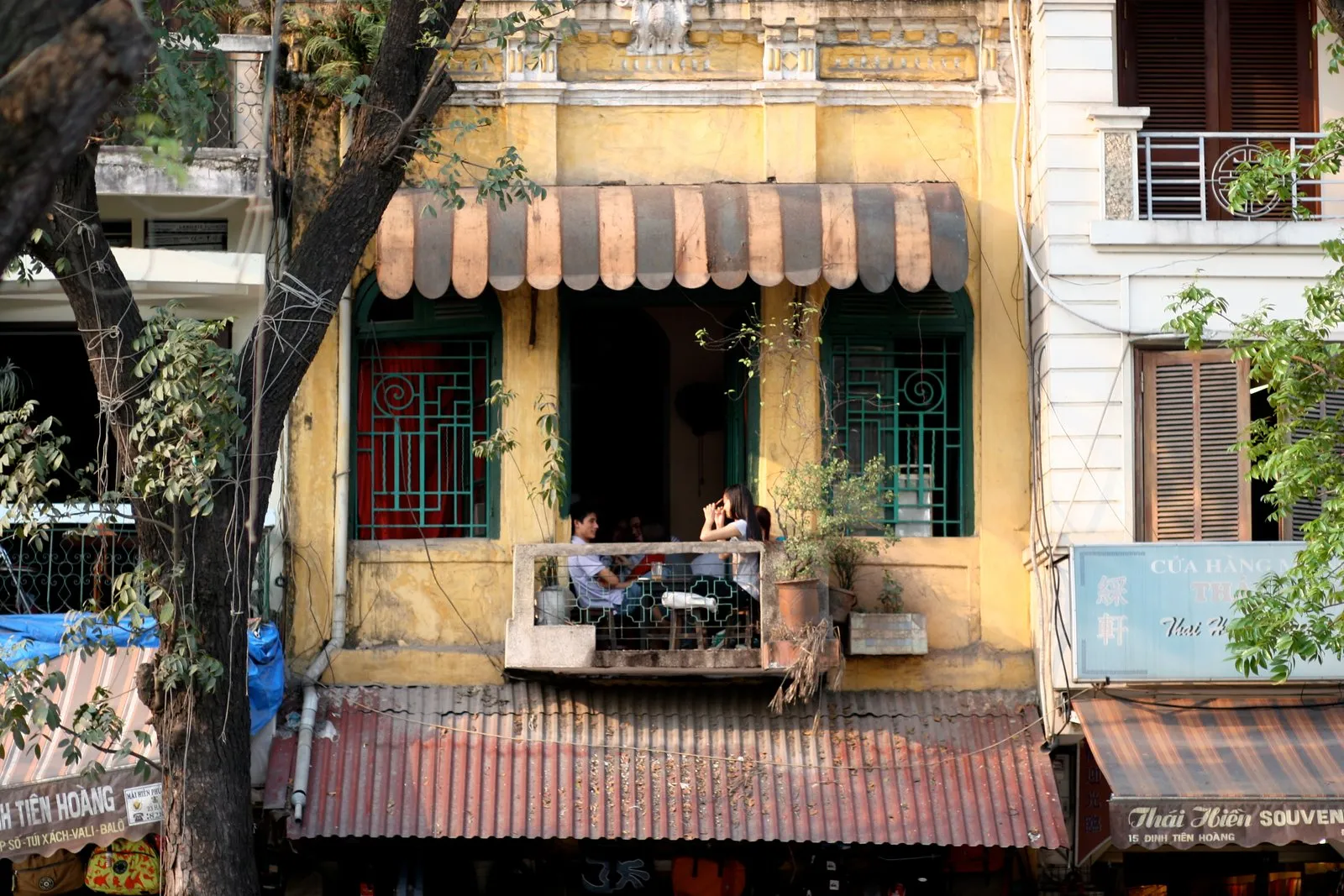
Open-air balcony seating at a cafe overlooking Hoan Kiem Lake. Photo: Nam-ho Park, Wikimedia Commons, CC BY 2.0.
3. Loading T: colonial villa charm
2nd floor, 8 Chan Cam Street, Hang Trong, Hoan Kiem · Daily 08:00 to 18:00 · 35,000 to 55,000 VND
Occupying a charming 1930s French colonial mansion with original patterned ceramic floor tiles, exposed brickwork, and floral wallpaper, Loading T elevates egg coffee by lightly dusting the foam with organic Vietnamese cinnamon. The cafe also roasts its own single-origin Arabica from the Central Highlands and brews herbal flower teas. Situated two minutes from St. Joseph’s Cathedral.
4. Cafe Lam: the legendary art sanctuary
60 Nguyen Huu Huan Street, Ly Thai To, Hoan Kiem · Daily 07:00 to 21:00 · 25,000 to 45,000 VND
Established in 1952 by Nguyen Van Lam, this historic institution earned the moniker “the art cafe”. During the post-war decades, impoverished Vietnamese painters and poets—including modern masters such as Bui Xuan Phai, Nguyen Sang, and Duong Bich Lien—could not afford coffee, so Lam generously accepted sketches and paintings in exchange for daily cups. Today, the smoke-scented room functions as a living art museum, with walls covered in original oil, ink, and lacquer works depicting old Hanoi streetscapes.
5. Cong Caphe: retro communist nostalgia
27 Nha Tho Street (and branches citywide), Hoan Kiem · Daily 07:30 to 23:30 · 35,000 to 65,000 VND
Founded in 2007 on Trieu Vuong, Cong Caphe is a celebrated domestic chain themed around northern Vietnam’s 1980s subsidy era (Thoi bao cap). Staff wear military green attire amongst vintage sewing machine tables, olive-drab metal water canteens, and propaganda posters. Cong is internationally famous for its coconut coffee (ca phe cot dua), an iced blend of rich coconut cream, condensed milk, and shaved ice drizzled with robust espresso.
6. Trieu Viet Vuong: the “Coffee Street” enclave
Trieu Viet Vuong Street, Bui Thi Xuan, Hai Ba Trung district · Various venues open 07:00 to 22:00
Located two kilometres south of the Old Quarter, Trieu Viet Vuong holds the highest concentration of independent cafes in Vietnam, with more than 100 venues clustered along a single one-kilometre boulevard. Notable stops include Cafe Tho (renowned for old-school Robusta phin drip on roadside stools) and All Day Coffee (a chic modern roastery serving specialty pour-overs and siphon brews).
Workshops and guided coffee tours
Taking a guided coffee workshop allows you to learn the exact whipping science and bean-roasting methods from master baristas:
Hanoi Coffee Workshop: Make Salt, Coconut and Egg Coffee
From VND 587,600 · 5.0 stars from 1200 reviews · 3 hours · Comprehensive coffee class
Book the Hanoi Coffee Workshopad to discover the rich agricultural history of Vietnamese beans while preparing three distinct regional coffees: traditional Hanoi egg coffee, Da Nang salted foam coffee, and tropical coconut coffee.
Hanoi: Coffee Workshop 4-6 Brews with Egg/Coconut/Brown Cafe
From VND 320,500 · 4.9 stars from 586 reviews · 1 - 3 hours · Hands-on barista session
Book the 4-6 Brews Coffee Workshopad for an interactive laboratory-style brewing session, mastering phin filter grind calibrations, condensed milk ratios, and egg-whipping techniques.
Hanoi: Workshop to Brew Six Vietnamese Coffees
From VND 350,000 · 4.9 stars from 221 reviews · 45 minutes - 2 hours · Express coffee masterclass
Book the Six Vietnamese Coffees Workshopad to taste and brew a diverse flight of Vietnamese coffee preparations, accompanied by local confectionery.
Practical cafe etiquette and tips
- Table sharing: In compact, heritage cafes like Cafe Giang and Cafe Dinh, sharing low wooden tables with strangers during morning rush hours (08:30 to 10:00) is standard local practice.
- Cash preferences: Independent heritage cafes operate strictly on cash in Vietnamese Dong (
VND). Cong Caphe and modern roasteries like All Day Coffee accept credit cards. - Pairing coffee with sightseeing: Seamlessly integrate these venues into your travel plans by following our self-guided Old Quarter and Hoan Kiem walking tour or architectural French Quarter and Ba Dinh walk.
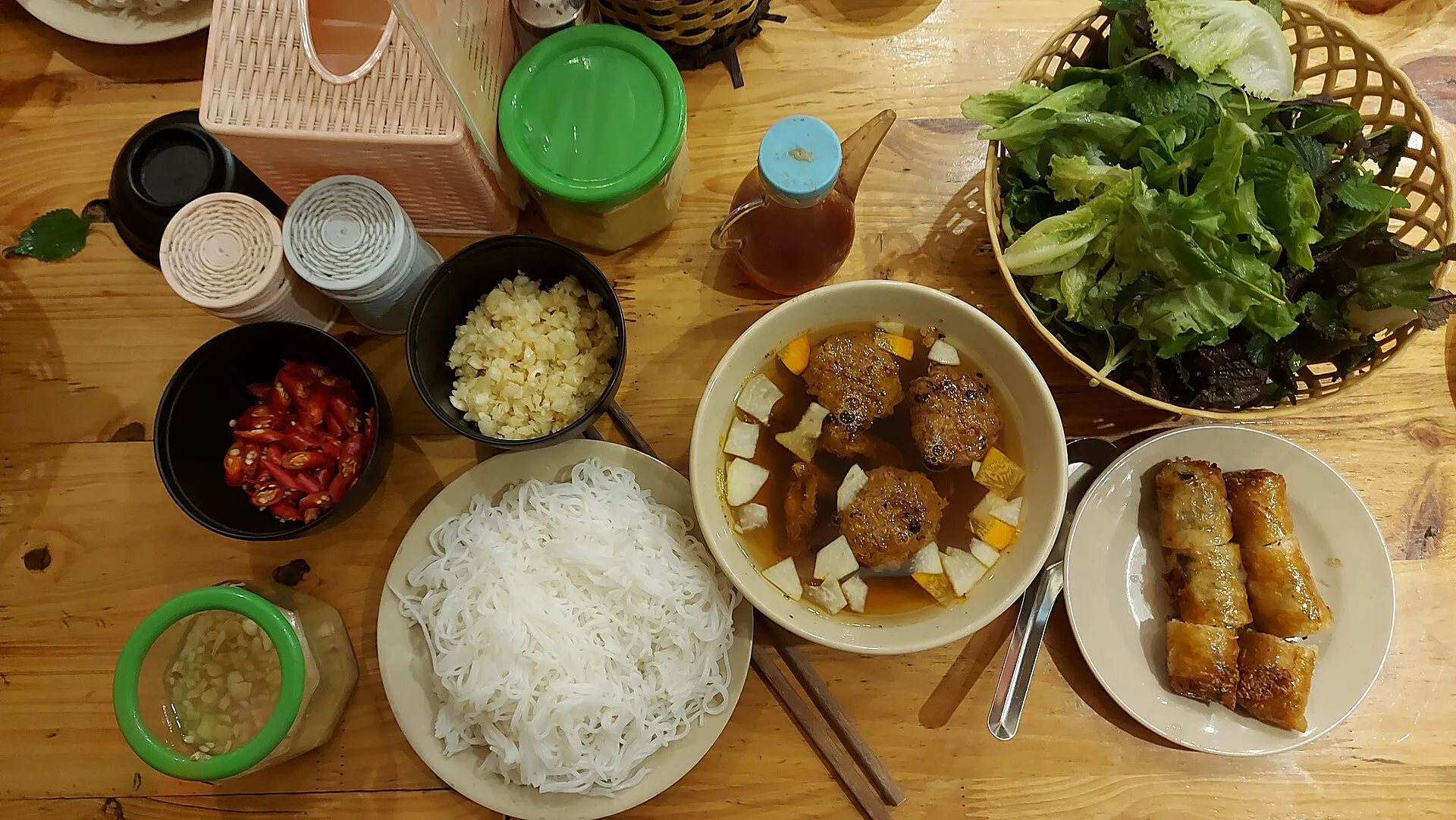
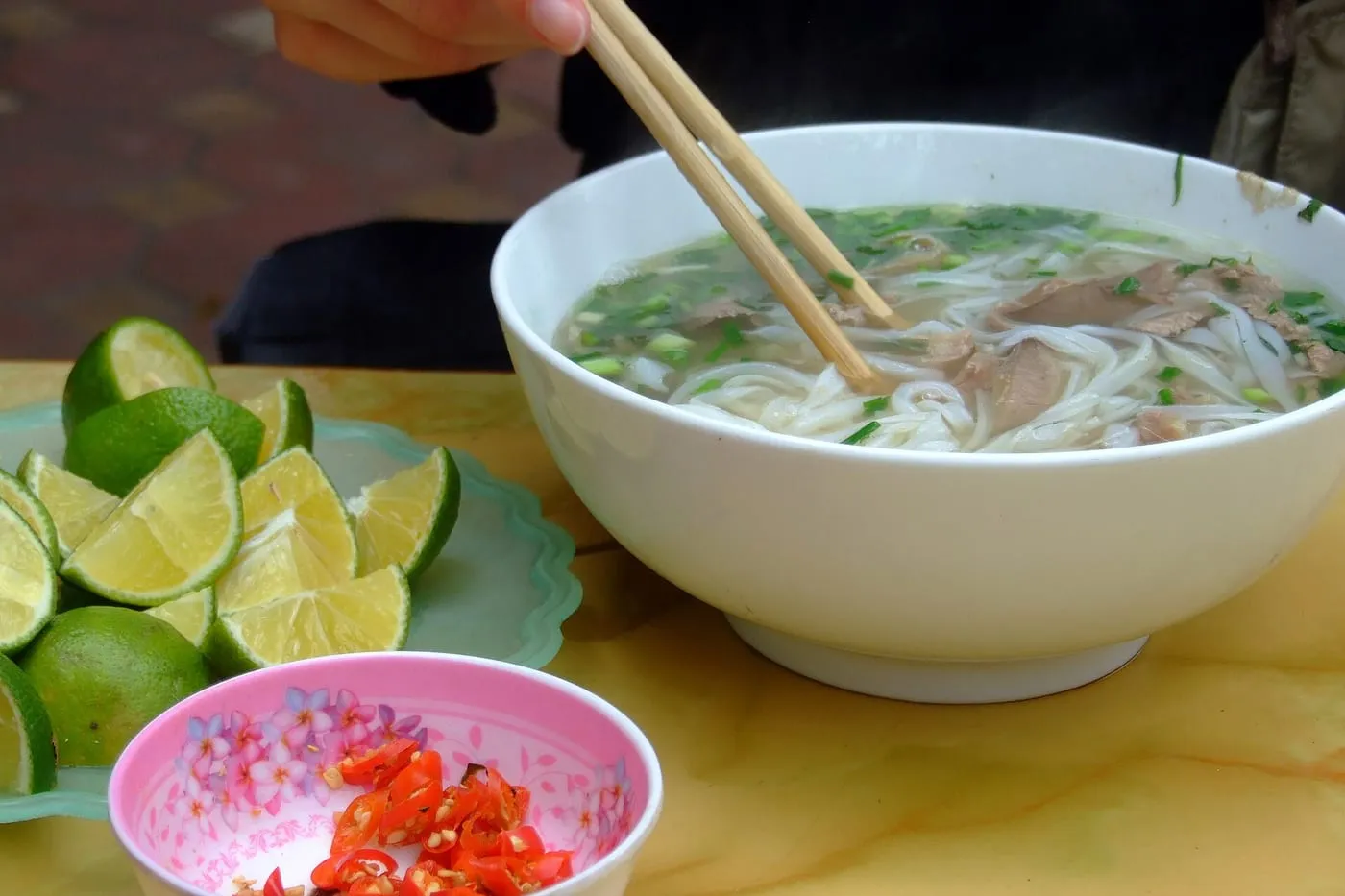
- For savoury meal pairings before your caffeine fix, consult our definitive guide to the best pho and bun cha in Hanoi and comprehensive directory of where to eat in Hanoi.
Common questions
What is Hanoi egg coffee (ca phe trung)?
Egg coffee is an emulsion of fresh chicken egg yolks, sweetened condensed milk, and sugar, whipped at high speed into a velvety golden meringue cream and floated over concentrated, piping-hot dark Vietnamese coffee. It is traditionally served resting in a bowl of warm water to retain heat.
Does egg coffee taste of raw egg or fishy?
No. High-speed mechanical whisking combined with the natural sweetness of condensed milk and the aromatic heat of dark coffee removes any raw egg taste, resulting in a rich, velvety flavour profile closely resembling tiramisu or liquid creme brulee.
Where and when was egg coffee invented?
Egg coffee was created in Hanoi in 1946 by Nguyen Van Giang, who worked as a head barman at the luxury French-run Grand Hotel Metropole (now Sofitel Legend Metropole). Confronted by acute wartime shortages of fresh dairy milk during the First Indochina War, Giang innovatively substituted whisked egg yolks, launching Cafe Giang shortly thereafter.
How much does a cup of egg coffee cost in Hanoi?
A traditional cup of hot egg coffee costs between 25,000 VND and 35,000 VND at heritage family venues like Cafe Giang and Cafe Dinh. At restored colonial villa cafes such as Loading T or specialised artisan venues, prices typically range from 45,000 VND to 60,000 VND.