In this guide
The Short Version: At a pagoda, cover your shoulders and knees and take off your shoes and hat. At the Ho Chi Minh Mausoleum, guards enforce the same dress rule, and you leave cameras and phones at the deposit counter, stay silent and keep moving. At a meal, share the dishes and never stand chopsticks upright in rice. Ask before you photograph people. Tipping is not expected. Keep your temper in: loud public arguments and public displays of affection both cause offence. For safety and scams, read is Hanoi safe?.
Pagodas and temples
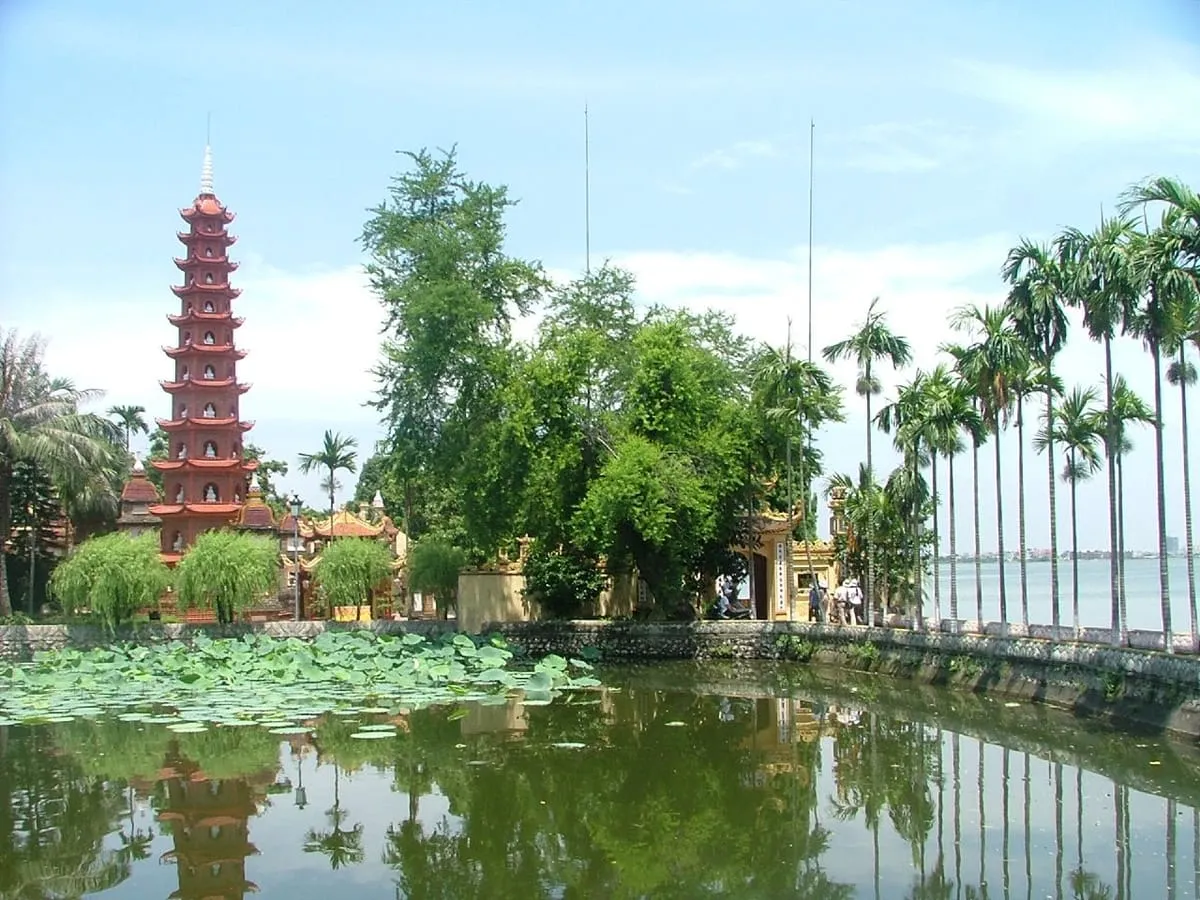
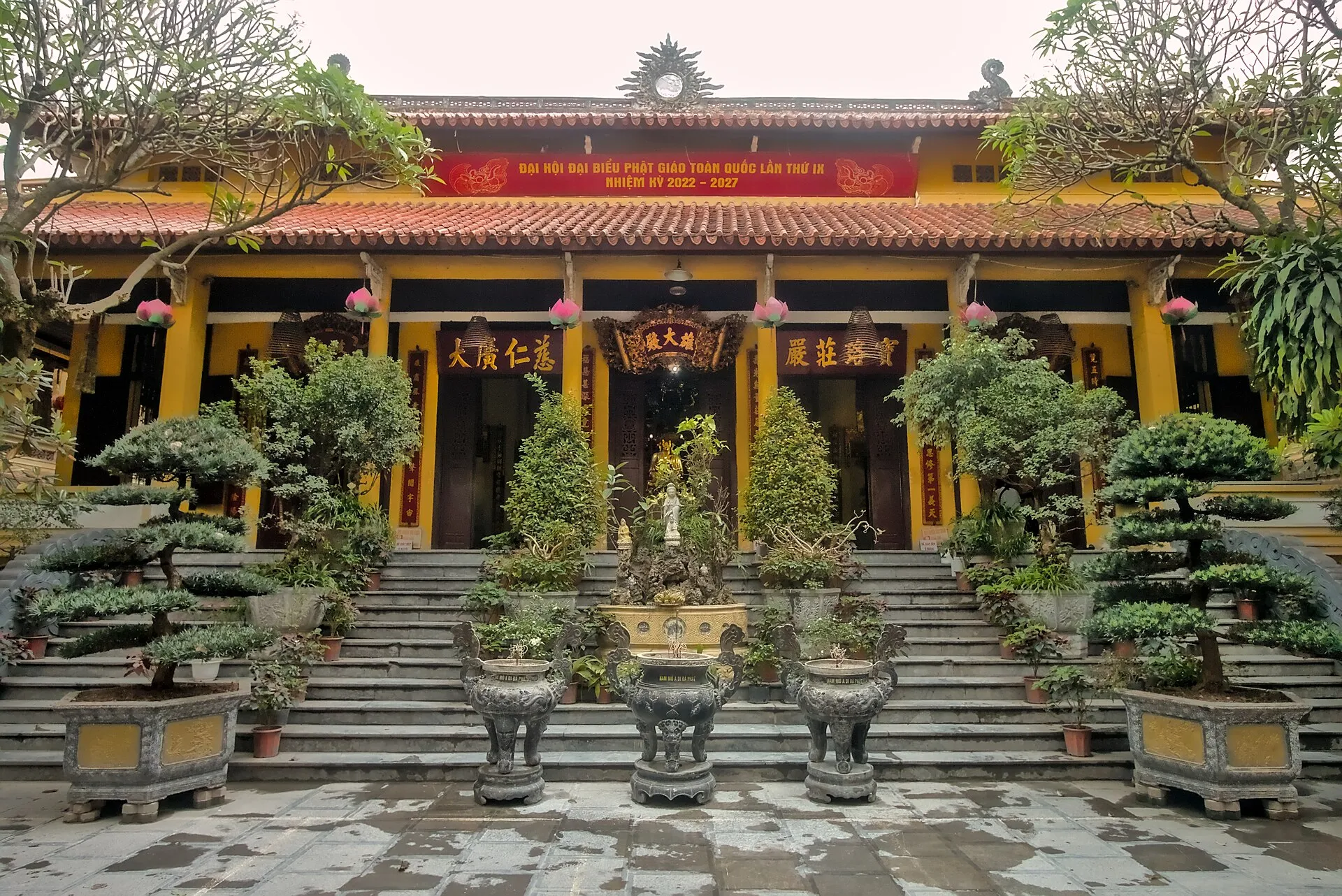
Pagodas and temples are active places of worship. The Vietnam tourist board’s rules are short (vietnam.travel):
- Dress modestly. Cover your shoulders and knees, as the UK Foreign Office also advises at religious and cultural sites. Signs at the gate often state the rule.
- Take off your shoes and your hat. Carry the shoes if you prefer, but do not wear them inside.
- Mind the altars. Families keep altars in homes and shops, some at ground level. Do not step over a ground altar or walk directly in front of one.
The Temple of Literature, Tran Quoc Pagoda and Ngoc Son Temple each have their own visiting guide.
The Ho Chi Minh Mausoleum
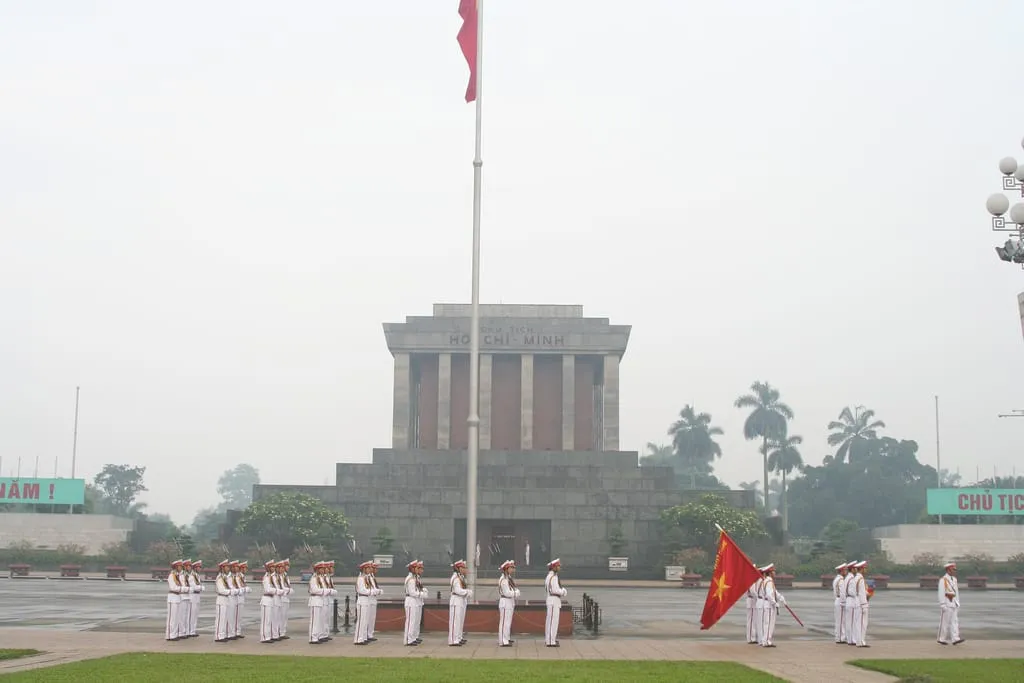
The Mausoleum has the strictest rules in Hanoi, and guards enforce them at the entrance.
- Dress: shoulders and knees covered, no shorts or sleeveless tops, and no hats. Guards remove people who do not comply.
- Bags, cameras and phones: leave them at the free deposit counter before the queue. No photos or filming.
- Silence: stay quiet from the queue to the exit.
- Movement: walk in line at a steady pace, with your hands out of your pockets and your arms uncrossed. Do not stop.
The guide has the opening days, which exclude Mondays and Fridays, and the annual closure.
Photographing people
- Ask first. Most people agree, and asking shows the respect you would want for yourself.
- Military bases: do not photograph them (UK Foreign Office).
- The Mausoleum chamber: no photos.
Greetings and addressing people
- Say xin chào for hello and cảm ơn for thank you. A smile helps when the language fails.
- Greet the oldest person first. Shake hands with your right hand.
- To get someone’s attention, Vietnamese rarely say “excuse me”. They call out a family word with ơi, chosen by age:
| Who | Say |
|---|---|
| Someone younger than you | Em ơi |
| A woman a little older | Chị ơi |
| A man a little older | Anh ơi |
| A woman of your aunt’s age | Cô ơi |
| A man of your uncle’s age | Chú ơi |
| Anyone, if you are unsure | Bạn ơi |
Eating and drinking
- Sharing: meals are shared dishes, with a small rice bowl and chopsticks for each diner.
- Passing: hand dishes over with both hands or your right hand, never your left. Hold the spoon in your left hand for soup.
- Chopsticks: never stand them upright in rice. It looks like the incense burned for the dead. Rest them across the bowl or on the holder.
- Hosts: a host fills your glass and puts the best pieces in your bowl. To stop, say politely that you are full.
- The bill: the person who invited pays. Otherwise the most senior person pays.
- Cheers: people raise their glasses and sip together as a group, every time. The word is written dô and said zo in the north, and the call is một, hai, ba, dô (one, two, three, drink). Expect it over a glass of fresh draught bia hơi, the beer sold at Hanoi street corners.
The where to eat guide and the pho and bun cha guide cover what to order.
Tipping and prices
- Tipping: there is no obligation. Vietnam’s tourist board says tipping is more common for tour guides and in spas than in restaurants.
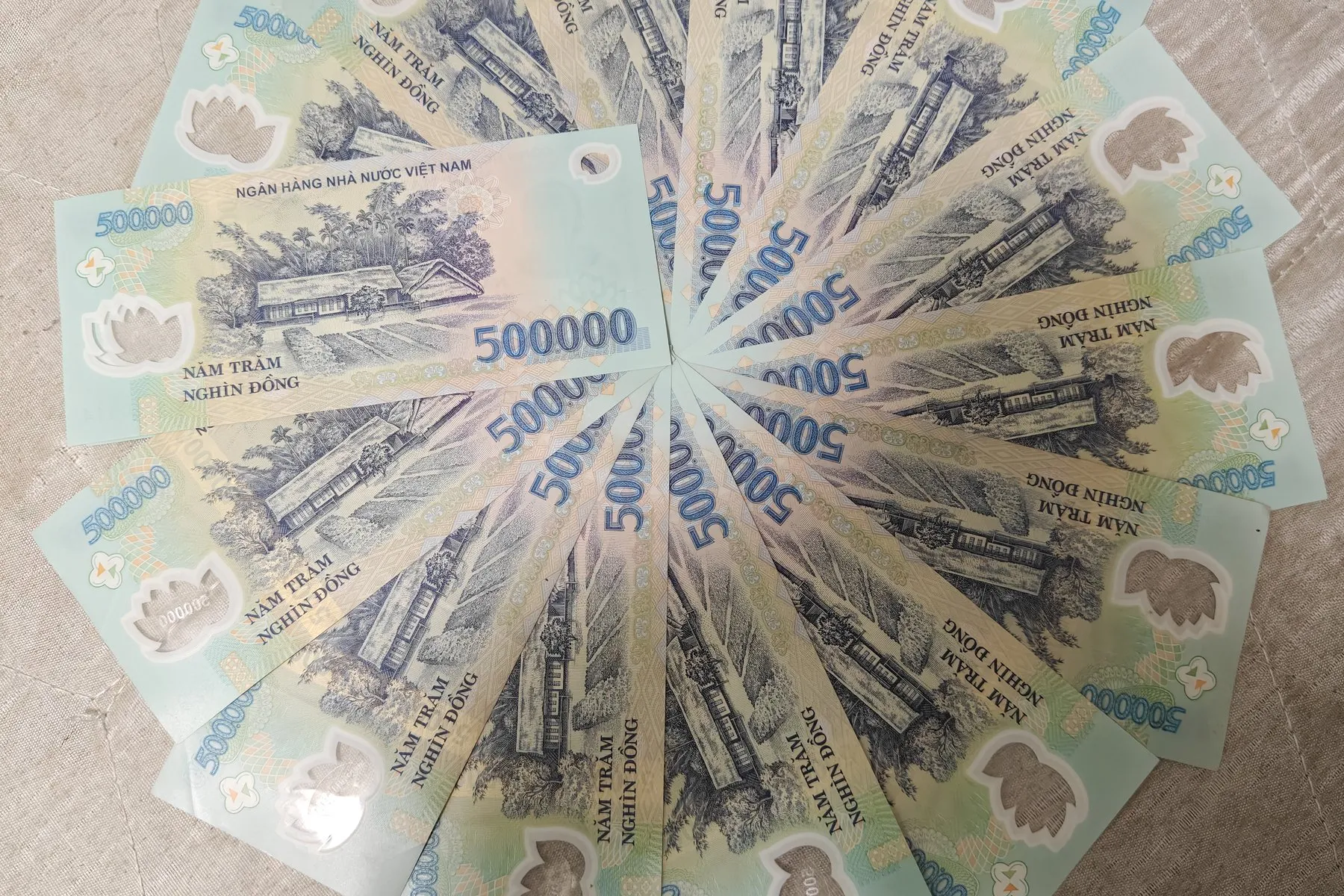
- Prices: ask the price before you buy, ride or sit down at a stall with no price on display. Hanoi’s Department of Tourism treats not displaying prices as a fraudulent practice. See money in Hanoi.
Public behaviour
- Keep your cool. Vietnamese avoid loud arguments and public scenes, and avoid pointing out anything that makes someone lose face.
- Affection: keep public displays of affection to a minimum.
- Clothes: men are not seen shirtless in public, swimwear belongs on the beach or at a resort, and visible underwear, sheer fabric and skimpy clothes are frowned on.
- Gestures: crossed fingers for luck are rude. Do not point at people, or pat anyone on the back or the head, especially older people. Pass things with your right hand or both hands.
- Protests: avoid all protests and demonstrations.
If you are invited to a home
- Shoes come off outside the door.
- Bring a gift: biscuits, cake, fruit, flowers or soft drinks. Never bring anything black.
- Greet the older family members first.
Tet
Tet, the Lunar New Year, begins on 6 February 2027. Many shops and stalls close for the holiday, and petty crime rises, so the Tet guide covers what closes and what to book ahead.
What next
Read money in Hanoi, is Hanoi safe? and eSIM for Vietnam. The Old Quarter and Hoan Kiem walk and the Hanoi guide are the next planning pages.
Common questions
What should I wear to a pagoda or temple in Hanoi?
Cover your shoulders and knees, and take off your shoes and hat before you go in. You can carry your shoes with you, but do not wear them inside.
What are the rules at the Ho Chi Minh Mausoleum?
Cover your shoulders and knees, take off your hat, leave bags, cameras and phones at the deposit counter, take no photos, stay silent and keep walking in line. Guards enforce the rules.
Do you tip in Hanoi?
No, there is no obligation. Vietnam's tourist board says tipping is more common for tour guides and in spas than in restaurants.
Is it rude to leave chopsticks standing in a bowl of rice?
Yes. Never stand them upright in rice: it looks like the incense burned for the dead. Rest them across the bowl or on the holder.
Can I photograph people in Hanoi?
Ask before you lift the camera. Most people agree, and asking shows respect. Do not photograph military bases, and take no photos inside the Ho Chi Minh Mausoleum.