In this guide
💡 The Short Version: Senso-ji is free to enter. The main hall is open 6:00 to 17:00 (from 6:30 between October and March), while the temple grounds stay open 24 hours a day, allowing calm visits at dawn or late in the evening. The temple stands at 2-3-1 Asakusa in Taito Ward, a two-minute walk from Asakusa Station on the Tokyo Metro Ginza and Toei Asakusa subway lines. Sanja Matsuri takes place on 14 to 16 May 2027 at Asakusa Shrine beside the temple. Or book a tour: a two-hour guided walking tour starts from ¥2,000 and unpacks temple history, Buddhist architecture, and the Edo-period backstreets of Asakusa.
Opening hours and admission
Admission to Senso-ji, its sacred precincts, and all interior viewing areas of the main hall is free of charge. No tickets or timed bookings are required at any time of year.
| Section | Opening hours | Admission |
|---|---|---|
| Main Hall (Kannondo / Hondo) | 6:00 to 17:00 (April to September) 6:30 to 17:00 (October to March) | Free |
| Temple Grounds & Gates | Open 24 hours daily | Free |
| Nakamise-dori Shopping Street | Roughly 9:00 to 19:00 (varies by individual vendor) | Free access |
| Asakusa Shrine (Sanja-sama) | Grounds open 24 hours; prayer hall daylight hours | Free |
The main hall doors close promptly at 17:00 year-round. However, because the perimeter gates remain unlocked around the clock, early morning before 8:00 and late evening after 19:00 provide quiet times to admire the floodlit gates, stone lanterns, and pagoda architecture without the midday tourist crowds. Check official announcements and ceremonial schedules directly on the Senso-ji temple official site.
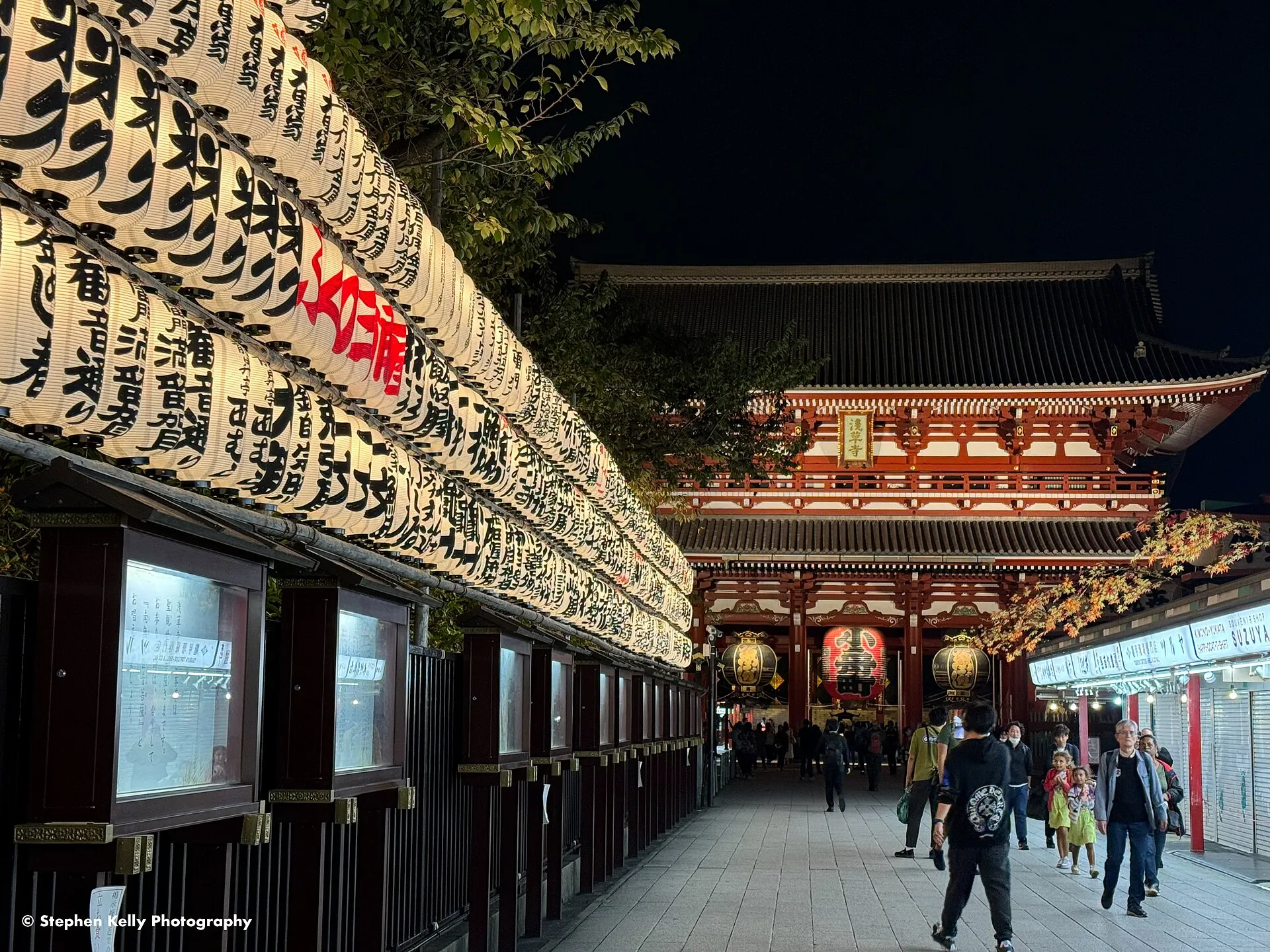
Lanterns and stalls along Nakamise-dori leading towards Hozomon Gate. Photo: Stephen Kelly from San Francisco, CA, USA, Wikimedia Commons, CC BY 2.0.
Temple history and layout
Senso-ji is Tokyo’s oldest Buddhist temple, dedicated to Sho Kannon Bosatsu, the Bodhisattva of Compassion. According to temple records, the sanctuary originated in the year 628 AD, during the reign of Empress Suiko. Two local fisherman brothers, Hinokuma Hamanari and Hinokuma Takenari, were casting nets in the nearby Sumida River (then known as the Miyato River) when they hauled up a golden statuette of Kannon. Although they returned the statue to the water several times, it repeatedly surfaced in their catch.
Recognising the sacred nature of the image, the village elder, Haji no Nakatomo, converted his private home into a modest thatched chapel to enshrine the Bodhisattva. In 645 AD, the Buddhist monk Shokai visited Asakusa and constructed a hall for Kannon, designating the statue a hibutsu (hidden Buddha)—a sacred relic concealed from human sight to preserve its holiness, a tradition maintained to this day.
When Tokugawa Ieyasu established the Tokugawa Shogunate in Edo in 1603, he designated Senso-ji as the tutelary temple of the military clan. Under shogunal patronage, the temple expanded into a grand religious and cultural centre, surviving multiple fires, earthquakes, and the Allied air raids of March 1945 before undergoing meticulous postwar reconstruction using fire-resistant reinforced concrete clad in traditional Japanese timber styling.
Kaminarimon (Thunder Gate)
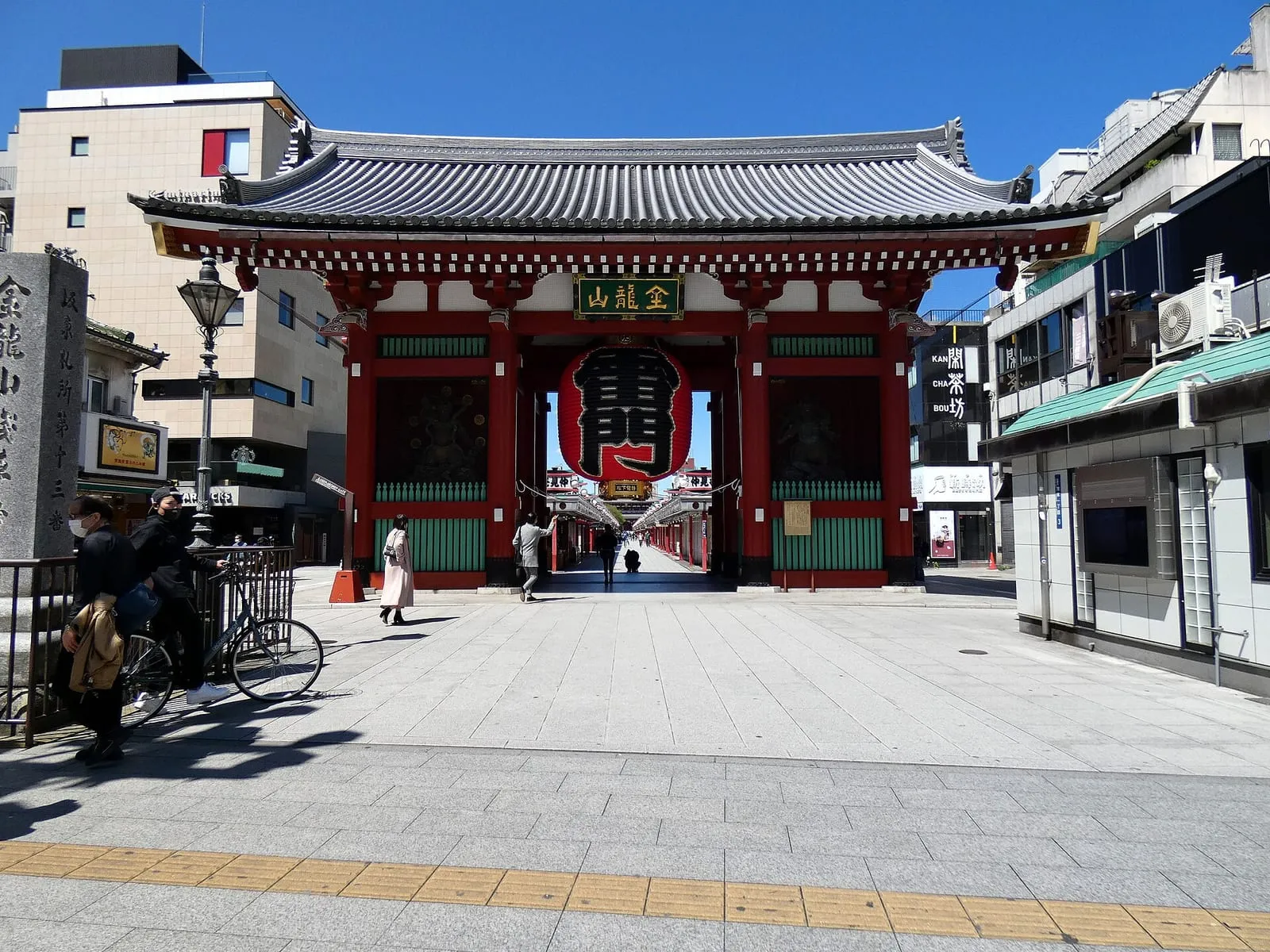
The ceremonial entrance to Senso-ji begins at Kaminarimon (the Outer Gate of Thunder). Flanked by fearsome guardian statues of Fujin (the God of Wind) on the right and Raijin (the God of Thunder) on the left, the gate is renowned for its central paper lantern (chochin). The scarlet lantern stands 3.9 metres high, measures 3.3 metres in diameter, and weighs 700 kilograms. Konosuke Matsushita, founder of Panasonic (formerly Matsushita Electric), donated the modern lantern in 1960 after praying at Senso-ji for relief from joint ailments. The base of the lantern features an intricate wood-carved dragon created by Kyoto artisans, a nod to the Sumida River water dragon legend.
Nakamise-dori
Between Kaminarimon and the inner gate extends Nakamise-dori, a 250-metre paved pedestrian thoroughfare lined with 89 small family-run shops. Established during the Edo period when neighbouring residents were granted permission to open retail stalls along the temple approach in exchange for keeping the grounds clean, it is one of Japan’s oldest commercial streets. Vendors sell traditional Edomae specialities, including freshly baked ningyo-yaki (sponge cakes shaped like temple bells and pagodas filled with sweet red azuki bean paste), kaminari-okoshi (crispy puffed rice cakes), and skewered kibi-dango (millet dumplings dusted with roasted soybean flour).
Hozomon (Treasure House Gate)
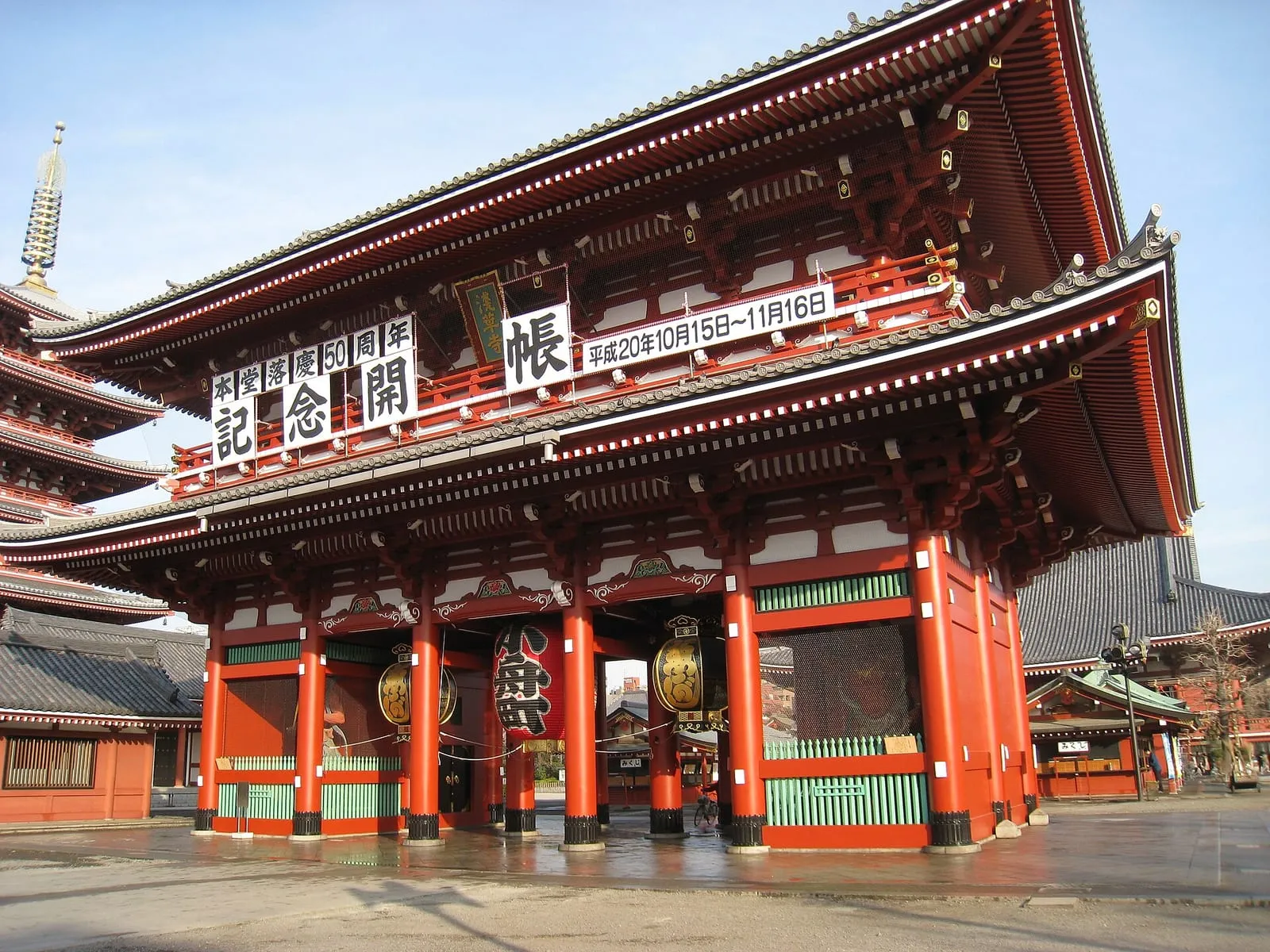
At the northern end of Nakamise stands Hozomon, a two-storey gate reconstructed in 1964. Its upper storey houses sacred Buddhist scriptures, including 14th-century Song-dynasty sutras designated as National Important Cultural Properties. Two 5.45-metre Nio guardian deities guard the facade. Hanging on the gate’s rear exterior wall are two colossal straw sandals (o-waraji). Measuring 4.5 metres in length and weighing 500 kilograms each, these woven straw sandals are crafted every decade by hundreds of volunteers in Murayama City, Yamagata Prefecture, to honour the guardian deities and ward off malevolent spirits by suggesting that a giant protects the grounds.
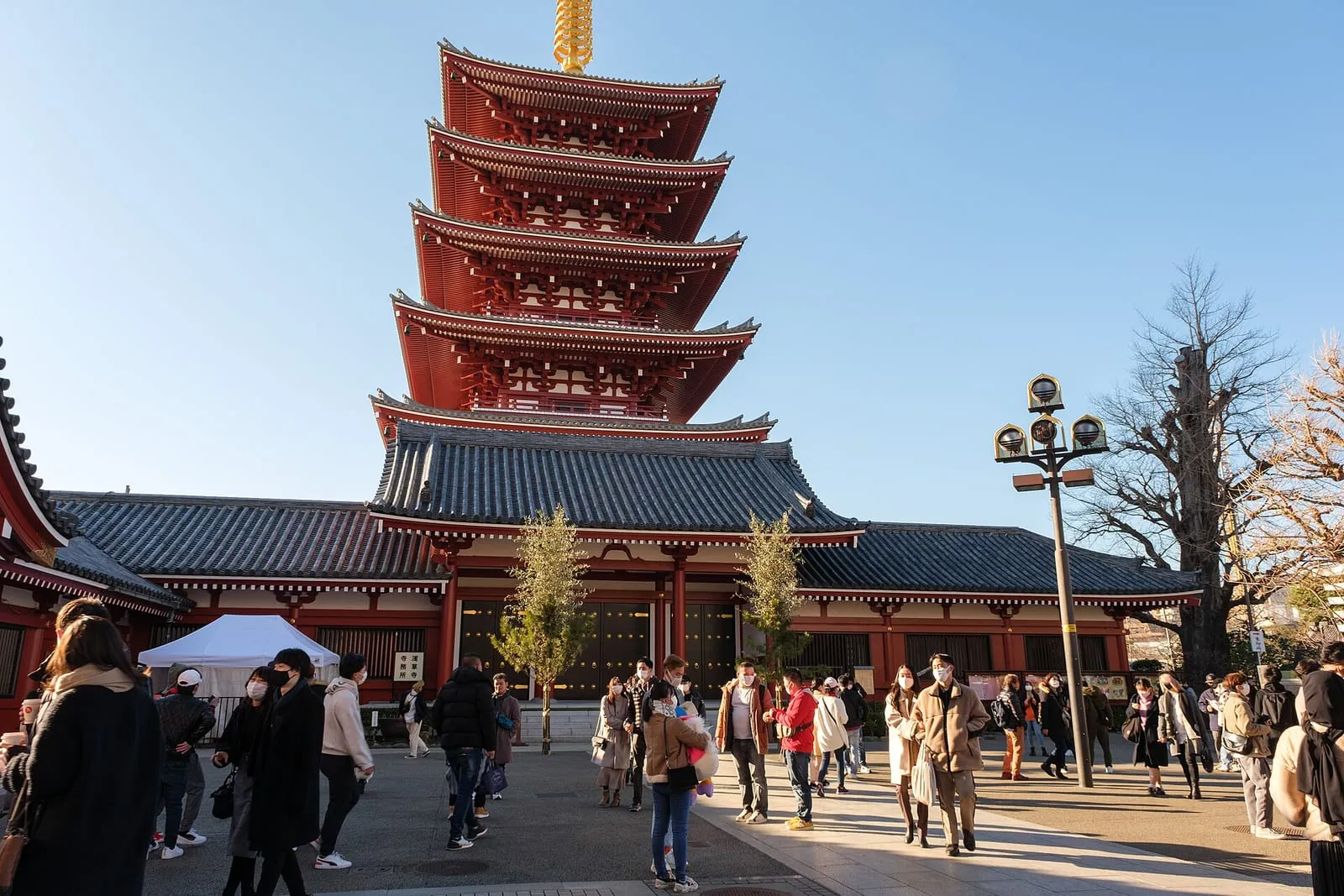
Senso-ji’s five-storey pagoda viewed from the inner courtyard. Photo: Real Estate Japan, Wikimedia Commons, CC BY 2.0.
The Five-Storey Pagoda (Gojunoto)
Rising 53 metres on the left side of the courtyard, Senso-ji’s Gojunoto is Tokyo’s second-tallest pagoda after the pagoda at Kanei-ji in Ueno. Originally built in 942 AD by military commander Taira no Kinmasa, the structure burnt down repeatedly over ten centuries. The present pagoda was completed in 1973 in reinforced concrete. The uppermost storey houses sacred relics of the historical Gautama Buddha, transferred from Sri Lanka’s Royal Pavilion Temple in 1966. While the pagoda interior is reserved for temple clergy and memorial plaque holders, the exterior is dramatically illuminated each night until 23:00.
The Main Hall (Kannondo)
The Kannondo (Hall of Kannon) is the central sanctuary of the complex. Before ascending the wide stone stairs to the entrance, visitors congregate around the Jokoro, an enormous bronze incense burner. Temple custom dictates wafting the fragrant incense smoke (shoko) over one’s head, face, or aching joints using cup-shaped hand gestures, believing the sacred herbal smoke brings wisdom, clear thought, and physical healing.
Directly inside the hall, visitors can practise the Buddhist tradition of omikuji (paper fortune-telling). Deposit a ¥100 coin into the slotted wooden box, shake the hexagonal metal container until a numbered bamboo rod slips through the small aperture, and retrieve your paper fortune from the corresponding numbered wooden drawer. Senso-ji is famous for retaining the strict traditional Song-dynasty probability ratios: roughly 30% of fortunes drawn are kyo (bad fortune). If you receive a bad fortune, do not carry it home; instead, fold the paper into a narrow strip and tie it to the designated wire racks beside the counter so the temple deities take custody of the misfortune.
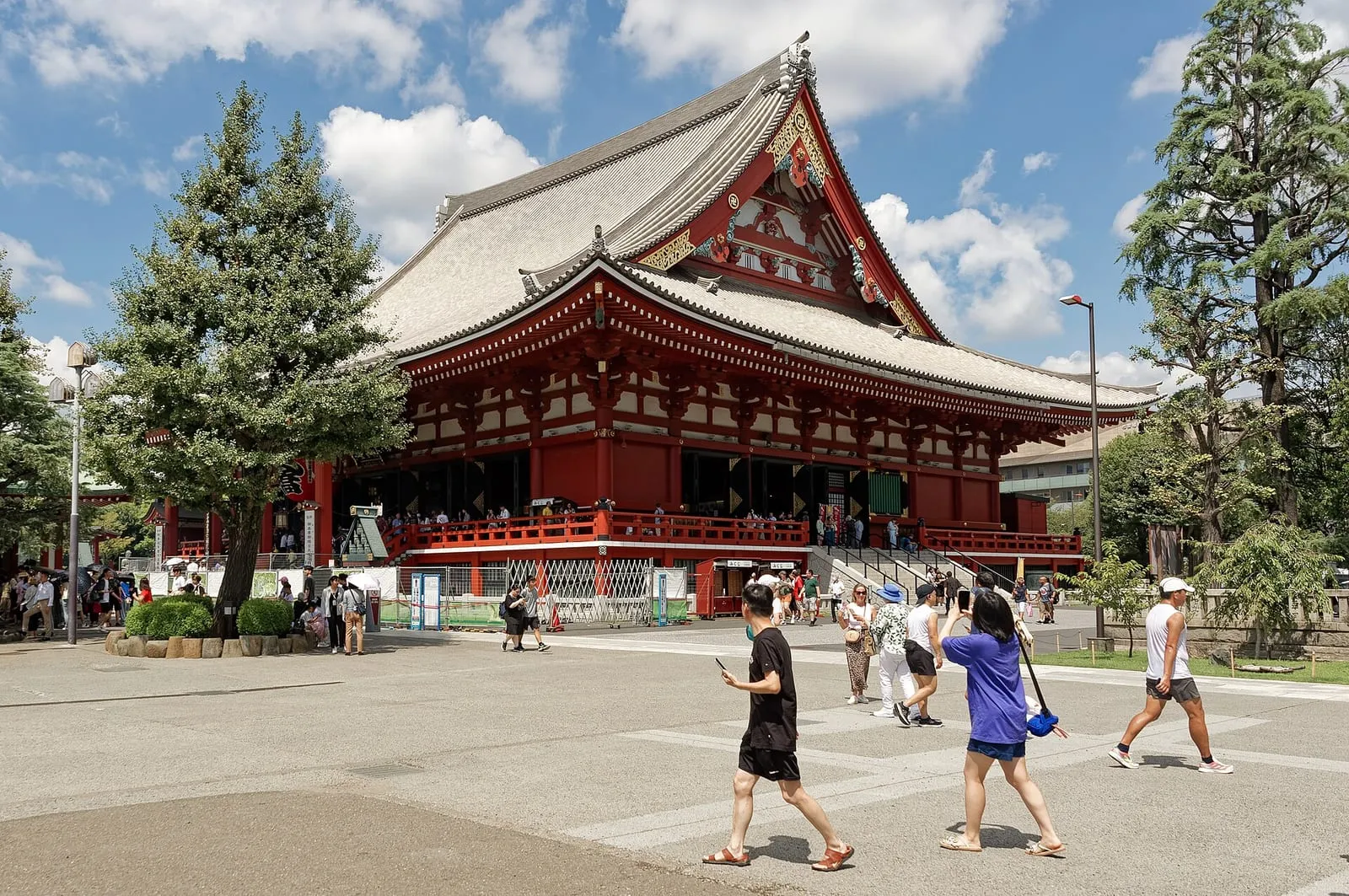
The wide tiled roof and facade of Senso-ji’s main hall. Photo: Jakub Hałun, Wikimedia Commons, CC BY 4.0.
Asakusa Shrine (Sanja-sama)
Situated just east of Senso-ji’s main hall stands Asakusa Shrine (Asakusa-jinja), an independent Shinto sanctuary commissioned in 1649 by the third Tokugawa shogun, Tokugawa Iemitsu. Known affectionately by locals as Sanja-sama (Shrine of the Three Deities), it is dedicated to the three founders of Senso-ji: the fishermen Hinokuma Hamanari and Takenari, and the village headman Haji no Nakatomo.
Unlike the temple’s main hall, which was incinerated during the Second World War, the timber structures of Asakusa Shrine survived intact from the early Edo period and are registered National Important Cultural Properties. Its classic gongen-zukuri architecture connects the worship hall (haiden) and the inner sanctuary (honden) under a single continuous roofline with black-lacquered trim and gilded metal fittings.
Festivals and seasonal events
Asakusa hosts some of Tokyo’s most spirited traditional neighbourhood festivals (matsuri):
- Sanja Matsuri (Asakusa Shrine): Friday 14 to Sunday 16 May 2027 (held annually on the third weekend of May). Sanja Matsuri is Tokyo’s wildest neighbourhood festival, drawing over 1.5 million visitors across three days. On Friday at 13:00, the Grand Procession features shrine maidens, musicians, and geisha parading in period attire. On Saturday, roughly 100 portable shrines (mikoshi) representing Asakusa’s 44 residential districts parade to the shrine. On Sunday morning, three gigantic hon-mikoshi (main shrine palanquins weighing over a ton each) depart at dawn and are jostled through the dense streets by thousands of chanting bearers. Consult the Asakusa Shrine Sanja Matsuri schedule for verified procession timetables.
- Tori-no-Ichi (Otori Shrine): Held on the Days of the Rooster in November. In 2026, the fairs take place on Saturday 7 and Thursday 19 November at nearby Otori Shrine (a 10-minute walk north of Senso-ji). Merchants and local business owners gather to purchase ornate bamboo rakes (kumade) decorated with masks, gold coins, and lucky talismans to ‘rake in’ commercial success and good fortune for the coming year. Full event details are maintained on GO TOKYO.
- Hatsumode (New Year Celebrations): From midnight on 31 December through 3 January, hundreds of thousands of worshippers file through Kaminarimon to offer their first prayers of the year, purchase new wooden protection amulets (omamori), and return previous year charms for ceremonial burning. For practical crowd navigation, read our guide to New Year in Tokyo.
- Asakusa Samba Carnival: Held in late August along the avenues surrounding Kaminarimon, featuring thousands of costumed dancers and percussion teams celebrating Tokyo’s cultural ties with Brazilian diaspora communities.
Independent visit vs guided tour
| Category | Independent visit | Guided walking tour |
|---|---|---|
| Cost | Free admission (optional ¥100 for omikuji) | From ¥2,000 to ¥3,500 per person |
| Duration | 45 to 90 minutes | 2 hours |
| Historical commentary | Limited to signage and mobile browsing | In-depth storytelling covering 1,400 years of Edo and Buddhist lore |
| Route scope | Usually just Nakamise and Main Hall | Covers hidden courtyards, Asakusa Shrine, and historic craft backstreets |
| Best suited for | Budget travellers and early-morning risers | First-time visitors seeking cultural and religious context |
Guided walking tours
While Senso-ji is straightforward to wander independently, booking a licensed local guide provides valuable cultural context on Shinto and Buddhist syncretism, temple purification rituals, and the preserved merchant neighbourhoods of lower-city (shitamachi) Tokyo.
Asakusa and Sensoji Walking Tour
From ¥2,000 · 4.9 stars from 1,055 reviews · 2 hours · Instant confirmation
Tokyo: Asakusa and Sensoji Walking Tourad offers an informative small-group overview starting outside Asakusa Station. The local guide leads participants through Kaminarimon Gate, details the history behind each culinary stall on Nakamise-dori, demonstrates the correct purification ritual at the water fountain (temizuya), and explains how to interpret your fortune at the omikuji drawers.
Asakusa Walking Tour with Sensoji Temple Visit
From ¥3,500 · 4.8 stars from 2,026 reviews · 2 hours · Mobile voucher
Tokyo: Asakusa Walking Tour with Sensoji Temple Visitad explores both the temple grounds and the historic side alleys of Asakusa, including Hoppy Street with its retro open-air izakayas and the Edo-era craft shops along Denboin-dori. Guides provide historical commentary on the district’s evolution from an Edo pleasure and entertainment quarter into modern Tokyo.
Asakusa & Sensoji 2-Hour Walking Tour
From ¥2,000 · 4.9 stars from 351 reviews · 2 hours · Guided walking tour
Tokyo: Asakusa & Sensoji 2-Hour Walking Tourad focuses closely on the spiritual traditions of Asakusa Shrine and Senso-ji, highlighting architectural nuances, the sacred dragon carvings beneath the Kaminarimon lantern, and the legends surrounding the foundation of Tokyo’s oldest temple.
Getting to Senso-ji
Senso-ji is accessible via multiple rail and underground lines terminating at Asakusa Station:
- Tokyo Metro Ginza Line (Station G19): Exit 1 or Exit 3 brings you onto the street within a two-minute walk of Kaminarimon. Direct 15-minute connection from Ueno (¥180; IC ¥178) or 33 minutes from Shibuya.
- Toei Asakusa Subway Line (Station A18): Exit A4 is a five-minute walk to Kaminarimon. Direct transit from Haneda Airport via the Keikyu Airport Line through-service (¥530; IC ¥527) or Narita Airport via the Keisei Access Express (¥1,310; IC ¥1,304).
- Tobu Skytree Line (Station TS01): The terminal station connects directly to Tokyo Skytree in three minutes (¥160; IC ¥157) and operates direct limited express trains to Nikko; see our Nikko day trip guide.
- Tsukuba Express (Station TX01): Asakusa Station on the Tsukuba Express is situated 400 metres west of Senso-ji, closer to the historic theatres and Hoppy Street.
- Tokyo Water Bus (Suida Line): Water buses operated by the Tokyo Cruise Ship company dock at the Asakusa Pier along the Sumida River, offering scenic river cruises to Hamarikyu Gardens and Hinode Pier; details are in our Tokyo public transport guide.
For full subway fares and route maps, consult the Tokyo Metro route finder and Toei Transportation subway information. The 24-hour Tokyo Subway Ticket (¥1,000) covers both the Tokyo Metro Ginza Line and Toei Asakusa Line, making transport to Senso-ji seamless.
Connecting sights nearby
Senso-ji serves as a natural anchor for broader sightseeing across eastern Tokyo:
- Asakusa to Ueno Walk: Follow our curated Asakusa, Ueno and Yanaka walk westward through the kitchenware district of Kappabashi to Ueno Park and the historic merchant quarter of Yanaka.
- Tokyo National Museum: Located in Ueno Park, a 25-minute walk or two stops on the Ginza Line; see our curated overview in Tokyo museums.
- Tokyo Skytree: Walk 20 minutes across the Sumida River via the Sumida River Walk pedestrian bridge, or take the Tobu Skytree Line for one stop to reach the 634-metre observation tower; book admissions via our Tokyo Skytree ticket guide.
- Ryogoku Kokugikan: Cross south to the sumo district of Ryogoku, home to grand sumo tournaments and stable morning practices; check our sumo tournament tickets guide.
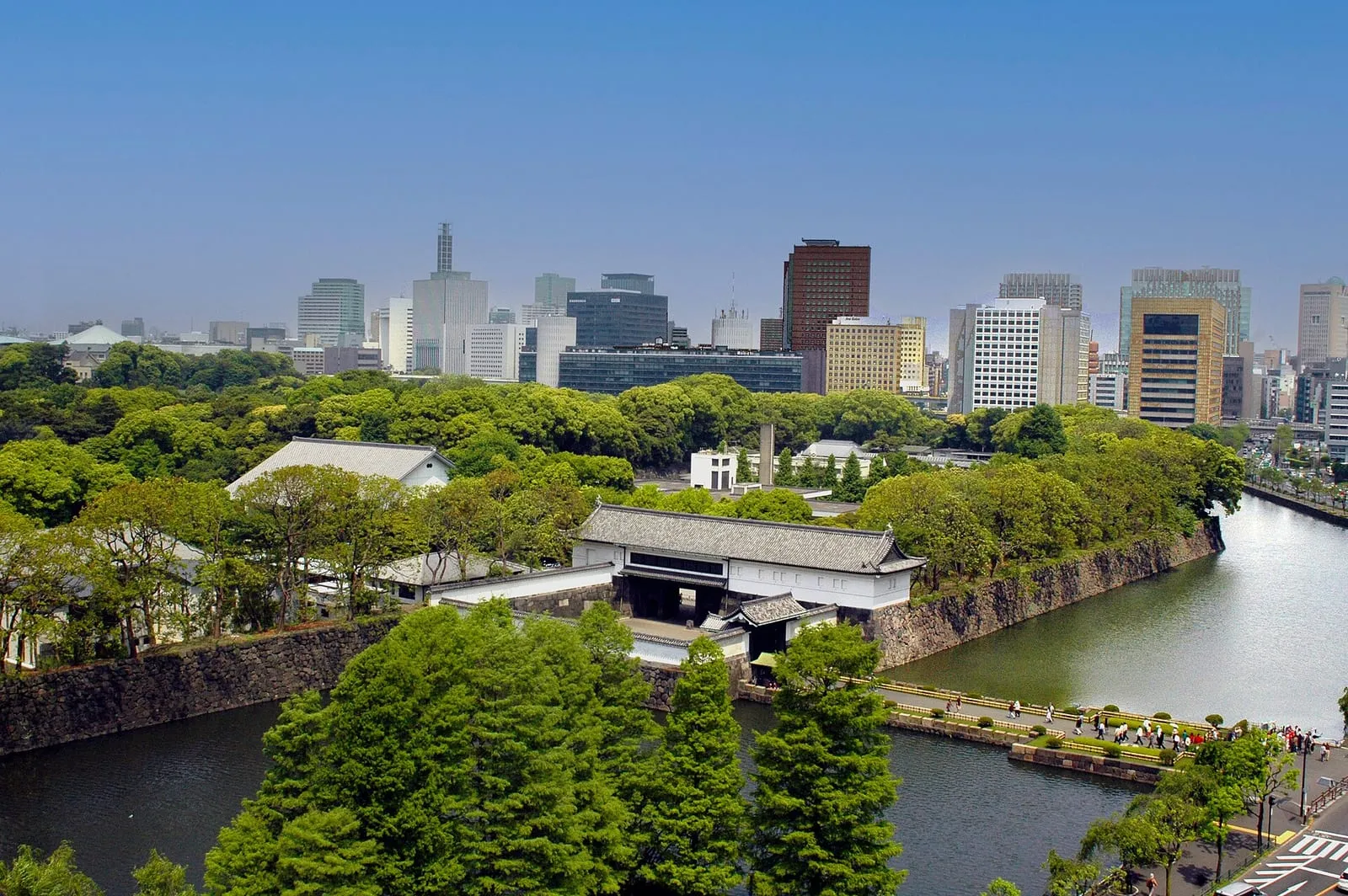
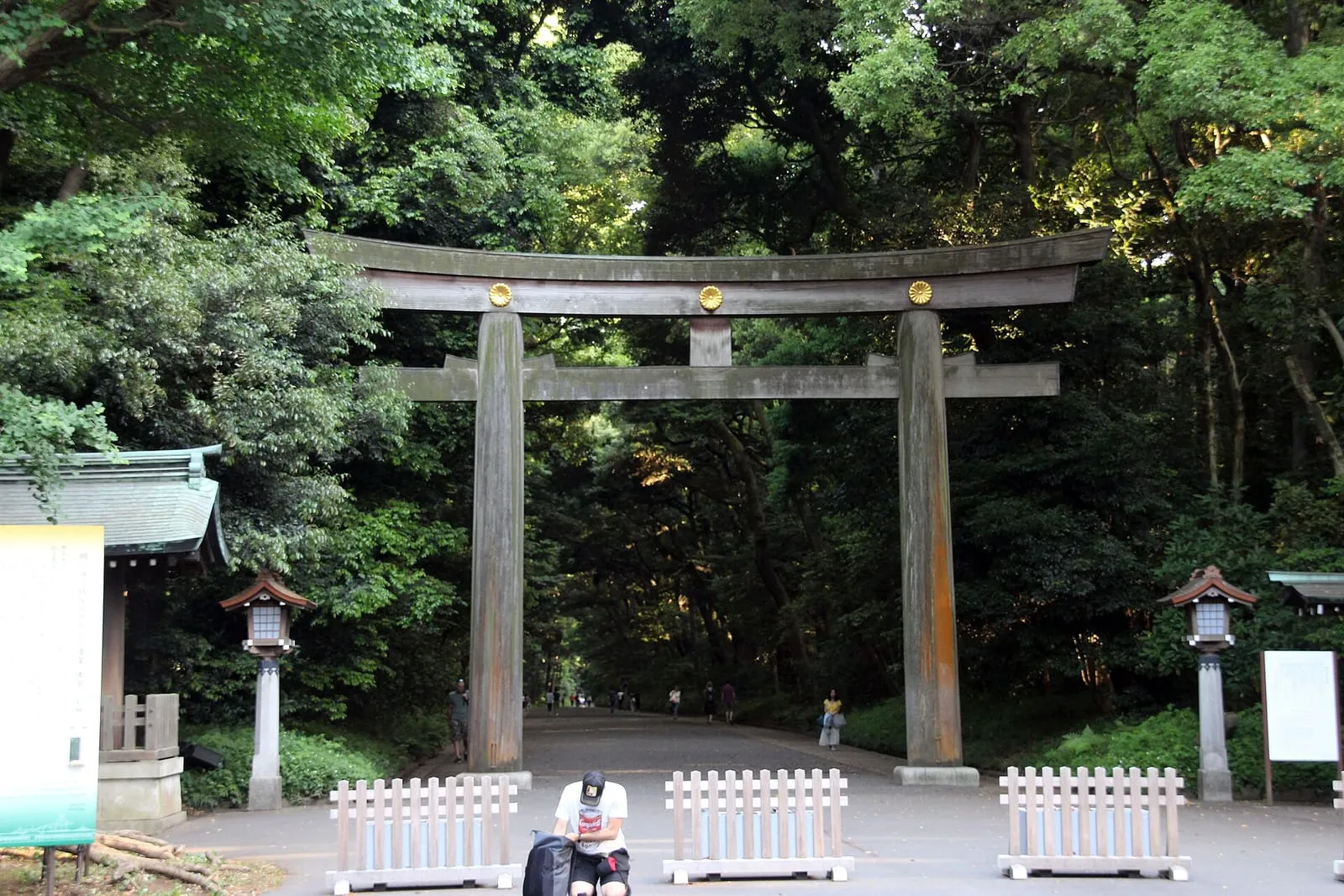
- Free Tokyo Attractions: Senso-ji heads our compilation of free things to do in Tokyo, which includes Meiji Jingu, the Imperial Palace East Gardens, and the Tokyo Metropolitan Government observation decks.
- Itinerary Planning: Senso-ji anchors the morning of Day 1 in our 3 days in Tokyo itinerary and forms the foundation of eastern Tokyo exploration in Tokyo in one or two days and 5 days in Tokyo. For neighbourhood hotel bases, see our lodging breakdown in where to stay in Tokyo.
Common questions
What are Senso-ji's opening hours?
The main hall is open from 6:00 to 17:00, and from 6:30 between October and March. The temple grounds remain open 24 hours a day.
Does it cost anything to enter Senso-ji?
No. Admission to Senso-ji, its courtyards, and the main Kannondo hall is completely free.
When is Sanja Matsuri in 2027?
Friday 14 to Sunday 16 May 2027, according to the schedule published by Asakusa Shrine, with the grand procession on Friday 14 at 13:00.
What is the Tori-no-Ichi fair at Asakusa?
An annual rooster-day fair held at neighbouring Otori Shrine in November. The dates in 2026 are Saturday 7 and Thursday 19 November.