In this guide
💡 The Short Version: Kyoto’s food culture blends refined multi-course dining with market street food. Taking an organised food tour bypasses language barriers and unlocks hidden dining spots across Nishiki Market and lantern-lit Pontocho Alley. Or book a tour: the Insider Sake Brewery Tour with Food Pairingad takes you behind the scenes of Kyoto’s historic Fushimi brewing quarter for tastings across seven artisanal sake varieties.
Kyoto’s culinary heritage, registered on UNESCO’s Representative List of the Intangible Cultural Heritage of Humanity under Washoku (traditional dietary cultures of the Japanese), was shaped by more than a thousand years as the imperial capital and the spiritual heartland of Zen Buddhism. Rather than masking ingredients under heavy spices or sweet sauces, traditional Kyoto cooking (Kyo-ryori) relies on seasonal purity, delicate vegetable preservation, pristine groundwater, and umami-rich dashi broths made from kombu kelp and katsuobushi skipjack flakes.
Navigating Kyoto’s dining scene independently can prove daunting for international travellers. Historic establishments often conceal themselves behind discrete wooden sliding doors, second-storey stairs, or unmarked noren curtains, and many maintain strict ichigensan okotowari customs (refusing first-time guests without a personal introduction). A guided culinary walk removes these obstacles, granting direct access to generational artisans, market stalls, and hidden counter izakayas.
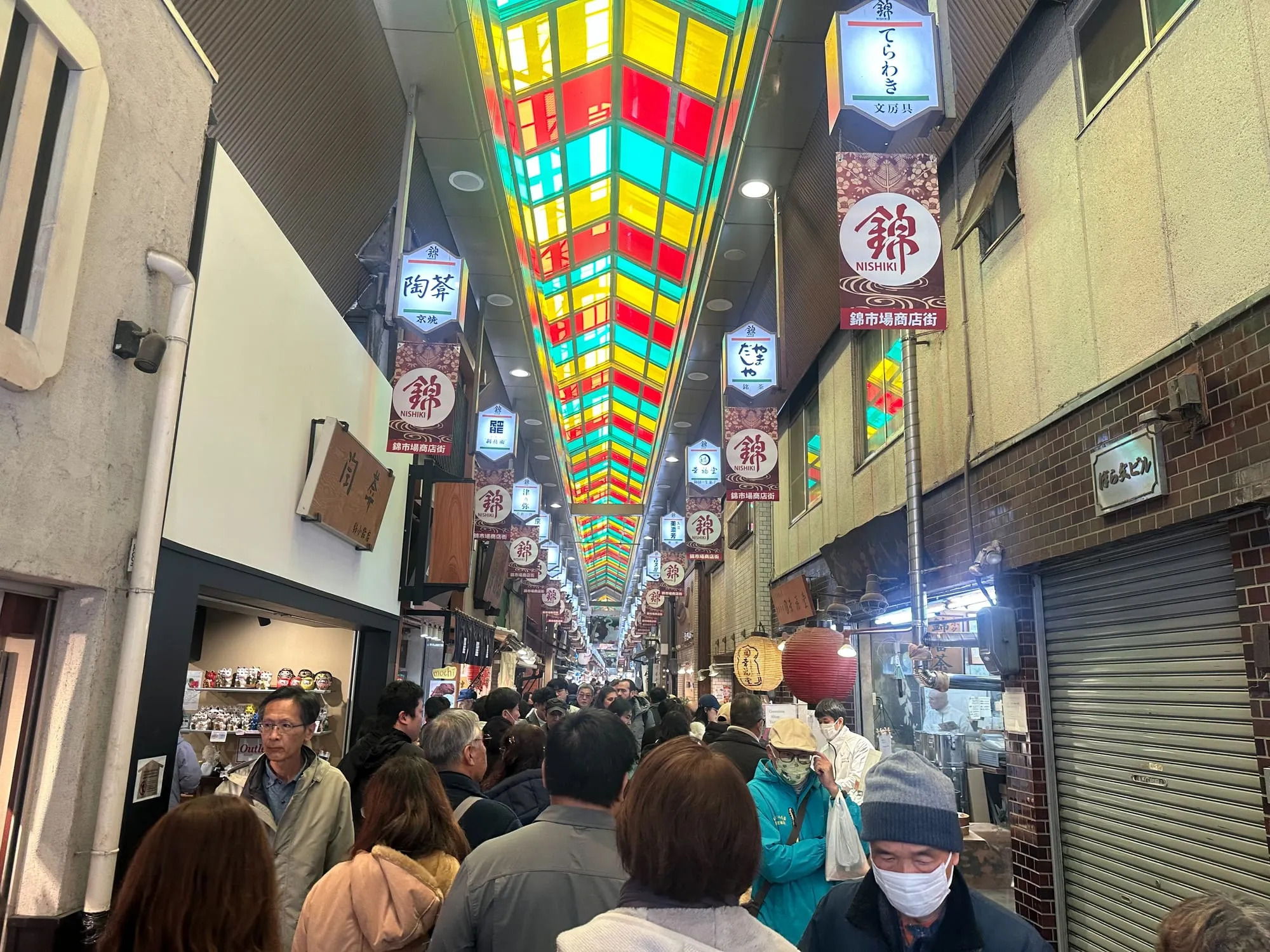
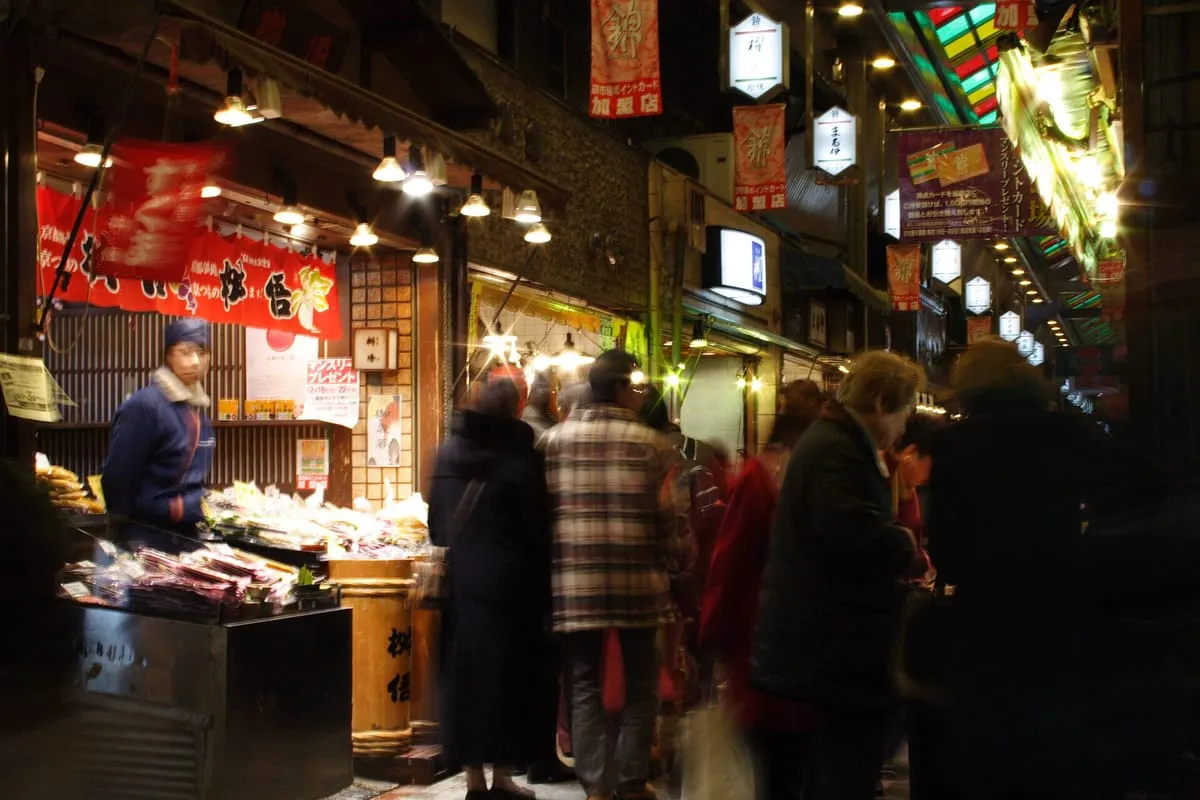 Shoppers and illuminated lanterns beneath the colourful glass canopy of Nishiki Market arcade. Photo: ignis, Wikimedia Commons, CC BY-SA 3.0.
Core categories of Kyoto cuisine
Understanding what you will taste on a Kyoto food tour begins with the four pillars of local cuisine:
- Shojin Ryori (Buddhist Vegetarian Cuisine): Developed in Zen Buddhist temples such as Tenryu-ji in Arashiyama and Daitoku-ji. Prepared entirely without meat, fish, garlic, onions, or root vegetables that destroy the plant when harvested. The cuisine elevates soy beans into diverse textures: silken tofu, firm momen tofu, yuba (delicate soy milk skin), and fermented miso.
- Obanzai (Traditional Kyoto Home Cooking): Everyday home-style dishes originating from Kyoto’s merchant households. Governed by thrift and seasonality, obanzai makes ingenious use of local heirloom vegetables (Kyo-yasai) such as Kamo aubergine, Shogoin turnip, and Kujo green scallions, simmered with dried fish flakes and light soy sauce.
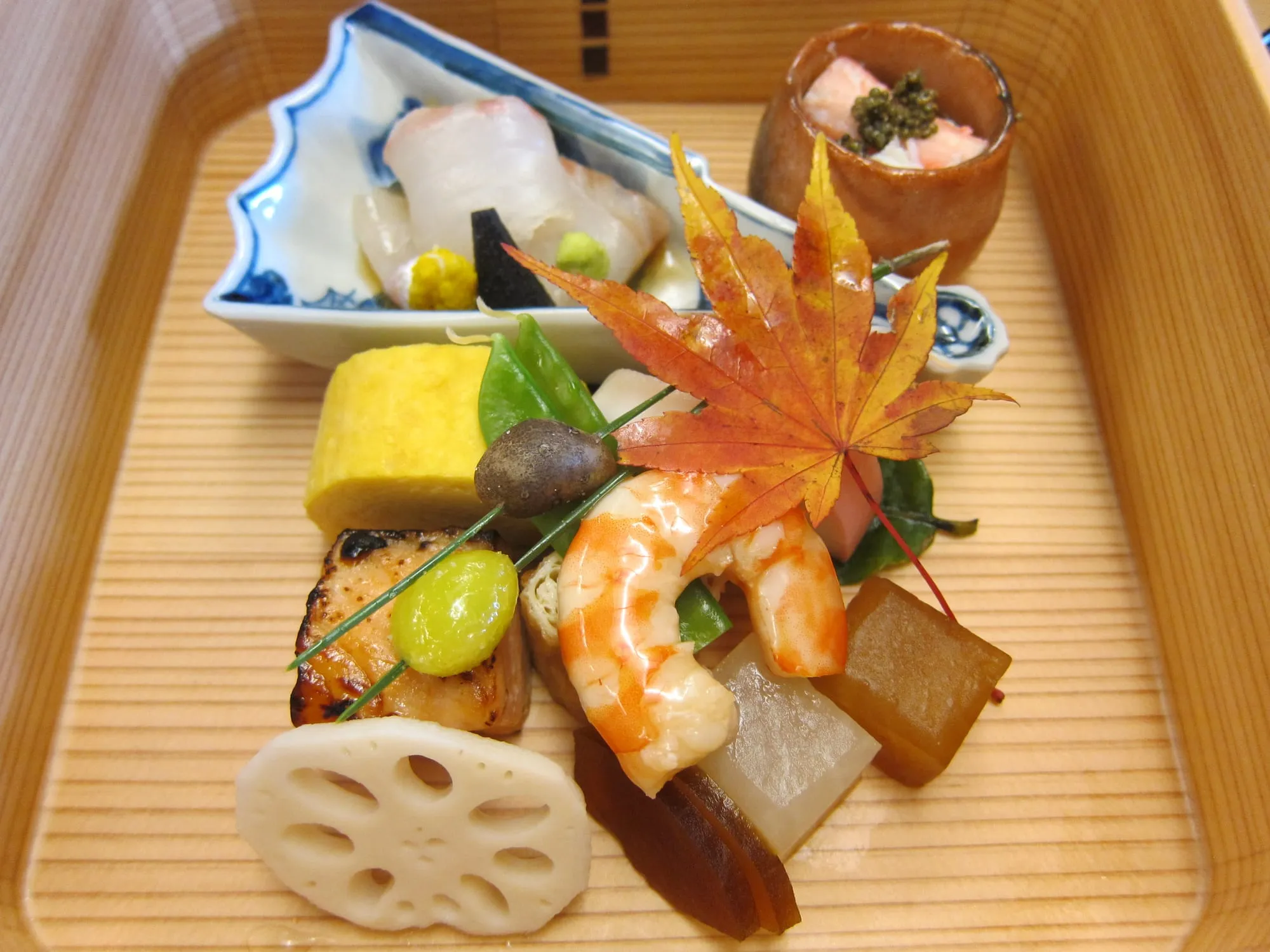
- Kaiseki Ryori (Haute Cuisine): Originating from the simple seasonal meals (cha-kaiseki) served before the formal tea ceremony, kaiseki grew into Japan’s supreme multi-course banquet art. Each dish represents the current micro-season through precise culinary technique, ceramic presentation, and seasonal garnishes.
- Fushimi Sake: Brewed in the southern district of Fushimi along the Uji River, where famous Gokosui (“five fragrance water”) springs produce exceptionally soft, medium-mineral water. The resulting sake is renowned for its velvety texture, gentle fragrance, and smooth finish.
Tours
Insider Sake Brewery Tour with Sake and Food Pairing
From ¥14,000 · 4.9 stars from 881 reviews · 3 hours · Brewery tour & tasting Book on GetYourGuidead
Kyoto’s premier drinks tour, based in the historic Fushimi sake district. Led by a certified sake specialist, you visit the Gekkeikan Okura Sake Museum and artisanal breweries, sampling seven distinct styles—from dry Junmai to unpasteurised sparkling sake—paired with regional Kyoto appetizers (otsumami). Includes brewery admission and detailed tasting notes.
Gion & Pontocho Evening Food Tour with Up to 13 Dishes
From ¥14,400 · 4.8 stars from 667 reviews · 3 hours · Multi-stop izakaya walk Book on GetYourGuidead
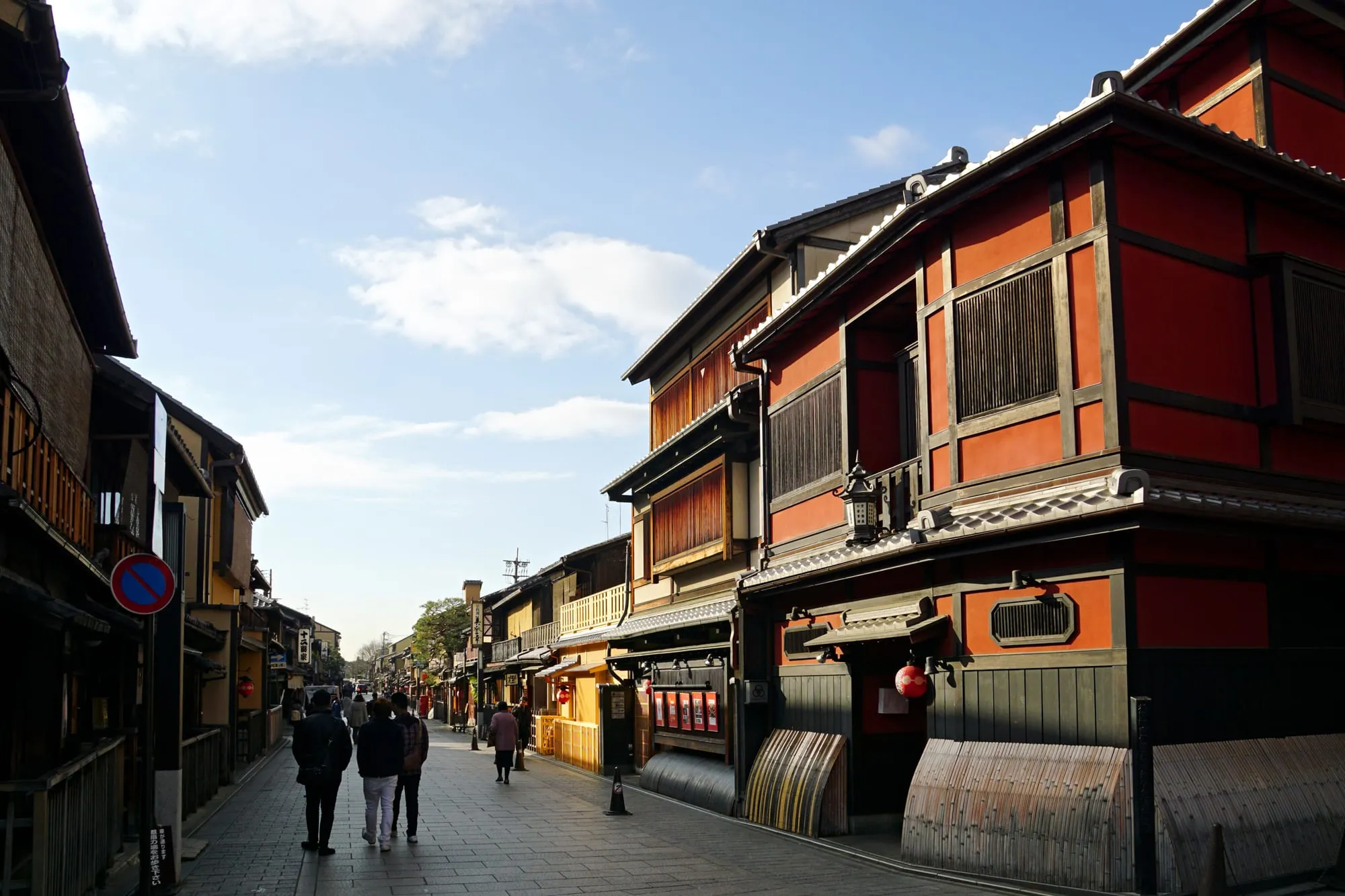
An evening culinary safari winding through the preservation quarters of Gion and lantern-lit Pontocho. Your guide secures counter seating at authentic izakayas, serving up to thirteen dishes including seasonal obanzai, fresh sashimi, wagyu beef, and regional craft beer or sake.
Nishiki Market Brunch Walking Tour: 7 Tastings + Brunch
From ¥10,300 · 4.8 stars from 270 reviews · 3 hours · Morning market tour Book on GetYourGuidead
Visits the stalls of Nishiki Market before midday crowds arrive. Includes tastings of dashi-rolled tamagoyaki omelettes, soy milk doughnuts, heirloom pickles, and skewers, concluding with a sit-down Japanese brunch.
Gion Food Tour: 13 Dishes and 4 Local Eateries
From ¥11,200 · 4.8 stars from 278 reviews · 3 hours · Small-group dinner tour Book on GetYourGuidead
A convivial evening food crawl stopping at four neighbourhood eateries. Highlights include Kyoto-style savoury pancakes, local yakitori grilled over binchotan charcoal, and matcha desserts, paired with cultural commentary on geiko traditions.
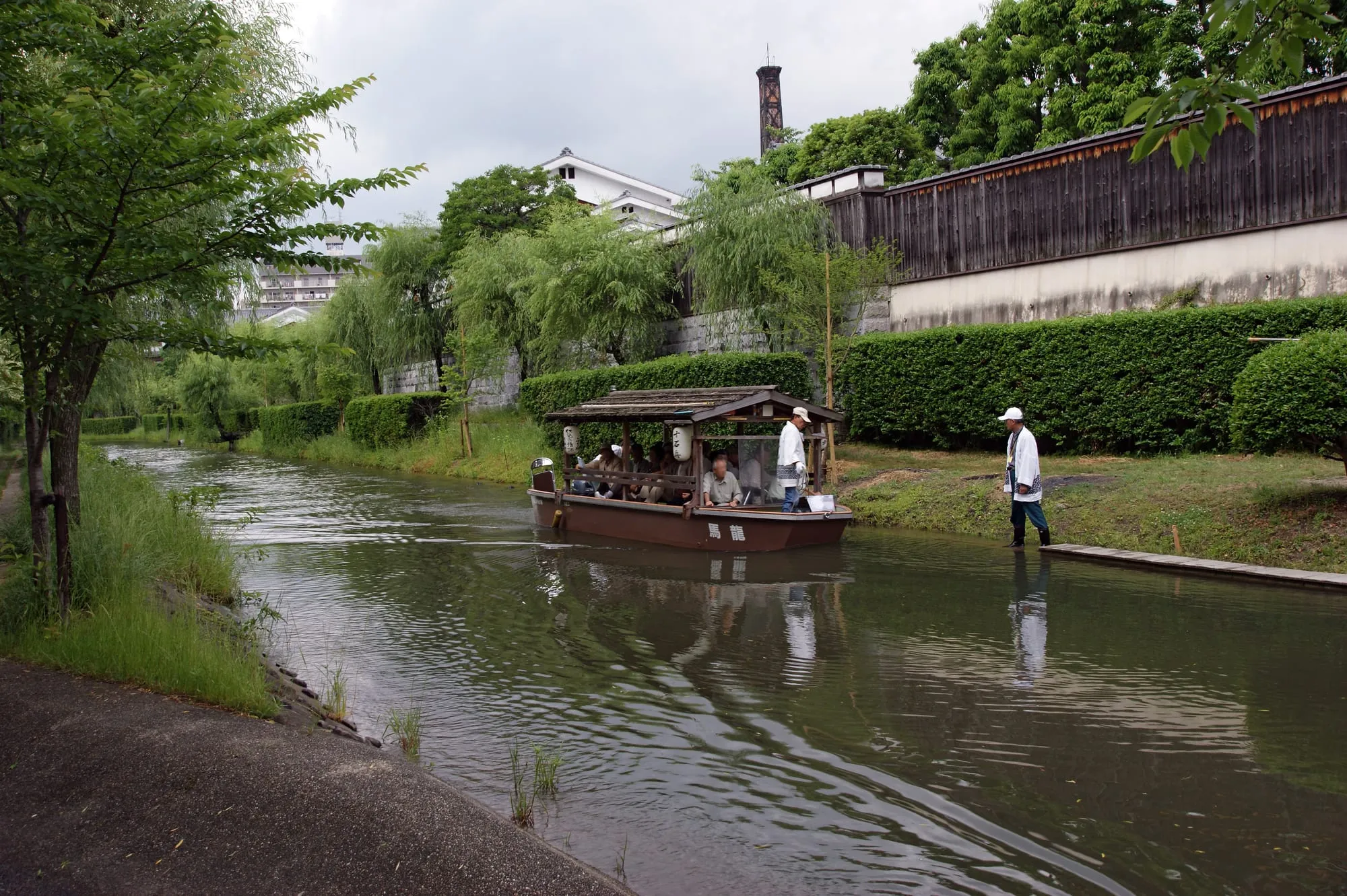
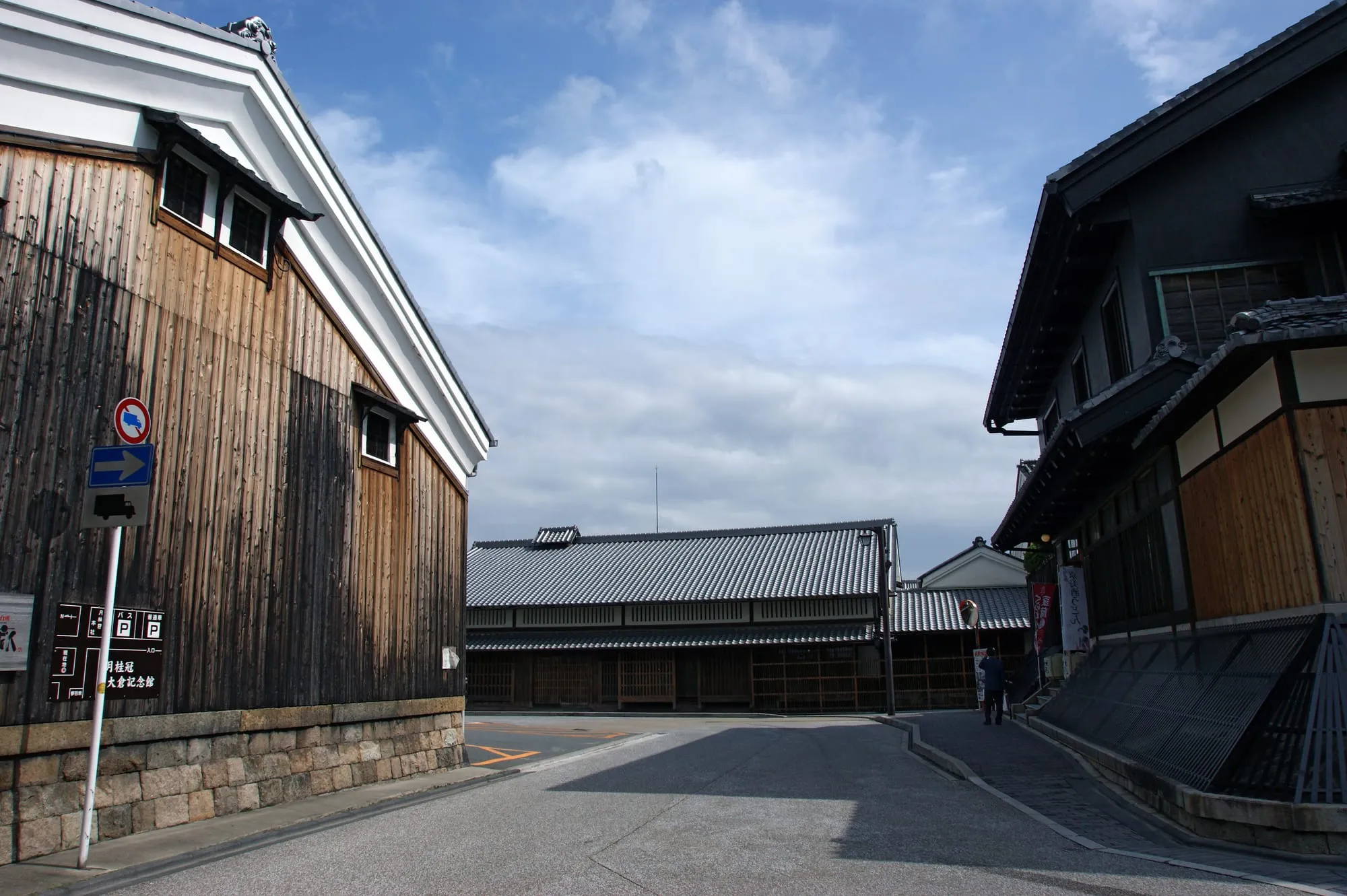
The canal in Fushimi’s sake district. Photo: 663highland, Wikimedia Commons, CC BY 2.5.
Tour styles and culinary experiences: the prices side by side
| Tour style | Cost per person | Duration | Key inclusions | Who it suits |
|---|---|---|---|---|
| Nishiki Market Brunch Tour | ¥10,300 | 3 hours | 7 food tastings, market walk, sit-down brunch | Morning walkers and market enthusiasts |
| Gion Evening Izakaya Walk | ¥11,200 to ¥14,400 | 3 hours | 13 food tastings, multiple izakaya stops, drinks | Nightlife seekers wanting a complete dinner feast |
| Fushimi Sake Brewery Tour | ¥14,000 | 3 hours | Brewery museum admission, 7 sake tastings, food pairings | Sake enthusiasts and curious culinary drinkers |
| Independent market snacking | ¥1,500 to ¥3,500 | 1.5 hours | Pay-as-you-go market snacks | Budget travellers comfortable ordering via pointing |
Dietary restrictions and practical tips
- Vegetarian and vegan diners: Traditional Japanese cooking relies heavily on dashi broth made from skipjack tuna flakes (katsuobushi). Even vegetable-based stews and simmered greens frequently contain fish dashi. If you observe strict vegetarian or vegan diets, choose a designated vegetarian food tour or book a formal Shojin Ryori meal at a Buddhist temple like Shigetsu inside Tenryu-ji.
- Gluten-free dining: Soy sauce (shoyu) contains wheat and forms the bedrock of Japanese seasoning. Celiac travellers should bring gluten-free dining cards written in Japanese and consider private culinary tours where substitutions can be arranged ahead of time.
- Table etiquette basics:
- Before dining, clasp your hands together and say Itadakimasu (“I humbly receive”). After finishing, say Gochisosama deshita (“Thank you for the feast”).
- Never stick your chopsticks vertically upright into a bowl of rice (tsukitate-bashi); this mirrors Buddhist funeral incenses and is strictly taboo.
- Never pass food directly from your chopsticks to another person’s chopsticks (hashi-watashi), as this ritual is reserved for gathering cremated bones. Use a shared serving plate instead.
- Footwear: Many traditional dining rooms feature tatami flooring where outdoor footwear is strictly prohibited. Wear shoes that slip on and off easily, and ensure your socks are clean and presentable.
After a daytime food tour, consider booking an evening tea ceremony experience or consulting our comprehensive guide on where to eat in Kyoto.
Common questions
Are food tours in Kyoto worth it?
Yes. Kyoto's culinary scene can be intimidating due to language barriers, hidden upstairs izakayas, and strict reservations. A local guide introduces regional specialties and explains dining customs.
What dishes do you sample on a Kyoto food tour?
Tours typically include obanzai (traditional seasonal dishes), grilled dashi tamagoyaki omelettes, soy milk doughnuts, local craft sake, yakitori skewers, and seasonal matcha desserts.
Can dietary restrictions be accommodated?
Pescatarians and those avoiding beef or pork are easily accommodated. Strict vegetarians and vegans should notify tour operators in advance, as bonito fish dashi stock is used widely in Japanese cooking.