In this guide
The Short Version: Unlike tropical southern Vietnam which has simple wet and dry seasons, northern Vietnam experiences four distinct seasons. Autumn (September to November) is the best window to visit Hanoi, offering clear skies, comfortable 20°C to 26°C temperatures, dry breezes, and the sweet evening fragrance of milk flowers (hoa sua). Winter (December to February) is overcast, chilly, and damp (10°C to 15°C), requiring warm layers and waterproof jackets. Spring (March to April) brings warming humidity and misty drizzle (mua phan), while Summer (May to August) is sweltering (35°C to 40°C) with frequent tropical monsoon downpours. Travelling during Tet (Lunar New Year in early February 2027) offers an extraordinary cultural spectacle of peach blossom markets at Hang Luoc and Quang Ba, followed by eerie calm as the normally chaotic Old Quarter empties for family reunions.
Hanoi seasons and climate at a glance
Hanoi sits within a humid subtropical zone influenced heavily by the East Asian monsoon, producing four pronounced seasons that dictate what you pack and how you pace each day.
| Season | Months | Average temperatures | Rainfall & climate | Practical advice |
|---|---|---|---|---|
| Autumn | Sep–Nov | 20°C to 28°C | Low rainfall; dry breezes and clear blue skies | The peak travel window; ideal for walking tours and Ha Long Bay cruises |
| Winter | Dec–Feb | 10°C to 18°C | Overcast, grey skies and fine misty drizzle (mua phan) | Pack fleece jackets and thermal layers; hotpot and pho street dining thrive |
| Spring | Mar–Apr | 19°C to 27°C | Rising humidity (85–90%) and persistent light rain | Transition period; pack water-resistant walking shoes and umbrellas |
| Summer | May–Aug | 28°C to 38°C | High heat, intense humidity, and sudden heavy monsoon storms | Sightsee early morning and late afternoon; seek air conditioning between 11:30 and 15:00 |
For day-to-day itinerary planning in any season, consult our 3 days in Hanoi itinerary and our self-guided Old Quarter and Hoan Kiem walking tour.
1. Autumn (September to November): The sweet spot
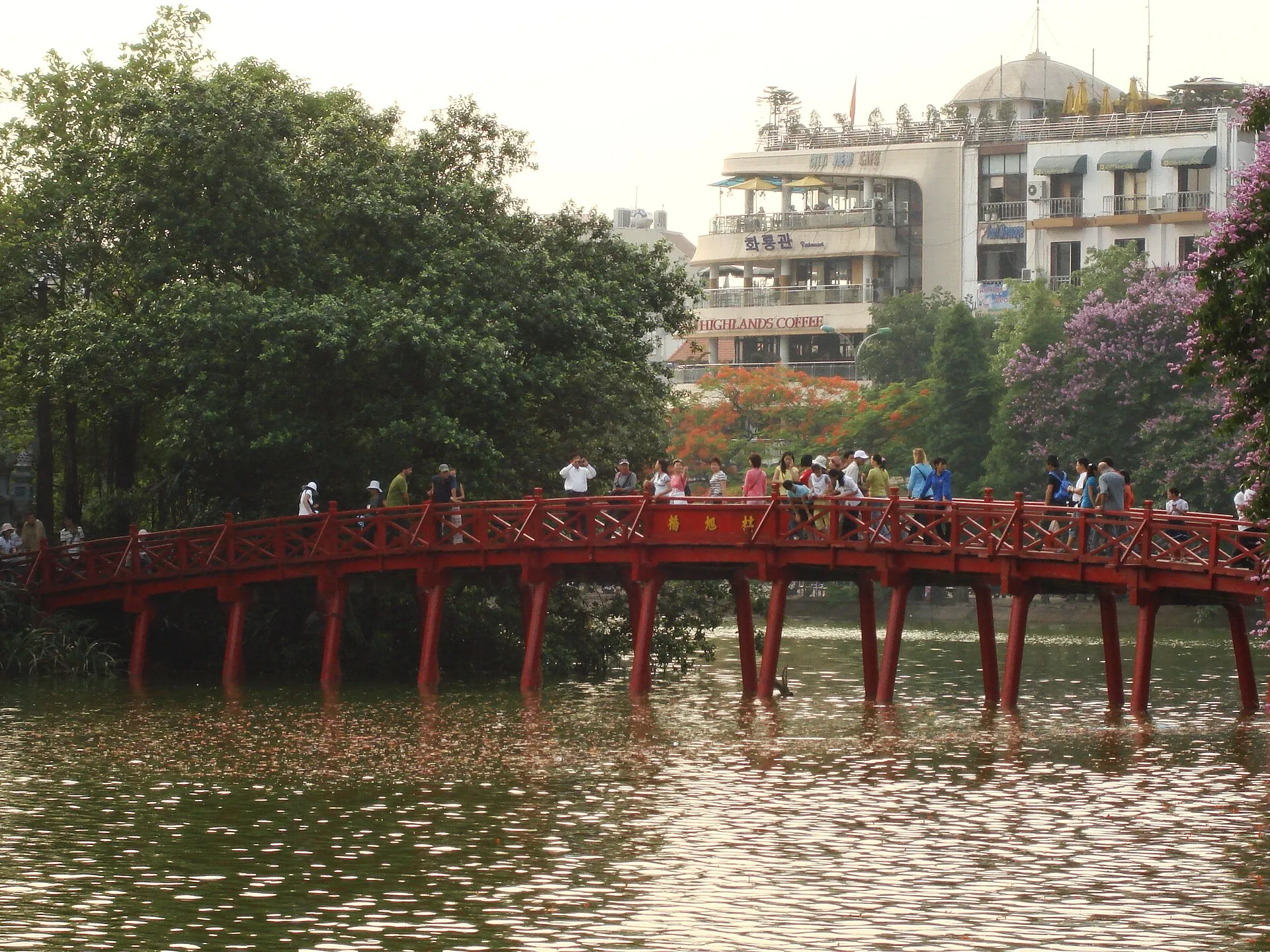
Autumn is celebrated in Vietnamese poetry and song as Hanoi’s finest season. As the oppressive summer monsoon retreats in late September, the north-easterly continental breeze ushers in dry, crisp air and clear sunlight.
- Weather: Daytime highs average 24°C to 28°C, dropping to a refreshing 18°C to 21°C in the evenings. Humidity decreases noticeably, and rainfall drops to its lowest annual levels by November.
- The scent of Milk Flowers (Hoa Sua): In October, blooming milk flower trees along avenues like Nguyen Du, Quang Trung, and Phan Dinh Phung release a heavy, intoxicating sweet fragrance that defines autumn nights.
- Green sticky rice (Com): Autumn is the harvest season for com—young, fragrant green sticky rice flakes roasted and wrapped in lotus leaves, sold by street vendors carrying woven baskets across the Old Quarter.
- Excursions: This is the ideal window for taking a day trip to Ha Long Bay or exploring the karst rivers of Ninh Binh, with calm sea conditions and minimal storm disruptions.
2. Winter (December to February): Chilly and overcast
Travellers expecting constant tropical warmth across Southeast Asia are frequently surprised by Hanoi in winter. Influenced by the cold continental Siberian anticyclone, northern Vietnam experiences true winter weather.
- Weather: Temperatures typically hover between 12°C and 16°C, but cold fronts can drag night-time lows down to 9°C or 10°C. Coupled with 80% humidity and constant cloud cover, the damp chill penetrates deeply.
- Indoor heating warning: Most historic buildings, boutique hotels, and restaurants in Hanoi lack central heating or insulation. Ensure your accommodation offers reverse-cycle air conditioning with a heating mode (hai chieu).
- What to pack: Pack a windproof jacket, warm fleece layers, a wool scarf, and sturdy shoes.
- Street food comfort: Winter is the prime season for hot culinary traditions: steaming bowls of beef marrow soup using our best pho and bun cha in Hanoi guide, charcoal-grilled street skewers, and bubbling sidewalk hotpots (lau).
3. Spring (March to April): Warming and humid
Spring brings a transitional period characterised by rising temperatures and high atmospheric moisture.
- Weather: Temperatures rise steadily into the 20°C to 26°C range. However, March and early April are notorious for mua phan (fine, needle-like persistent drizzle) and heavy fog.
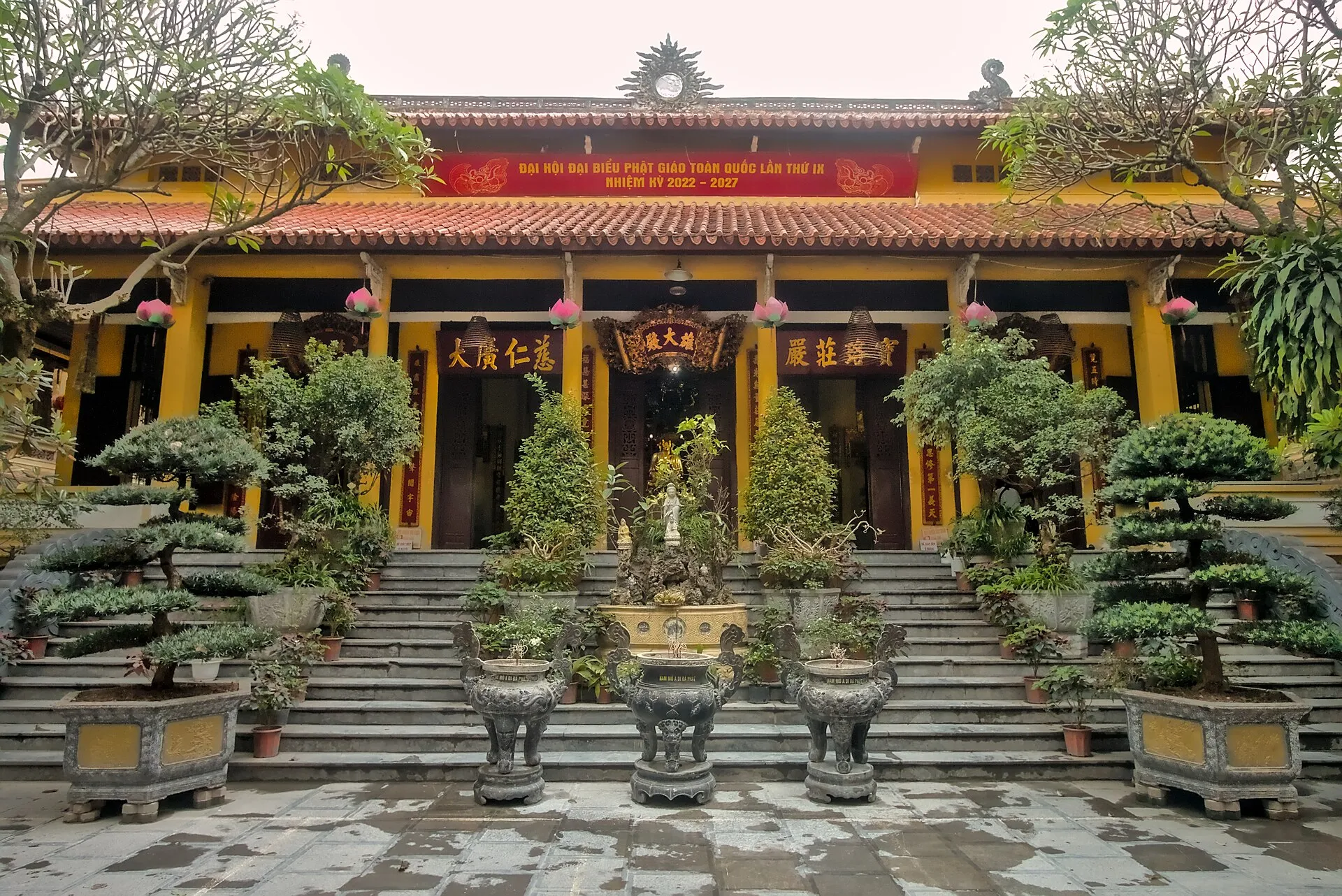
- The humidity factor: Relative humidity routinely reaches 90% to 95%, causing condensation to form on tiled floors and walls (a phenomenon locals call nom). Slip-resistant footwear is essential when exploring tiled pagoda courtyards.
- Cultural festivals: Spring is peak temple festival season across the northern delta, including the multi-month pilgrimage to the sacred caves of the Perfume Pagoda.
4. Summer (May to August): Sweltering and monsoonal
Summer is hot, humid, and dramatic. The south-westerly maritime monsoon pumps vast quantities of tropical moisture inland from the Gulf of Tonkin.
- Weather: Daytime temperatures frequently exceed 36°C to 39°C, with the heat index making it feel well above 42°C in concrete street canyons.
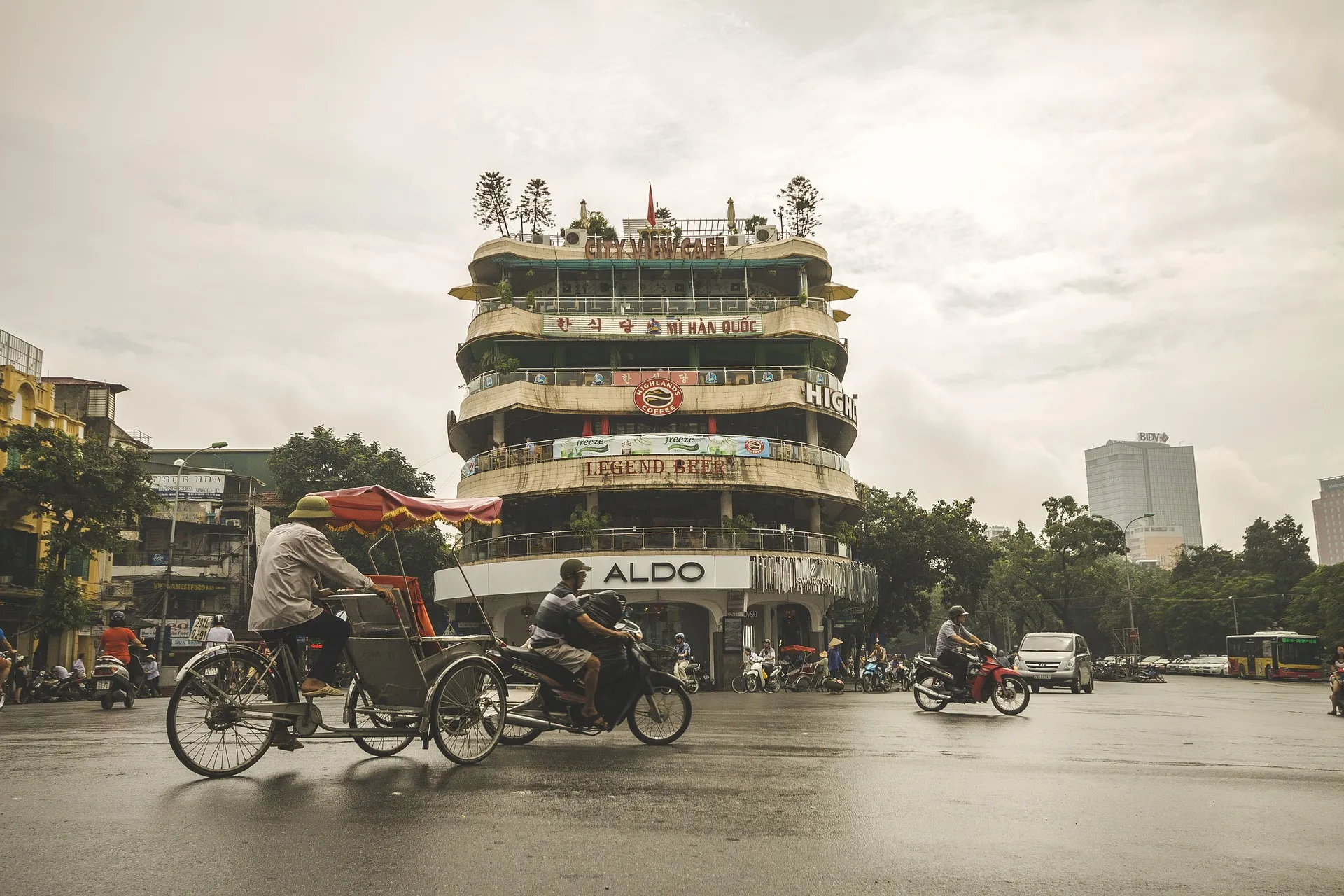
- Monsoon downpours: Afternoon and early evening thunderstorms arrive suddenly with fierce winds and torrential rainfall, which can flood low-lying Old Quarter streets for 30 to 60 minutes before draining away.
- Sightseeing strategy: Rise early at 06:30 to visit open monuments like the Ho Chi Minh Mausoleum and Ba Dinh complex before the sun peaks. Retreat to air-conditioned museums (such as the Vietnam Museum of Ethnology) or shaded coffee sanctuaries between 11:30 and 15:30.
The complete guide to Tet (Vietnamese Lunar New Year)
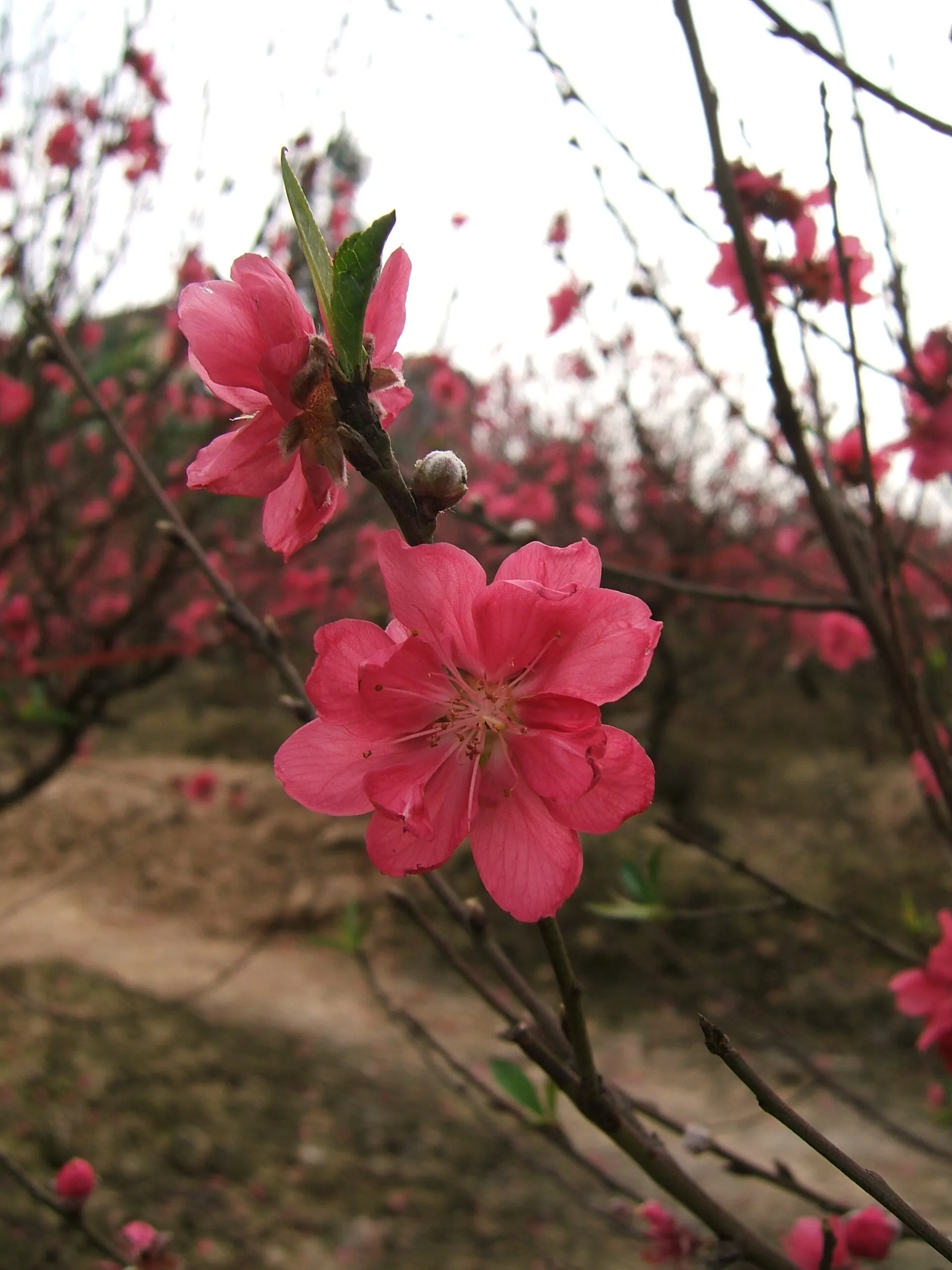
Tet Nguyen Dan (the Feast of the First Morning of the First Day) is the most sacred and important celebration in Vietnamese culture. Marking the arrival of spring by the lunar calendar, Tet unites families in ancestral veneration, home cleansing, and renewal.
The countdown: 1 to 2 weeks before Tet
Visiting Hanoi in the two weeks leading up to Tet is one of the best-known festival experiences in Asia. The entire city prepares with festive intensity:
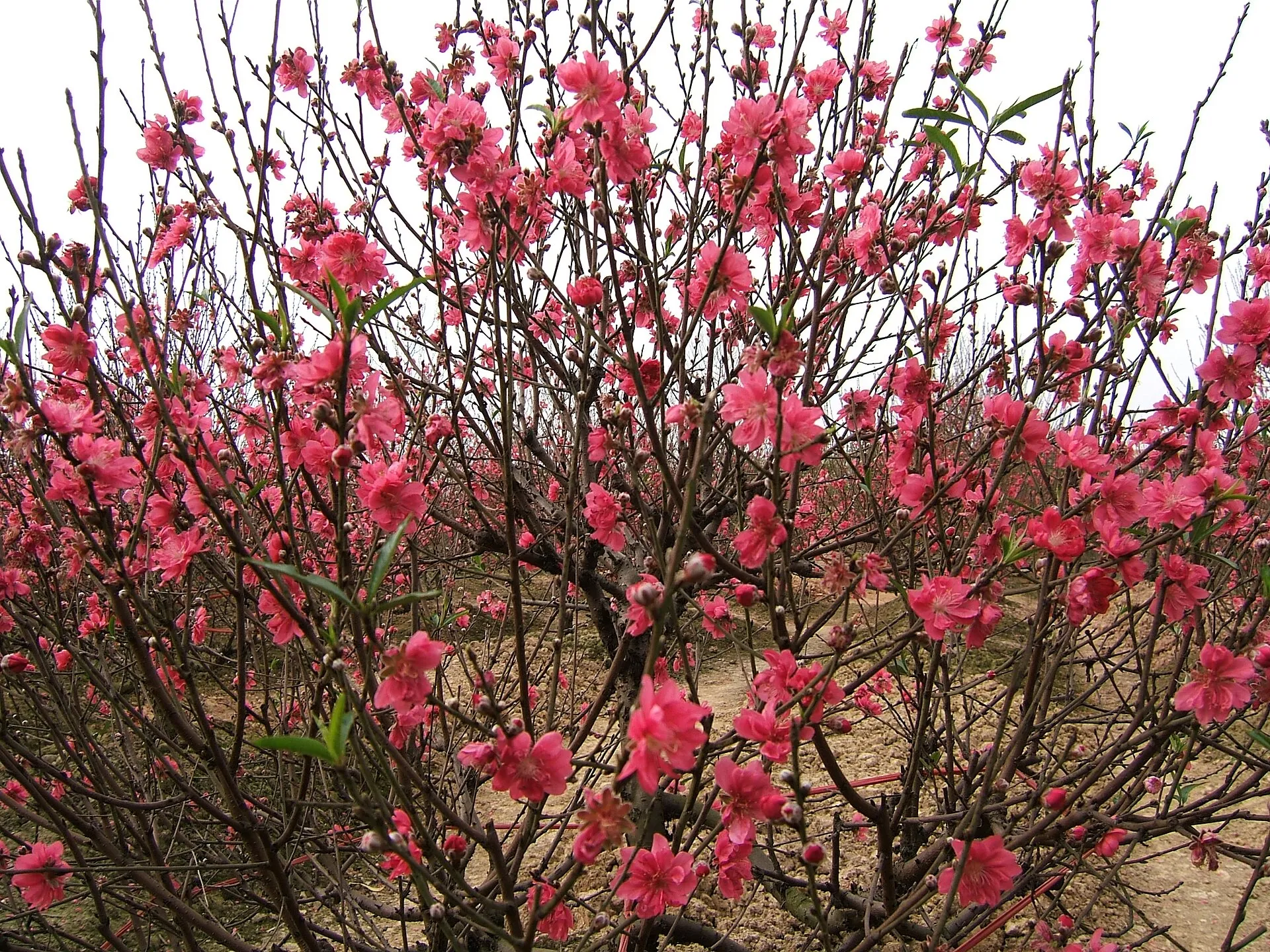
- Peach blossoms (Hoa Dao): Northern Vietnamese families decorate their parlours with blooming pink peach blossom branches, symbolising vitality, bravery, and good fortune. Streets are packed with scooters transporting 3-metre blossom branches tied precariously to rear racks.
- Kumquat trees (Cay Quat): Heavy with bright orange fruit, shaped into pyramids or dragons, kumquat bushes represent fertility, wealth, and prosperity.
- Hang Luoc Tet Flower Market: Held annually only during the 10 days before Tet along Hang Luoc and Hang Khoai streets in the Old Quarter, this open-air market bursts with traditional blooms, antique brass incense burners, and red paper decorations.
- Quang Ba Night Flower Market: Located in Tay Ho, this wholesale night market operates in hyperdrive before Tet, with thousands of florists trading roses, orchids, and cherry blossoms under halogen lights from 23:00 to 05:00.
The 3 core days of Tet: What happens in the city
The first three days of the Lunar New Year (Day 1 for paternal family, Day 2 for maternal family, Day 3 for teachers and friends) transform Hanoi:
- Eerie stillness: On the morning of the first day of Tet, the usually chaotic streets of the Old Quarter become remarkably empty and silent. Motorbike traffic vanishes, shops pull down their metal shutters, and the air is free of horn beeps.
- Business closures: Approximately 70% to 80% of independent restaurants, street stalls, supermarkets, and souvenir shops close for 3 to 5 days as workers travel home to rural provinces.
- What stays open: State museums (such as the Temple of Literature and Hoa Lo Prison) generally reopen by the second or third day of Tet. International hotel restaurants, western coffee chains, convenience stores, and the pedestrian promenade around Hoan Kiem Lake remain active.
- Traditional foods: Taste Banh Chung—the square sticky rice cake filled with mung bean paste and fatty pork, wrapped in green dong leaves and boiled for 12 hours, symbolising the earth.
Practical Tet survival tips for travellers
- Book long-distance transport well in advance: Domestic flights, overnight trains to Sapa or Da Nang, and intercity buses sell out weeks before Tet.
- Stock up on cash: ATMs are frequently emptied by residents withdrawing holiday cash in the days prior to Tet. Carry sufficient Vietnamese Dong notes before the holiday weekend begins.
- Dining expectations: Street food options are limited during the first three days. Research hotel dining options or explore convenience stores. Establishments that do remain open often apply a 10% to 20% holiday surcharge (phu thu) to cover holiday wages.
- Learn the holiday greeting: Greet locals with “Chuc Mung Nam Moi!” (Happy New Year) to receive warm smiles and holiday hospitality.
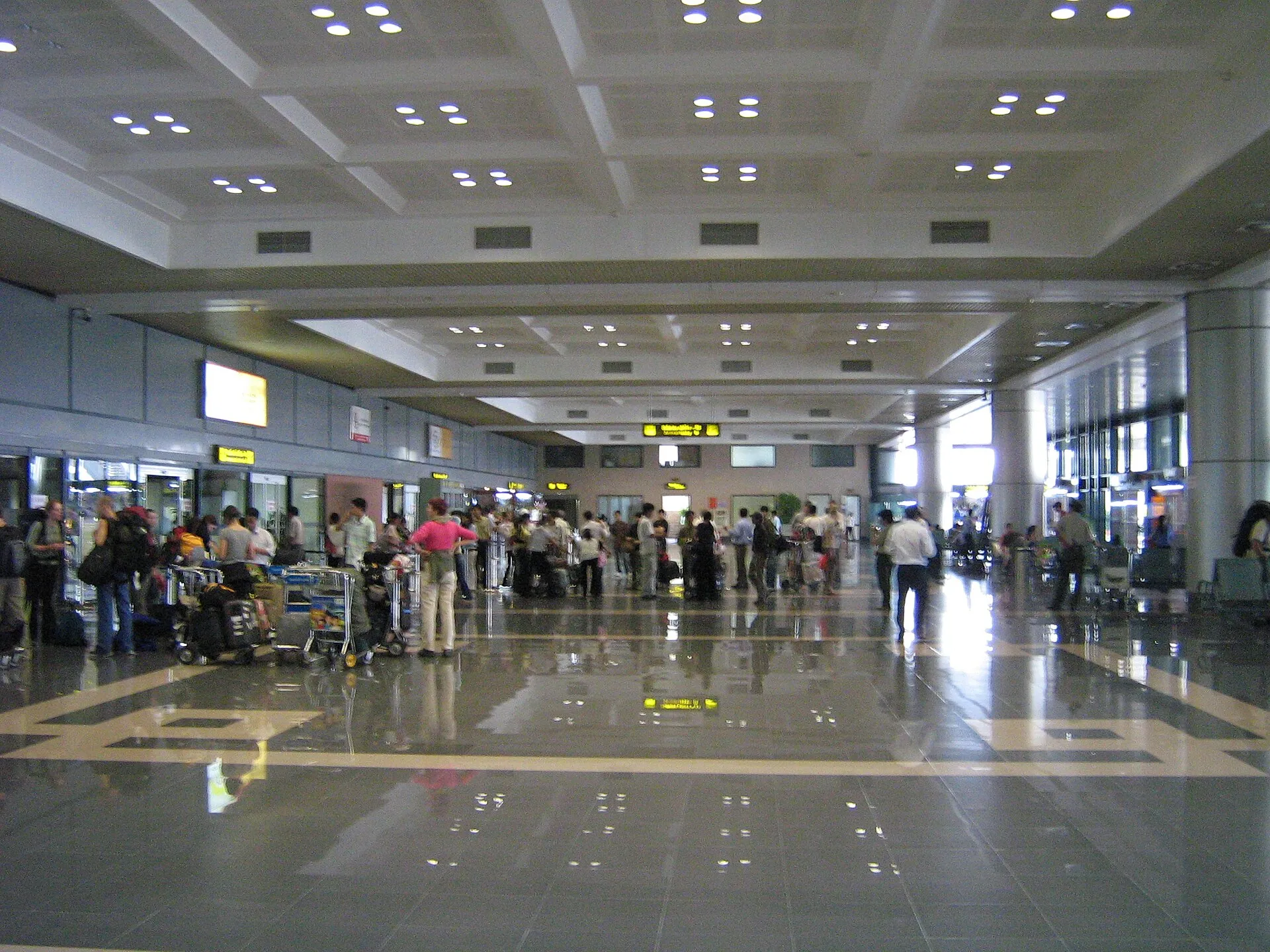
For holiday accommodation recommendations, browse our hand-picked selections in where to stay in Hanoi and learn about airport transit during peak holidays in Noi Bai airport to city.
Common questions
What is the best month to visit Hanoi?
October and November offer the most pleasant weather conditions of the year. Autumn in northern Vietnam brings clear blue skies, comfortable daily temperatures between 20°C and 26°C, low humidity, and minimal rainfall.
Does it get cold in Hanoi during winter?
Yes. From December to February, north-easterly monsoon winds blow down from Siberia and southern China, dropping temperatures to between 10°C and 14°C. High humidity and persistent damp drizzle make it feel significantly colder than thermometer readings suggest, and most budget hotels lack central heating.
When does Tet (Lunar New Year) occur in Hanoi?
Tet follows the lunar calendar, usually occurring between late January and mid-February. In 2027, the first day of the Lunar New Year falls in early February.
Is it a good idea to visit Hanoi during Tet?
Visiting in the week leading up to Tet is fascinating, as streets overflow with peach blossom trees, kumquat bushes, and festive flower markets. However, during the three core holiday days of Tet itself, many independent restaurants, street stalls, and shops close as residents return to ancestral villages. Major hotels and state museums reopen quickly.