In this guide
The Short Version: Hanoi pays in Vietnamese dong (VND). Cards work in hotels, sit-down restaurants and shops; cash is the only option for street food, markets, cyclos, motorbike taxis and bia hoi corners. The 20,000 VND and 500,000 VND notes both look blue and one is worth 25 times the other, so read the zeros before you hand a note over. At a cash machine, choose to pay in dong and decline any conversion offer. Tipping is not expected. Restaurant bills can add VAT, 8% to 31 December 2026 and 10% as the standard rate. Agree the price before a cyclo or motorbike-taxi ride, or book with Grab.
The banknotes
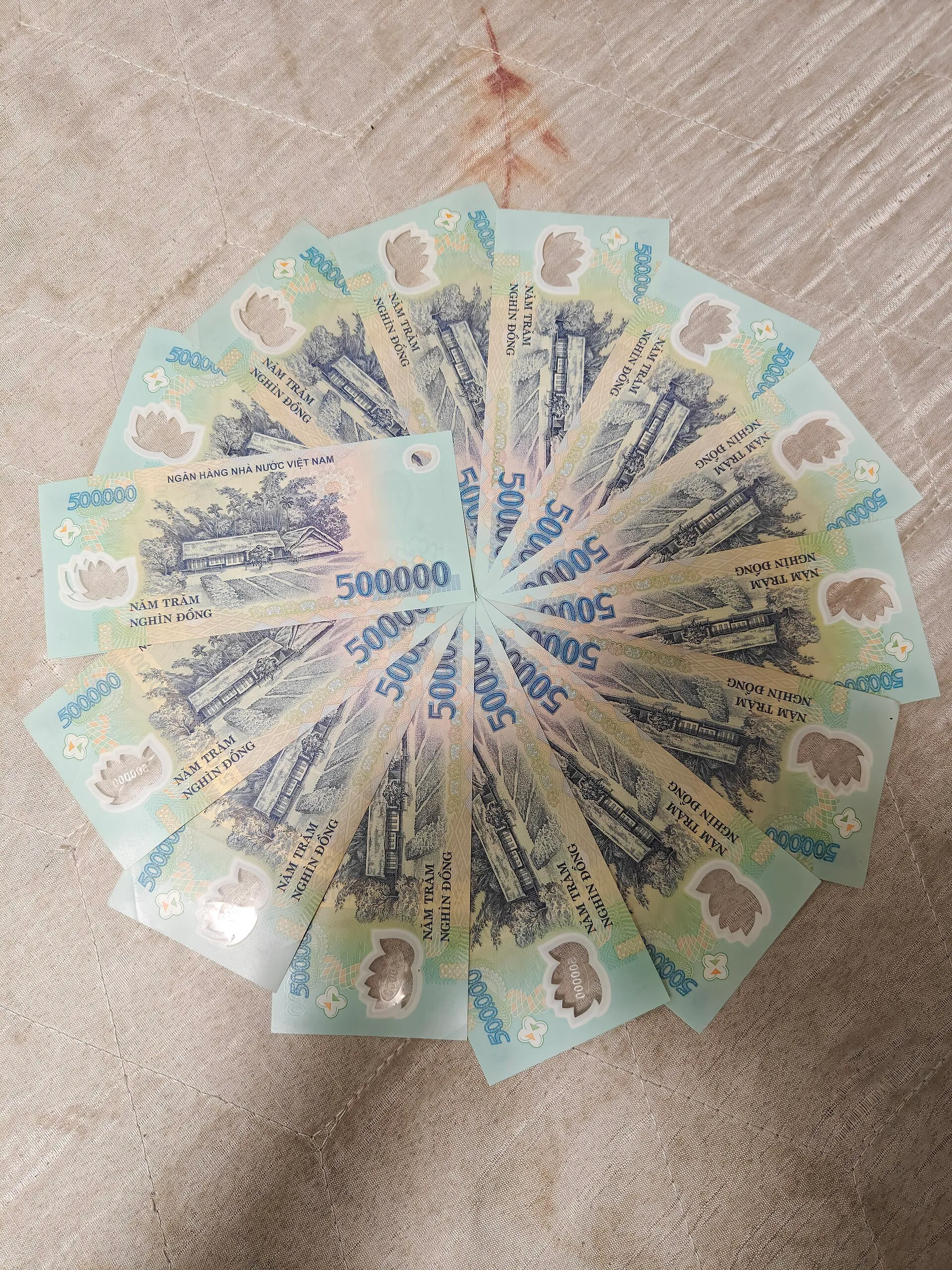
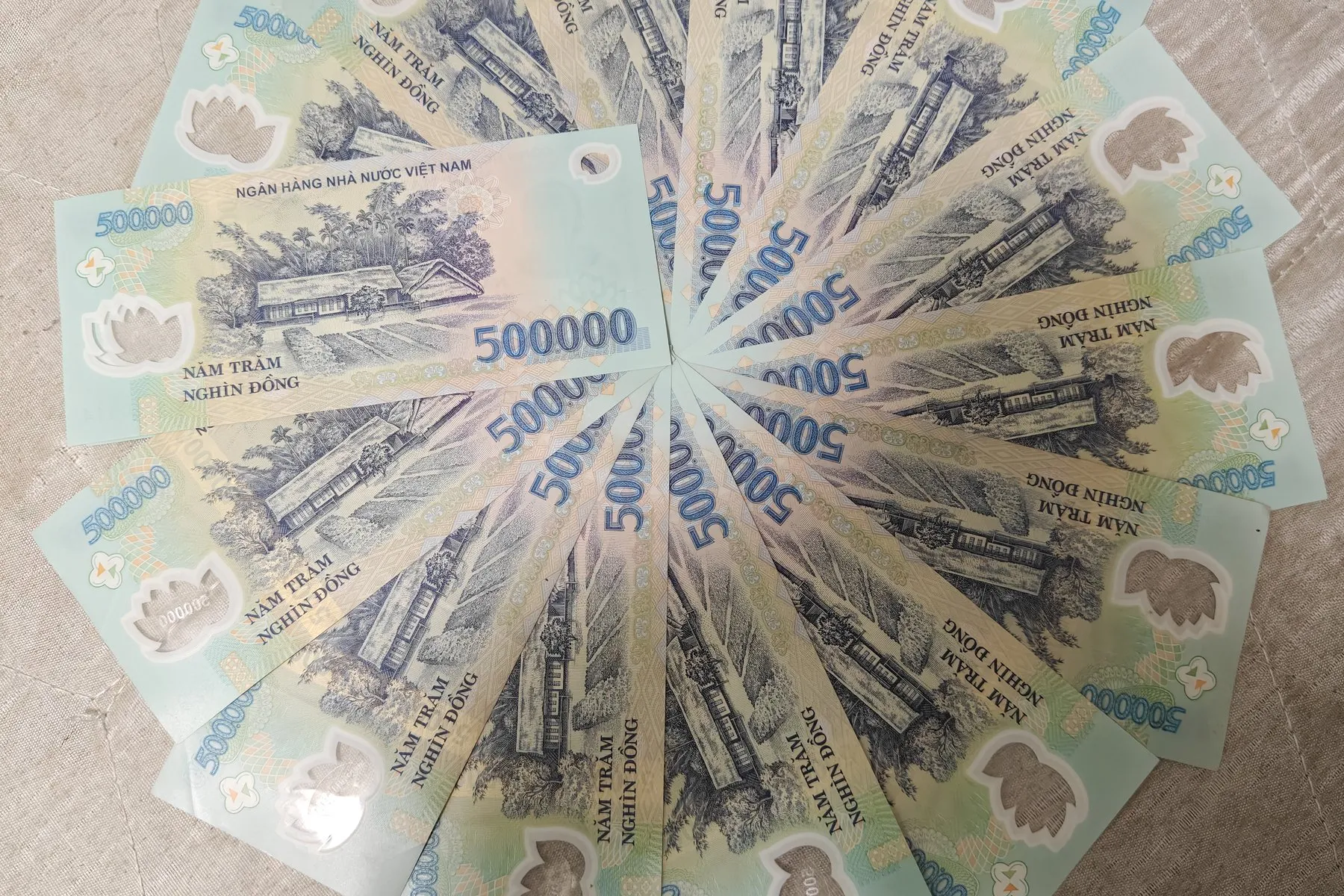
Polymer notes run from 10,000 VND to 500,000 VND. Paper notes of 1,000, 2,000 and 5,000 VND are still legal tender and come back as change. Every polymer note carries Ho Chi Minh on the front.
| Note | Colour | The back shows |
|---|---|---|
| 10,000 VND | Yellow | Bach Ho oil field |
| 20,000 VND | Blue | Covered bridge, Hoi An |
| 50,000 VND | Pink | Hue |
| 100,000 VND | Green | Temple of Literature, Hanoi |
| 200,000 VND | Red | Ha Long Bay |
| 500,000 VND | Cyan | Ho Chi Minh’s birthplace, Kim Lien |
20,000 VND and 500,000 VND
A 500,000 VND note handed over for a 20,000 VND fare costs you 480,000 VND, and both notes are blue, most of all in a dark cab.
- Read the zeros. 20,000 has four, 500,000 has five.
- Check the length. The 500,000 note is 152 mm long, the 20,000 note 136 mm.
- Keep them apart. Put 500,000 VND notes in a different pocket from small notes.
- Break large notes early. Spend them in a shop or at a bank, not on a street stall or in a taxi.
Cards or cash
| Where | Pay with |
|---|---|
| Hotels, sit-down restaurants, shops | Visa or Mastercard |
| Grab | Visa or Mastercard linked in the app, or cash |
| Street food, pho shops, markets | Cash |
| Cyclos, motorbike taxis | Cash |
| Bia hoi corners and small pagodas | Cash |
Grab supports most international cards, so link yours before you fly.
- Changing money: change only at official exchange counters with a clear sign. Changing money anywhere else is illegal (UK Foreign Office).
- Carrying cash in: declare more than 15 million VND, or 5,000 US dollars in any currency, at customs (UK Foreign Office).
Cash machines
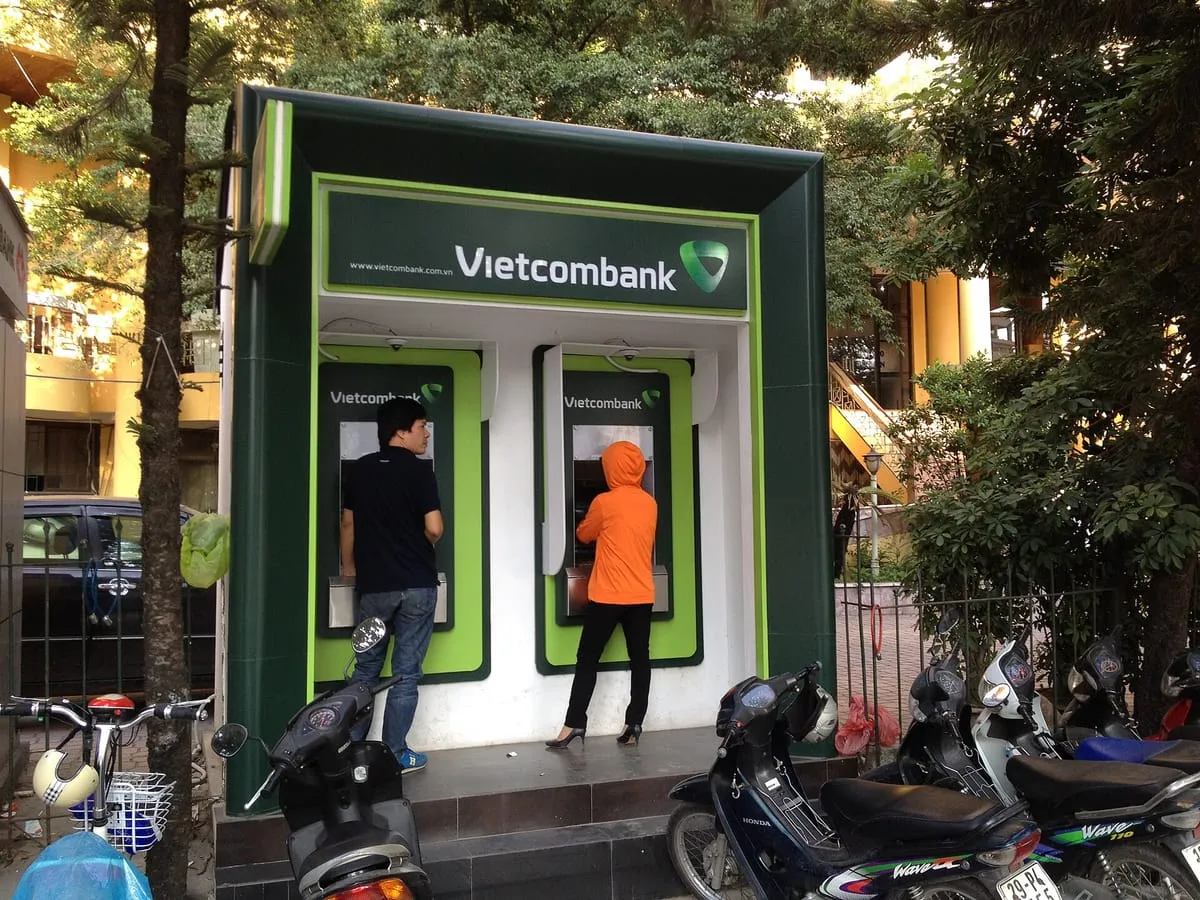
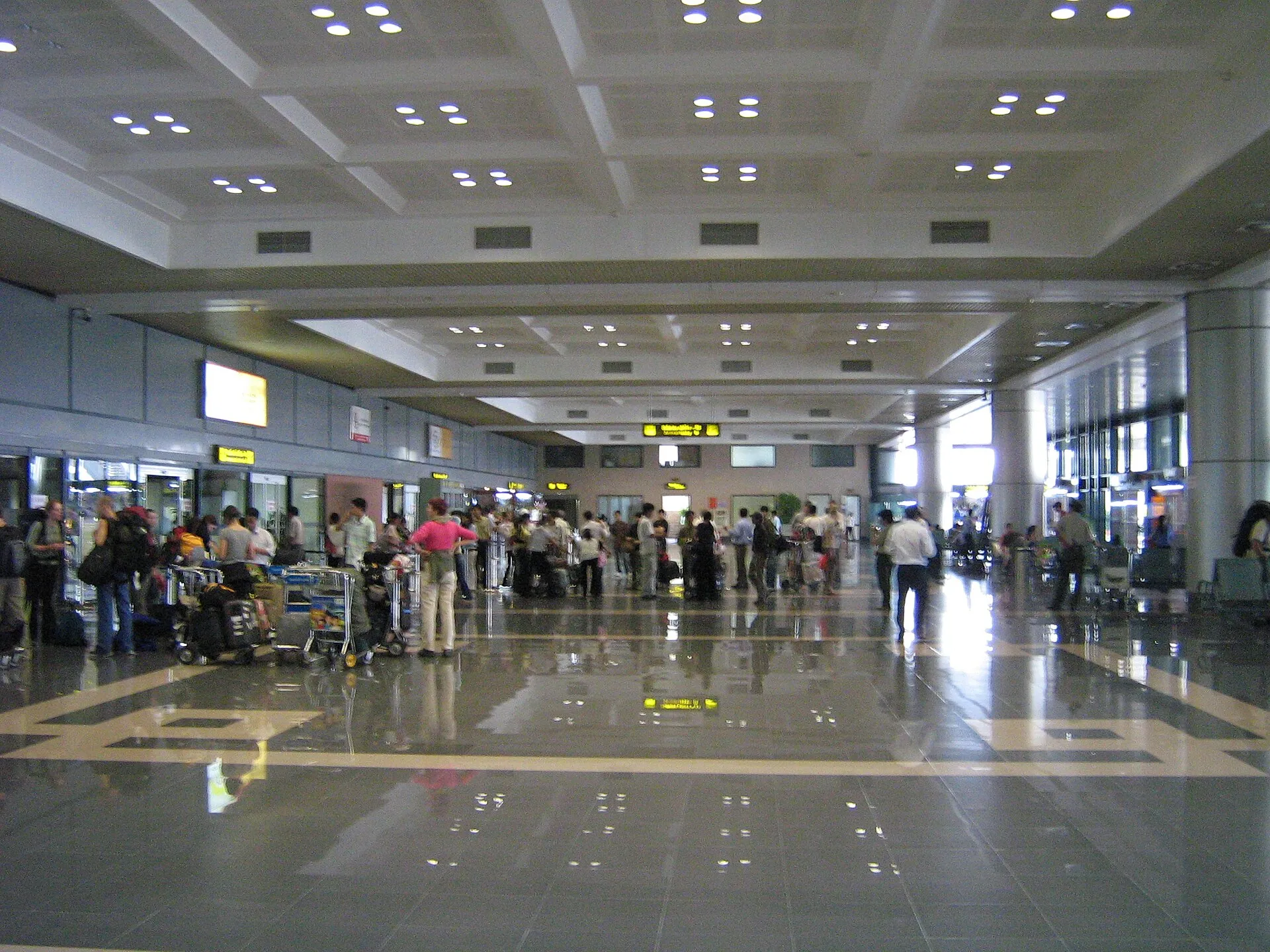
Machines at Vietnamese banks pay out dong. Noi Bai Airport has them in the arrivals hall; the airport guide lists the banks.
- Pay in dong. If the machine offers to bill you in your own currency, decline. That is dynamic currency conversion: the machine’s operator converts at its own rate. The cash and cards guide explains it.
- Expect two charges. The bank that owns the machine charges a fee, and your own bank can charge another. Your bank’s fee is not shown on the machine, so ask your bank before you fly.
- Limits differ by bank. Each bank sets its own fee and its own limit per withdrawal, so a large sum can take several withdrawals, each with its own fee.
- Keep a cash buffer for Tet. Shops and stalls close for days.
Tipping, VAT and service charges
- Tipping: there is no obligation. Vietnam’s tourist board says tips are more common for tour guides and in spas than in restaurants (vietnam.travel).
- VAT: VAT on restaurant bills is 8% until 31 December 2026; the standard rate is 10% (Taxand). Read a sit-down restaurant’s bill for a VAT line.
- Street food and bia hoi: you pay the price on the board or the price you were quoted.
Tourist-price traps
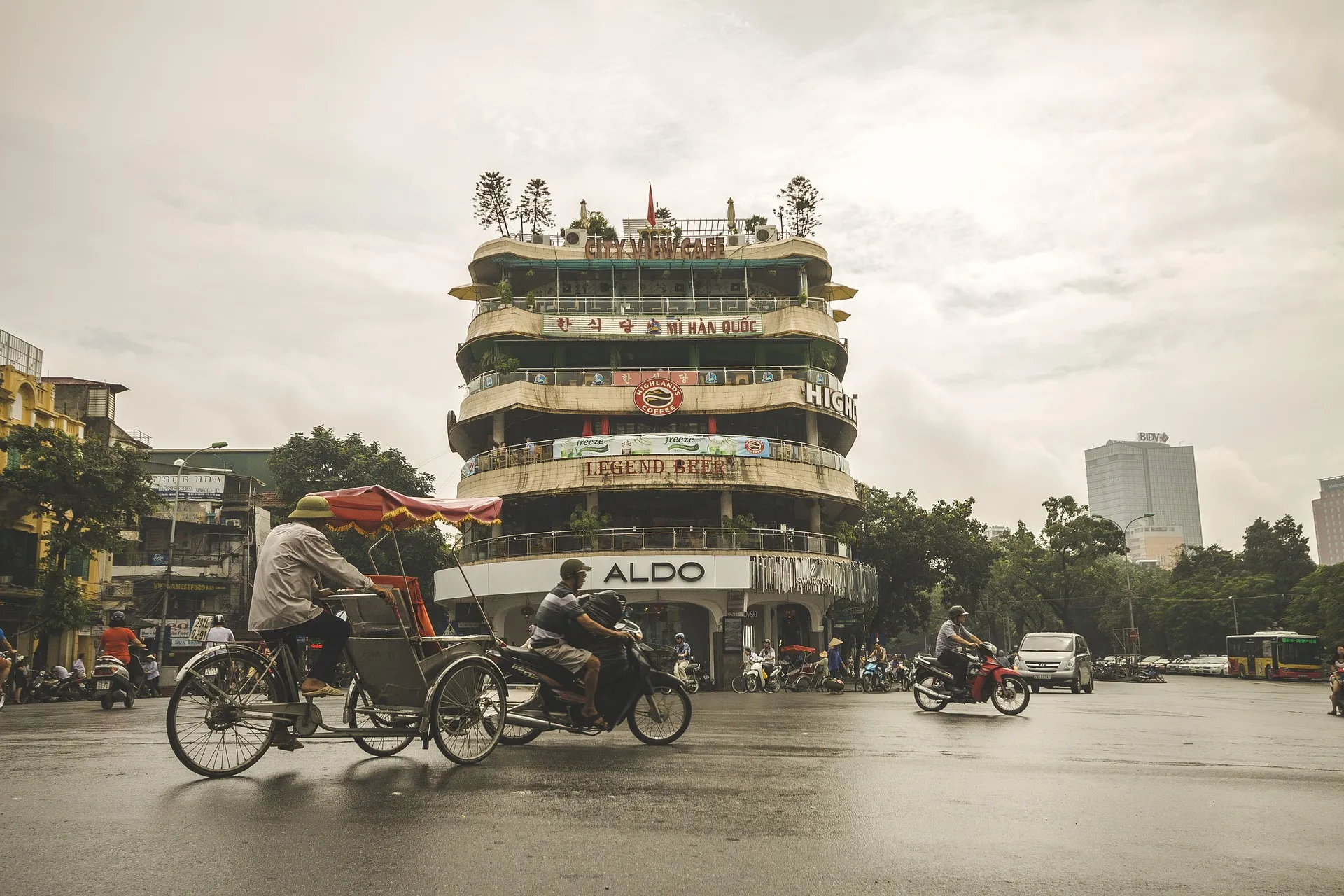
Hanoi’s Department of Tourism says that failing to display prices is a fraudulent practice, and that overcharging is a problem in the Old Quarter and during festivals (VnExpress). The cases that reached the news:
| When | What happened |
|---|---|
| July 2025 | A group of Filipino tourists paid 1,400,000 VND for a taxi ride of under 1 km, 50 times the normal fare |
| September 2025 | An Australian family paid 1,200,000 VND for a cyclo ride round the Old Quarter, three times the regulated rate; police made the drivers refund it |
| January 2026 | A street vendor was fined for charging two tourists nearly four times the normal price of a conical hat |
| February 2026 | An American tourist paid 1,000,000 VND for a 7 km motorbike-taxi ride, 14 times the usual fare |
The rules that follow from them:
- Fix the price first for a cyclo, a motorbike taxi and anything sold without a price on display.
- Use Grab or a metered taxi from a large firm; the safety guide covers taxis and scams.
- From Noi Bai Airport, Express Bus 86 costs 45,000 VND; the airport guide covers the other fixed-price options.
- Count your change and look at every note you hand over.
What next
Set up your phone with an eSIM for Vietnam, read is Hanoi safe? and Hanoi etiquette, then plan transport with the public transport guide and the airport guide. The Hanoi guide has the rest.
Common questions
Can I pay by card in Hanoi?
Yes in hotels, sit-down restaurants and shops. Street food stalls, markets, cyclos and motorbike taxis take cash only. Grab takes a Visa or Mastercard linked in the app.
How do I tell the 20,000 and 500,000 dong notes apart?
Read the zeros, not the colour: both look blue. The 500,000 note shows Ho Chi Minh's birthplace on the back and is 16 mm longer (152 mm against 136 mm). The 20,000 shows the covered bridge in Hoi An.
What do ATMs in Hanoi pay out, and what should I decline?
Dong only. If the machine offers to bill you in your own currency, decline and pay in dong. The machine's owner charges a fee and your own bank can charge another.
Do you tip in Hanoi?
There is no obligation. Vietnam's tourist board says tipping is more common for tour guides and in spas than in restaurants. Restaurant bills can carry VAT, which is 8% to 31 December 2026 and 10% as the standard rate.
How much cash can I bring into Vietnam?
Declare cash over 15 million VND or 5,000 US dollars, or the same value in another currency, on arrival and departure.