In this guide
💡 The Short Version: Tokyo communal bathing falls into two categories: sento (neighbourhood bathhouses using heated tap water, with a statutory admission price of ¥550 for adults) and onsen (natural geothermal mineral baths). Bathing is nude and strictly gender-segregated. Always wash and rinse your body thoroughly at the low seated shower stalls before entering the communal soaking pools. Tattoo rules: municipal sento are overwhelmingly tolerant of body ink, whereas commercial super sento and resort onsens often ban them unless concealed by waterproof adhesive patches. Renting a private bath (kashikiri) bypasses all tattoo and gender restrictions. Or book a tour: guided day trips pairing Mount Takao hikes with tattoo-friendly hot springs start from ¥19,018.
Sento vs onsen vs super sento
Understanding the terminology prevents confusion when seeking a hot soak in the capital:
| Bath type | Water source | Typical adult cost | Tattoo policy | Atmosphere |
|---|---|---|---|---|
| Sento (Public Bathhouse) | Heated municipal or well water | Fixed rate: ¥550 (regulated by Tokyo Sento Association) | Tattoo-friendly at almost all neighbourhood facilities | Traditional neighbourhood hub; tiled murals of Mount Fuji |
| Natural Onsen | Geothermal mineral spring (min. 25 °C) | ¥1,000 to ¥2,800 | Strictly restricted; patches required or outright bans | Restorative mineral waters; indoor and outdoor rock pools |
| Super Sento | Heated tap water and/or trucked mineral water | ¥1,800 to ¥3,500 | Usually strictly banned | Multi-storey leisure spas with saunas, dining, and relaxation lounges |
| Kashikiri (Private Bath) | Geothermal onsen or heated spring water | Course rate + ¥2,000 to ¥5,000/hr | Completely unrestricted | Private enclosed bath for solo travellers, couples, or families |
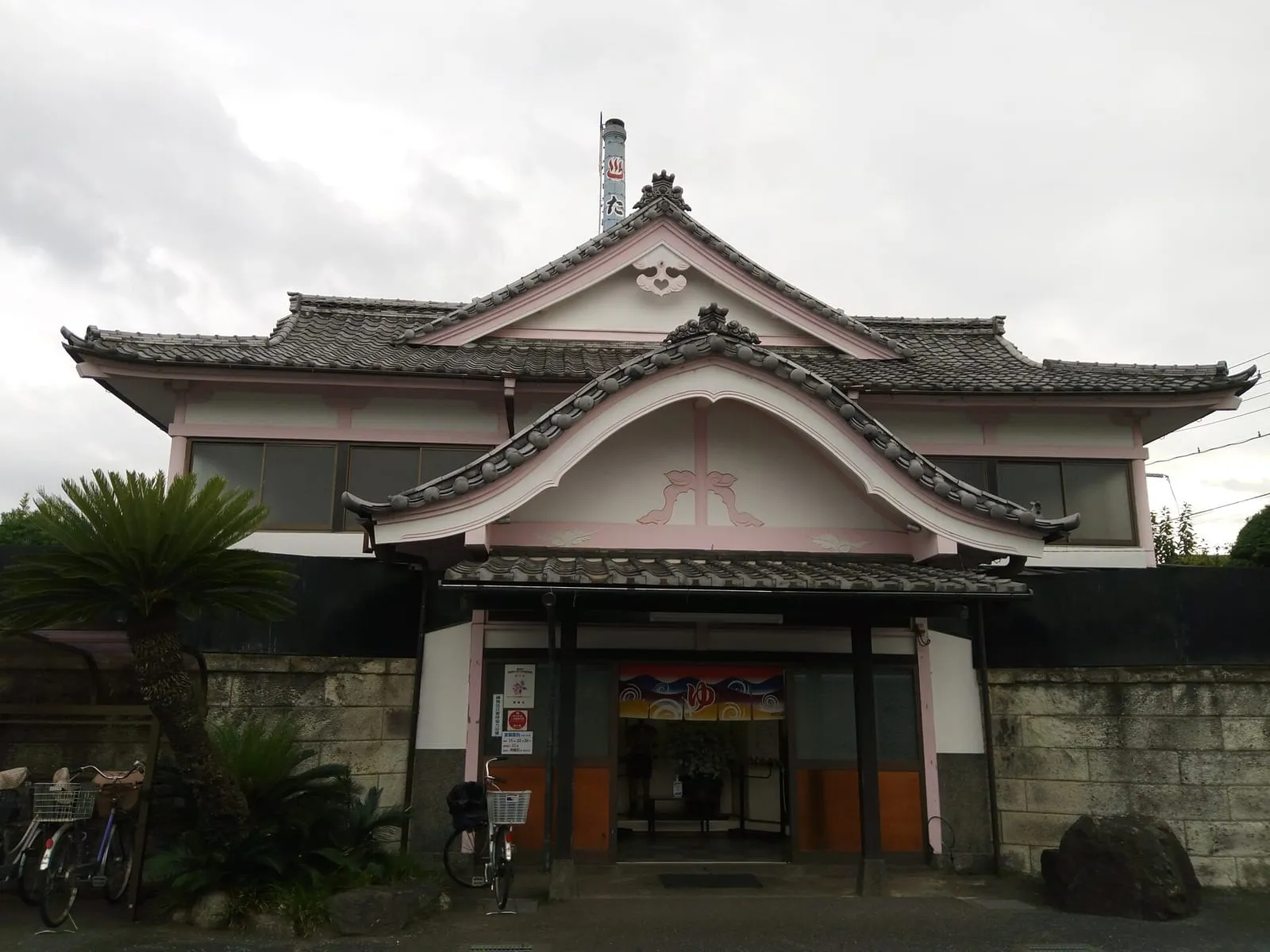
The Tokyo Sento Association oversees the capital’s remaining 400+ traditional bathhouses. Built originally during the Edo and early Showa periods when residential homes lacked private bathtubs, sento remain vital communal hubs subsidized to guarantee affordable hygiene.
Step-by-step bathing etiquette
Communal bathing in Japan is governed by clear, non-negotiable customs designed to ensure absolute cleanliness and collective relaxation:
1. Removing your footwear
Upon entering the bathhouse lobby, step onto the raised wooden platform and immediately remove your outdoor shoes. Place them into an individual wooden shoe locker (getabako), push down the wooden locking tab, and keep the wooden key with you.
2. Paying at the counter
Approach the reception desk (bandai or modern front counter). The adult admission fee is legally capped at ¥550 (children aged 6 to 11 pay ¥200; children under 6 pay ¥100). If you did not bring bathing supplies from your hotel, purchase a small modesty washcloth (tenugui, roughly ¥150), a rental bath towel (¥100 to ¥200), and miniature bottles of shampoo and soap (¥50 to ¥100). Many modern sento now provide complimentary body wash and shampoo pumps directly at the shower stalls.
3. Entering the changing room
Walk through the appropriate split cloth curtain (noren):
- Men (男 - Otoko): Traditionally marked by a blue curtain.
- Women (女 - Onna): Traditionally marked by a red or pink curtain.
Choose an open locker in the changing room (datsuijo). Undress completely. Place all clothing, socks, underwear, jewellery, and mobile phones into your locker, lock it, and slip the elastic locker key band around your wrist. Swimwear, underwear, and mobile devices are strictly forbidden past this point.
4. The seated wash station
Step through the sliding glass door into the steamy bath hall carrying only your small tenugui washcloth.
Before even dipping a toe into the communal soaking tubs, you must wash your body thoroughly. Locate an unoccupied washing station (karan) along the wall. Take a small plastic stool (koshikake) and wash basin (oke). Sit down on the stool to wash—never shower while standing, as this splatters soapy water onto fellow bathers. Use the taps, soap, and your washcloth to lather and scrub your entire body from head to toe, then rinse away all soap residue completely.
5. Soaking in the baths
Once completely clean, ease yourself into the bath. Traditional sento water is piping hot, usually calibrated between 41 °C and 44 °C. Enter slowly to let your body adjust.
The golden rule of Japanese bathing: bath water must remain pristine. Keep your hair tied up if long so it does not touch the water. Never bring soap into the bath, and never allow your modesty washcloth to touch the pool water. Fold the damp washcloth and place it on top of your head (a traditional method that helps prevent lightheadedness) or rest it on the dry stone rim of the bath.
6. Cooling down and drying off
Most sento feature multiple tubs, including carbonated soda baths (tansan-sen), herbal baths, electric pulse baths (denki-buro), and cold plunge pools (mizuburo). If you use the hot dry sauna (often a ¥300 to ¥500 surcharge), always rinse the sweat from your skin at a shower stall before entering the cold plunge pool.
Before stepping back into the carpeted dressing room, use your wrung-out washcloth to wipe excess moisture off your skin. Once back at your locker, dry off completely with your large towel before dressing. Round off your visit with a bottle of ice-cold milk, coffee milk, or green tea from the lobby vending machines—a beloved Showa-era bathhouse ritual.
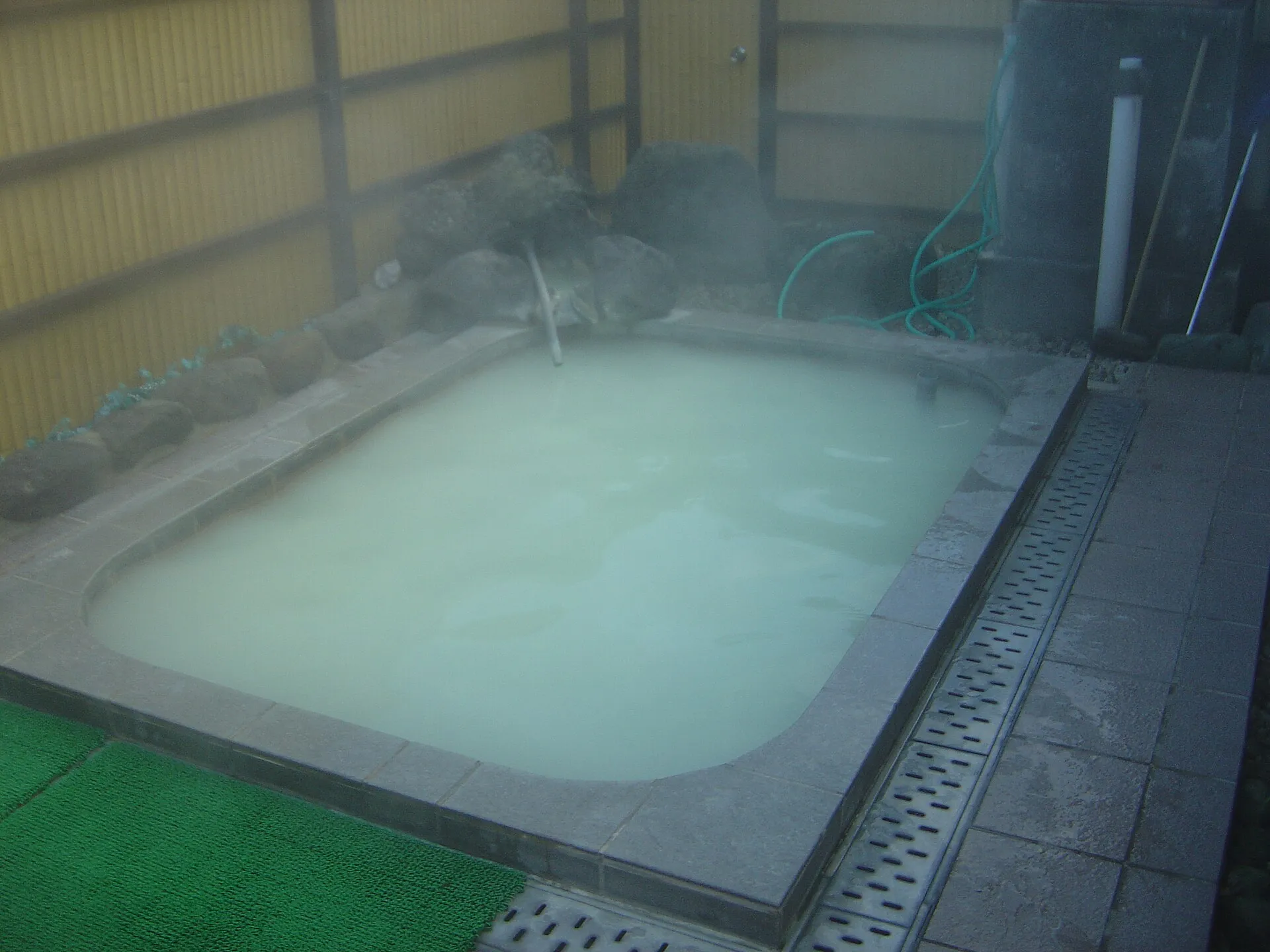
Natural stone rotenburo outdoor hot spring pool surrounded by forest foliage. Photo: David Monniaux, Wikimedia Commons, CC BY-SA 3.0.
Navigating tattoo restrictions
The widespread ban on tattoos in Japanese public baths traces back to the Edo and Showa periods, when elaborate full-body decorative tattooing (irezumi) was associated with members of yakuza crime syndicates. To keep gang members from intimidating patrons, bathhouses, hot spring inns, and fitness clubs enacted blanket “no tattoo” bans.
While general attitudes are evolving with international tourism, visitors with tattoos should understand where they can and cannot bathe:
- Traditional municipal sento: Welcoming. Because sento are legally recognized as essential community public health infrastructure, the vast majority of local neighbourhood bathhouses welcome tattooed patrons without requiring cover-ups.
- Commercial super sento & onsen theme parks: Highly restrictive. Facilities like Thermae-Yu in Shinjuku strictly enforce no-tattoo policies and will refuse entry or eject patrons discovered with ink.
- Tattoo cover-up stickers: If you have small, discreet tattoos, many hot springs will permit entry if the ink is fully concealed under waterproof, flesh-coloured adhesive patches (seal). These patches are widely sold at Tokyo convenience stores, Matsumoto Kiyoshi pharmacies, and bathhouse reception desks.
- Private rental baths (kashikiri): The ultimate solution for travellers with sleeve, back, or extensive tattoos. You book an enclosed private bathhouse suite by the hour, enjoying geothermal waters in total privacy.
Top sento and onsen destinations in Tokyo
- Kotobukiyu (Higashi-Ueno): Tokyo’s most celebrated tattoo-friendly traditional sento. Located a 5-minute walk from Inaricho Station (Ginza Line) or 10 minutes from Ueno Station, Kotobukiyu features a spacious open-air rock bath (rotenburo), cold plunge, salt sauna, and hand-painted Mount Fuji mural. Admission is ¥550 (sauna surcharge ¥250).
- Minami-Aoyama Shimizu-yu (Omotesando): A sleek, modern sento situated two minutes from Omotesando Station. Features ultra-fine bubble micro-baths, Belgian beer on tap in the lounge, and coin-operated laundromat facilities; ¥550 entry.
- Manyo Club / Senkyaku Banrai (Toyosu): Opened in 2024 beside Toyosu Fish Market, this sprawling 24-hour wellness complex trucks geothermal mineral water from Yugawara Onsen daily. Features open-air baths overlooking Tokyo Bay and free rooftop footbaths. Tattoos must be concealed with skin patches; admission from ¥3,850.
- Thermae-Yu (Kabukicho, Shinjuku): A six-storey luxury thermal bath complex in the heart of Shinjuku. Thermal waters are transported from Nakaizu daily. Open 24 hours (strictly no tattoos permitted); admission from ¥2,700.
Sento vs guided onsen day trips
| Bathing option | Typical cost | Time investment | Tattoo accessibility | Setting |
|---|---|---|---|---|
| Tokyo Neighbourhood Sento | ¥550 + toiletries | 1 to 1.5 hours | High (welcoming at local baths) | Urban community bathhouse with tiled art |
| Tokyo Super Sento (e.g. Toyosu) | ¥2,700 to ¥4,000 | 2 to 4 hours | Low (patches required or banned) | Modern multi-level wellness complex with saunas |
| Mount Takao Onsen Day Trip | ¥1,000 bath / ¥19,000 tour | Full day (6 to 8 hours) | High with guided tour or stickers | Natural mountain hot spring at foot of scenic peak |
| Hakone Hot Spring Excursion | ¥7,100 pass / ¥15,000+ tour | Full day or overnight | Moderate (requires booking private baths) | Classical volcanic resort with forest rotenburo |
Guided onsen and hot spring day trips
If you want to experience authentic natural mineral springs outside the city centre without navigating complex transit or tattoo rules independently, these guided excursions provide seamless access:
Tokyo: Mt Takao Tour with Ramen and Tattoo-Okay Hot Spring
From ¥19,017 · 5.0 stars from 119 reviews · 8 hours · Day trip
Tokyo: Mt Takao Tour with Ramen and Tattoo-Okay Hot Springad pairs a scenic guided hike up Mount Takao—taking the chairlift past ancient cedar groves and Yakuoin Temple—with a restorative soak in the natural thermal waters of Keio Takaosan Onsen Gokurakuyu at the base of the mountain. The tour welcomes tattooed travellers and concludes with a bowl of handmade regional soba or ramen.
Live Like a Local: Mt. Takao Hike, Shrine Tour, Onsen & Feast
From ¥9,000 · 5.0 stars from 2 reviews · 6 hours · Small group
Live Like a Local: Mt. Takao Hike, Shrine Tour, Onsen & Feastad provides a cultural immersion combining alpine nature trails, Shinto mountain ascetic lore, an outdoor thermal bath soak, and a traditional seasonal feast.
Hakone: Train Pass with Unlimited Rides & Activity Discounts
From ¥7,100 · 4.4 stars from 196 reviews · 2 or 3-day pass
Hakone: Train Pass with Unlimited Rides & Activity Discountsad covers round-trip transit from Shinjuku aboard the Odakyu Line and provides unlimited access to Hakone’s mountain railways, cable cars, ropeways, and Lake Ashi pirate ships, offering discounts at premier natural hot spring resorts; see our Hakone day trip guide.
Integrating a bath into your itinerary
- Post-Walking Recovery: An evening sento soak is the perfect antidote to tired feet after completing our 3.5 km Shinjuku night walk or daytime Asakusa, Ueno and Yanaka walk.
- Etiquette Context: For broader social etiquette regarding shrines, public transport, and shoes in ryokans, read our comprehensive Tokyo etiquette guide.
- Day Trip Escapes: To soak in authentic volcanic springs with views of Mount Fuji, explore our dedicated guides to Mount Takao and Hakone.
- Itinerary Planning: Sento and onsen visits fit naturally into evening downtime across our 3 days in Tokyo and 5 days in Tokyo itineraries. Find citywide transport details on the Tokyo hub.
Common questions
How much does a public bathhouse (sento) cost in Tokyo?
The Tokyo Sento Association sets a fixed statutory rate across all 23 wards: ¥550 for adults (aged 12 and over), ¥200 for children aged 6 to 11, and ¥100 for children under 6. Rental towels and miniature toiletries can be purchased at the reception desk for ¥100 to ¥300.
Can you enter an onsen or sento in Tokyo if you have tattoos?
Traditional neighbourhood sento (public bathhouses) are municipal public health facilities and are generally welcoming of tattoos. Conversely, large commercial super sento, hotel spas, and natural hot spring resorts frequently ban tattoos entirely or require them to be concealed under waterproof skin-toned patches.
What is the difference between a sento and an onsen?
A sento is a municipal communal bathhouse using heated tap or well water, created historically for neighbourhoods lacking home baths. An onsen is legally defined under Japan's Hot Spring Law as a facility fed by natural geothermal mineral spring water emerging at 25 °C or higher.
Do you have to bathe completely naked?
Yes. Bathing is strictly nude in gender-segregated facilities. Swimwear, underwear, and towels are not permitted inside the communal bath pools.
What is a private rental bath (kashikiri)?
A kashikiri-buro is a private onsen room that you rent by the hour (typically ¥2,000 to ¥5,000 per hour), allowing couples, families, and travellers with extensive tattoos to bathe together without public restrictions.