In this guide
💡 The Short Version: The centre of Oslo’s winter is Jul i Vinterland, the Christmas market at Spikersuppa on Karl Johans gate, with wooden chalets, an ice rink and a Ferris wheel from early November to early January (free entry). On the first two weekends of December the Norsk Folkemuseum Christmas Fair on Bygdøy opens its decorated timber houses with folk dancing. When snow lies on the hills, take metro Line 1 to Frognerseteren and ride the 2-kilometre Korketrekkeren toboggan run. Or book a tour: a 3½-hour winter walk and campfire by torchlightad from NOK 625 goes through the snow-covered forest above Oslo, with a hot drink and marshmallows at the fire.
⚠️ Most things close between 24 and 26 December. On 24 December shops and restaurants close in the afternoon and Jul i Vinterland is shut all day. The National Museum is closed from 24 to 26 December, on 31 December and on 1 January. MUNCH, the Fram Museum, the Kon-Tiki Museum and Holmenkollen open with holiday hours on Christmas Day and Boxing Day.
Winter calendar and key seasonal dates
| Period / Date | Event or Attraction | Practical Logistics & Admission |
|---|---|---|
| Early Nov to Early Jan | Jul i Vinterland (Spikersuppa) | Free admission; market stalls, Ferris wheel and ice rink open daily |
| Mid-November | Grand Christmas Market (Grand Hotel) | Crafts and design gifts at Karl Johans gate; ticketed |
| Late Nov to Christmas | Christmas at Bærums Verk | 17th-century ironworks craft village with horse-drawn sleighs and glassblowing |
| First two Dec weekends | Norsk Folkemuseum Christmas Fair | Bygdøy open-air museum; 100+ stalls and the Gol Stave Church (NOK 200) |
| 10 December | Nobel Peace Prize ceremony | Oslo City Hall; ceremony inside, evening torchlight peace procession |
| 24 December (Julaften) | Christmas Eve | Shops and restaurants pause from about 14:00; families celebrate at home; holiday transport timetable |
| 25–26 December | Christmas Day & Boxing Day | Polar museums, MUNCH and Holmenkollen open; National Museum and shops closed |
| 31 December | New Year’s Eve | Book evening restaurants; midnight fireworks seen from the harbour and hills |
| Jan to March | Korketrekkeren & winter sports | Tobogganing at Frognerseteren and cross-country skiing in Oslomarka |
Jul i Vinterland: Oslo’s Christmas market
Jul i Vinterland fills Spikersuppa, the park strip between the National Theatre and Parliament on Karl Johans gate.
Market highlights
- Wooden chalets: Dozens of huts sell woollen mittens, Norwegian knitwear, carved wooden kitchenware, cured elk and reindeer meat, cheese and honey.
- The ice rink: The sunken pool at Spikersuppa becomes a public rink among lit trees. Skating is free if you bring your own skates; skates can also be rented on site.
- Ferris wheel (Reisen til Julestjernen): A 33-metre wheel with views over the lit city centre, the Royal Palace park and the harbour.
- Seasonal treats: Gløgg (spiced mulled wine, served alcohol-free or spiked with aquavit, with raisins and flaked almonds) and gingerbread (pepperkaker).
Standard opening hours
- Monday to Thursday: 12:00 to 20:00
- Friday: 12:00 to 21:00
- Saturday: 10:00 to 21:00
- Sunday: 10:00 to 20:00
- 24 December: Closed all day.
- 25 to 30 December: 11:00 to 20:00 daily.
- 31 December: 11:00 to 18:00.
Norsk Folkemuseum Christmas Fair (Bygdøy)
The Christmas Fair at the Norwegian Museum of Cultural History (Norsk Folkemuseum) on Bygdøy runs on the first two weekends of December.
- Setting: More than 160 timber farmsteads and townhouses moved from across Norway, dating from the Middle Ages to the 20th century.
- Living history: The houses are decorated for Christmas as they would have been in different periods, from a 19th-century merchant family’s parlour to a humble 18th-century croft. Open hearths smoke while costumed guides demonstrate flatbread baking, candle-dipping and wool spinning.
- Market stalls: Over 100 craftspeople sell folk art, hand-woven textiles, ceramics, jams and baking.
- The 12th-century Gol Stave Church: The carved stave church is lit against the snow and hosts choral concerts.
- Logistics: Ruter bus 30 from Oslo Central Station goes to the Folkemuseet stop (20 minutes). Normal museum admission applies (NOK 200 for adults; free with the Oslo Pass).
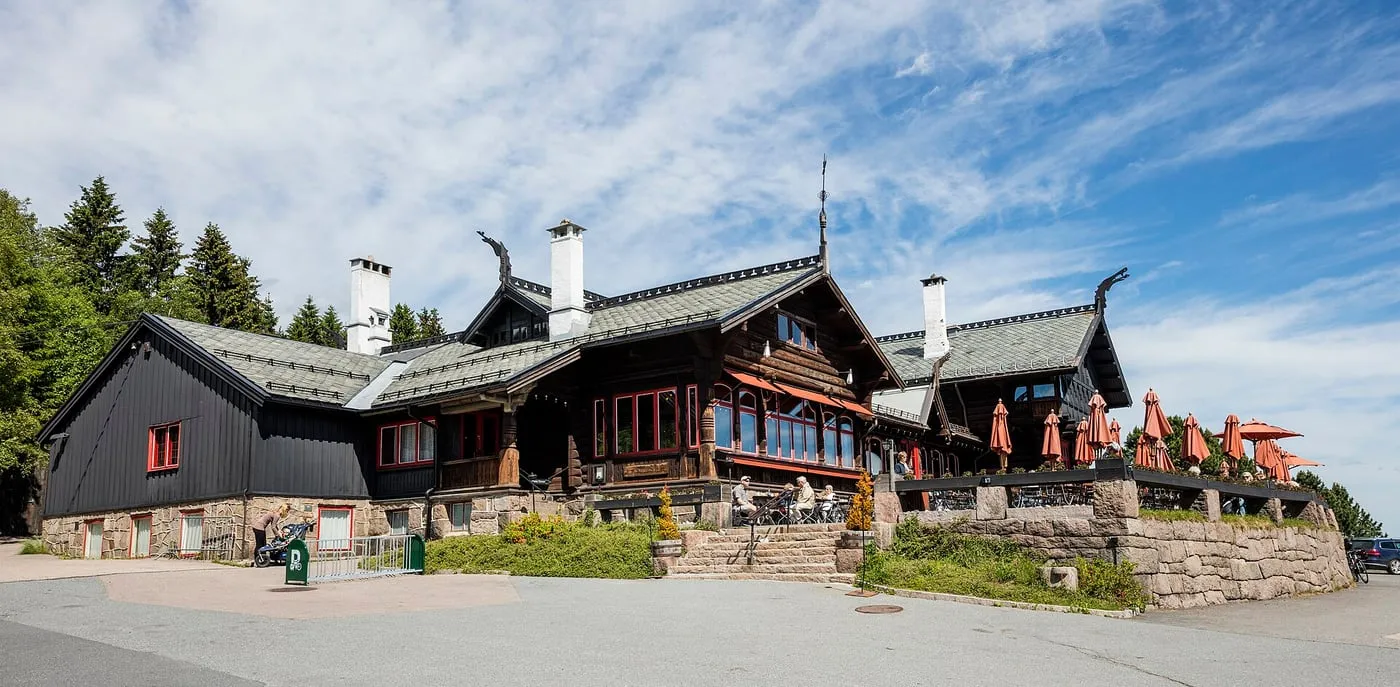
Winter sports in the capital: Korketrekkeren and Holmenkollen
The metro takes under 30 minutes from the city centre to snow-covered hills.
Korketrekkeren toboggan run
Korketrekkeren (“The Corkscrew”) is a 2,000-metre toboggan track winding through the pine forest of Nordmarka.
Take metro Line 1 up to Frognerseteren, rent a wooden sled from Akeforeningen, ride the track down to Midtstuen, then take the metro back up for another run.
- The ride: The run drops 255 vertical metres in 8 to 10 minutes, with banked curves, long straights and steep drops through the trees.
- Cost: Riding the track is free. Wooden toboggans and steering sleds (rodels) are rented at Akeforeningen (beside Frognerseteren station) or Skiservice.
- Safety: The track can be icy after cold nights. Wear goggles, waterproof gloves, boots with deep tread and a helmet.
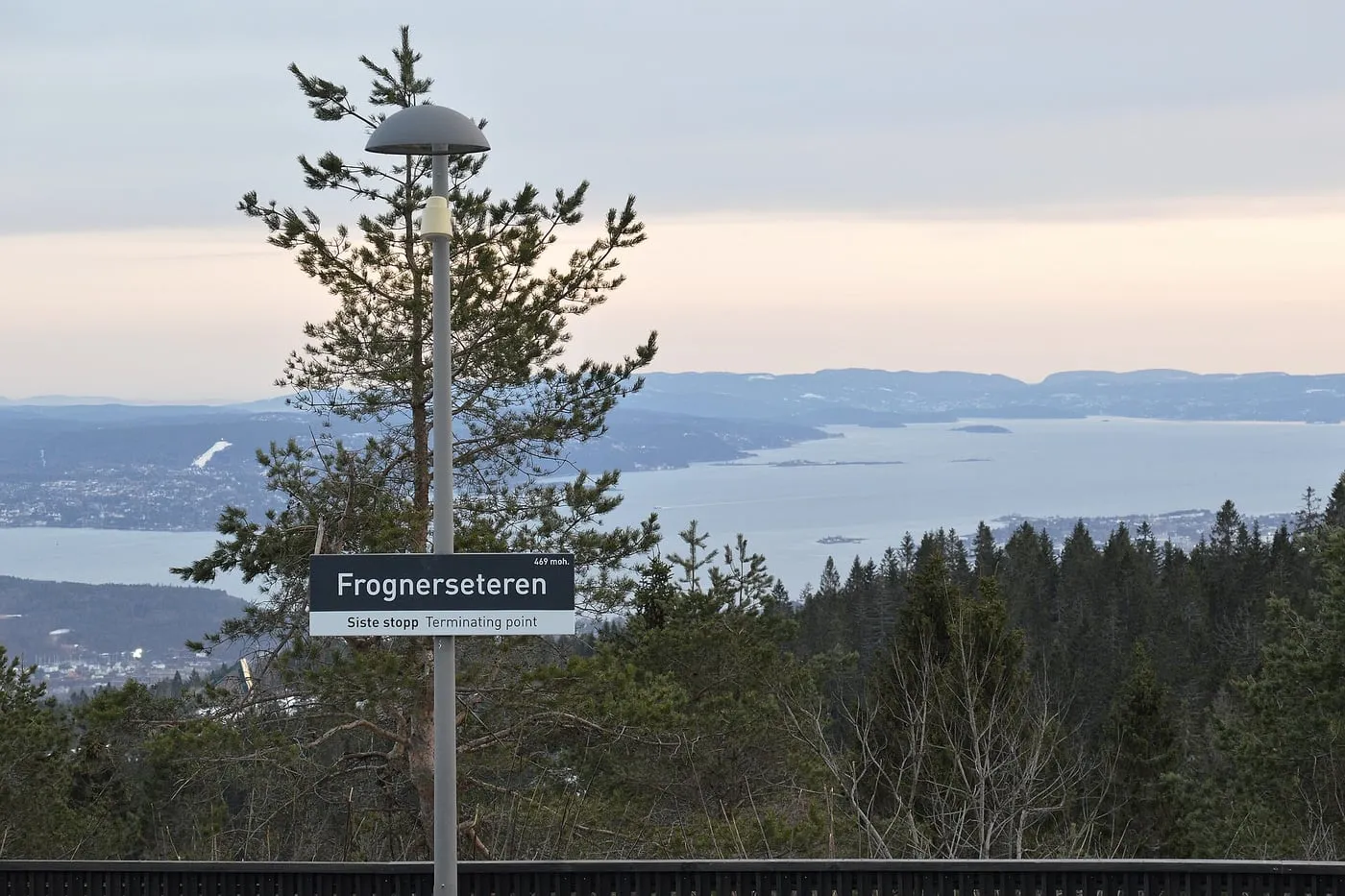
Holmenkollen Ski Jump and cross-country trails
- Holmenkollen Arena: The ski arena has hosted the Nordic World Ski Championships. The Ski Museum covers 4,000 years of skiing, and a lift goes to the top of the jump tower for views over the snowy valleys (adults NOK 200).
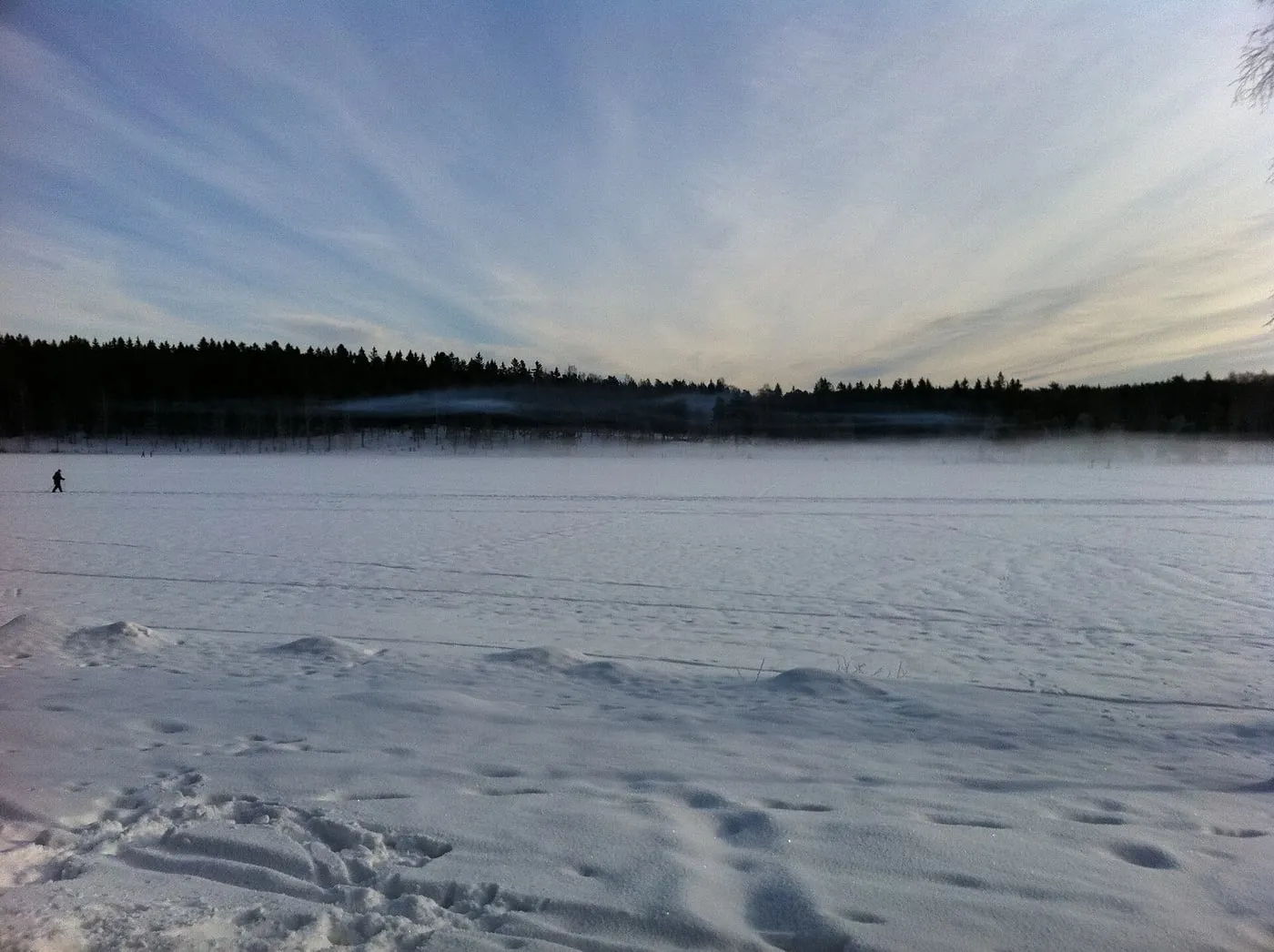
- Cross-country skiing (Langrenn): Oslomarka has over 2,600 kilometres of groomed cross-country trails, 90 kilometres of them floodlit for night skiing until 22:00. The flat, groomed loops around Lake Sognsvann (terminus of metro Line 5) suit beginners.
What is open during the Christmas and New Year period
| Sight / Museum | 24 Dec (Christmas Eve) | 25 Dec (Christmas Day) | 26 Dec (Boxing Day) | 31 Dec (New Year’s Eve) | 1 Jan (New Year’s Day) |
|---|---|---|---|---|---|
| MUNCH | 10:00 to 14:00 | 10:00 to 18:00 | 10:00 to 18:00 | 10:00 to 14:00 | 10:00 to 18:00 |
| Fram Museum | 10:00 to 17:00 | 10:00 to 17:00 | 10:00 to 17:00 | 10:00 to 17:00 | 10:00 to 17:00 |
| Kon-Tiki Museum | 10:00 to 15:00 | 10:00 to 17:00 | 10:00 to 17:00 | 10:00 to 15:00 | 10:00 to 17:00 |
| Holmenkollen Ski Museum | 10:00 to 14:00 | 10:00 to 16:00 | 10:00 to 16:00 | 10:00 to 14:00 | 10:00 to 16:00 |
| National Museum | Closed | Closed | Closed | Closed | Closed |
| Norsk Folkemuseum | Closed | Closed | 11:00 to 16:00 | 11:00 to 16:00 | Closed |
| Vigeland Park | Open 24/7 | Open 24/7 | Open 24/7 | Open 24/7 | Open 24/7 |
| Public Transit (Ruter) | Reduced from 16:00 | Sunday timetable | Sunday timetable | Night service runs | Sunday timetable |
- Shops: Supermarkets and shops close between 13:00 and 16:00 on 24 December and are shut all day on 25 and 26 December.
- Restaurants: Most independent restaurants close on Christmas Eve and Christmas Day. Hotel dining rooms such as the Grand Hotel and Amerikalinjen stay open, but book weeks ahead.
Traditional Norwegian winter food
- Pinnekjøtt: Salted, dried and sometimes birch-smoked lamb ribs, steamed over birch sticks for several hours. Served with mashed swede (kålrabistappe), boiled potatoes and the cooking broth.
- Ribbe: Slow-roasted pork belly with crackling, seasoned with cloves and pepper, with spiced red cabbage, prunes and gravy. The Christmas Eve dish in eastern Norway.
- Lutefisk: Dried stockfish soaked in water and lye, then baked and served with crisp bacon, pea purée, boiled potatoes and a brown goat cheese sauce.
- Julebord: The Christmas feast that workplaces, friends and families hold through November and December. Restaurant Schrøder in St. Hanshaugen and Kaffistova in Sentrum serve festive menus.
Winter floating saunas: the Nordic ice-dip
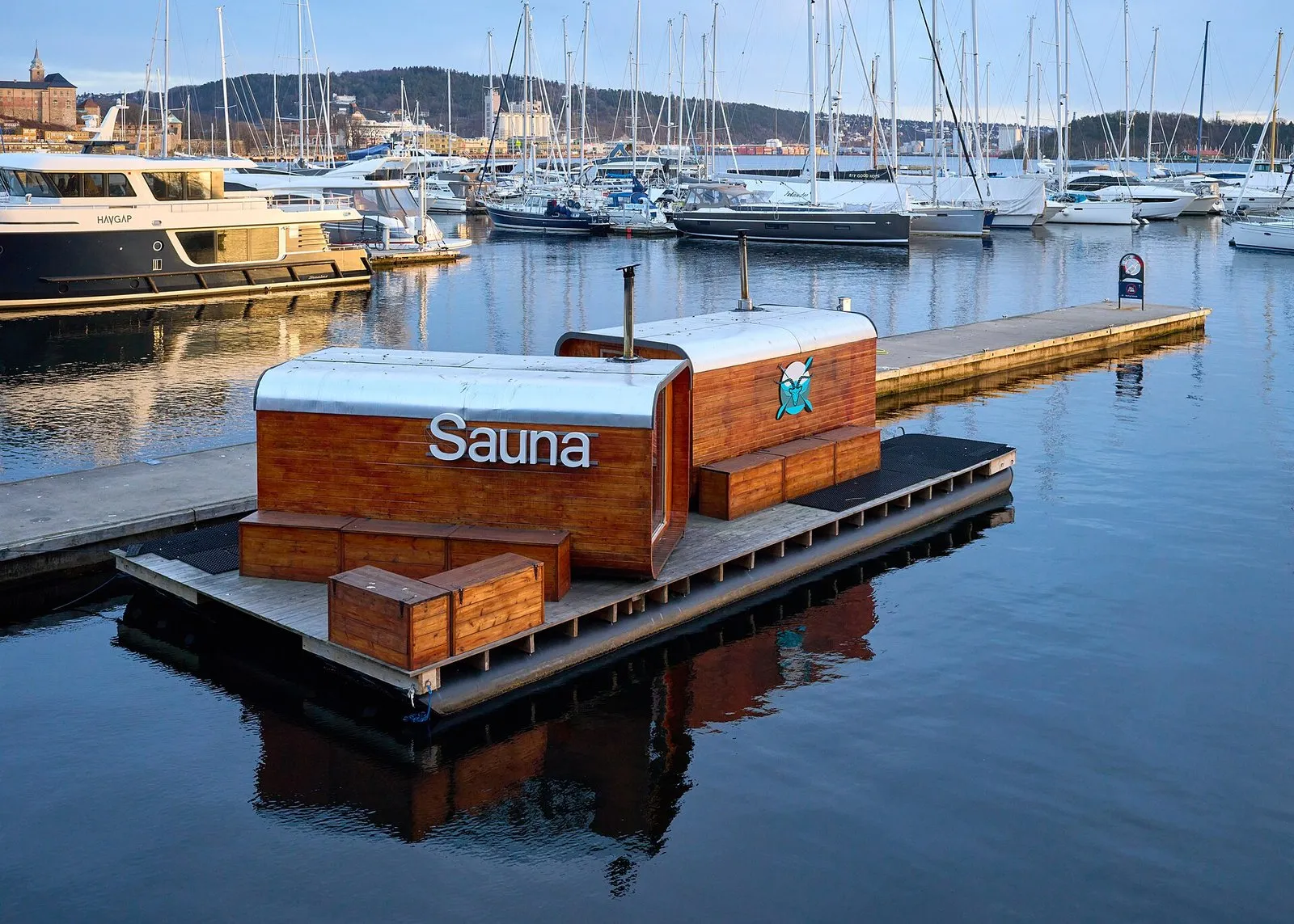
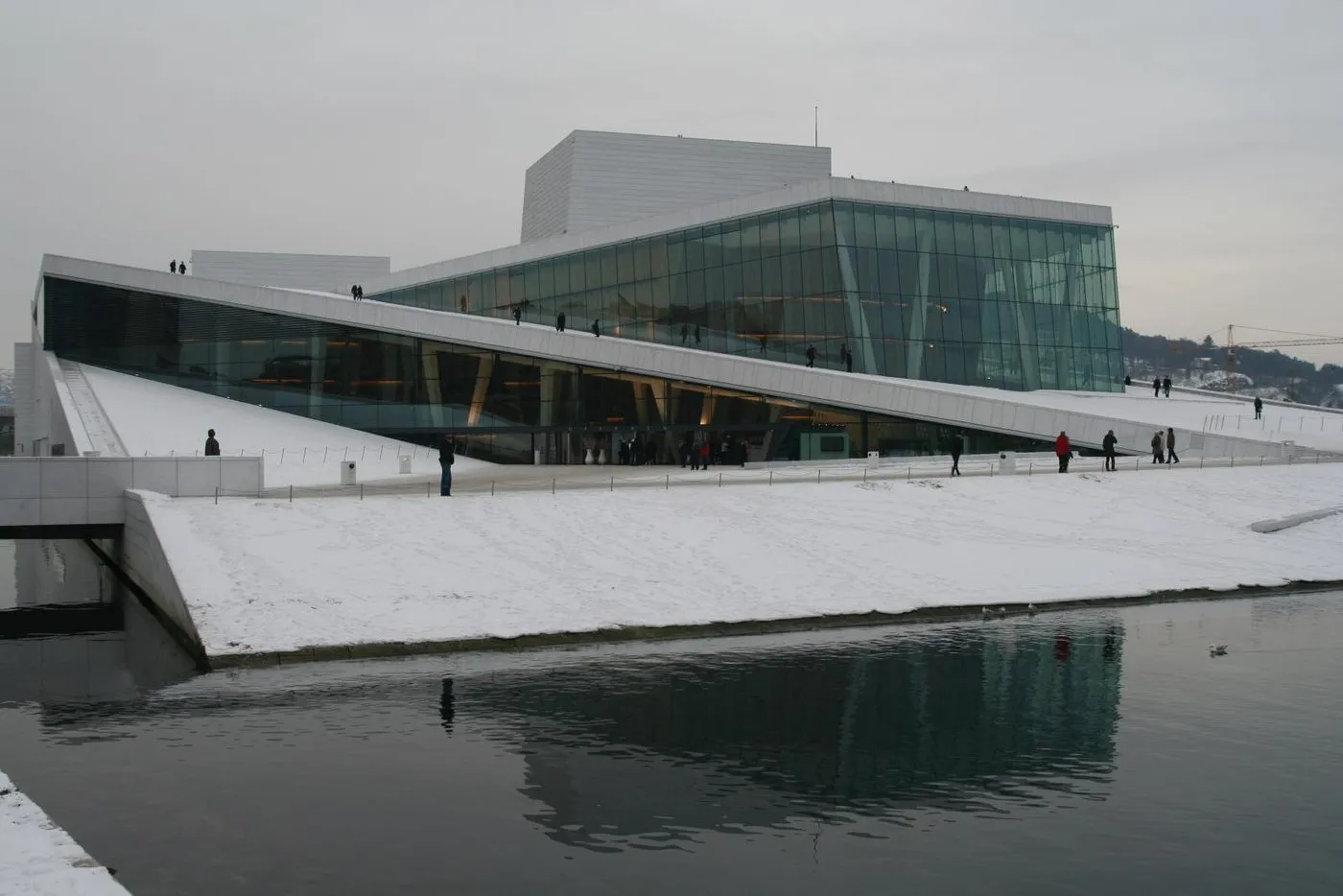
- Where: Oslo Badstuforening runs wood-fired floating saunas at Langkaia (near the Opera House) and Sukkerbiten, open daily through the winter.
- The ritual: Sit in a pine cabin heated by birch logs to 85°C and watch snow fall on the fjord through the windows. Then step onto the icy pontoon and climb down the ladder into water typically at 1°C to 3°C in mid-winter.
- Booking: Shared drop-in sessions cost NOK 260 for 90 minutes. Weekend winter slots sell out weeks ahead; book online. See floating saunas in Oslo.
Practical winter advice
- Footwear and ice grips (brodder): Streets alternate between cleared asphalt, slush and black ice. Wear waterproof insulated boots with lugged rubber soles. For steep icy slopes, buy slip-on rubber ice grips with metal spikes (brodder) from a pharmacy (Apotek) or convenience store.
- Layers: Don’t rely on one heavy coat. Wear a merino base layer, a fleece or wool mid-layer and a windproof, waterproof outer jacket.
- Daylight: Plan outdoor walks and photos between 10:00 and 14:00, when the light is strongest, and keep late afternoons and evenings for museums, saunas and dinner.
- Next steps: packing for Oslo and best time to visit Oslo.
Common questions
When does the Oslo Christmas market open?
Jul i Vinterland, the central Christmas market at Spikersuppa on Karl Johans gate, runs from early November to the first weekend of January. Entry is free. Stalls open daily from 10:00 or 12:00 until 20:00 or 21:00 and are closed on 24 December.
What attractions are open in Oslo on Christmas Day?
On 25 December MUNCH is open 10:00 to 18:00, the Fram Museum and Kon-Tiki Museum 10:00 to 17:00 and the Holmenkollen Ski Museum 10:00 to 16:00. The National Museum and ordinary shops are closed on 25 and 26 December.
Are there official fireworks on New Year's Eve in Oslo?
Fireworks go off across the city at midnight. Good viewpoints are Ekeberg, Holmenkollen and Grefsenkollen.
What is Korketrekkeren and how does it work?
Korketrekkeren ('The Corkscrew') is a 2-kilometre toboggan run through the Nordmarka forest, dropping 255 vertical metres from Frognerseteren to Midtstuen. It is free to use when there is enough snow. You can rent sleds near the top station, and metro Line 1 takes you back up in 13 minutes.
How many hours of daylight does Oslo get in winter?
About six hours around the winter solstice in late December, with sunrise around 09:15 and sunset around 15:15. Many ski trails and toboggan runs are floodlit after dark.