In this guide
💡 The Short Version: Every trip below works without a car. The quickest is Ruter ferry B1 from Aker Brygge to the Oslofjord islands (NOK 46 Zone 1 single, 10 minutes to Hovedøya). Bus 500 south goes to Drøbak and Oscarsborg Fortress (45 minutes), a timber-house town and the fort that sank a German cruiser in 1940. Kistefos and The Twist, a sculpture park and a gallery that twists 90 degrees, is north by Vy coach VY66 (NOK 250 one way). By train, Fredrikstad Gamlebyen, a moated 17th-century star-fortress town, takes 68 minutes on Vy train RE20. Or book a tour: an island-hopping nature walkad from NOK 495 covers the inner fjord islands in about 3 hours with a guide.
⚠️ Several trips are seasonal. Ferries to Hovedøya and buses to Drøbak run year-round. Kistefos closes its galleries, The Twist and the direct coach between mid-October and late April. Oscarsborg’s grounds are open all year, but the torpedo battery and indoor museum take walk-in visitors only from May to September.
Comparing the top day trips from Oslo
| Destination | Travel Method | Transit Time | Standard Adult Fare | Highlights |
|---|---|---|---|---|
| Inner Oslofjord Islands | Ruter Ferry B1 (Aker Brygge) | 10 to 45 min | NOK 46 single | 12th-century abbey ruins, bathing beaches, colourful summer cottages; covered by Oslo Pass |
| Drøbak & Oscarsborg | Ruter Bus 500 + Shuttle Ferry | 45 min + 5 min boat | Ruter ticket plus ferry ticket | 1940 Blücher battle site, coastal artillery, seaside aquarium, Christmas house |
| Kistefos & The Twist | Vy Coach VY66 or E16 Drive | 75 to 90 min | NOK 250 bus + NOK 210 entry | Torqued bridge-gallery by BIG, 50+ forest sculptures (Kusama, Kapoor), 1889 pulp mill |
| Bærums Verk | Ruter Bus 150 (Oslo Bussterminal) | 35 to 40 min | NOK 76 (Zone 2) | 1610 ironworks, glass and craft studios, river walk, an inn dating to 1640 |
| Fredrikstad Gamlebyen | Vy Regional Train RE20 | 1 hr 08 min | NOK 238 train + Free ferry | 1663 star-fortress town, cobbled lanes, moat bridges |
| Lillehammer & Maihaugen | Vy Regional Train RE10 | 2 hr 03 min | Vy train fare on vy.no + museum entry | 1994 Winter Olympic jump, Maihaugen open-air folklore museum with 200 timber buildings |
Guided day trips from Oslo
Island-hopping nature walk
From NOK 495 · 4.8 stars from 3,397 reviews · 3¼ hours
Oslo Nature Walks: Island-hopping Tourad is a guided walk across the islands, taking in island villages and beaches a few minutes from the city centre.
Three islands and a 12th-century abbey
From NOK 600 · 4.7 stars from 96 reviews · 4½ hours · guided
Oslo: Guided Island-Hopping Tour to 3 Oslofjord Islandsad visits three islands, the 12th-century abbey ruins, sandy beaches and sea cliffs.
Drøbak coastal path and forest
From NOK 450 · 5 stars from 7 reviews · 3½ hours · 45 minutes by bus from Oslo
Drøbak: Guided walk along the coastal path and the forestad follows the coastal path and forest above the town and passes the summer house of Edvard Munch.
1. The Inner Oslofjord Islands (10 to 45 minutes)
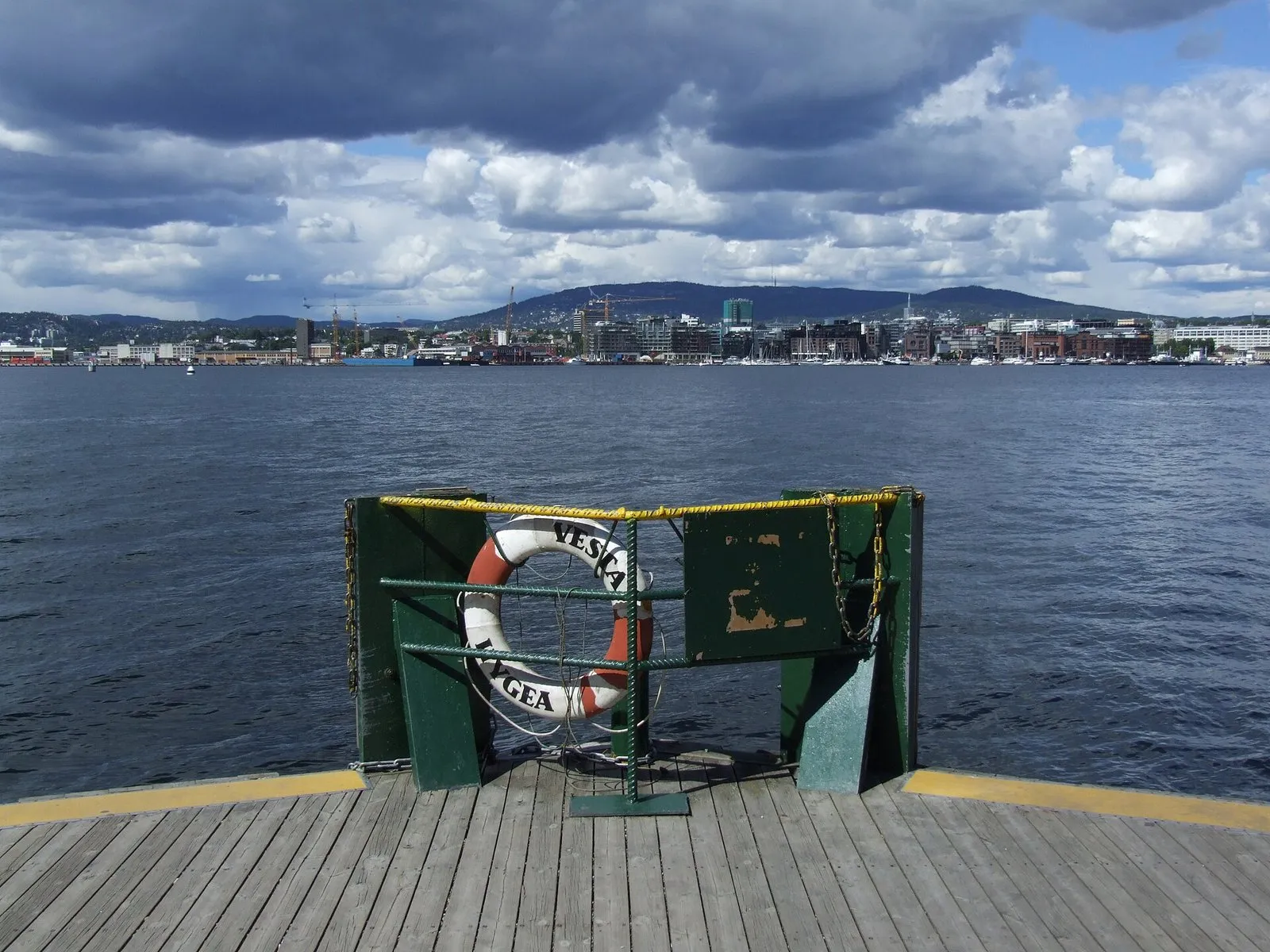
With half a day to spare, the islands just outside the harbour are the easiest trip. Ruter ferry line B1 leaves from City Hall Pier 4 (Rådhusbrygge 4) at Aker Brygge, and the ticket is the same one you use on trams.
| Island | From Rådhusbrygge 4 | What it is |
|---|---|---|
| Hovedøya | 10 min | Monastery ruins and cannon batteries |
| Gressholmen | 25 min | Heggholmen lighthouse and a nature reserve |
| Lindøya | 35 min | Painted timber cottages and bathing piers |
| Langøyene | Summer line B2 | Sandy beach and tent camping |
- Hovedøya: The first stop on Line B1. Walk ten minutes through oak woods to the ruins of Hovedøya Abbey, founded in 1147 by English Cistercian monks. The southern shore has sandy swimming coves and stone cannon batteries from the Napoleonic wars.
- Lindøya: about 300 red, yellow and green painted wooden summer cabins. A 15-minute trail links the east and west ferry docks.
- Gressholmen & Heggholmen: linked by stone causeways, with gravel paths past the Heggholmen lighthouse (built 1826) and the remains of Oslo’s first seaplane harbour from 1927.
- Logistics: A Zone 1 fare applies (NOK 46 single); the Oslo Pass covers it. Routes and schedules are in Oslofjord cruises and island hopping.
2. Drøbak and Oscarsborg Fortress (45 minutes)
Drøbak is 35 kilometres south, where the Oslofjord narrows, and combines an 18th-century timber town with naval history.
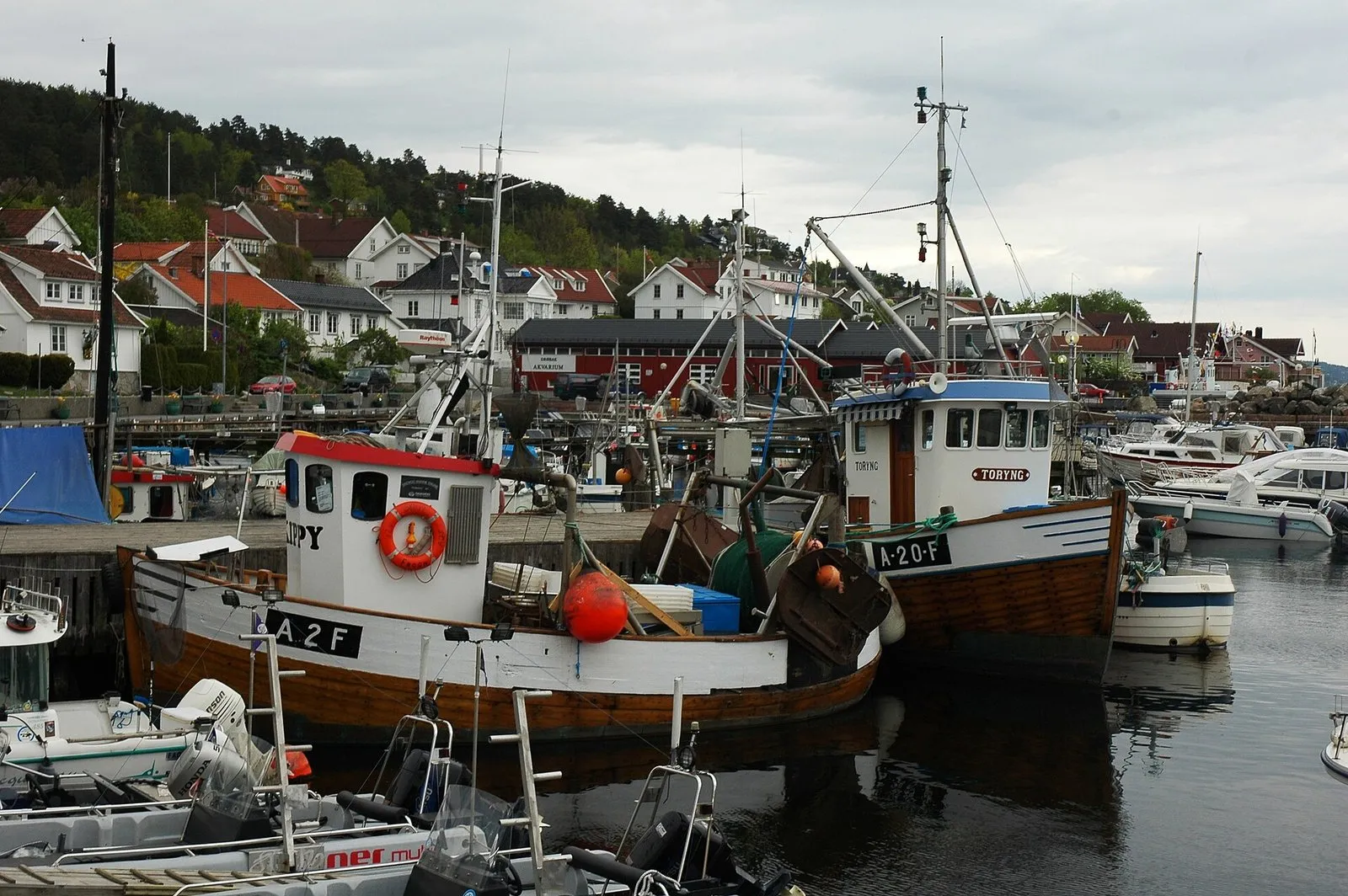
- The town: White-painted sea captains’ houses line narrow lanes such as Nils Carlsens gate. The square has Tregaardens Julehus, a year-round Christmas shop with a Santa Claus post office. On the waterfront, Drøbak Aquarium (adults NOK 160) has over 50 tanks of local fjord species including wolffish and rays.
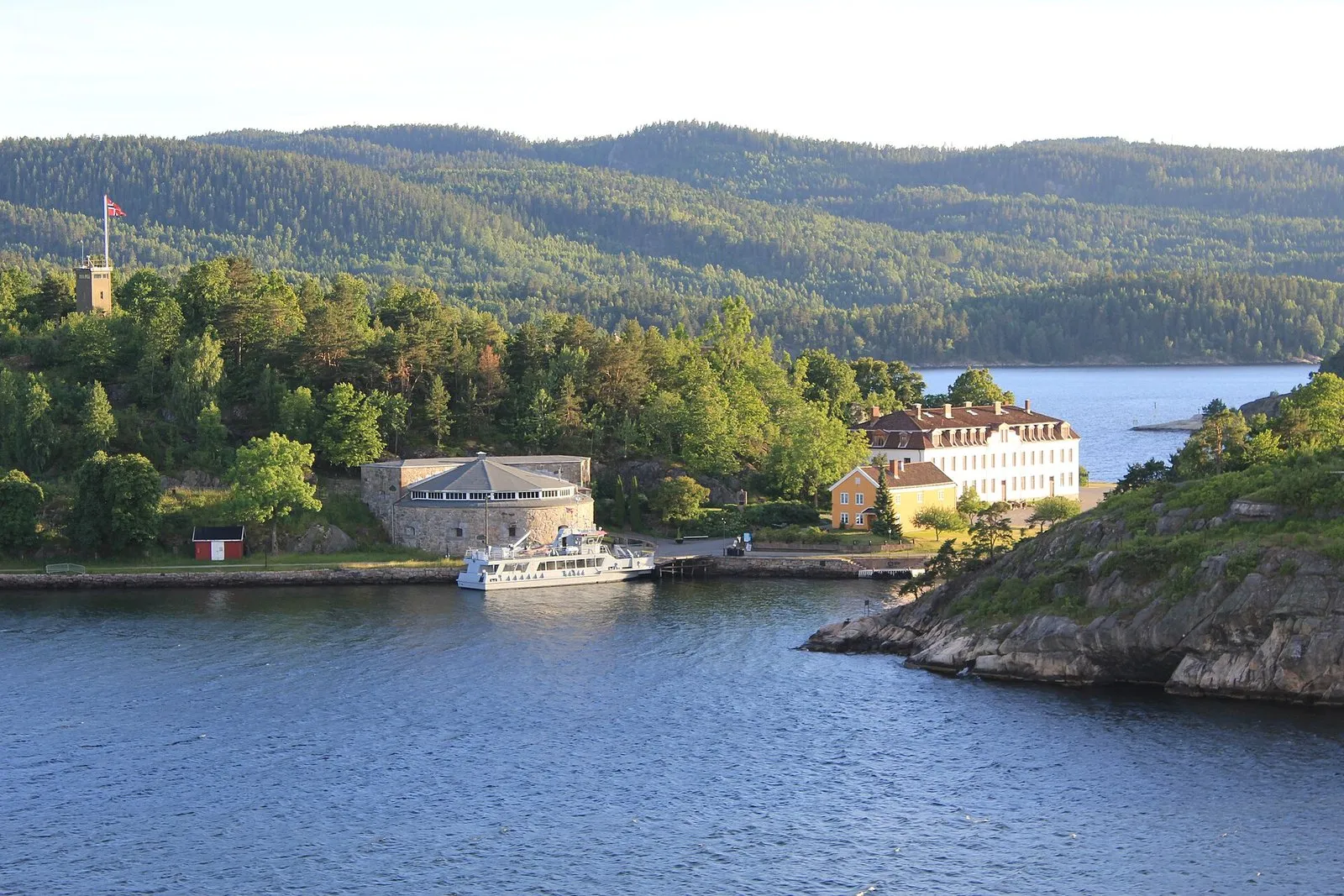
- Oscarsborg Fortress: A five-minute passenger ferry from Sundbrygga pier crosses to the Kaholmene islets. Before dawn on 9 April 1940, fortress commander Birger Eriksen ordered his 28cm Krupp guns and torpedo battery to open fire and sank the German cruiser Blücher. The delay let Norway’s king and government escape capture.
- Logistics: Ruter bus 500 from Oslo Bussterminal takes 45 minutes (Zone 4, covered by the Oslo Pass). The Oscarsborg ferry is a separate ticket. Details are in Drøbak and Oscarsborg Fortress.
3. Kistefos Museum and The Twist (75 to 90 minutes)
Kistefos is a sculpture park and art museum on the Randselva river at Jevnaker.
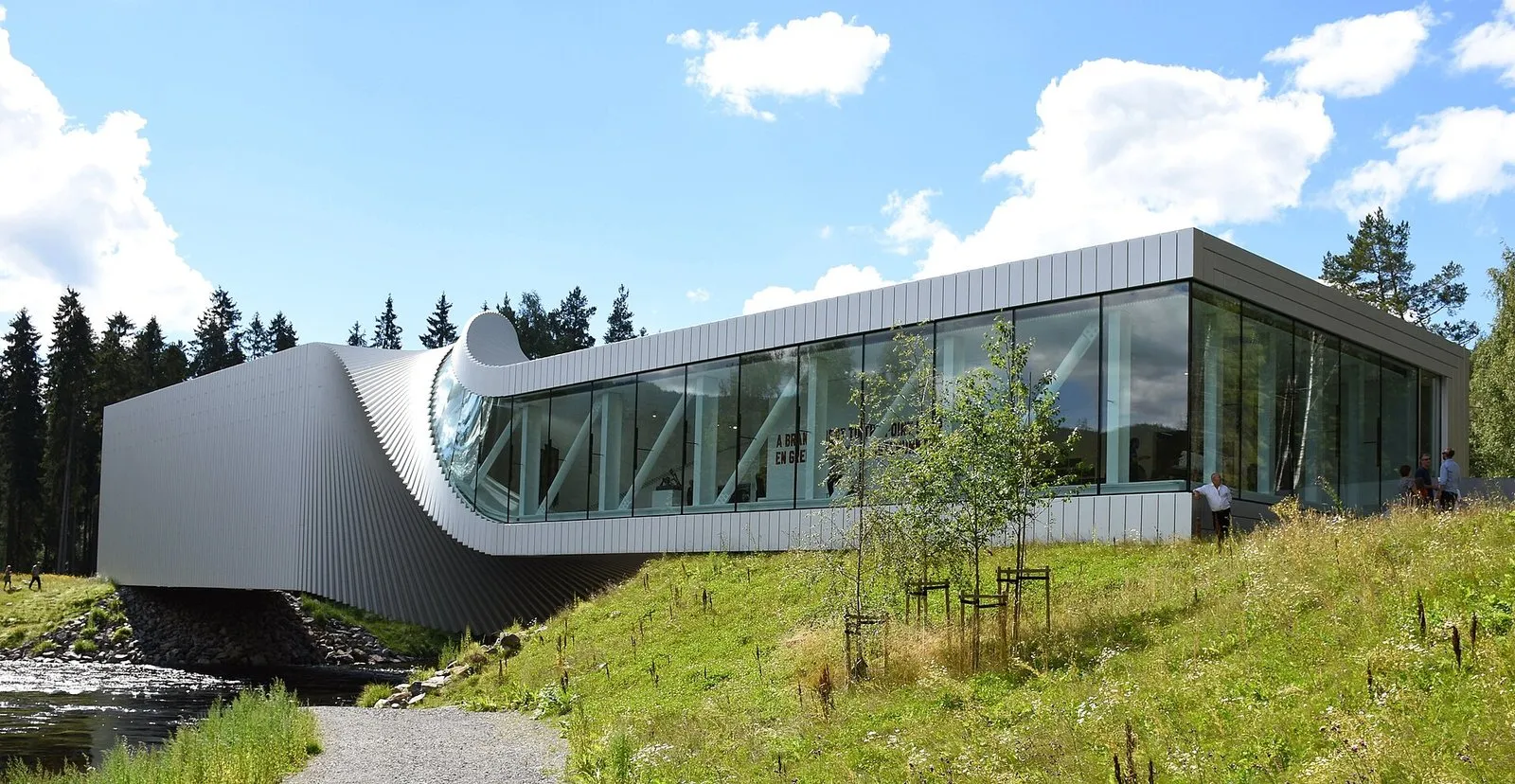
- The Twist: A gallery designed by the Danish architects Bjarke Ingels Group (BIG). The 60-metre building bridges the river and twists 90 degrees at its centre, so walls gradually become floors.
- The sculpture park: Over 50 outdoor works by artists including Yayoi Kusama, Anish Kapoor, Jeppe Hein (with a walk-in water maze) and Tony Cragg.
- The wood pulp mill: Founded in 1889, with its original water turbines and belt transmissions still in place.
- Logistics: Open from early May to mid-October. Vy coach VY66 runs direct from Oslo Bussterminal (NOK 250 one way; book on vybuss.no). Adult admission is NOK 210. See Kistefos and The Twist.
4. Bærums Verk: historic ironworks and craft village (35 minutes)
Bærums Verk, on the Lomma river just west of Oslo, was founded as an ironworks in 1610 under King Christian IV. It is now a pedestrian village of craft workshops, galleries and shops.
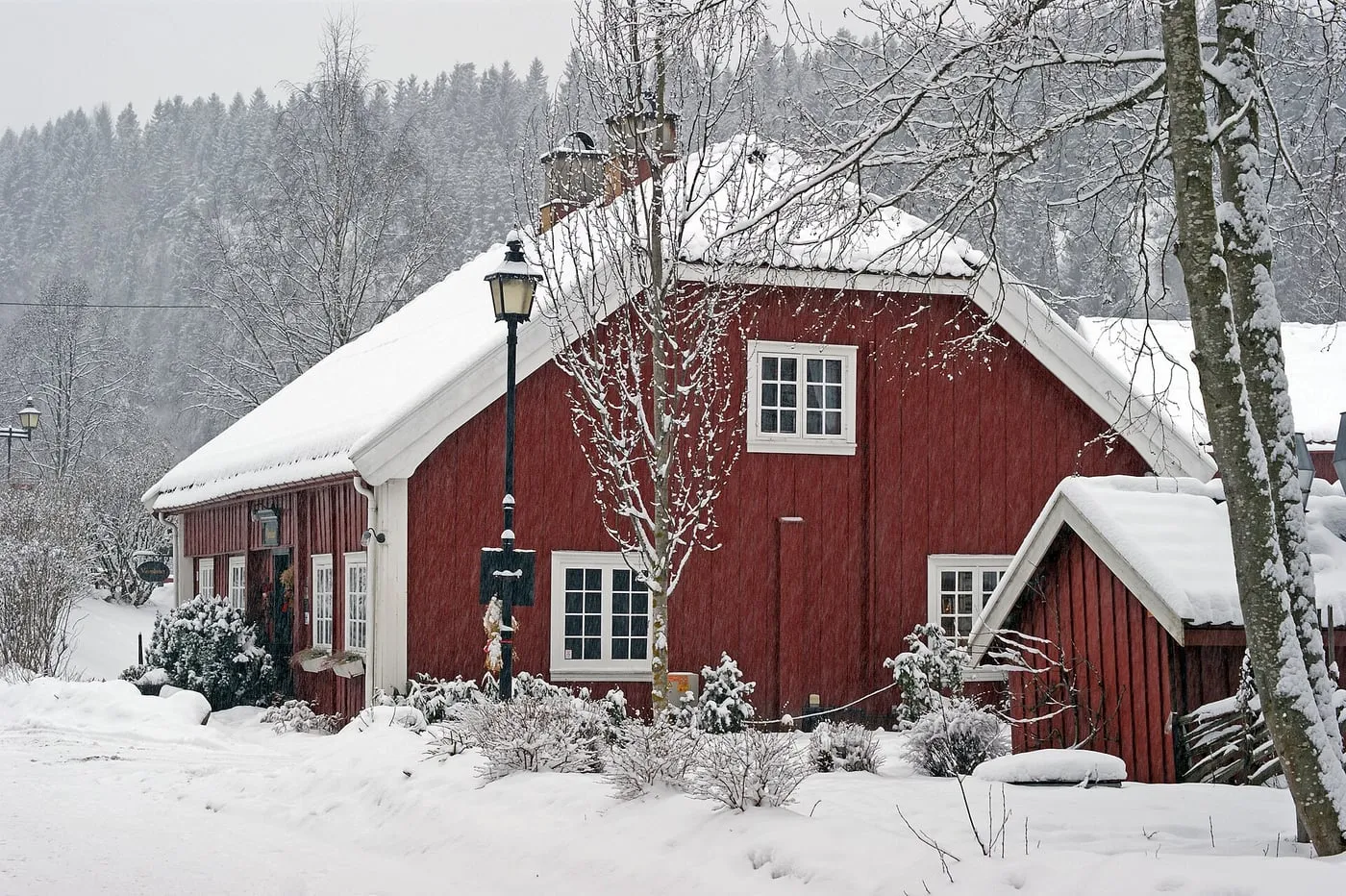
What to see and do at Bærums Verk
- Verksgata: A row of 18th-century timber workers’ cottages now holding glassblowers, ceramicists, silversmiths, chocolate makers and bookbinders.
- The Foundry Museum (Ovnssmuseet): In the old blast furnace building, with cast-iron stoves made here between the 17th and 20th centuries.
- Riverside sculpture path: A shaded path along the Lomma river with over 30 bronze sculptures by Norwegian artists.
- Værtshuset Bærum Verk: Dating to 1640, in a timber hall with open fireplaces. It serves braised venison, reindeer fillet and mountain trout.
- How to get there: Ruter bus 150 (Gullhaug direction) from Oslo Bussterminal or Nationaltheatret takes 35 minutes on a Zone 2 ticket (NOK 76 single). The Oslo Pass covers it.
5. Fredrikstad Gamlebyen: 17th-century star fortress (1 hour 8 minutes)
Fredrikstad was founded in 1567 by King Frederik II of Denmark-Norway, and its fortified old town survives. Constructed between 1663 and 1667 according to the defensive principles of Dutch engineer Willem Coucheron, the old town (Gamlebyen) is surrounded by water-filled moats and monumental star-shaped earthen ramparts.
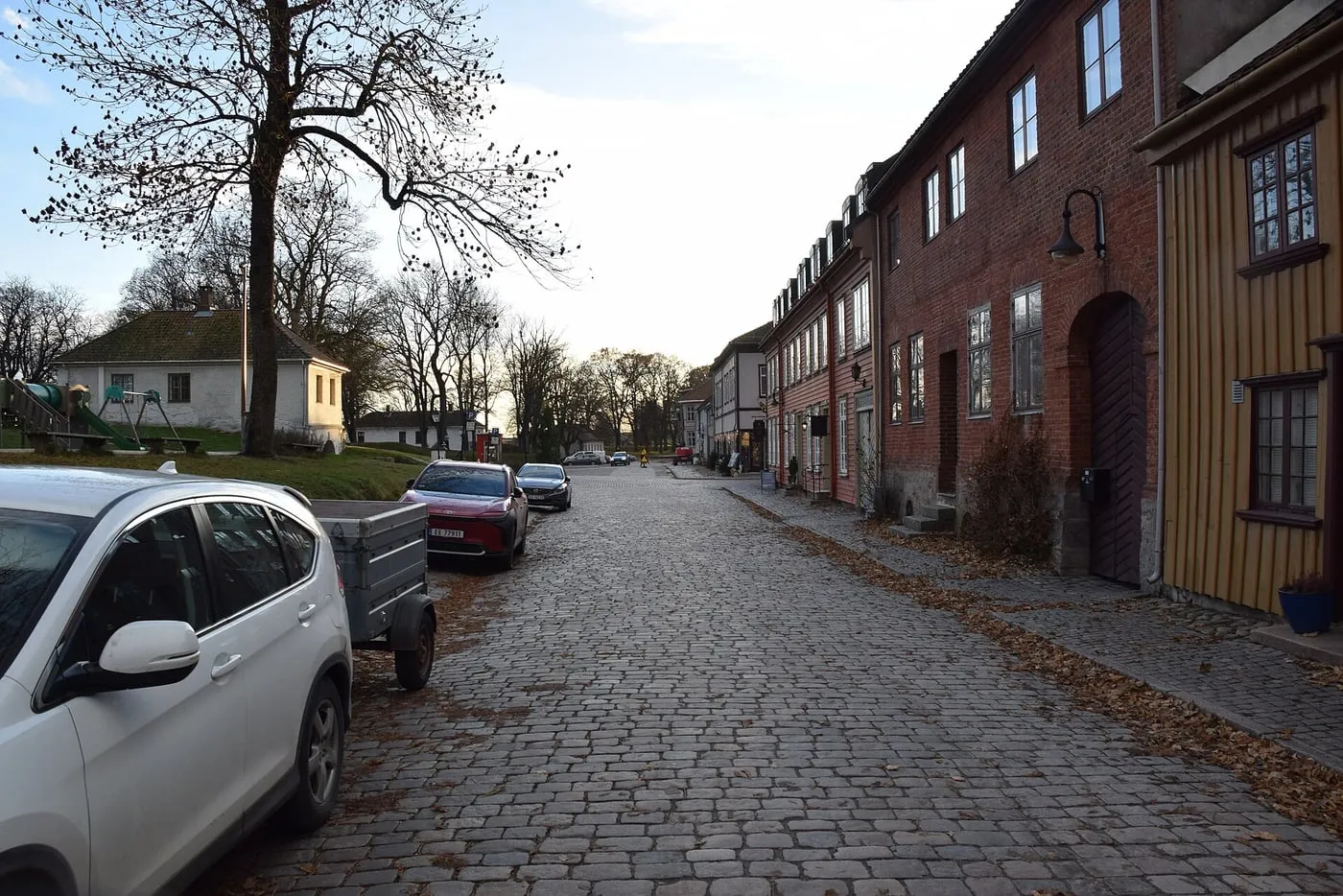
Highlights of Gamlebyen
- The ramparts: A loop along the grassy earthworks looks over the moats, the gun positions and the Glomma river.
- The street grid: The 17th-century layout survives, with pastel clapboard houses, courtyards, antique shops and cafés.
- Gamlebyen Modelljernbanesenter: A 400-square-metre model railway exhibition, including a miniature Gamlebyen.
- Free ferry (Byfergen): Electric passenger ferries link Fredrikstad railway station, the modern centre and the Gamlebyen watergate every 15 minutes, free of charge.
- How to get there: Vy regional train RE20 (Halden direction) leaves Oslo Central Station (Oslo S) hourly and takes 1 hour 8 minutes. The adult single is about NOK 238. From Fredrikstad station it is a signposted 300-metre walk to the quay and the free ferry to the fortress gates.
6. Lillehammer & Maihaugen: folklore and Olympic heritage (2 hours)
Lillehammer, at the northern end of Lake Mjøsa, hosted the 1994 Winter Olympics. It combines a folk museum with Olympic sites.
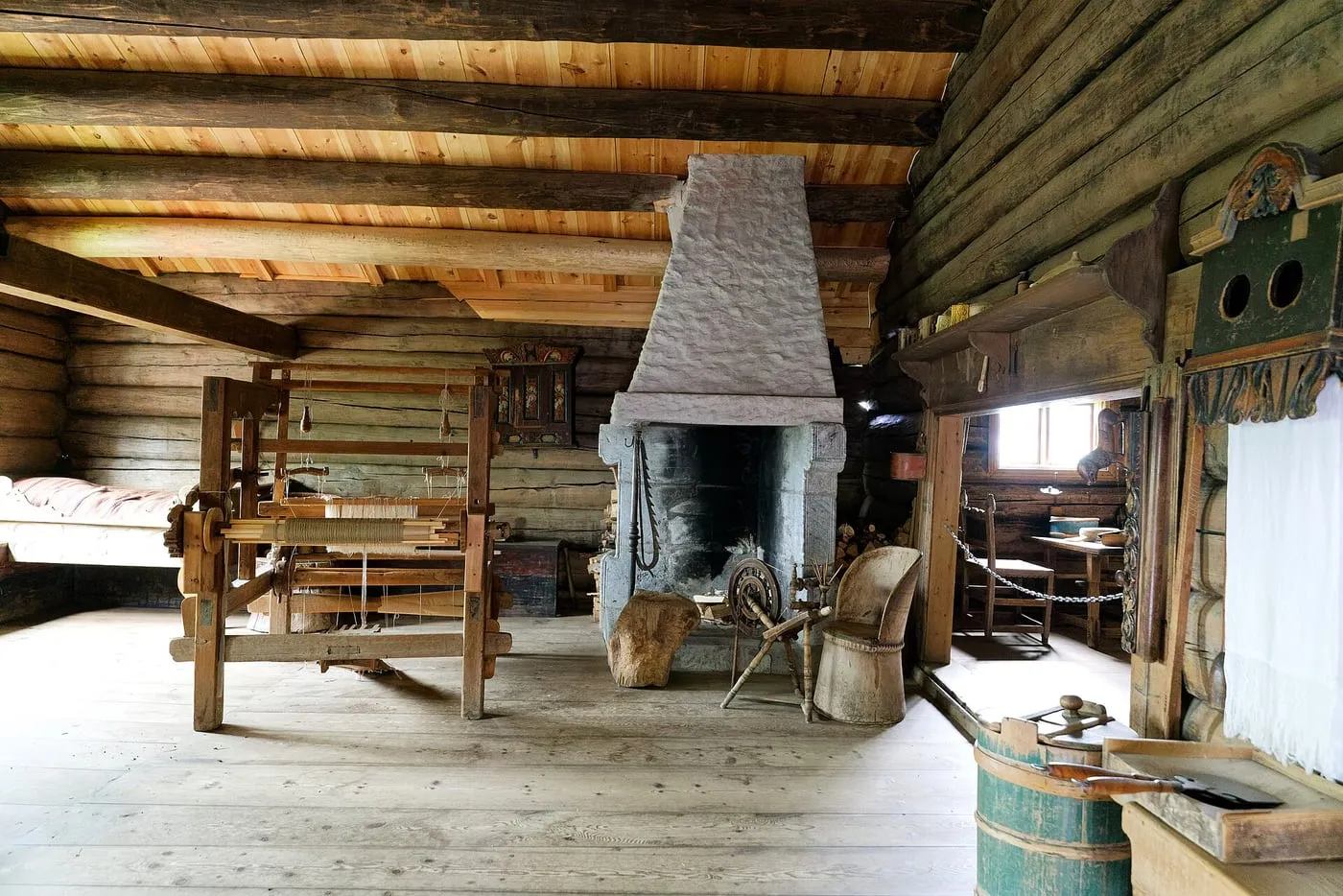
Highlights of Lillehammer
- Maihaugen Open-Air Museum: An open-air museum of over 200 timber buildings moved from the Gudbrandsdalen valley, including the 12th-century Garmo Stave Church, turf-roofed farmsteads and homes showing everyday life from the 1900s to the 1980s. Adult admission is NOK 160 to NOK 195 depending on the season.
- Lysgårdsbakkene ski jumps: The Olympic jumps on the eastern hillside. Take the chairlift or climb 936 wooden steps to the tower for views over Lake Mjøsa.
- Storgata: The pedestrian high street, lined with 19th-century wooden buildings, knitwear shops and bakeries.
- How to get there: Take Vy regional train RE10 (Lillehammer or Trondheim line) from Oslo Central Station (Oslo S). Trains depart hourly, taking approximately 2 hours 3 minutes. Check the fare on vy.no.
Practical planning tips for day trips
- Timing: Trains to Fredrikstad and Lillehammer and buses to Drøbak and Bærums Verk run all year. For island swimming or outdoor art at Kistefos, go between June and August.
- Ruter app or Vy app: Use the Ruter app for trips inside Akershus county (the islands, Drøbak, Bærums Verk). Use the Vy app (vy.no) for trains to Fredrikstad and Lillehammer and the Kistefos coach.
- Oslo Pass: If you plan to visit the islands or Drøbak, see Is the Oslo Pass worth it? for whether the pass beats single tickets.
- Next steps: 3 days in Oslo and public transport in Oslo.
Common questions
What is the easiest day trip from Oslo without a car?
The inner Oslofjord islands. Ruter ferry line B1 leaves year-round from City Hall Pier 4 (Rådhusbrygge 4) at Aker Brygge and reaches Hovedøya in 10 minutes. It takes a standard Zone 1 ticket (NOK 46), and is free with the Oslo Pass.
Can you visit Drøbak and Oscarsborg Fortress on public transport?
Yes. Ruter bus 500 departs Oslo Bussterminal every 30 minutes (every 15 minutes during peaks) and reaches Drøbak in 45 minutes. The Oslo Pass covers it. A five-minute local shuttle ferry crosses to the fortress island of Oscarsborg.
Can you visit Kistefos and The Twist as a day trip from Oslo?
Yes, during the operating season from early May to mid-October. Vy operates express coach VY66 directly from Oslo Bussterminal to Kistefos in 1 hour 30 minutes (NOK 250 one way). Outside the season you can drive in about an hour or take a regional bus via Hønefoss to the outdoor sculpture park, which stays open.
Is Fredrikstad a good day trip by train from Oslo?
Yes. Vy regional train RE20 runs hourly from Oslo Central Station to Fredrikstad in 1 hour 8 minutes (fares around NOK 238). From Fredrikstad railway station, walk five minutes to the quayside and take the free municipal electric ferry across the Glomma river to Gamlebyen, a 17th-century star-fortress town.
Does the Oslo Pass cover regional day trips?
The Oslo Pass covers unlimited travel on all Ruter public transport throughout zones 1, 2, 3, 4V, and 4N. This includes island ferries, local suburban trains, and bus 500 to Drøbak. It does not cover the private Oscarsborg ferry, the Vy66 express coach to Kistefos, or regional Vy trains extending outside Akershus county (such as Fredrikstad or Lillehammer).