In this guide
💡 The Short Version: Drøbak is a timber-built town 35 kilometres south of central Oslo, 45 minutes away on Ruter bus 500 from Oslo Bussterminal. The fare is Zone 4 and the Oslo Pass covers it. From Sundbrygga pier in northern Drøbak, a five-minute ferry crosses to the fortress island of Oscarsborg, where Norwegian coastal gunners sank the German heavy cruiser Blücher on 9 April 1940. The island grounds and outdoor gun park are free all year. In Drøbak itself, see the saltwater aquarium and the old timber cottage lanes. Or book a tour: a guided walk along the Drøbak coastal pathad from NOK 450 covers the coastal path and forest in 3½ hours and passes Edvard Munch’s summer house.
⚠️ In winter the island’s indoor sights close to walk-ins. The ramparts, paths and Cannon Park stay open all year, but the exhibitions and torpedo battery take walk-in visitors only from May to September. From November to February indoor access is for pre-booked guided groups. Winter ferries run roughly once an hour.
Why Drøbak and Oscarsborg make a good day trip
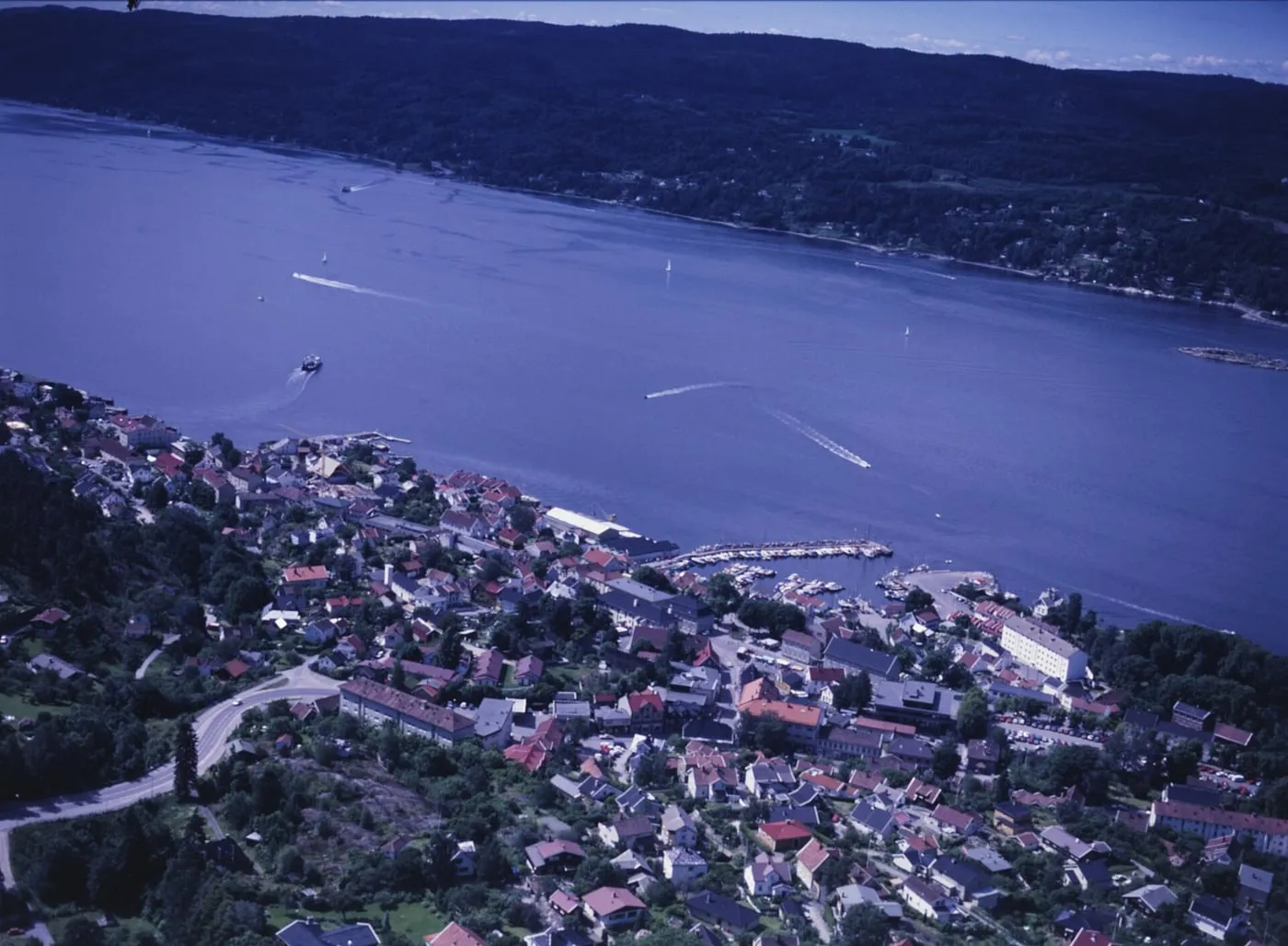
The Oslofjord narrows here into the Drøbak Sound (Drøbaksundet). In the 18th and 19th centuries Drøbak was the winter port for Christiania (Oslo): when ice closed the northern fjord, cargo ships unloaded timber and grain here onto horse-drawn sleds.
Timber houses, sheltered beaches and the granite ramparts of Oscarsborg make it one of the easiest day trips from Oslo, under an hour away on an ordinary Ruter ticket.
From Oslo Bussterminal, bus 500 takes 45 minutes (Zone 4) to Drøbak. From the stop it is a short walk to the Sundbrygga quay, then a 5-minute ferry crossing to Oscarsborg Fortress on the Kaholmene islets.
A guided walk in Drøbak
Coastal path and forest walk
From NOK 450 · 5 stars from 7 reviews · 3½ hours · 45 minutes by bus from Oslo
Drøbak: Guided walk along the coastal path and the forestad explores the coastal path and the forest near the town, and passes the summer house of Edvard Munch. The operator suggests combining it with lunch and shopping in the village.
Getting to Drøbak and the fortress ferry
Taking Ruter Bus 500
- Departure point: Oslo Bussterminal (adjacent to Oslo Central Station / Jernbanetorget).
- Frequency: Every 30 minutes daily; every 15 minutes during weekday morning and afternoon commute peaks.
- Journey time: 45 minutes to Drøbak city centre; 50 minutes to the northern stops.
- Fare: Drøbak sits in Ruter Zone 4. The Ruter app prices the ticket for you.
- Oslo Pass benefit: The journey is covered entirely by the Oslo Pass with no extra surcharges.
- Where to alight:
- Get off at Drøbak sentrum to see the town square, bakery cafés and aquarium first.
- Get off at Grande to go straight to Sundbrygga pier for the fortress ferry.
Summer boats (Ruter Lines B21 and B22)
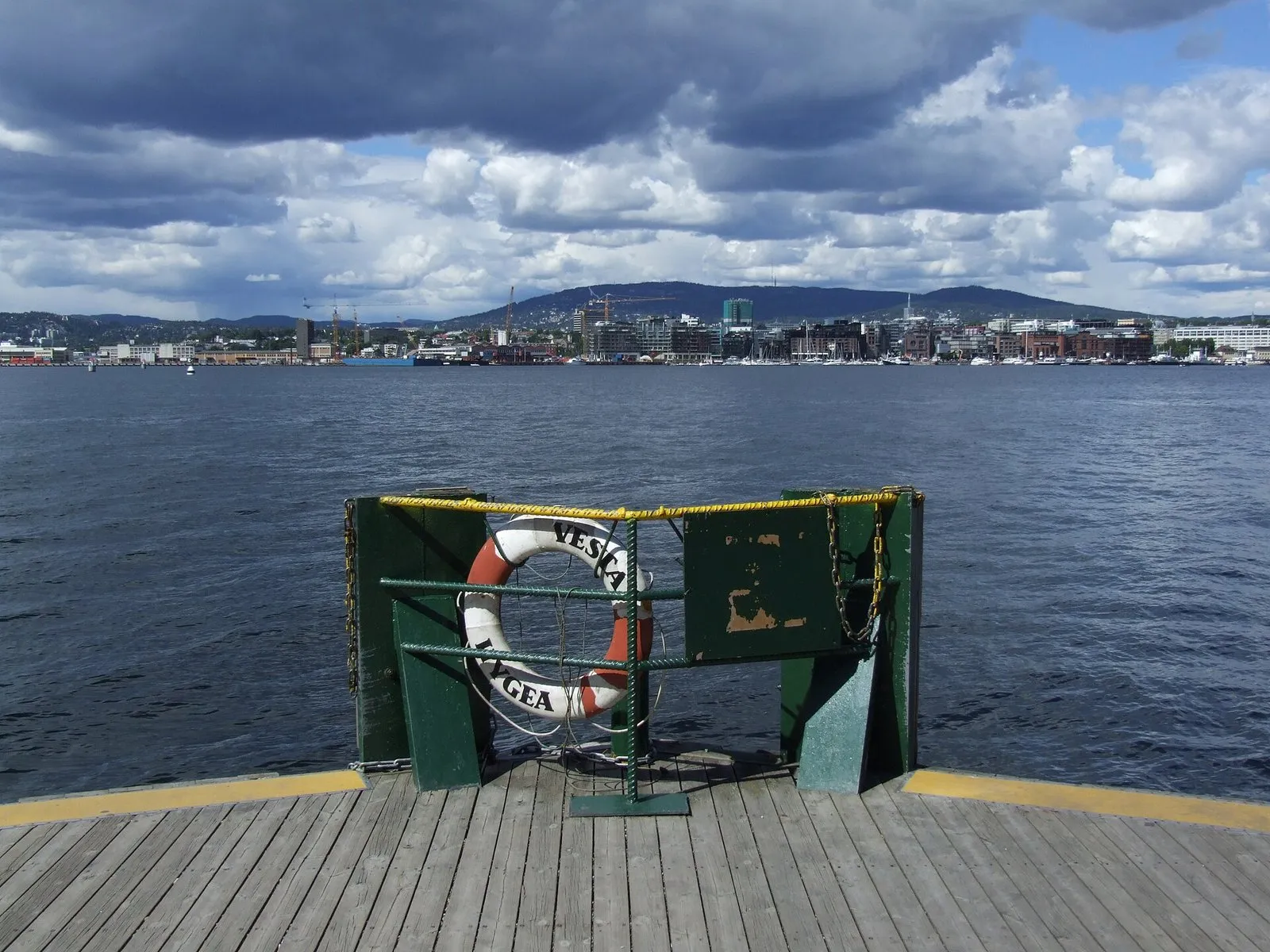
From late May to August, and on sunny spring and autumn weekends, Ruter runs express passenger boats from Aker Brygge down the fjord to Drøbak harbour. The trip takes about 1 hour 20 minutes, longer than the bus, but passes through the inner islands and the narrows.
The Oscarsborg shuttle ferry
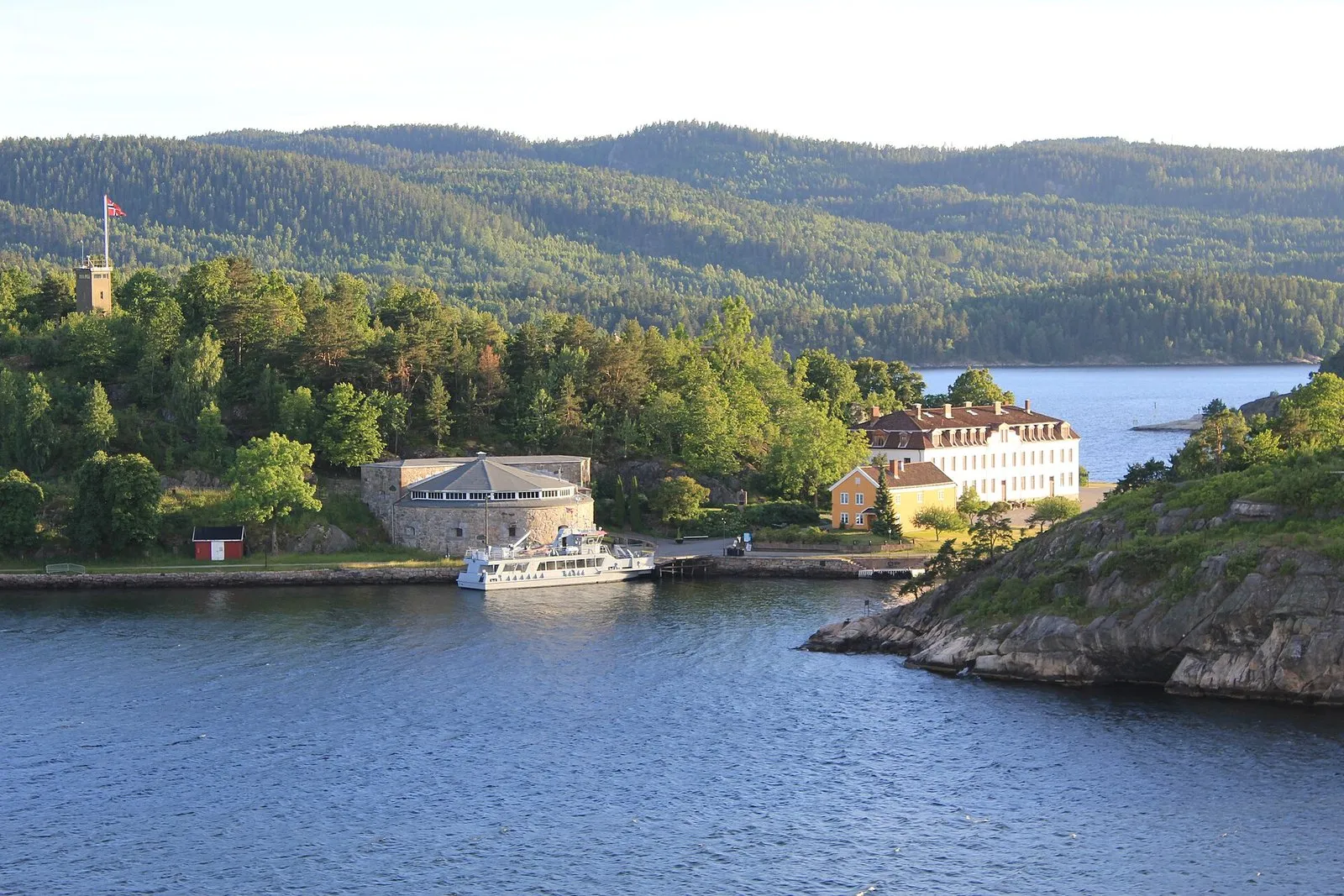
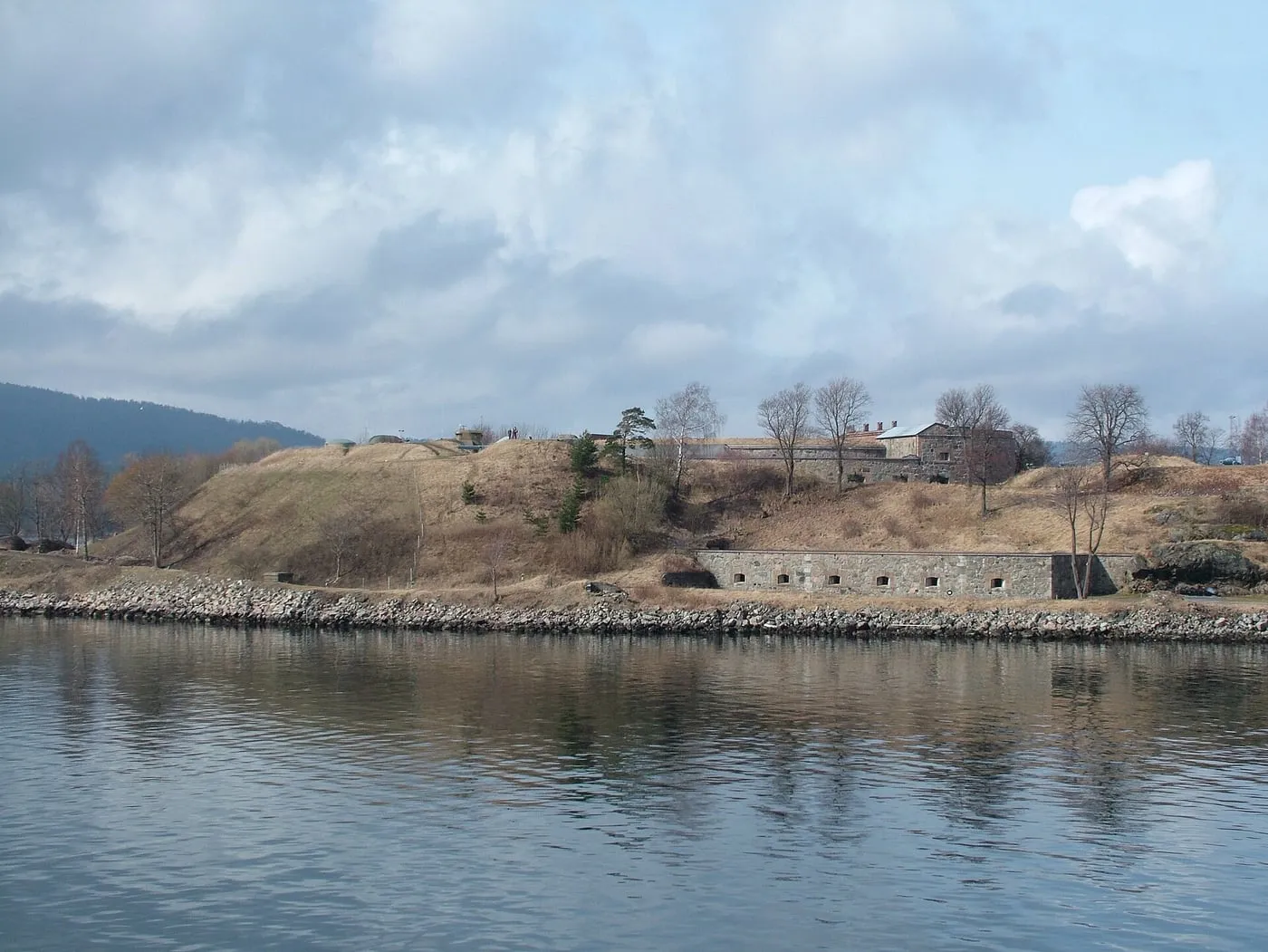
The fortress occupies two small islands in the strait: Søndre Kaholmen (South Kaholmen) and Nordre Kaholmen (North Kaholmen). A passenger ferry run by Forsvarsbygg connects Drøbak to the fortress harbour.
- Mainland pier: Sundbrygga, in northern Drøbak, about 15 minutes’ walk north of the town square or 5 minutes from the Grande bus stop. In high summer some morning and afternoon departures also pick up at Sjøtorget in the town centre.
- Crossing time: 5 minutes.
- Fares: return tickets are sold separately. Ruter tickets and passes are not valid on this ferry.
- Tickets: Buy online through the Forsvarsbygg ticket portal or scan the QR code at the Sundbrygga waiting pavilion before boarding. Return tickets are valid for seven days.
Oscarsborg Fortress: the Battle of the Drøbak Sound
The Danish-Norwegian crown first fortified the Kaholmene islets with a blockhouse in 1643. The stone and brick fortress was built between 1845 and 1853 under King Oscar I of Sweden and Norway, who gave it its name in 1855.
The sinking of the Blücher: 9 April 1940
In the pre-dawn fog of 9 April 1940 Germany launched Operation Weserübung, a surprise naval and airborne invasion of Norway. A German task force led by the new heavy cruiser Blücher steamed up the narrow Oslofjord. On board were about 1,000 soldiers and administrators assigned to seize King Haakon VII, the cabinet and Norway’s gold reserves.
At 04:21, as the warship passed within 500 metres of the ramparts, the fortress commander, 64-year-old Colonel Birger Eriksen, had no clear orders and did not know whether the ships were British or German. He chose to fire without warning, reportedly saying:
“Visst fanden skal der skytes med skarpt! Enten blir jeg stilt for krigsrett, eller så blir jeg krigshelt.”
(“Sure as hell we shall shoot with live ammunition! Either I will be court-martialled, or I will become a war hero.”)
Eriksen’s two Krupp 28cm guns, nicknamed Moses and Aron, hit the Blücher’s superstructure, setting fire to aviation fuel on deck and damaging the steering gear. As the burning cruiser drifted past the torpedo battery at North Kaholmen, Senior Lieutenant Andreas Anderssen fired two old 45cm Whitehead torpedoes from underwater tubes. Both hit.
At 06:22 the Blücher capsized and sank off Askholmen, with the loss of over 800 German sailors and soldiers. The delay of about twelve hours in taking Oslo let King Haakon VII, Crown Prince Olav, the cabinet and the Storting leave the capital by train with the national gold reserves, which were later shipped to Britain.
Highlights to see on the fortress island
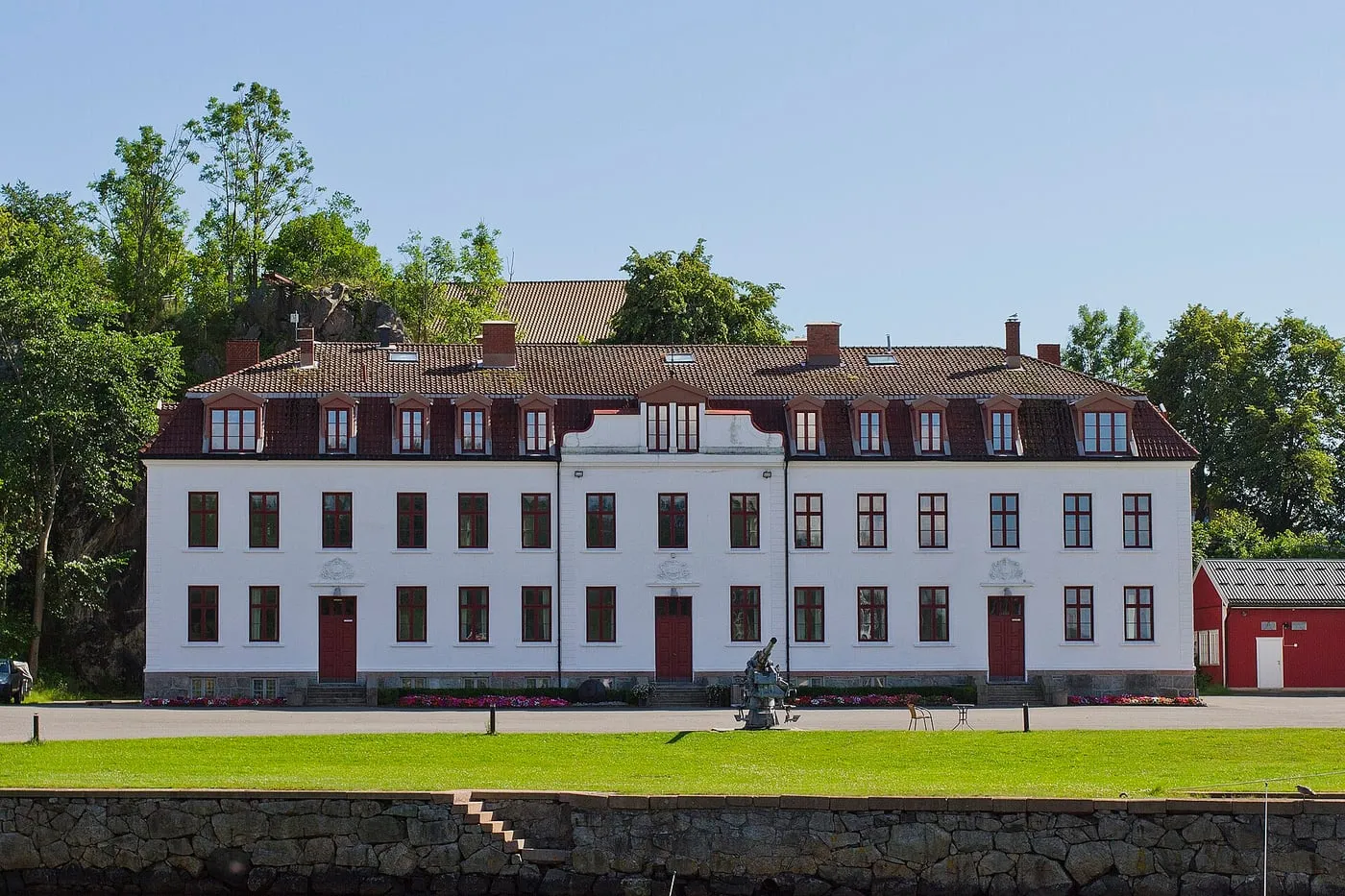
- The Main Fort (Hovedfortet): Built of local granite and brick between 1848 and 1853, this semi-circular citadel overlooks the harbour approach. A statue of Colonel Birger Eriksen stands in the courtyard.
- The Main Battery (Hovedbatteriet): The upper ramparts hold the 28cm Krupp coastal guns (Moses, Aron and Josva), made in Essen in 1892. You can climb up to the gun carriages and look along the shipping channel.
- The Underwater Torpedo Battery: Cut into the bedrock of North Kaholmen, with torpedoes loaded and fired from tubes below sea level. The torpedo gallery is open on guided summer tours.
- Cannon Park (Kanonparken): An open-air display on the southern heights of coastal artillery, anti-aircraft guns and mine systems from the 1890s to the Cold War.
- Walking trails and picnic spots: Nordre and Søndre Kaholmen are linked by a footbridge. Pine-fringed headlands have picnic benches facing the shipping channel.
Exploring Drøbak village
The historic timber quarter
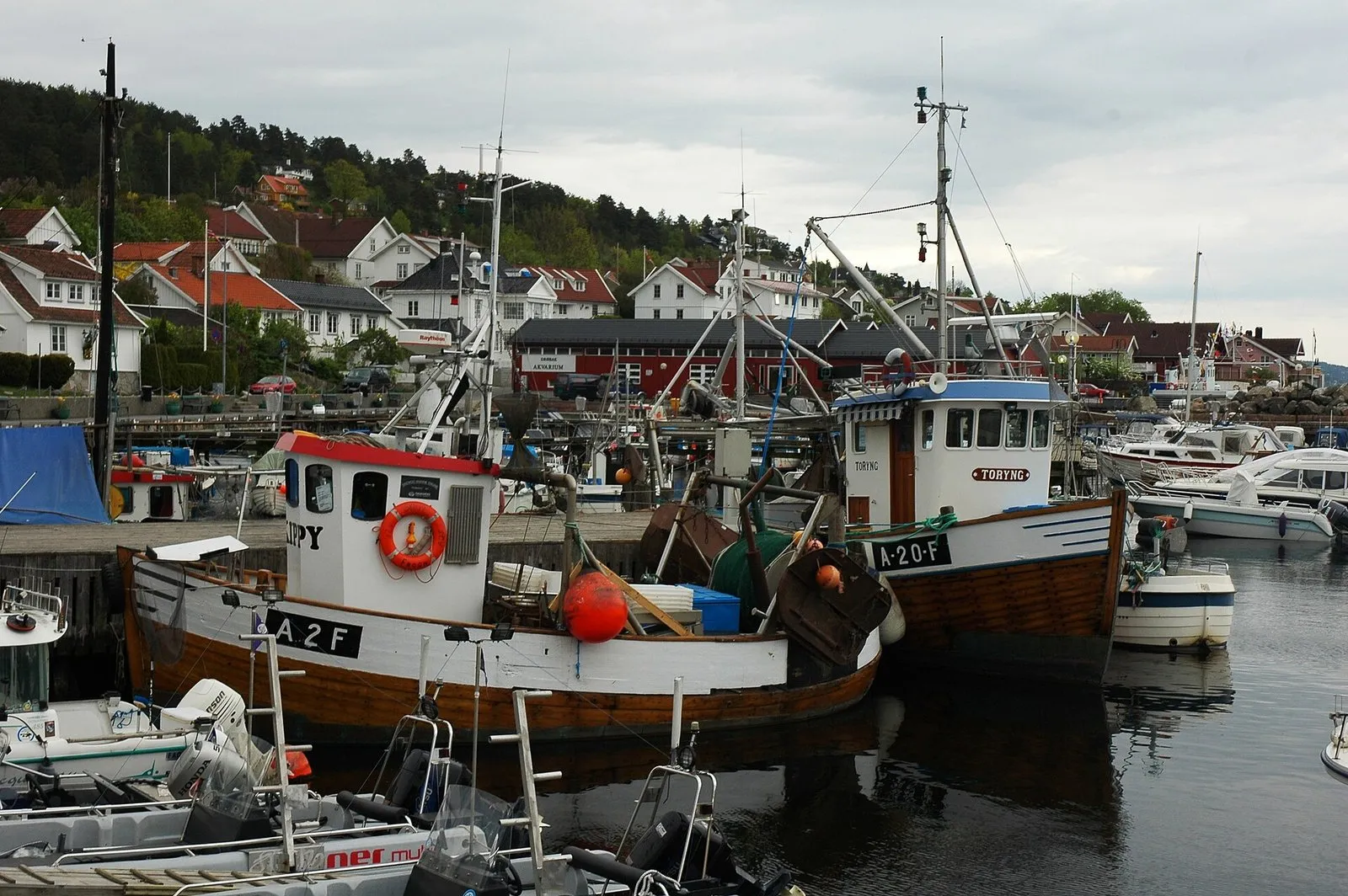
Central Oslo burned repeatedly and was rebuilt in stone and brick; Drøbak kept dozens of 18th- and 19th-century clapboard cottages. The best lanes are Nils Carlsens gate, Buggebakken and the waterfront footpath Badehusgata. Many houses carry plaques naming the sea captains and pilots who built them.
Drøbak Aquarium (Drøbak Akvarium)
On the harbourfront promenade near the marina, this is a saltwater aquarium of local Oslofjord species:
- Exhibits: Over 50 tanks, from tidal touch pools to a 25,000-litre basin with cod, halibut, pollack, wolffish, spiny dogfish and sea anemones.
- Admission: Adults NOK 160.
- Opening hours: Daily 10:00 to 16:00, until 18:30 from May to August. Feeding demonstrations are on Mondays and Thursdays.
Tregaardens Julehus (The Christmas House)
On Drøbak’s cobbled market square (Torget), Tregaardens Julehus is a Christmas shop open every day of the year, in a two-storey 19th-century timber building. It sells wooden fjøsnisse (barn elves), hand-blown glass baubles, candles and knitwear.
Next door, Julenissens Postkontor (Santa’s Post Office) receives letters from children around the world. You can have postcards stamped with the Drøbak Santa postmark before posting them home.
Dining in Drøbak and Oscarsborg
- Havnekroa Oscarsborg: A seaside bistro on the fortress marina dock with fish and chips, shrimp baguettes and local beer on a terrace over the sound.
- Forpleiningen / Oscarsborg Spiseri: Inside the fortress barracks, with multi-course seasonal dinners and Norwegian lunch plates.
- Skipperstuen (Drøbak): A timber tavern near the boat harbour serving shellfish soup, baked cod and open-faced shrimp sandwiches (rekesmørbrød).
- Det Gamle Bageri: A café and wine bar dating to 1857, serving wood-fired pizzas, cinnamon buns and espresso.
Suggested full-day itinerary from Oslo
This schedule fits the main sights into one day:
| Time | Plan |
|---|---|
| 09:15 | Ruter bus 500 from Oslo Bussterminal |
| 10:05 | Arrive in Drøbak; coffee and pastries at Det Gamle Bageri |
| 10:45 | Walk the coastal path to Sundbrygga |
| 11:15 | Oscarsborg shuttle ferry (5 minutes) |
| 11:30 | Hovedfortet, the 28 cm Krupp cannon batteries and the ramparts |
| 13:15 | Lunch at Havnekroa on the fortress island |
| 14:45 | Ferry back to Sundbrygga; timber cottage lanes |
| 15:30 | Drøbak Aquarium and Tregaardens Julehus |
| 17:00 | Ruter bus 500 back to Oslo Central Station |
Practical tips for the trip
- Footwear: The fortress has cobbles, grassy slopes and earthen rampart steps. Wear trainers with grip or light boots.
- Wind: The sound funnels breezes even on warm summer afternoons. Pack a windproof jacket.
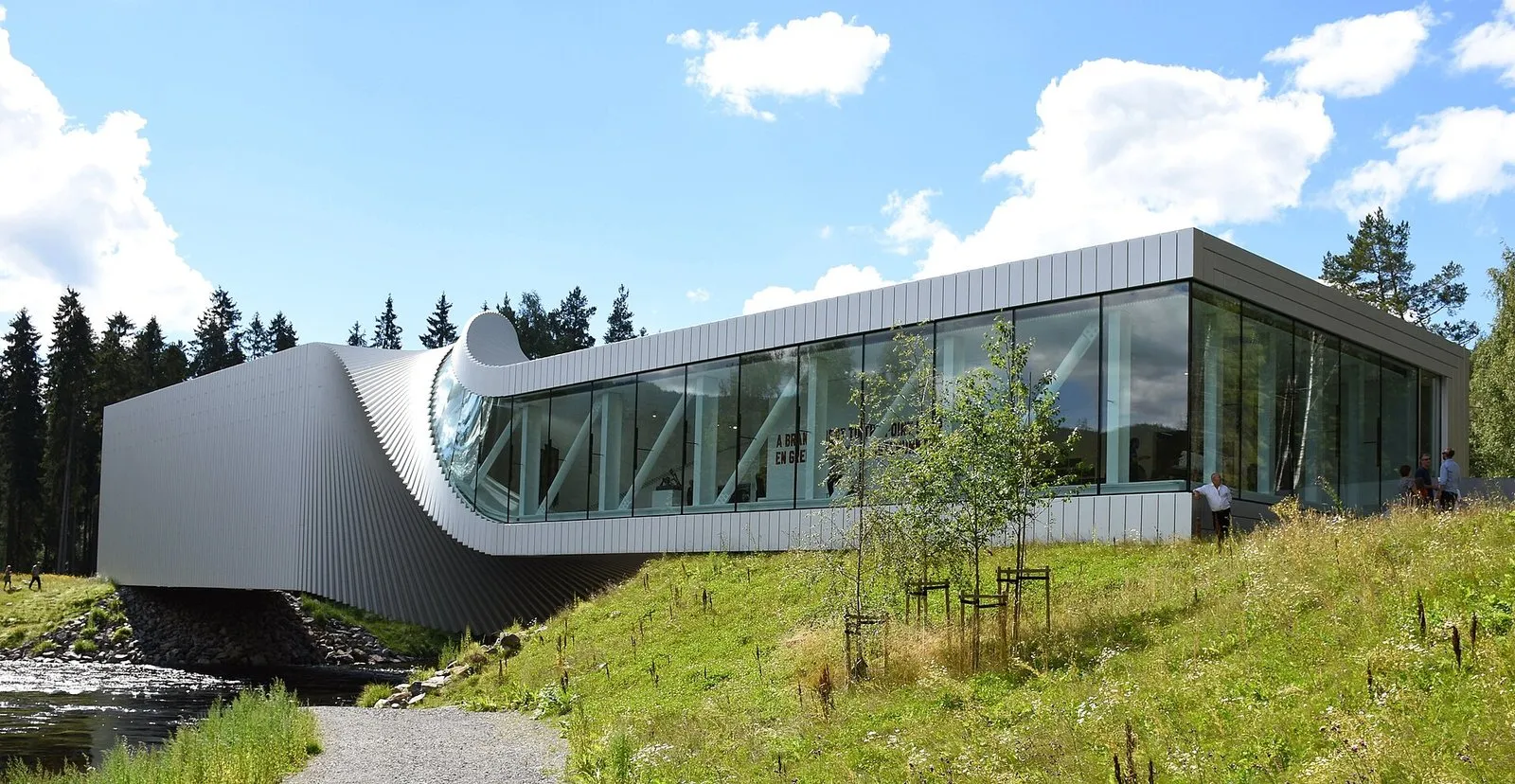
- Other trips: Compare with the sculpture park at Kistefos and The Twist or an afternoon on the inner Oslofjord islands.
Common questions
How do you get to Drøbak from Oslo?
Take Ruter bus 500 from Oslo Bussterminal at Jernbanetorget. It leaves every 30 minutes (every 15 minutes at weekday peaks) and takes 45 to 50 minutes. Drøbak is in Zone 4 and the Oslo Pass covers the fare.
How do you get from Drøbak to Oscarsborg Fortress?
A passenger ferry runs year-round from Sundbrygga pier in northern Drøbak and crosses the Drøbak Sound in five minutes. In high summer some boats also call at Sjøtorget in the town centre. Return tickets are sold separately from the bus fare.
Is Oscarsborg Fortress free to enter?
Yes. The island grounds, ramparts, tunnels and outdoor Cannon Park are free all year. The indoor Fortress Museum is free in its public opening hours from May to September. From November to February the indoor exhibitions open only for pre-booked guided groups.
What historic battle took place at Oscarsborg in 1940?
In the early hours of 9 April 1940 the fortress fired on the German invasion fleet entering the Oslofjord. Commander Birger Eriksen ordered the 28cm guns and the underwater torpedo tubes to open fire and sank the new heavy cruiser Blücher. The delay let King Haakon VII, the government and parliament leave Oslo with the national gold reserves.
What else should I see in Drøbak?
A preserved 18th- and 19th-century wooden town centre, the Drøbak Aquarium with local fjord species, and Tregaardens Julehus, a Christmas shop open all year with a Santa post office and its own postmark.