In this guide
💡 The Short Version: Day 1: Walk the sloping marble roof of the Oslo Opera House, visit MUNCH, watch the Royal Palace guard change at 13:30, and walk the ramparts of Akershus Fortress. Day 2: See the sculptures of Vigeland Park, eat at Mathallen food hall, see the 1893 Scream at the National Museum, and finish in a floating sauna. Day 3: Choose the polar and raft ships on Bygdøy (Fram Museum and Kon-Tiki Museum) or take metro Line 1 up to the Holmenkollen Ski Jump. Or book a tour: the Oslo Discovery Tourad from NOK 1,050 is a 5.5-hour guided bus tour of Holmenkollen, Vigeland Park, the Fram Museum and the Folk or Kon-Tiki Museum, with two museum entries included, so the second day’s Bygdøy and hilltop transport is one booking.
⚠️ Don’t put Day 2 on a Monday. The National Museum, the Vigeland Museum, the Historical Museum and the Mathallen food hall are closed on Mondays. If a Monday falls in your three days, spend it at MUNCH, on Bygdøy (the Fram and Kon-Tiki open 365 days a year) or at Holmenkollen.
Trip costs and ticket strategy
| Attraction / Component | Regular Adult Price | Oslo Pass (72h) | Operating Schedule Notes |
|---|---|---|---|
| MUNCH | NOK 220 | Free | Open daily; open until 21:00 Wed–Sat |
| National Museum | NOK 220 | Free | Closed Mondays; open until 20:00 Tue–Wed |
| Akershus Castle | NOK 160 (Grounds free) | Free | Castle open weekends only (12:00–17:00) Sept–Apr |
| Vigeland Park | Free (Museum NOK 120) | Free | Park open 24/7; studio museum closed Mondays |
| Option A: Holmenkollen | NOK 200 | Free | Open 7 days; includes jump tower lift |
| Option B: Fram & Kon-Tiki | NOK 360 for both (NOK 180 each) | Free | Open 365 days; located beside each other |
| Total at standard prices, transit excluded | NOK 800 (Option A) to NOK 960 (Option B) | NOK 995 | The pass also covers Ruter transit and the Vy airport train |
A 72-hour Oslo Pass costs NOK 995 for adults. It pays off on days with three or more paid sights plus transit; on lighter days, buy single tickets.
Day 1: Modern Bjørvika, MUNCH, Royal Palace, and harbour history
Day one covers the redeveloped harbourfront at Bjørvika, the Royal Palace and the medieval fortress.
Morning (09:30 – 12:45): The Opera House and MUNCH
- 09:30 Walk the Oslo Opera House roof: Begin at Oslo Central Station (Oslo S) and cross the footbridge to the waterfront. Designed by Snøhetta, the building’s sloping roof is paved with 36,000 slabs of white Italian Carrara marble. Walk up to the top for views over the inner fjord and the Barcode towers. Free and open 24/7.
- 10:15 MUNCH: Walk two minutes east to the 13-storey aluminium-clad tower. Book a timed entry slot online to skip the ticket queue. Floor 4 (Edvard Munch Infinite) shows a rotating display of Munch’s work, including The Scream, Madonna and The Girls on the Bridge; Floor 12 has views across the fjord. Allow 2 to 2.5 hours.
Afternoon (13:00 – 16:30): Karl Johans gate and City Hall
- 13:00 Stroll Karl Johans gate: Head west from Central Station along Oslo’s pedestrian spine. Pass the 19th-century Stortinget (Parliament building) and Nationaltheatret.
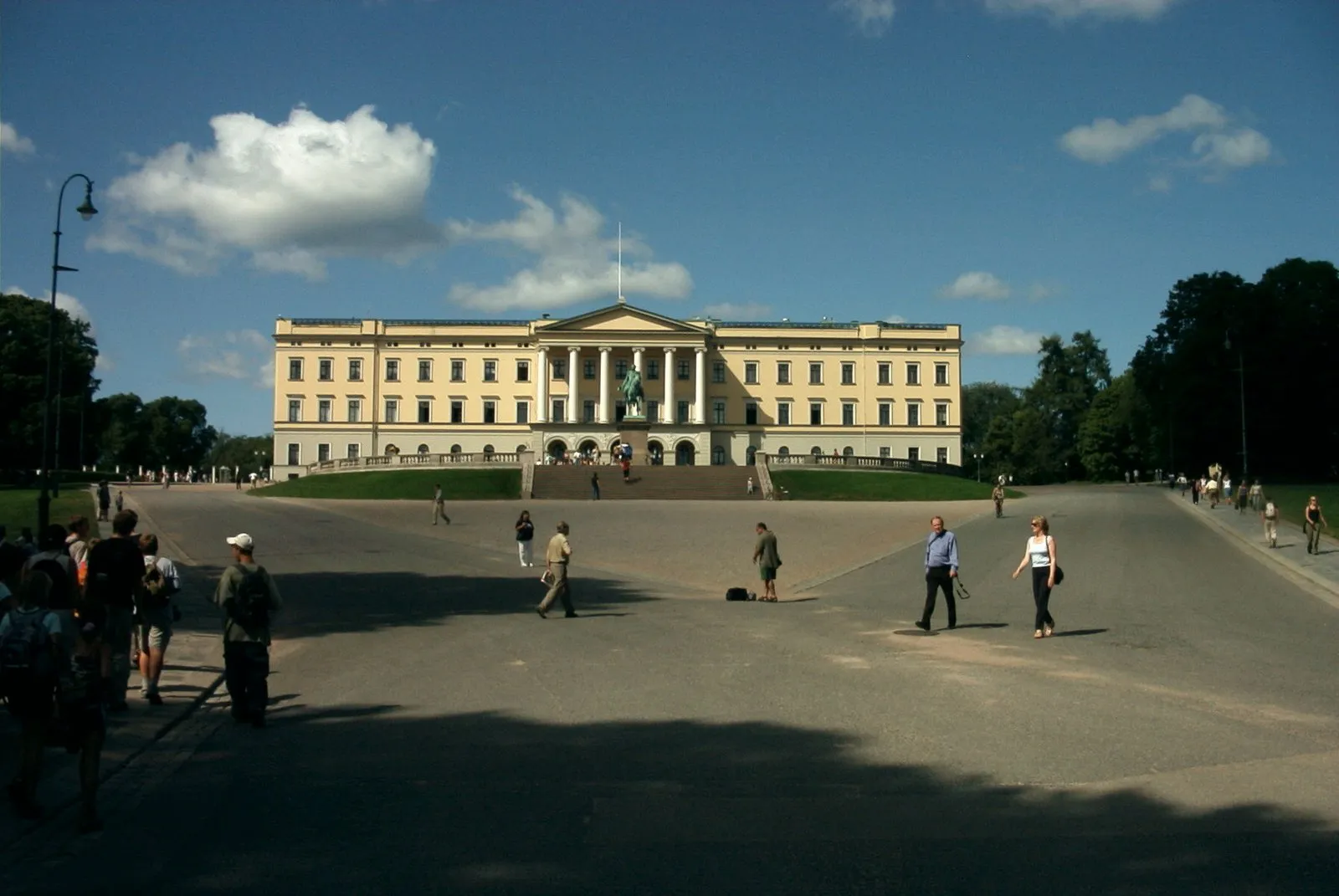
- 13:30 Royal Palace Guard Change: Arrive in the Palace Park (Slottsparken) to watch the daily changing of the guard by His Majesty the King’s Guard outside the Royal Palace. The ceremony lasts about 30 minutes and is free.
- 14:15 Lunch at Kaffistova: Walk down to Rosenkrantz’ gate for Kaffistova, open since 1901. Order the Norwegian meatballs (kjøttkaker) with brown gravy, mushy peas and boiled potatoes (NOK 315). It is closed Sundays; on a Sunday try Åpent Bakeri inside the Paleet shopping arcade.
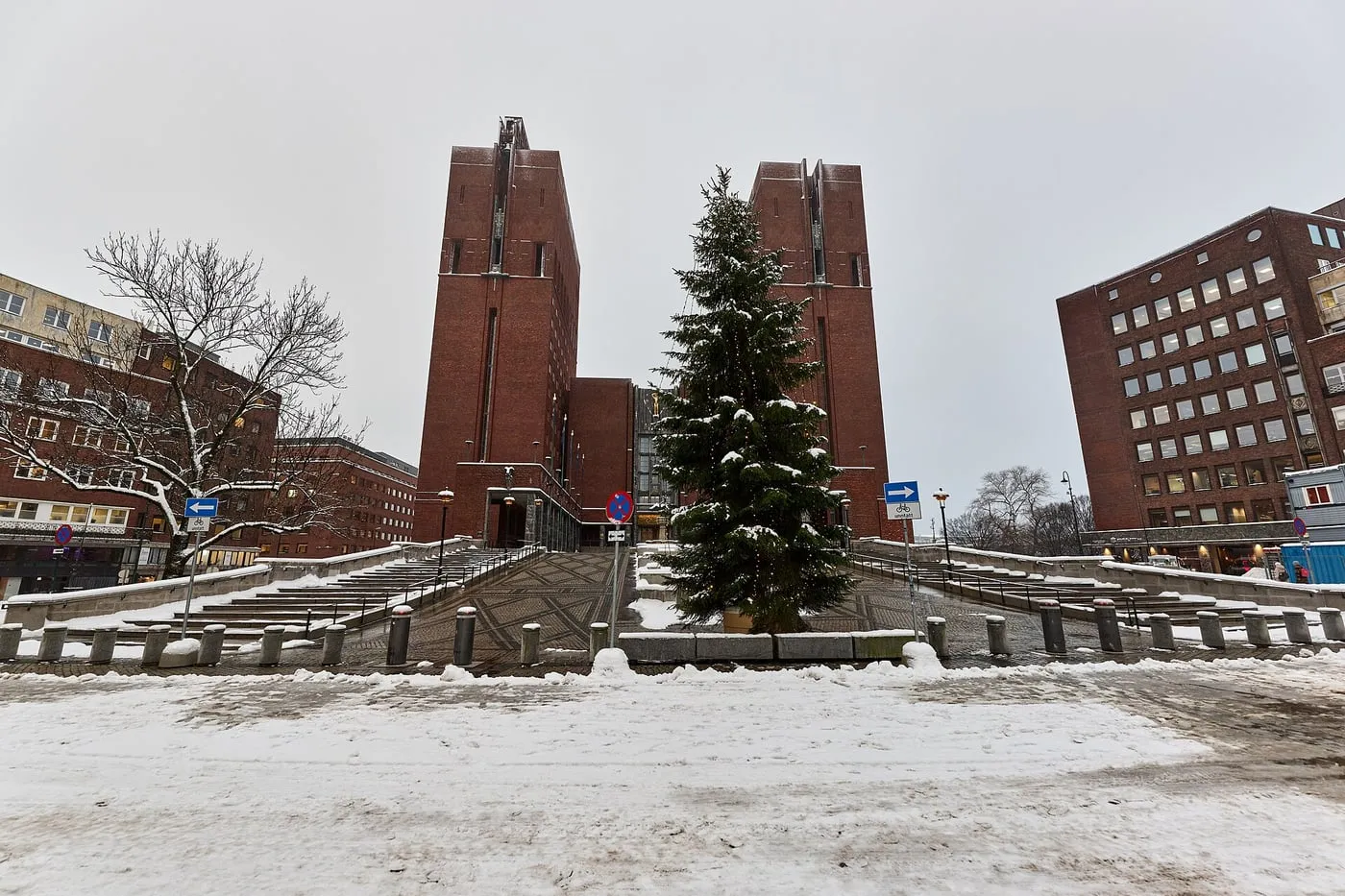
- 15:30 Oslo City Hall (Rådhuset): Walk five minutes down to the harbour to the twin-towered City Hall. Admission is free. The central hall has murals by Henrik Sørensen and Alf Rolfsen on Norwegian history and labour, and hosts the Nobel Peace Prize ceremony each December.
Late Afternoon & Evening (16:30 – 21:00): Akershus Fortress and harbour dining
- 16:30 Akershus Fortress: Walk up to Akershus Fortress, begun in 1299. The outer ramparts look across Pipervika harbour to Aker Brygge, and the grounds stay open until 21:00. In summer, or on winter weekend afternoons, the castle interior with its royal reception halls and crypts is open (NOK 160).
- 18:30 Dinner in Sentrum: Fish soup or pan-fried Arctic char at Fiskeriet Youngstorget, or street food and craft beer along Torggata.
Day 2: Vigeland Park, Grünerløkka, the National Museum, and floating saunas
Day two is sculpture, the river, Munch’s Scream and a harbour sauna.
Morning (09:15 – 12:00): Vigeland Park
- 09:15 Tram 12 to Vigelandsparken: Take tram 12 from central Oslo to the main gates of Frogner Park.
- 09:30 Vigeland sculpture park: Walk the 850-metre central axis past 212 granite and bronze sculptures by Gustav Vigeland. Key stops:
- The Bridge: 58 bronze figures including the Angry Boy (Sinnataggen).
- The Fountain: 20 bronze tree groups showing life from childhood to old age.
- The Monolith (Monolitten): Carved from a single granite block that weighed 280 tonnes before carving, with 121 entwined human bodies.
- The park is free and never closes. The adjacent Vigeland Museum, in the artist’s former red-brick studio, costs NOK 120 and is closed Mondays.
Midday (12:00 – 14:00): Grünerløkka and Mathallen Food Hall
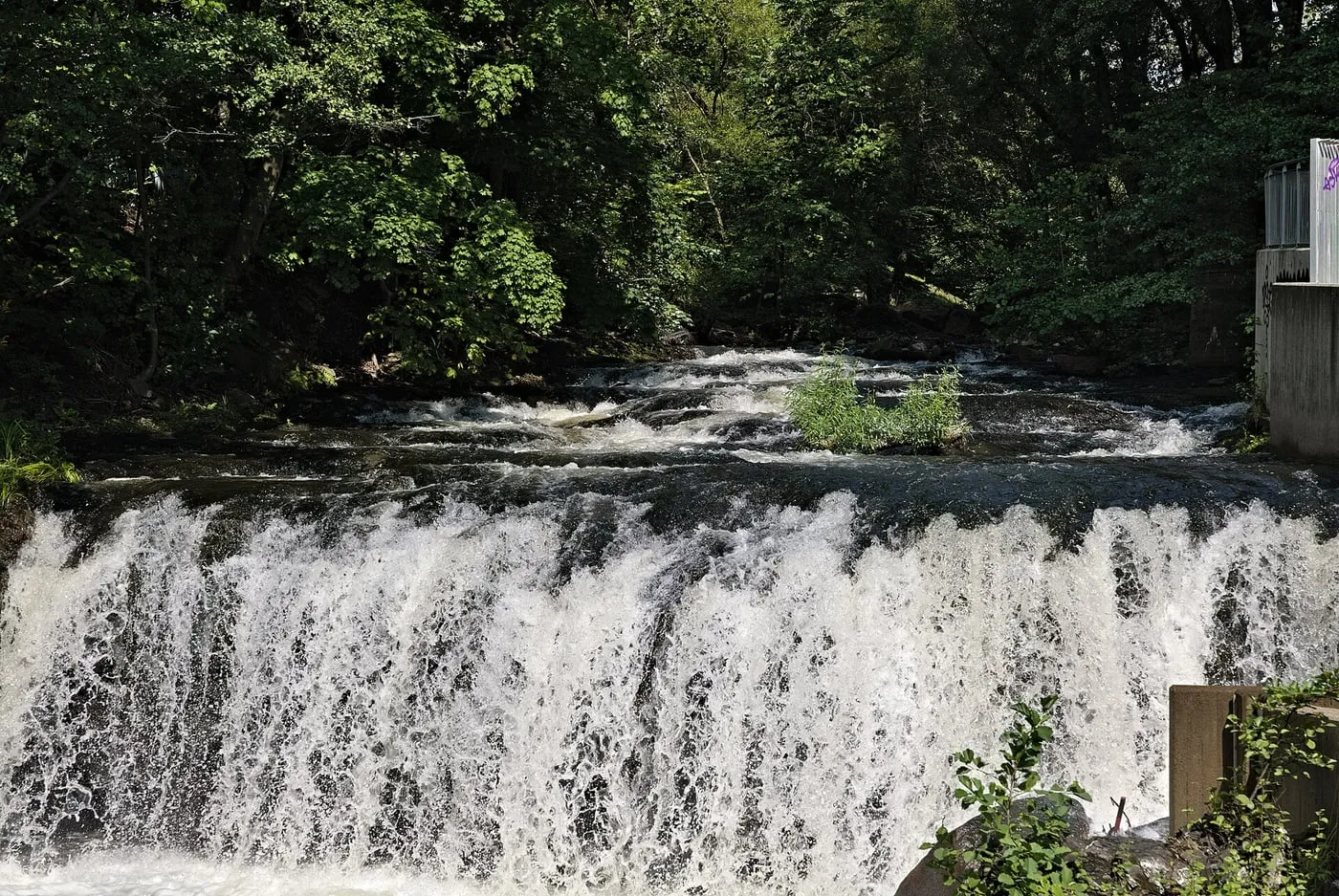
- 12:00 River walk along the Akerselva: Take tram 12 or 11 to Schous plass in Grünerløkka. Walk the Akerselva riverbank past restored 19th-century textile mills and the waterfall at Nedre Foss.
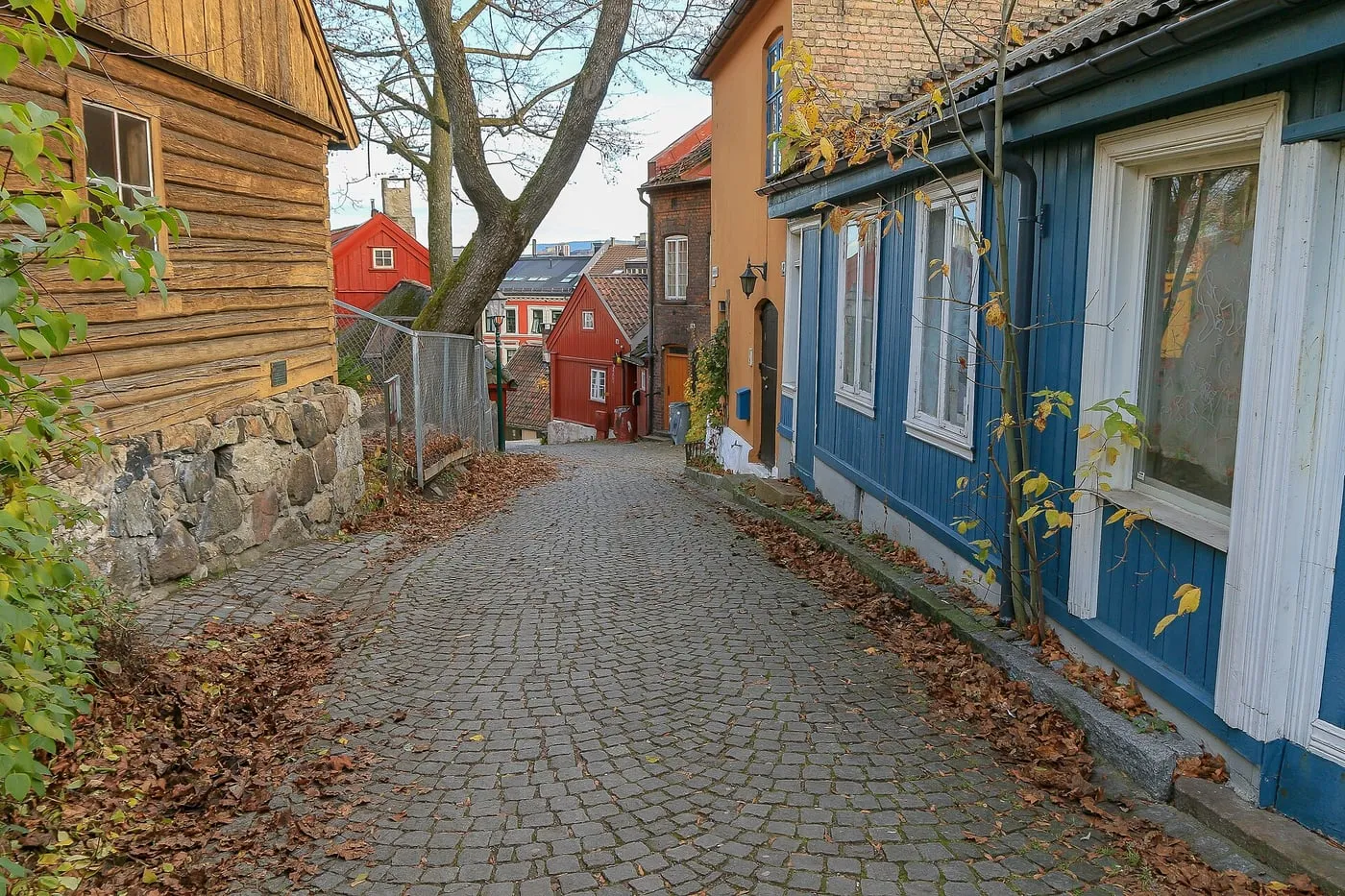
- 12:45 Lunch at Mathallen: Mathallen Oslo is a former iron foundry turned food hall. Try cured reindeer sausage at Helt Vilt, oysters and seafood rolls at Vulkan Fisk, or Spanish tapas at Barramon. It is closed Mondays. On the way back to the centre, detour through Damstredet, a cobbled lane of preserved 18th-century timber cottages.
Afternoon (14:15 – 17:30): The National Museum and Tjuvholmen
- 14:15 The National Museum (Nasjonalmuseet): Take tram 12 to Aker Brygge. The slate-clad museum at Vestbanen covers 54,000 square metres and describes itself as the largest art museum in the Nordic countries.
- Go to Room 60 for Edvard Munch’s 1893 tempera-and-crayon The Scream, shown with Madonna and The Dance of Life.
- Also here: Harald Sohlberg’s Winter Night in the Mountains and paintings by Johan Christian Dahl.
- Standard admission: NOK 220 (free for visitors under 18; free with Oslo Pass). Closed Mondays.
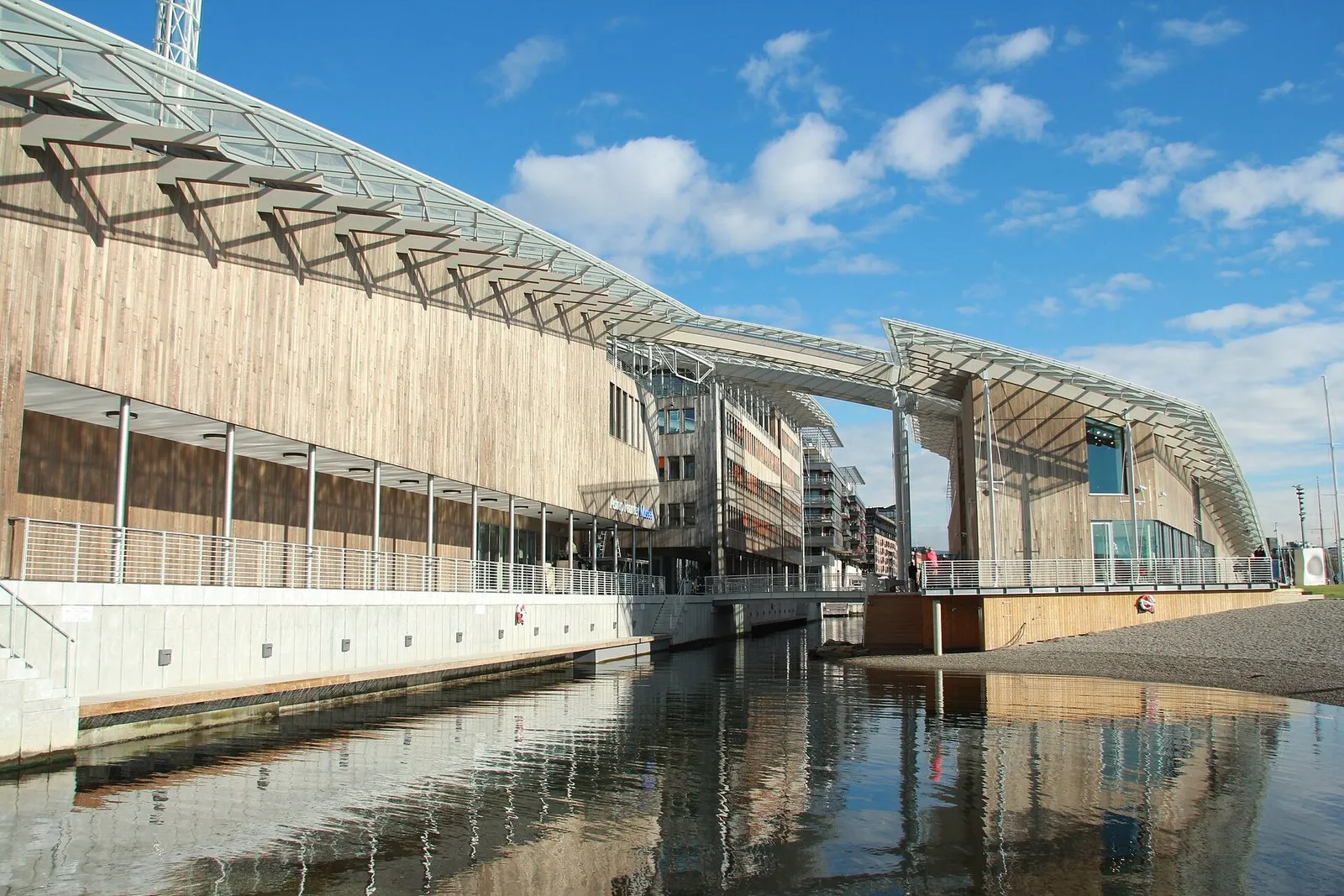
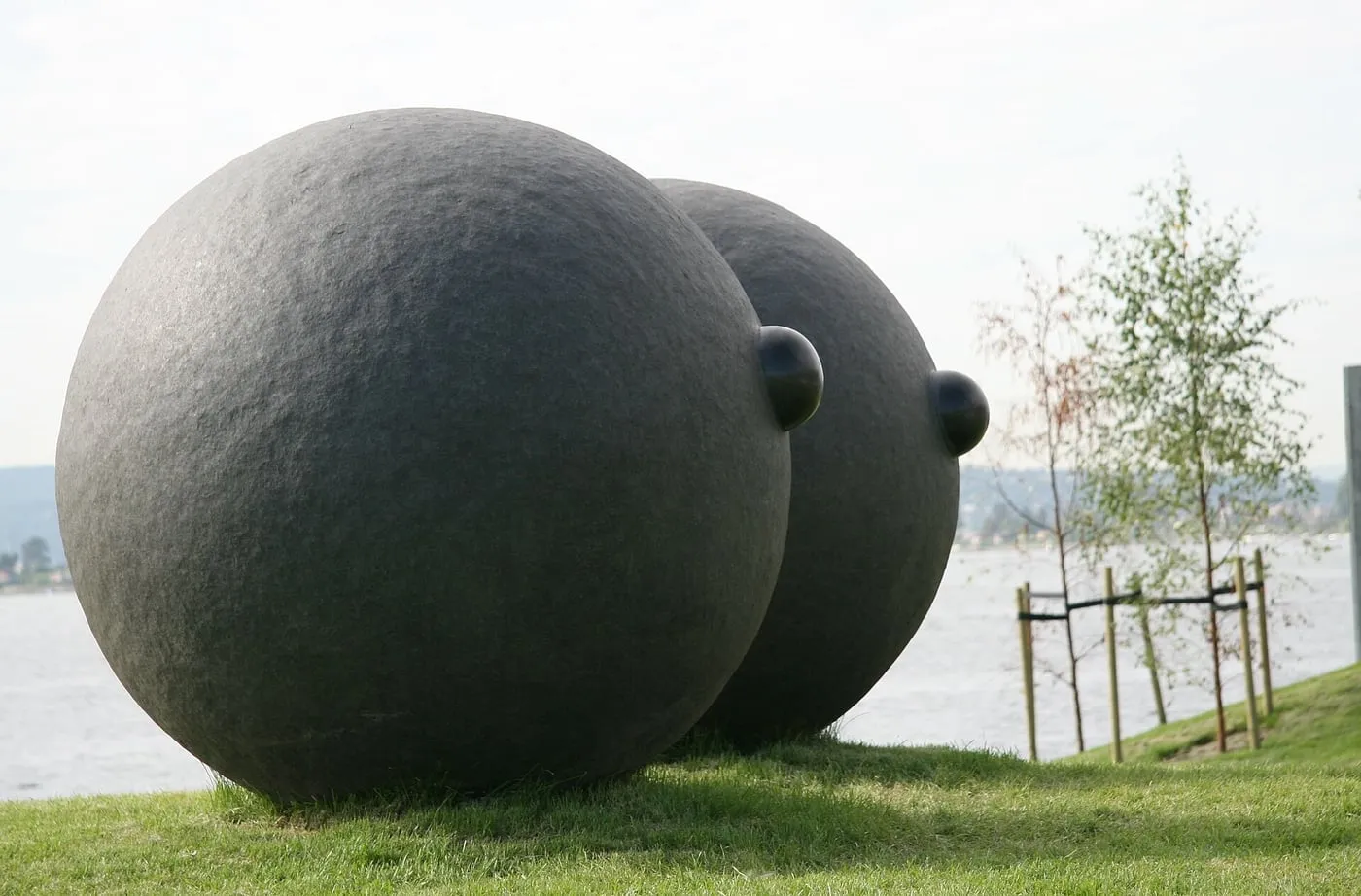
- 16:30 Tjuvholmen & Astrup Fearnley: Walk west through Aker Brygge onto Tjuvholmen. Circle the Renzo Piano-designed Astrup Fearnley Museum and the waterfront sculpture park beside it.
Evening (18:00 – 21:00): Floating fjord sauna experience
- 18:00 Harbour sauna: Walk east along the promenade to Langkaia or Sukkerbiten for a session with Oslo Badstuforening: a wood-fired sauna at 85°C, then a ladder down into the Oslofjord. Weekend slots need booking 2 to 3 weeks ahead (NOK 260 for a 90-minute shared session).
- 20:00 Dinner at Aker Brygge: Seafood or craft beer at one of the waterfront restaurants along Stranden.
Day 3: Choose your adventure — Bygdøy maritime heritage vs Holmenkollen heights
Option A is the polar ships and folk museum on the Bygdøy peninsula (bus 30). Option B is the ski jump and forest views at Holmenkollen (metro line 1).
Option A: Polar exploration and folklore on Bygdøy Peninsula
The Bygdøy peninsula, west of central Oslo, holds the Fram, Kon-Tiki and Folk museums.
- 10:00 Journey to Bygdøy: Board Ruter bus 30 from Jernbanetorget or City Hall (20 minutes). In summer (mid-April to late September), take the passenger ferry from City Hall Pier 3.
- 10:30 The Fram Museum (Frammuseet): The triangular glass hall encloses the polar ship Fram, built in 1892 for Fridtjof Nansen’s Arctic drift and used by Roald Amundsen for his 1911 South Pole expedition. You can walk the deck and go below to the cabins, engine room and hold. Admission: NOK 180.
- 12:15 The Kon-Tiki Museum: Next door, it holds Thor Heyerdahl’s balsa-wood raft Kon-Tiki, sailed nearly 8,000 kilometres across the Pacific from Peru to Polynesia in 1947, and the papyrus boat Ra II. Admission: NOK 180.
- 14:00 Norsk Folkemuseum (Norwegian Museum of Cultural History): Walk 15 minutes north to this open-air museum of more than 160 buildings moved from across Norway, including the 12th-century Gol Stave Church with its dragon-head carvings. Admission: NOK 200; closed Mondays in the off-season.
- 16:30 Return to city centre: Take bus 30 back for dinner.
Option B: Holmenkollen Olympic ski jump and Nordmarka forest
Option B suits a clear day and anyone interested in ski history.
- 10:00 Metro up the hill: Take T-bane Line 1 from Stortinget or Nationaltheatret towards Frognerseteren. The train leaves the city tunnel and climbs through pine forest with fjord views.
- 10:30 Holmenkollen Ski Museum & Jump Tower: Get off at Holmenkollen station and follow the short, steep path to the arena.
- The ski museum covers 4,000 years of ski history, with prehistoric rock carvings and Roald Amundsen’s polar expedition equipment.
- A lift takes you up the 64-metre steel jump tower for 360-degree views over Oslo, the fjord islands and the forest. Admission: NOK 200.
- 13:00 Lunch at Frognerseteren: Ride Line 1 to the terminus at Frognerseteren (435 metres). Walk five minutes to the 1891 timber restaurant, and order apple cake (eplekake) with whipped cream and hot chocolate at Kafé Seterstua, beside the log fire.
- 14:30 Forest walks or tobogganing: In summer, follow marked trails through Nordmarka. In winter, hire a wooden toboggan at Skiservice and ride the 2-kilometre Korketrekkeren run down to Midtstuen metro station.
Practical tips for a seamless 3-day stay
- Use the Ruter app for transit: Don’t buy tickets from drivers, which costs an extra NOK 20. Buy a Zone 1 single (NOK 46) in the Ruter app, which also sells 24-hour and 7-day passes.
- Wear sturdy shoes: Cobblestones in Damstredet, the Opera House’s marble ramps and the dirt trails on Bygdøy are hard on thin soles.
- Next steps: where to stay in Oslo, where to eat in Oslo and best time to visit Oslo.
Common questions
Is three days enough time to visit Oslo?
Yes, for a first visit. Day one covers the Bjørvika waterfront, Karl Johans gate and Akershus Fortress; day two Vigeland Park, Grünerløkka, the National Museum and a floating sauna; day three either the polar and maritime museums of Bygdøy or the Holmenkollen ski jump.
Is the 72-hour Oslo Pass worth it for a three-day trip?
Yes, if you visit several paid museums. An adult 72-hour Oslo Pass costs NOK 995 and covers city transit plus MUNCH (NOK 220), the National Museum (NOK 220), and the Fram and Kon-Tiki museums (NOK 180 each).
How do I get to the Bygdøy museums from central Oslo?
Ruter bus 30 departs every 10 minutes from Jernbanetorget, City Hall, and Solli plass, reaching Bygdøynes in 20 minutes on a standard Zone 1 ticket. From mid-April to late September, the seasonal Bygdøy passenger ferry (line 91) also sails from City Hall Pier 3 every 20 to 30 minutes.
How do I get up to Holmenkollen Ski Jump?
Take T-bane (metro) Line 1 from any city centre station (such as Stortinget or Nationaltheatret) northbound to Holmenkollen station. The ride takes 25 minutes, followed by a signposted ten-minute uphill walk to the ski jump and museum entrance.
Is the Viking Ship Museum open during a three-day trip?
No. The historic Viking Ship Museum on Bygdøy remains closed until late 2027 while the site is expanded into the Museum of the Viking Age. The neighbouring Fram Museum and Kon-Tiki Museum are open every day of the year.