In this guide
💡 The Short Version: Violent crime against visitors is rare and solo travellers can walk around after dark. The usual problem is petty theft and pickpocketing around transit hubs, above all inside Oslo Central Station (Oslo S) and on crowded summer trams. Emergency numbers are 112 (police), 113 (ambulance) and 110 (fire). For urgent care that is not life-threatening, the Oslo Legevakt clinic is open 24/7 on 116 117. Tap water is safe to drink. In winter the main risk is slipping on black ice. Or book a tour: a 2-hour guided walking tour of central Osload from NOK 142 covers the main sights with a local guide.
⚠️ Guard personal belongings around Jernbanetorget and transit boarding areas. Pickpockets target distracted travellers with luggage on the platforms at Oslo S, at the airport train gates and at the outdoor tables on Karl Johans gate. Keep phones and wallets in zipped pockets and never leave a rucksack unattended on a luggage rack or café floor.
Crime and risk at a glance
| Risk | Level | Detail |
|---|---|---|
| Violent street crime | Rare | Solo travellers and night walkers rarely have trouble |
| Tap water and food | Safe | Tap water is drinkable and food standards are high |
| Pickpocketing | Low to moderate | Concentrated at transit hubs and in summer crowds |
| Seasonal hazards | Weather | Black ice, darkness and freezing winter temperatures |
The UK Foreign Office and the US State Department both publish advice for Norway; the State Department’s rating is Level 1, exercise normal precautions. Incidents involving visitors are almost all stolen belongings or slips on winter ice.
Petty theft: hotspots and prevention
Thieves in Oslo rely on distraction, not confrontation, and are busiest in the summer high season (June to August).
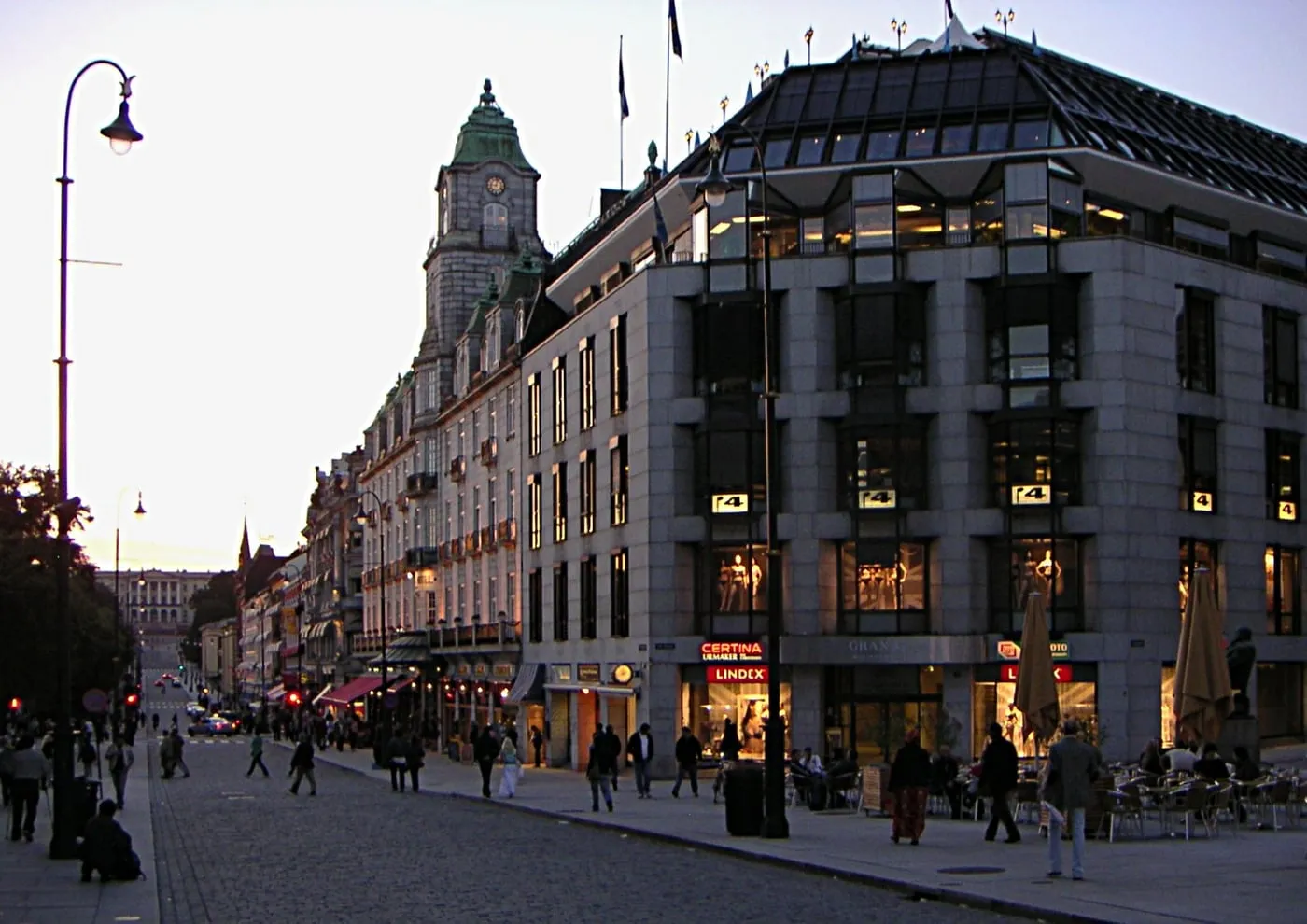
Common theft hotspots
- Oslo Central Station (Oslo S) and Jernbanetorget: The concourse, the escalators down to the metro and the queues for the airport trains. Thieves often work in pairs: one asks for directions or drops coins while the other lifts a phone or handbag.
- Crowded trams: Trams 11 and 12 through Sentrum, Frogner and Grünerløkka fill up at commuter peaks. Keep zipped bags in front of your chest.
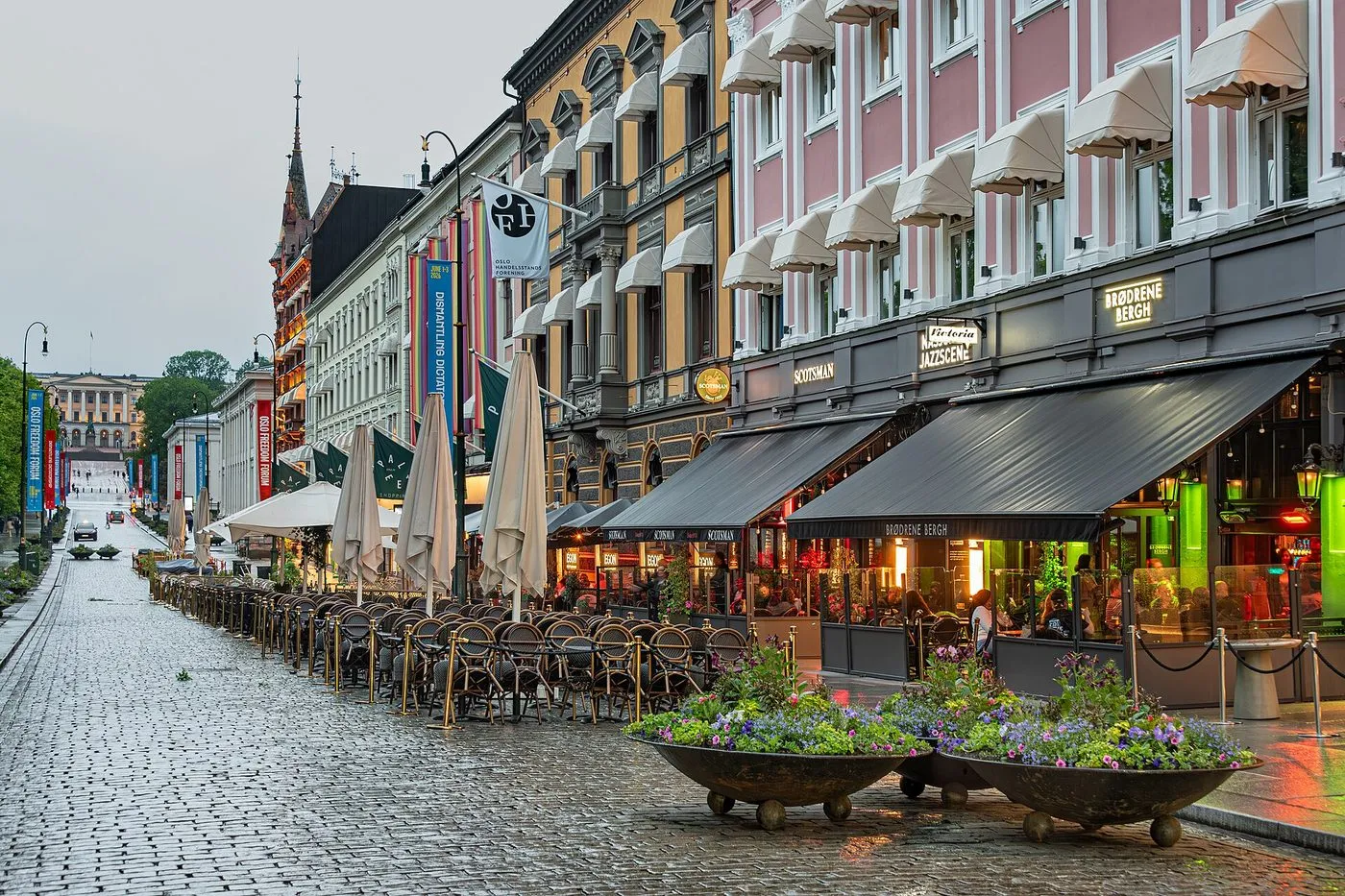
- Outdoor terraces: On sunny days on Karl Johans gate, Torggata and Aker Brygge, phones are left on tables and handbags hang on chair backs, and passers-by pick them up.
- Hotel breakfast rooms: Guests leave laptop bags and jackets on chairs while they go to the buffet. Treat lobbies and dining rooms like public spaces.
Precautions
- Keep cards, passports and phones in zipped inside pockets, not back trouser pockets.
- On the airport train, keep your bag on your lap or between your feet, not in the overhead rack behind you.
- Back up your phone before the trip and note its IMEI number.
Neighbourhood navigation and areas to treat with care
Oslo has no no-go districts, but a few streets are rough after dark.
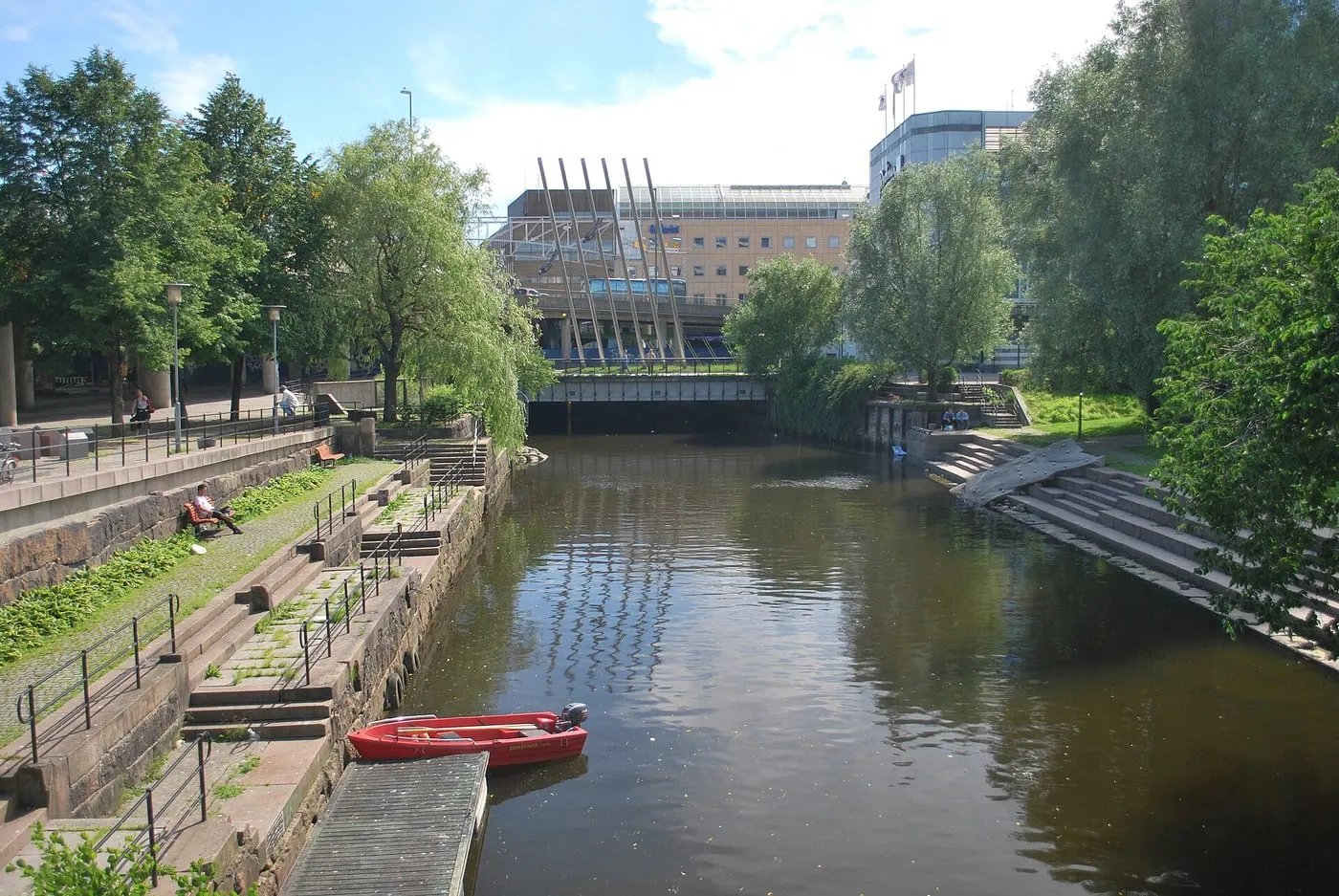
Brugata, lower Storgata, and Vaterlandsparken
Northeast of Oslo S, the pedestrian zone along Brugata, lower Storgata and the adjoining Vaterlandsparken beside the Akerselva is where Oslo’s open drug use and dealing gather.
- What to expect: Visible drug use, intoxicated people shouting and dealers near the bridges.
- Risk: Attacks on passers-by are uncommon. But aggressive begging and erratic behaviour make it unpleasant late at night, especially for a solo traveller with luggage.
- How to avoid it: Walking between Oslo S and hotels in Grünerløkka or Sentrum at night, don’t cut through Vaterlandsparken. Use the wide, lit pavements of Karl Johans gate, Dronning Eufemias gate through Bjørvika, or the tram routes along Storgata / Hausmanns gate.
Grønland and Tøyen
East of the central station, Grønland is a multicultural area of cheap fruit and vegetable markets, halal butchers and Middle Eastern bakeries, busy and welcoming by day. Later in the evening groups of young men sometimes loiter around Grønland metro station and Olafiagangen. Normal street sense applies; violent crime against tourists is rare.
Emergency contacts and healthcare services
Dispatchers speak English.
| Need | Number | Details |
|---|---|---|
| Police (emergency) | 112 | National police dispatch |
| Ambulance | 113 | Medical emergencies and paramedics |
| Fire service | 110 | Fire and water rescue |
| Police (non-emergency) | 02800 | Reporting petty theft or minor incidents |
| Urgent medical care (Legevakt) | 116 117 | 24-hour public emergency clinic |
Medical treatment and pharmacies
- Oslo Emergency Clinic (Oslo Legevakt): At Trondheimsveien 233 (Aker Hospital campus), open 24 hours a day, every day, for urgent illness, cuts needing stitches and broken bones. Call 116 117 before going if you can.
- EHIC / GHIC: holders of a valid UK Global Health Insurance Card (GHIC) and EU/EEA visitors with a European Health Insurance Card (EHIC) can get necessary state healthcare on the same terms as Norwegian residents, paying the standard patient co-payment (egenandel). Visitors from the US and Canada have no such cover and need travel insurance. Everyone should carry insurance that includes repatriation.
- 24-hour pharmacy (Apotek): Jernbanetorvets Apotek, opposite Oslo Central Station at Jernbanetorget 4B, is open 24 hours for emergency prescriptions and first-aid supplies.
Winter safety: black ice and hypothermia
From November to April the weather is a bigger risk than crime.
Preventing slips on ice (Holke)
Temperatures often swing between +2°C and -3°C within a day. Rain and melted snow refreeze overnight into transparent “black ice” (svartis or holke).
- Footwear: Avoid smooth-soled dress shoes, slick-heeled boots and running shoes with hard plastic tread. Wear winter boots with deep, soft rubber soles.
- Ice grips (brodder): Do what Norwegians do and buy slip-on rubber traction cleats with metal studs (brodder) at a pharmacy (Apotek), a sports store such as XXL or Intersport, or a convenience kiosk. Take them off before walking on smooth indoor floors in museums or shops, where the studs slip.
- Gritting: The municipality spreads gravel (strøsand) on steep streets and paths, but shaded side alleys stay slippery until late morning.
Cold
Winter temperatures can fall to between -5°C and -15°C, and the wind makes the harbour quays feel colder.
- Wear three layers: a merino base layer, a fleece or wool mid-layer and a windproof, waterproof jacket.
- Add a hat, woollen mittens (warmer than gloves) and a neck warmer.
- Children lose heat faster than adults, so give them insulated waterproof snowsuits and lined boots.
Water safety and outdoor regulations
- Tap water: Safe to drink straight from the tap in hotels and restaurants, so there is no need to buy bottled water.
- Campfire ban (Bålforbud): Open fires, wood grills and disposable foil barbecues (engangsgrill) in or near forests and on islands are banned from 15 April to 15 September. Only the permanent municipal grill pits on designated park beaches are exempt.
- Drones: Large parts of central Oslo are no-fly zones under the Civil Aviation Authority of Norway (Luftfartstilsynet). Flying over the Royal Palace, Parliament, military sites, Akershus Fortress or government ministries is forbidden and can mean a criminal fine and confiscation of the drone.
What to do if you lose property
- Lost on Public Transit (Ruter): Contact the Ruter Lost Property Office (Hittegodskontor) located inside the concourse at Nationaltheatret Metro Station (open weekdays).
- Lost on Vy Regional Trains: Check the luggage office near the lockers at Oslo Central Station.
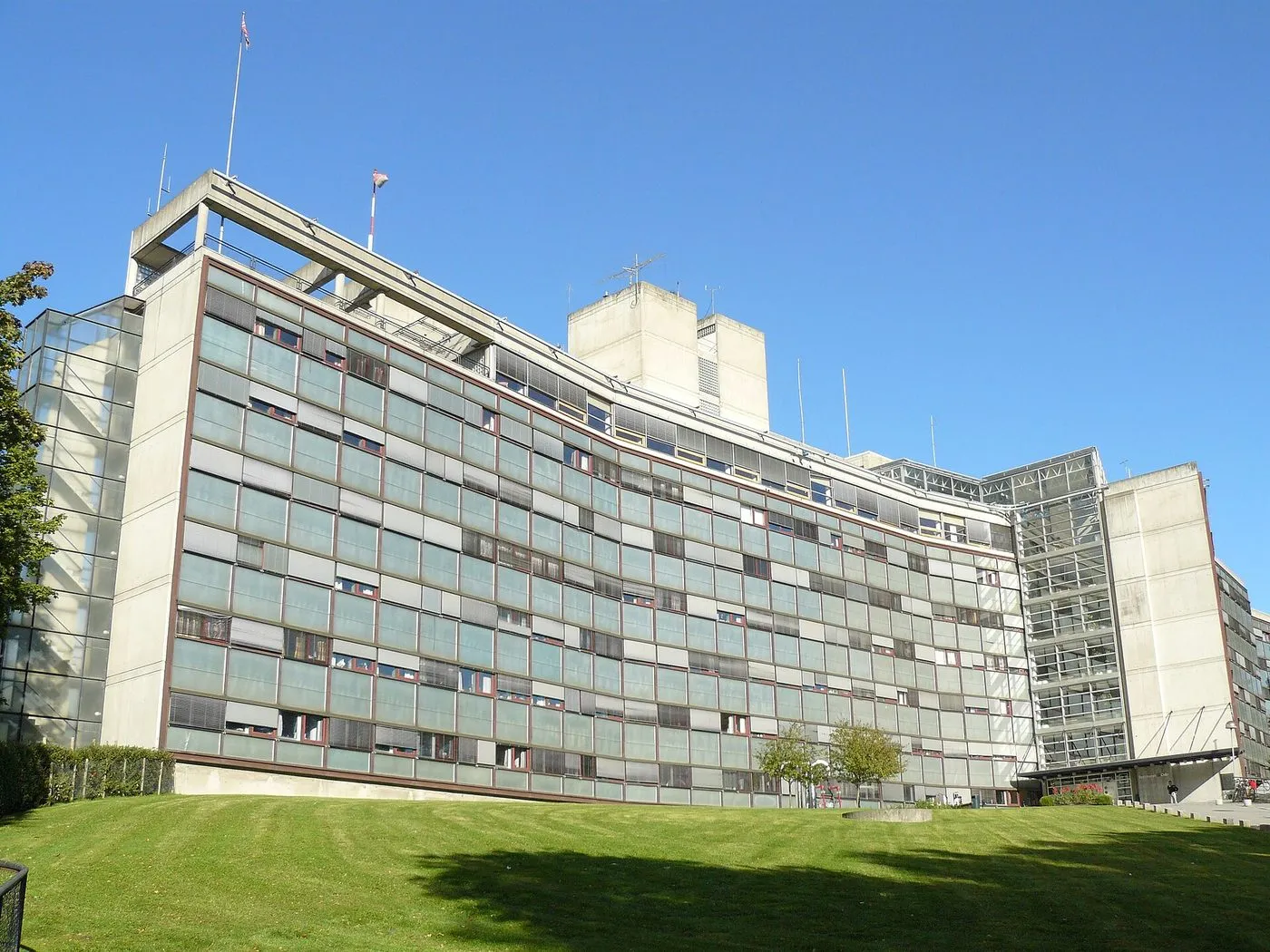
- Police Lost Property: The central police lost property office (Hittegodsavsnittet) is located at Grønland Police Station (Grønlandsleiret 44).
- Reporting a Crime: In the event of theft, visit the nearest police station to obtain a written police crime report (anmeldelse) required for insurance claims.
Safety summary for visitors
- Main advice: Watch for pickpockets around Oslo S and busy stops, use lit streets at night and wear winter boots with grip.
- Next steps: where to stay in Oslo, public transport in Oslo and packing for Oslo.
Common questions
Is Oslo safe for solo travellers and tourists?
Yes. Violent crime against visitors is rare. The main problem is petty theft: pickpocketing and bag snatching around transit hubs such as Oslo Central Station and on crowded summer trams.
What are the emergency contact telephone numbers in Norway?
Call 112 for the police, 113 for an ambulance and 110 for the fire service. For urgent medical care that is not life-threatening, call the 24-hour Oslo Emergency Clinic (Legevakt) on 116 117.
Are there specific neighbourhoods or streets to avoid in Oslo after dark?
No area is off-limits, but take care around Brugata, lower Storgata and Vaterlandsparken, just north and east of Oslo Central Station, where the city's open drug market gathers. If you arrive late with heavy luggage, use the well-lit routes along Jernbanetorget, Karl Johans gate or the Bjørvika waterfront.
Is tap water safe to drink in Oslo?
Yes. It comes from protected mountain and forest lakes such as Maridalsvannet and is safe to drink from any tap in hotels, restaurants and public buildings.
What is the biggest physical hazard for visitors to Oslo in winter?
Slipping on ice. Between November and March, freeze-thaw cycles coat footpaths and cobblestones with invisible 'black ice' (holke). Avoid smooth-soled shoes; wear boots with deep rubber treads or buy slip-on rubber ice grips with metal studs (brodder) at a local pharmacy.