In this guide
💡 The Short Version: Choose your Kyoto base around your daily transit and evening dining priorities. For most visitors on a 3- to 5-day holiday, Central Kawaramachi and Karasuma provides the best balance: steps from dinner along Pontocho Alley and Gion, with two subway lines and the Hankyu railway on your doorstep. If you are taking early morning bullet trains or prefer easy airport transfers, stay at Kyoto Station.
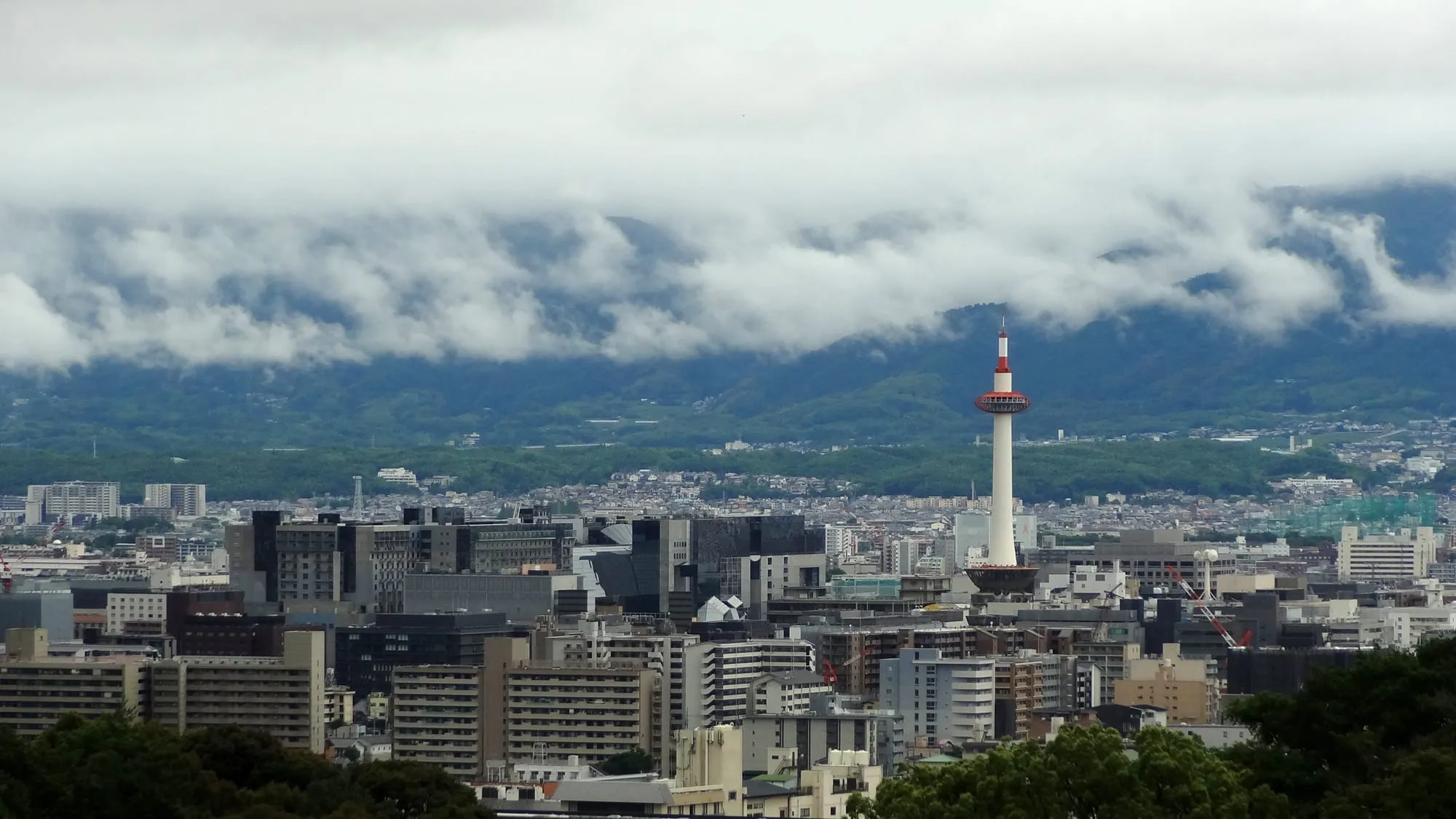
Choosing the right neighbourhood to stay in Kyoto shapes your entire holiday experience. Because Kyoto’s cultural treasures are situated along the perimeter hills—Arashiyama in the west, Kinkaku-ji in the north, and Kiyomizu-dera in the east—while the primary high-speed rail terminal sits in the south, visitors must weigh station convenience against evening dining charm.
Furthermore, Kyoto offers two fundamentally different accommodation styles: Western-style modern business and luxury hotels, and traditional Japanese inns (ryokan), where guests sleep on tatami mats, soak in cedar onsen baths, and enjoy multi-course kaiseki banquets.
The top areas, compared
| Neighbourhood | Best for | Transport links | Evening vibe | Price range |
|---|---|---|---|---|
| Central (Kawaramachi & Karasuma) | First-timers, dining, shopping, nightlife | Hankyu Line, Karasuma & Tozai subways | Lively, dozens of restaurants and bars | Mid to high |
| Kyoto Station Area | Day trips, airport trains, late arrivals | JR Shinkansen, Haruka Express, Kintetsu | Commercial, station dining, modern | Budget to high |
| Gion & Southern Higashiyama | Traditional atmosphere, early morning temples | Keihan Main Line, city bus routes | Atmospheric, quiet lantern-lit lanes | High to luxury |
| Central Kyoto / Sanjo & Nijo | Quiet residential feel, castle walks | Tozai Subway, Karasuma Subway | Relaxed, craft cafes and bakeries | Budget to mid |
| Arashiyama & Sagano | Hot spring ryokan retreats, nature | JR Sagano Line, Randen tram, Hankyu | Peaceful mountain valley; closes early | Luxury |
1. Central (Shijo-Kawaramachi & Karasuma)
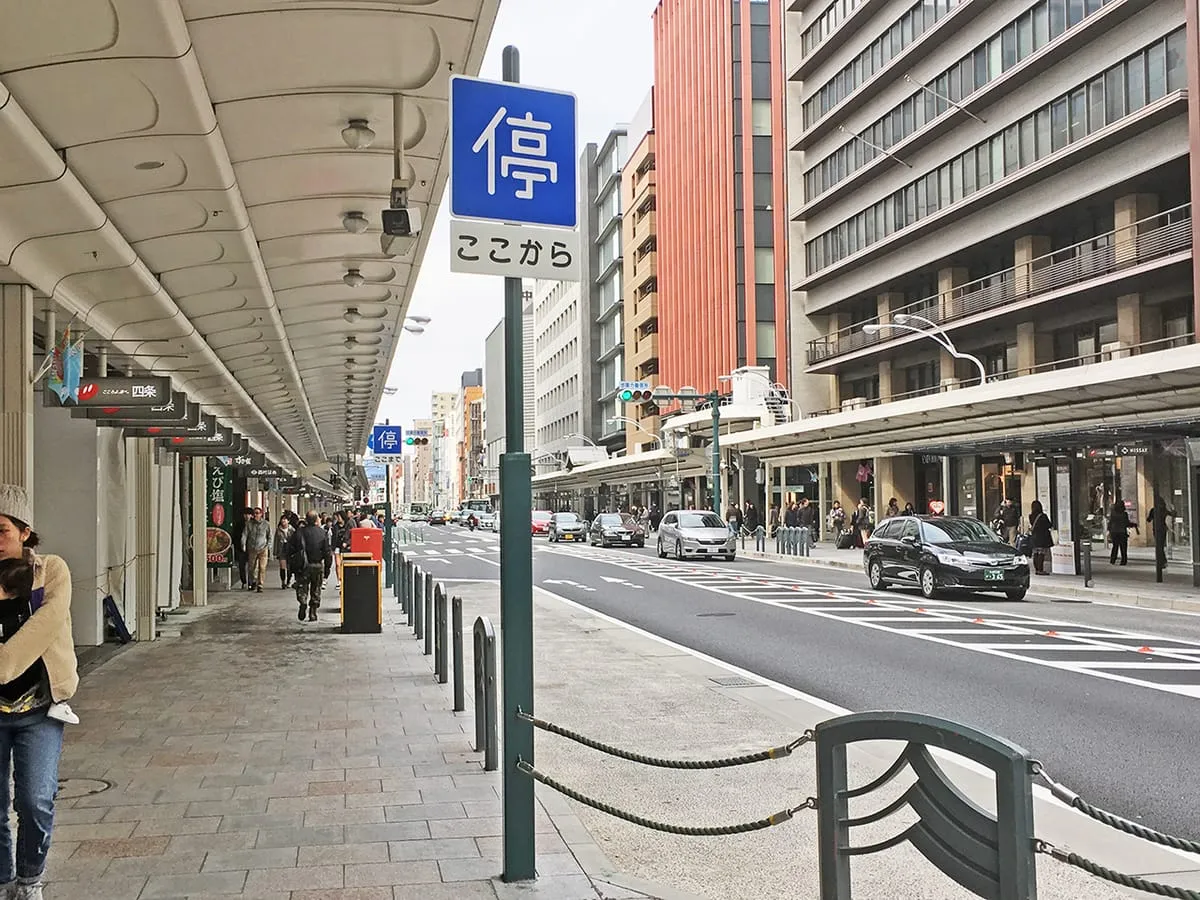 Pedestrians and illuminated shopfronts along Shijo-dori in central Kyoto. Photo: Hide1228, Wikimedia Commons, CC BY-SA 4.0.
For the vast majority of travellers spending three to five days in Kyoto, the central grid surrounding the intersection of Shijo-dori, Kawaramachi-dori, and Karasuma-dori represents the premier base:
- Why stay here: After a full day of sightseeing, you can walk directly from your hotel to hundreds of dining options along Pontocho Alley, Kiyamachi-dori, and Gion without worrying about train timetables or expensive late-night taxis. Nishiki Market is right on your doorstep for morning pastries and street snacks.
- Transport links: Exceptional connectivity. The underground Hankyu Line whisks you west to Katsura and Arashiyama or southwest to Osaka Umeda in 43 minutes. The Karasuma Subway Line runs south to Kyoto Station in just 4 minutes (¥220) and north to the imperial palace grounds.
- Atmosphere: Dynamic and urban. Department stores like Takashimaya and Daimaru feature vast basement food halls (depachika) filled with ready-to-eat sushi, yakitori, and delicate Japanese confections.
Recommended hotels central
- Sora Niwa Terrace Kyoto: 2 minutes walk from Kyoto-Kawaramachi Station • rooftop open-air onsen bath and foot bath overlooking Higashiyama • Hotels.comad
- Hotel Monterey Kyoto: 3 minutes walk from Karasuma Oike Station • top-floor natural hot spring spa and British-inspired library lounge • Hotels.comad
- Hilton Kyoto: 2 minutes walk from Kyoto Shiyakusho-mae Station • indoor pool and rooftop bar near Kawaramachi and Sanjo • Hotels.comad
2. Kyoto Station Area (Shimogyo Ward)
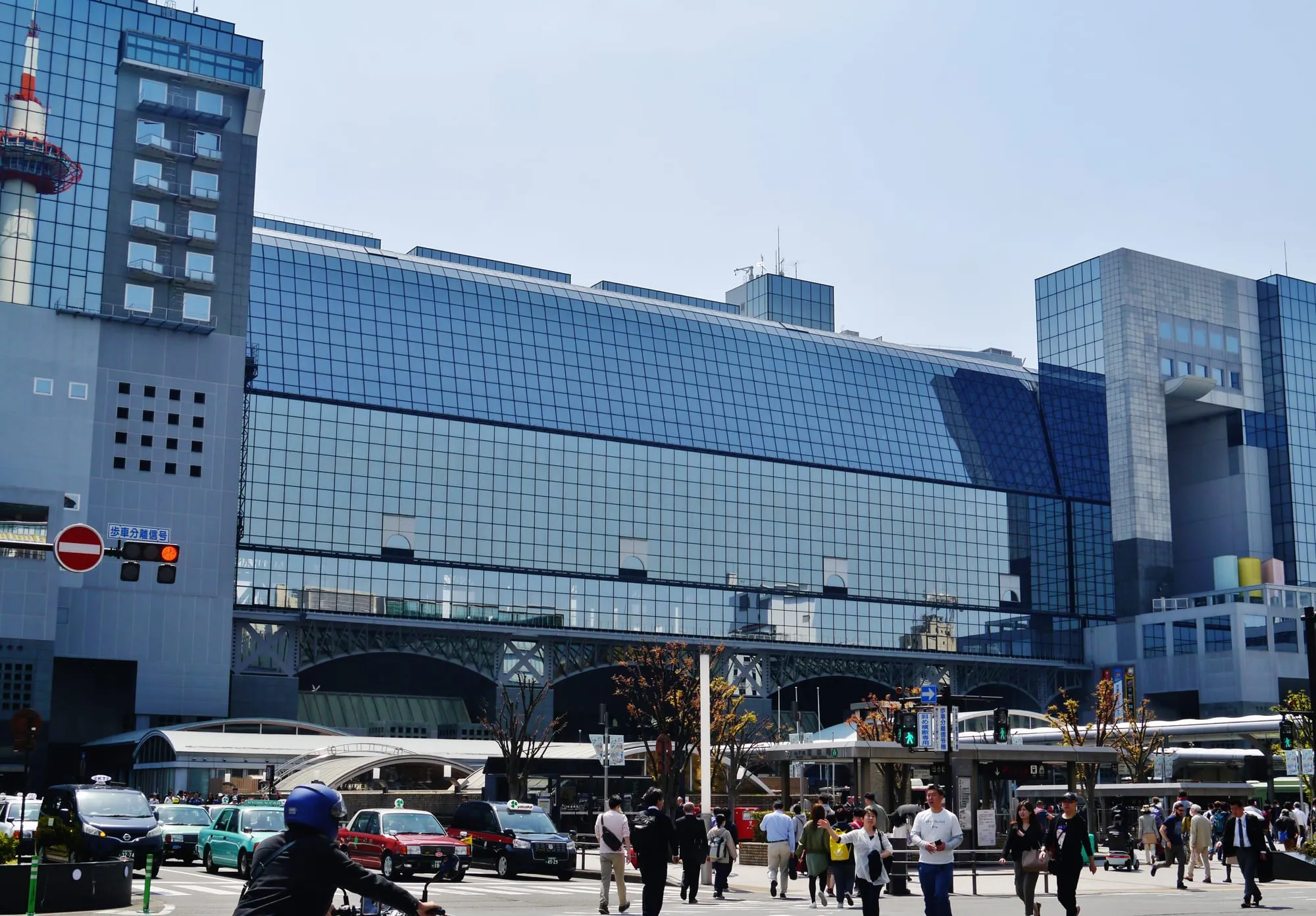
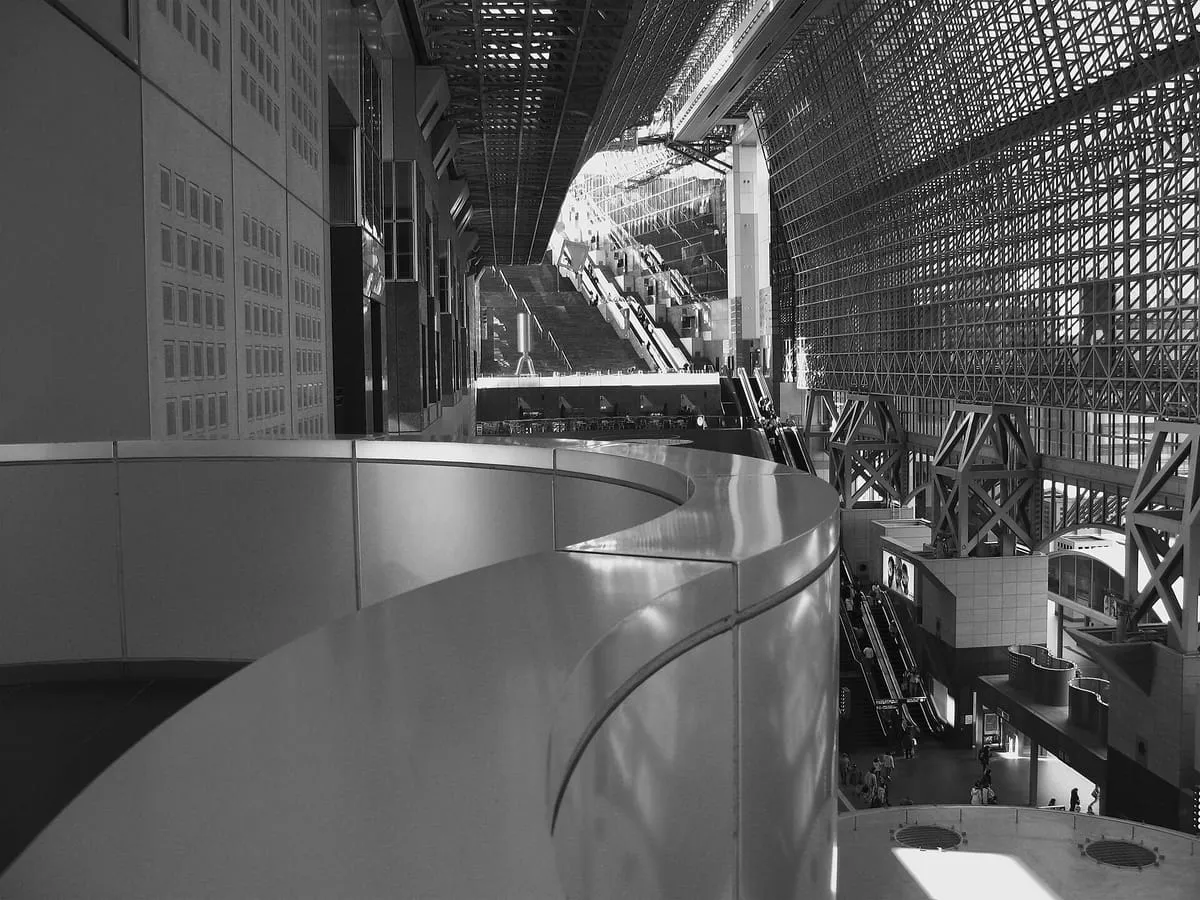 The modern glass-and-steel facade of the Kyoto Station building complex. Photo: Fg2, Wikimedia Commons, Public domain.
Designed by architect Hiroshi Hara, the monumental glass-and-steel Kyoto Station complex is the transport crossroads of western Japan. The district surrounding the station’s North (Karasuma) and South (Hachijo) exits is packed with Western-style hotels:
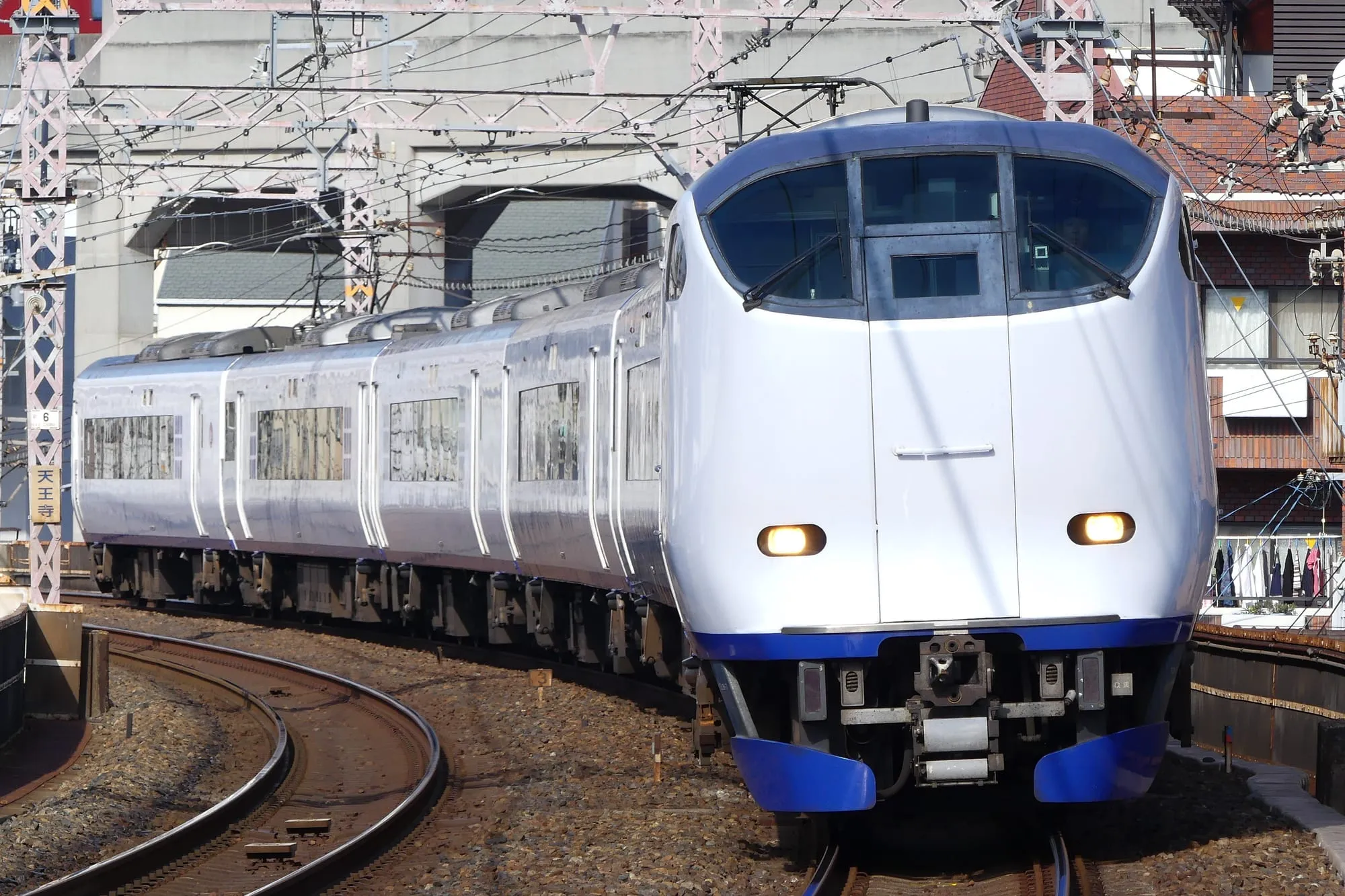
- Why stay here: Ultimate transit efficiency. You can roll your suitcases directly from the JR Haruka Airport Express into your hotel lobby in under five minutes. Catching early-morning Shinkansen bullet trains to Tokyo, Shin-Osaka, or Hiroshima, or boarding the JR Nara Line to Fushimi Inari and Nara, requires zero transit transfers.
- Station dining & retail: The station complex contains its own city: Kyoto Ramen Koji (10th floor, gathering eight regional ramen styles), the subterranean Porta shopping arcade with over 100 casual eateries, and the 13-storey JR Kyoto Isetan department store.
- Considerations: While modern and clean, the surrounding streets feel commercial and corporate compared to the historic wooden preservation quarters of eastern Kyoto.
Recommended hotels near Kyoto Station
- Hotel Granvia Kyoto: Directly inside Kyoto Station building above the JR train concourse • 535 rooms • indoor swimming pool and fitness club • Hotels.comad
- Miyako Hotel Kyoto Hachijo: 2 minutes walk from Kyoto Station Hachijo South Exit • 988 rooms • direct airport limousine bus drop-off • Hotels.comad
3. Gion and Southern Higashiyama
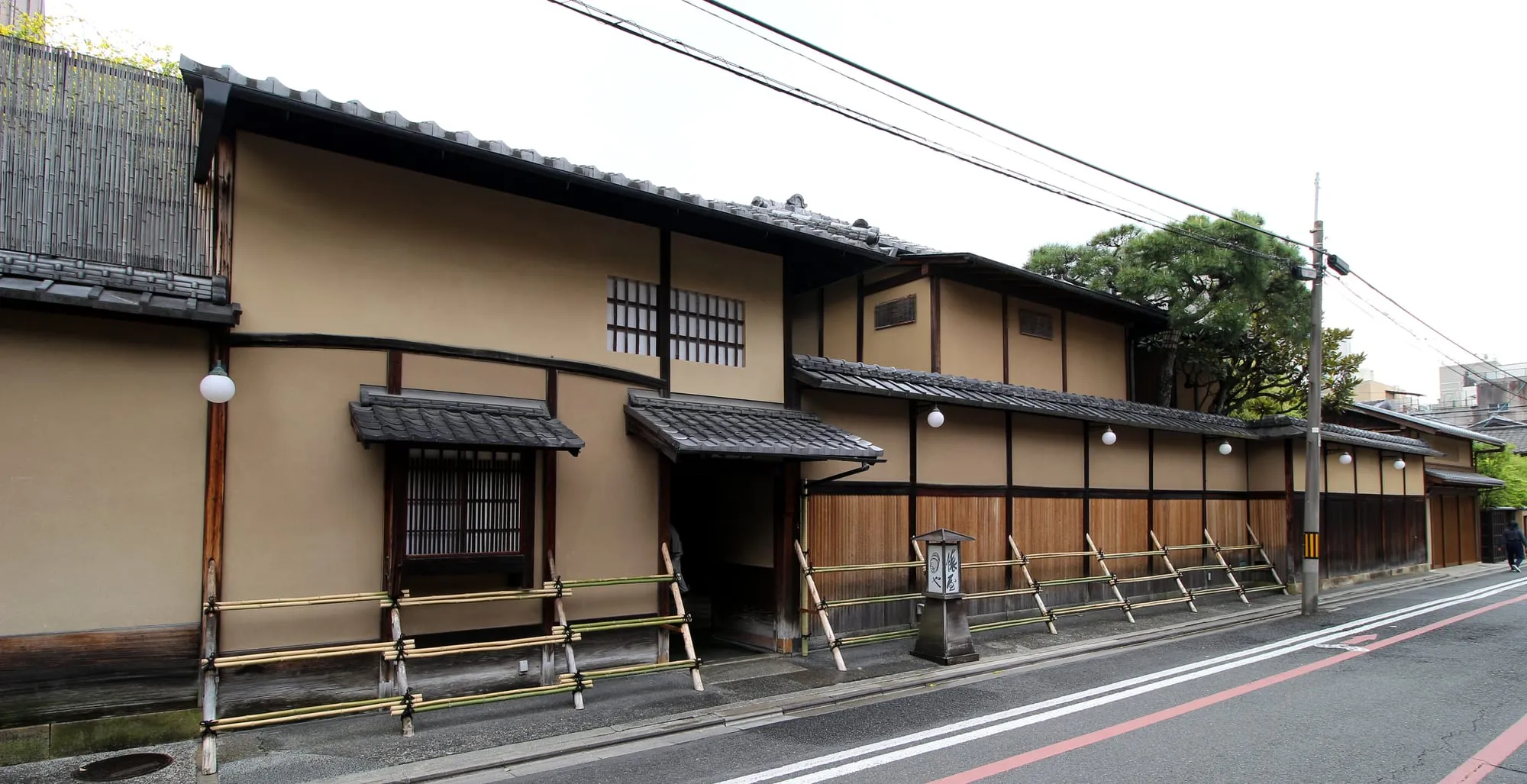
For travellers seeking traditional Japanese romance, eastern Higashiyama is the historic heart of the city:
- Why stay here: Stepping outside your door at 06:30 allows you to walk up the empty stone staircases of Sannenzaka and Ninenzaka to Kiyomizu-dera or Yasaka Shrine before tour groups arrive. In the evening, soft lantern light illuminates historic wooden machiya facades.
- Considerations: Many properties here are historic, boutique ryokan inns where you sleep on tatami futons, observe shoe removal etiquette, and enjoy multi-course kaiseki breakfasts. Top properties book out three to six months in advance for spring cherry blossom and autumn foliage seasons.
Recommended hotel in Gion
- Hotel The Celestine Kyoto Gion: 10 minutes walk from Gion-Shijo Station • serene Japanese garden baths and tempura dining near Kennin-ji • Hotels.comad
Western hotel vs traditional Ryokan: key differences
| Feature | Modern Western hotel | Traditional Japanese Ryokan |
|---|---|---|
| Bedding | Western spring mattress and frame | Thick cotton futon laid on woven rush tatami mats |
| Footwear | Shoes permitted in room | Shoes strictly removed at entrance genkan; slippers provided |
| Meals | Buffet or Western breakfast optional | Elaborate multi-course kaiseki dinner and Japanese breakfast included |
| Bathing | Private ensuite bathroom | Communal gender-segregated hot spring bath (onsen) or public bath (sento) |
| Curfew / Check-in | 24-hour reception | Strict check-in (usually by 17:30 to prepare dinner); evening curfews common |
| Typical nightly rate | ¥12,000 to ¥35,000 per room | ¥35,000 to ¥90,000+ per room (including dinner & breakfast for 2) |
Kyoto municipal accommodation tax
Under municipal law, Kyoto City levies a mandatory Accommodation Tax (Shukuhaku-zei) on every overnight guest staying in hotels, ryokans, machiya holiday rentals, and guesthouses within the city boundaries:
| Nightly room rate per person | Accommodation tax per guest / night |
|---|---|
| Less than ¥20,000 | ¥200 |
| ¥20,000 to ¥49,999 | ¥500 |
| ¥50,000 or more | ¥1,000 |
Hotels collect this tax separately from the room rate, in cash or by card at check-in or check-out, even if you prepaid through an online agency such as Hotels.com.
Plan your transport connections using our Kyoto public transport guide, or organise your daily schedule with our 3 days in Kyoto or 5 days in Kyoto itineraries.
Common questions
What is the best area to stay in Kyoto for a first visit?
Central Kawaramachi and Karasuma is the best overall base: walkable to Nishiki Market, Gion, and Pontocho Alley, with instant access to two subway lines and the Hankyu railway.
Should I stay near Kyoto Station?
Kyoto Station is ideal if you have a short stay, carry heavy luggage, or plan multiple day trips on Shinkansen bullet trains to Nara, Hiroshima, or Osaka.
Is there an accommodation tax in Kyoto?
Yes. Kyoto City levies a mandatory municipal accommodation tax ranging from 200 yen to 1,000 yen per person per night depending on room rate, collected by the hotel at check-in.