In this guide
The Short Version: Osaka is increasingly cashless for major expenses, but physical Japanese yen remains essential for its world-famous food scene. Major credit cards work reliably at hotels, high-end restaurants, and department stores in Umeda and Namba. However, street food stalls in Dotonbori (Osaka food tours), fishmongers in Kuromon Market, and traditional standing bars in Shinsekai deal strictly in cash. The best place to withdraw yen is at a 7-Bank ATM inside any 7-Eleven, which accepts foreign debit and credit cards with minimal fees. Transport and convenience store snacks are best paid for by tapping an ICOCA, Suica, or Pasmo IC card (Osaka public transport). Never leave a tip in restaurants, bars, or taxis (Osaka etiquette).
Payment methods in Osaka compared
| Payment Type | Where Accepted | Where NOT Accepted | Daily Recommendation |
|---|---|---|---|
| Physical Cash (JPY) | Accepted everywhere across Japan | Contactless-only kiosks (rare) | Keep 10,000 to 20,000 yen on hand |
| Credit / Debit Cards | Hotels, department stores, supermarkets, chain dining | Street food stalls, small izakayas, temple admissions | Use for large transactions and hotel check-in |
| IC Cards (ICOCA / Suica) | Subways, JR lines, private trains, buses, vending machines | Sit-down restaurants, market stalls | Load 2,000 to 3,000 yen for seamless day travel |
| Mobile Contactless | Major convenience stores, modern chain stores | Small independent vendors and bars | Useful backup on Apple Pay / Google Pay |
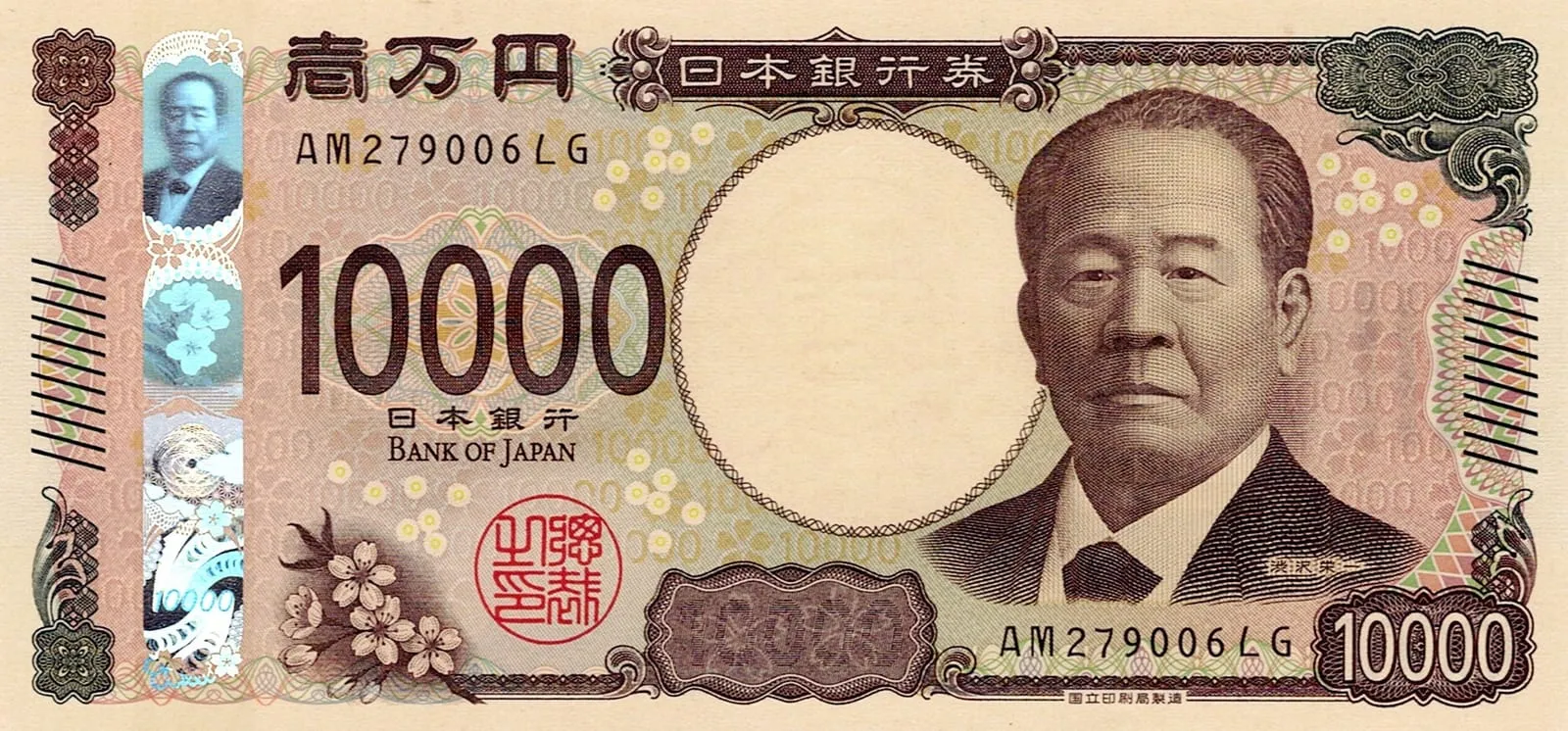
A 10,000 yen banknote. Photo: RegoParkRen, Wikimedia Commons, CC BY 4.0.
Japanese currency: notes and coins
The official currency of Japan is the Japanese yen (JPY, marked with the symbol ¥). Banknotes are issued in denominations of:
- 10,000 yen: The largest common note, accepted everywhere without hesitation, even for small purchases at convenience stores.
- 5,000 yen: Common mid-tier note.
- 1,000 yen: The standard workhorse note used for meals, ticket top-ups, and markets.
- (Note: 2,000 yen notes exist but are rare in everyday circulation).
Coins come in six denominations: 500 yen (heavy bicolour coin), 100 yen (most useful coin for vending machines, laundrettes, and station lockers), 50 yen (with a central hole), 10 yen (bronze), 5 yen (brass with a central hole, considered lucky), and 1 yen (light aluminium). Keep a small coin pouch handy to store change.
Where cash is required in Osaka
Do not venture out with only credit cards in Osaka. You will need cash for:
- Dotonbori Street Vendors: Stalls grilling fresh takoyaki, okonomiyaki skewers, and gyoza operate cash-only registers.
- Kuromon Ichiba Market: Independent fishmongers slicing fresh sashimi, grilling king crab legs, and torching wagyu beef skewers take cash.
- Shinsekai Kushikatsu Counters: Historic retro standing bars (tachinomi) and narrow izakayas in Janjan Yokocho rarely accept electronic payments.
- Shrines and Temples: Admission tickets to Osaka Castle keep (1,200 yen), Shitennoji Temple, and Sumiyoshi Taisha, as well as fortunes (omikuji) and protective amulets (omamori), are cash only.
- Station Lockers and Gachapon: Older station coin lockers require 100-yen coins, as do collectible capsule toy vending machines.
- Ticket Vending Machines: Adding cash balances to physical ICOCA cards at station machines requires physical yen banknotes.
Where to withdraw cash: international ATMs
Do not use bank branch ATMs on Japanese streets, as many domestic banks (such as Resona or local credit unions) do not support international networks like Cirrus or Plus.
Instead, rely on two trusted nationwide operators:
1. 7-Bank ATMs (Inside 7-Eleven)
- Availability: Thousands of branches across Osaka, open 24 hours a day, 7 days a week.
- Cards accepted: Visa, Mastercard, Maestro, Cirrus, Plus, American Express, JCB, UnionPay.
- Screen languages: English, Chinese, Korean, Spanish, French, German, and others.
- ATM fee: Usually 110 yen to 220 yen per transaction, plus whatever foreign exchange fee your home bank charges. Choose to be billed in Japanese yen (decline dynamic currency conversion at the screen prompt to avoid poor retail exchange rates).
2. Japan Post Bank ATMs
- Availability: Located in post offices (Yucho Bank) and inside many FamilyMart convenience stores.
- Reliability: Excellent card compatibility with foreign debit networks. Note that post office branch machines follow post office operating hours, whereas FamilyMart machines are open 24 hours.
IC Cards: the convenient digital wallet
Your transport IC card (ICOCA, Suica, or Pasmo) acts as an electronic cash wallet across Osaka. Beyond passing through subway turnstiles (Osaka public transport), you can tap your IC card to pay at:
- All major convenience stores (7-Eleven, Lawson, FamilyMart, Daily Yamazaki)
- Street beverage vending machines
- Station platform kiosks and bakery counters
- Coin lockers equipped with digital touchscreens
- Fast-food chains and casual noodle bars
Tipping rules in Osaka
Tipping is strictly not practiced in Japan. Good service is considered the standard duty of hospitality (omotenashi) and is factored into published prices.
- Restaurants and Bars: Pay the exact bill amount printed on your receipt at the front register counter upon exiting. Do not leave coins on the table or tip jars.
- Taxis: Drivers will return your change to the exact single yen coin.
- Hotels: Bellhops and housekeeping do not expect tips. At higher-end luxury properties, a standard 10% to 15% service charge is already included on the room invoice.
- Table Charges (Otoshi): At traditional izakayas, a small compulsory appetizer (otoshi) costing between 300 yen and 600 yen per person is served upon sitting down. This serves as a seat fee and is standard practice across Japan.
Tax-free shopping changed on 1 November 2026: you now pay the tax at the till and claim it back at the airport when you leave, with 5,000 yen or more spent in one shop on one day.
For broader travel planning, compare this with money in Tokyo and our international guide to money, cards and tipping.
Common questions
Can I use credit cards everywhere in Osaka?
Credit and debit cards are widely accepted at hotels, department stores (Hankyu, Daimaru, Takashimaya), train ticket offices, chain restaurants, and convenience stores. However, cash is strictly necessary for street food stalls in Dotonbori, seafood counters in Kuromon Market, small kushikatsu bars in Shinsekai, and shrine admissions.
Where can I withdraw cash using a foreign bank card in Osaka?
The most reliable places are 7-Bank ATMs located inside every 7-Eleven store and Japan Post Bank ATMs inside post offices and selected FamilyMart convenience stores. Both provide English-language menus and accept international Visa, Mastercard, Plus, and Cirrus cards 24 hours a day.
How much cash should I carry per day in Osaka?
Budget between 3,000 yen and 5,000 yen in cash per person per day for street food snacking, vending machines, temple entry fees, and small eateries. Pay for accommodation, high-end meals, and major shopping using a credit card with zero foreign transaction fees.
Do you tip in Osaka?
No. Tipping is not part of Japanese culture. Attempting to leave extra cash on a restaurant table or in a taxi causes confusion, and staff will often chase you down the street to return money you accidentally left behind.