In this guide
The Short Version: Three days in Osaka balances history, theme park entertainment, and street gastronomy. Day one focuses on the central and southern districts: exploring the stone ramparts and museum at Osaka Castle keep (1,200 yen, open 09:00 to 18:00), sampling kushikatsu in retro Shinsekai, and walking through the neon reflections of Dotonbori. Day two is spent entirely at Universal Studios Japan, where a pre-booked Studio Pass and timed entry give access to Super Nintendo World. Day three heads to Osaka Bay for Kaiyukan Aquarium (timed entry, priced by date) and concludes with 360-degree sunset panoramas from the Umeda Sky Building Floating Garden (2,000 yen, open until 22:30). Prices are in yen.
The 3-day itinerary at a glance
| Day | Morning | Afternoon | Evening | Mandatory advance booking |
|---|---|---|---|---|
| Day 1 | Osaka Castle keep & park | Shitennoji Temple & Shinsekai | Dotonbori canal food walk | Osaka Castle keep online ticket (optional, skips counter line) |
| Day 2 | Universal Studios Japan | Super Nintendo World & Wizarding World | CityWalk dining | Dated 1-Day Studio Pass (Express Pass optional) |
| Day 3 | Osaka Aquarium Kaiyukan | Tempozan Ferris Wheel & Bay | Umeda Sky Building observatory | Kaiyukan timed slot; Umeda Sky Building ticket |
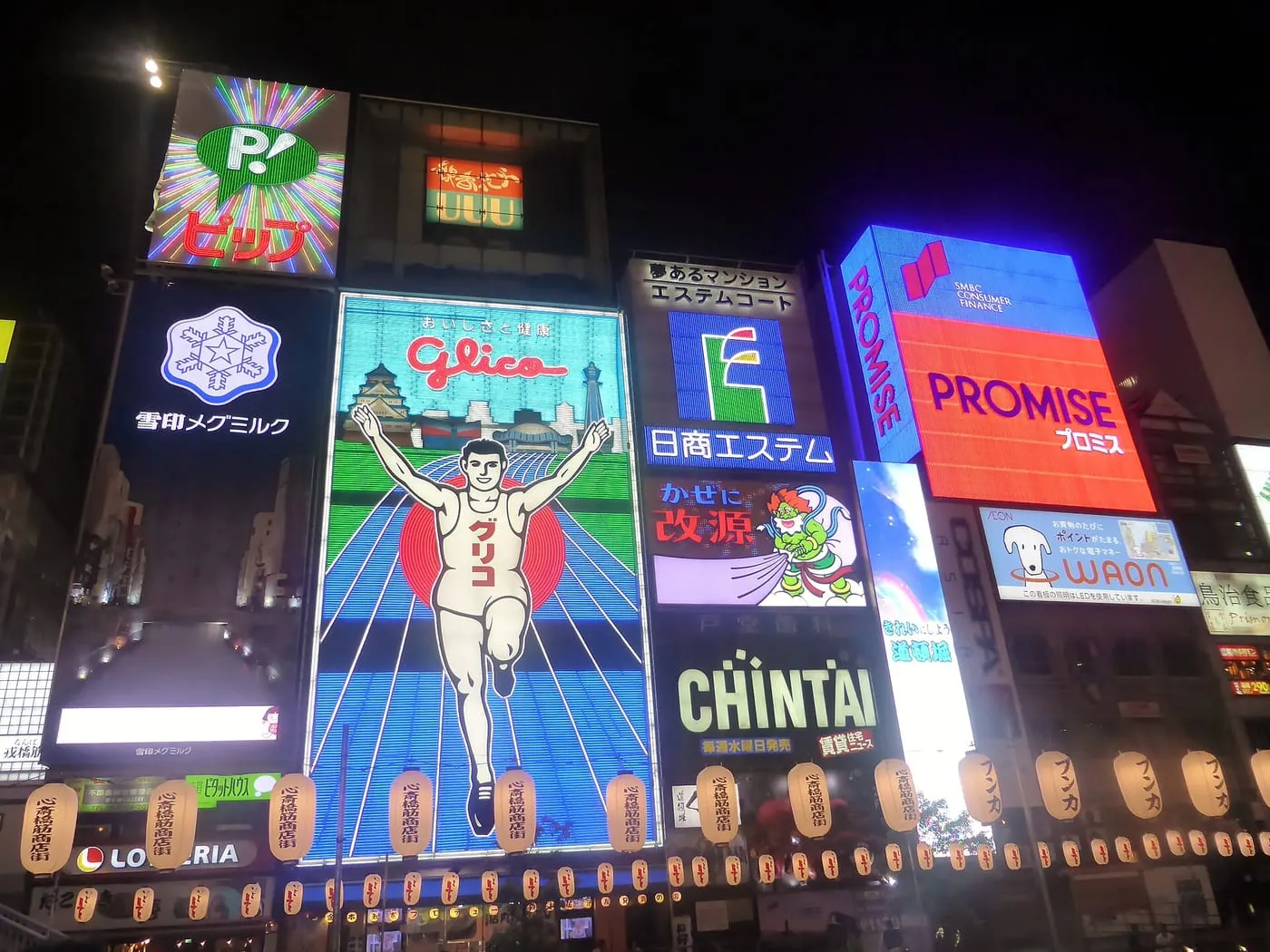
Glico Running Man on Ebisu Bridge. Photo: Tokumeigakarinoaoshima, Wikimedia Commons, CC0.
Day 1: Historic ramparts, retro Showa lanes, and neon canals
Morning: Osaka Castle park and the main keep
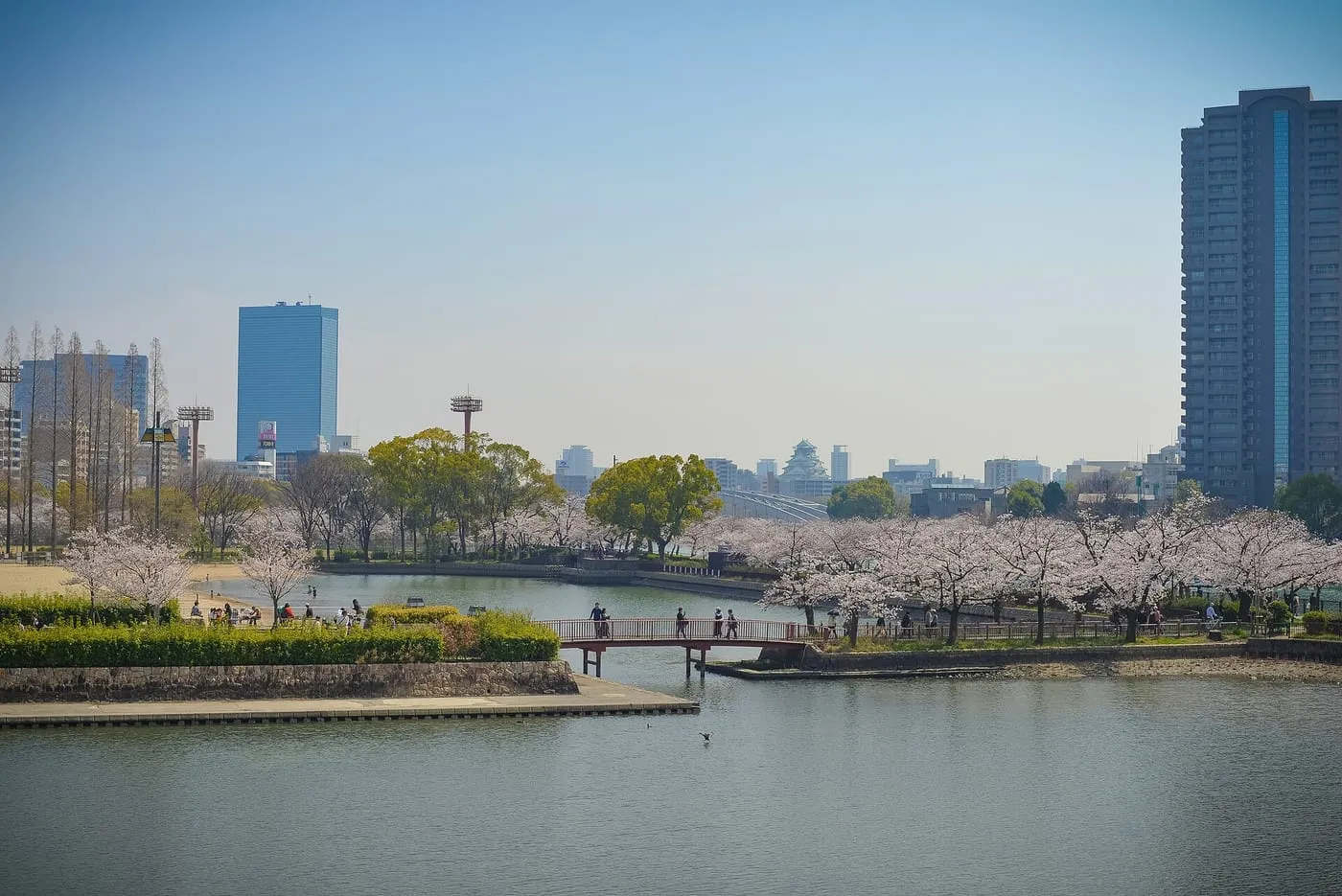
Begin at 09:00 at Osaka Castle. Arriving at Morinomiya Station on the JR Osaka Loop Line or Tanimachi 4-chome Station on the Osaka Metro brings you directly into the sprawling 106-hectare public park.
The outer grounds, towering stone moats, and Otemon Gate are free to explore. Cross the inner moat to the five-storey main keep tower (Tenshukaku). Admission is 1,200 yen for adults, 600 yen for university and high school students and free for children under 15. The keep opens from 09:00 to 18:00 with last entry at 17:30. Inside, eight floors of museum exhibits detail the unification of Japan under 16th-century warlord Toyotomi Hideyoshi. An elevator runs to the fifth floor, after which stairs lead to the top observation gallery at 50 metres, providing expansive views across Chuo ward. Allow two hours for the keep and surrounding ramparts.
Afternoon: Shitennoji Temple and Shinsekai
From Osaka Castle, take the Tanimachi subway line south to Shitennoji-mae Yuhigaoka Station. Founded in 593 AD by Prince Shotoku, Shitennoji is Japan’s oldest officially administered Buddhist temple. While outer temple walkways are free, entrance to the inner central precinct with its five-storey pagoda costs 500 yen (free on the 21st and 22nd of each month).
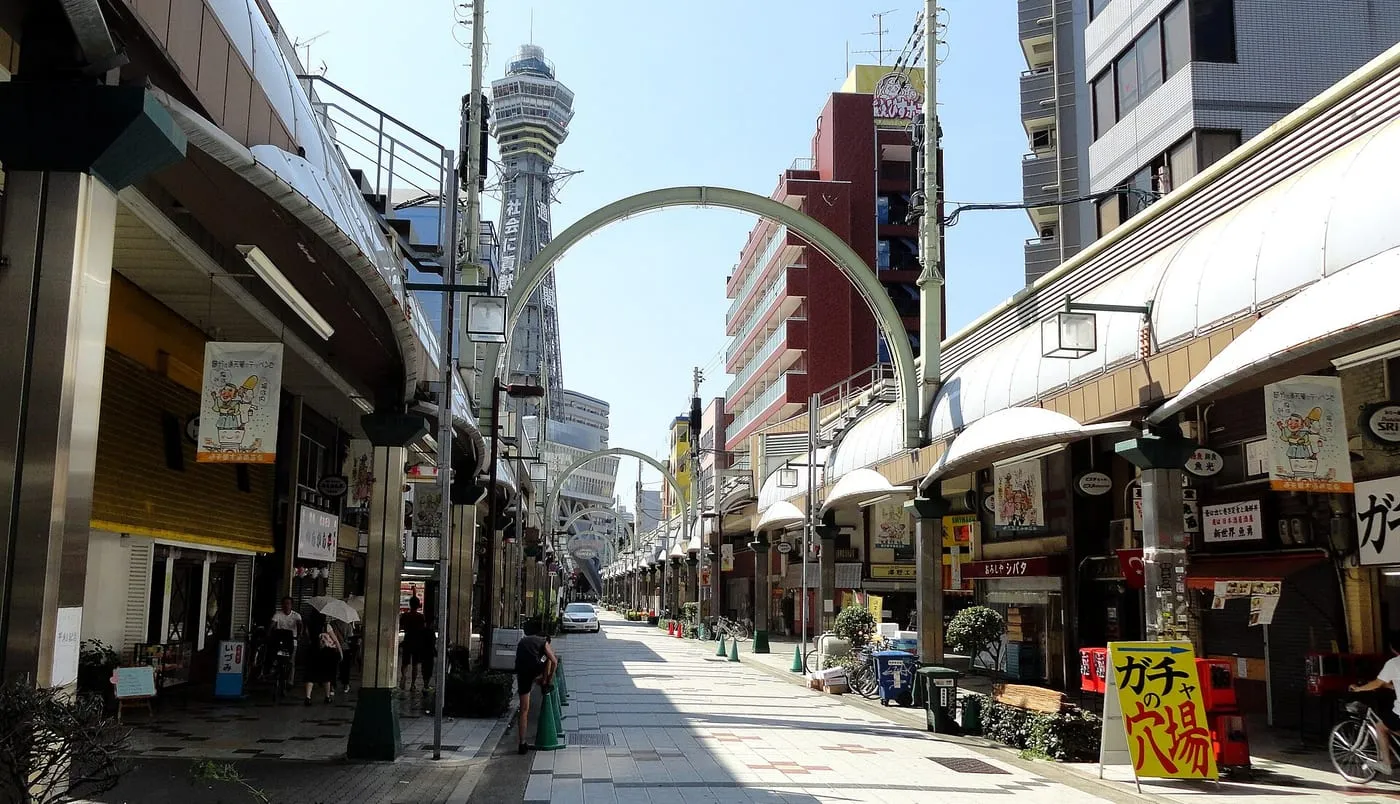
Walk 15 minutes southwest from Shitennoji into Shinsekai (“New World”), a neighbourhood developed in 1912 with architecture inspired by Paris and Coney Island. Dominated by the 108-metre steel lattice Tsutenkaku Tower, Shinsekai retains a vintage Showa-era atmosphere. Stop for lunch at a traditional kushikatsu establishment along Janjan Yokocho alley, where skewered meats and vegetables are deep-fried in light batter. Standard skewers cost between 120 yen and 250 yen each.
Evening: Dotonbori street food and canal walks
Take the Midosuji Line north to Namba Station. As darkness falls, emerge along the Dotonbori canal, Osaka’s entertainment spine. Neon signs illuminate the water, including the famous Glico Running Man sign installed above Ebisu Bridge.
Walk along the pedestrianised Tonbori River Walk. Sample piping-hot takoyaki (battered octopus balls brushed with savoury sauce and bonito flakes, usually 600 yen to 800 yen for eight pieces) from street-side stalls like Kukuru or Takoya Dotonbori Kukuru. For dinner, sit down for savoury okonomiyaki cabbage pancakes prepared on hot teppan griddles at venues like Mizuno or Chibo (1,200 yen to 2,000 yen per pancake). For additional planning context, see the Osaka city guide.
Day 2: Universal Studios Japan
Dedicate day two entirely to Universal Studios Japan (USJ), located on the waterfront in Konohana ward. Take the JR Osaka Loop Line from Osaka or Tennoji station to Nishikujo Station, then transfer to the JR Yumesaki Line to Universal-City Station (a 12-minute journey from Osaka Station).
Park admission and Super Nintendo World strategy
Entry requires a dated 1-Day Studio Pass (the price is set by date and shown on the USJ ticket calendar). Universal Studios Japan limits capacity in its signature zone, Super Nintendo World.
To enter Super Nintendo World, you have three primary routes:
- Express Pass: Buy an Express Pass that explicitly bundles an “Area Timed Entry Ticket: Super Nintendo World” along with express queues for Mario Kart: Koopa’s Challenge and Yoshi’s Adventure.
- App Standby / Timed Entry: Arrive at the park gates 45 to 60 minutes before the scheduled opening time. Once through the turnstiles and your Studio Pass is scanned, open the official Universal Studios Japan smartphone app to secure a free electronic Area-Timed Entry Ticket for your chosen time slot.
- Early Rope Drop: Enter immediately at opening when park gates swing open; guests running directly to Super Nintendo World can often walk in freely before timed entry controls are activated.
Beyond Nintendo World, explore The Wizarding World of Harry Potter, Minion Park, and Hollywood rollercoasters. The park closes between 19:00 and 21:00 depending on the season. Detailed ticket types and pricing structures are covered in our Universal Studios Japan tickets guide.
Day 3: Osaka Bay marine life and Kita skyline
Morning: Osaka Aquarium Kaiyukan
Take the Osaka Metro Chuo Line west to Osakako Station. A five-minute walk brings you to Osaka Aquarium Kaiyukan in the Tempozan Harbor Village. Adult admission is priced by date on the aquarium’s ticket calendar, with cheaper tickets for children. Entry is sold in 15-minute timed windows online; reserving your morning slot ahead of time prevents long counter waits.
Kaiyukan is organized around a multi-storey spiral ramp that descends through aquatic habitats of the Pacific Rim. At the centre sits a nine-metre-deep, 5,400-tonne Pacific Ocean tank housing two whale sharks, pelagic rays, and schooling fish. Allow two to two-and-a-half hours to walk the exhibits. After exiting, take a spin on the adjacent 112-metre Tempozan Giant Ferris Wheel for panoramas of Osaka Bay and incoming container ships.
Afternoon: Namba Yasaka Shrine and retro shopping
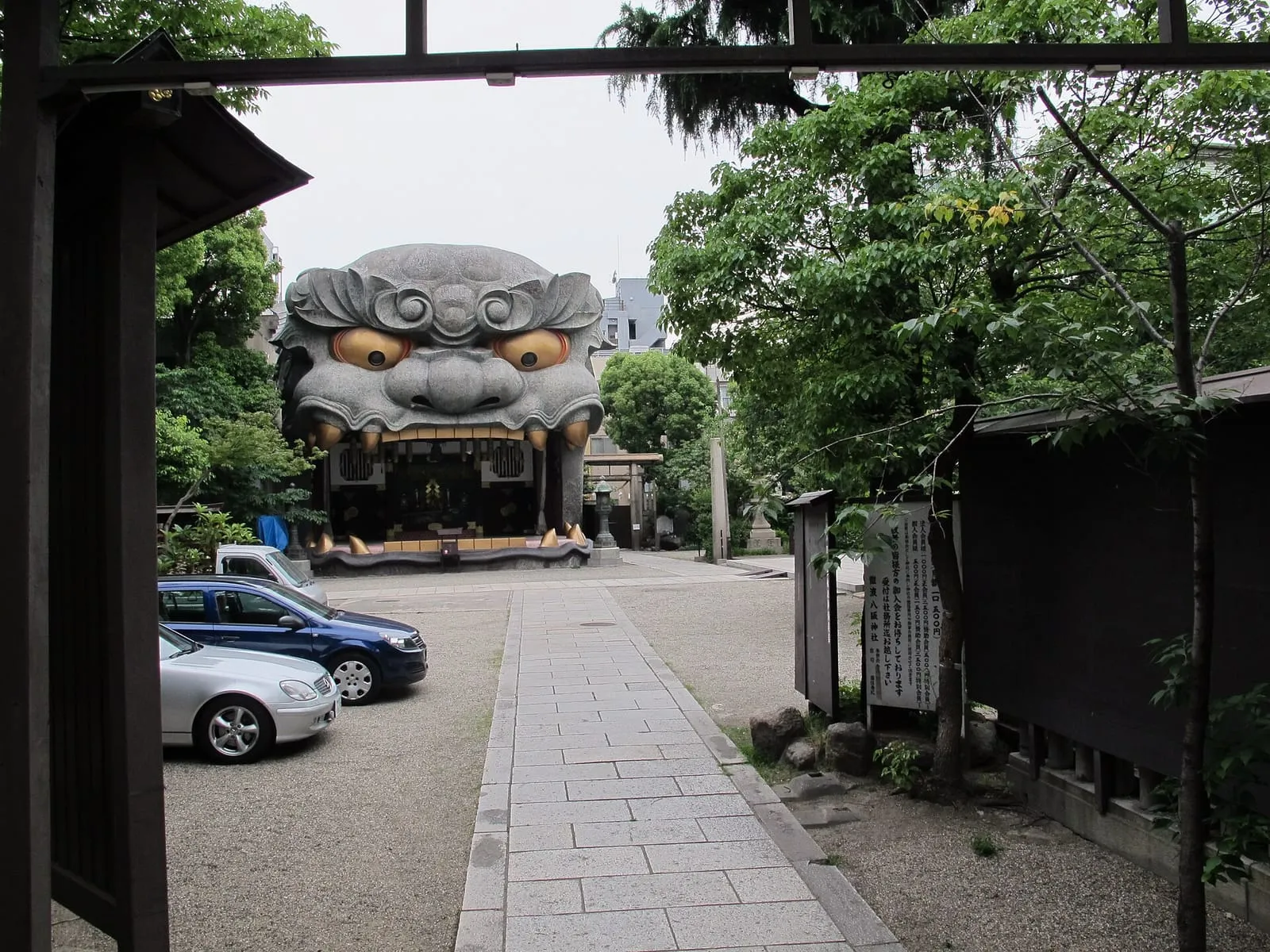
Head back towards central Osaka on the Chuo Line, transferring at Hommachi to the Midosuji Line south to Namba. Walk eight minutes south of Namba Station to Namba Yasaka Shrine. This quiet neighbourhood shrine is celebrated for its 12-metre-high lion head stage (Shishi-den), whose wide-open jaws are believed to swallow bad spirits and bring good fortune. Entry is free.
From the shrine, explore Sennichimae Doguyasuji Kitchenware Street, an arcade dedicated to restaurant equipment, handcrafted Japanese chef knives, lacquerware, and realistic plastic display food (sampuru). It is an excellent destination for kitchen souvenirs before afternoon travel.
Evening: Umeda Sky Building Floating Garden
Take the Midosuji Line north to Umeda or Osaka Station. Walk 10 minutes northwest through the underground corridor or Grand Front Osaka to the Umeda Sky Building.
Designed by architect Hiroshi Hara, this 173-metre skyscraper consists of twin 40-storey towers linked at the summit by the Kuchu Teien Floating Garden Observatory. Tickets cost 2,000 yen for adults and 500 yen for children aged 4 to 11. Ride the glass-walled elevator to the 35th floor, then glide upward through an open-air glass escalator tube suspended between the towers. The open-air circular rooftop deck offers 360-degree views extending across the Yodo River, Osaka city centre, and the distant Rokko mountain range at sunset. The observatory remains open until 22:30 (last entry 22:00). Conclude with dinner in the basement Takimi-koji gourmet street, a recreated 1920s Showa-era food alley.
Public transport and passes
- IC card convenience: An IC card (ICOCA, Suica, or Pasmo) covers every subway, bus, and train journey on this itinerary. Simply tap at the automatic gates; fares are automatically deducted.
- Osaka Metro 1-Day Pass: If you plan more than four subway trips on Day 1 or Day 3, the Osaka Metro 1-Day Pass (Enjoy Eco Card) costs 820 yen on weekdays or 620 yen on weekends and public holidays, offering unlimited subway and bus rides.
- Connecting to Tokyo: For travellers continuing along the Golden Route to eastern Japan, the Tokaido Shinkansen bullet train connects Shin-Osaka Station to Tokyo Station in 2 hours and 21 minutes on the Nozomi service. Compare this route with our 3 days in Tokyo itinerary and Tokyo public transport guide, and see Tokyo vs Osaka for the fare and how many days each city needs.
- Short stays: If your schedule allows only 24 or 48 hours in the Kansai region, consult our condensed Osaka in one or two days guide.
Common questions
Is 3 days in Osaka enough for a first trip?
Yes. Three full days allow you to explore the central historic sights and food districts (Osaka Castle, Shinsekai, Dotonbori), spend an entire day at Universal Studios Japan including Super Nintendo World, and dedicate a third day to Osaka Bay's Kaiyukan Aquarium and the Umeda Sky Building observatory.
Which sights in Osaka must be booked before travelling?
Universal Studios Japan requires a dated Studio Pass bought in advance, plus an Express Pass if you want a guaranteed entry window for Super Nintendo World. Osaka Aquarium Kaiyukan requires timed 15-minute entrance slots online to avoid ticket counter queues.
What is the best way to get around Osaka during a 3-day stay?
The Osaka Metro subway network and JR Osaka Loop Line connect every major sightseeing district. Tapping an IC card (such as ICOCA, Suica, or Pasmo) on automated ticket gates is the most flexible approach for public transport.
Can I do a day trip to Kyoto or Nara within a 3-day Osaka itinerary?
With only three days, spending all three in Osaka ensures you can experience Universal Studios Japan without rushing. If skipping theme parks, day two can easily be swapped for a 45-minute train ride to Kyoto or Nara.