In this guide
💡 The Short Version: For an essential introduction to Tokyo evening dining, book the Shinjuku food tour: 13 dishes across 4 authentic local eateries over 3 hours, from ¥13,200 with 4.9 stars from over 3,900 reviews. For a budget-friendly evening crawl, the Shinjuku izakaya tour runs 3 hours from ¥6,000. For morning street seafood, the Tsukiji Outer Market walk delivers 5 guided tastings over 3 hours from ¥15,000, though avoid booking in December when the market is reserved for domestic New Year shoppers. Or book a tour: browse the full comparison table below to match dietary preferences and neighbourhood itineraries.
Tokyo food tours compared
Joining a guided culinary walking tour solves the three greatest hurdles foreign diners face in Tokyo: overcoming language barriers at counter-only eateries, discovering tucked-away backstreet establishments invisible from main avenues, and understanding nuanced Japanese dining etiquette.
| Tour | District | Duration | Price from | Rating | Key inclusions |
|---|---|---|---|---|---|
| Shinjuku Food Tour (13 Dishes)ad | Shinjuku | 3 hours | ¥13,200 | 4.9 ★ (3,934 reviews) | 13 dishes at 4 venues: Wagyu beef, sushi, handmade gyoza, dessert |
| Shinjuku Local Izakaya Crawlad | Shinjuku | 3 hours | ¥6,000 | 4.9 ★ (2,958 reviews) | Omoide Yokocho yakitori, retro izakaya, Golden Gai drink den |
| Tsukiji Fish Market Food Walkad | Tsukiji | 3 hours | ¥15,000 | 4.7 ★ (825 reviews) | 5 tastings: fresh sashimi, tamagoyaki, fried fish cakes, dashi, matcha |
| Ueno Local Food Tourad | Ueno / Ameyoko | 3 hours | ¥13,500 | 5.0 ★ (69 reviews) | Shitamachi street food: ramen, conveyor sushi, yakitori, drinks |
| Asakusa Guided Street Food Walkad | Asakusa | 2.5 hours | ¥11,875 | 4.9 ★ (73 reviews) | 12 tastings: melonpan, ningyo-yaki, dango, savoury rice crackers |
| Tokyo Ramen Tasting Tourad | Multiple stops | 3 hours | ¥19,000 | 4.8 ★ (472 reviews) | 6 curated mini bowls of regional ramen styles (tonkotsu, shoyu, miso) |
| Vegan & Vegetarian Ramen Walkad | Shibuya / Shinjuku | 2 hours | ¥15,000 | 4.9 ★ (47 reviews) | Certified plant-based ramen made without meat or fish-derived dashi |
| Asakusa Sushi-Making Masterclassad | Asakusa | 1 hour 40 min | ¥9,100 | 4.9 ★ (2,306 reviews) | Hands-on nigiri and maki rolling workshop with professional chef |
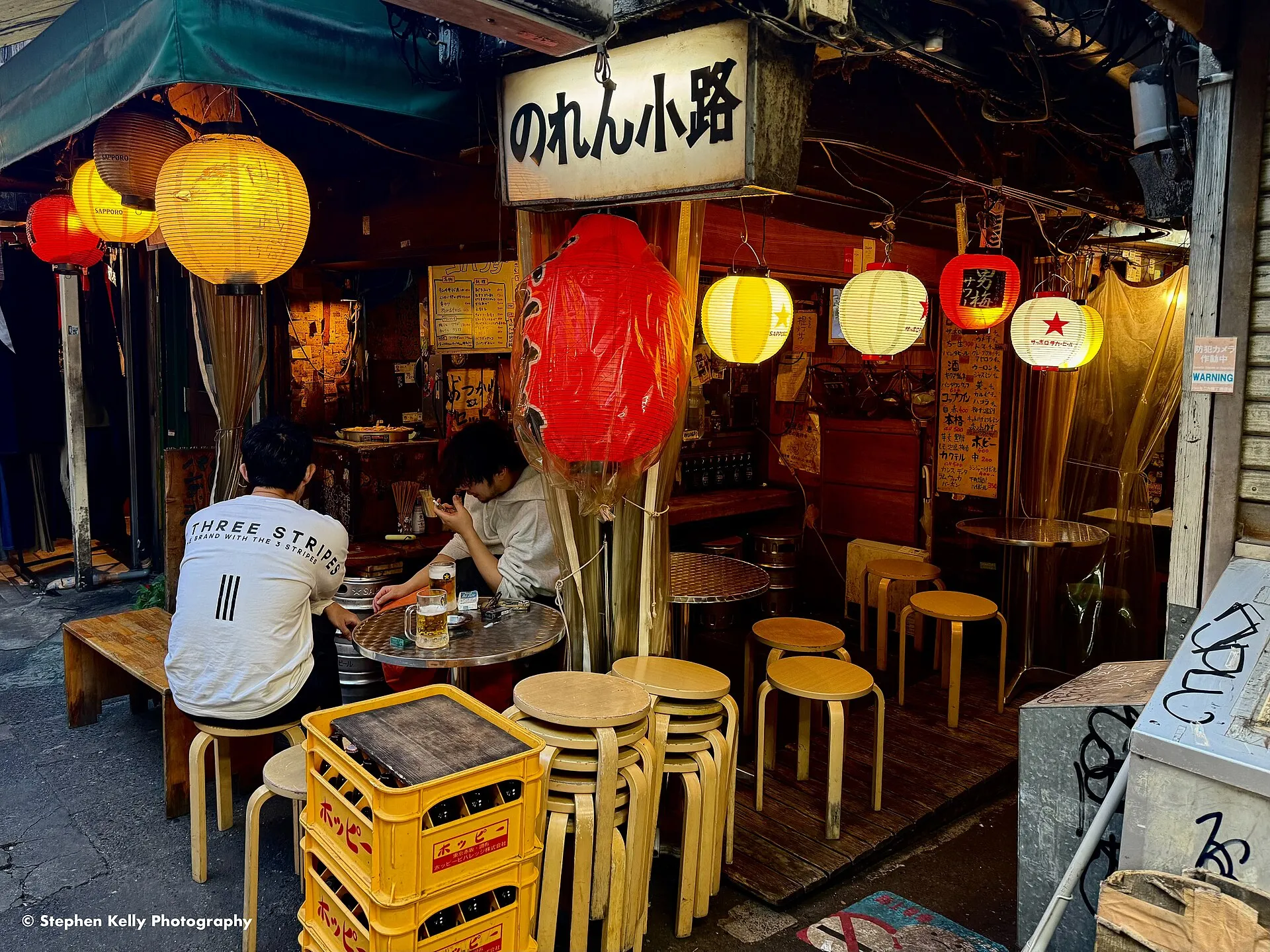
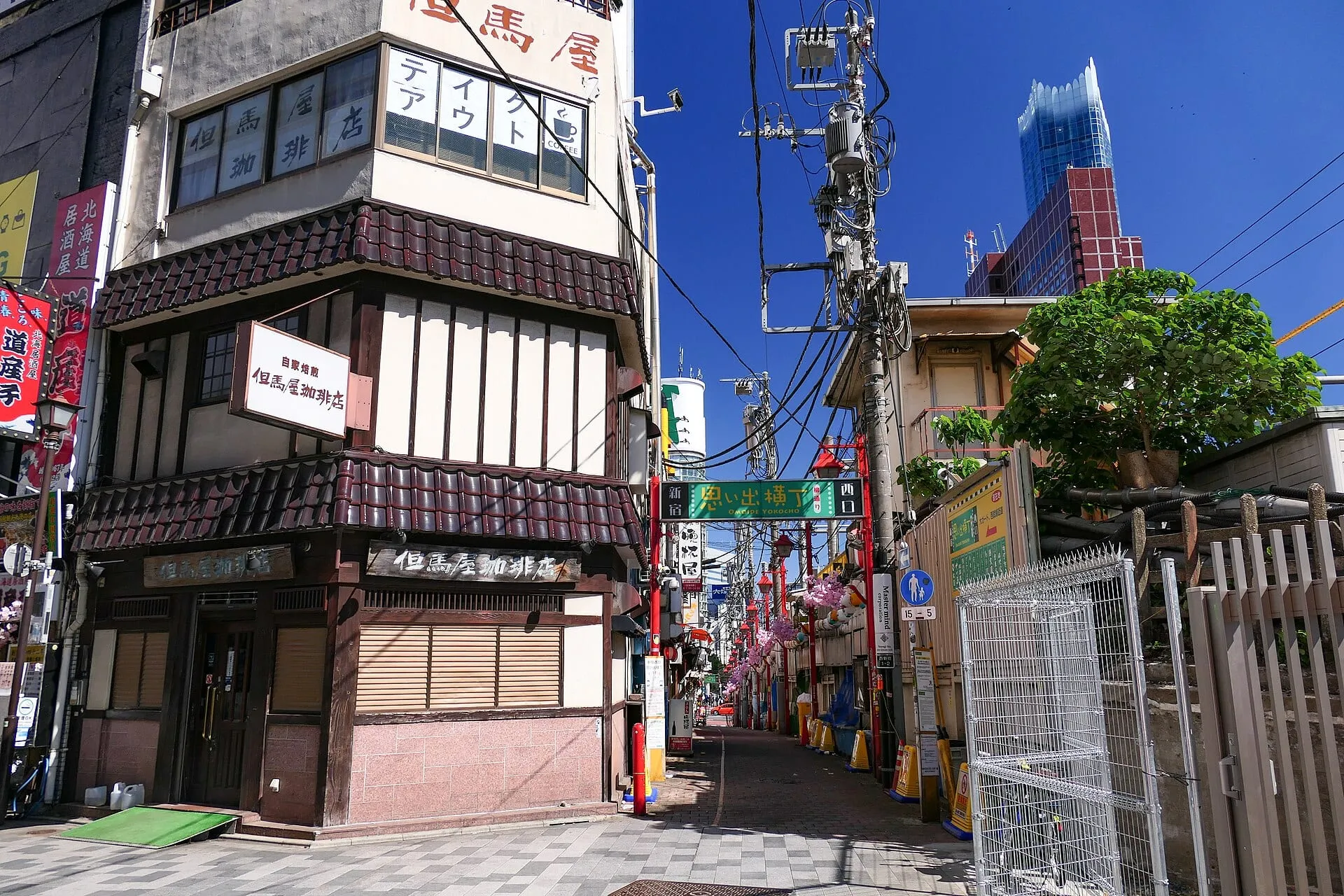
Red chochin paper lanterns illuminating a traditional izakaya drinking lane. Photo: Stephen Kelly from San Francisco, CA, USA, Wikimedia Commons, CC BY 2.0.
Shinjuku: the epicentre of Tokyo evening dining
Shinjuku concentrates Tokyo’s highest density of culinary nightlife within walking distance of the world’s busiest railway hub. It offers a dramatic transition from the charcoal-smoke haze of post-war yakitori alleys to boisterous multi-storey izakayas and bohemian micro-bars.
Tokyo: Shinjuku Food Tour (13 Dishes and 4 Eateries)
From ¥13,200 · 4.9 stars from 3,939 reviews · 3 hours · Dinner and drinks included
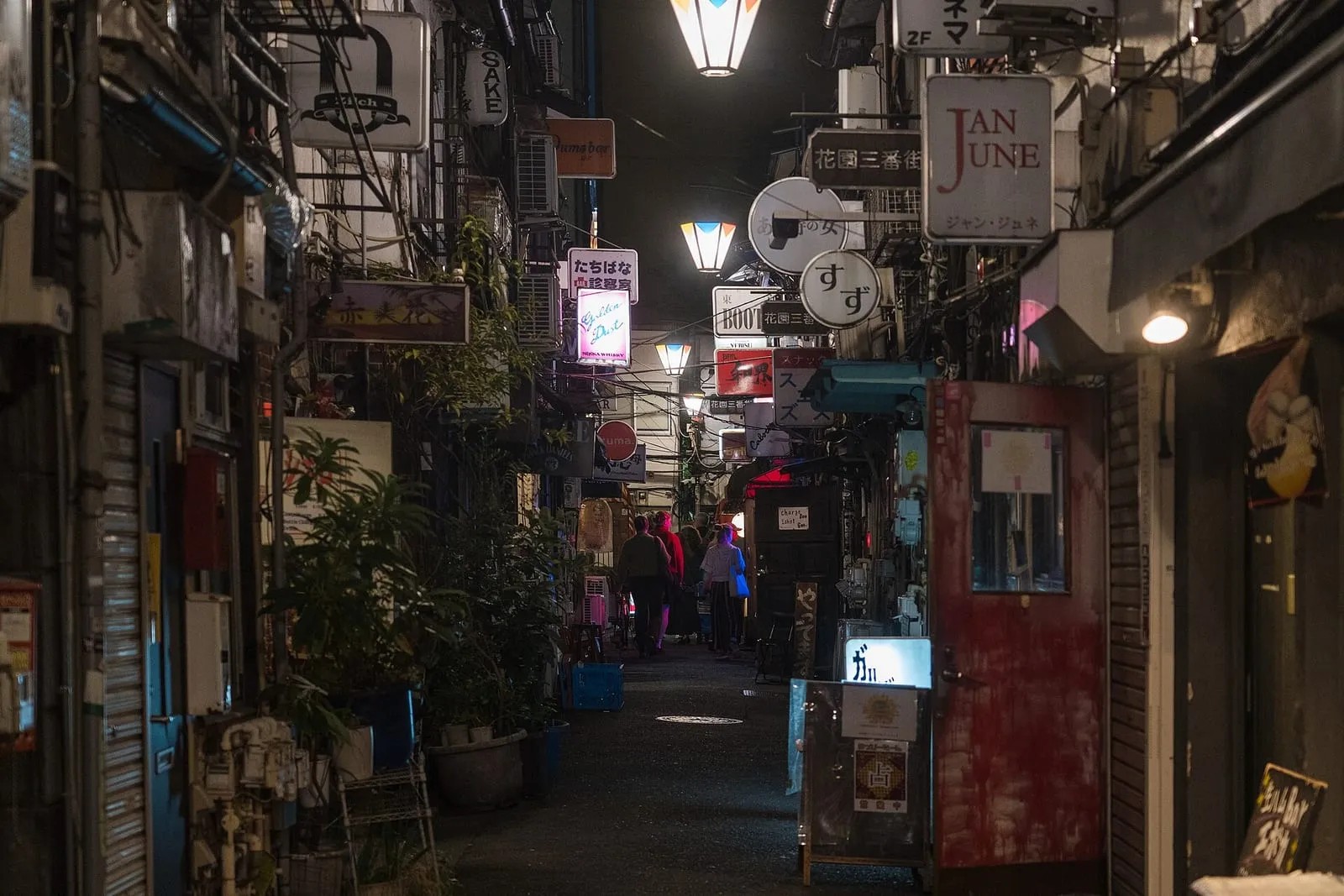
Tokyo: Shinjuku Food Tour (13 Dishes and 4 Eateries)ad is Tokyo’s most booked culinary experience. Limited to small groups of eight guests, the tour begins in the atmospheric alleyways of Omoide Yokocho for charcoal-grilled skewers. The route continues through Kabukicho to a traditional izakaya for seasonal sashimi and crispy handmade gyoza dumplings, followed by a tabletop yakiniku grill featuring premium A4/A5 Japanese Black Wagyu beef. The evening finishes with a traditional dessert and seasonal cocktail inside a vetted Golden Gai establishment.
Tokyo: Shinjuku Local Bar & Izakaya Crawl Tour
From ¥6,000 · 4.9 stars from 2,966 reviews · 3 hours · Drinks and snack tastings
Tokyo: Shinjuku Local Bar & Izakaya Crawl Tourad is the premier budget-friendly option for social travellers. Rather than a formal four-course sit-down dinner, this tour focuses on izakaya drinking culture, pairing local draft beers, Highballs, and regional nihonshu (sake) with savoury drinking snacks (tsumami) such as edamame, karaage (Japanese fried chicken), and skewered pork belly. The guide demystifies ordering procedures, explains table seating charges (otoshi), and introduces guests to micro-bars in Golden Gai that welcome foreign visitors. To retrace these steps on your own, see our self-guided Shinjuku night walk.
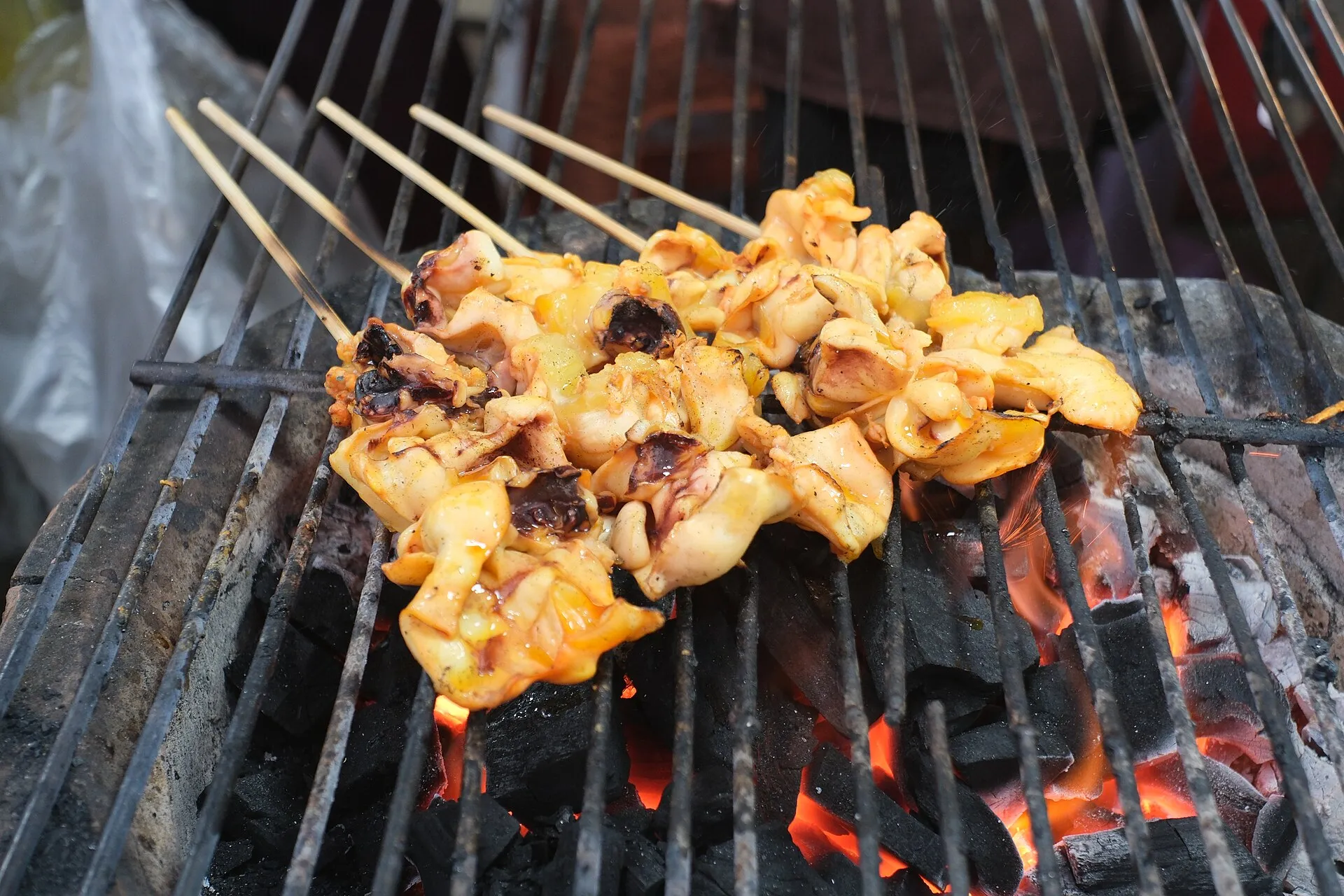
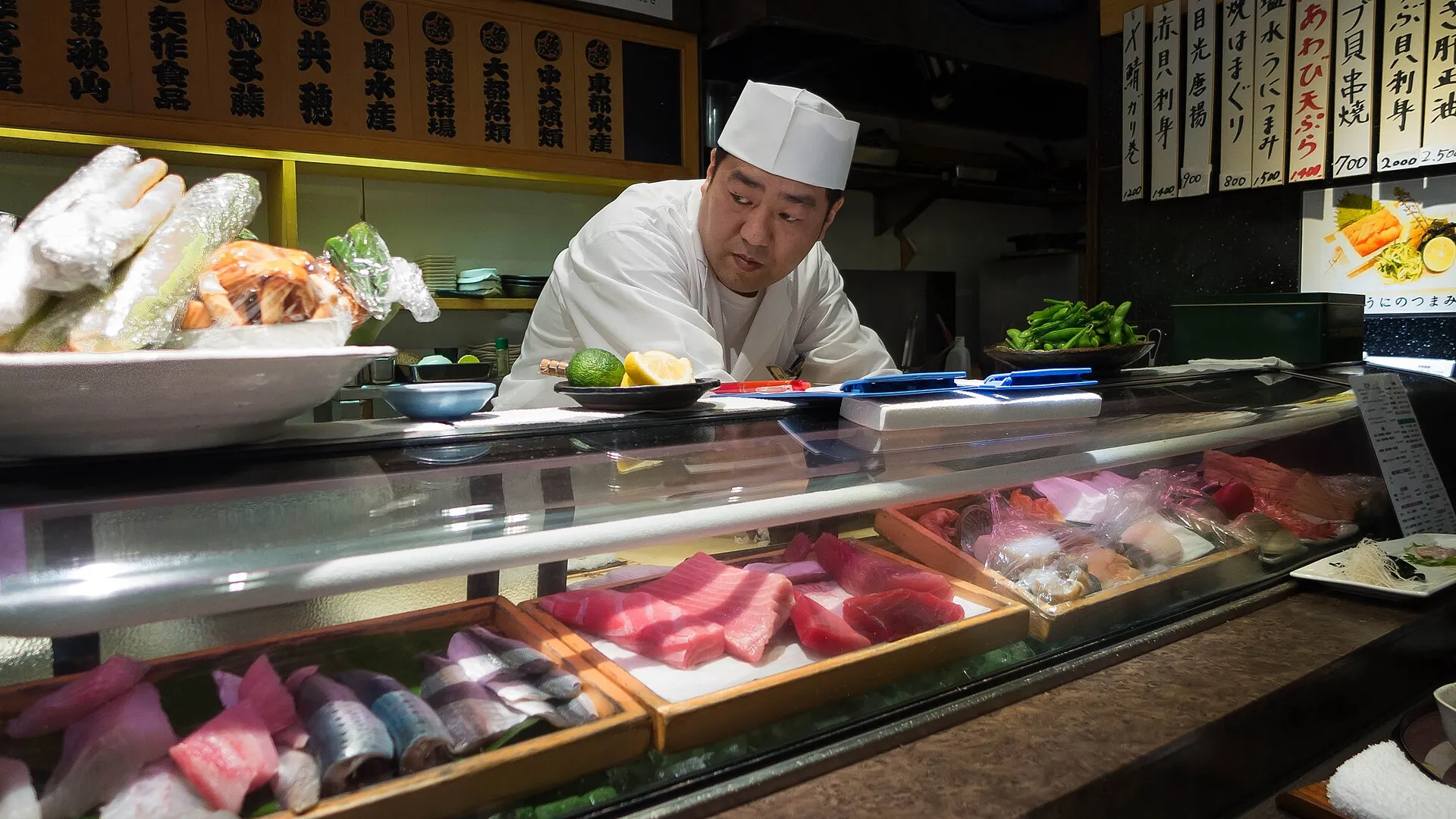
Yakitori chicken skewers grilling over glowing binchotan charcoal embers. Photo: PattayaPatrol, Wikimedia Commons, CC BY-SA 4.0.
Tsukiji: morning seafood and market culture
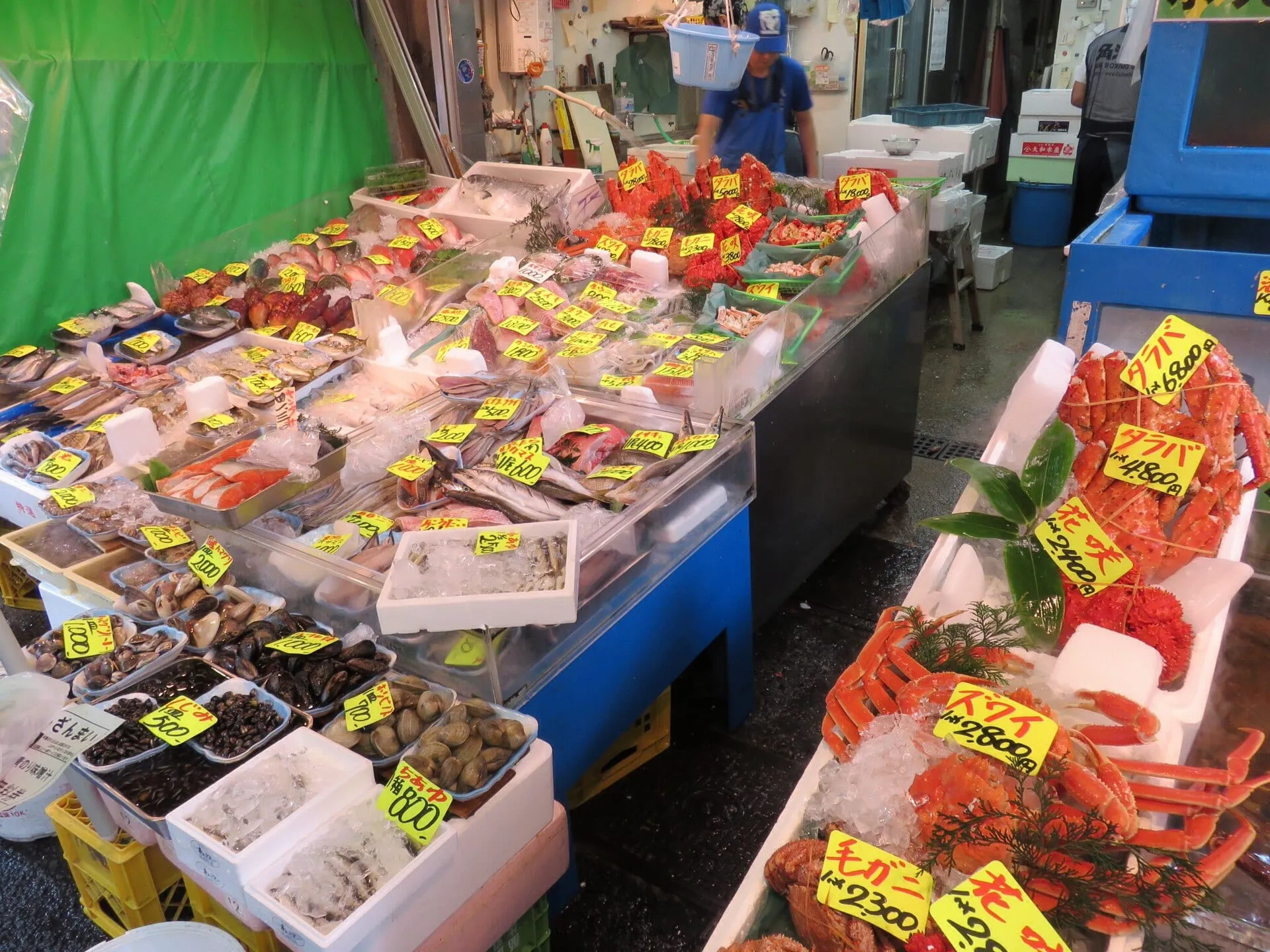
Although Tokyo’s wholesale tuna auctions relocated southeast to Toyosu in 2018, the historic Tsukiji Outer Market (Tsukiji Jogai Shijo) remains the spiritual heart of Tokyo seafood culture. Over 400 compact wholesale and retail stalls line four narrow pedestrian blocks, preparing ocean-fresh seafood, Japanese knives, and fermented seasonings.
Tokyo: Tsukiji Fish Market Food Walking Tour with 5 Tastings
From ¥15,000 · 4.7 stars from 825 reviews · 3 hours · Morning walking tour
Tokyo: Tsukiji Fish Market Food Walking Tour with 5 Tastingsad unlocks the history of Tokyo’s Edomae seafood trade. The local guide navigates the dense, crowded market corridors, stopping at heritage vendors to sample freshly torched scallop skewers, sweet layered dashi omelettes (tamagoyaki), crispy fried fish cakes (satsuma-age), and seasonal bluefin tuna (maguro) sashimi. The walk includes a tasting of umami-rich kelp and bonito broth (dashi) at a centuries-old dried goods supplier, a visit to a traditional hand-forged knife workshop, and concludes with a seated sushi lunch and ceremonial green tea tasting.
⚠️ December visiting restriction: The Tsukiji Outer Market Association explicitly asks leisure tourists to refrain from taking guided group walks through the market during December. The narrow lanes become overwhelmingly crowded with domestic home cooks purchasing ceremonial New Year ingredients (such as herring roe, dried kelp, and soba flour). Schedule Tsukiji food tours between January and November. For comprehensive wholesale auction details, consult our Tsukiji and Toyosu markets guide.
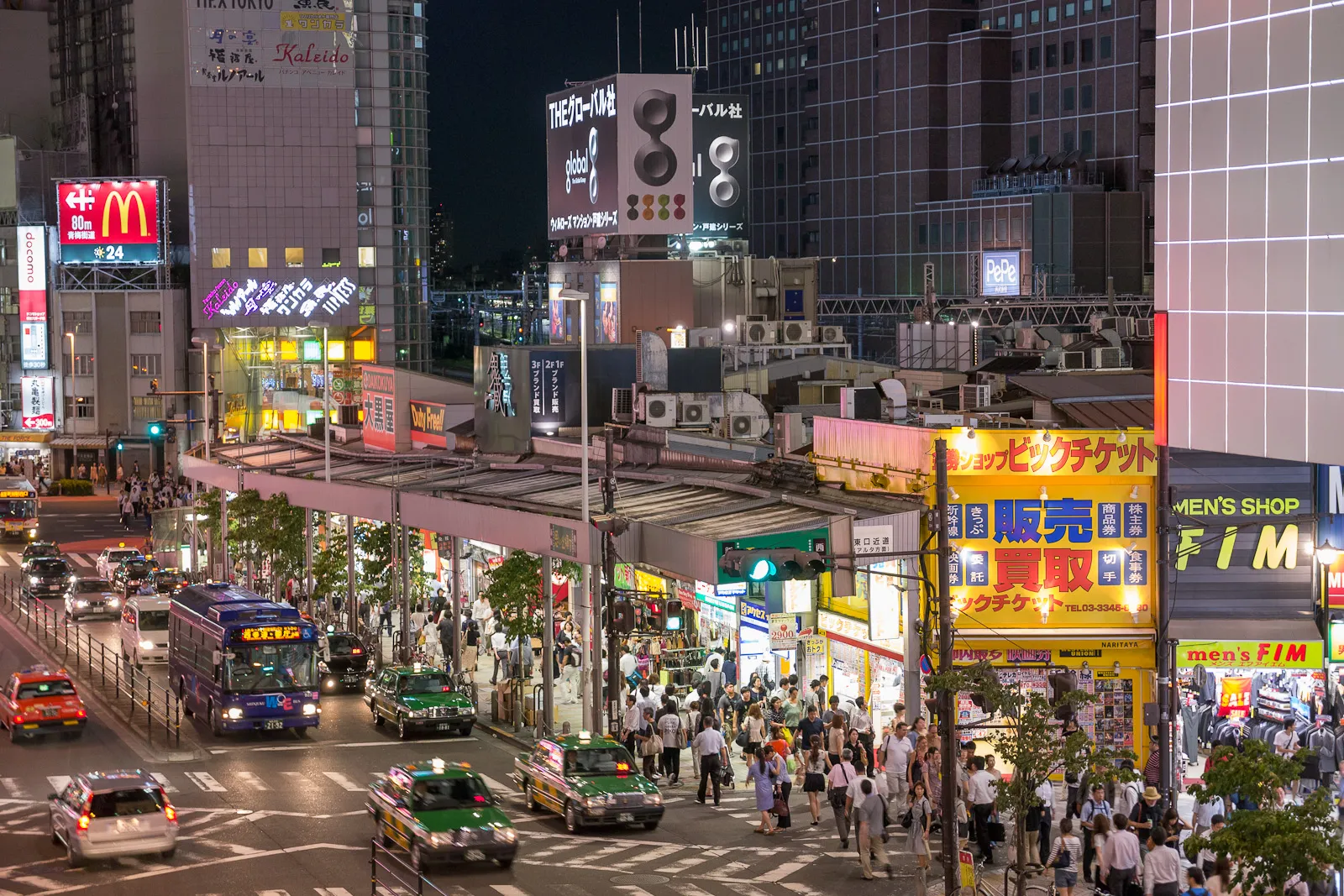
Shinjuku’s west side at night, beside Omoide Yokocho. Photo: Rs1421, Wikimedia Commons, CC BY-SA 3.0.
Asakusa, Ueno and Shibuya
Each Tokyo neighbourhood showcases distinct culinary traditions rooted in its historical identity:
- Asakusa (Old Downtown / Shitamachi): The Asakusa guided food tourad (¥11,875, 2.5 hours) explores the Edo-era sweets and street snacks surrounding Senso-ji, including melonpan sweet buns, dango rice dumplings, freshly pressed sesame crackers, and savoury monjayaki (Tokyo’s runny cabbage pancake).
- Ueno (Ameyoko Market): The Ueno local food tourad (¥13,500, 3 hours) focuses on post-war street food along the railway viaducts of Ameyoko, featuring casual counter sushi, rich pork broth tonkotsu ramen, and charcoal-grilled offal skewers.
- Shibuya (Modern Youth Trends): Shibuya food tours weave through Center-Gai and Dogenzaka, introducing guests to conveyor-belt sushi (kaitenzushi), Hiroshima-style okonomiyaki, standing gyoza bars, and matcha desserts.
Speciality culinary experiences
Beyond standard neighbourhood walking tours, Tokyo offers specialised culinary formats tailored to specific passions:
Ramen tasting marathons
Popular ramen shops in Tokyo frequently command 45-to-90-minute queues outside ticket vending machines, serving single full-sized bowls measuring up to 600 millilitres of broth and noodles. The Tokyo Ramen Tasting Tourad (¥19,000, 3 hours) solves this appetite dilemma by arranging private tastings of six mini bowls representing distinct regional styles—such as Tokyo shoyu (clear soy broth), Hakata tonkotsu (rich pork bone emulsion), Sapporo miso, and modern fish-powder tsukemen (dipping noodles)—with zero queuing.
Navigating vegan and vegetarian dining
Traditional Japanese cuisine heavily utilizes dashi, an umami broth simmered from dried bonito tuna flakes (katsuobushi) and kombu kelp. As a result, dishes that appear vegetarian—such as vegetable ramen, miso soup, agedashi tofu, and tempura dipping sauces—almost universally contain hidden fish products. The Vegan and Vegetarian Ramen Walking Tourad (¥15,000, 2 hours) and Tokyo Vegan Food Tourad (¥16,500, 3 hours) guide plant-based travellers exclusively to vetted kitchens that brew rich broths using mushrooms, roasted soy, sesame pastes, and kombu without animal derivatives.
Hands-on sushi masterclasses
If you want to understand the craftsmanship behind Edomae sushi before booking a high-end counter meal, hands-on cooking workshops provide valuable technical insight:
- Asakusa Roll & Nigiri Masterclass: Tokyo: Sushi Making Class in Asakusaad (¥9,100, 1 hour 40 min) teaches proper vinegared rice (shari) seasoning, knife slicing techniques for fresh salmon and tuna, and the delicate finger pressure needed to shape nigiri without crushing the rice grains.
- Tsukiji Market Class with Professional Chef: Tokyo: Sushi Class with Tsukiji Chefad (¥7,885, 1 hour 15 min) takes place adjacent to the outer market, combining fish fillet preparation with authentic presentation techniques.
Guided food tour vs independent dining
| Factor | Guided food tour | Dining independently |
|---|---|---|
| Cost | Fixed package: ¥6,000 to ¥15,000 per person | Variable: ¥1,000 for ramen, ¥3,000 for casual izakaya, ¥15,000+ for omakase |
| Queueing | Fast-track reserved seating; zero street queues | Often 30 to 60 minutes for top ramen and tonkatsu counters |
| Language & Ordering | Bilingual guide translates menus and customises orders | Hand-gesturing or mobile translation at vending machines |
| Dietary Flexibility | Guides pre-screen ingredients for allergies and restrictions | Difficult to communicate strict vegetarian, celiac, or halal needs |
| Cultural Context | In-depth commentary on origins, ingredients, and customs | Self-directed observation |
Planning your culinary itinerary
- Night One Strategy: Book a guided evening food tour (such as the Shinjuku food tourad) for your first evening in Tokyo. It eliminates the stress of finding dinner while jet-lagged and provides valuable dining confidence for the remainder of your trip.
- Counter Dining Alternatives: When you prefer an independent full-course sit-down meal, consult our curated recommendations in where to eat in Tokyo and our reservation advice in omakase in Tokyo.
- Itinerary Integration: Food tours integrate seamlessly into Day 1 (Asakusa) and Day 2 (Shinjuku) of our 3 days in Tokyo and 5 days in Tokyo itineraries. Find citywide transport details in our Tokyo public transport guide.
Common questions
How much does a food tour cost in Tokyo?
Prices start from ¥6,000 for an evening Shinjuku bar and izakaya crawl, rising to ¥13,200 for a comprehensive four-stop dinner tour (13 dishes) and ¥15,000 for a three-hour Tsukiji Outer Market tasting tour.
How long do Tokyo food tours take?
Most walking food tours last 3 hours. Asakusa street food walks take around 2.5 hours, vegan ramen walks run 2 hours, and sushi-making workshops take between 75 and 100 minutes.
What is the best neighbourhood for a first-time food tour?
Shinjuku is the top choice for evening dining, combining the smoky yakitori counters of Omoide Yokocho with traditional izakayas and Golden Gai. For morning seafood tastings, Tsukiji Outer Market is the gold standard.
Can you take a food tour in Tsukiji in December?
The Tsukiji Outer Market Association explicitly requests that tourists avoid sightseeing walks and group tours during December, when domestic Tokyo residents crowd the narrow lanes to purchase traditional New Year culinary supplies.
Is a guided food tour better than booking restaurants independently?
A food tour is ideal for your first night because a bilingual local orders complex dishes, navigates counter etiquette, explains unfamiliar culinary customs, and bypasses the lengthy queues common at top Tokyo eateries.