In this guide
💡 The Short Version: June to August is the warmest period, with daily highs of 21°C to 24°C, open-air terraces and nearly 18 hours of daylight around the summer solstice. May and September are the shoulder seasons, with walking weather of 17°C to 18°C, lower hotel rates and quieter museums. December to February is cold and dark, with daily highs near freezing (-0.1°C to 1.4°C) and under 10 hours of daylight (6 h 44 min on 21 December); the compensations are the Riga Christmas Market on Doma laukums (late November to early January) and snow on the Old Town rooftops. Or book a tour: an Old Town walking tour with a local guidead is sold on GetYourGuide.
Riga sits on the Gulf of Riga at 56°57’ N, so the seasons differ sharply. In late June, daylight lingers past 22:30. In late December, the sun rises after 09:00, sets before 16:00, and temperatures regularly dip below freezing.
The right month depends on what you want: canal boats and beach day trips to Jūrmala in summer, Art Nouveau walks in autumn, or the Christmas market and Riga Black Balsam in winter. For itineraries, see the Riga travel guide.
Month-by-Month Weather and Daylight Breakdown
Official climate averages recorded by the Latvian Environment, Geology and Meteorology Agency (Latvijas Vides, ģeoloģijas un meteoroloģijas centrs — LVĢMC) show consistent maritime patterns, with daylight calculated for the 21st of each month.
| Month | Mean Daily High | Mean Daily Low | Rainfall (mm) | Rainy Days | Sunshine Hours | Daylight (21st) |
|---|---|---|---|---|---|---|
| January | -0.1°C | -4.5°C | 46.5 | 11 | 37 | 7 h 42 min |
| February | 0.3°C | -4.6°C | 40.1 | 9 | 64 | 9 h 56 min |
| March | 4.8°C | -1.7°C | 34.1 | 8 | 141 | 12 h 11 min |
| April | 11.9°C | 2.9°C | 35.0 | 7 | 204 | 14 h 40 min |
| May | 17.8°C | 8.2°C | 47.5 | 8 | 287 | 16 h 48 min |
| June | 21.3°C | 12.4°C | 65.0 | 10 | 282 | 17 h 53 min |
| July | 23.8°C | 14.9°C | 79.5 | 9 | 291 | 16 h 59 min |
| August | 22.7°C | 14.1°C | 77.9 | 10 | 250 | 14 h 51 min |
| September | 17.3°C | 9.8°C | 66.8 | 11 | 166 | 12 h 23 min |
| October | 10.4°C | 4.7°C | 69.8 | 12 | 95 | 9 h 59 min |
| November | 4.8°C | 0.8°C | 56.4 | 12 | 34 | 7 h 47 min |
| December | 1.4°C | -2.4°C | 51.0 | 12 | 25 | 6 h 44 min |
Summer: June to August (Peak Season)
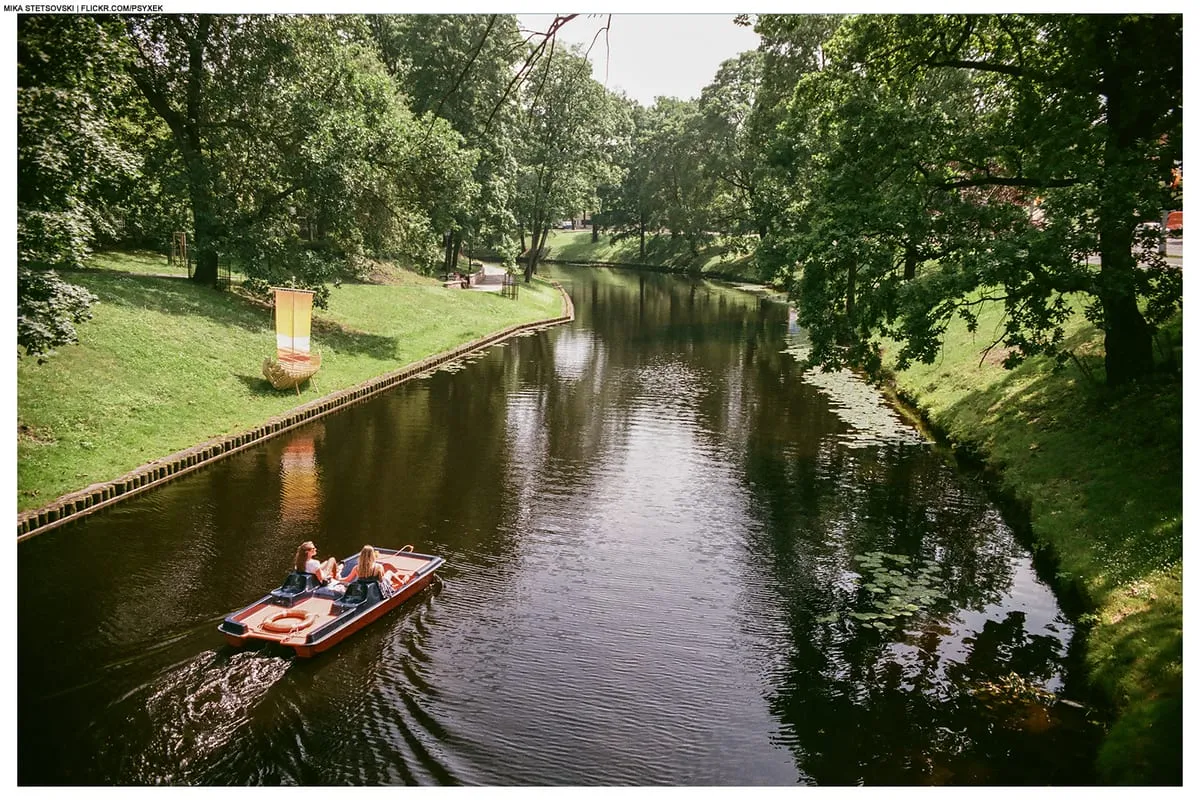
Summer is the season for outdoor sightseeing. Temperatures regularly exceed 22°C, and heatwaves can push afternoon highs above 28°C. Wooden passenger boats, kayaks and paddleboards use the city canal (Pilsētas kanāls), and the parks at Bastejkalns and Kronvalda give shade between museum visits.
Highlights of Visiting in Summer
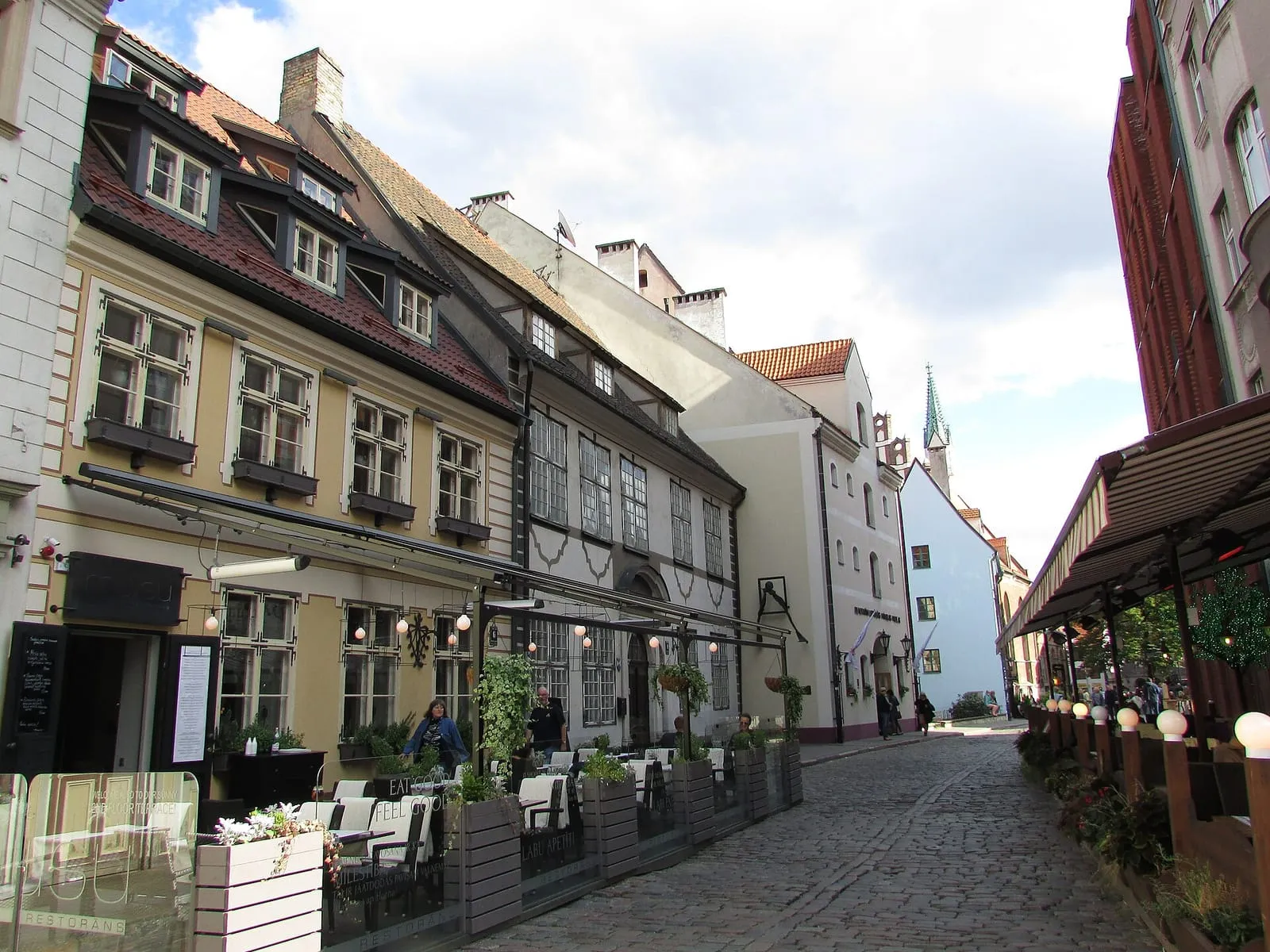
- Long daylight: With up to 18 hours of daylight around the summer solstice, you can walk the Art Nouveau streets of Alberta iela and Elizabetes iela all afternoon and still have light for dinner on a terrace on Līvu laukums.
- Canal and river cruises: Wooden canal boats leave from Bastejkalns and the Freedom Monument, cruise the old moat and then enter the Daugava River.
- Day trips: Trains run every 20 to 30 minutes from Riga Central Station (Rīgas Pasažieru stacija) to Majori station in Jūrmala (€1.50 each way). Hiking the Gauja valley at Sigulda and the bog boardwalk in Ķemeri National Park are best in clear weather.
- Midsummer (Līgo and Jāņi): Celebrated on 23 and 24 June, this solstice festival is a national holiday in Latvia. Locals weave oak-leaf wreaths, drink craft beer, eat caraway-seed cheese (Jāņu siers) and light bonfires.
⚠️ Practical Warning for Midsummer: On 23 and 24 June, Riga empties out as residents travel to countryside homesteads. Major municipal museums—including the Museum of the Occupation of Latvia, the Latvian National Museum of Art, and the National History Museum in Riga Castle—shut their doors completely. Smaller shops and independent restaurants also close. An open-air festive fair is held on Doma laukums in the days immediately preceding the holiday.
Summer Drawbacks
Hotel rates peak between mid-June and late August, and Old Town boutique hotels sell out weeks ahead. The St. Peter’s Church tower lift has queues, and the KGB Corner House cell tours should be booked online in advance.
Shoulder Season: May and September
May and September have comfortable temperatures and fewer visitors than summer.
In May, the parks bordering Old Town are in bloom, daylight passes 16 hours, and daytime highs average 17.8°C. In September, daytime highs average 17.3°C, the autumn colours begin to turn in the Gauja valley, and museums are quiet.
Why Shoulder Season Works
- Walking weather: 17°C is more comfortable than July for walking the cobbled lanes and Art Nouveau streets.
- Lower hotel rates: Hotels in Centrs and the Old Town charge less than in July.
- Full timetables: Sightseeing boats, cable cars and regional buses run their warm-weather timetables without the winter closures.
- Autumn colours in Gauja: In late September, Sigulda and Turaida Castle look over birch and maple turning gold across the river valley.
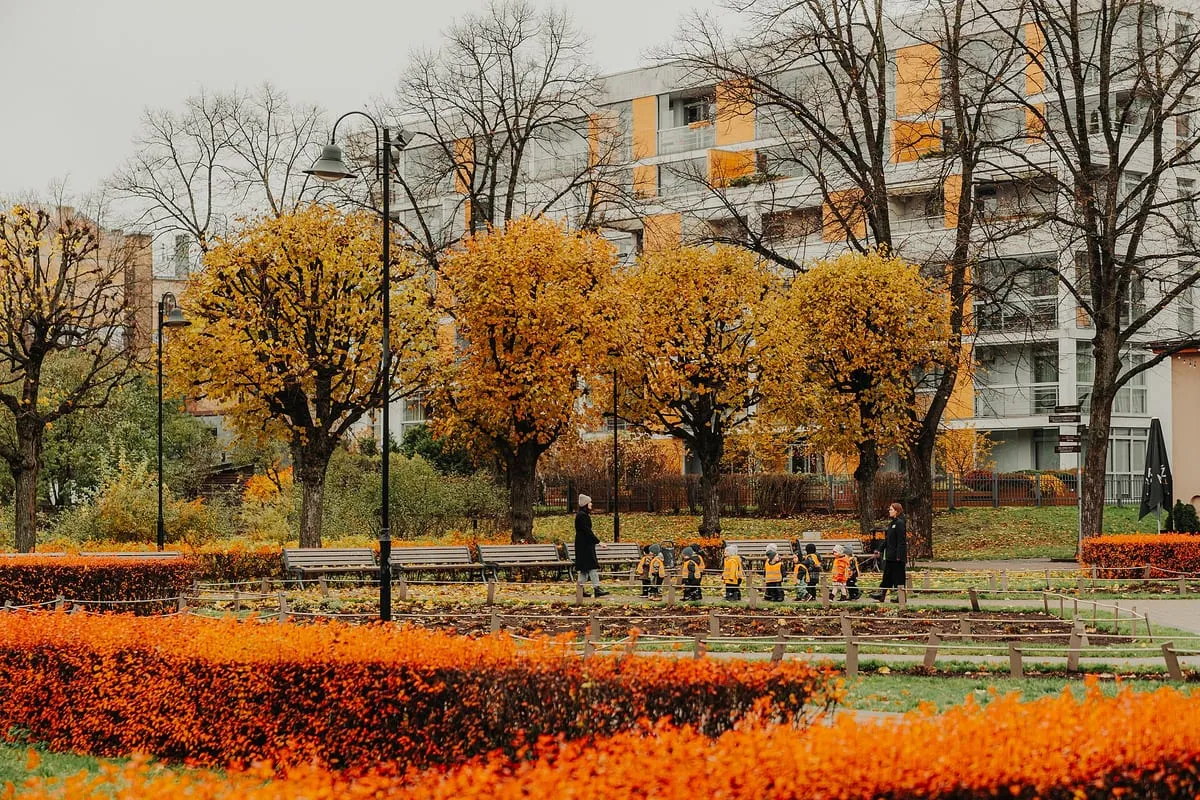
Autumn: October and November (Architecture and Culture)
By October, the average high drops to 10.4°C, and to 4.8°C in November. Rain is more frequent, and daylight shrinks from 10 hours in late October to under 8 hours by late November.
What to do in autumn
Beaches and picnics are over, so use the museums:
- Latvian National Museum of Art (LNMM): Baltic classicism and modernist painting in the galleries at Jaņa Rozentāla laukums 1 (€7.00 adult ticket).
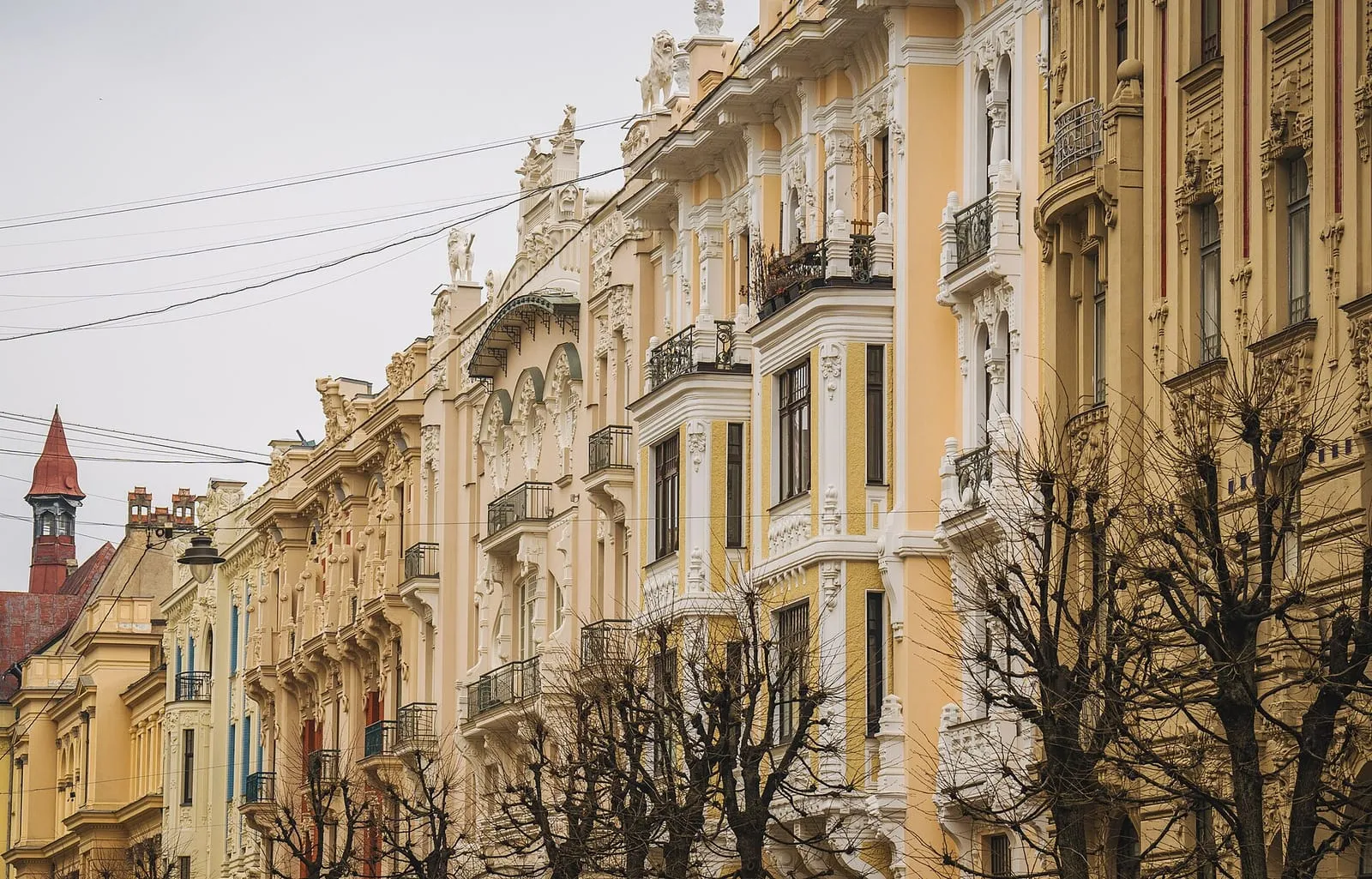
- Art Nouveau Museum: Konstantīns Pēkšēns’ former apartment at Alberta iela 12, with a spiral staircase and 1903 interiors.
- Staro Rīga Light Festival: Held around Latvian Independence Day (18 November), it lights facades, bridges and parks across central Riga with projections and light installations in the evenings.
- Seasonal cut-off: Canal boats stop for the winter; Riga by Canal’s 2026 tickets ran to about 31 October and 16 November.
Winter: December to February
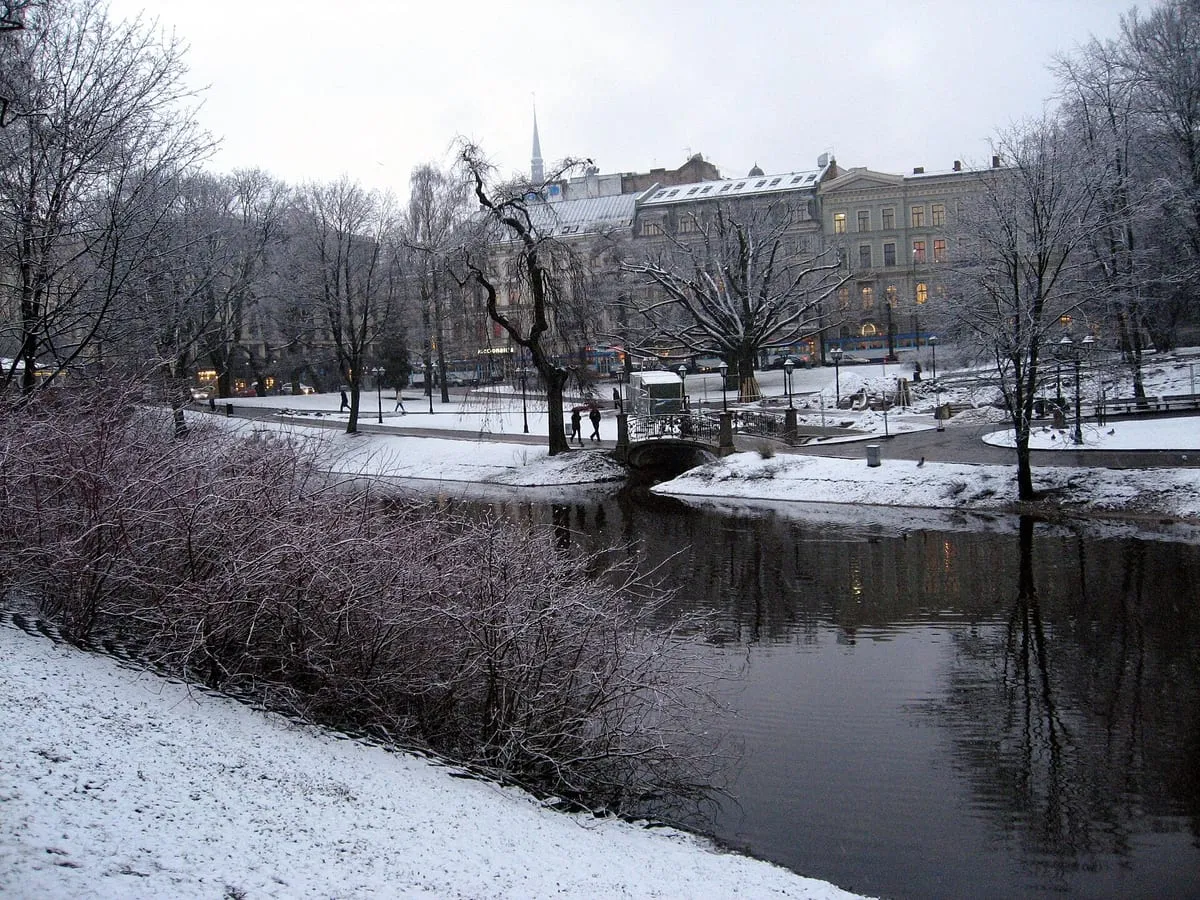
Winter in Riga is cold and overcast. Sub-zero temperatures are standard, with mean January lows of -4.5°C and occasional cold snaps below -15°C. When snow covers the roofs and cobblestones, the Old Town looks its best.
Riga Christmas Market (Late November to Early January)
The focal point of winter tourism is the Old Riga Christmas Market (Vecrīgas Ziemassvētku tirdziņš), staged on Doma laukums beside Riga Dome Cathedral.
- Dates and stalls: It runs from the final weekend of November (around 27 November) to the first week of January. Wooden chalets sell knitted Latvian wool mittens, amber jewellery, beeswax candles, gingerbread (piparkūkas), and mulled wine or hot blackcurrant balsam.
- Smaller markets: Smaller craft stalls operate on Līvu laukums and in the Esplanāde park.
- Winter concerts: Riga Dome Cathedral hosts organ and choral recitals in winter.
Winter Travel Considerations
- Packing: Thermal base layers, a windproof waterproof coat, wool socks, waterproof boots with deep tread for icy cobblestones, a hat and gloves.
- Daylight: The sun sets before 16:00 in December and January, so do outdoor sightseeing and castles between 10:00 and 14:30, and keep afternoons and evenings for museums, the market and dinner.
- Day trips: Trains to Sigulda and Jūrmala and coaches to Bauska (for Rundāle Palace) run through snow and ice, but trails in the national parks need sturdy winter footwear.
Spring: March and April
March remains cold (mean daily high of 4.8°C) with patches of snow and slush. In April the city turns green, days reach nearly 15 hours of daylight by late April, and highs average 11.9°C.
Spring is quiet. Hotel rates are at their off-peak low, major attractions have few queues, and the bistros of the Quiet Centre and Āgenskalns rarely need reservations. Winds off the Gulf of Riga call for a windbreaker or scarf even on sunny April afternoons.
Summary: Choosing Your Travel Dates
- Choose June – August for warm weather, canal cruises, Jūrmala beach visits, cafe terraces and the longest daylight.
- Choose May or September for comfortable sightseeing weather, smaller crowds and lower hotel rates.
- Choose December for the Doma laukums Christmas Market, hot blackcurrant balsam and a chance of snow.
- Avoid late June (23–24) if your primary goal is visiting national museums and shopping, as major institutions shut down entirely for the midsummer holidays.
Common questions
What is the warmest month in Riga?
July, with a mean daily maximum of 23.8°C and a mean daily minimum of 14.9°C. August is close behind at 22.7°C, while June averages 21.3°C.
How cold is Riga in winter?
Mean daily highs hover around 1.4°C in December, -0.1°C in January, and 0.3°C in February, with nighttime lows dropping to between -2.4°C and -4.6°C. Snow cover is frequent from mid-December through February.
How many hours of daylight does Riga receive across the year?
Daylight ranges from nearly 18 hours at the summer solstice on 21 June down to 6 hours 44 minutes at the winter solstice on 21 December.
Are museums open during Latvian Midsummer?
The major national museums close on 23 and 24 June for Līgo and Jāņi, including the Museum of the Occupation of Latvia, the Latvian National Museum of Art, and the National History Museum in Riga Castle.
When do the Riga canal boats operate?
Canal sightseeing boats are a warm-season service, weather permitting. The operator Riga by Canal (rigabycanal.lv) sold 2026 tickets valid until about 31 October for its canal route and about 16 November for its other route.