In this guide
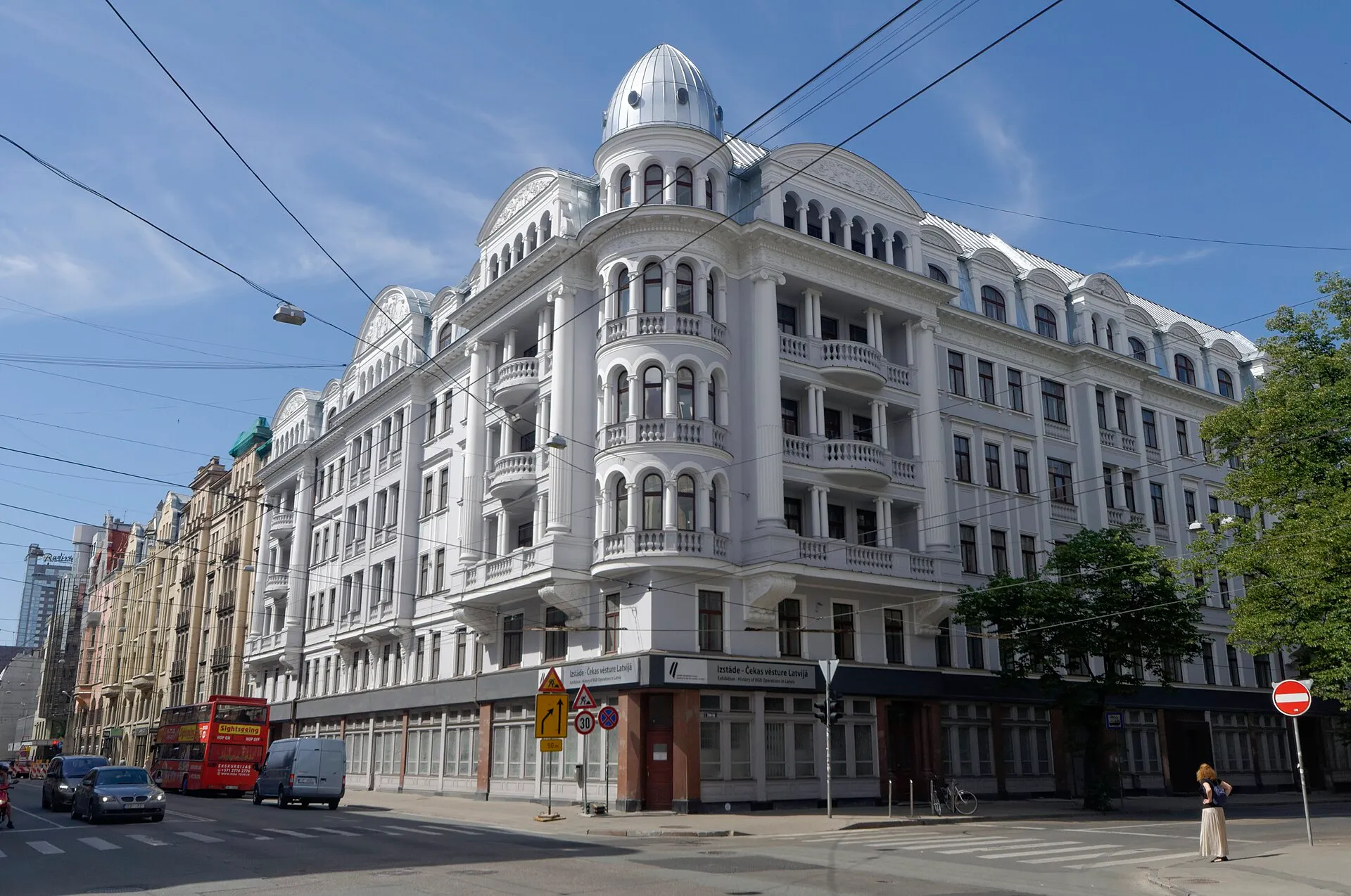
💡 The Short Version: The KGB Corner House (Stūra māja) at Brīvības iela 61 was the headquarters, interrogation prison and execution site of the Soviet secret police (NKVD/KGB) in Latvia from 1940 to 1991. It is a branch of the Museum of the Occupation of Latvia. The ground-floor historical exhibition is free to enter, while the 60-minute guided tour of the basement cells, exercise yard and execution chamber costs €15.00 (€9.00 for students and schoolchildren from age 12; under-12s not recommended). The site is open daily 10:30 to 17:30. Or book a tour: Buy the cell tour on the museum’s site or at bezrindas.lv, then add a two-hour Soviet Riga walking tourad from €60, which covers the occupation monuments and the 1991 barricades and puts the building in context before or after your visit.
⚠️ Book your guided cell tour online before visiting. You cannot enter the basement without a guide, and each tour is capped at fifteen to twenty people, so walk-up places are rarely available on weekend mornings. Book your English-language time slot online via the museum or
bezrindas.lv.
Ticket prices and guided tour booking
Admission to the KGB Corner House has two parts:
- The ground-floor exhibition: In the former lobby and state security offices, a permanent exhibition on the KGB’s surveillance, file-keeping and operations in Latvia. Admission is free (donations to the Occupation Museum Foundation are welcome).
- The guided prison cell tour: The basement cells, registration cage, interrogation rooms, exercise yard and execution garage can only be seen on a 60-minute guided tour led by a museum historian.
| Category | Ground-Floor Exhibition | Guided Basement Cell Tour | Age & ID Conditions |
|---|---|---|---|
| Adult | Free | €15.00 | Standard admission |
| Student or schoolchild (from age 12) | Free | €9.00 | Valid student or school ID |
| Visitor with disabilities | Free | Free | Official disability status card |
| Children under 12 | Free | Not recommended | The museum advises against the tour for under-12s |
Operating schedule:
- Every day: 10:30 to 17:30
- Closed: 1 January, 23 and 24 June, 18 November, and 24, 25, 26 and 31 December
- English tour departures: Regularly scheduled at 11:00, 12:00, 13:00, 15:00 and 16:00.
- Online bookings: Reserve time slots via
okupacijasmuzejs.lvor the Latvian ticketing portalbezrindas.lv.
Soviet Riga walking tours
Buy the cell tour from the museum or at bezrindas.lv, as above. These walks cover the wider Soviet story. Prices are GetYourGuide’s lowest “from” prices per person.
Soviet Riga walking tour
From €60 · 4.9 stars from 40 reviews · 2 hours · guides who lived under the system
Covers the occupation monuments, the 1991 barricades and the Freedom Monument, told by local guides who lived through the Soviet period. Soviet Riga walking tour on GetYourGuidead
Behind the Iron Curtain communism tour
From €90 · 4.9 stars from 45 reviews · 3.5 hours · Soviet legacy in Latvia
A longer walk through Riga on the Soviet Union’s legacy in Latvia. Behind the Iron Curtain tour on GetYourGuidead
The history of Stūra māja: from luxury flats to secret police
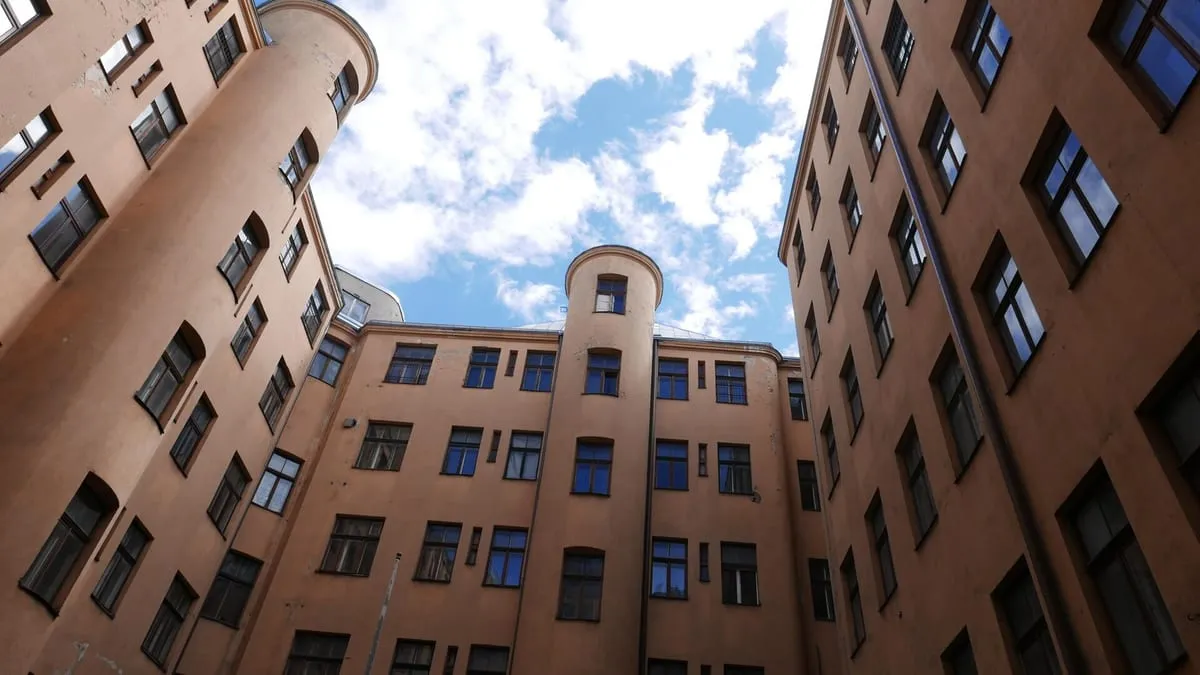
On the corner of Brīvības iela and Stabu iela, the building was designed in 1912 by Latvian architect Aleksandrs Vanags as a six-storey apartment block with shops, a pharmacy and doctors’ practices on the ground floor.
Following the Soviet invasion and annexation of Latvia in June 1940, the building was requisitioned by the People’s Commissariat for Internal Affairs (NKVD):
- Soviet requisition (1940–1941): The domestic cellars were converted into windowless cells. Thousands of Latvian political figures, military officers, judges, teachers and civic leaders were detained, tortured under interrogation and forced to sign fabricated confessions.
- Nazi Gestapo occupation (1941–1944): Following the German invasion in summer 1941, the complex served as the headquarters of the Nazi security police (Sicherheitspolizei) and SD (Gestapo).
- Post-war KGB headquarters (1944–1991): After Soviet forces re-entered Riga, the Committee for State Security (KGB) took the building back as its headquarters for domestic intelligence and the persecution of dissidents in the Latvian Soviet Socialist Republic. It ran criminal investigations against anti-Soviet dissidents and “enemies of the people” from these offices.
Locals avoided speaking its name aloud, calling it simply Stūra māja (“The Corner House”) or repeating the saying: “The Corner House is the tallest building in Riga—from its basement, you can see all the way to Siberia.”
The guided prison cell tour: what to expect
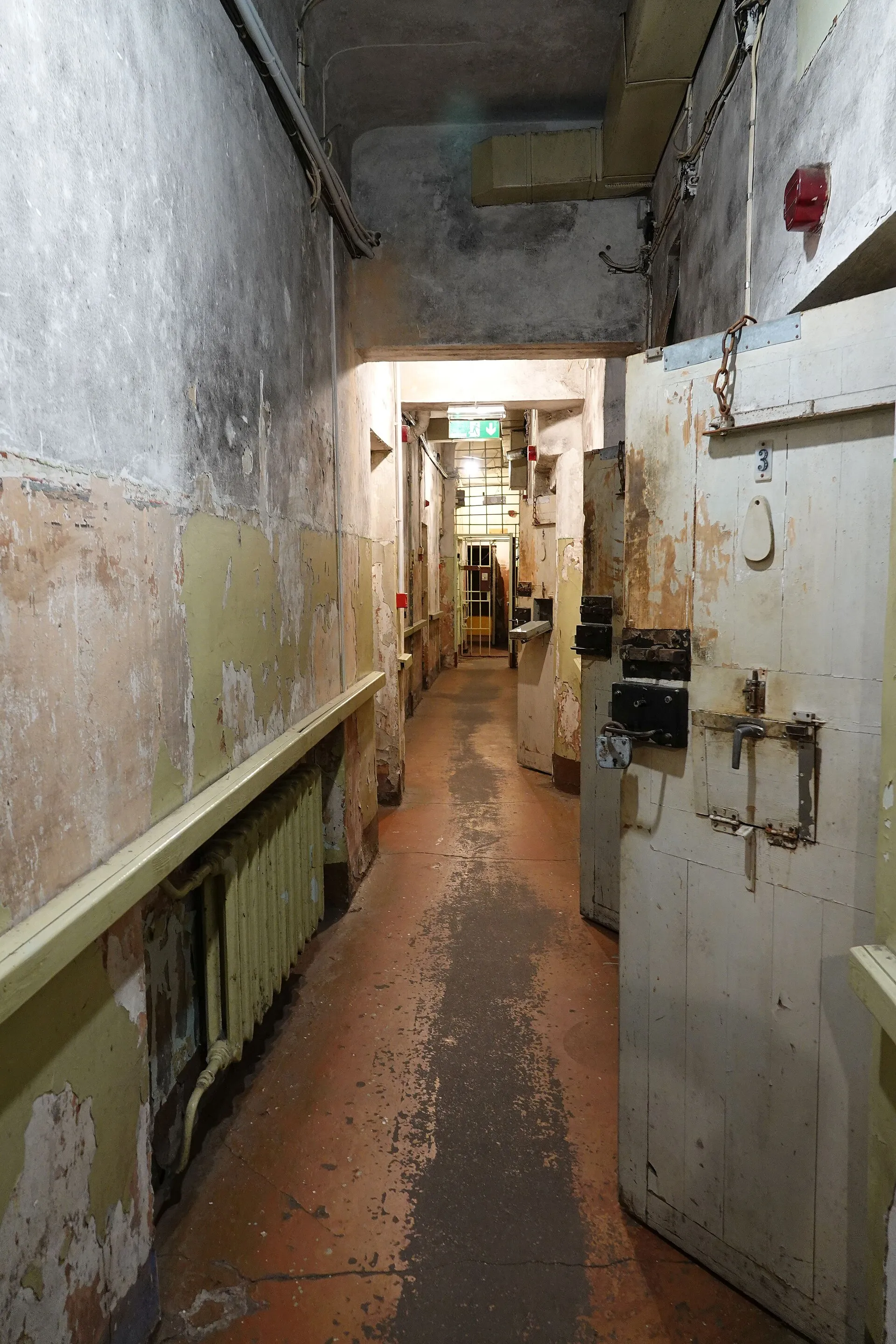
The tour starts in the ground-floor intake vestibule and descends concrete staircases to the basement. The interior is kept unrestored: peeling oil paint, exposed electrical conduit, heavy iron turn-locks and the smell of damp concrete.
Key stops on the 60-minute route include:
- The Registration Cage: The tiny barred enclosure where newly arrested citizens were stripped of belts, shoelaces and watches, searched and fingerprinted before intake.
- The Prison Cells: Former vegetable and coal cellars, divided into damp concrete cells. Rooms meant for four prisoners held twelve to fourteen. Prisoners slept in shifts on wooden bunks while 200-watt bulbs burned overhead around the clock to prevent sleep.
- The Interrogation Chambers: Small rooms with padded, soundproof double doors. Guides describe the methods used to extract confessions: multi-day sleep deprivation, mock executions, exposure to freezing temperatures and beatings.
- The Solitary Confinement “Hot Box” (Karteris): Concrete punishment cupboards barely wide enough to stand in, where prisoners were locked in darkness for hours or days with water poured over the floor.
- The Inner Exercise Courtyard: A high-walled concrete yard barely four paces across, open to the sky through iron mesh and guard walkways. Prisoners had fifteen minutes of fresh air a week, walking in silence with hands clasped behind their backs.
- The Execution Room and Garage: In 1940 and 1941, condemned prisoners were brought to a ground-floor vehicle bay off the rear courtyard and shot in the back of the neck. The bodies were loaded onto tarp-covered trucks whose engines were kept running to drown out the gunshots. In 1941 alone, ninety-nine documented political prisoners were executed here.
The ground-floor exhibition and historical context
The free ground-floor exhibition covers Soviet state security for anyone who cannot or does not want to join the basement tour, such as visitors with limited mobility or young children:
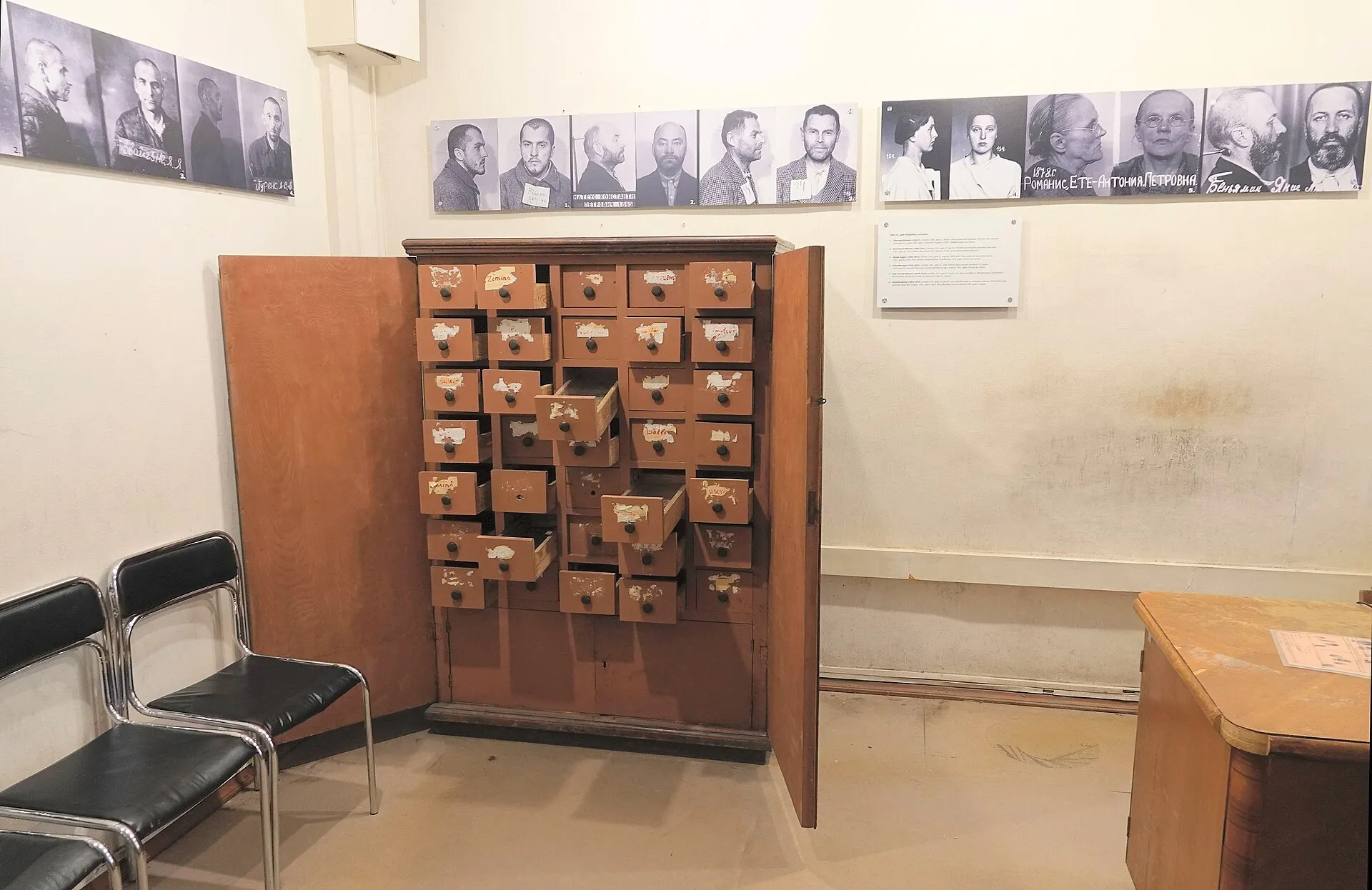
- The dossier system: Declassified card indexes and dossier folders showing how the KGB recruited informers in Latvian universities, artists’ unions, churches and workplaces.
- The “Cheka Bags” (Čekas maisi): In 1991, as the Soviet Union collapsed, KGB officers tried to burn their files, leaving thousands of uncatalogued informant cards. The Latvian government declassified and digitised them in December 2018, putting the names of alleged KGB agents and contacts online.
- Survivor testimonies: Audio stations play recordings of former political prisoners describing arrest, transport to the Corner House and deportation to Siberian labour camps.
Getting there and visiting recommendations
- Location: Brīvības iela 61, at the corner of Stabu iela in central Riga.
- On foot: An easy 15 to 20-minute walk north along Brīvības bulvāris from the Freedom Monument, passing the Russian Orthodox Nativity Cathedral and the Esplanāde park.
- Public transport: Trolleybuses 3, 19 and 24 and bus routes 2, 11, 24 and 53 run along Brīvības iela, stopping directly outside at Stabu iela. Check the Riga public transport guide for transit pass information.
- Etiquette: The site is a memorial to victims of state terror. Photography without flash is allowed on the tour; keep quiet in the cells. The basement is cold year-round, so bring a fleece or jacket even in summer.
What to see next
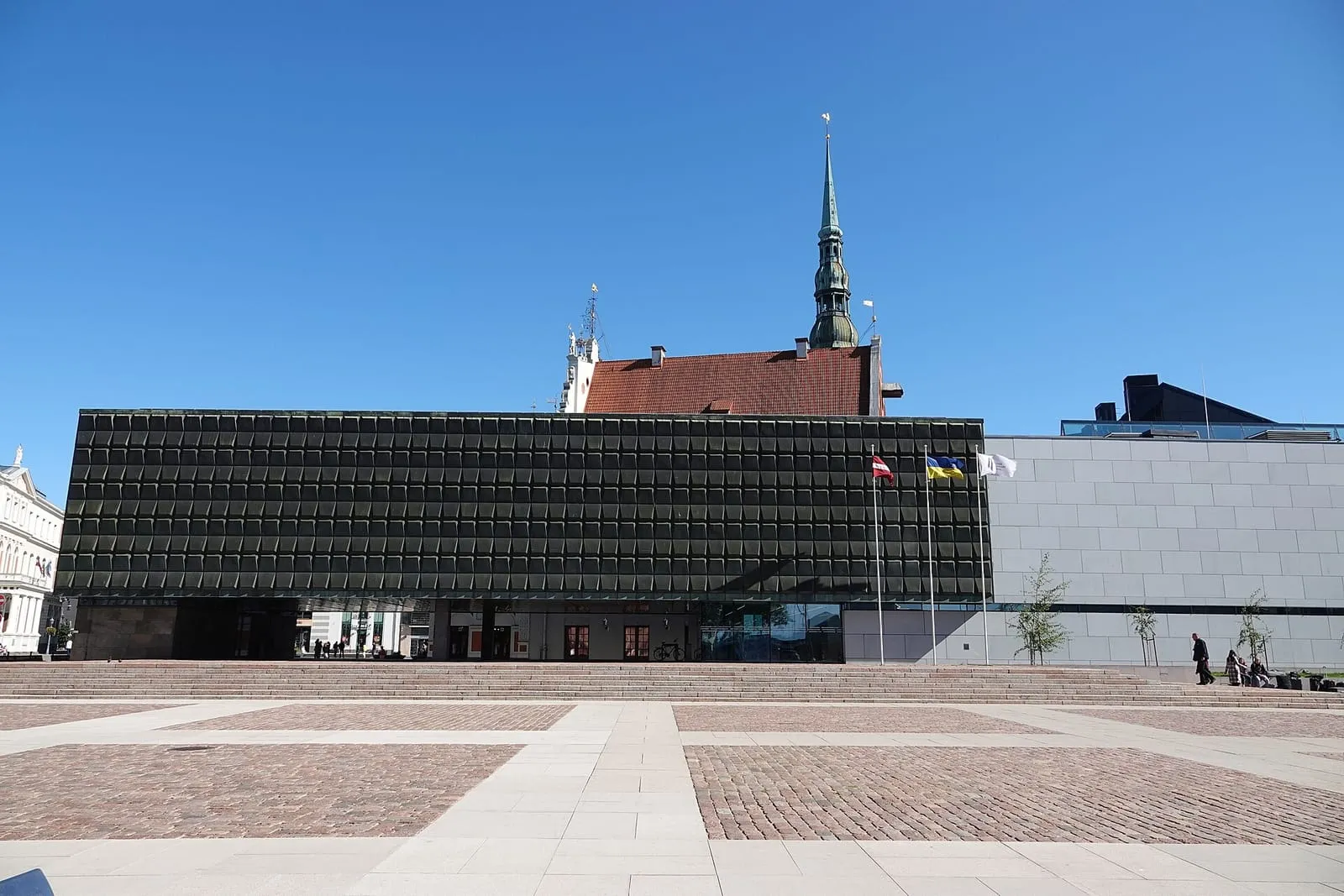
- Museum of the Occupation of Latvia: The main museum on Town Hall Square covers the wider history of Soviet and Nazi rule in Latvia.
- Riga Art Nouveau Quarter on Alberta iela: Ten minutes’ walk west along Dzirnavu iela, in the Quiet Centre.
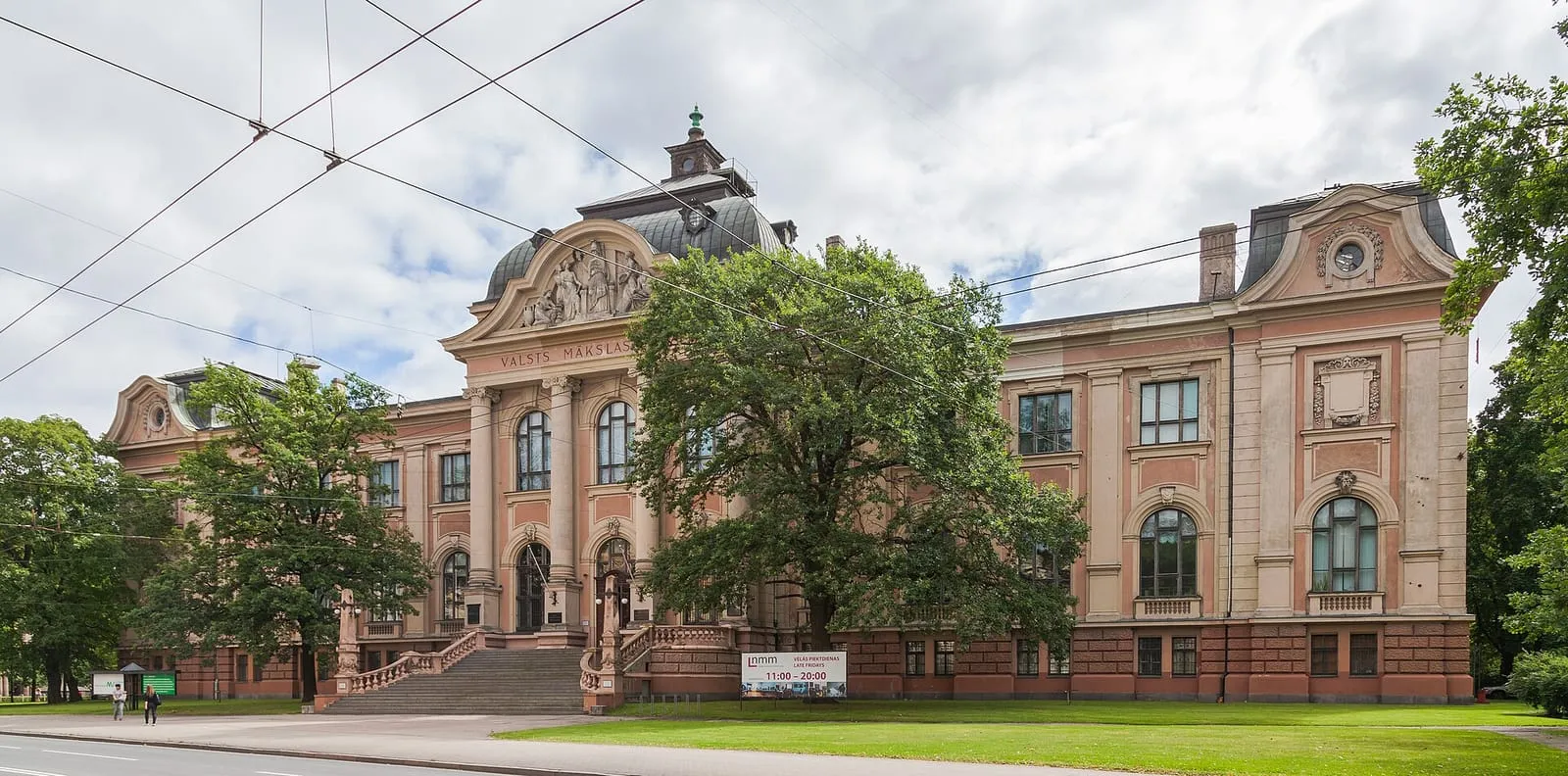
- Latvian National Museum of Art: Latvian painting, beside the Esplanāde park on the way back to the centre.
- Freedom Monument and Bastejkalns: The national independence monument, on the walk back.
- Where to eat in Riga: Coffee and restaurants along nearby Tērbatas and Ģertrūdes streets.
Common questions
How much are tickets to the KGB Corner House in Riga?
Guided tours of the basement prison cells cost €15.00 for adults and €9.00 for students and schoolchildren from age 12. Admission to the historical exhibition on the ground floor is free of charge (donations welcome). The museum advises against the basement tour for children under 12.
Do you need to book the KGB Corner House tour in advance?
Yes. The basement tour is guided only, in groups of 15 to 20 people, and slots can sell out days ahead in summer and on holiday weekends. Book online through the Museum of the Occupation of Latvia or bezrindas.lv before your trip.
What are the opening hours of the KGB Corner House?
The building is open daily from 10:30 to 17:30. It is closed on 1 January, 23 and 24 June, 18 November, and 24, 25, 26 and 31 December. Scheduled English-language guided tours generally depart at 11:00, 12:00, 13:00, 15:00 and 16:00.
What is the Corner House in Riga?
Known locally as Stūra māja, this 1912 apartment building was seized by the Soviet secret police (NKVD/KGB) in 1940 and served as the administrative headquarters, prison and execution site of Soviet state security in Latvia until 1991.
Where is the KGB Corner House located?
At Brīvības iela 61 (corner of Stabu iela), in the Centrs neighbourhood, approximately a 15 to 20-minute walk north of the Freedom Monument.