In this guide
💡 The Short Version: The Zócalo (Plaza de la Constitución) and the adjacent Templo Mayor sit where the Aztec capital Tenochtitlan stood and where colonial Mexico City grew over it. Entry to the Templo Mayor ruins and museum is MXN 210 (MXN 105 for Mexican nationals and residents; under-13s free), open Tue–Sun 09:00–17:00 and closed Mondays. The Zócalo square is open to everyone and free, and so is entering the Metropolitan Cathedral next door. Or book a tour: the 3-hour Mexico City: Historic Center Essentials Walking Tourad takes in the Zócalo, the Cathedral, Templo Mayor and Bellas Artes.
⚠️ Check Monday closures before walking into Centro Histórico. You can visit the Zócalo and Metropolitan Cathedral on Mondays, but Templo Mayor and Palacio de Bellas Artes both close every Monday. Plan your museum-heavy historic centre day for Tuesday through Sunday.
Ticket prices and opening hours
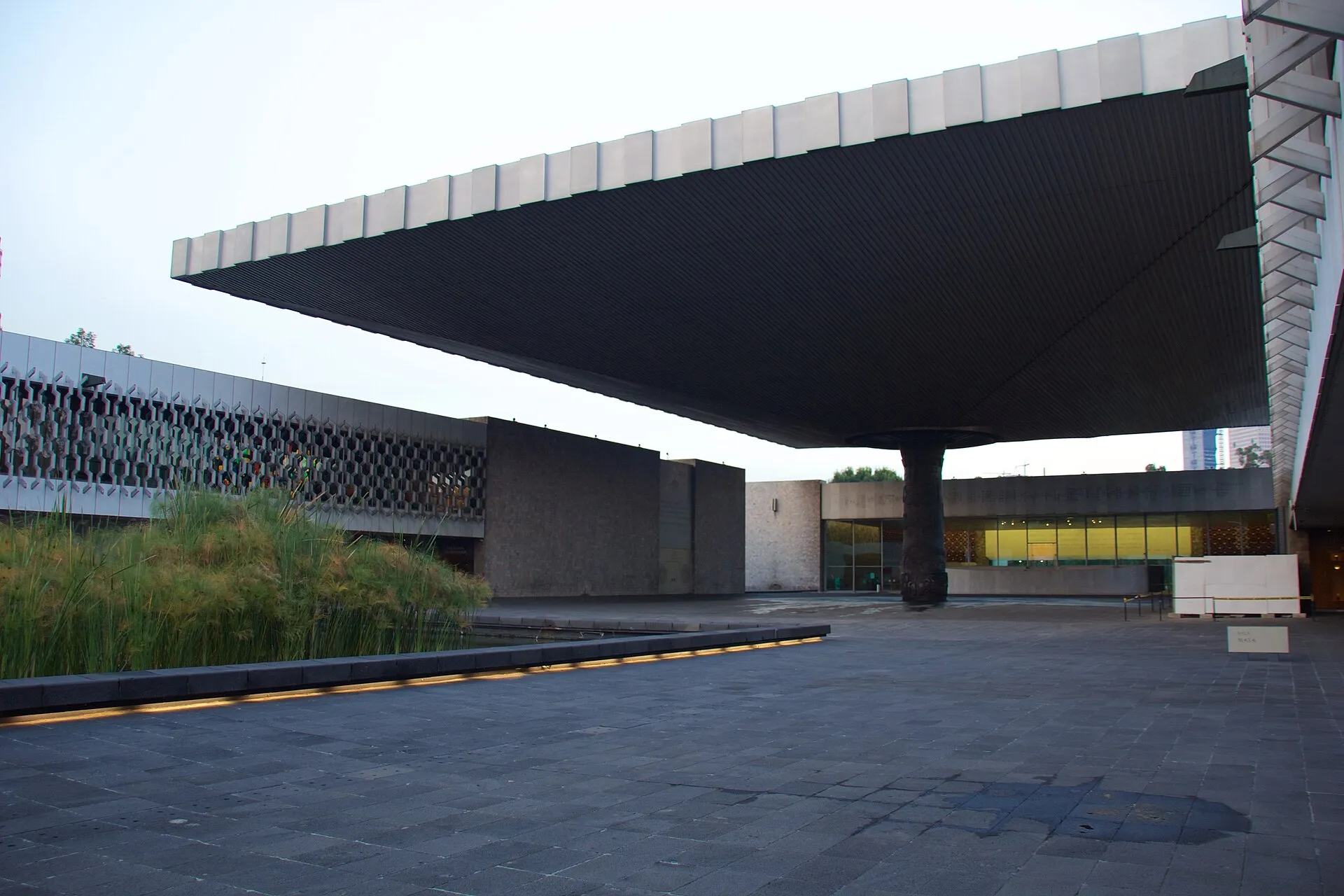
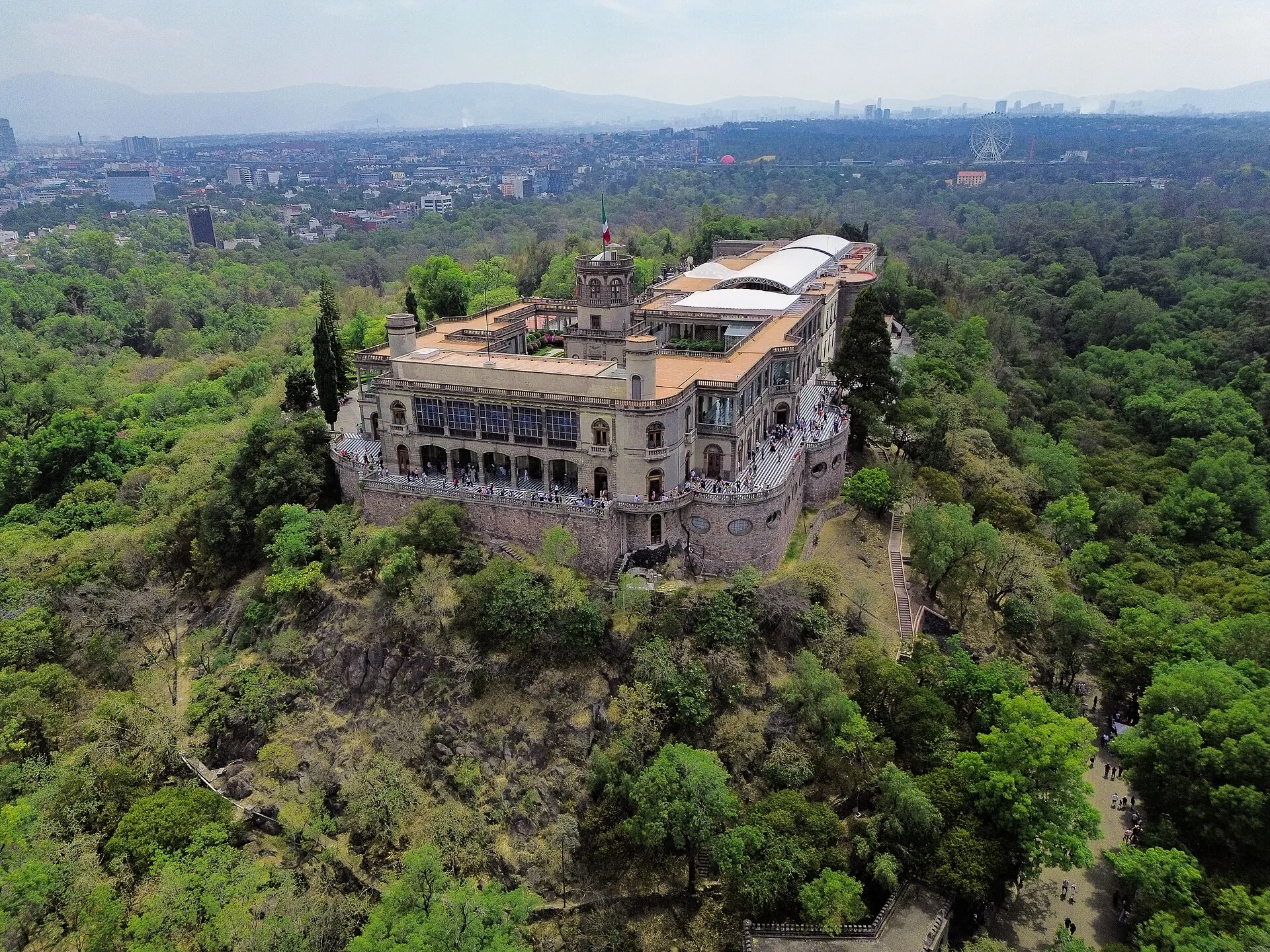
The landmarks around the Zócalo are a short walk from one another, making this the easiest historic cluster in Mexico City to cover on foot. Templo Mayor is run by INAH, like the National Museum of Anthropology and Chapultepec Castle, which both list MXN 210 general admission and MXN 105 for nationals and residents.
| Site | Price (MXN) | Opening hours | Notes |
|---|---|---|---|
| Templo Mayor (ruins + museum) | MXN 210 general / MXN 105 nationals and residents | Tue–Sun 09:00–17:00 | Closed Mondays; under-13s free; free Sundays for nationals and residents only |
| Zócalo (Plaza de la Constitución) | Free | Open 24 hours | Watch for temporary civic events or stages |
| Metropolitan Cathedral | Free | Daily | Active church; avoid sightseeing during Mass |
| National Palace (Palacio Nacional) | Free | Check palacionacional.gob.mx | Seat of the federal executive; access rules change |
Practical Templo Mayor ticket tips
- One ticket covers everything: the museum’s page lists a single entry for the museum and the archaeological zone, which includes the walkways through the outdoor Aztec ruins and the Museo del Templo Mayor beside them. The museum is at Seminario Núm. 8.
- Free categories: the museum’s page gives free entry to under-13s, students, teachers, older visitors and pensioners with valid ID, and on Sundays to nationals and foreign residents.
- Photography: photos are allowed in the zone and the museum, without flash.
- Sun protection: the outdoor ruins have almost no shade, so bring a hat, sunglasses and sunscreen if you visit between 11:00 and 15:00.
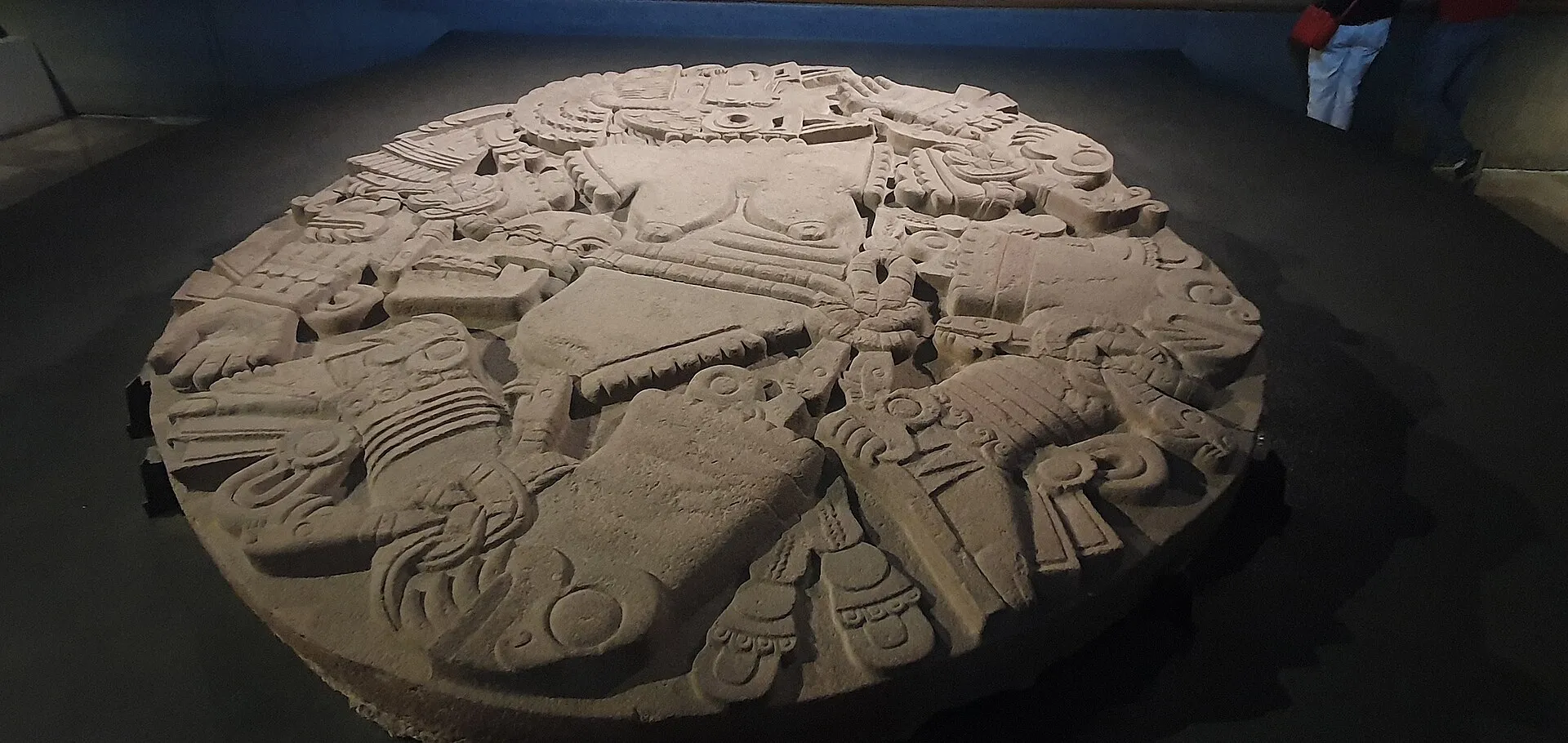 The Coyolxauhqui monolith in Museo del Templo Mayor. Photo: José Luiz, Wikimedia Commons, CC BY-SA 4.0.
Walking tours of the Zócalo and Historic Centre
The layered stonework of Tenochtitlan, colonial Baroque churches and 19th-century civic palaces is easier to read with a guide who points out how the pieces fit together.
Mexico City: Historic Center Essentials Walking Tour
From MXN 445 · 4.8 stars from 1,429 reviews · 3 hours
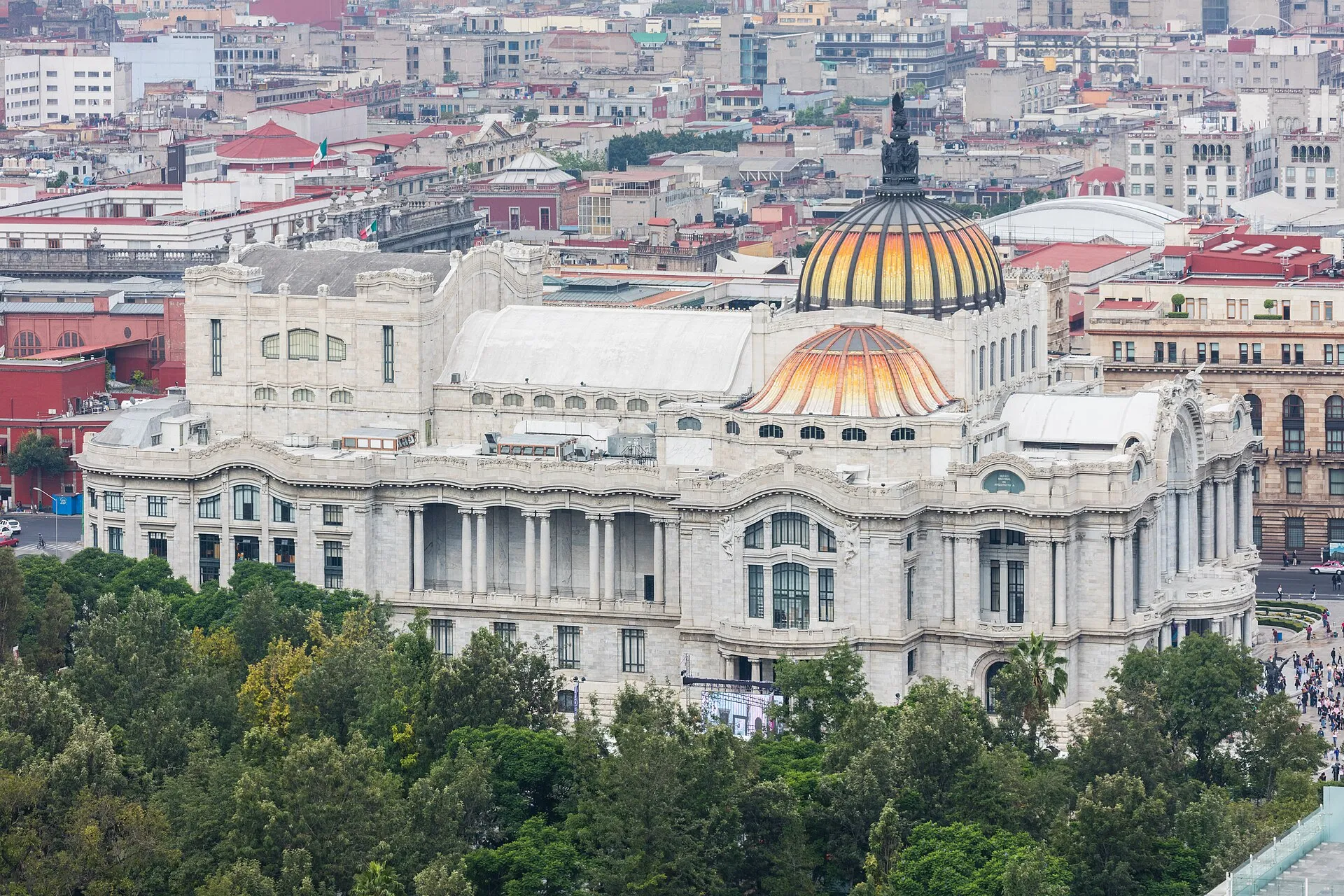
The Mexico City: Historic Center Essentials Walking Tourad is a 3-hour walk with a certified local guide. Its listing names the Zócalo, the Cathedral, Templo Mayor and Bellas Artes, along with hidden spots and stories along the way. See also our Palacio de Bellas Artes page for the last stop.
Inside Templo Mayor: ruins and museum highlights
The sacred heart of the Aztec capital lay under colonial buildings until an accidental find in the early hours of 21 February 1978, when a circular monolith of the dismembered moon goddess Coyolxauhqui came to light. That find started the Templo Mayor Project, whose excavations ran from 1978 to 1982 and recovered more than 7,000 objects, according to the museum. The museum itself opened on 12 October 1987.
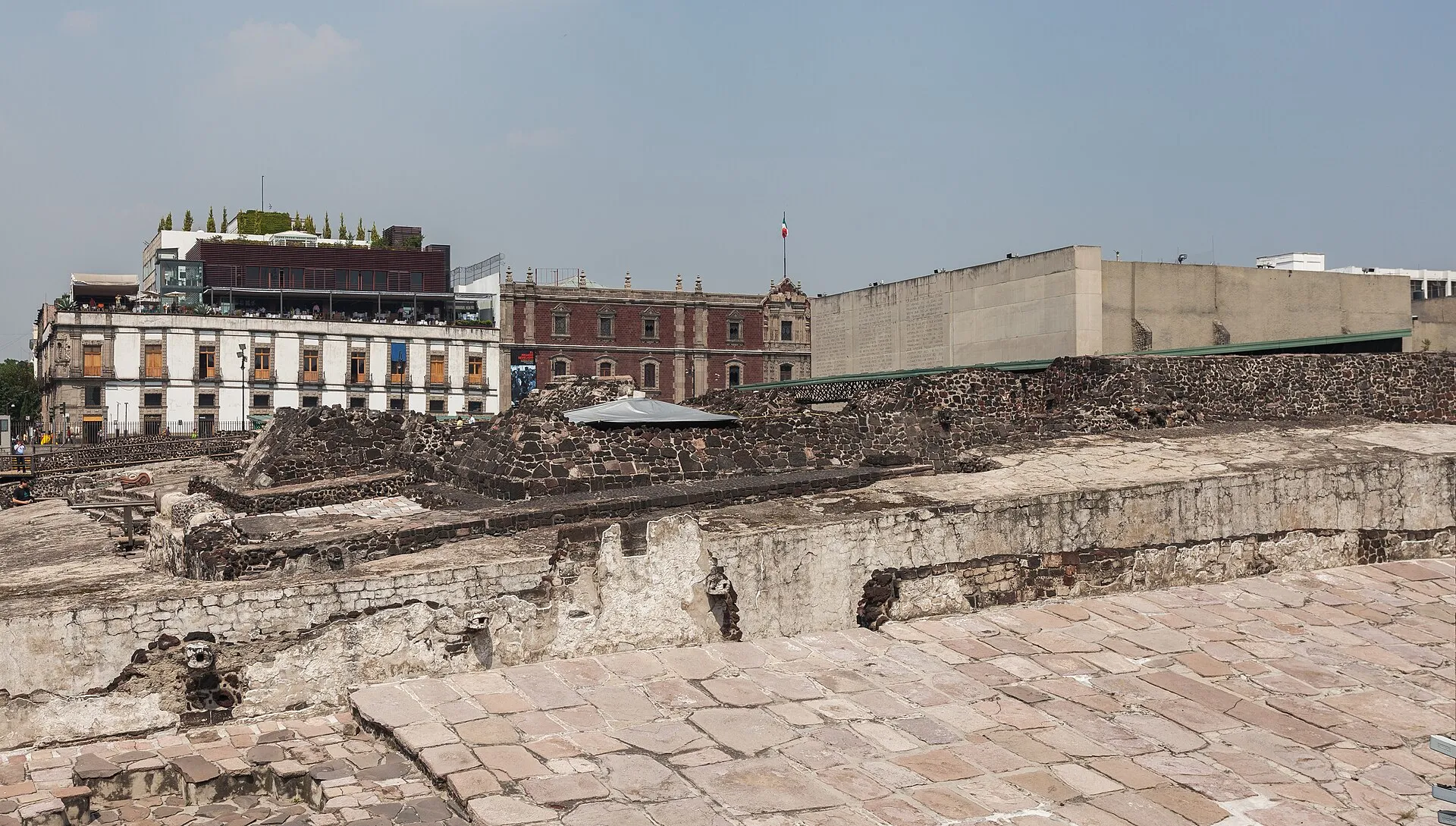
1. The outdoor archaeological zone (30–40 minutes)
The Mexica built each new version of the Great Temple over the one before, keeping its two shrines on top and the double stairway on the front, and did so at least seven times, the museum says. The zone covers about 1.2 hectares:
- The twin shrines: the Great Temple was dedicated to Huitzilopochtli (god of war and the sun, with his shrine on the south side) and Tlaloc (god of rain, with his on the north side).
- House of the Eagles (Casa de las Águilas): a larger building north of the temple, where the Eagle Warrior sculptures were found.
- Tzompantli altar and red temples: to the north the zone includes a Tzompantli (skull-rack) altar and one of two red temples dedicated to Xochipilli; the second is to the south.
2. Museo del Templo Mayor (50–70 minutes)
The museum has eight rooms, four on the south side devoted to Huitzilopochtli and war, and four on the north side devoted to Tlaloc, agriculture and natural resources, mirroring the layout of the temple. The rooms run: archaeological background, ritual and sacrifice, tribute and trade, Huitzilopochtli, Tlaloc, flora and fauna, agriculture, and historical archaeology.
- Coyolxauhqui monolith: in the central part of the second level, the large circular relief of the moon goddess whose accidental discovery began the excavations.
- Tlaltecuhtli monolith: in the vestibule since 2010, a polychrome relief of the earth goddess found on 2 October 2006. The museum calls it the largest sculpture of Mexica workmanship found so far, and its original colours were restored.
- Eagle Warrior: the sculpture from the House of the Eagles, shown in the Huitzilopochtli room.
- Ritual objects: the ritual and sacrifice room shows braziers, copal figures, musical instruments, necklaces and skulls with the holes used to display them on a Tzompantli altar.
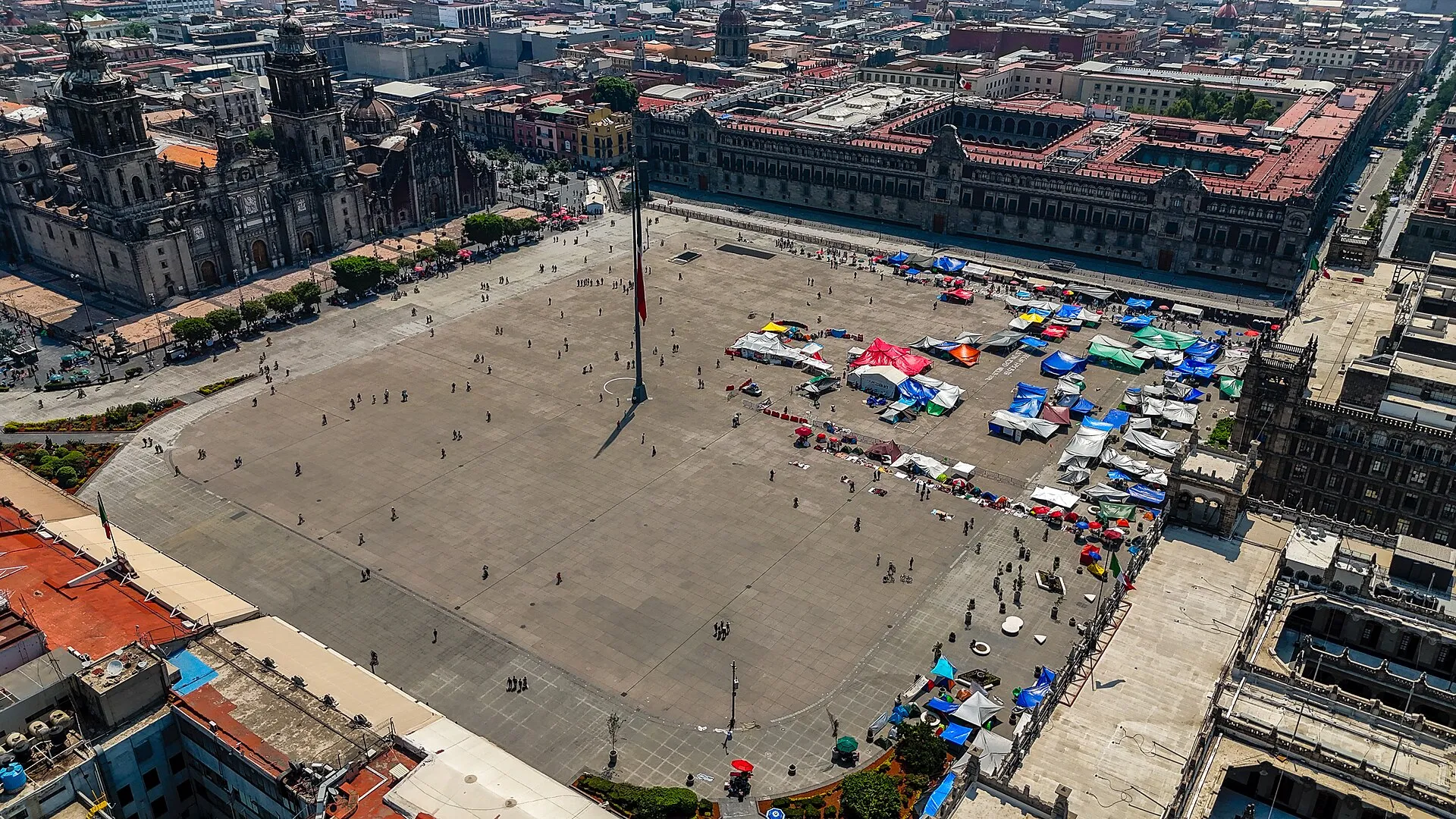 The Zócalo (Plaza de la Constitución) from above. Photo: ProtoplasmaKid, Wikimedia Commons, CC BY-SA 4.0.
Exploring the Zócalo, Cathedral and National Palace
The Zócalo (Plaza de la Constitución)
The Zócalo has been Mexico City’s ceremonial centre since Tenochtitlan, founded according to tradition in 1325. The square regularly hosts rallies, concerts and temporary stages.
- Flag ceremonies: soldiers raise the giant Mexican flag at 08:00 and lower it at 18:00 daily.
- Rooftop terrace views: for an elevated look across the square and the Cathedral domes, head to the rooftop Terraza Gran Hotel at the Gran Hotel Ciudad de México, which advertises views over the Zócalo.
Metropolitan Cathedral (Catedral Metropolitana)
Built between 1573 and 1813 on the site of Tenochtitlan’s sacred precinct, the Cathedral stands on soft lakebed clay, which is why you will notice the tilt of its columns and the plumb line hanging inside the nave that is used to monitor subsidence.
- Inside: the gilded Baroque Altar of the Kings (Altar de los Reyes) at the rear, the carved choir, the organs, and the Sagrario Metropolitano chapel on the east side with its Churrigueresque stone facade.
National Palace (Palacio Nacional)
Palacio Nacional fills the eastern side of the Zócalo on the site of Moctezuma’s palace and houses Diego Rivera’s stairwell mural The History of Mexico. Because it is the seat of the federal executive, access rules change; check palacionacional.gob.mx before you plan around it. If it is closed, head west to Palacio de Bellas Artes for murals by Rivera, Orozco and Siqueiros.
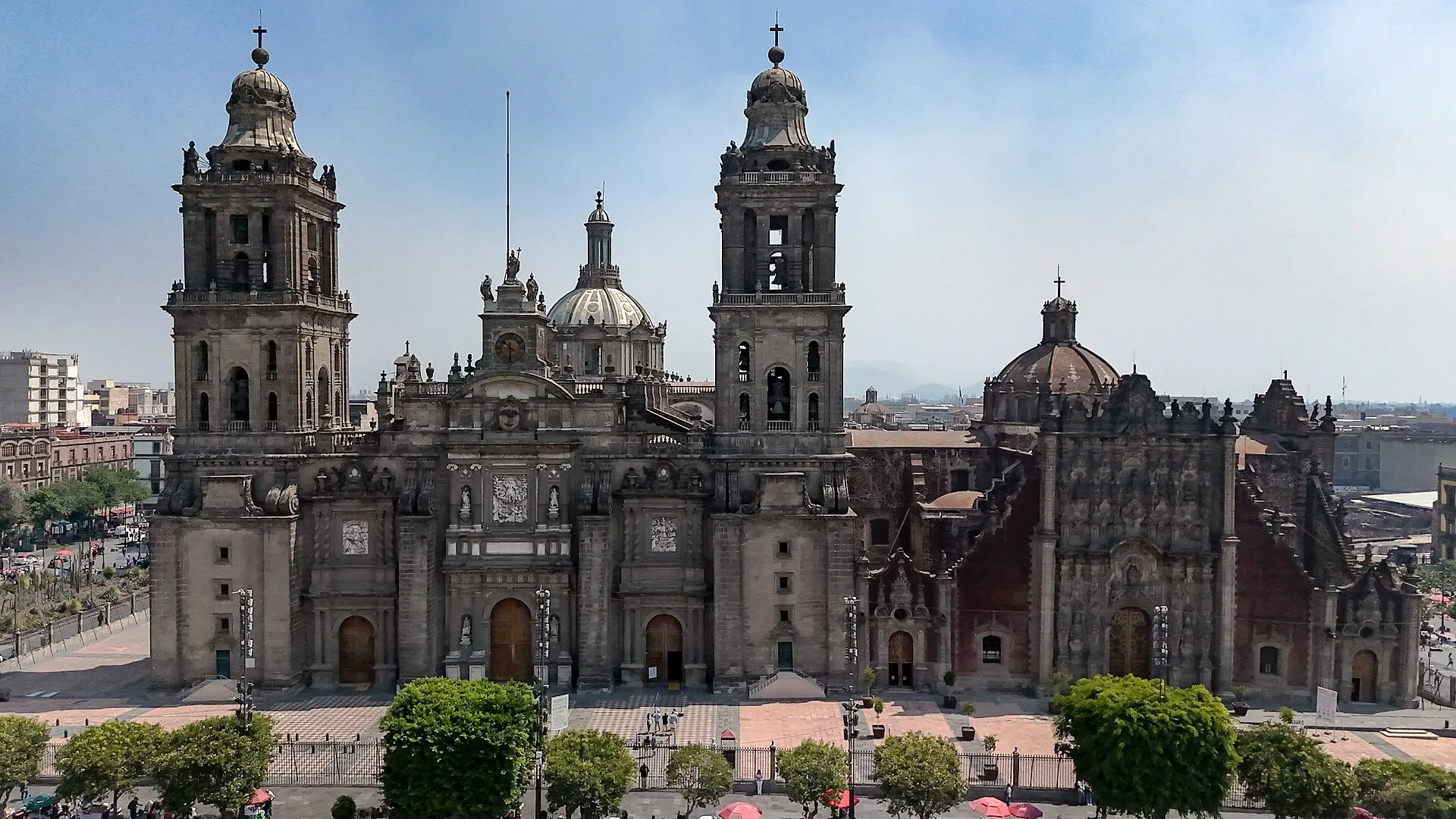 Mexico City Metropolitan Cathedral facing the Zócalo. Photo: ProtoplasmaKid, Wikimedia Commons, CC BY-SA 4.0.
How to get to the Zócalo and link your walk
- By Metro: take Metro Line 2 (blue) directly to Zócalo/Tenochtitlan station (MXN 5 on the Tarjeta de Movilidad Integrada; see public transport). If the Zócalo station is closed for a rally or holiday, exit at Allende or Pino Suárez and walk.
- On foot: from the Zócalo, continue west down pedestrianised Avenida Francisco I. Madero following our full Centro Histórico walking route to reach Casa de los Azulejos, Torre Latinoamericana, Palacio Postal and Palacio de Bellas Artes in one half-day.
- Where to eat nearby: skip the tourist-menu hawkers on the Zócalo corners and walk two blocks to cantinas, taquerías or traditional breakfast spots listed in our where to eat in Mexico City guide.
The rules for visiting the Palacio Nacional and Rivera’s stairwell mural are in Diego Rivera murals in Mexico City. The square is also where the city builds its ofrenda for Día de Muertos and its lights for Christmas.
Common questions
How much are Templo Mayor tickets?
General admission is MXN 210 and MXN 105 for Mexican nationals and foreign residents, the rates INAH lists at its other big Mexico City museums, the National Museum of Anthropology and Chapultepec Castle. Children under 13, students, teachers and seniors with valid ID enter free, according to the museum's own page. One ticket covers both the outdoor archaeological zone and the eight-room Museo del Templo Mayor.
What are the opening hours of Templo Mayor?
The museum is open Tuesday to Sunday from 09:00 to 17:00 and closed on Mondays, which the museum says it uses for maintenance and for media visits.
Is Templo Mayor free on Sundays?
Sunday entry is free for Mexican nationals and foreign residents of Mexico, per the museum's own page. Other visitors pay the general price.
Does the Metropolitan Cathedral on the Zócalo cost money to enter?
Visiting the nave of the Cathedral as a worshipper or sightseer is free. It is an active church, so avoid walking around during Mass.
Can you still visit Diego Rivera's murals in the National Palace on the Zócalo?
Palacio Nacional houses Diego Rivera's stairwell mural of Mexican history, but it is also the seat of the federal executive, so visiting rules change. Check the official site, palacionacional.gob.mx, before you plan a day around it.
How much time do I need for Templo Mayor and the Zócalo?
Allow 1.5 to 2 hours for Templo Mayor (ruins plus museum) and another hour or so to walk the Zócalo and visit the Metropolitan Cathedral, or combine them into our half-day Centro Histórico walking route.