In this guide
💡 The Short Version: The National Museum of Anthropology (Museo Nacional de Antropología) holds the Aztec Sun Stone, colossal Olmec heads, a Teotihuacan temple replica and Maya burial treasures in Chapultepec Park. General admission is MXN 210, or MXN 110 for Mexican nationals and foreign residents; under-13s are free (prices from the museum’s own information page, October 2026). It is closed Mondays and open Tue–Sun 09:00–18:00. Sunday entry is free only for the Mexican public and foreign residents, so other visitors still pay MXN 210. Or book a tour: the Mexico City: Anthropology Museum Ticket & Digital Guidead adds a digital guide to your entry ticket, and the Mexico City: Chapultepec Castle and Anthropology Museum Tourad covers both park landmarks in 5 hours.
⚠️ Sundays are not free for most visitors from abroad. Non-resident foreign visitors pay MXN 210 on Sundays, the day Mexican families and foreign residents enter free. Arriving at 09:00 on a Tuesday to Friday puts you in the Mexica Hall before the day’s crowds.
Ticket prices, hours and entry rules
The museum is run by Mexico’s National Institute of Anthropology and History (INAH). INAH’s Chapultepec Castle page lists the same MXN 210 general price, and Templo Mayor and Teotihuacán are INAH sites as well.
| Visitor category | Price (MXN) | Opening hours | Notes |
|---|---|---|---|
| General admission | MXN 210 | Tue–Sun 09:00–18:00 | Same price on Sundays for non-residents |
| Mexican nationals and foreign residents | MXN 110 | Tue–Sun 09:00–18:00 | Free on Sundays with a valid residency document |
| Children under 13 | Free | Tue–Sun 09:00–18:00 | All nationalities |
| Teachers and students; people with a disability | Free | Tue–Sun 09:00–18:00 | Valid card required for teachers and students |
| Mexican nationals over 60 | Free | Tue–Sun 09:00–18:00 | INAPAM card |
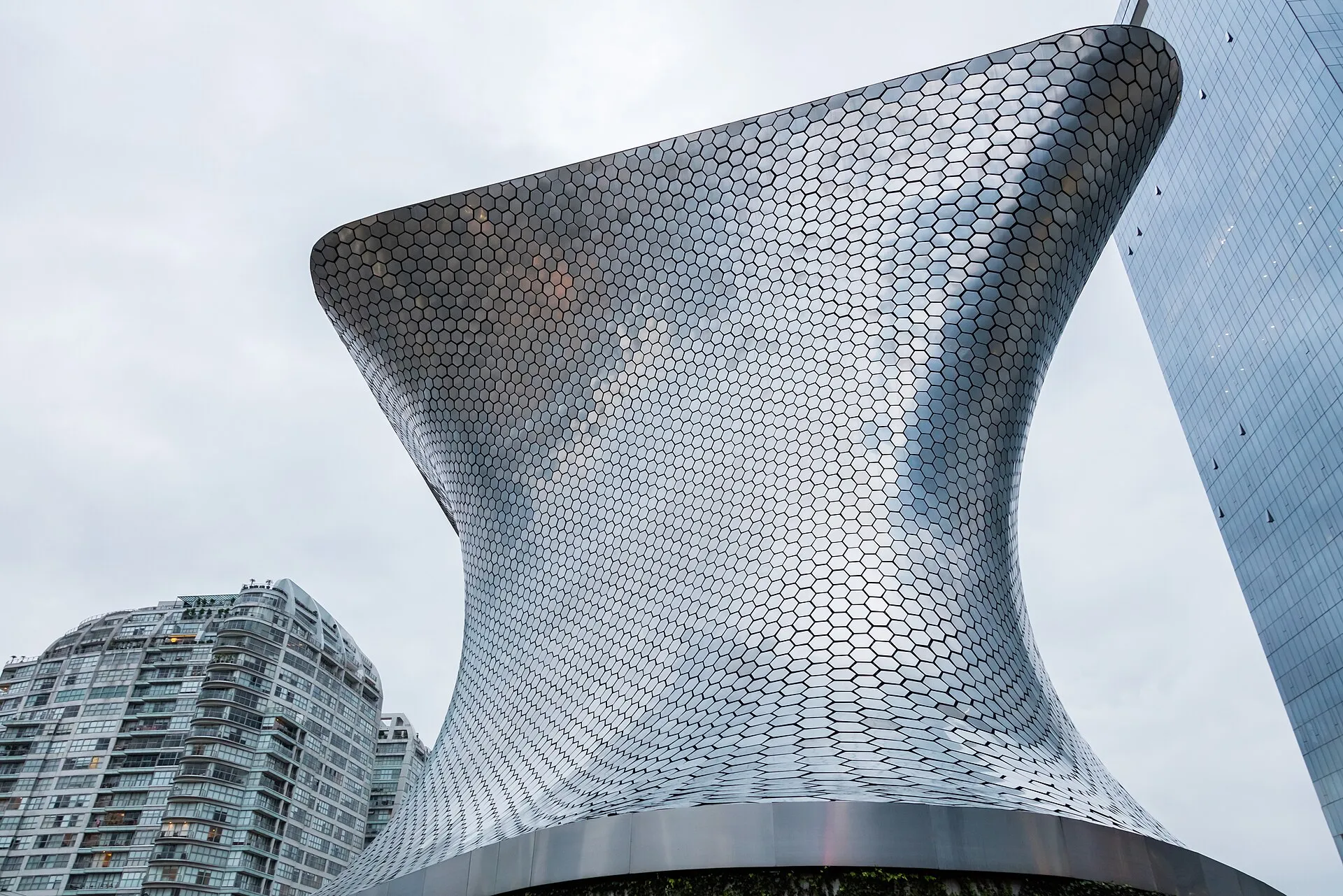
| Mondays | Closed | Closed all day | Try Museo Soumaya instead |
Practical entrance tips
- Tickets: the museum’s site sends online buyers to the INAH ticket service at ventadeboletosenlinea.inah.gob.mx. Our money in Mexico City guide covers paying in pesos.
- Cloakroom (guardarropa): only a small bag is allowed into the museum. The cloakroom is free and open 09:00 to 17:00.
- Rules: pets, smoking and food are not allowed inside. The museum’s site also lists separate fees for still and video cameras.
- Facilities: the restaurant is on the ground floor and opens Tuesday to Sunday 09:00 to 18:00; the shop beside the lobby opens 10:00 to 19:00. Wheelchairs are free to borrow at the lobby, and the museum has a lift.
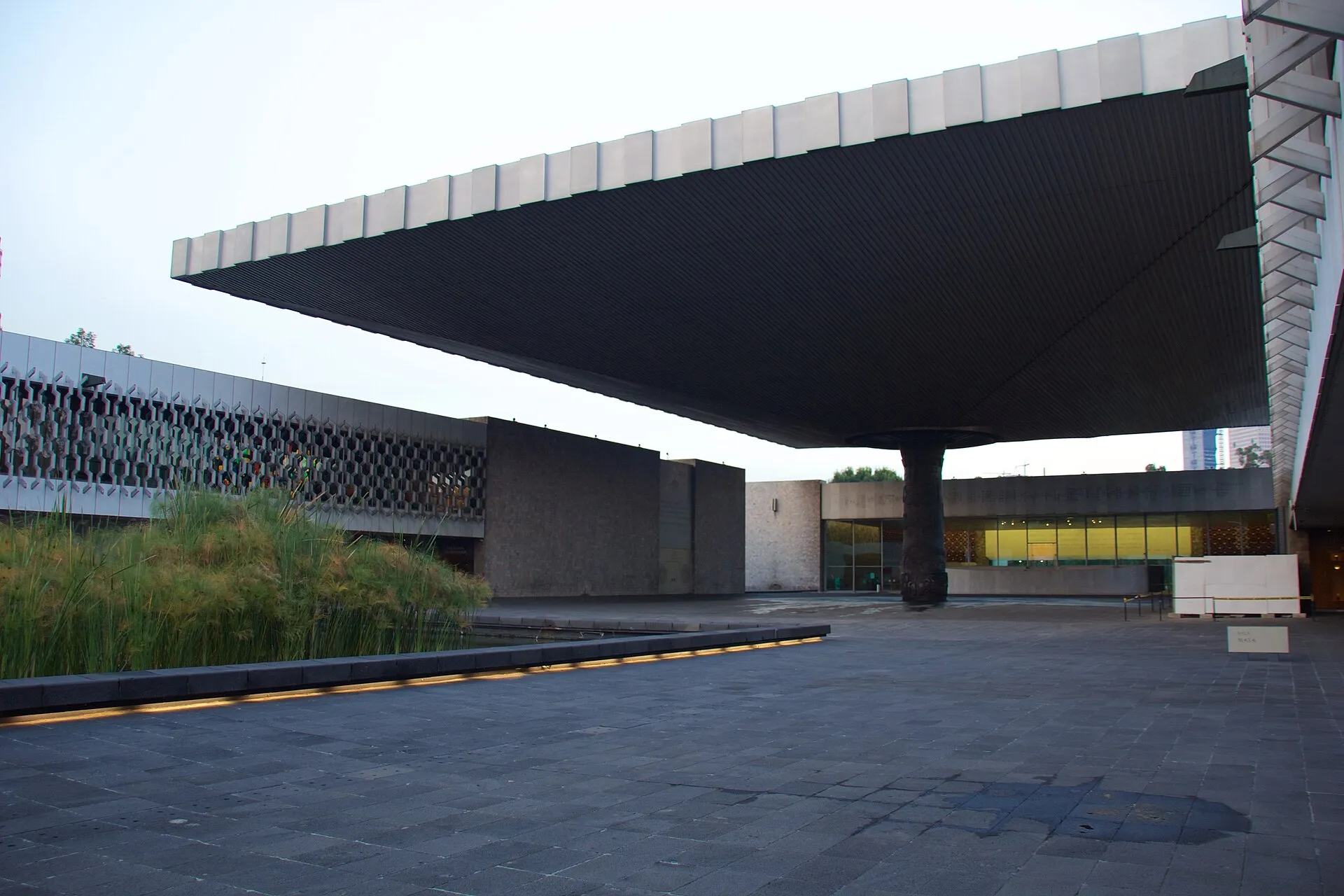
- Architecture note: pause in the central courtyard beneath El Paraguas (“The Umbrella”), architect Pedro Ramírez Vázquez’s 1964 cantilevered concrete canopy supported by a single bronze-clad column carved with relief scenes of Mexican history, with a curtain of water cascading down its core.
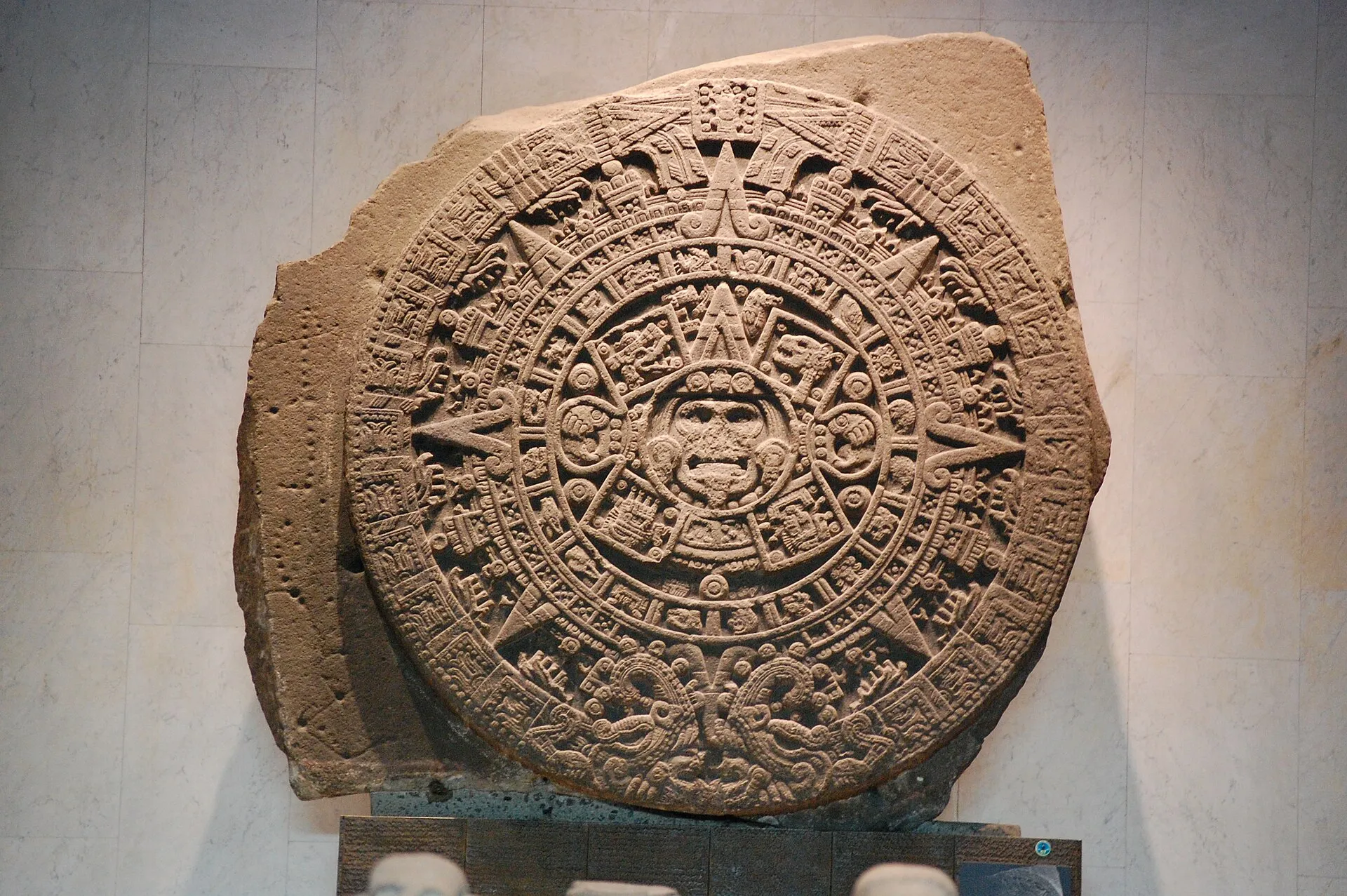 The Aztec Sun Stone. Photo: Manuel de Corselas, Wikimedia Commons, CC BY-SA 3.0.
Guided tours vs visiting independently
Most display labels inside the ground-floor halls are in Spanish, with shorter English summaries. Visiting independently works well if you pick five headline halls; a guide adds context on Mesoamerican cosmology, glyphs and how the pieces connect to excavation sites such as Teotihuacán and Templo Mayor.
Mexico City: Anthropology Museum Ticket & Digital Guide
From MXN 425 · 4.9 stars from 27 reviews
The Mexico City: Anthropology Museum Ticket & Digital Guidead combines an entry ticket with a digital guide. Its listing says the guide covers the museum’s collections and the history and points of interest of Chapultepec Park.
Mexico City: Chapultepec Castle and Anthropology Museum Tour
From MXN 1,586 · 4.7 stars from 846 reviews · 5 hours
The Mexico City: Chapultepec Castle and Anthropology Museum Tourad visits the National Museum of Anthropology to learn about Mexico’s ethnic groups, then Chapultepec Castle, where the rooms are furnished in classical European style.
Mexico City: Visit to Chapultepec Castle and the Anthropology Museum
From MXN 1,437 · 4.9 stars from 23 reviews · 5 hours
The Mexico City: Visit to Chapultepec Castle and the Anthropology Museumad is a half-day tour of the same two sights. Its listing mentions murals and views of the city.
The focused 3-hour route (so you avoid museum fatigue)
The museum wraps around a central courtyard. The ground floor holds the archaeology halls; the upper floor holds ethnography galleries devoted to Mexico’s living Indigenous peoples. Reading every placard on both floors takes most of a day.
The ground-floor halls run in sequence around the courtyard: Teotihuacan, Toltec, Mexica, Oaxaca, Gulf Coast, Maya. This route takes the five biggest in that order.
1. Teotihuacan Hall (Sala Teotihuacán, 30 minutes)
Start here. If you are planning a Teotihuacán day trip, seeing this hall beforehand changes what you recognise on the pyramids.
- Temple of Quetzalcoatl replica: a full-scale reproduction of the temple facade, showing how the Feathered Serpent and Tlaloc heads were painted.
- Chalchiuhtlicue monolith: the large water goddess found near the Pyramid of the Moon.
- Mural fragments: lime-plaster paintings of jaguars, priests and the paradise of Tlalocan.
2. Mexica Hall (Sala Mexica, 45 minutes)
The Mexica (Aztec) Hall is at the centre of the circuit, facing the courtyard.
- Piedra del Sol (Aztec Sun Stone): a basalt monolith of about 24 tonnes carved in the late 15th century, depicting the sun god Tonatiuh surrounded by the 20 day signs and the four previous cosmic eras.
- Coatlicue statue: a 2.5-metre stone sculpture of the earth goddess with a skirt of woven serpents and a necklace of human hands and hearts.
- Moctezuma’s headdress replica: a reconstruction of the quetzal-feather penacho (the surviving original is in Vienna).
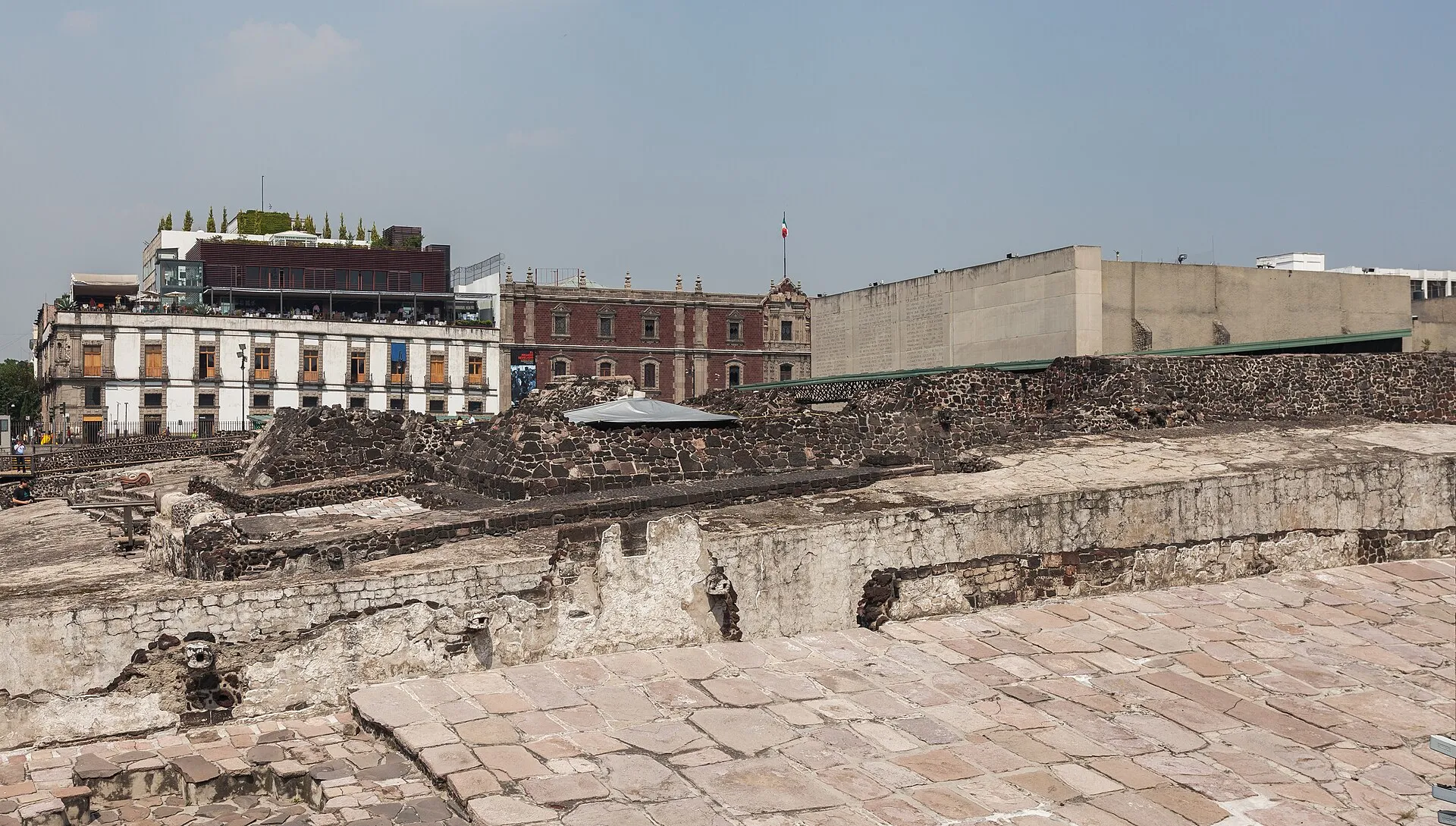
- Scale model of Tenochtitlan: a diorama of the island capital and its causeways across Lake Texcoco, useful preparation before visiting Templo Mayor.
3. Oaxaca Hall (Culturas de Oaxaca, 25 minutes)
The next hall traces Zapotec and Mixtec civilisations from Monte Albán and Mitla. Look for the gold pectorals, turquoise mosaic masks, carved funerary urns of the rain god Cocijo, and the full-scale replica of Tomb 104 from Monte Albán.
4. Gulf Coast / Olmec Hall (Culturas de la Costa del Golfo, 25 minutes)
Here sit the Olmec colossal basalt heads (dating to roughly 1200–900 BCE), which were moved from volcanic quarries in Veracruz and Tabasco, alongside Remojadas clay figures and carved stone ballgame yokes from El Tajín.
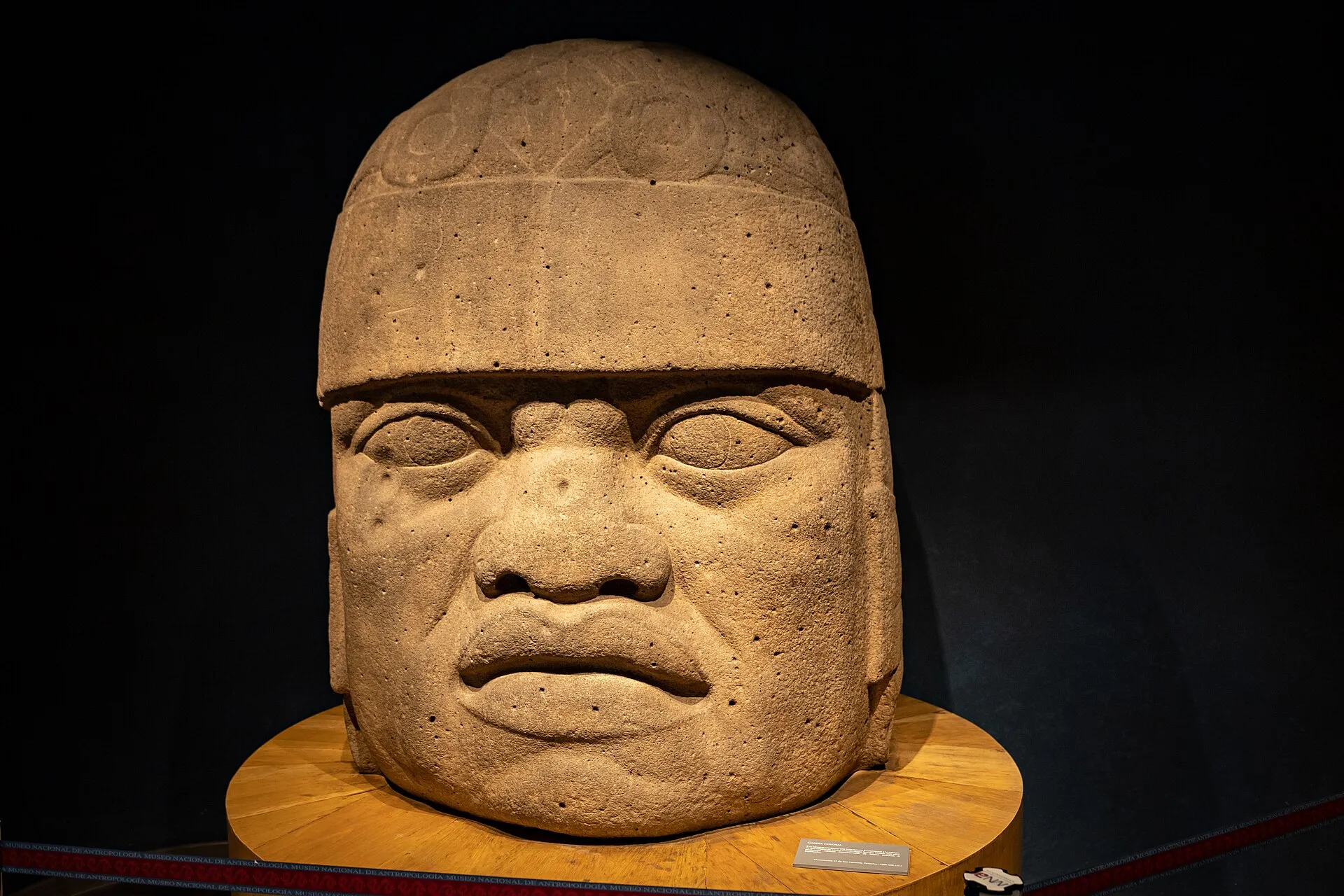 San Lorenzo Colossal Head 6 in the Gulf Coast hall. Photo: Oren Rozen, Wikimedia Commons, CC BY-SA 4.0.
5. Maya Hall (Culturas Mayas, 40 minutes)
The Maya Hall follows the Gulf Coast hall and is the last of the five.
- Tomb of Pakal the Great (Palenque): a full-scale reconstruction of the king’s burial chamber, displaying his green jade mosaic funerary mask and a replica of the sarcophagus lid.
- Lintel reliefs from Yaxchilán and stelae from Bonampak: limestone carvings documenting royal bloodletting rituals and dynastic histories.
- Outdoor garden temples: the back doors of the Maya Hall open onto life-size replicas of the Bonampak painted temple (with restored battle and ceremony frescoes inside) and a Río Bec facade.
Optional 30-minute addition: upper-floor ethnography halls
If you still have energy after lunch at the ground-floor restaurant, go upstairs to the ethnography halls, which link ancient Mesoamerican weaving, ceramics, Huichol beadwork and festival traditions to modern Indigenous communities across Mexico.
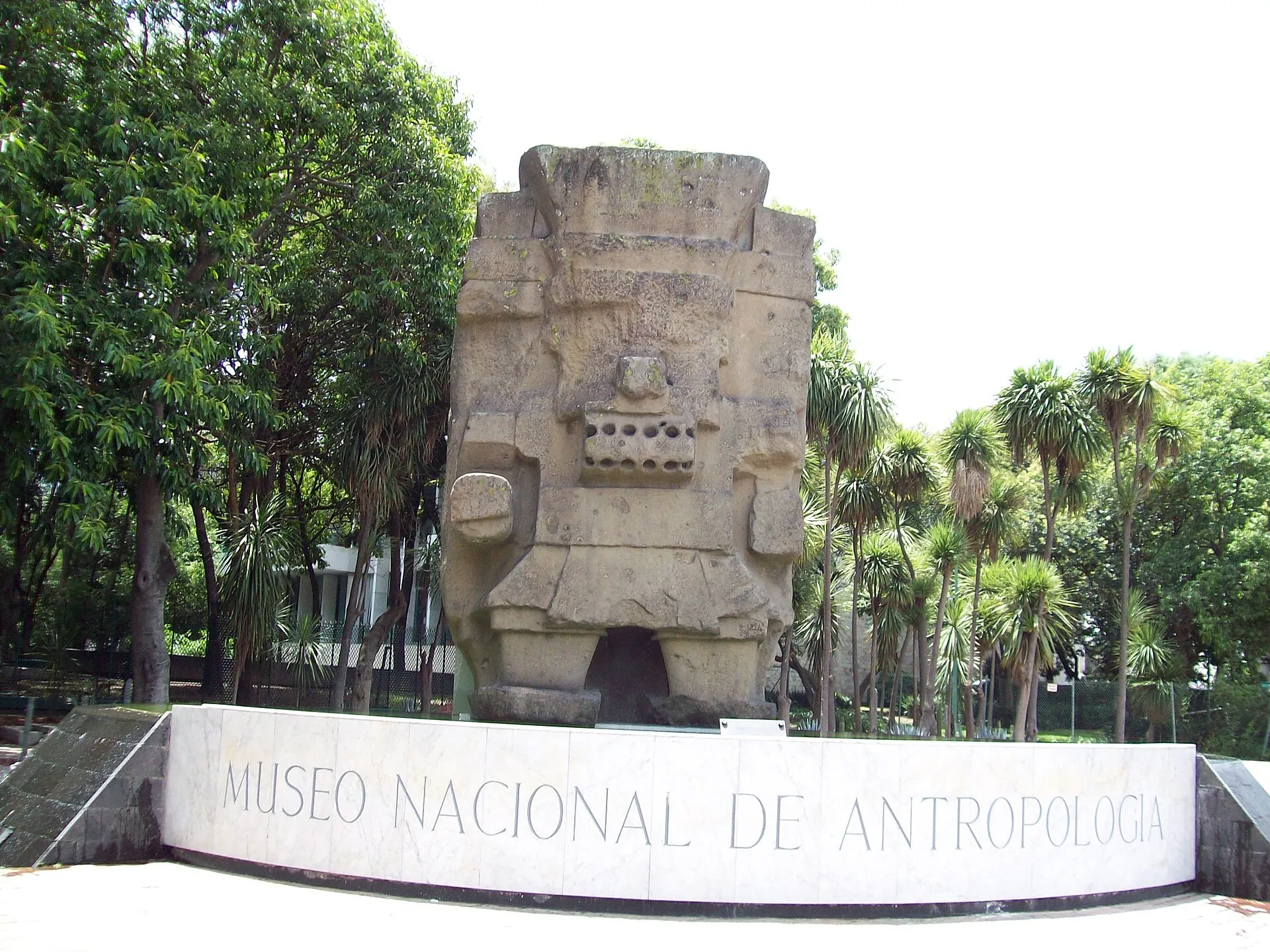 The Tlaloc monolith outside the museum. Photo: Jaontiveros, Wikimedia Commons, CC BY-SA 4.0.
Outside the gate: Tlaloc and the Voladores de Papantla
Before you buy a ticket, pause on the Paseo de la Reforma forecourt to see the Tlaloc monolith, brought from Coatlinchán in 1964. Accounts of the move say heavy rain fell on the city the night the rain god arrived.
Beside the main plaza, Voladores de Papantla from Veracruz perform their pole ceremony, a practice inscribed on UNESCO’s intangible heritage list. Four flyers descend head-first on unwinding ropes from a tall pole while a fifth plays flute and drum at the summit. The performers expect a tip afterwards, so keep some small notes handy.
How to get to the National Museum of Anthropology
The museum is at Avenida Paseo de la Reforma and Calzada Gandhi, in the Chapultepec Park area on the edge of Polanco.
- By Metro: ride Metro Line 7 (orange) to Auditorio station or Metro Line 1 (pink) to Chapultepec station. The museum’s site puts it about 1.3 km from the Metro stations. Rides cost MXN 5 on the Tarjeta de Movilidad Integrada (public transport guide).
- By Metrobús: Metrobús Line 7 runs along Paseo de la Reforma from the Centro Histórico and Roma to the Antropología stop, which the museum’s site lists as its nearest.
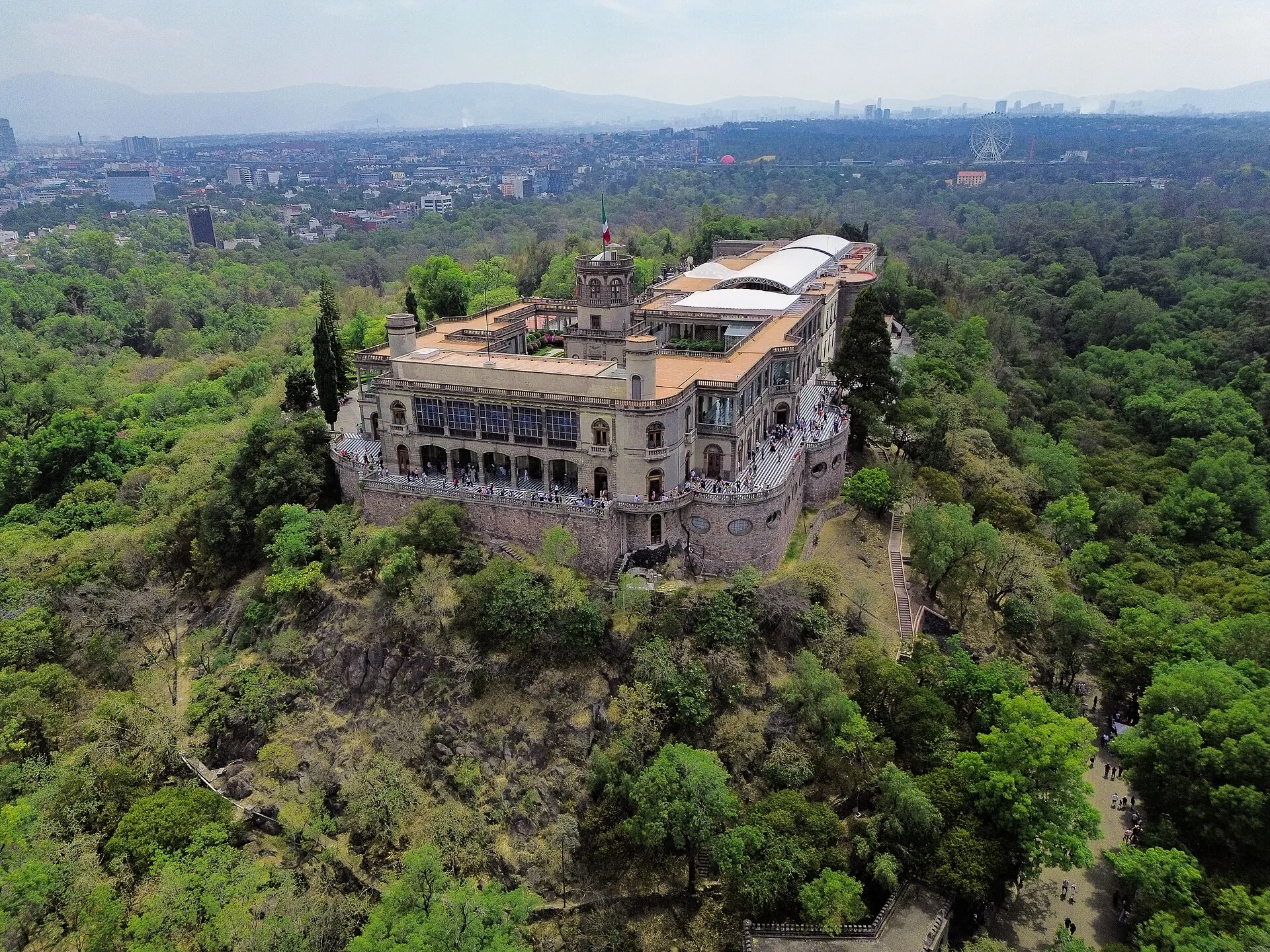
- Combining with nearby sights: Chapultepec Castle is a short walk across the park, the Museo de Arte Moderno and Museo Tamayo are close by, and Museo Soumaya and Museo Jumex are a short ride away in Nuevo Polanco.
The museum is in the First Section of the park; Chapultepec Park lists what else is open around it and what closes on Mondays.
Common questions
How much are tickets to the National Museum of Anthropology?
The museum's own site lists general admission at MXN 210 and MXN 110 for Mexican nationals and foreign residents of Mexico. Entry is free for children under 13, people with a disability, and teachers and students with a valid card, as well as Mexican nationals over 60 with an INAPAM card. Prices as listed in the museum's October 2026 information page.
Is the National Museum of Anthropology free on Sundays for tourists?
No. The museum's site says Sunday entry is free to the Mexican public and to foreign residents of Mexico with a valid FM residency document. Visitors from abroad who are not residents pay the MXN 210 general price on Sundays.
What are the opening hours of the Anthropology Museum?
The museum is open Tuesday to Sunday from 09:00 to 18:00 and is closed on Mondays. Its cloakroom is free and open 09:00 to 17:00.
Do I need to buy Anthropology Museum tickets in advance?
The museum's site points to the INAH online ticket service, ventadeboletosenlinea.inah.gob.mx, for tickets bought in advance. Buying there rather than through a reseller means the ticket is the museum's own.
How long should I spend at the National Museum of Anthropology?
Plan 3 to 4 hours for a focused visit covering the ground-floor archaeology halls (Teotihuacan, Mexica, Oaxaca, Gulf Coast and Maya) plus a break in the central courtyard. Seeing every room across both floors takes a full day.
Can I visit Chapultepec Castle and the Anthropology Museum on the same day?
Yes. Both sit inside Chapultepec Park, about 20 minutes apart on foot. Chapultepec Castle's own site lists opening hours of 09:00 to 17:00, so do the castle first, break for lunch, then spend the afternoon at the Anthropology Museum, which stays open until 18:00.