In this guide
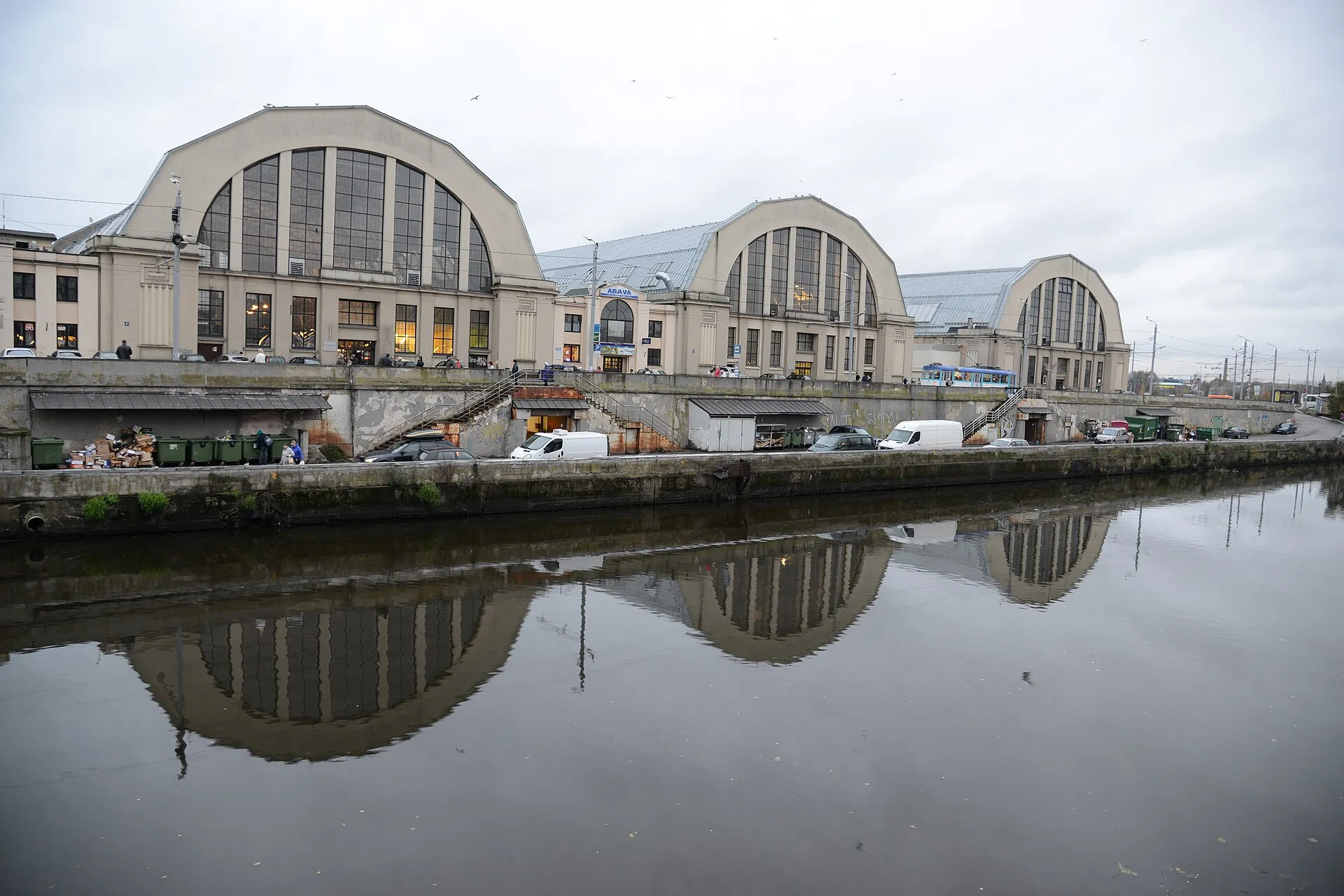
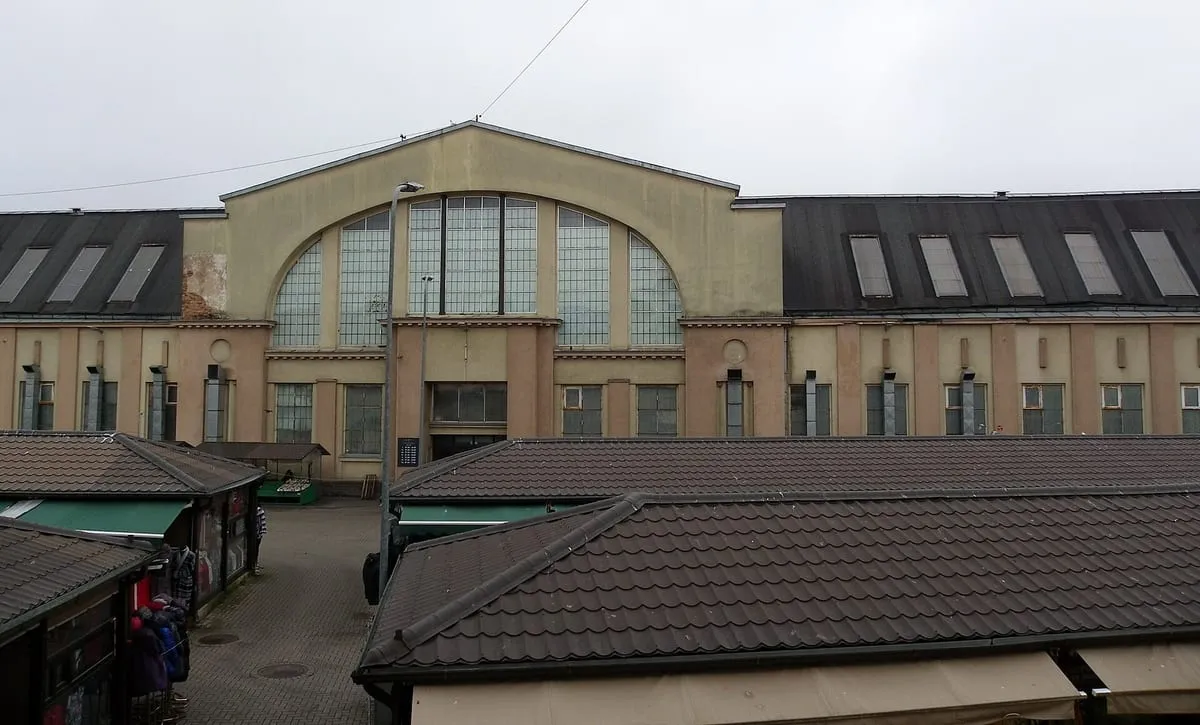
💡 The Short Version: Riga Central Market (Rīgas Centrāltirgus) fills five steel-trussed pavilions built from First World War German Zeppelin airship hangars, beside the City Canal. It sells smoked fish, Baltic rye bread, farmhouse cheeses, barrel pickles and street food. The indoor pavilions are open Monday to Saturday 08:00 to 18:00 and Sunday 08:00 to 17:00 (free admission). Or book a tour: a Central Market Latvian food tasting tourad is sold on GetYourGuide.
⚠️ Bring small euro coins for the outdoor stalls. Indoor counters mostly take cards, but berry, flower and vegetable sellers outside prefer cash. The indoor pavilions close at 18:00 (17:00 on Sunday).
History of the Zeppelin hangars
During the First World War, Imperial German forces built an airbase at Vaiņode in western Courland (Kurzeme), with nine canvas-and-steel hangars for military Zeppelin airships. After Latvian independence, the young republic inherited the empty airbase.
Meanwhile, Riga’s open-air market along the Daugava embankment had become overcrowded, unhygienic and prone to river flooding. In 1922, the Riga City Council voted to buy five of the Vaiņode hangars:
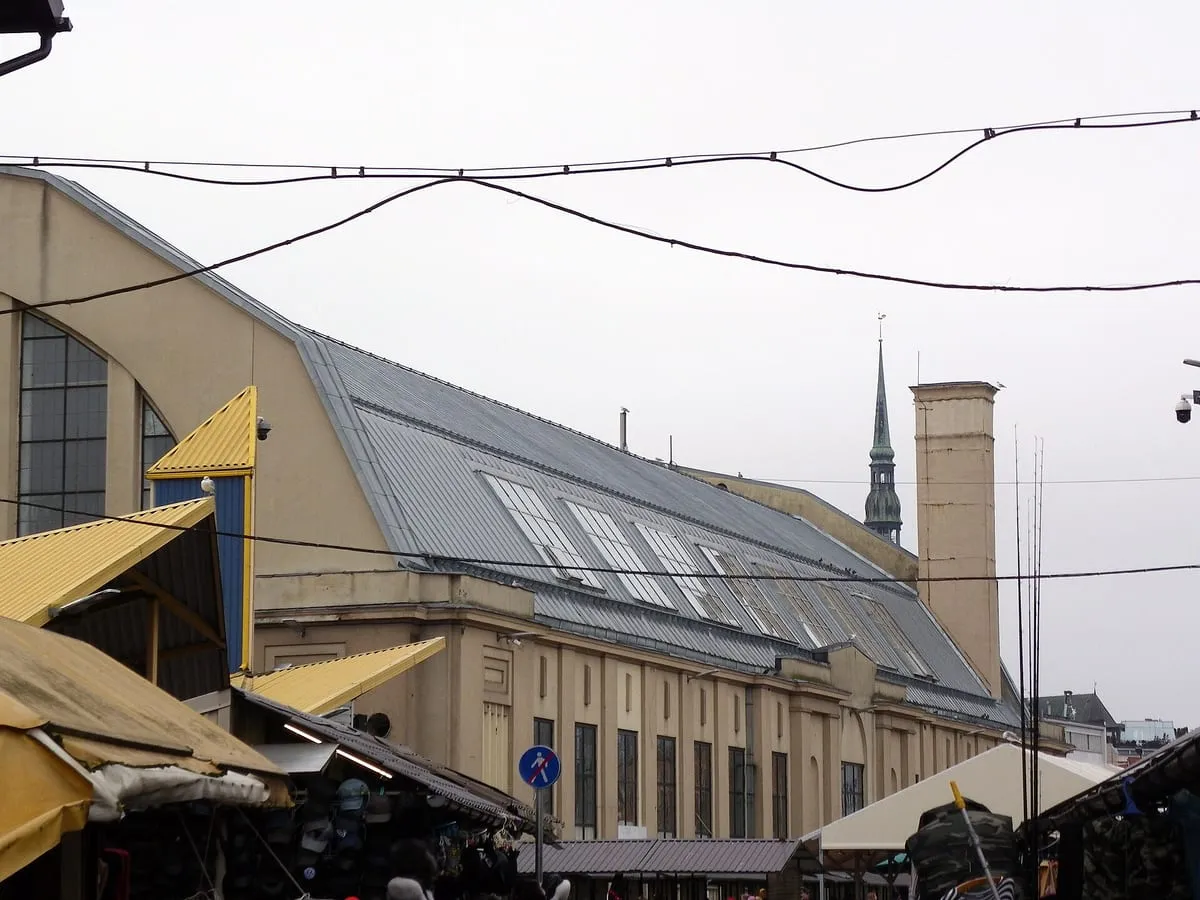
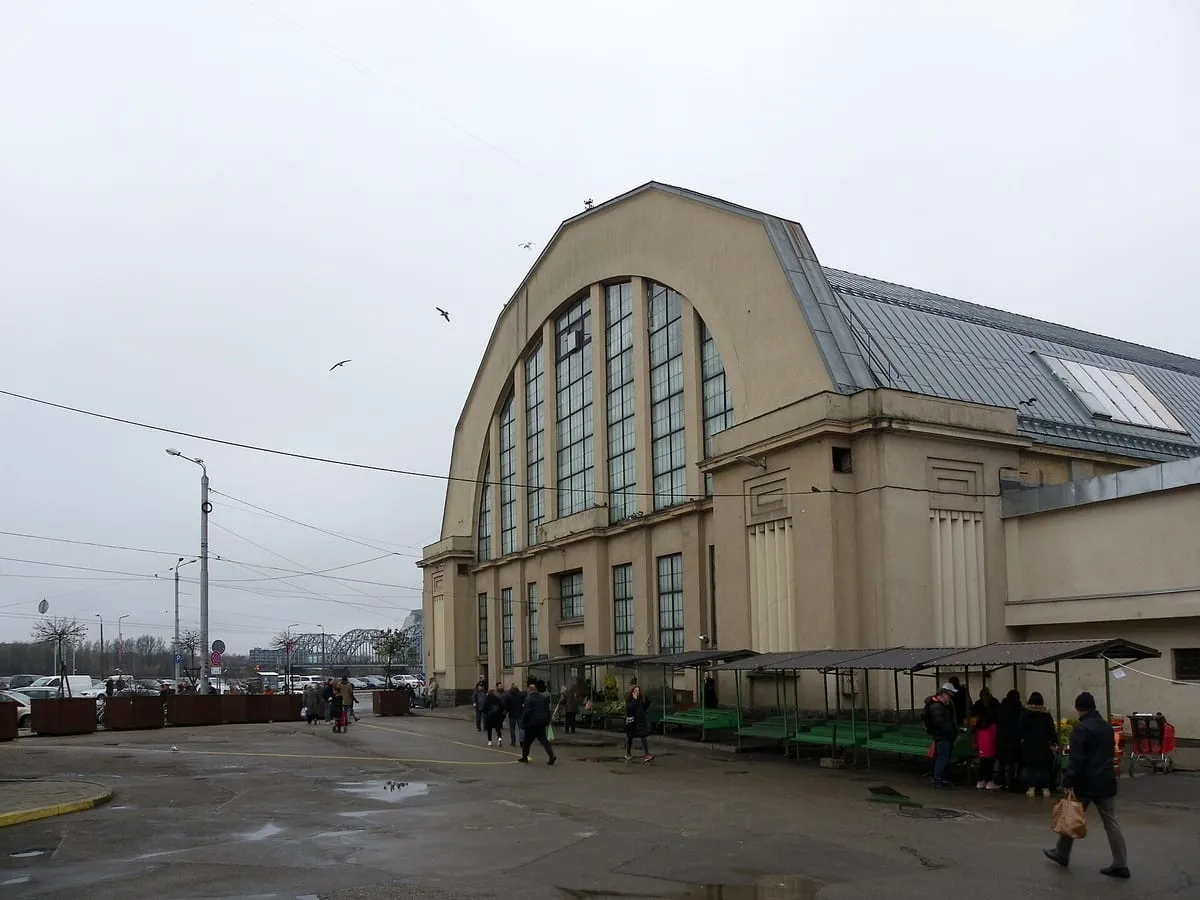
- Reassembly: The full 37-metre hangar height was too costly to heat in Baltic winters. The steel arched trusses were disassembled, taken to Riga by freight rail, trimmed to a height of 20.5 metres and mounted on reinforced concrete plinths.
- The underground city: Beneath all five pavilions, workers excavated more than two hectares of cellars. They held ammonia cooling plants, cold-storage rooms for 300,000 kilograms of meat, and a miniature electric railway connecting freight lifts to the railway platforms and river barges.
- Opening: The complex opened on 2 November 1930. In 1997 UNESCO listed the historic centre of Riga, which includes the market, as a World Heritage site.
The five pavilions: what to look for in each
Each of the five arched halls sells a different category of food:
1. The Fish Pavilion (Zivju paviljons)
The air smells of hardwood smoke, brine and sea salt:
- Hot-smoked fish: Baltic butterfish, sea trout, salmon collars, mackerel, halibut and perch, smoked over alder wood chips.
- Carnikava lampreys (Nēģi): A Latvian delicacy with EU Protected Geographical Indication status. These eel-like river lampreys are caught in the nearby Gauja River, roasted over open charcoal grates and packed in savoury amber aspic.
- Salted and marinated sprats: Wooden tubs and glass jars of Baltic sprats (brētliņas) cured with allspice, bay leaves and cloves, traditionally eaten on buttered black bread with chopped hard-boiled egg and spring onions.
- Live tanks: Glass-walled tanks along the back wall hold live freshwater carp, pike and sturgeon from Vidzeme fish farms.
2. The Gastronomy Pavilion (Gastronomijas paviljons)
This hall mixes traditional food stalls with street food:
- Bread: Stalls selling Latvian dark sourdough rye bread (rupjmaize), baked from coarse rye flour with scalded malt and caraway seeds. Try sweet-and-sour sourdough (saldskābmaize) or dark bread studded with dried cranberries, prunes and walnuts.
- The pickle barrels: Oak barrels and glass bins of brined pickles: dill gherkins, sour cabbage with wild cranberries, pickled garlic heads, marinated wild mushrooms and horseradish roots.
- Street food: On the southern side, open-kitchen stalls serve pelmeni dumplings, Georgian khachapuri and smash burgers, with local cider and craft beer on tap.
3. The Dairy Pavilion (Piena paviljons)
Dairy is central to Latvian cooking:
- Curd and cottage cheese (Biezpiens): Crumbly, high-fat farmer’s curd sold by the kilogram, used for savoury breakfast spreads or sweet cakes.
- Caraway cheese (Jāņu siers): The round yellow cheese made for the summer solstice (Midsummer / Jāņi), with whole caraway seeds and eggs.
- Curd snacks (Biezpiena sieriņš): Sweet bars of vanilla curd glazed in dark chocolate, a common Baltic snack.
4. The Meat Pavilion (Gaļas paviljons)
Independent butchers and farm co-operatives run the counters:
- Fresh pork cuts, cured lard, garlic blood sausages (asinsdesas), smoked bacon (žāvēts speķis) and cured ham hocks for pea soup.
5. The Vegetable and Produce Pavilion (Dārzeņu paviljons)
The stock follows the seasons:
- Wild berries (summer and autumn): Tubs of wild blueberries, forest raspberries, lingonberries (brūklenes), cranberries (dzērvenes) and sea buckthorn.
- Forest mushrooms: In late summer and autumn, tables of wild chanterelles (gailenes), porcini (baravikas) and russulas from the pine forests of Kurzeme and Vidzeme.
- Honey: Clover, heather and linden blossom honey sold by local beekeepers alongside honeycomb, royal jelly and bee pollen.
Where to eat: top market snacks and bistros
For a sit-down meal or a quick snack:
- Siļķītes un Dillītes (Fish Pavilion): A seafood bistro inside the market. Order the open-faced Baltic herring sandwich on dark rye with sour cream, egg and dill, a bowl of fish soup (uha), or grilled prawns with draught beer.
- Warm bakery pīrāgi: The bakery stalls in the Gastronomy Pavilion sell speķa pīrādziņi, crescent-shaped yeast dough buns stuffed with finely diced smoked bacon and fried onions.
- Sklandrausis: A pastry from western Latvia: a round, crimped rye tart with a layered filling of sweetened mashed potato and spiced grated carrot, dusted with cinnamon.
- Uzbek and Georgian bakeries: Bakers slap circular flatbreads against the clay walls of tandoor ovens, and sell hot cheese flatbreads and beef samsas.
Visiting tips: timing, navigation and etiquette
- Operating hours: Indoor pavilions open Monday to Saturday 08:00 to 18:00, and Sunday 08:00 to 17:00. Outdoor open-air stalls operate daily from 07:00 to 18:00.
- Best time to visit: Arrive between 09:30 and 12:00, when stalls are fully stocked with the morning’s deliveries and bakers are pulling hot bread from the ovens. Saturday mornings are busy; weekday mornings are calmer.
- Cleaning days: Individual pavilions close for cleaning on the first Monday of each month; the other four stay open.
- Payment: Indoor stalls accept contactless cards and smartphones. Carry small coins and notes for loose berries, wild mushrooms or flowers from outdoor vendors. See our money and currency guide for Riga for ATM tips.
- Pickpockets: The market is crowded, so keep your wallet, passport and phone in zipped inside pockets, especially in the underpass tunnels connecting the railway station to the market halls.
Transit connections
- Location: Nēģu iela 7, directly behind the Riga Central Railway Station (Rīgas Pasažieru stacija) and adjacent to the International Bus Station (Rīgas Starptautiskā autoosta).
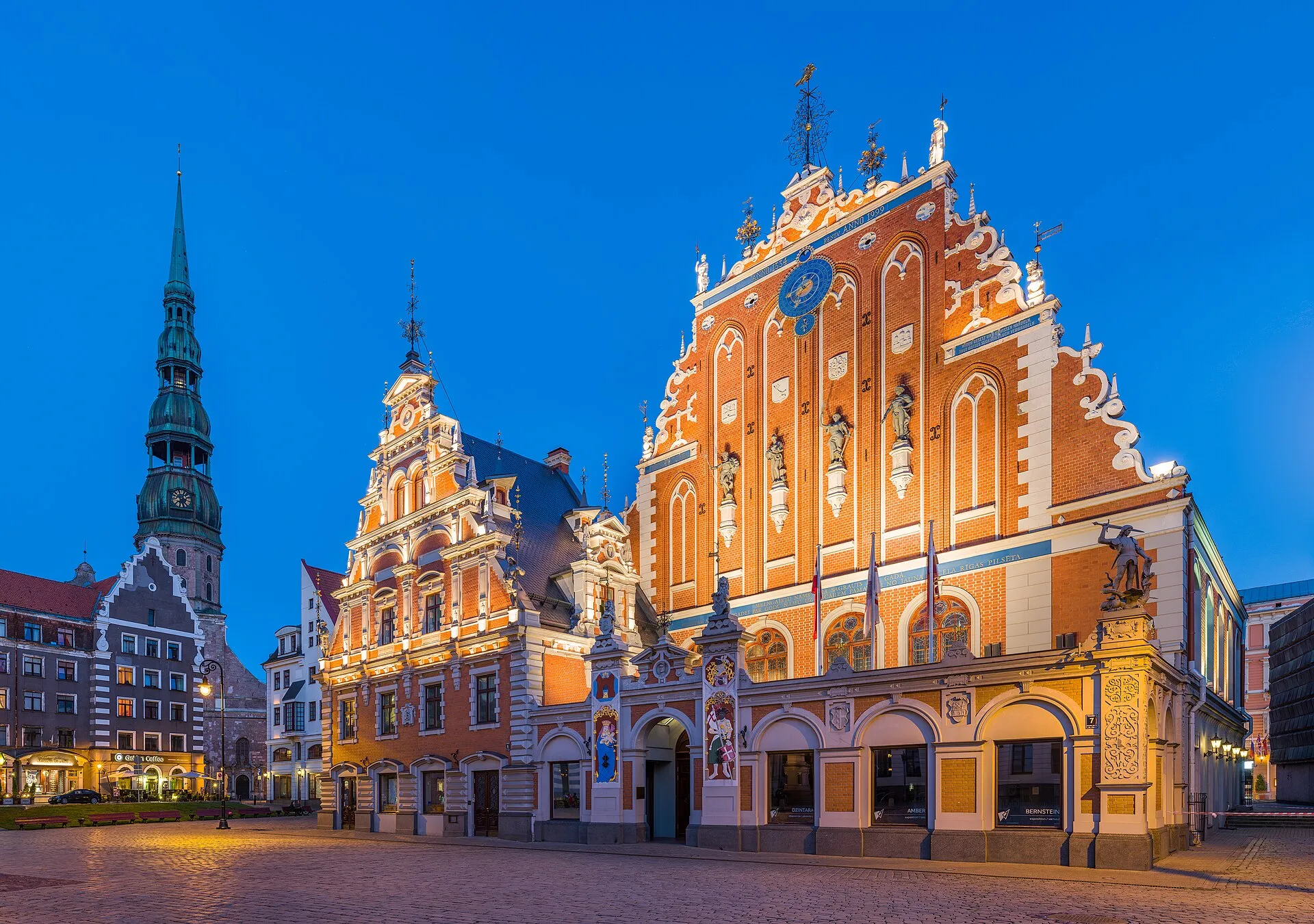
- On foot: Five minutes’ walk south from Town Hall Square and the House of the Black Heads, through the railway underpass.
- Public transport: Trams 1, 3, 7 and 11 stop alongside the pavilions at Centrāltirgus or Prāgas iela. See our Riga public transport guide for tickets.
What to see next
- Latvian Academy of Sciences: Five minutes south-east in the Moscow Suburb, a Stalinist high-rise with a viewing platform on the 17th floor.
- House of the Black Heads: Five minutes north in Old Riga, the reconstructed medieval guildhall and Roland Statue.
- Museum of the Occupation of Latvia: Five minutes’ walk north, on the history of twentieth-century Latvia.
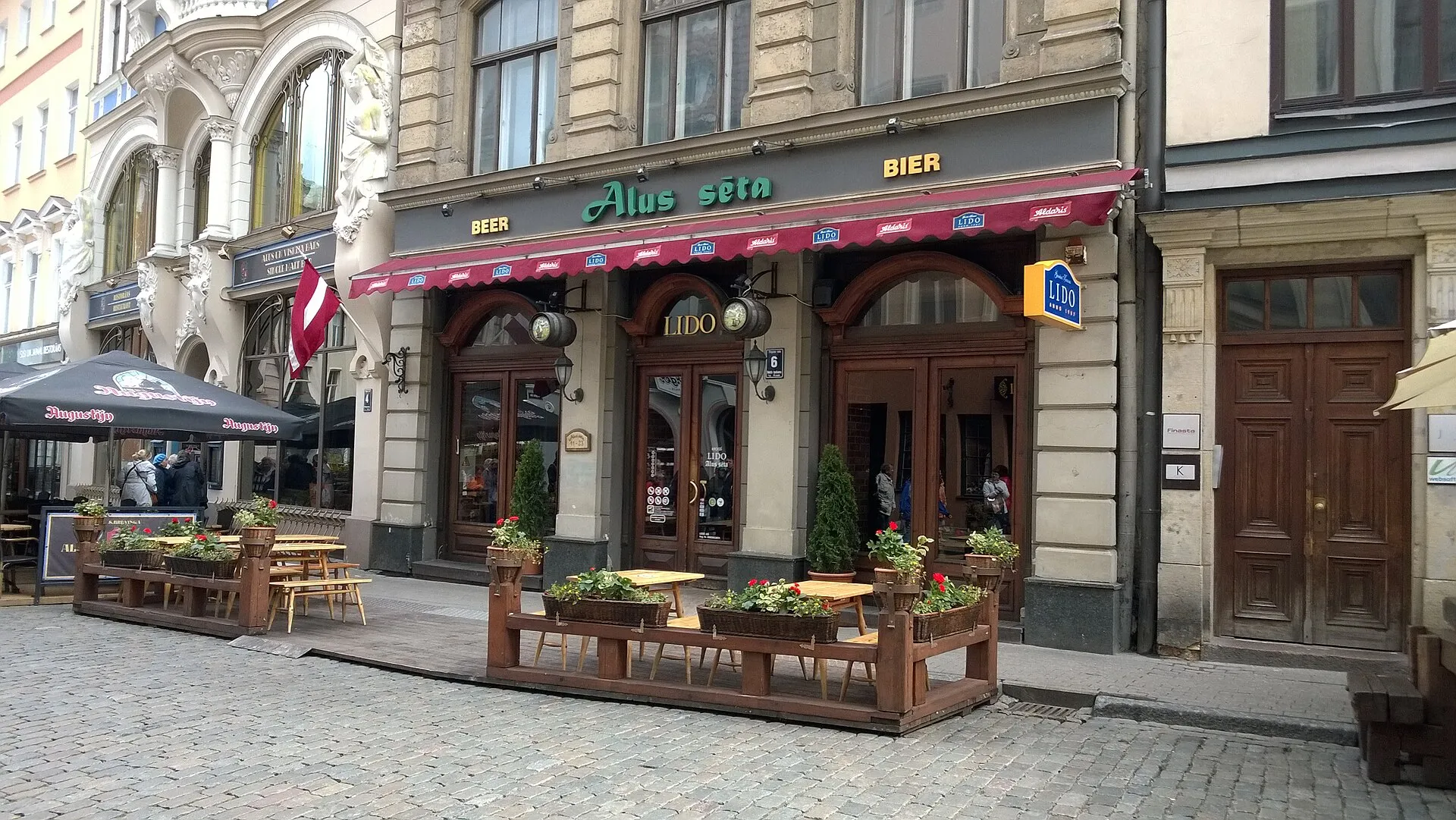
- Where to eat in Riga: Traditional taverns and modern Baltic bistros across the city.
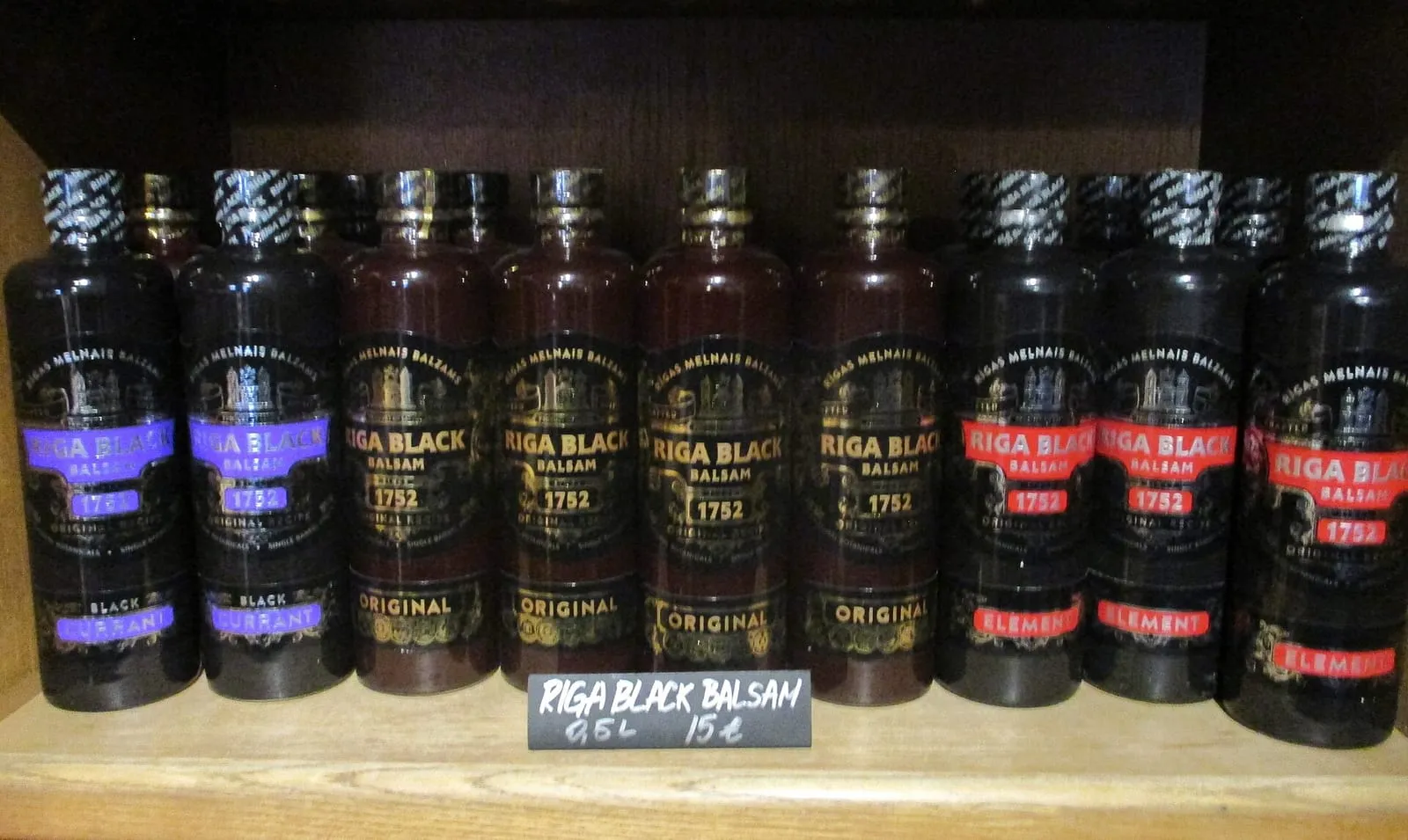
- Riga Black Balsam and historic bars: Latvia’s herbal liqueur and the cellar bars that serve it.
Common questions
What are the Zeppelin hangars at Riga Central Market?
The five curved pavilions of Riga Central Market were built from German military airship hangars erected at the Imperial German Vaiņode airfield during the First World War. The steel trusses were dismantled, moved to Riga in the 1920s and reassembled with stone art deco facades.
What are the opening hours of Riga Central Market?
The indoor pavilions are open Monday to Saturday from 08:00 to 18:00, and Sunday from 08:00 to 17:00. The outdoor market stalls open daily from 07:00 to 18:00. Individual pavilions close for cleaning on the first Monday of each month.
What traditional Latvian foods should I try at Central Market?
Smoked Baltic sprats and lampreys (nēģi), dark sourdough rye bread (rupjmaize), caraway seed cheese (Jāņu siers), pickles and sauerkraut from wooden barrels, wild chanterelle mushrooms, and warm bacon pastries (pīrāgi).
Do vendors take card payments at Riga Central Market?
Most indoor pavilion counters, cheese vendors, butchers and fishmongers accept contactless cards. Bring small euro notes and coins (€1, €2, €5, €10) for berries, flowers, pickles or vegetables at the outdoor stalls.
Where is Riga Central Market located?
At Nēģu iela 7, directly south of the Old Town, between the Riga Central Railway Station, the International Bus Station and the City Canal.