In this guide
💡 The Short Version: The National Museum of Iceland (Þjóðminjasafn Íslands) documents more than twelve centuries of Icelandic settlement, culture, and daily life across two expansive floors. Adults pay 2,500 ISK, students and seniors pay 1,200 ISK, and anyone under 18 enters free. Entry is fully covered by the Reykjavik City Card. Or book a tour: reserve a standalone ticket or combined city cultural pass through GetYourGuide’s National Museum listingad for mobile ticketing and flexible cancellation. The two standout treasures to seek out are the 13th-century Valþjófsstaður church door and the 10th-century Thor figurine.
Founded on 24 February 1863, the National Museum of Iceland originally occupied the attic of the Parliament House (Alþingishúsið) before moving through several temporary homes. Following the foundation of the modern Republic of Iceland in 1944, parliament commissioned architect Sigurður Guðmundsson to design a dedicated, modern museum complex on Suðurgata, close to the University of Iceland campus. Today, the museum houses over 2,000 artefacts and approximately 1,000 archival photographs arranged chronological sequence within its permanent exhibition, Making of a Nation: Heritage and History in Iceland.
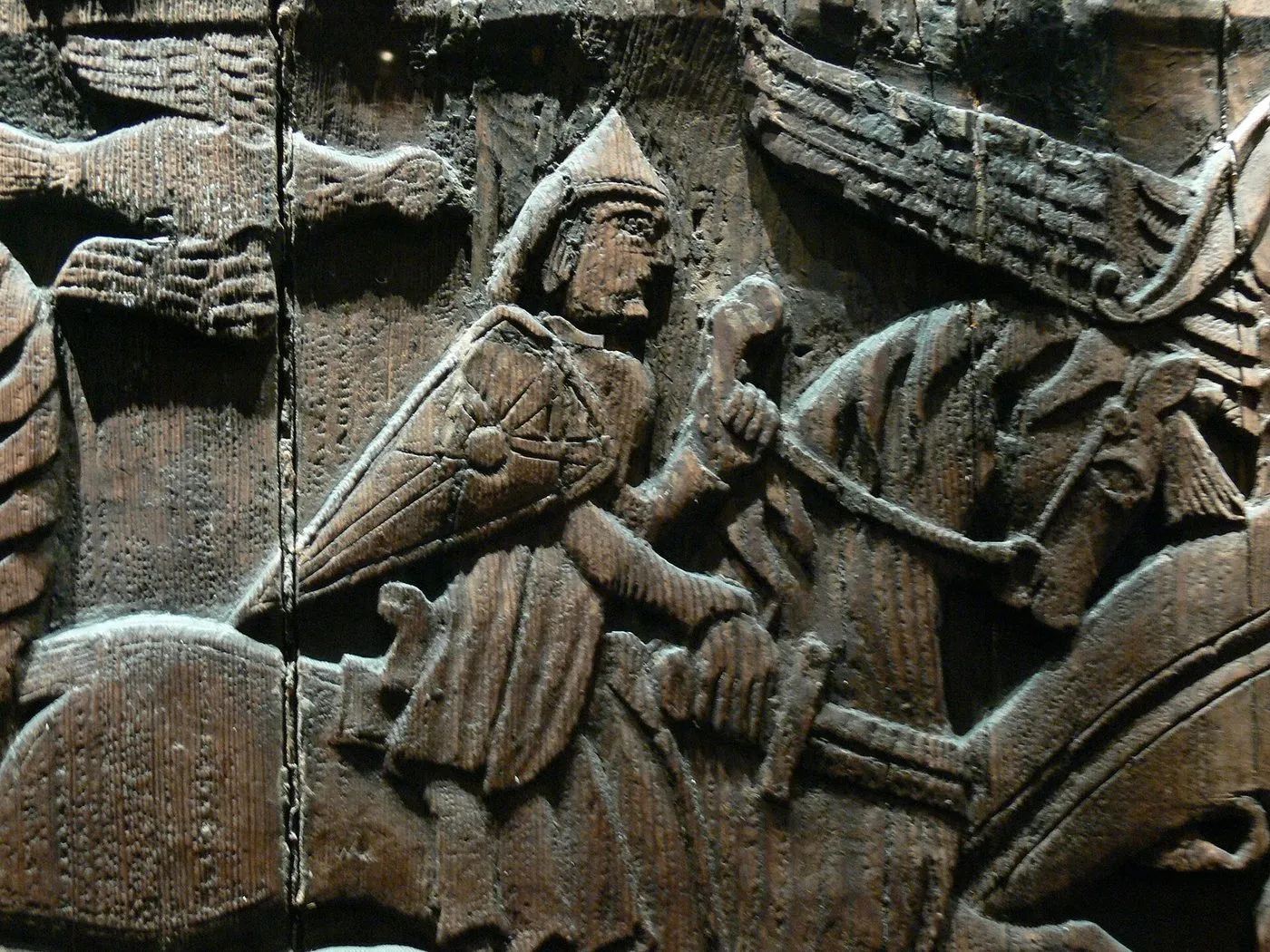 A detail of the carved Valþjófsstaður church door. Photo: Wolfgang Sauber, Wikimedia Commons, CC BY-SA 3.0.
Ticket options and pricing
Standard tickets can be bought at the admissions desk in the main foyer on the ground floor or booked online in advance. The museum’s pricing structure is straightforward, with generous concessions for families and younger visitors.
| Ticket option | Price | Inclusions |
|---|---|---|
| Official Museum Box Office (Adult) | 2,500 ISK | Full admission to Making of a Nation and temporary exhibitions, audioguide app |
| Official Concession (Student / Senior 67+) | 1,200 ISK | Valid student card or proof of age required at desk |
| Official Youth (Under 18) | Free | Free entry for children and young people accompanied by an adult |
| Official Disabled Visitors | Free | Free admission for cardholder and one essential companion |
| Reykjavik City Card (24h / 48h / 72h) | 6,100 / 8,500 / 10,500 ISK | Free admission plus all city thermal pools and Strætó city buses |
| GetYourGuide Advance Entryad | ~2,600 ISK | Direct admission ticket, smartphone barcode, free cancellation up to 24 hours ahead |
Payment at the front desk is entirely cashless; debit cards, credit cards, and mobile contactless options (Apple Pay, Google Pay) are accepted across all counters, as explained in our guide to money in Reykjavik.
If you plan to visit multiple cultural institutions alongside Reykjavik’s famous public baths, the Reykjavik City Card offers considerable value. Buying a 24-hour card (6,100 ISK) pays for itself if you combine the National Museum (2,500 ISK) with a swim at Sundhöllin thermal pool (1,500 ISK), an afternoon at the Reykjavik Maritime Museum and two Strætó city bus journeys (1,380 ISK).
Opening hours and visiting logistics
- Summer (1 May to 15 September): open daily from 10:00 to 17:00.
- Winter (16 September to 30 April): open Tuesday to Sunday from 10:00 to 17:00; closed on Mondays.
- Public Holidays: Closed on 24, 25, and 31 December, and 1 January. Reduced hours (12:00 to 17:00) generally apply on Easter Sunday and Whit Sunday.
- Average Visit Duration: Allow 90 minutes to two hours to walk the permanent collection comfortably. History enthusiasts using the audioguide across every gallery often spend up to three hours.
- Audioguides: The museum has an audioguide app with commentary in several languages.
- Lockers and Cloakroom: Lockers and coat racks are on the basement level; leave large rucksacks there.
- Accessibility: The building is fully step-free. Automated entry doors, wide gallery corridors, two modern guest lifts connecting all exhibition floors, and accessible washrooms on the lower ground floor accommodate visitors with reduced mobility. Manual wheelchairs are available to borrow free of charge at the reception desk. Exhibit wall texts and tactile floor maps are complemented by Braille guides upon request.
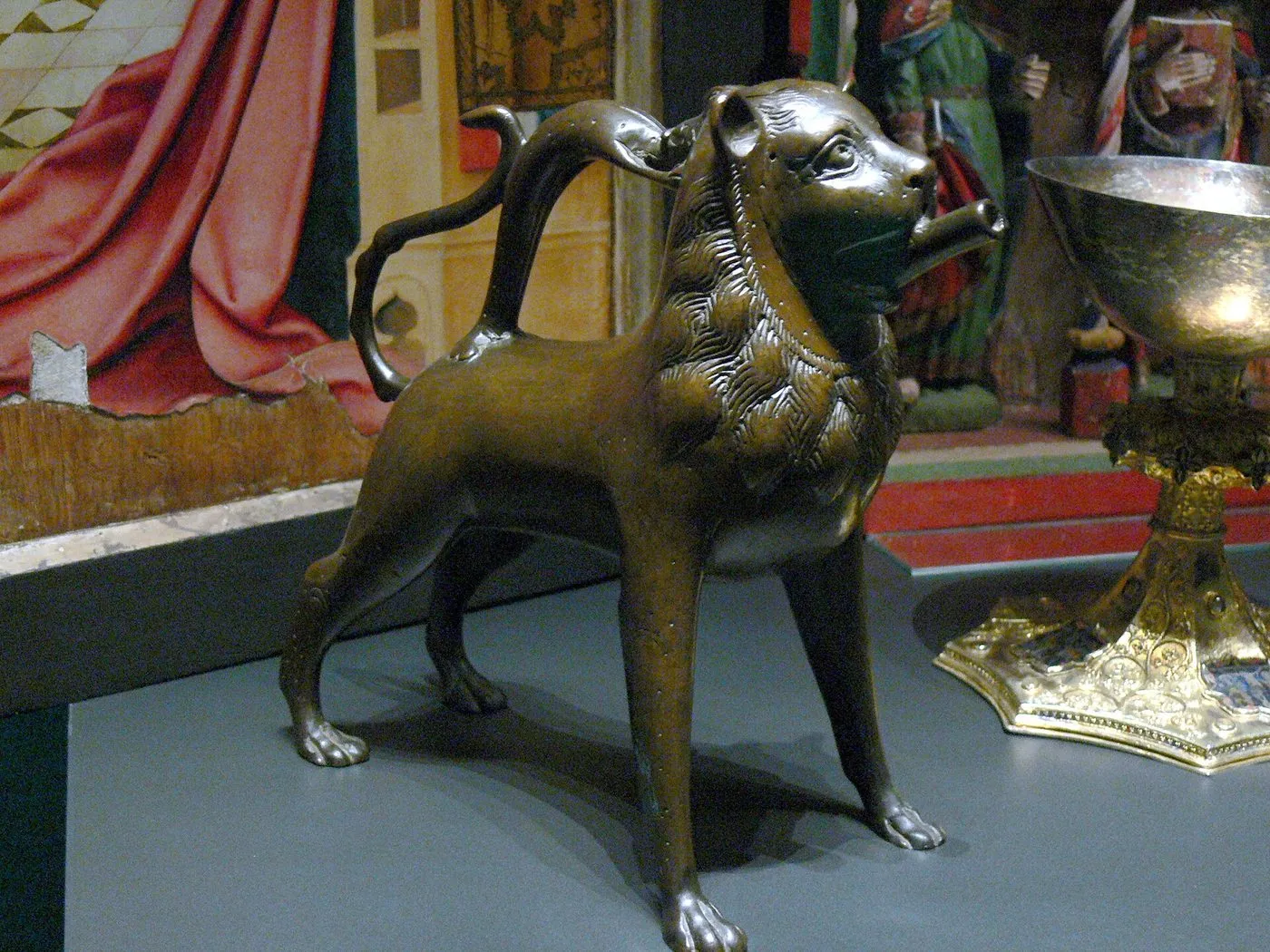 A medieval bronze lion-shaped aquamanile. Photo: Wolfgang Sauber, Wikimedia Commons, CC BY-SA 3.0.
Tour options and bookings
While the National Museum can easily be explored independently, combining your visit with a broader city tour provides valuable historical narrative that enriches your understanding of the collection.
Reykjavik: National Museum of Iceland Entry Ticketad
From 2,600 ISK · 4.4 stars from 577 reviews · 2 hours · Instant confirmation
Securing your ticket through this smartphone-ready voucher guarantees immediate admission without queueing at peak times during summer. The ticket includes full access to both floors of the permanent Making of a Nation exhibition as well as rotating temporary exhibitions in the Arch Hall and Corner Gallery. Cancellation is free up to 24 hours before your visit date.
Reykjavik: City Card with Museum Entry & 8 Thermal Poolsad
From 6,000 ISK · 4.4 stars from 1,248 reviews · 24–72 hours · Mobile voucher
The official Reykjavik City Card grants unlimited admission to the National Museum of Iceland, the Árbær Open Air Museum, the National Gallery, and the Reykjavik Maritime Museum. It also includes unlimited rides on Strætó city buses within the capital area and unlimited admission to all eight public thermal swimming pools, including Sundhöllin and Laugardalslaug.
Reykjavik: Perlan - Wonders of Iceland Experiencead
From 6,400 ISK · 4.7 stars from 4,458 reviews · 2 hours · Instant confirmation
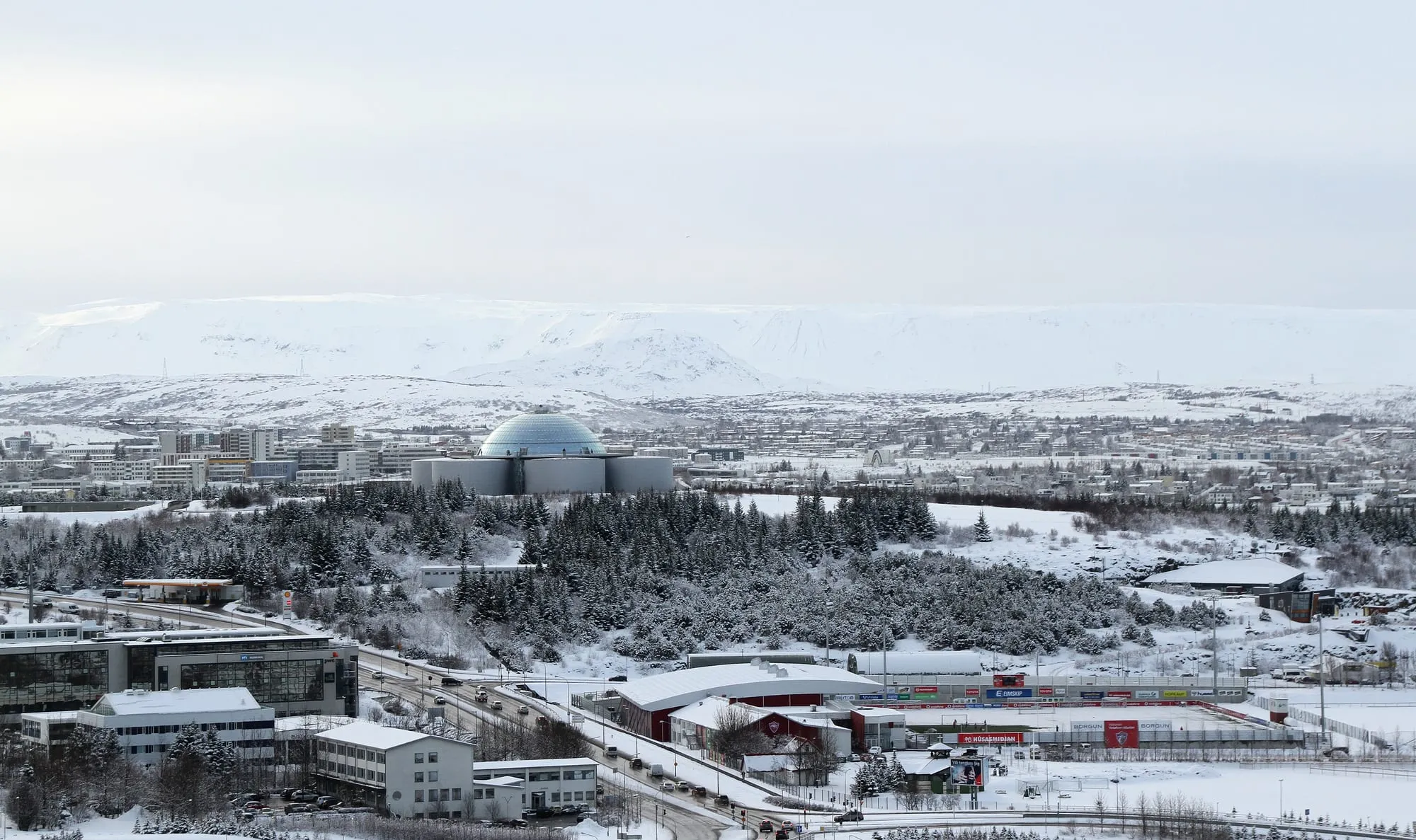
While the National Museum focuses on human settlement and social history, Perlan explores Iceland’s geological formation. Pairing both sights provides a comprehensive overview of the island’s natural forces and cultural development.
Highlights of the permanent collection
The permanent exhibition, Making of a Nation, begins on the first floor with the Norse discovery and settlement of Iceland around 874 AD and concludes on the second floor with 20th-century independence and modern civic life.
The Valþjófsstaður church door
The museum’s undisputed masterpiece is the Valþjófsstaður door (Valþjófsstaðahurðin), carved from native Scots pine around 1200 AD. Measuring 206.5 cm high by 97.5 cm wide, it stood for centuries at the church of Valþjófsstaður in the Fljótsdalur valley in eastern Iceland.
The door features two large circular medallions carved in the Romanesque style. The upper medallion depicts the chivalric legend of the Knight of the Lion, inspired by Chrétien de Troyes’ French romance Yvain, le Chevalier au Lion. In three sequential scenes, a mounted knight slays an attacking dragon to rescue a trapped lion; the grateful beast subsequently follows the knight as a loyal companion; and finally, following the warrior’s death, the lion lies mourning across his stone sarcophagus. A runic inscription beneath the lower rim commemorates the nobleman buried beneath: “Behold the king carved here who slew this dragon.” The lower medallion contains four intricately interlaced winged dragons biting their own tails.
In 1851, the door was shipped to the National Museum of Denmark in Copenhagen for safekeeping. Following decades of diplomatic negotiations between the two nations, Denmark repatriated the door to Iceland in 1930 to celebrate the millennium of the founding of Alþingi.
The Eyrarland Thor figurine
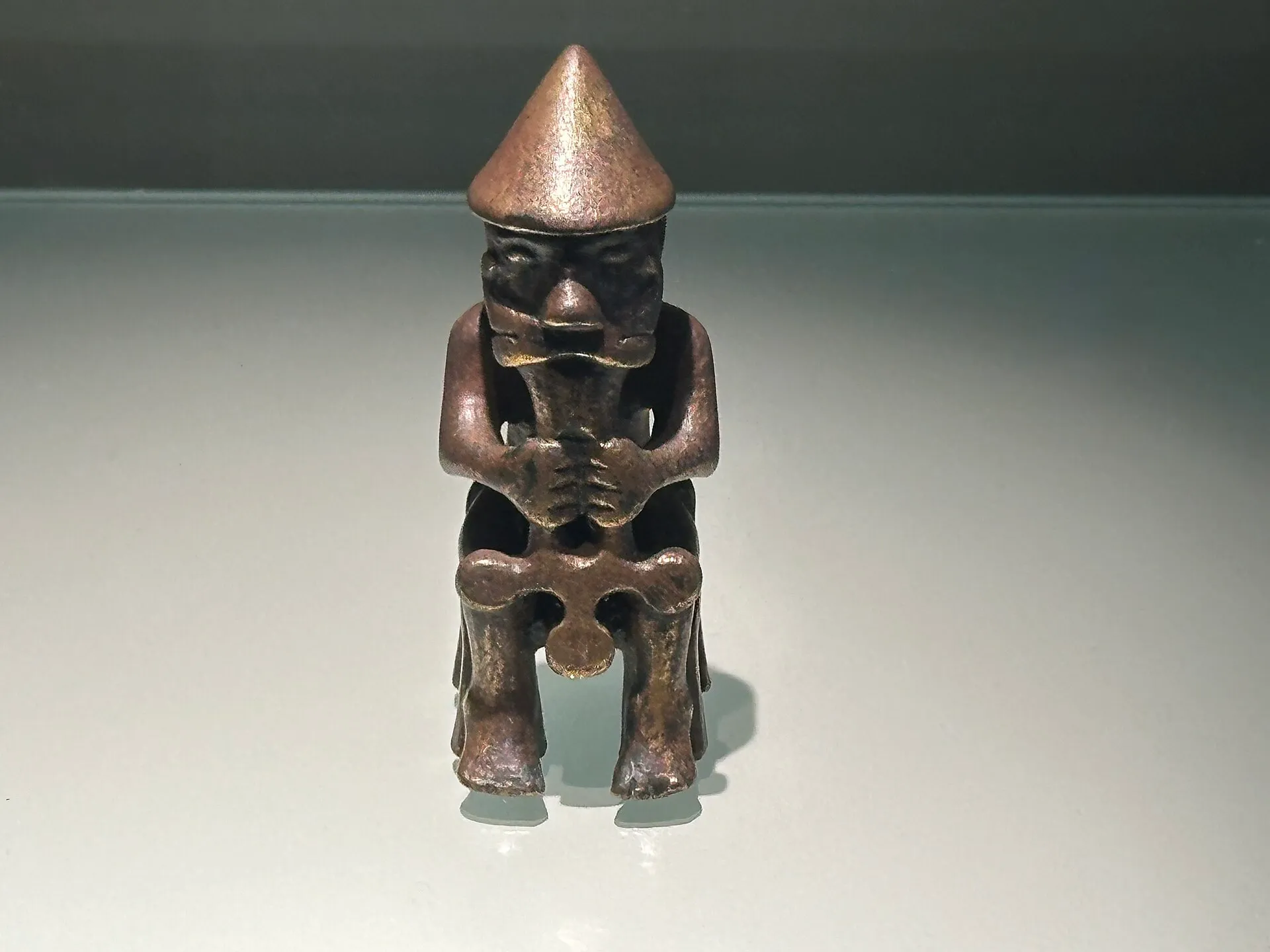
Discovered around 1815 on the Eyrarland farm near Akureyri in northern Iceland, this cast bronze statuette measures just 6.7 cm in height and dates from approximately 1000 AD—the exact historical transitional period when Iceland peacefully adopted Christianity at the Alþingi gathering in Þingvellir National Park.
The statuette shows a bearded figure seated on a raised stool wearing a peaked helmet. His hands clasp a cruciform object resting against his chest, which scholars interpret as Mjölnir, the magical hammer of the Norse thunder god Þór (Thor). Because the hammer’s handle forms an inverted cross, historians debate whether the figurine was used by a pagan devotee seeking Thor’s protection or by an early Norse Christian syncretist who viewed the hammer and cross as interchangeable symbols of divine strength.
Medieval church treasures and liturgical art
The Reformation arrived violently in Iceland in 1550 with the execution of Jón Arason, the last Roman Catholic bishop of Hólar. While royal Danish officials systematically stripped parish churches of precious metalwork and smashed religious statues, the National Museum preserves several rare pre-Reformation survivors.
Key liturgical artefacts include:
- The Eyri Madonna: A tender 14th-century carved oak figure of the Virgin and Child from the remote Westfjords church of Eyri.
- The Moltastaðir Aquamanile: A cast bronze water vessel in the shape of a crowned lion, produced in northern Germany during the 13th century and used by priests for ritual hand-washing during the Catholic Mass.
- Carved Drinking Horns: Polished ram and cattle horns from Skálholt cathedral, embellished with silver mounts and carved medieval heraldry depicting the twelve apostles.
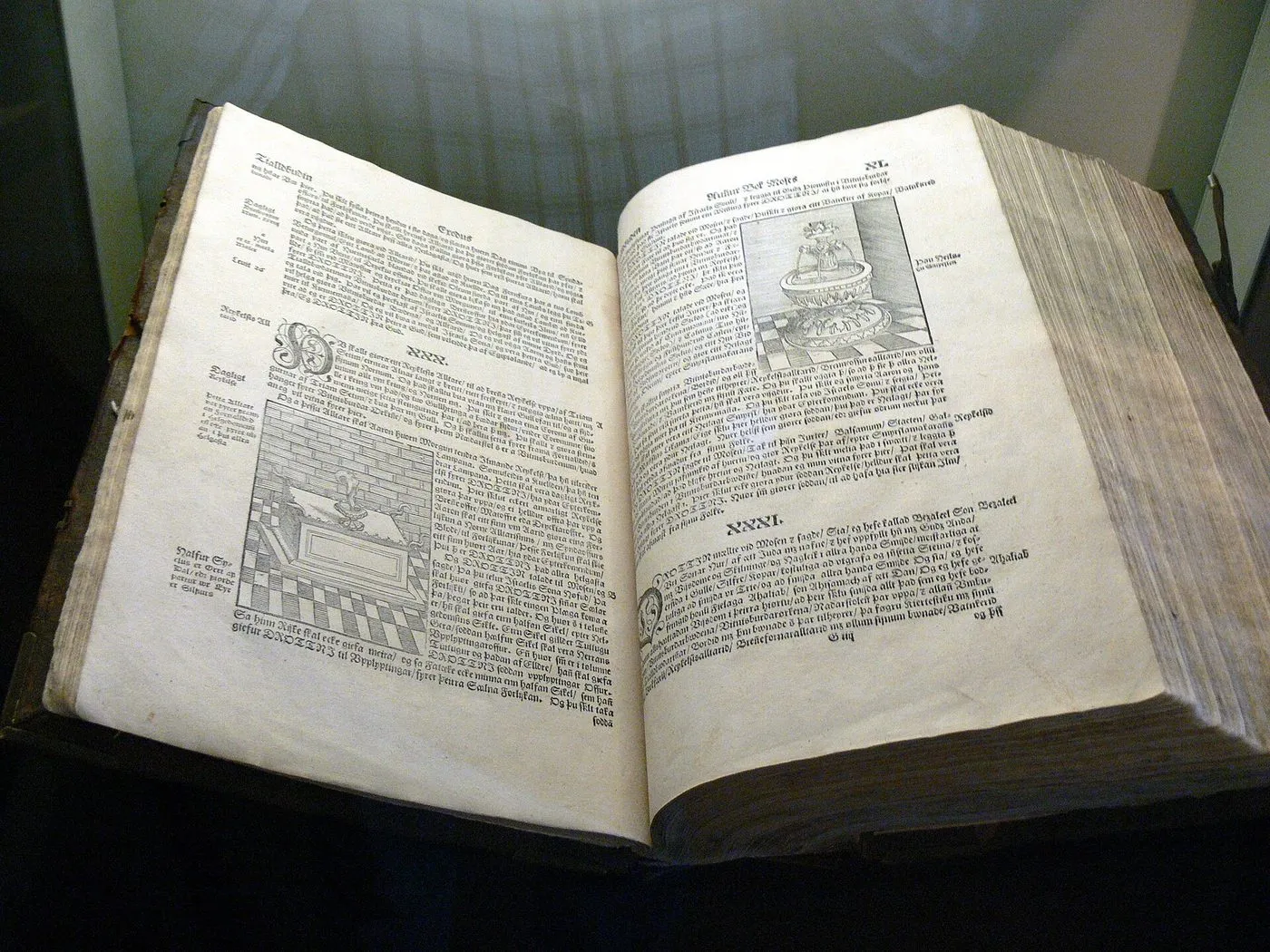 The Guðbrandsbiblía of 1584, the first complete Bible printed in Icelandic. Photo: Wolfgang Sauber, Wikimedia Commons, CC BY-SA 3.0.
Guðbrandsbiblía and the Reformation
Displayed in a climate-controlled vitrine on the second floor, the Guðbrandsbiblía of 1584 is the first complete printed translation of the Old and New Testaments into the Icelandic language. Commissioned and translated under the supervision of Guðbrandur Þorláksson, Bishop of Hólar, the immense volume required seven skilled printers working for two full years to complete an edition of 500 copies.
The bishop financed the monumental printing press by requiring every church in Iceland to purchase a copy for one rixdollar or the value of one cow. The publication played a critical role in preserving the Old Norse linguistic structure of the Icelandic tongue across succeeding centuries of Danish rule.
19th-century rural life and the Baðstofa
The final sections of the permanent gallery reconstruct daily existence inside rural turf farmhouses before the Industrial Revolution. Visitors can examine authentic wooden spinning wheels, seal-skin wading boots, hand-forged scythes, and decorated wooden butter churns.
A life-sized reconstruction of a communal baðstofa—the combined living, sleeping, and working loft of traditional Icelandic turf homes—shows how farming families endured sub-arctic winter months. Illuminated only by fish-oil lamps, family members spent evening hours (kvöldvaka) carding wool and knitting garments while an elder recited family sagas or sang traditional narrative ballads (rímur).
Getting there and neighbourhood connections
The National Museum of Iceland is located at Suðurgata 41, 101 Reykjavik, just south-west of the city centre.
- On Foot: The museum is a gentle 10-minute walk (800 metres) west from Lake Tjörnin and City Hall, or 15 minutes from Hallgrímskirkja.
- By Public Bus: Strætó bus routes 1, 2, 3, 6, 11, and 12 stop directly outside at Háskóli Íslands (University of Iceland). A single bus ticket costs 690 ISK, but bus travel is free for Reykjavik City Card holders.
- By Car: A pay-and-display parking car park is situated directly behind the museum building on Birkimelur.
- Nearby Sights: Combine your museum visit with the Nordic House (Norræna húsið), designed by Finnish modernist architect Alvar Aalto, located 400 metres east across the university marshlands, or head north past Tjörnin to explore downtown Reykjavik’s culinary spots featured in our guide to where to eat in Reykjavik.
Common questions
How much are tickets to the National Museum of Iceland?
Standard adult admission is 2,500 ISK. Concession tickets for students and seniors aged 67 and over are 1,200 ISK. Children and teenagers under 18, as well as visitors with disabilities, enter free.
Is the National Museum included in the Reykjavik City Card?
Yes. Admission to the National Museum of Iceland is fully covered by the Reykjavik City Card. Cardholders present their digital pass or physical card at the admissions desk for immediate entry.
What are the opening hours?
The museum is open daily year-round from 10:00 to 17:00. From 16 September to 30 April the museum is closed on Mondays.
What is the most famous artefact in the National Museum?
The Valþjófsstaður door, an intricately carved pine church door dating from roughly 1200 that portrays the chivalric tale of a knight slaying a dragon to rescue a loyal lion. Another headline artefact is the 10th-century bronze figurine of the Norse god Thor holding his hammer Mjölnir.