In this guide
💡 The Short Version: Located just 17 minutes south on the JR Nara Line (¥240) from Kyoto Station, Uji is the easiest cultural day trip from Kyoto. Visit the 1,000-year-old Phoenix Hall at Byodoin Temple (¥600 in cash at the gate, plus ¥300 for the interior), then stroll along historic Byodoin Omotesando to taste fresh matcha noodles, bitter green tea soft-serve, and shade-grown gyokuro. Crossing the river brings you to Ujigami Shrine (free admission), Japan’s oldest surviving original Shinto shrine hall from 1060. Or book a tour: when you want an expert tea sommelier to guide you through historic plantations and formal tea bowl whisking, the Nara and Uji traditional matcha bus tourad (from ¥19,000, 4.9 stars from 234 reviews) pairs Uji with the deer of Nara.
Getting to Uji from Kyoto
Both JR West and the private Keihan Railway operate frequent direct links between Kyoto and Uji:
| Railway line & route | Travel time | One-way fare | Destination station in Uji | Notes |
|---|---|---|---|---|
| JR Nara Line (Miyakoji Rapid) | 17 mins | ¥240 | JR Uji Station | Fastest option; leaves Kyoto Station Platforms 8–10; covered by JR Pass |
| JR Nara Line (Local train) | 24 mins | ¥240 | JR Uji Station | Stops at Inari Station (for Fushimi Inari); departs every 15 minutes |
| Keihan Main Line + Uji Line | 35 mins | ¥340 | Keihan Uji Station | From Gion-Shijo or Sanjo: transfer at Chushojima to Keihan Uji Line |
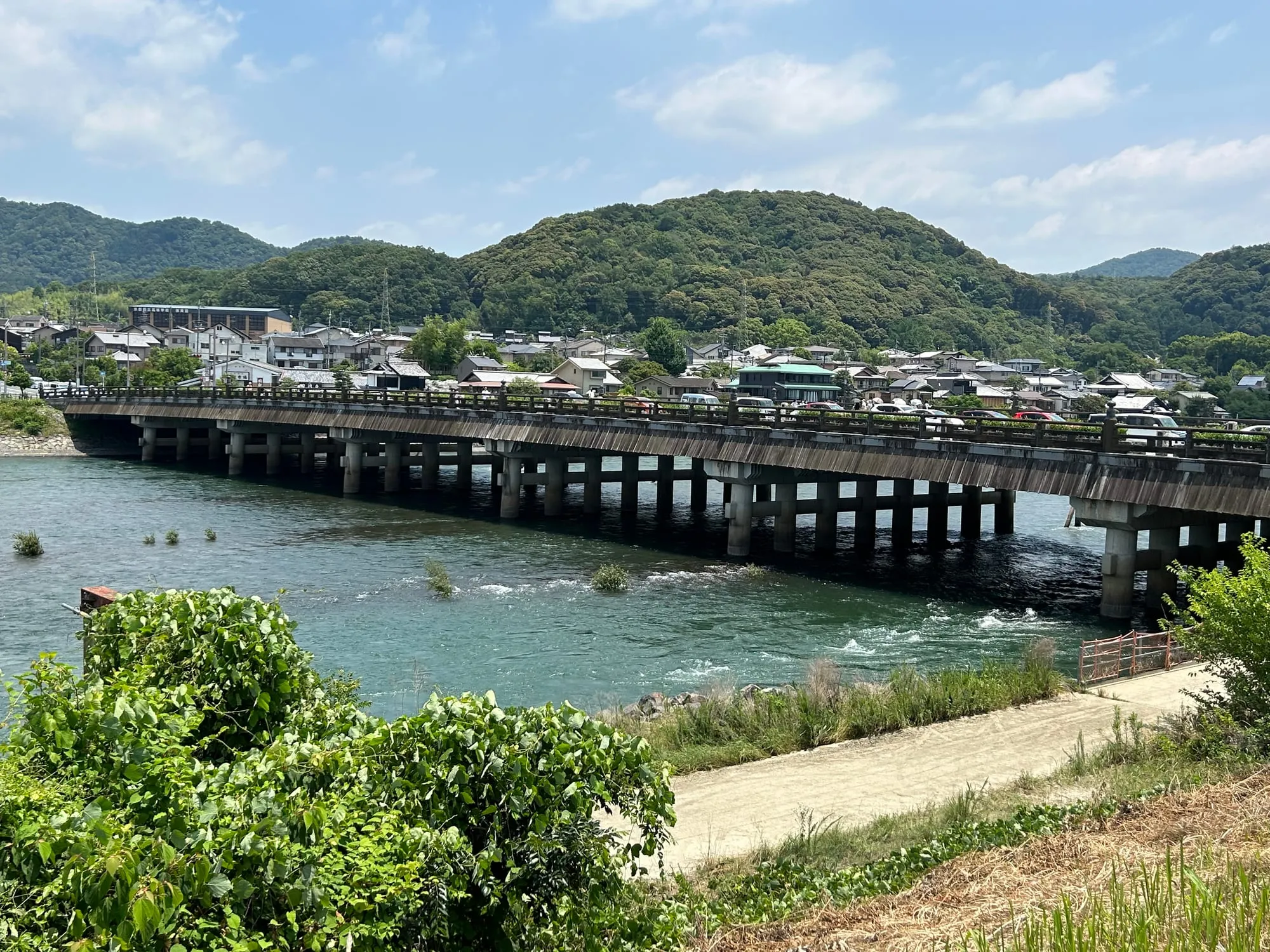
- JR vs Keihan stations: JR Uji Station sits south of the Uji River, a 10-minute walk through the town to Byodoin’s Omotesando approach. Keihan Uji Station sits on the north river bank, closer to Ujigami Shrine and the Tale of Genji Museum. Both are linked across the water by the pedestrian Ujibashi Bridge.
- IC card compatibility: Tapping an ICOCA, Suica, or Pasmo card works at all automated ticket gates for both JR and Keihan without buying separate physical tickets.
Guided tours and tea workshops in Uji
While walking through Uji independently is simple, booking a guided tea tour provides access to historic blending houses, explains grading differences between ceremonial matcha and culinary tea, and pairs tea heritage with regional landmarks.
Nara and Uji traditional matcha bus tour
From ¥19,000 · 4.9 stars from 234 reviews · 8½ hours · tea tasting & coach included
Kyoto: Nara & Traditional Matcha Experience Bus Tourad: joins at Kyoto Station, combining guided entry to Byodoin Temple and a dedicated matcha grinding workshop with an afternoon exploring Todai-ji and the sika deer in Nara.
Uji green tea and cultural walking tour
From ¥14,500 · 4.8 stars from 142 reviews · 3 hours · tea sommelier guide
Kyoto: Green Tea Tour in Ujiad: meets at JR Uji Station, leading you through four centuries of tea merchant history along Byodoin Omotesando, tasting three distinct grades of sencha and gyokuro, followed by a formal matcha preparation lesson at a historic riverside teahouse.
Four headline sights coach excursion
From ¥9,200 · 4.3 stars from 1,876 reviews · 9 to 10 hours · air-conditioned coach
Osaka/Kyoto: Kinkaku-ji, Arashiyama, Fushimi Inari & Naraad: links southern Kyoto and Nara, passing through the Uji tea corridor with coach transport between Fushimi Inari Shrine and Todai-ji.
Official ticket or tour: the costs side by side
Independent transit and admissions compared with guided tea workshops.
| Option | Official admission | Tour cost | What it covers |
|---|---|---|---|
| Independent Uji day trip | ¥480 train return + ¥600 Byodoin = ¥1,080 | — | JR Miyakoji Rapid return, Byodoin gardens and Hoshokan Museum |
| Byodoin + Phoenix Hall interior | ¥1,080 + ¥300 interior = ¥1,380 | — | Above plus 20-minute guided tour inside the Amida-do Hall |
| Uji walking tour with tea tasting | Admissions extra | From ¥14,500 | 3-hour guided walk, multi-course tea tastings, tea master lesson |
| Nara & Uji matcha bus tour | All admissions included | From ¥19,000 | Byodoin Temple, matcha workshop, Todai-ji Great Buddha, Nara deer |
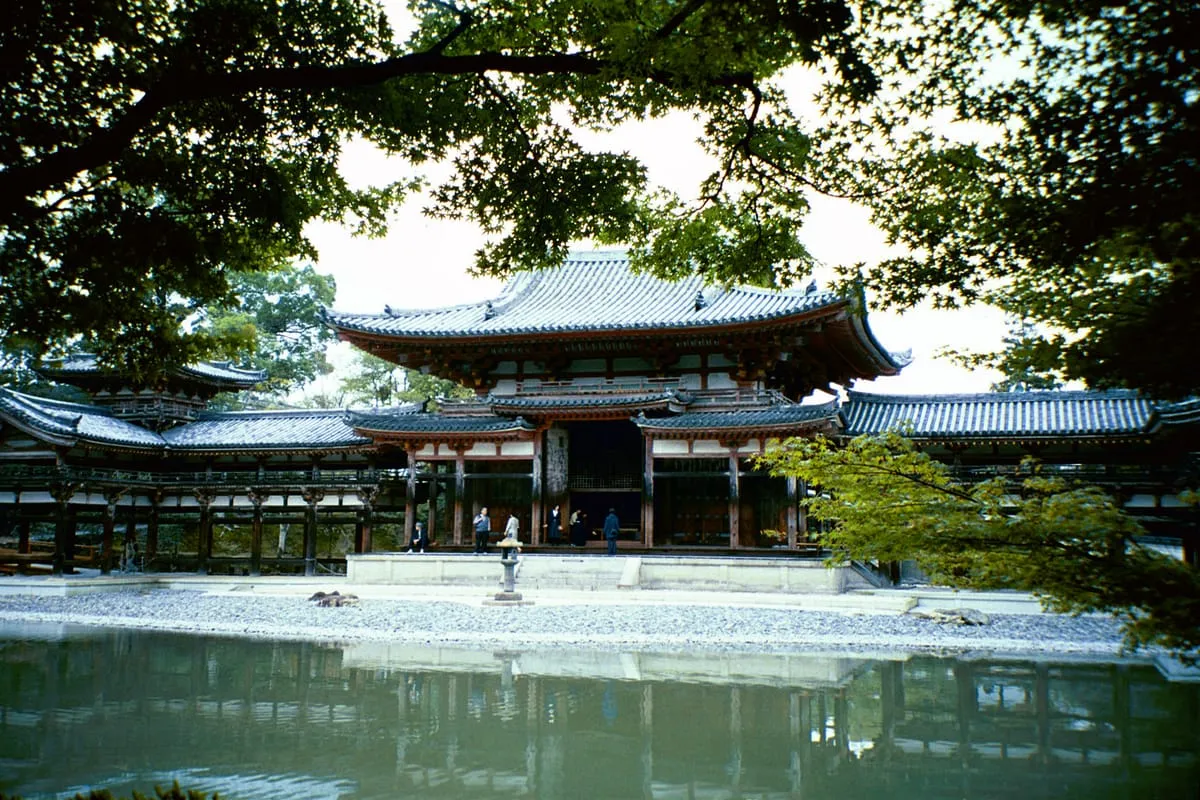
The 11th-century Phoenix Hall at Byodoin Temple. Photo: David Monniaux, Wikimedia Commons, CC BY-SA 3.0.
What to see in Uji
1. Byodoin Temple and the Phoenix Hall
Originally constructed in 998 as a rural riverside villa for regent Fujiwara no Michinaga, Byodoin was converted into a Buddhist temple in 1052 by his son Yorimichi.
- The Phoenix Hall (Amida-do): Built in 1053, this graceful two-winged pavilion was designed to represent the Western Pure Land (Buddhist paradise) on Earth. It sits on an island in the middle of a lotus pond, flanked by sweeping rooflines crowned by twin bronze phoenix birds (hoo). The building survived the civil wars that destroyed the rest of the compound and is depicted on the Japanese 10-yen coin and the 10,000-yen banknote.
- Jocho’s Amida Buddha: Inside the hall sits a 3-metre seated Amida Buddha carved from Japanese cypress (hinoki) using the multi-block yosegi-zukuri technique and covered in gold leaf, surrounded by 52 dancing Bodhisattvas carved on cloud pedestals.
- Hoshokan Museum: Included in standard temple admission (¥600 cash at the gate; open 09:00 to 17:00). This modern underground museum displays the original 11th-century bronze roof phoenixes, the temple’s National Treasure bronze bell, and illuminated digital recreations of the hall’s original Heian pigments.
- Phoenix Hall interior tour: To enter the interior, purchase a separate timed-admission ticket for ¥300 cash at the inner bridge booth inside the grounds. Tours run every 20 minutes from 09:30 to 16:10 with a strict 50-person capacity. On weekends, slots often sell out 1 to 2 hours ahead; buy your interior ticket immediately upon entering the temple grounds.
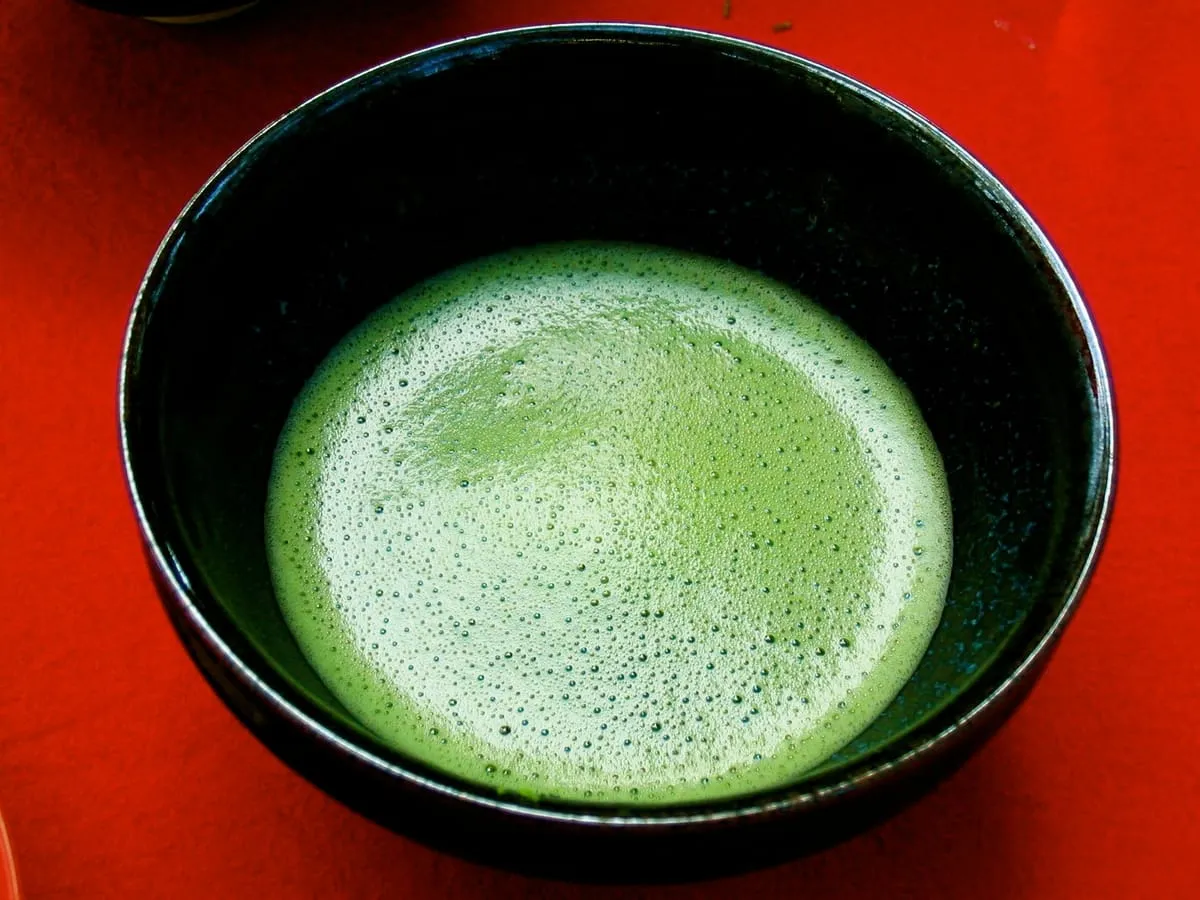
Freshly whisked ceremonial Uji matcha in a ceramic chawan. Photo: Basile Morin, Wikimedia Commons, CC BY-SA 4.0.
2. Byodoin Omotesando tea street
The 300-metre pedestrian street linking JR Uji Station with the temple gates is packed with tea merchants that have roasted green tea for centuries:
- Tsuen Tea: Located beside Uji Bridge, founded in 1160 and officially recognised as one of the oldest operating companies in the world. Sample their fresh matcha dango (rice dumplings) and cold-whisked tea.
- Mitsuboshien Kanbayashi Sannyu Honten: The former official tea purveyor to Shogun Tokugawa Ieyasu, serving single-estate gyokuro and roasted hojicha.
- Cha-soba (Green Tea Soba Noodles): Buckwheat noodles kneaded with stone-ground Uji matcha, served cold on bamboo mats (zaru soba) with dashi dipping broth and wasabi (around ¥900 to ¥1,400).
- Matcha Parfaits & Soft Serve: Confectioners like Nakamura Tokichi (located near JR Uji Station) and Ito Kyuemon serve elaborate matcha parfaits layered with green tea jelly, sweet adzuki beans, and matcha ice cream dusted with dark green tea powder.
3. Ujigami Shrine
Cross the red Asagiri Bridge across the Uji River to the eastern bank:
- Built in roughly 1060 as the guardian shrine for Byodoin, Ujigami Shrine is recognised by architectural historians as the oldest original surviving Shinto shrine structure in Japan and an official UNESCO World Heritage landmark.
- The Main Hall (Honden) incorporates three individual shrines under a single shared curved roof in the Heian nagare-zukuri style. Admission is completely free.
- The adjacent Kirihara Spring is the only one of Uji’s seven famous ancient freshwater springs still bubbling with clean spring water used for tea ceremonies.
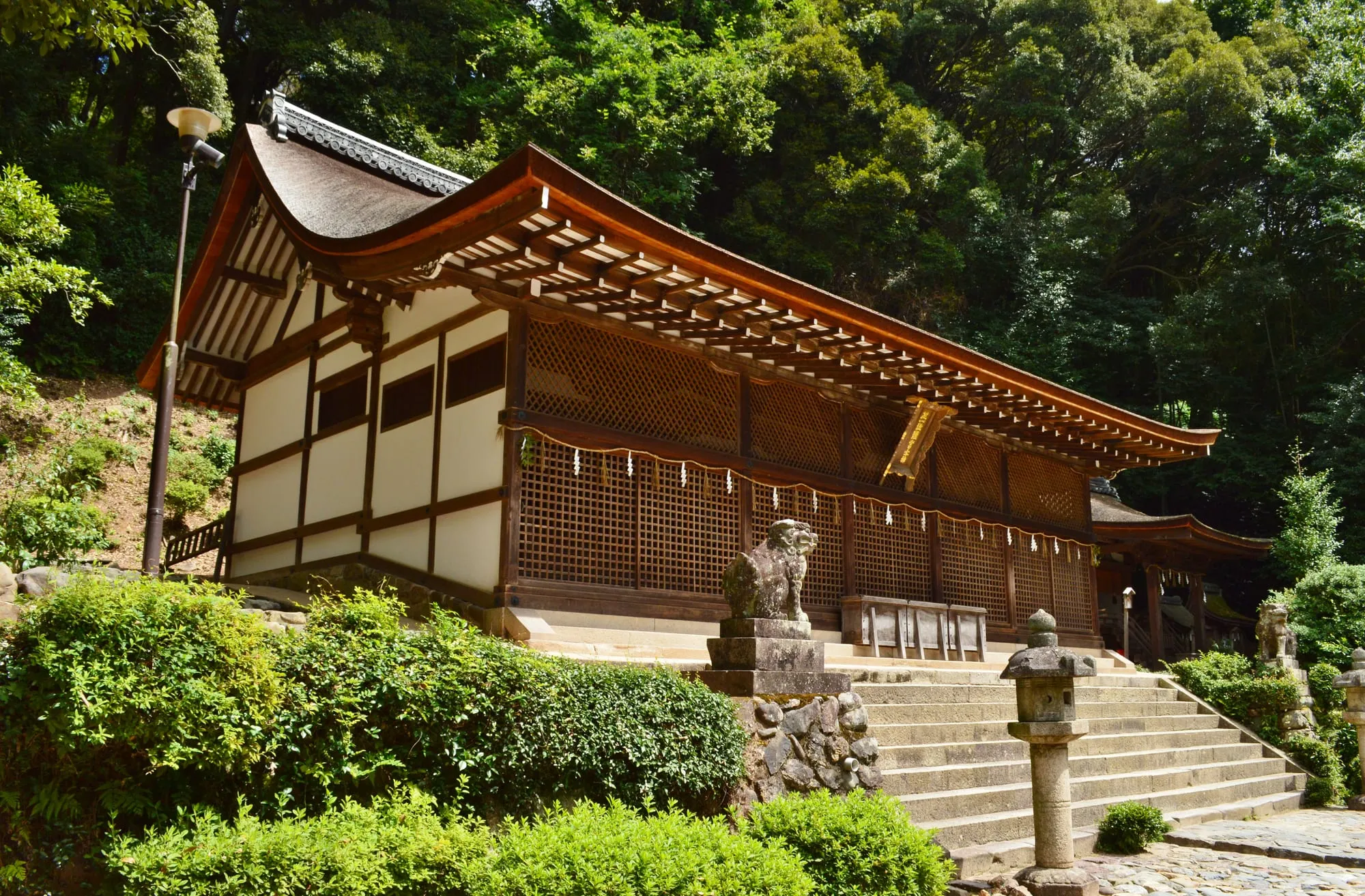
Ujigami Shrine. Photo: Saigen Jiro, Wikimedia Commons, CC0.
4. Tale of Genji Museum
Uji is the setting for the final ten chapters of Murasaki Shikibu’s 11th-century classic The Tale of Genji (the “Uji Chapters”). Located a 10-minute walk northeast of Ujigami Shrine, the museum features life-sized Heian ox-drawn carriage models, period furnishings, and animated film screenings (admission ¥600 cash or card; open 09:00 to 17:00, closed Mondays).
Practical visiting tips
- Taiho-an Municipal Tea House: If you want an authentic, affordable tea ceremony without booking weeks ahead, visit Taiho-an, situated across the river from Byodoin. Operated by the Uji municipal government, visitors pay ¥1,000 cash at the door to sit on tatami mats, observe a formal tea preparation, and enjoy a bowl of seasonal matcha with a wagashi sweet. Open daily 10:00 to 16:00 (closed late December to early January).
- Combining routes: Because the JR Nara Line runs directly between Kyoto and Nara, Uji fits seamlessly into a full-day excursion: spend the morning at Todai-ji in Nara, then take the train north to Uji for a late matcha lunch and an afternoon exploring Byodoin before returning to Kyoto for dinner. For wider regional itineraries, explore our complete guide to day trips from Kyoto.
Common questions
How far is Uji from Kyoto?
Uji is 15 kilometres south of Kyoto. Direct trains on the JR Nara Line take only 17 minutes on the Miyakoji Rapid or 24 minutes on local trains from Kyoto Station, costing ¥240 each way.
What is Byodoin Temple famous for?
Byodoin's Phoenix Hall (Amida-do), built in 1053, is depicted on the Japanese 10-yen coin and the 10,000-yen banknote. It houses a National Treasure Amida Buddha carved by master sculptor Jocho.
Can you go inside the Phoenix Hall at Byodoin?
Yes. Entry to the Phoenix Hall interior requires a separate timed-entry ticket (¥300 cash) purchased on the day at the inner bridge booth. Tours enter every 20 minutes with a strict 50-person limit.
Why is Uji famous for matcha green tea?
Uji has cultivated tea along the river mist since the late 12th century when Zen monk Eisai introduced Chinese tea seeds. Uji's shaded cultivation methods pioneered high-grade matcha and gyokuro green tea.