In this guide
💡 The Short Version: For a trip based in Tokyo with regional day trips, the nationwide Japan Rail (JR) Pass is almost never worth the money. Following the massive 65% price increase in October 2023, an ordinary 7-day adult pass costs ¥50,000 online. A standard round trip on the Shinkansen between Tokyo and Kyoto costs approximately ¥28,340, leaving you more than ¥21,000 in the red. Within Tokyo, the pass does not cover the subway or private lines. Buy point-to-point tickets or regional passes instead: the JR Tokyo Wide Pass (¥16,000 for 3 days), the Hakone Freepass (¥7,100 for 2 days), and the Tokyo Subway Ticket (¥2,000 for 72 hours) deliver vastly superior value.
Nationwide JR Pass official pricing
Prices set by the Japan Railways Group on the official JR Pass portal:
| Pass type | Validity | Official online price (Adult) | Official online price (Child 6–11) | Overseas agency price (Adult) |
|---|---|---|---|---|
| Ordinary Car | 7 Days | ¥50,000 | ¥25,000 | ¥53,000 |
| Ordinary Car | 14 Days | ¥80,000 | ¥40,000 | ¥84,000 |
| Ordinary Car | 21 Days | ¥100,000 | ¥50,000 | ¥105,000 |
| Green Car (First Class) | 7 Days | ¥70,000 | ¥35,000 | ¥74,000 |
| Green Car (First Class) | 14 Days | ¥110,000 | ¥55,000 | ¥116,000 |
| Green Car (First Class) | 21 Days | ¥140,000 | ¥70,000 | ¥147,000 |
[!IMPORTANT] If you choose to purchase a national JR Pass, always buy it directly from the official Japan Rail Pass reservation site. Buying online allows you to reserve Shinkansen seat assignments online before boarding, whereas purchasing exchange vouchers through third-party travel resellers costs roughly 6% more and requires queueing at airport ticket windows in Japan before any seat can be reserved.
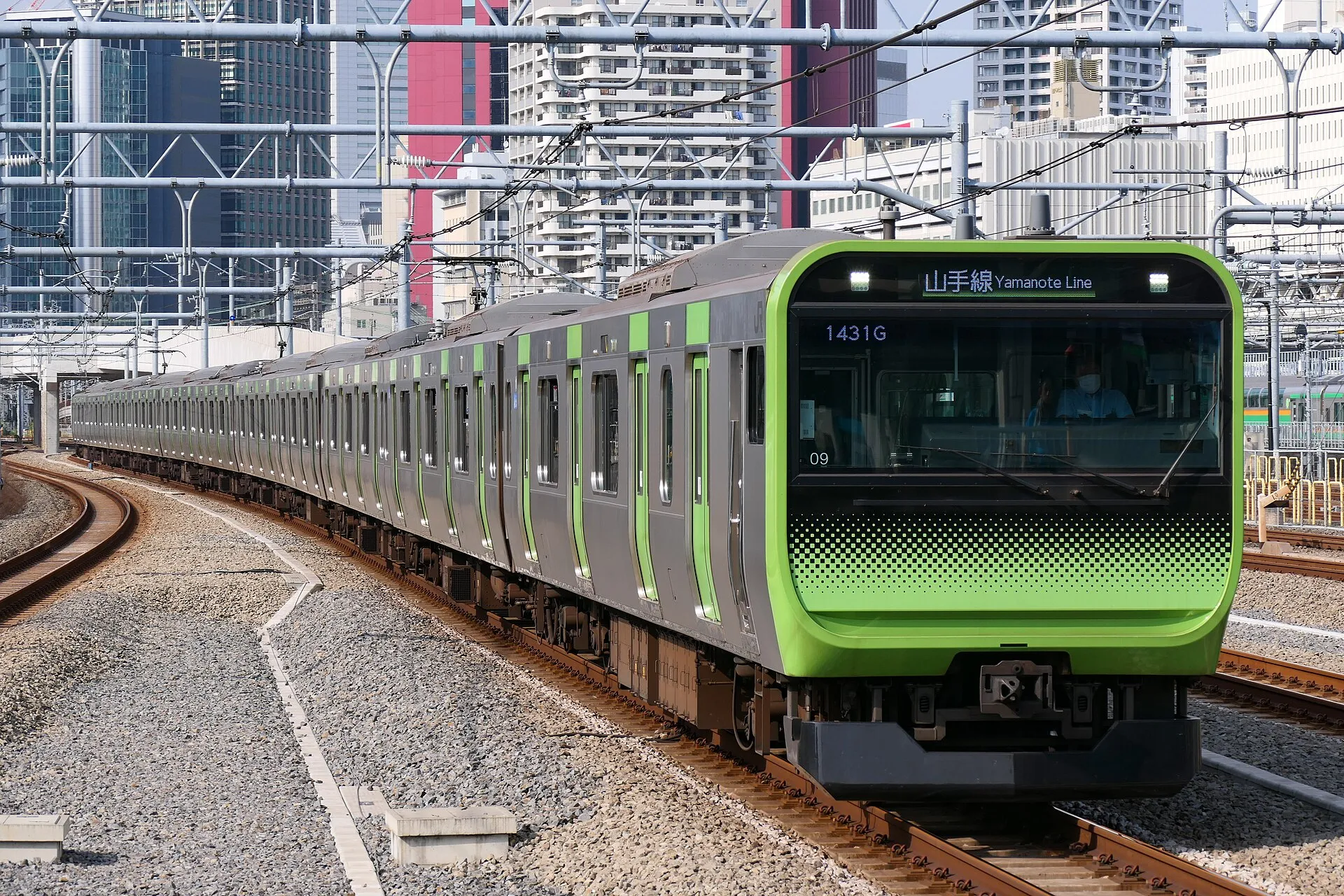
A green-banded JR East E235 series Yamanote Line train arriving at an elevated station platform. Photo: MaedaAkihiko, Wikimedia Commons, CC BY-SA 4.0.
Why the JR Pass no longer pays for simple itineraries
Prior to October 2023, a 7-day ordinary pass cost ¥29,650. At that price point, taking a single round trip on the Tokaido Shinkansen between Tokyo and Kyoto or Osaka naturally broke even, making the pass a straightforward recommendation for first-time visitors doing the classic “Golden Route”.
The dramatic price hike to ¥50,000 shattered that calculation. Consider the actual point-to-point fares for standard long-distance journeys departing Tokyo:
| Journey | Train type | Standard one-way fare (Reserved) | Round-trip fare | Difference vs 7-day JR Pass (¥50,000) |
|---|---|---|---|---|
| Tokyo ⇄ Kyoto | Tokaido Shinkansen (Nozomi) | ¥14,170 | ¥28,340 | -¥21,660 (Huge loss) |
| Tokyo ⇄ Shin-Osaka | Tokaido Shinkansen (Nozomi) | ¥14,720 | ¥29,440 | -¥20,560 (Huge loss) |
| Tokyo ⇄ Hiroshima | Tokaido/Sanyo Shinkansen (Nozomi) | ¥19,440 | ¥38,880 | -¥11,120 (Loss) |
| Tokyo ⇄ Kanazawa | Hokuriku Shinkansen (Kagayaki) | ¥14,380 | ¥28,760 | -¥21,240 (Huge loss) |
To make a 7-day pass break even today, you must travel an intensive multi-city loop within seven consecutive days—such as Tokyo → Kyoto → Hiroshima → Kanazawa → Tokyo (totaling roughly ¥54,000 in individual tickets). If your itinerary is relaxed, purchasing individual tickets is dramatically cheaper and offers greater scheduling flexibility.
The Nozomi and Mizuho surcharge problem
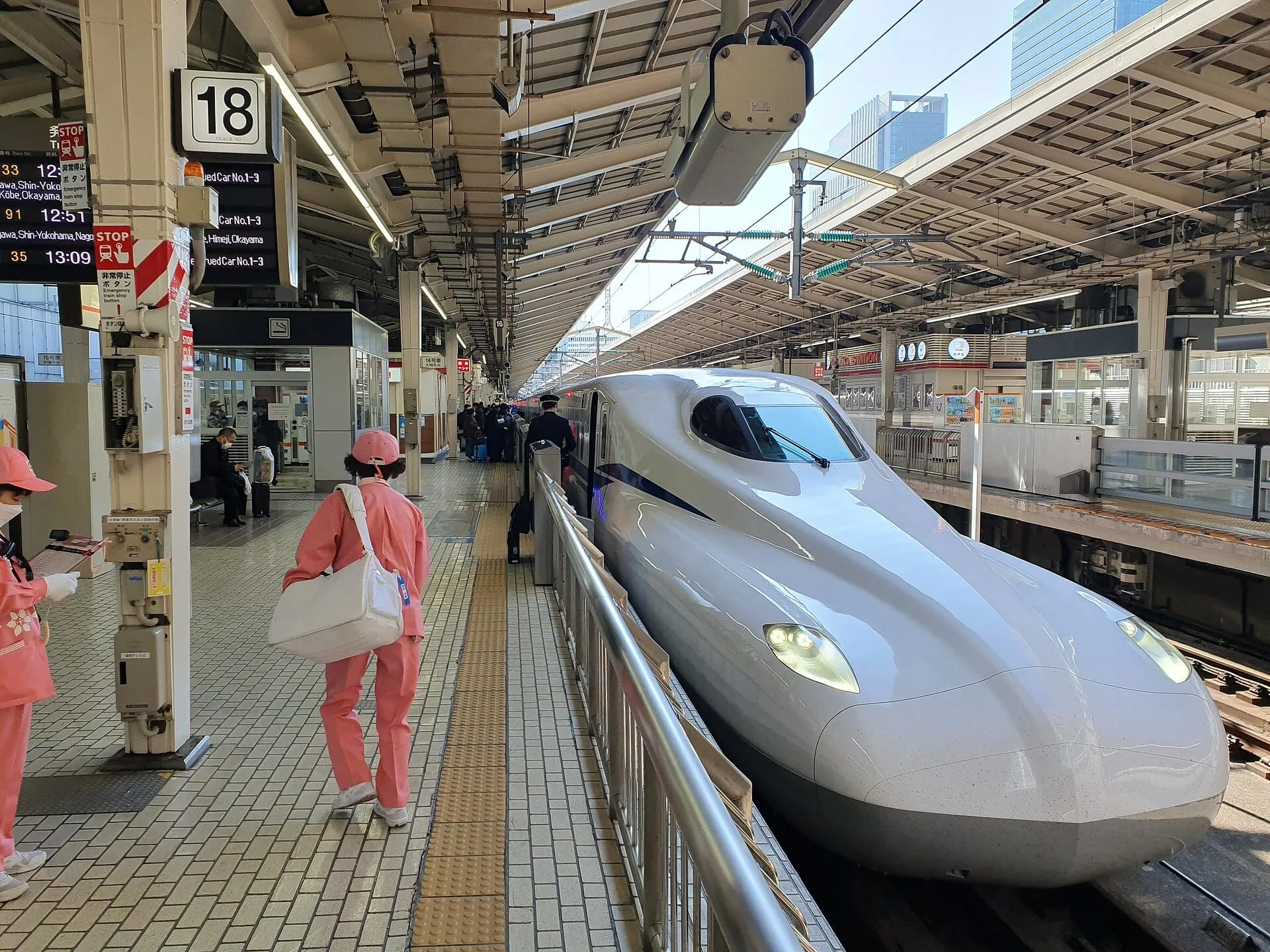
A major drawback of the national JR Pass is that it does not include full passage on the Nozomi or Mizuho—the fastest bullet trains on the Tokaido, Sanyo, and Kyushu Shinkansen lines.
Nozomi trains make up roughly 70% of all departures on the Tokaido corridor, running every four to six minutes between Tokyo, Nagoya, Kyoto, and Shin-Osaka. Under standard JR Pass rules, pass holders must ride the slower Hikari (which stops at several additional regional stations, taking 2 hours 40 minutes to Kyoto versus 2 hours 15 minutes on the Nozomi) or the all-stops Kodama (nearly 4 hours).
To ride the faster Nozomi with a JR Pass, holders must purchase a special supplemental ticket (Nozomi Mizuho Ticket) for each leg:
- Tokyo to Kyoto: ¥4,960 each way
- Tokyo to Shin-Osaka: ¥4,960 each way
- Tokyo to Hiroshima: ¥6,500 each way
Adding these supplements to a ¥50,000 pass drives your total expenditure to nearly ¥60,000, widening the financial disadvantage compared to buying standard ¥14,170 Nozomi tickets independently via the official SmartEX App.
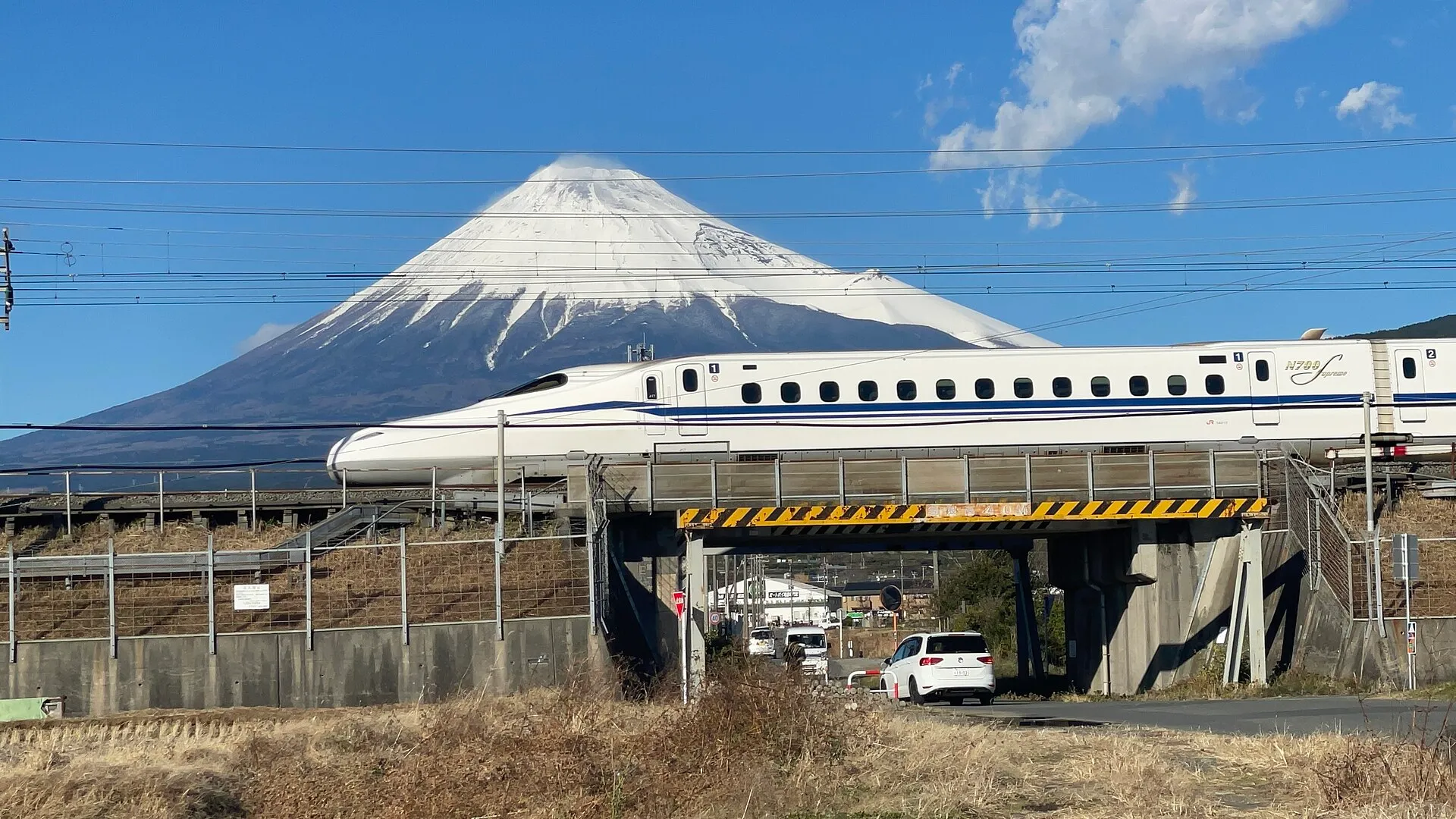
White Tokaido Shinkansen bullet train passing snow-capped Mount Fuji along the Tokaido corridor. Photo: Manish Prabhune, Wikimedia Commons, CC BY-SA 4.0.
What the pass covers in Tokyo: myths vs reality
Many first-time visitors mistakenly assume that holding a Japan Rail Pass provides unlimited travel across all of Tokyo’s transit lines. This is incorrect.
Tokyo’s urban rail network is divided among multiple competing operators:
| Train network | Covered by national JR Pass? | Practical notes |
|---|---|---|
| JR East Urban Lines | Yes | Unlimited travel on the circular JR Yamanote Line, JR Chuo-Sobu Line, Keihin-Tohoku Line, and Saikyo Line |
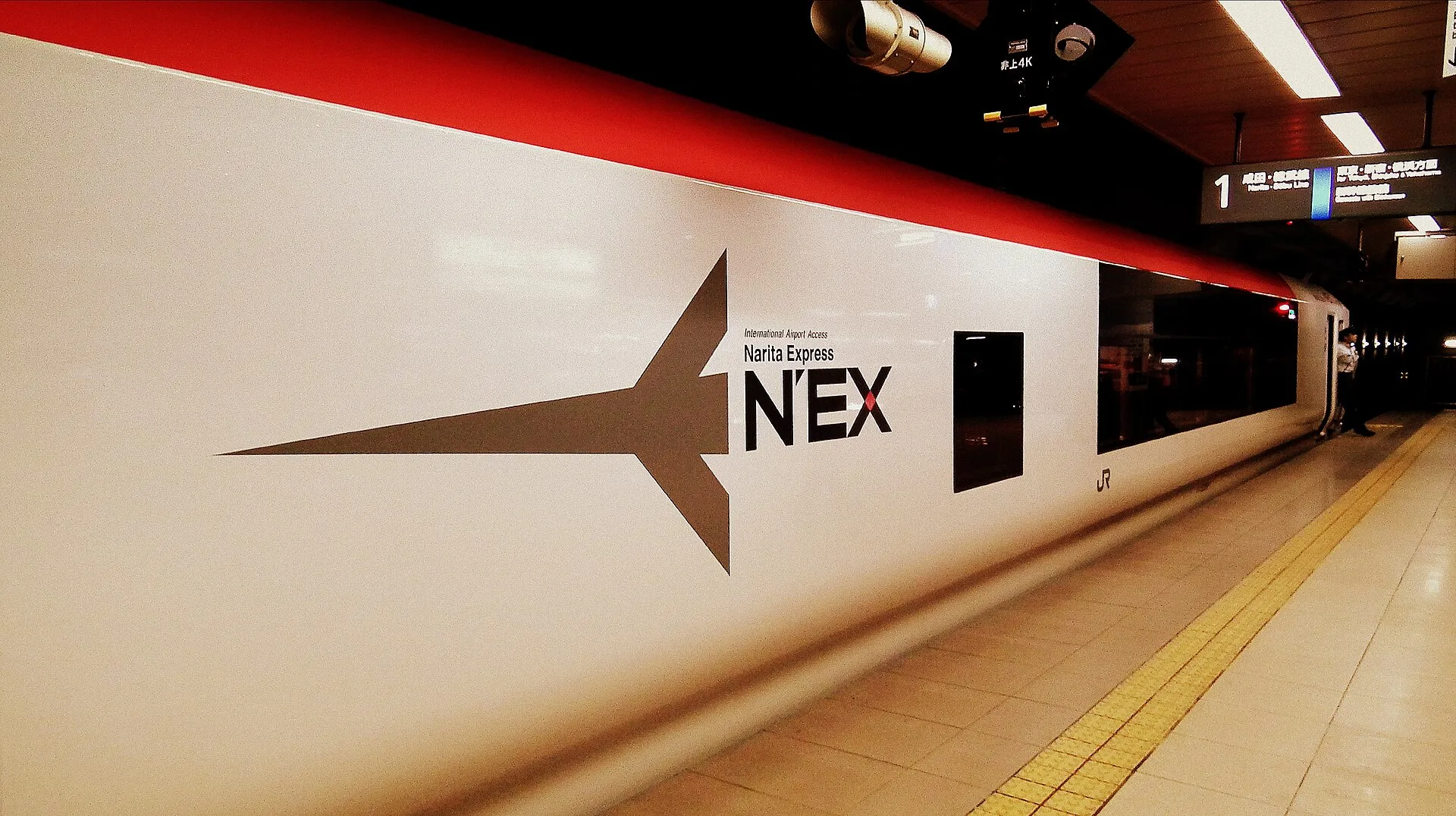
| Narita Express (N’EX) | Yes | Fully covered between Narita Airport, Tokyo, Shinjuku, and Shibuya; seat reservations are free for pass holders |
| Tokyo Metro Subway (9 lines) | No | Requires separate payment (Ginza, Marunouchi, Hibiya, Chiyoda, Hanzomon, Namboku, Yurakucho, Fukutoshin, Tozai lines) |
| Toei Subway (4 lines) | No | Requires separate payment (Asakusa, Mita, Shinjuku, Oedo lines) |
| Keisei Railway (Skyliner) | No | The fastest train to Narita Airport (36 min to Nippori) is operated by private Keisei Railway |
| Keikyu Railway (Haneda Airport) | No | Direct link between Haneda Airport, Shinagawa, and Asakusa is operated by Keikyu |
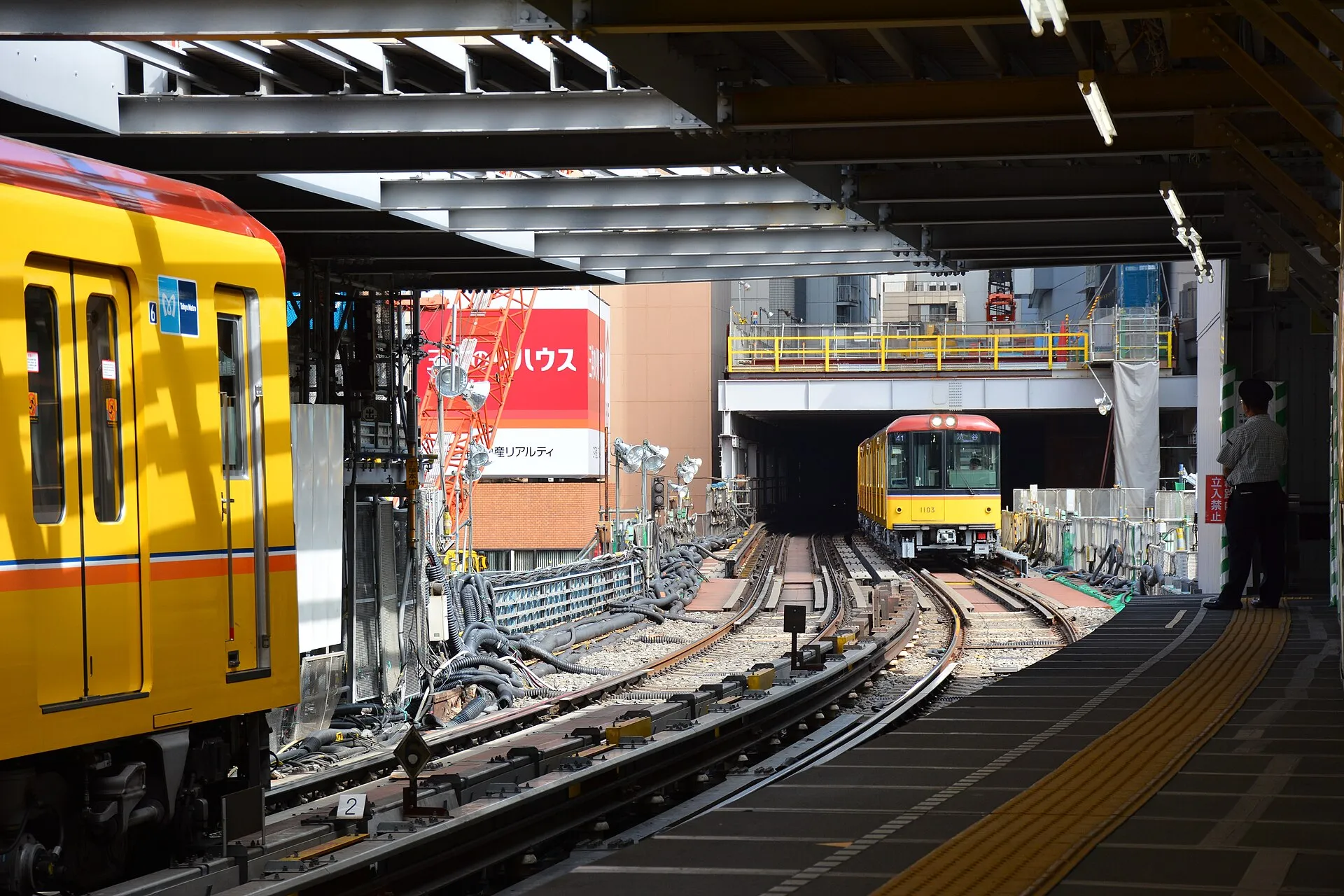
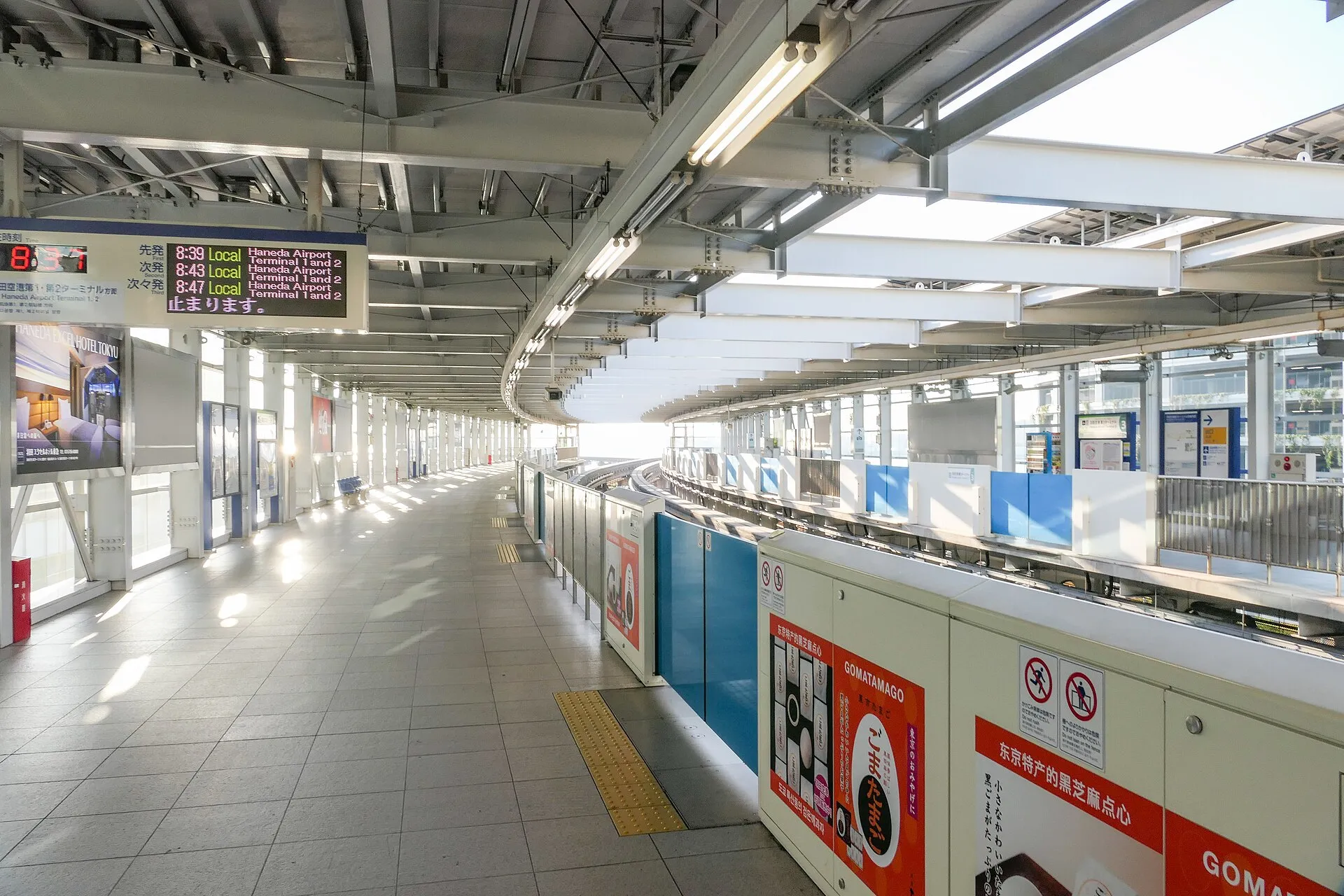
| Tokyo Monorail (Haneda Airport) | Yes | Fully covered between Haneda Airport terminals and Hamamatsucho Station |
| Yurikamome Monorail (Odaiba) | No | Transit to Odaiba and teamLab Planets is operated by a private waterfront transit corporation |
Because standard inner-city JR fares are very inexpensive (a ride on the Yamanote Line costs only ¥150 or IC ¥146), spending ¥50,000 to cover ¥150 train rides makes zero economic sense. Read our comprehensive Tokyo public transport guide for transit cards and metro passes.
Passes that actually deliver great value for Tokyo
Rather than buying an expensive nationwide rail pass, foreign visitors based in Tokyo should consider targeted regional passes designed specifically for local sightseeing:
| Pass | Official price | Validity | Best suited for | Sold by |
|---|---|---|---|---|
| JR Tokyo Wide Pass | ¥16,000 (Child ¥8,000) | 3 consecutive days | Unlimited JR travel in Kanto: Nikko, Mount Fuji/Kawaguchiko, Karuizawa Shinkansen, Izu Peninsula | JR East |
| Odakyu Hakone Freepass | ¥7,100 (Child ¥1,600) | 2 days (from Shinjuku) | Round-trip train from Shinjuku, plus Hakone ropeways, cable cars, Lake Ashi cruise, and buses | Odakyu Electric Railway |
| Tokyo Subway Ticket | ¥1,000 (24h) / ¥1,500 (48h) / ¥2,000 (72h) | 24, 48, or 72 rolling hours | Unlimited rides on all 13 lines of Tokyo Metro and Toei Subway | Tokyo Metro |
| N’EX Tokyo Round Trip Ticket | ¥5,200 | 14 consecutive days | Discounted return journey on the Narita Express between Narita Airport and Tokyo/Shinjuku | JR East |
1. JR Tokyo Wide Pass (¥16,000)
The JR Tokyo Wide Pass is Tokyo’s premier regional rail bargain for foreign passport holders. For ¥16,000, you receive three consecutive days of unlimited travel on all JR East rail lines across the greater Kanto region, including reserved seats on regional bullet trains (Shinkansen) and limited express services.
Crucially, it covers:
- The Hokuriku Shinkansen between Tokyo and Karuizawa resort.
- The Joetsu Shinkansen between Tokyo and Echigo-Yuzawa / Gala Yuzawa ski resort in winter.
- Direct JR/Tobu through-service limited express trains between Shinjuku and Nikko (Spacia Nikko); see our Nikko day trip guide.
- The private Fujikyu Railway line connecting Otsuki to Lake Kawaguchiko (Mount Fuji).
- The scenic Izukyu Line down the Izu Peninsula to Shimoda.
Taking a single day trip to Nikko on the limited express (normally ~¥8,500 return) plus a day trip to Karuizawa by bullet train (normally ~¥12,000 return) totals ¥20,500, immediately saving ¥4,500 over the pass price.
2. Odakyu Hakone Freepass (¥7,100)
For visiting Hakone and Lake Ashi, do not use the national JR Pass. The Hakone Freepass, issued by the private Odakyu Electric Railway, costs ¥7,100 for 2 days (or ¥7,500 for 3 days) departing from Shinjuku.
It includes:
- Round-trip train transportation between Shinjuku and Odawara on the Odakyu Line.
- Unlimited rides on all eight local transit networks comprising the famous Hakone Loop: the Hakone Tozan mountain railway, Hakone Tozan Cable Car, Hakone Ropeway over steaming volcanic Owakudani, Lake Ashi pirate sightseeing ship, and all Tozan buses.
- Upgrading to the direct, comfortable Romancecar limited express from Shinjuku to Hakone-Yumoto costs an additional ¥1,200 each way for reserved seats. Full route details are mapped in our Hakone day trip guide.
Day trip tours vs train passes
| Approach | Typical cost per day | Planning effort | Best suited for |
|---|---|---|---|
| Point-to-Point Train + Suica | ¥1,500 to ¥6,000 | Moderate (look up timetables via Google Maps) | Flexible day trips to Kamakura, Yokohama, or Kawagoe |
| Regional Pass (e.g. Tokyo Wide) | ¥5,333/day (¥16,000 for 3 days) | Moderate (reserve Shinkansen seats at JR ticket kiosks) | High-speed excursions to Nikko, Karuizawa, or Mount Fuji |
| Guided Coach Tour | From ¥7,800 (all-inclusive) | Zero (coach handles direct hotel pickup/drop-off) | Mount Fuji highlights, Oshino Hakkai, and multi-attraction day tours |
Guided day trip alternatives
If you prefer to skip the complexities of regional railway timetables, seat reservations, and mountain transfers, these top-rated guided tours provide stress-free transport directly from Tokyo:
From Tokyo: Mt Fuji Day Trip to Oishi Park & Oshino Hakkai
From ¥7,800 · 4.8 stars from 6,302 reviews · 10 hours · Guided coach tour
From Tokyo: Mt Fuji Day Trip to Oishi Park & Oshino Hakkaiad takes you directly by comfortable motorcoach to Lake Kawaguchiko, Oishi Park’s seasonal floral gardens, the spring ponds of Oshino Hakkai, and Arakurayama Sengen Park’s Chureito Pagoda.
Nikko: Kegon Falls, Lake Chuzenji & Toshogu Temple
From ¥12,437 · 4.6 stars from 2,536 reviews · 10 hours · World Heritage tour
Nikko: Kegon Falls, Lake Chuzenji & Toshogu Templead handles all transit north into Tochigi Prefecture, including admission to Tokugawa Ieyasu’s gold-leaf Toshogu Shrine, scenic Kegon Falls, and the shores of Lake Chuzenji.
Tokyo: Kamakura & Enoshima Day Trip with Temple Tickets
From ¥9,200 · 4.6 stars from 1,785 reviews · 9 hours · Coastal day trip
Tokyo: Kamakura & Enoshima Day Trip including Temple Ticketsad links the colossal outdoor bronze Great Buddha (Daibutsu) of Kotoku-in with coastal Enoshima island, Tsurugaoka Hachimangu Shrine, and bamboo forest temples.
Connecting transport resources
- Subway and Train Navigation: Master tap-and-go contactless cards and 24-hour metro tickets in our Tokyo public transport guide.
- Airport Connections: Compare express trains and buses from the runways in Narita Airport to Tokyo and Haneda Airport to Tokyo.
- Day Trip Directory: Review all top excursions outside the capital in our day trips from Tokyo overview.
- City Itineraries: See how regional day trips fit around city days in our 3 days in Tokyo and 5 days in Tokyo itineraries. Find all booking essentials on the Tokyo hub.
Common questions
How much does the Japan Rail Pass cost?
When purchased on the official JR portal, a 7-day ordinary adult pass costs ¥50,000, 14 days costs ¥80,000, and 21 days costs ¥100,000. First-class Green Car passes cost ¥70,000, ¥110,000, and ¥140,000 respectively. Third-party travel agents charge approximately 6% more.
Is the Japan Rail Pass worth buying if I only visit Tokyo and nearby day trips?
No. For a Tokyo base with regional day trips (such as Nikko, Kamakura, Hakone, or Mount Fuji), the national JR Pass is completely uneconomical. Regional day trip fares total less than ¥15,000 to ¥20,000, far below the ¥50,000 pass threshold.
Does the JR Pass pay off for a round trip between Tokyo and Kyoto?
No. Following the 65% price hike in October 2023, a standard round-trip Shinkansen ticket between Tokyo and Kyoto costs roughly ¥28,340 on the Nozomi, leaving a ¥21,660 loss compared to the ¥50,000 pass price.
Can you ride the fastest Nozomi bullet train with a JR Pass?
Not with the pass alone. JR Pass holders wishing to board the fastest Nozomi or Mizuho Shinkansen must purchase a supplemental special ticket of ¥4,960 each way between Tokyo and Kyoto or Shin-Osaka. Otherwise, pass holders must ride the slower Hikari or Kodama trains.
What is a better train pass for Tokyo and surrounding regions?
The JR Tokyo Wide Pass (¥16,000 for 3 consecutive days) covers all JR trains, local Shinkansen to Karuizawa or Gala Yuzawa, and through-trains to Nikko and Kawaguchiko. For Hakone, the Odakyu Hakone Freepass (¥7,100 for 2 days from Shinjuku) offers unbeatable value.