In this guide
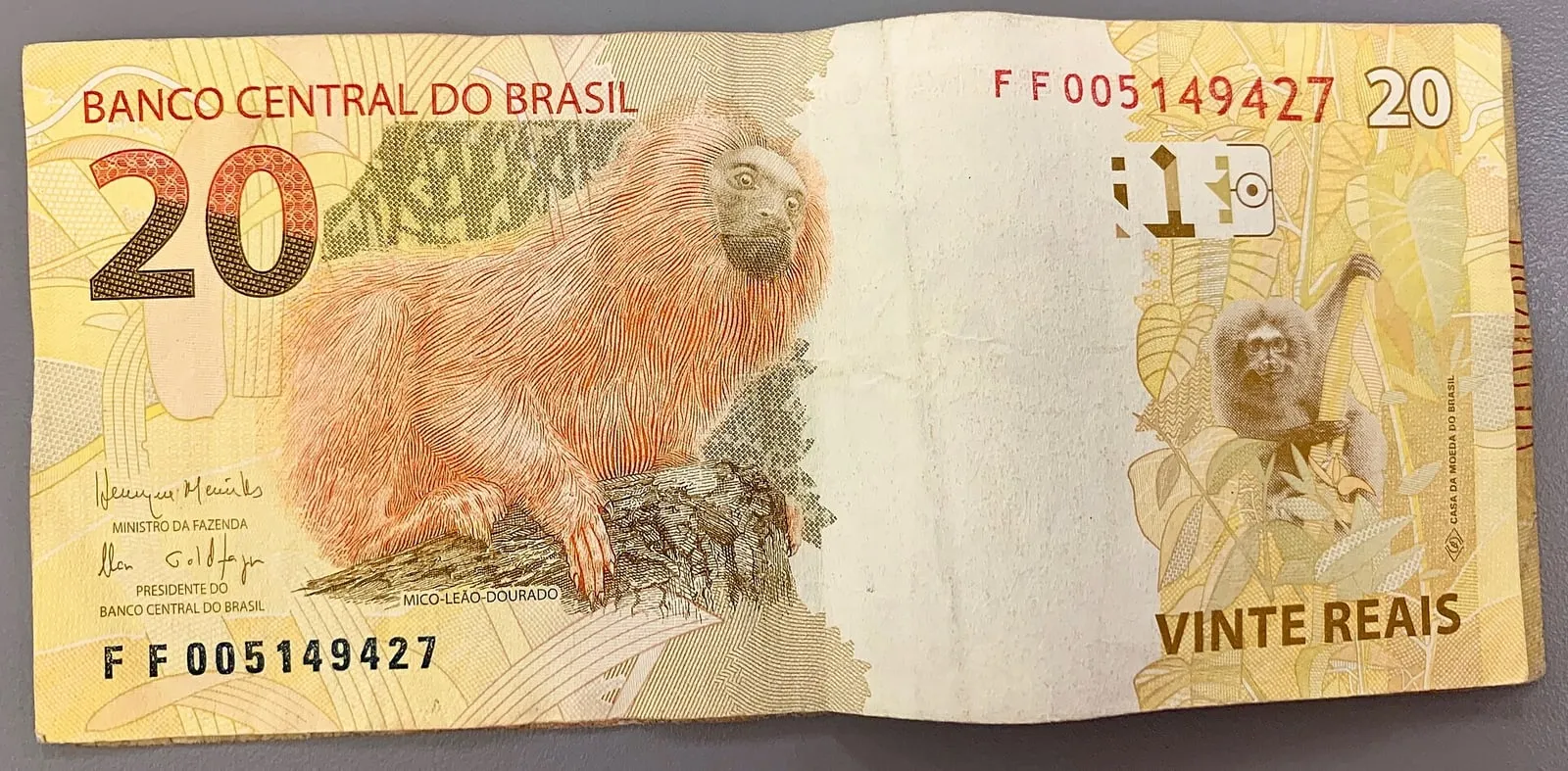
💡 The Short Version: Rio de Janeiro runs on the Brazilian real (BRL) and is one of the most card-friendly cities in the Americas: contactless Visa, Mastercard, Apple Pay and Google Pay work at hotels, restaurants, MetrôRio gates, Uber and many beach vendors. Always check the amount on the card reader screen before tapping and decline Dynamic Currency Conversion so you pay in BRL. Restaurants add an optional 10% serviço to the bill (no extra tip needed), and a few small notes cover the places that take only cash and Pix.
Card-first culture: where cards work and what to watch
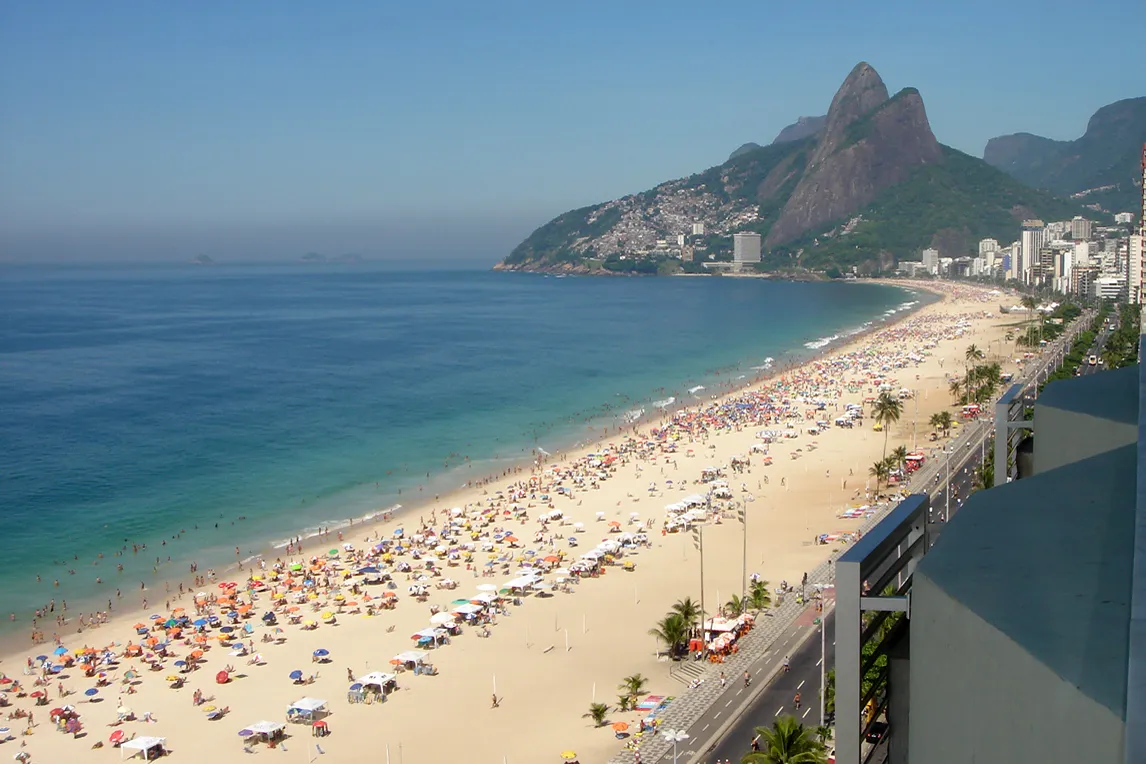
Brazil uses wireless card terminals (maquininhas) across daily commerce, from steakhouses in Leblon to vendors selling grilled queijo coalho cheese and mate iced tea on Ipanema Beach.
| Expense | Card accepted? | Cash needed? | Practical note |
|---|---|---|---|
| Hotels, chain shops & supermarkets | Yes (Visa, Mastercard; Amex less common) | No | Always pay in BRL; decline conversion to your home currency |
| Sit-down restaurants & botecos | Yes | No | Server brings wireless terminal to your table; check 10% serviço |
| Beach vendors & kiosks | Almost always | Small backup useful | Inspect the digits on the screen carefully before tapping |
| MetrôRio | Yes (direct contactless tap) | No | Tap a Visa, Mastercard or Elo card or an NFC phone straight at the turnstile (BRL 7.90) |
| VLT | Yes (contactless debit card since 16 November 2026, or a Jaé card) | No | BRL 5.00; keep the receipt and an ID for inspectors |
| City buses | Jaé card only | No cash on buses | Buy and top up a Jaé card; cash is no longer accepted on board |
| Uber and 99 | Yes (in-app) | No | Settle in app; avoids handling cash or wallets on the street |
| Some attractions’ ticket offices | Not always | Yes | The Museu Imperial in Petrópolis and the Jardim Botânico ticket office take only cash and Pix; the Jardim Botânico sells online tickets by card |
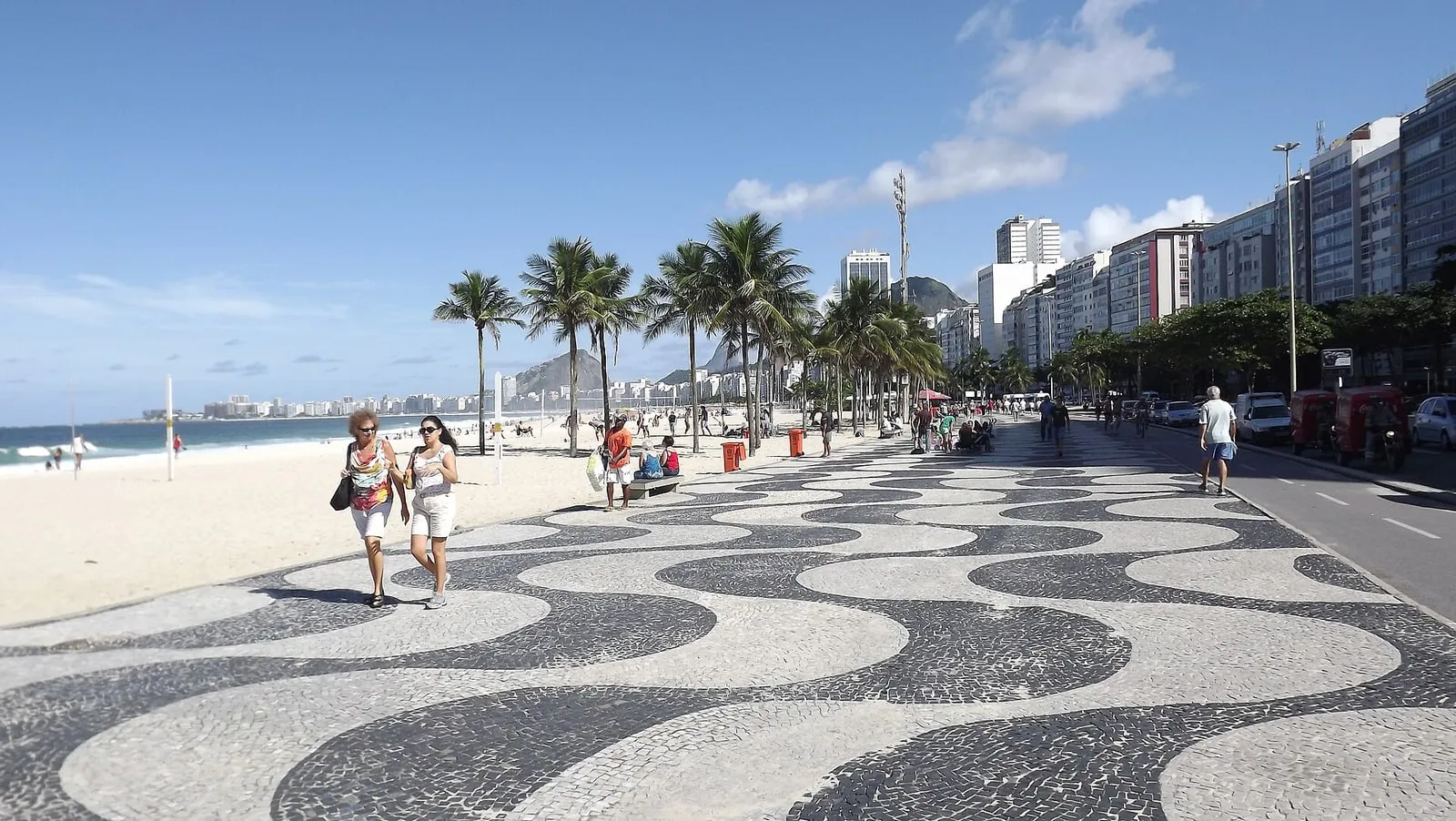
Copacabana beachfront promenade, where even beach kiosks and roving vendors carry wireless card readers. Photo: Mteixeira62, Wikimedia Commons, CC BY-SA 3.0.
Four card rules that prevent overcharges in Rio
- Always say “crédito” (crédito, not débito): Brazilian card machines ask whether to process a card as debit or credit. Foreign debit cards can fail if run on Brazil’s domestic débito rail. If a terminal rejects yours, ask for it to be run as “crédito” so the payment routes over the international Visa or Mastercard network.
- Always check the exact BRL total on the screen before tapping: The UK Foreign Office warns of payment-machine and beach-vendor scams, such as an inflated amount on the terminal. Read the screen clearly before tapping your card or phone.
- Never hand your physical card out of sight: Use Apple Pay or Google Pay whenever possible, or keep your physical card in your own hand while tapping, and ask for a receipt.
- Always decline Dynamic Currency Conversion (DCC): When a terminal or ATM offers to charge you in your home currency at a “guaranteed” rate, press Decline / Pay in BRL. DCC adds a markup on top of the exchange rate.
What about Pix?
You will see Pix QR codes on every counter, menu and street cart in Rio. Pix is Brazil’s free, instant bank-to-bank payment network operated by the Central Bank. Because standard Pix accounts require a Brazilian bank account and a CPF (Brazilian taxpayer ID), most short-term international visitors use contactless cards instead. A few ticket offices, such as the Museu Imperial and the Jardim Botânico gate, take only cash and Pix, so keep some cash for those.
Tipping (serviço) etiquette in Rio
Tipping in Brazil is straightforward and far less aggressive than in North America:
- Sit-down restaurants and bars: Many menus and bills add a 10% serviço (or taxa de serviço) automatically. It is optional, though paying it for normal service is standard local practice. Do not add another tip on top unless service was extraordinary.
- Live music cover (couvert artístico): Bars and samba venues with live musicians add a cover per person to the bill. Table bread and olives (couvert) also cost extra unless you politely decline when the waiter sets them down.
- Uber and taxis: No tip is expected, though Uber lets you add one in the app.
- Tour guides: A cash tip for a thorough guide is appreciated but never mandatory.

Confeitaria Colombo in Centro, where bills include the standard optional 10% serviço. Photo: Eugenio Hansen, OFS, Wikimedia Commons, CC BY-SA 3.0.
ATMs and cash safety
Because cards work in most places, most visitors need only a small amount of cash.
- Use indoor ATMs only: Withdraw cash from machines inside bank branches, shopping malls or the airports during the day, and avoid street ATMs at night. The UK Foreign Office warns that card cloning at cash machines and shops is common in Brazil.
- Fees: Check your own bank’s foreign withdrawal fee and the machine’s operator fee on the screen before you confirm. Always decline the ATM’s currency-conversion screen and withdraw in BRL.
- Break large notes: Break large notes at a supermarket or pharmacy so you have small bills for beach snacks and places that take only cash.
Prices set by official operators
- MetrôRio single ride: BRL 7.90, held through December 2026
- VLT light rail and city bus: BRL 5.00
- Christ the Redeemer train ticket with monument entry: BRL 139 (see Christ the Redeemer tickets)
- Sugarloaf Mountain Bilhete Bondinho: BRL 205 (see Sugarloaf Mountain tickets)
- Jardim Botânico, foreign adult: BRL 80
- Tour Maracanã: BRL 115
- Free sights: Parque Lage, Copacabana and Ipanema beaches and the Selarón Steps are free to enter.

Centro Cultural Banco do Brasil (CCBB) in Centro. Photo: anna carol from Rio de Janeiro, Brasil, Wikimedia Commons, CC BY 2.0.
For eating well at every price tier, read where to eat in Rio de Janeiro and Rio food tours and samba. For keeping cards and phones secure on the street, see is Rio de Janeiro safe?, Rio public transport and the Rio de Janeiro city hub.
Common questions
Do I need cash in Rio de Janeiro or can I pay by card everywhere?
Rio is largely card-first. Visa, Mastercard, Apple Pay and Google Pay work at hotels, sit-down restaurants, MetrôRio turnstiles, Uber, bakeries, juice bars and many beach vendors. Carry some small notes as backup for places that take only cash and Pix, such as the Museu Imperial in Petrópolis and the Jardim Botânico ticket office, and for signal outages.
Can foreign tourists use Pix in Brazil?
Generally no. Pix is Brazil's instant bank-transfer system and needs a Brazilian bank account and CPF tax number. Where a ticket office takes only cash and Pix, bring cash or buy online with a card.
How much should I tip in Rio de Janeiro?
Sit-down restaurants and bars automatically add an optional 10% serviço (service charge) to the bill. If it is already on the receipt, no extra tip is expected. You do not need to tip Uber drivers, metered taxi drivers or beach vendors.
Which ATMs are safest to use in Rio de Janeiro?
Use ATMs inside bank branches, shopping malls or airports during the day. The UK Foreign Office warns of card cloning at cash machines and shops, so cover the keypad, avoid street ATMs at night and check your statements.