In this guide
💡 The Short Version: Theft is the most common problem visitors report. The UK Foreign Office (FCDO) names thefts and pickpocketing around Copacabana beach, Ipanema beach, Lapa and Santa Teresa as the most common incidents affecting British nationals in Rio, and the US State Department rates Brazil Level 2, exercise increased caution. Practise the local habit of não dar mole (keep your phone tucked away on the pavement and leave flashy watches at home), take Uber door to door after dark, never leave bags unattended on the sand and avoid favelas, including favela tours.
What the official advice says
Read the full pages before you travel: the UK Foreign Office and the US State Department.
- Theft and robbery: The FCDO says robberies are common in many Brazilian cities, particularly on buses, and that thieves target mobile phones, particularly between 4pm and 9pm. Attackers may be armed. Do not resist.
- Corcovado trail: The FCDO says tourists have reported armed robberies on the walking trail to the Christ the Redeemer statue. See Christ the Redeemer tickets for the train and van routes.
- Express kidnapping: Both governments warn of short-term opportunistic kidnapping, where victims are driven to a cash machine or made to transfer money. The State Department also warns of drinks being spiked, including through dating apps.
- Card scams: The FCDO warns of card cloning at cash machines and shops, and of payment-machine and beach-vendor scams.
- Favelas: The FCDO advises avoiding all favelas, including favela tours marketed to tourists.
- Night: The State Department says to take care at night, especially at beaches, bars, transit hubs and on public transport.

Urca and Botafogo bayfront looking toward Corcovado. Photo: Fernando Francatto, Wikimedia Commons, CC BY-SA 3.0.
Não dar mole: the everyday street habits Cariocas use
Residents of Rio have a phrase for street awareness: não dar mole (literally “don’t give an easy opening”). Adopting five simple habits removes most of the opportunistic theft risk that catches first-time visitors off guard:
- Keep your phone out of sight on the pavement: Snatch-and-grab thefts by cyclists or moped riders are the most common incident visitors report. Never walk along the kerb staring at Google Maps or holding a phone out for an Uber. Step inside a pharmacy, bakery, café or hotel lobby to check directions or request a ride.
- Leave flashy jewellery and watches at home: Gold chains, luxury watches and expensive earrings draw immediate attention on Avenida Atlântica and in Centro. Dress simply: T-shirt, shorts, sundress and flip-flops (Havaianas) or trainers.
- Carry a light day kit: Take one contactless card (or phone wallet), a little cash and a photo of your passport on your phone. The FCDO advises leaving your passport and valuables in a safe place.
- Wear bags securely: Use a zipped crossbody bag worn in front of you in crowded markets, on buses and during Carnival blocos.
- Do not resist if ever confronted: In the unlikely event someone demands your phone or wallet, hand it over calmly without arguing. Replacing a handset is far simpler than risking injury.
Beach etiquette: how to enjoy Copacabana and Ipanema stress-free
Rio’s beaches are public living rooms used by families, joggers and volleyball players from 06:00 until dusk. Keeping your belongings safe on the sand comes down to travelling light:
- Bring almost nothing: A sarong (canga) or light towel, sunscreen, flip-flops, sunglasses and a little cash or one card. Leave passports, spare cards, hotel key fobs with room numbers and bulky cameras in your room safe.
- Never leave bags unattended when swimming: If you are with a friend, take turns going into the water. If you are solo, rent a chair and umbrella from an established beach tent (barraca) and ask the vendor to keep an eye on your towel while you dip in.
- Check card screens at beach kiosks: Always read the exact BRL amount on wireless card readers before tapping (see money in Rio de Janeiro).
- Watch the surf: Ipanema and Leblon have strong shore breaks and rip currents. Swim near lifeguard towers (Postos) and avoid entering where red flags are planted.
- Leave the sand at dusk: Once the sun drops, move up onto the lit promenade (calçadão) or head back to your hotel.

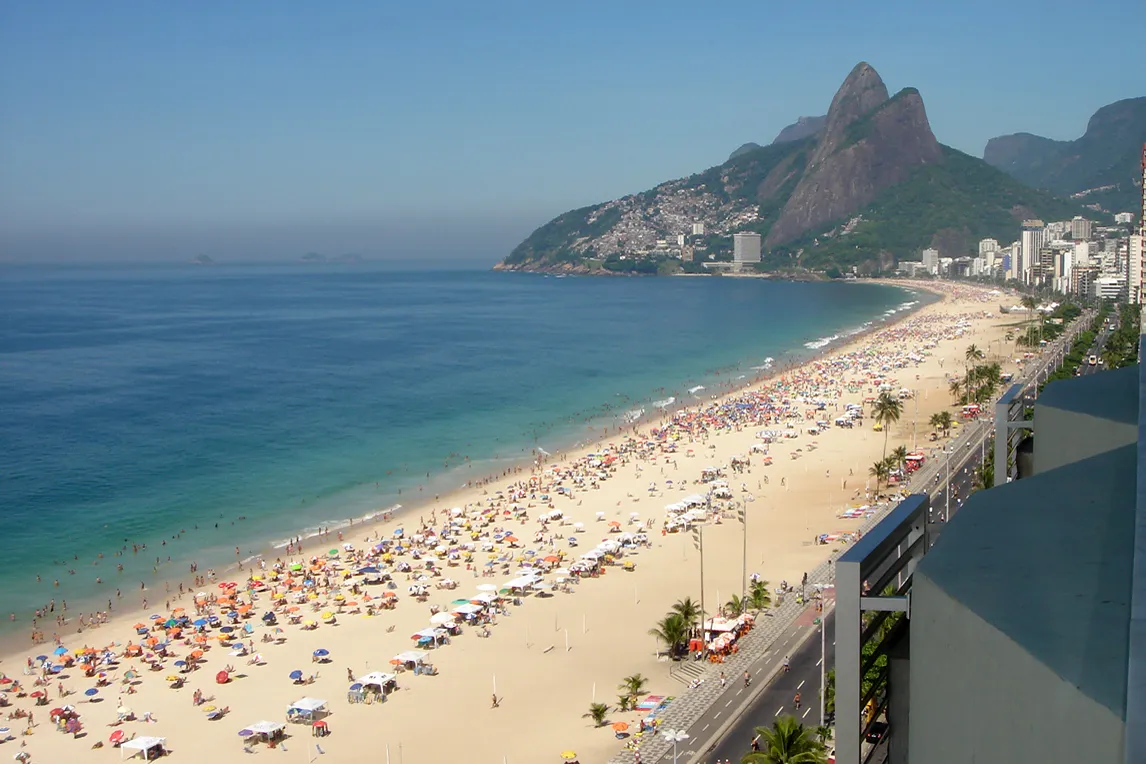
Copacabana at dusk. Photo: Jorge Láscar from Australia, Wikimedia Commons, CC BY 2.0.
Transport, GPS and favela rules
- Take Uber or 99 door to door at night: Even for a short walk between Botafogo and Copacabana or from Lapa back to Ipanema, a ride avoids quiet cross-streets and unlit underpasses. Keep car windows rolled up in slow traffic so nobody can reach in for a phone on your lap.
- Use MetrôRio and the VLT by day (see Rio public transport). The FCDO singles out buses for robberies, so skip city buses, especially after dark.
- Check your GPS route by car: If you rent a car, make sure the route does not take you into a favela, as the FCDO advises, and stay on main roads.
- Avoid favelas: The FCDO advises against all favelas, including tours marketed to tourists, and against accommodation, restaurants or bars advertised inside one. Check any hike or tour start point with your hotel; see Tijuca National Park and hikes.
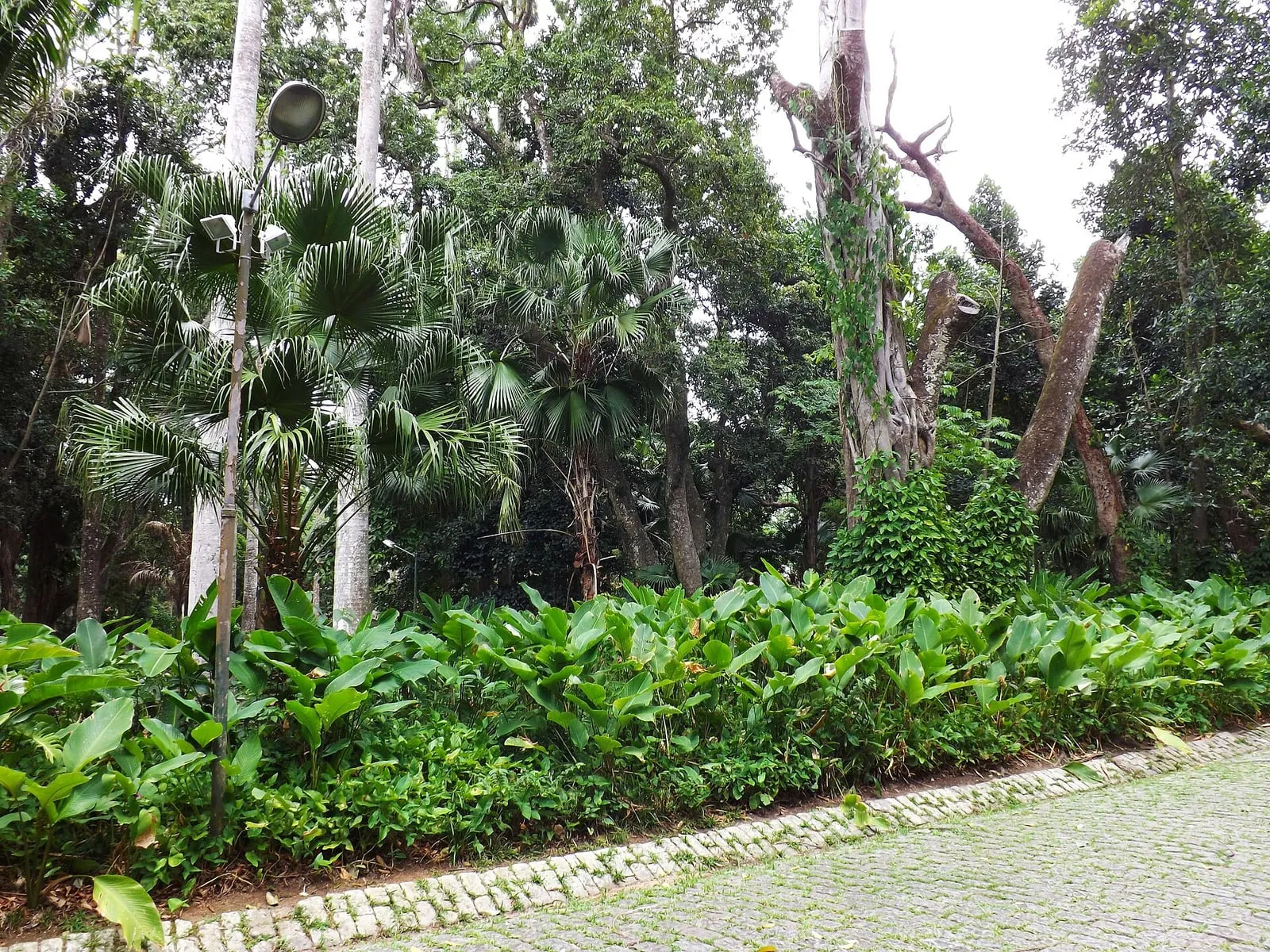
Parque Lage beneath the Corcovado ridge. Photo: VinyNeto, Wikimedia Commons, CC BY-SA 3.0.
Health, water and sun
- Drinking water: Stick to bottled or filtered water (água mineral or água filtrada).
- Sun and hydration: Carry water and reapply sunscreen regularly, especially on boat trips to Arraial do Cabo or Ilha Grande.
- Mosquitoes: Dengue occurs in Brazil, especially in warm rainy months. Apply repellent when hiking in Tijuca National Park, visiting the Botanical Garden and Parque Lage or staying on Ilha Grande.
Emergency numbers and Tourist Police (DEAT)
Save these numbers in your phone before landing:
| Service | Number / Address | Notes |
|---|---|---|
| Military Police (Polícia Militar) | 190 | Emergency response (Portuguese; ask a hotel desk or local to call if needed) |
| SAMU Ambulance | 192 | Public medical emergencies |
| Fire Brigade & Beach Rescue (Bombeiros) | 193 | Fires, ocean rescues and trail emergencies |
| Tourist Police (DEAT) | +55 21 2332-2924 | Delegacia Especial de Apoio ao Turismo, Av. Afrânio de Melo Franco 159, Leblon (English-speaking officers; issues police reports needed for travel insurance claims) |
If your phone or bag is stolen, file a Boletim de Ocorrência (BO) at DEAT in Leblon so your travel insurer can process your claim, and contact your embassy if your passport was taken.
For picking the right neighbourhood base, read where to stay in Rio de Janeiro. For airport arrival rules, see Galeão and Santos Dumont airports to Rio, or return to the Rio de Janeiro city hub.
Common questions
Is Rio de Janeiro safe for tourists?
Rio needs more active street awareness than most European cities. The UK Foreign Office says the most common incidents affecting British nationals in Rio are thefts and pickpocketing around Copacabana beach, Ipanema beach, Lapa and Santa Teresa, and the US State Department rates Brazil Level 2, exercise increased caution, citing crime and kidnapping. Read both pages before you fly.
What do the UK and US governments advise about favelas?
The UK Foreign Office advises avoiding all favelas, including favela tours marketed to tourists and any accommodation, restaurants or bars advertised as being inside one, and checking that GPS routes do not take you into one. The US State Department lists favelas among its Level 4, do not travel, areas.
Is it safe to walk on Copacabana or Ipanema Beach at night?
Keep to lit streets and the promenade (calçadão) after dark, and stay off the sand itself after sunset. The State Department warns visitors to take care at night, especially at beaches, bars and transit hubs.
What are the emergency phone numbers in Rio de Janeiro?
Dial 190 for Military Police, 192 for SAMU ambulance and 193 for the fire brigade. Rio also has a dedicated English-speaking Tourist Police station (DEAT, Delegacia Especial de Apoio ao Turismo) in Leblon at Avenida Afrânio de Melo Franco 159.