In this guide
💡 The Short Version: Situated just one degree north of the equator, Singapore stays 31 °C to 33 °C by day throughout the entire year. Because temperatures fluctuate by barely two degrees between seasons, plan your travel around rainfall and cultural events: February is the driest month (105 mm rainfall; 9 rain days), making it the prime month for outdoor walks, while November and December are the wettest (December averages 332 mm across 19 rain days). Sudden tropical afternoon thunderstorms occur year-round; always balance outdoor walks with air-conditioned conservatories and museums. Key 2027 dates: Chinese New Year falls on 6–7 February, the Singapore Grand Prix runs 8–10 October, and Deepavali takes place on 28 October. Or book a tour: travellers wanting guaranteed indoor activities during unpredictable weather can secure Gardens by the Bay Flower Dome, Cloud Forest and OCBC Skyway ticketad from S$80.
Singapore does not have traditional temperate four seasons. Instead, weather patterns are driven by two distinct monsoon cycles separated by two inter-monsoon transitional periods. Understanding these micro-climatic patterns allows you to time outdoor walking trails, island excursions, and rooftop visits to avoid afternoon rainstorms.
Month-by-month weather data
Climate averages below reflect official 30-year reference data (1991–2020) recorded by the Meteorological Service Singapore (MSS) at Changi Climate Station. A “rain day” is defined as any day recording 0.2 mm or more of precipitation.
| Month | Daily High | Daily Low | Mean Rainfall | Rain Days | Thunderstorm Days | Seasonal Characteristics |
|---|---|---|---|---|---|---|
| January | 30.6 °C | 24.3 °C | 221.6 mm | 13 | 6 | Northeast Monsoon transitions from wet to drier phase |
| February | 31.5 °C | 24.6 °C | 105.1 mm | 9 | 5 | Driest and sunniest month; ideal for sightseeing |
| March | 32.2 °C | 24.9 °C | 151.7 mm | 12 | 12 | Inter-monsoon begins; afternoon showers return |
| April | 32.4 °C | 25.3 °C | 164.3 mm | 15 | 20 | Hottest daily maximums; peak thunderstorm frequency |
| May | 32.3 °C | 25.7 °C | 164.3 mm | 15 | 19 | Warm, humid nights; highest 24-hour mean temperature (28.6 °C) |
| June | 31.9 °C | 25.7 °C | 135.3 mm | 13 | 15 | Southwest Monsoon begins; occasional pre-dawn Sumatra squalls |
| July | 31.4 °C | 25.4 °C | 146.6 mm | 14 | 13 | Relatively dry; Great Singapore Sale and Singapore Food Festival |
| August | 31.4 °C | 25.3 °C | 146.9 mm | 14 | 13 | National Day celebrations (9 Aug); pleasant evening breezes |
| September | 31.6 °C | 25.2 °C | 124.9 mm | 13 | 14 | Southwest Monsoon concludes; Singapore Grand Prix season |
| October | 31.8 °C | 25.0 °C | 168.3 mm | 15 | 17 | Inter-monsoon period; warm afternoons with sudden heavy showers |
| November | 31.2 °C | 24.6 °C | 252.3 mm | 19 | 19 | Northeast Monsoon wet phase arrives; 19 rain days |
| December | 30.5 °C | 24.3 °C | 331.9 mm | 19 | 14 | Wettest month; continuous monsoon surges; Christmas light-ups |
Singapore receives an annual average of 2,113 mm of precipitation across 171 rain days. Because rain predominantly falls in brief, heavy convective downpours lasting 30 to 60 minutes rather than all-day drizzle, even the wettest months provide long windows of sunshine.
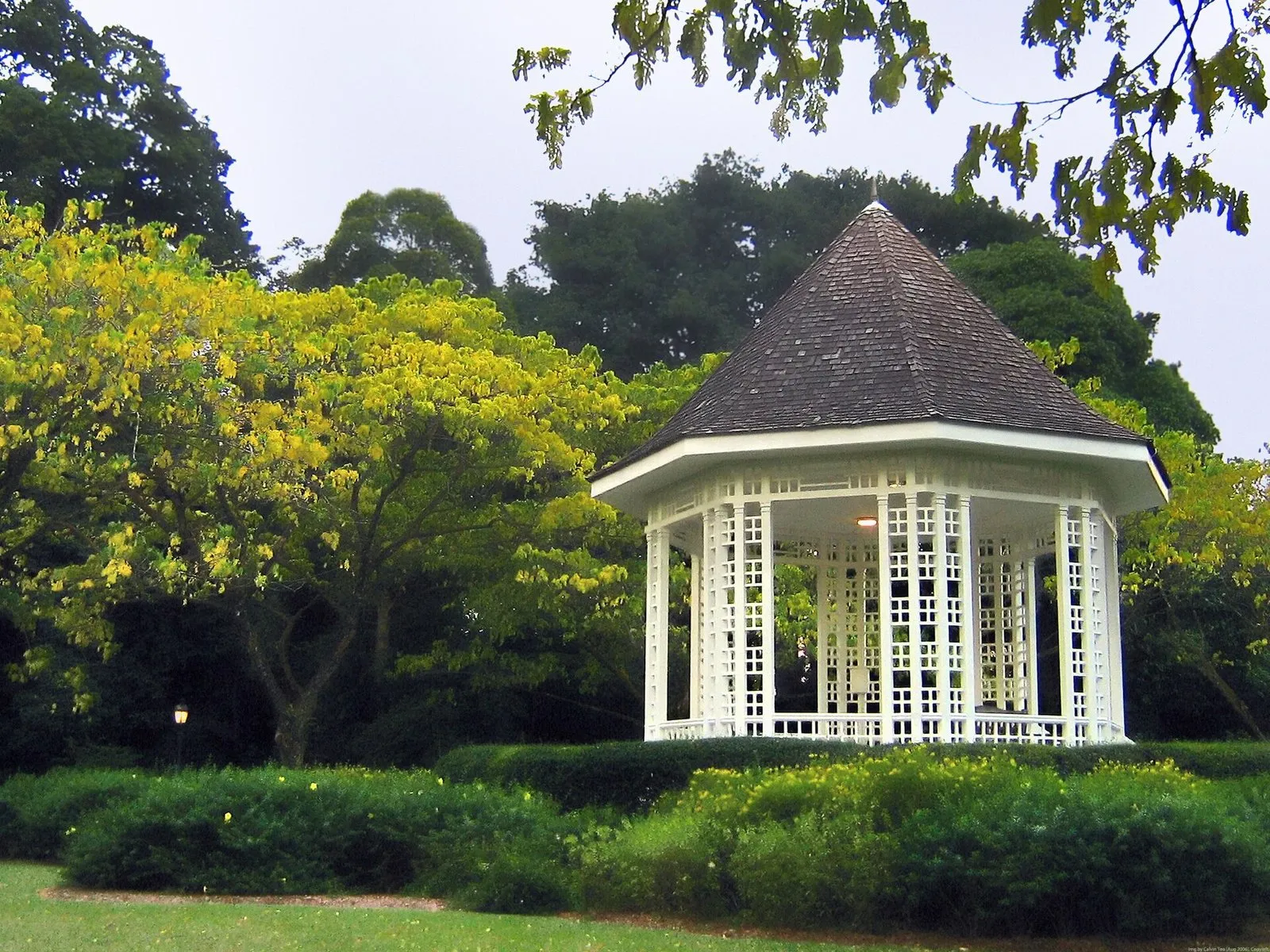
The bandstand in the Singapore Botanic Gardens. Photo: Calvin Teo, Wikimedia Commons, CC BY-SA 3.0.
The four climatic seasons explained
1. The Northeast Monsoon (December to early March)
- Wet Phase (Late November to January): Marked by “monsoon surges”—prolonged spells of overcast skies and widespread steady rain lasting one to three days. Temperatures dip to refreshing lows of 23°C to 24°C.
- Dry Phase (Late January to early March): Wind speeds moderate and conditions become noticeably drier and sunnier. February is widely considered the peak weather window for exploring botanical gardens and walking trails.
2. Inter-Monsoon Period 1 (Late March to May)
- Light surface winds and intense solar heating make this the warmest period of the year. Daily maximum temperatures frequently reach 34°C.
- Characterised by severe, localised late-afternoon thunderstorms accompanied by vivid lightning and occasional gusty winds.
3. The Southwest Monsoon (June to September)
- Prevailing winds blow from the southeast and southwest. Mornings are typically sunny, followed by short showers in the early afternoon.
- Sumatra Squalls: Fast-moving storm lines that develop over the Malacca Strait overnight, hitting Singapore between 04:00 and 08:00 with sudden gale-force wind gusts up to 80 km/h and torrential rainfall.
4. Inter-Monsoon Period 2 (October to November)
- Similar to the April–May transition, with warm, calm mornings and frequent convective thunderstorm activity during the late afternoon and dusk.
Guided experiences vs flexible self-guided travel
Planning your daily schedule around weather risks ensures you do not get caught outdoors during tropical cloudbursts.
| Weather Condition | Independent Self-Guided Plan | Recommended Tour Alternative (GYG) |
|---|---|---|
| Sunny & Dry (Mornings) | Explore outdoor heritage quarters (Chinatown, Little India) | Chinatown, Little India & Arab Street Walking Tourad (S$113) |
| Midday Heat (11:30–15:30) | Air-conditioned malls, National Gallery, or hawker centres | Singapore Oceanarium Admission Passad (S$50) |
| Sudden Thunderstorms | Head to Flower Dome & Cloud Forest or Jewel Changi | Gardens by the Bay Flower Dome, Cloud Forest and OCBC Skywayad (from S$80) |
| Cool Evenings (18:30–22:00) | Marina Bay waterfront promenade and light shows | Singapore River Cruise with Light Showsad (S$30) |
Recommended weather-proof tours
Singapore: Chinatown, Little India, Arab Street Walking Tour
From S$90 · 4.9 stars from 466 reviews · 4 hours · Cultural walk
Make the most of clear morning weather with an expert local storyteller guiding you through Singapore’s primary heritage quarters, travelling between enclaves via air-conditioned MRT trains. Book on GetYourGuidead.
Singapore River Cruise, Garden Rhapsody & Spectra by CYT
From S$30 · 4.8 stars from 1,991 reviews · 4 hours · Evening boat and light shows
The cooler evening hours are Singapore’s most pleasant time for sightseeing. Enjoy a 40-minute covered bumboat river cruise paired with reserved viewing for both free bayfront light spectacles. Book on GetYourGuidead.
Night Safari Admission Ticket with Tram Ride
From S$58 · 4.1 stars from 630 reviews · Evening entry with tram
Explore the world’s first nocturnal wildlife park in cooler evening temperatures. The open-sided tram is shielded by an overhead canopy, keeping passengers dry during passing evening drizzles. Book on GetYourGuidead.
Rain contingency: what to do during thunderstorms
Because afternoon showers can occur without warning, keep these climate-controlled indoor attractions in your plans:
- Gardens by the Bay Conservatories: Both the Cloud Forest (housing a 35-metre tropical mountain waterfall) and Flower Dome are completely enclosed within column-free glass biomes cooled to 23°C to 25°C.
- Jewel Changi Airport: The 40-metre indoor HSBC Rain Vortex waterfall and 5-storey Shiseido Forest Valley sit under an immense glass dome, unaffected by outdoor precipitation.
- National Gallery Singapore: Occupying the former Supreme Court and City Hall buildings, offering hours of world-class art exploration connected by sheltered indoor linkways.
- Marina Bay Sands Underground Retail Link: You can walk completely sheltered from Raffles Place MRT all the way to Marina Bay Sands, the ArtScience Museum, and Bayfront MRT via subterranean shopping concourses.
⚠️ Outdoor Attraction Suspensions: During active lightning warnings, the outdoor OCBC Skyway at Gardens by the Bay, the Marina Bay Sands SkyPark open deck, and outdoor roller coasters at Universal Studios Singapore suspend operations until the thunderstorm clears.
Understanding the haze season
Between June and October, prevailing southwest winds occasionally blow smoke and fine particulate matter from agricultural and peat forest fires in neighboring Indonesia across the Malacca Strait into Singapore.
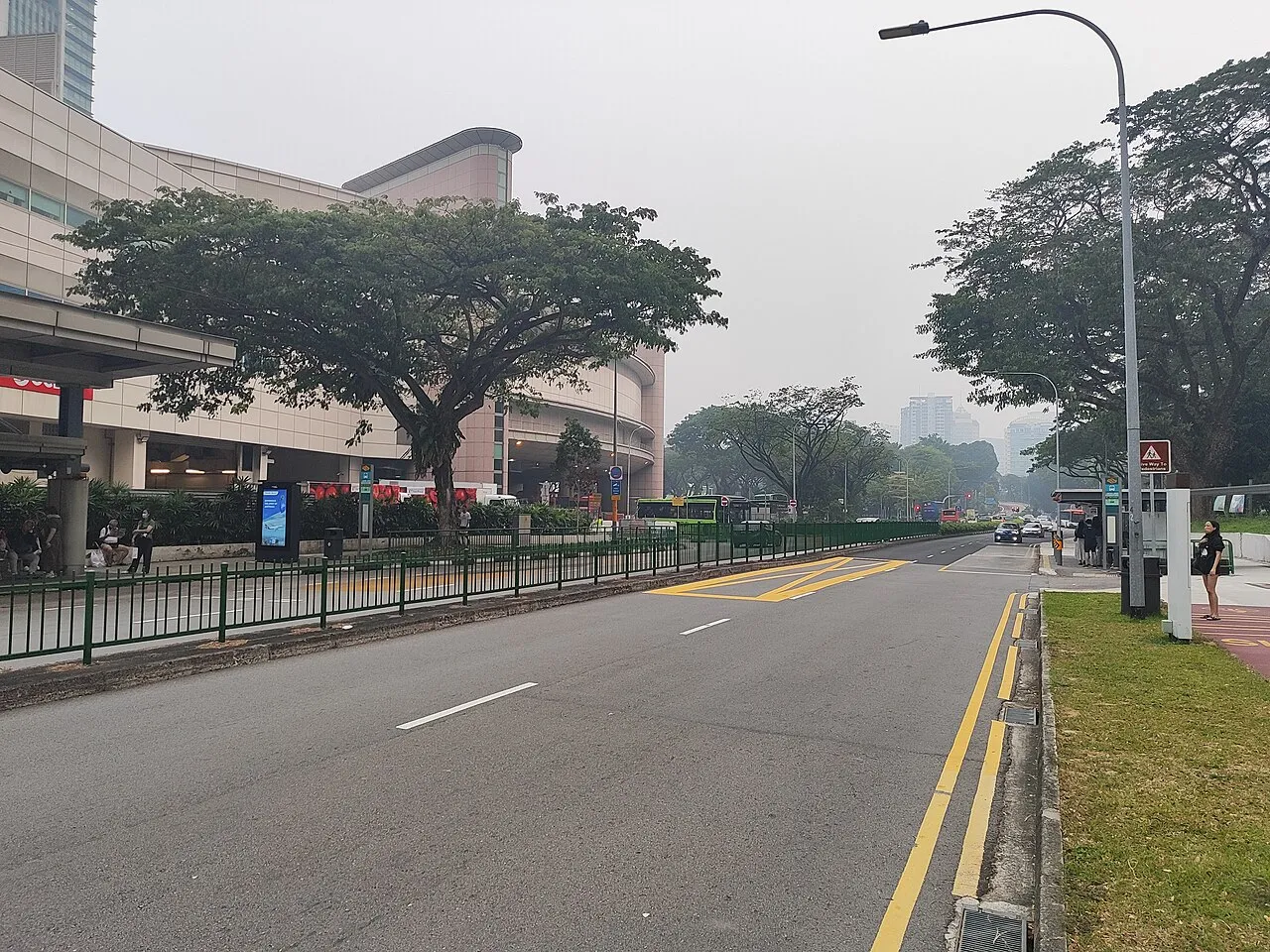
Haze over a Singapore road. Photo: ZKang123, Wikimedia Commons, CC BY-SA 4.0.
- Monitoring Air Quality: The National Environment Agency publishes real-time 24-hour Pollutant Standards Index (PSI) readings on the official Haze microsite:
- 0–50 (Good) / 51–100 (Moderate): Normal outdoor activities can continue.
- 101–200 (Unhealthy): Reduce prolonged or strenuous outdoor physical exertion.
- 201–300 (Very Unhealthy) / >300 (Hazardous): Avoid outdoor activity; N95 face masks recommended outdoors.
- Visitor impact: Severe haze episodes are infrequent due to regional enforcement, but when present, visibility across Marina Bay drops, and open-air rooftop observation decks may temporarily suspend operations.
Singapore public holidays in 2027
Public holidays can cause surge pricing for hotels and crowds at theme parks, while many government museums, hawker centres, and public transport operate on holiday schedules.
| Public Holiday | Official 2027 Date | What to Expect |
|---|---|---|
| New Year’s Day | Friday 1 January | Countdown fireworks at Marina Bay; long weekend crowds |
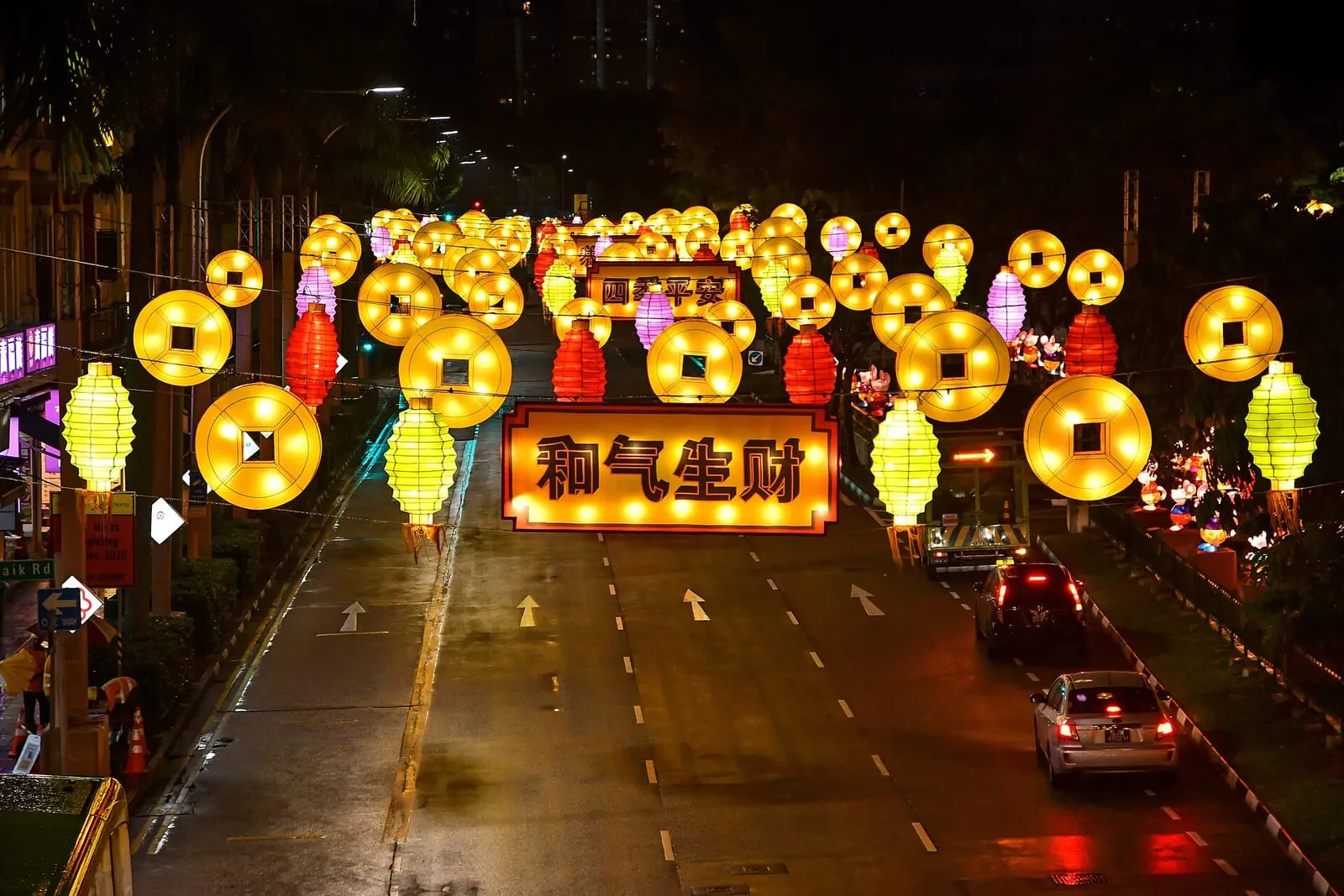
| Chinese New Year | Saturday 6 & Sunday 7 February (Monday 8 Feb observed) | Chinatown street light-up; many Chinese hawker stalls shut for 3 to 5 days |
| Hari Raya Puasa (Eid al-Fitr) | Wednesday 10 March | End of Ramadan; bazaar and festive lights in Geylang Serai |
| Good Friday | Friday 26 March | Three-day weekend; heavy land border traffic to Johor Bahru |
| Labour Day | Saturday 1 May | Standard public holiday closures |
| Hari Raya Haji | Monday 17 May | Islamic holiday; long weekend |
| Vesak Day | Thursday 20 May | Devotional ceremonies and lantern processions at Buddhist temples |
| National Day | Monday 9 August | Major fireworks rehearsal parades in July; massive National Day Parade at Padang |
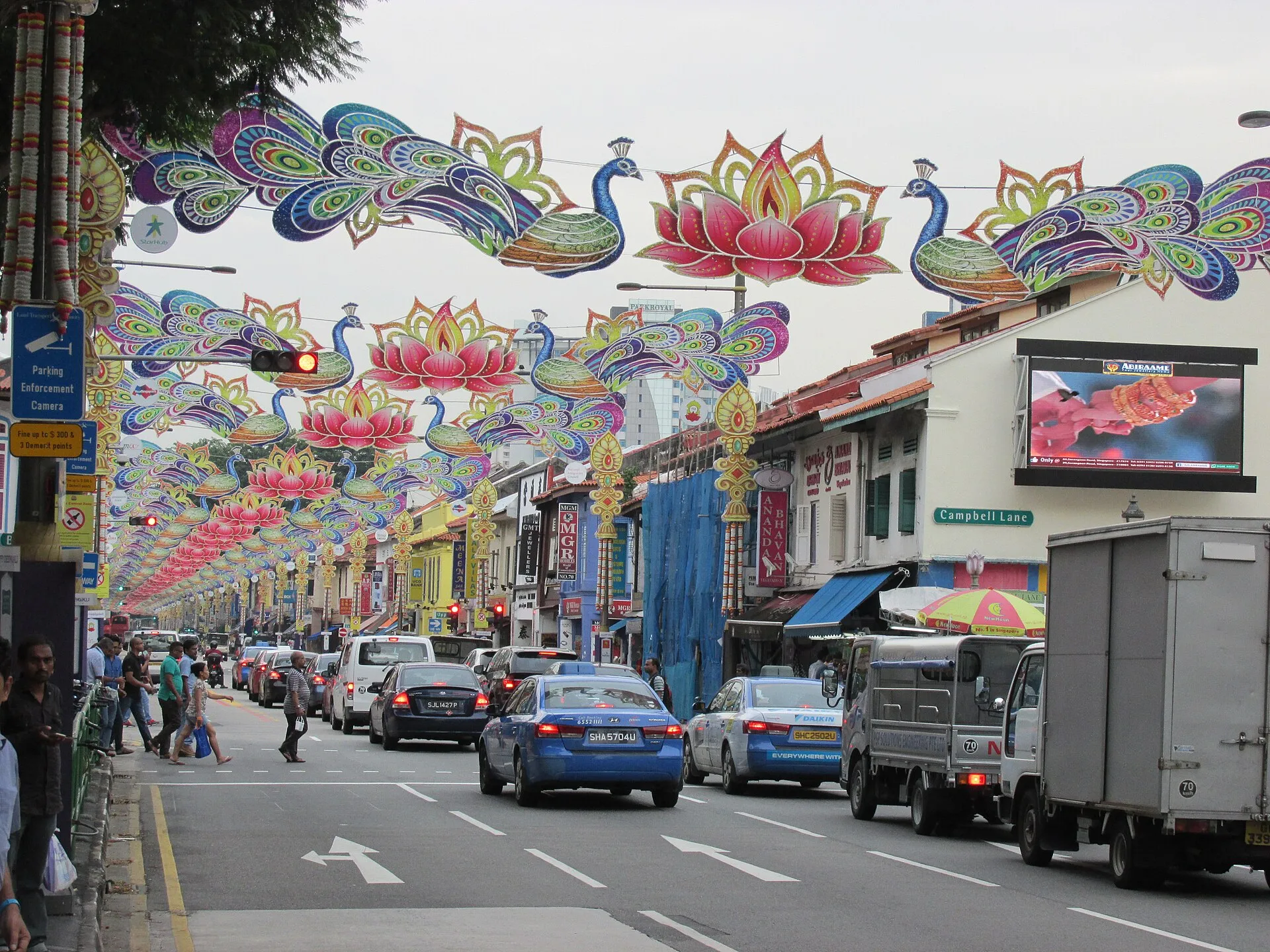
| Deepavali | Thursday 28 October | Street light-up and festive night bazaars throughout Little India |
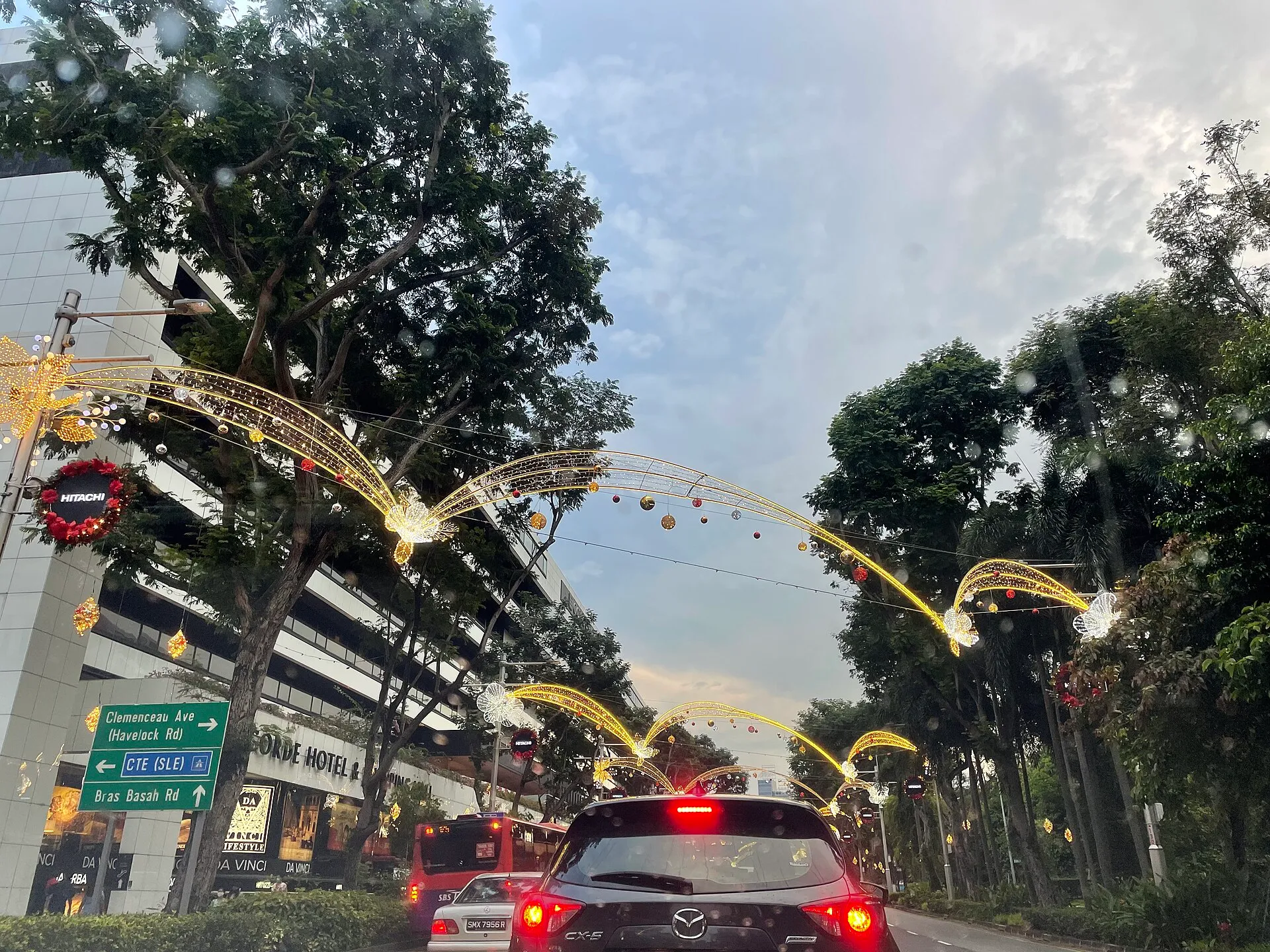
| Christmas Day | Saturday 25 December | Orchard Road Christmas light-ups; peak festive crowds |
Major annual events and festival calendar
- Chinese New Year Celebrations (January/February): Chinatown is illuminated with thousands of lanterns, while the floating River Hongbao festival takes over Gardens by the Bay with carnival rides and nightly pyrotechnics. See our guide to Chinese New Year in Singapore.
- Hungry Ghost Festival (August): The seventh lunar month brings street-side joss paper burning and boisterous live Chinese opera and Getai musical stages in public housing estates. See our Hungry Ghost Festival guide.
- Singapore Grand Prix (September/October): The world’s original Formula 1 night race roars through the Marina Bay Street Circuit. Accommodations sell out months in advance and ticket prices peak. See our Singapore Grand Prix guide.
- Deepavali Festival of Lights (October/November): Little India glows with archways of illuminated peacocks, diyas, and street bazaars selling sweetmeats and floral garlands. See our Deepavali in Little India guide.
- Christmas on Orchard Road (Mid-November to early January): 3.1 kilometres of Orchard Road transform into a magical holiday wonderland with illuminated light arches and pop-up artisan markets. See our Christmas on Orchard Road guide.
More Singapore guides
Plan the rest of your Singapore visit:
- 3 days in Singapore: classic first-time city itinerary.
- 5 days in Singapore: complete itinerary adding Mandai and regional day trips.
- Gardens by the Bay tickets: conservatory dome maintenance dates and light shows.
- Marina Bay Sands SkyPark: observation deck ticketing and sunset timing.
- Public transport in Singapore: mastering the MRT network and SimplyGo contactless fares.
- What to book before you go to Singapore: essential ticket planning and reservation timeline.
Common questions
What is the best month to visit Singapore?
February is statistically the best month to visit: it is the driest month of the year with an average of 105 mm of rainfall across just 9 rain days, with Chinese New Year celebrations. July and August are also relatively dry and ideal for outdoor sightseeing and food festivals.
When is the rainy monsoon season in Singapore?
According to the Meteorological Service Singapore, there is no true dry season. However, the wet phase of the Northeast Monsoon from November through January brings the heaviest rainfall. December is the wettest month, averaging 332 mm of rain across 19 rain days.
Is Singapore humid all year round?
Yes. Located just 137 kilometres north of the equator, Singapore experiences a tropical rainforest climate. Mean relative humidity averages 82 percent year-round, typically exceeding 90 percent in the early morning before dropping to around 60 to 65 percent during dry afternoons.
When does transboundary haze occur in Singapore?
Haze episodes can occur between June and October during the Southwest Monsoon, caused by regional agricultural and peatland fires in Sumatra and Kalimantan. Air quality is monitored via the 24-hour Pollutant Standards Index (PSI) at haze.gov.sg.
What are the official public holidays in Singapore for 2027?
The 11 gazetted public holidays are New Year's Day (1 Jan), Chinese New Year (6–7 Feb), Hari Raya Puasa (10 Mar), Good Friday (26 Mar), Labour Day (1 May), Hari Raya Haji (17 May), Vesak Day (20 May), National Day (9 Aug), Deepavali (28 Oct), and Christmas Day (25 Dec).