In this guide
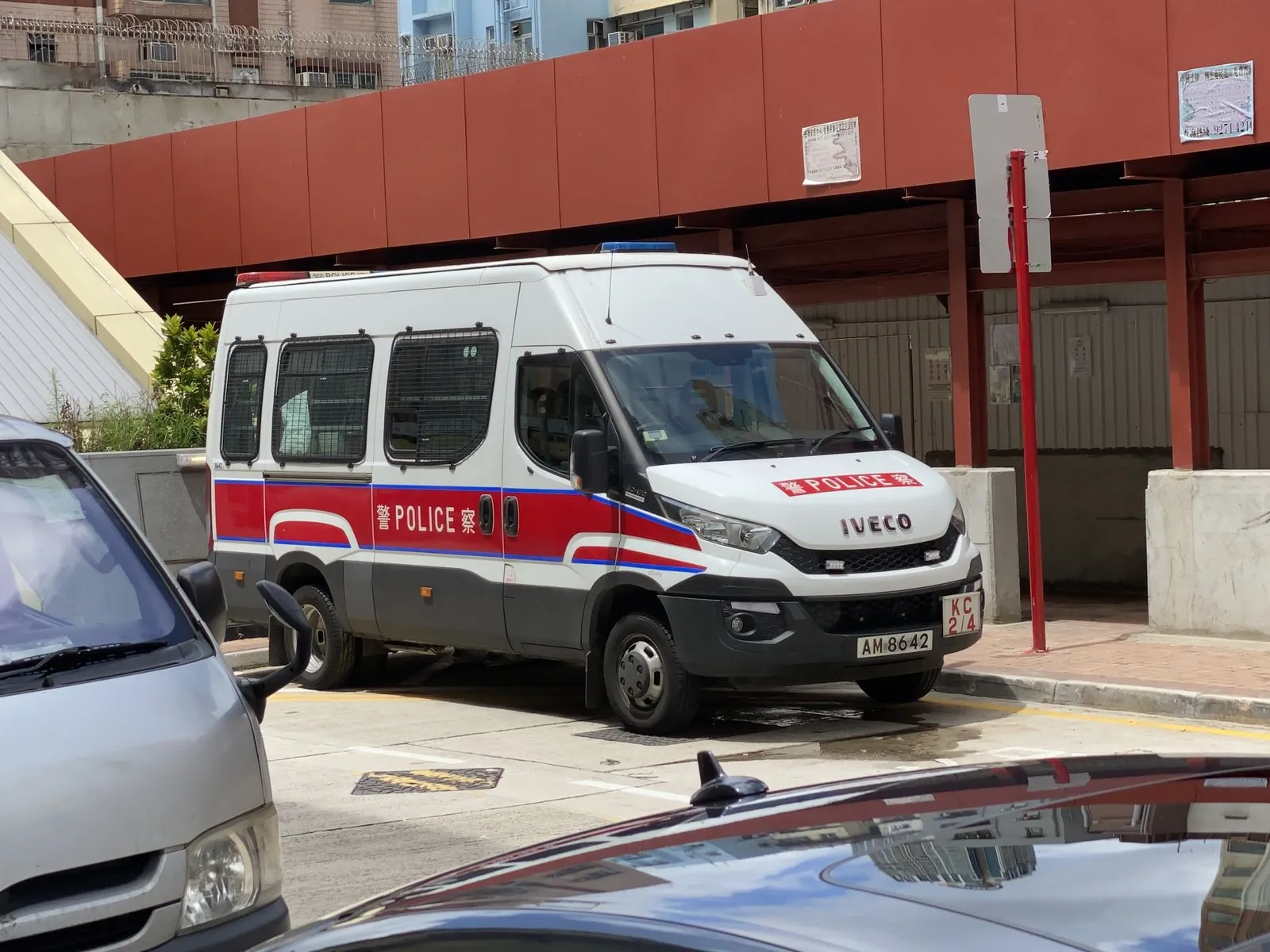
💡 The Short Version: Hong Kong has one of the lowest crime rates in the world, according to the Hong Kong Police Force, whose advice to visitors is to keep your bags in view and fastened, beware of pickpockets, keep valuables in the hotel safe, buy only from reputable shops and never buy imitation brand-name goods (Hong Kong Police Force). The US State Department’s advisory for Hong Kong is “Level 2: Exercise Increased Caution” because of the arbitrary enforcement of local laws (US State Department). Dial 999 for the police, fire service or an ambulance. Taxis must use a meter. Medical treatment for uninsured foreign visitors is expensive, so buy travel insurance. E-cigarettes and heated tobacco are prohibited, and littering, spitting or smoking where it is banned carries a HK$3,000 fixed penalty.
What the governments say
- United Kingdom: the Foreign Office’s Hong Kong advice, updated on 1 April 2026, says violent crime is low but pickpocketing and other street crime can happen, and that protests are rare but could take place at any time. If you are near a demonstration, it says to follow the advice of local authorities and move away to a safe place.
- United States: the State Department advisory, dated 4 September 2026, is “Level 2: Exercise Increased Caution”. It says Hong Kong’s national security laws apply to everyone in Hong Kong, including foreigners, and that since 23 March 2026 it has been a criminal offence in national security cases to refuse to give police passwords or to help decrypt personal devices, a rule it says applies on arrival or in transit at the airport.
- National security laws: the UK advice says the national security laws can be interpreted broadly and apply to all individuals regardless of nationality. It also says Hong Kong does not recognise dual nationality or the BN(O) passport as a valid travel document or proof of identity, so British consular help may be limited for people who hold both British and Chinese nationality.
Crime and what to watch for
The Hong Kong Police Force’s advice to visitors:
- Keep your baggage in view, especially at the airport, your hotel and when getting in and out of vehicles.
- Keep bags securely fastened and beware of pickpockets.
- Do not carry large amounts of cash or valuables. Keep them in the hotel safe, and avoid a room-safe code that can be guessed from your personal details.
- Buy only from reputable shops or those displaying a Hong Kong Tourism Board membership sticker, and always get a receipt.
- Never buy imitation brand-name goods such as handbags and watches.
The Foreign Office adds two points: take extra care of passports, cards and money in crowded places and when checking in and out of hotels, and do not leave drinks unattended or accept drinks from strangers, because sexual assaults, though rare, have involved drink spiking. If you hike in the country parks, it says to stay on marked trails and not carry valuables. Crowded places such as markets, the MTR at rush hour and the walkways around Temple Street are where bags are most worth keeping in front of you.
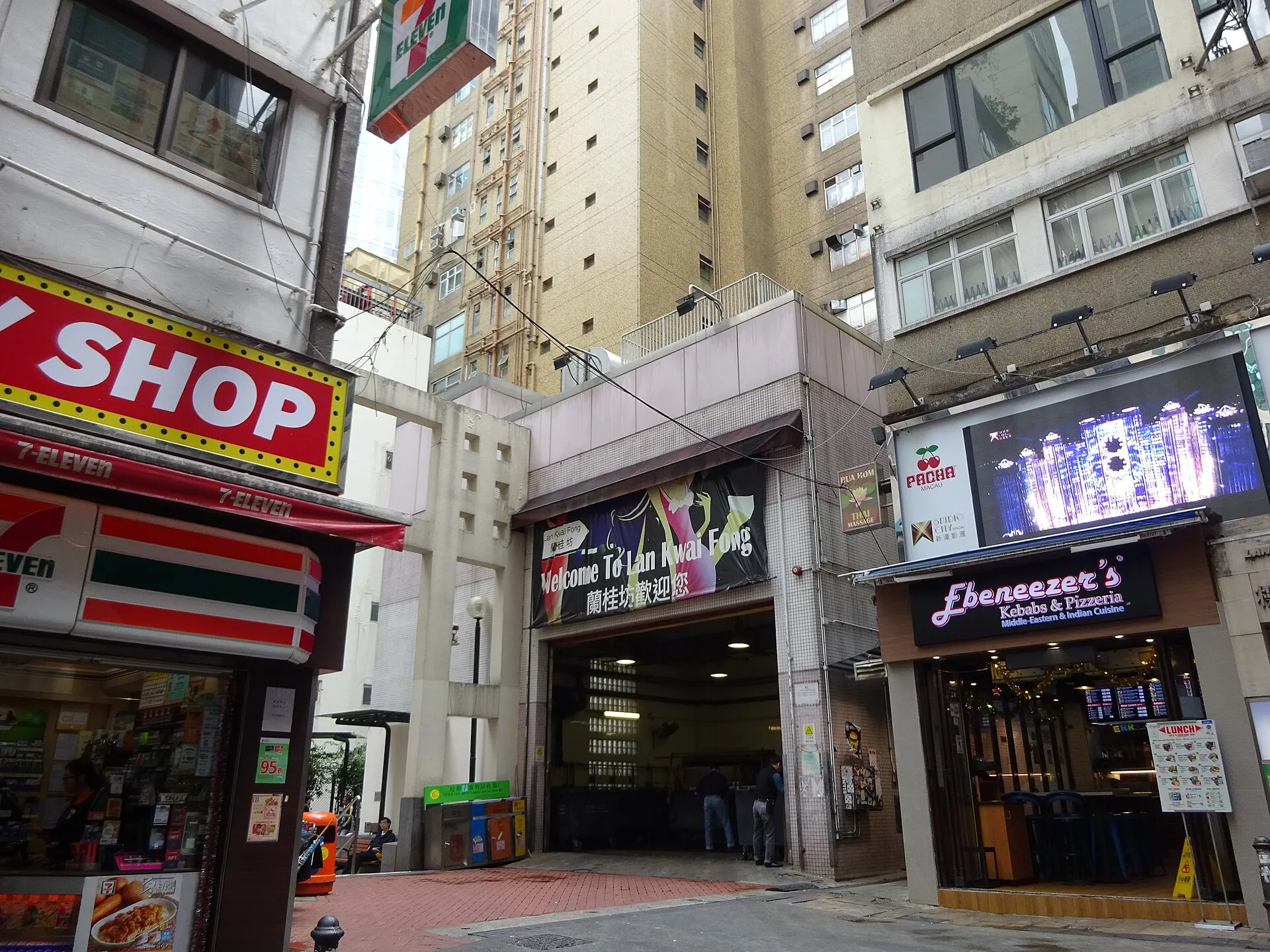
The lane entrance to Lan Kwai Fong in Central. Photo: Simon Leung gg, Wikimedia Commons, CC BY-SA 4.0.
Taxis
All taxis are equipped with electronic fare meters by law, and the police warn visitors not to accept illegal transport services. The Hong Kong Tourism Board advises that:
- Drivers must use the taximeter and passengers pay the exact fare it shows.
- You should always ask for a machine-printed receipt. If the machine is not working, the driver must give a handwritten one.
- Taxi drivers must display their identity cards on the dashboard. If you suspect overcharging, note the driver’s name and the licence plate and call the Transport Complaints Unit on +852 2889 9999.
- Fare tables, including baggage and tunnel surcharges, are displayed inside the taxi. The official fares are set out in airport to city.
- For something left in a taxi, the Road Co-op free lost-property hotline is +852 1872 920.
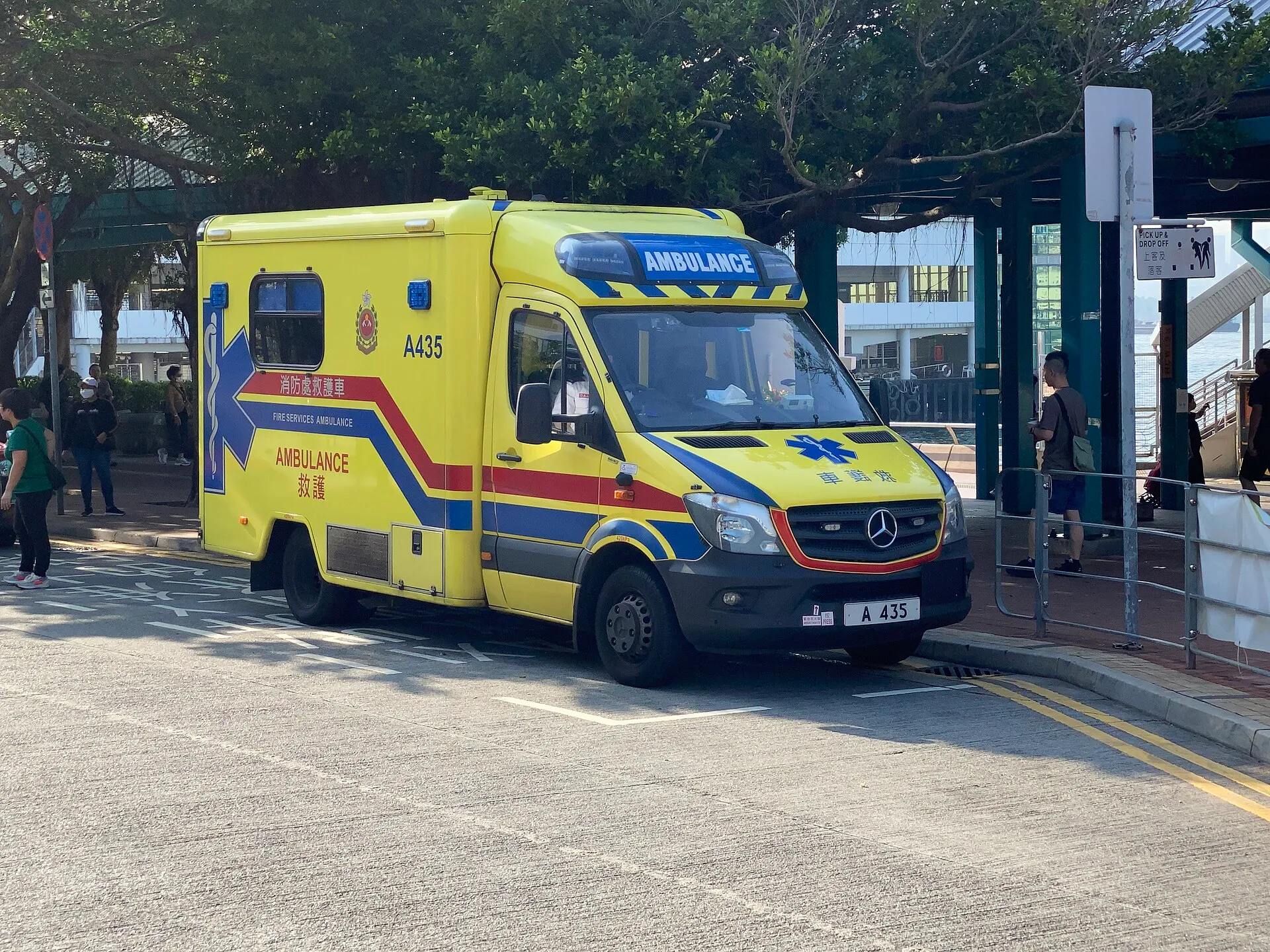
A Fire Services Department ambulance at Central Piers. Photo: LN9267, Wikimedia Commons, CC BY-SA 4.0.
Emergencies, lost documents and useful numbers
From the Hong Kong Tourism Board’s emergency numbers page:
| Service | Number |
|---|---|
| Police, fire and ambulance | 999 (the HKSOS app is a 999 safety app) |
| Police hotline | +852 2527 7177 |
| Hong Kong Tourism Board visitor hotline | +852 2508 1234 |
| Consumer Council | +852 2929 2222 |
| Travel Industry Authority | +852 3698 5900 |
| Hong Kong International Airport | +852 2181 8888 |
| Immigration Department | +852 2824 6111 |
| Customs and Excise Department 24-hour hotline | +852 2815 7711 |
| Department of Health | +852 2961 8989 |
| Hong Kong Observatory weather line | +852 1878 200 |
- Lost passport: make a lost report at the nearest police station (the police hotline gives locations), then contact your consulate. Call your airline if you need to rebook, because a new passport can take time.
- Lost wallet or valuables: tell your hotel, report the theft to the police, and report lost cards to your issuers as soon as you can. Keep a separate record of your card numbers.
The Tourism Board also points to SafeCity.hk for advice on guarding your belongings.
Health, tap water and insurance
- Insurance: the Foreign Office says medical treatment for uninsured foreign visitors is expensive, and the Tourism Board says charges for visitors are generally higher than for residents. Check that outdoor activities such as hiking, cycling or water sports are covered. Call 999 and ask for an ambulance in an emergency.
- Hospital emergency fees: public hospitals charge people who are not Hong Kong residents the non-eligible persons rate. The Hospital Authority raised the accident and emergency fee for non-eligible persons from HK$1,230 to HK$2,100 from 1 January 2026, and the daily rate for a bed in a general hospital from HK$5,100 to HK$7,400 (HK01, on the Hospital Authority gazette notice of 31 October 2025; the Authority’s fees page covers non-eligible persons). A private clinic or hospital is the alternative, and travel insurance is the way to avoid paying either bill yourself.
- Medicine: buy prescription medicines from registered pharmacies with a doctor’s prescription, and look for the ”℞” sign on the shopfront. The Foreign Office says you can get prescribed medication only through a doctor unless your UK prescription specifically says the medication will be needed in Hong Kong.
- Tap water: the Water Supplies Department says drinking water is fully treated at the water treatment works and complies with the Hong Kong Drinking Water Standards (WSD). If you are unsure about the plumbing in a particular building, ask your hotel.
- Weather: typhoon signals and rainstorm warnings are explained in the weather guide.
Local laws visitors trip over
- Smoking and vaping: smoking is prohibited in buildings, dining places, public transport and some indoor and outdoor areas, including public beaches, swimming pools and escalators, with a fixed penalty of HK$3,000 (Hong Kong Tourism Board). It is prohibited to bring e-cigarettes, heated tobacco or herbal cigarettes into Hong Kong, including in luggage, and from 30 April 2026 possessing one in a public place is illegal whether or not it is in use. Travellers transiting without passing immigration are exempt (FCDO).
- Drugs: all cannabis products are illegal, including CBD oils, creams, capsules and food. The Foreign Office says Hong Kong has a zero-tolerance policy, with severe prison sentences for smuggling, trafficking, possessing or using illegal drugs, including while transiting through the airport.
- Littering, jaywalking and spitting: on-the-spot fines. The fixed penalty for littering or spitting is HK$3,000.
- Ivory and photographs: it is illegal to import and re-export elephant ivory, including souvenirs, and the Foreign Office says not to photograph military installations.
- Dutiable goods: all visitors must go through customs and declare dutiable items over the duty-free limits. Hong Kong is a free port, with excise duty on liquor, tobacco, hydrocarbon oil and methyl alcohol only; a passenger aged 18 or over may bring in 1 litre of liquor above 30% alcohol by volume, and 19 cigarettes, duty free (Customs and Excise Department).
Where next
For payments and tipping see money in Hong Kong; for manners in restaurants, temples and on transport see Hong Kong etiquette. To choose where to stay, read where to stay, and for typhoons and heat see the weather and seasons guide.
Common questions
Is Hong Kong safe for visitors?
The Hong Kong Police Force says Hong Kong has one of the lowest crime rates in the world and advises visitors to keep bags fastened and in view, beware of pickpockets and keep valuables in the hotel safe. The UK Foreign Office says violent crime is low but pickpocketing and other street crime can happen.
What is the US government's travel advice level for Hong Kong?
Level 2: Exercise Increased Caution, in an advisory dated 4 September 2026 that cites the arbitrary enforcement of local laws (US State Department).
What is the emergency number in Hong Kong?
999 for the police, fire service and ambulance. The Police hotline is +852 2527 7177, and the HKSOS app works as a 999 safety app (Hong Kong Tourism Board).
Are Hong Kong taxis metered?
Yes. All taxis carry electronic fare meters by law, and the police advise visitors not to accept illegal transport services. Ask for a machine-printed receipt. Complaints go to the Transport Complaints Unit on +852 2889 9999.
What should I do if my passport is lost or stolen?
Make a lost report at the nearest police station, then contact your country's consulate to replace the passport. If a wallet or valuables are stolen, tell your hotel and report it to the police, and tell your card issuers (Hong Kong Tourism Board).
Can I vape in Hong Kong?
No. Importing, promoting, manufacturing, selling or possessing e-cigarettes, heated tobacco and herbal cigarettes is prohibited, and the UK Foreign Office says that from 30 April 2026 possessing one in a public place is illegal whether or not it is in use. Smoking in a no-smoking area carries a fixed penalty of HK$3,000.
Is CBD legal in Hong Kong?
No. Hong Kong classifies CBD as a dangerous drug, and all cannabis products are illegal, including CBD oils, creams, capsules and food (UK Foreign Office).