In this guide
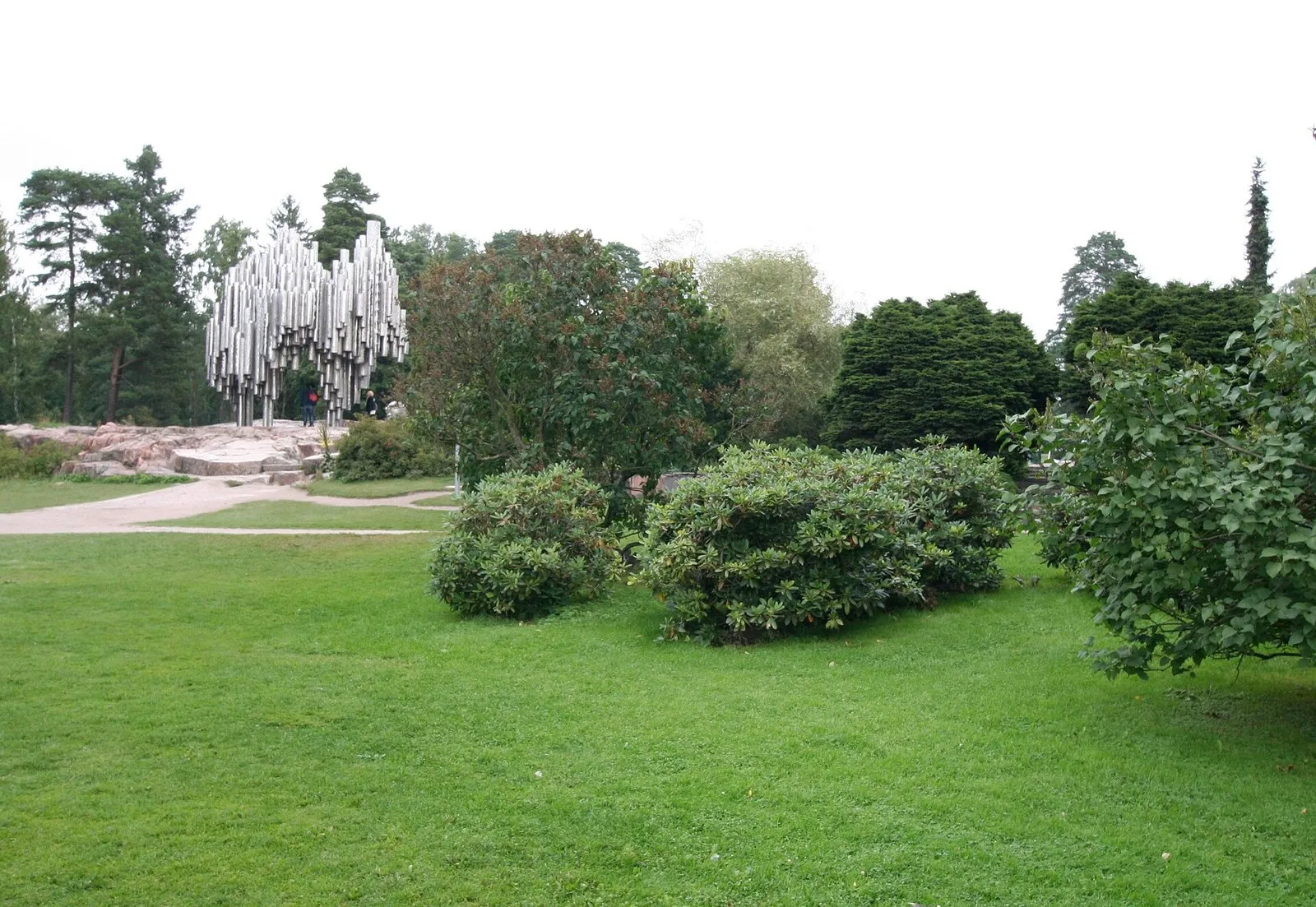
💡 The Short Version: The Sibelius Monument (Sibelius-monumentti) in Sibelius Park, Töölö, honours the composer Jean Sibelius. Eila Hiltunen’s sculpture, unveiled in September 1967, is a wave of more than 600 welded stainless steel pipes weighing 24 tonnes that looks like a wind organ rising from the bedrock. The park is open 24 hours a day and free. After looking at the monument from below, walk 100 metres to the waterfront for cinnamon buns (korvapuusti) and an outdoor wood fire at Café Regatta (open daily 09:00 to 21:00). Or book a tour: a 5½-hour van tour with a ferry ridead from €127 stops at Helsinki Cathedral, Oodi, the Sibelius Monument and Suomenlinna.
⚠️ Walk underneath the sculpture. The monument is meant to be seen from below. Stand under the steel tubes, look up through the open pipes and listen to the sea breeze in the hollow chambers.
Jean Sibelius
Jean Sibelius (1865–1957) is Finland’s national composer. When Russian authorities were curtailing Finland’s autonomy around 1900, his music became a patriotic rallying point:
- Finlandia (Op. 26): Composed in 1899 as the finale of a patriotic pageant. Its brass fanfares and central hymn became an unofficial national anthem, and Russian censors banned it.
- Kalevala works: Kullervo, En Saga, the Lemminkäinen Suite (including The Swan of Tuonela) and Tapiola draw on the mythology and forests of Karelia.
- Seven symphonies: Tightly structured works that dropped the excesses of late Romanticism.
Sibelius died at his home Ainola in Järvenpää in September 1957, aged 91. The government declared a state funeral and the nation began planning a monument in the capital.
The monument controversy
In 1961 the Sibelius Society organised an open national competition for the monument.
The jury chose an abstract proposal, Passio Musicae (“Passion of Music”), by the 39-year-old sculptor Eila Hiltunen (1922–2003). Instead of a bronze figure on a pedestal, she designed a cluster of vertical, hand-welded steel pipes meant to capture the rhythm and power of symphonic music.
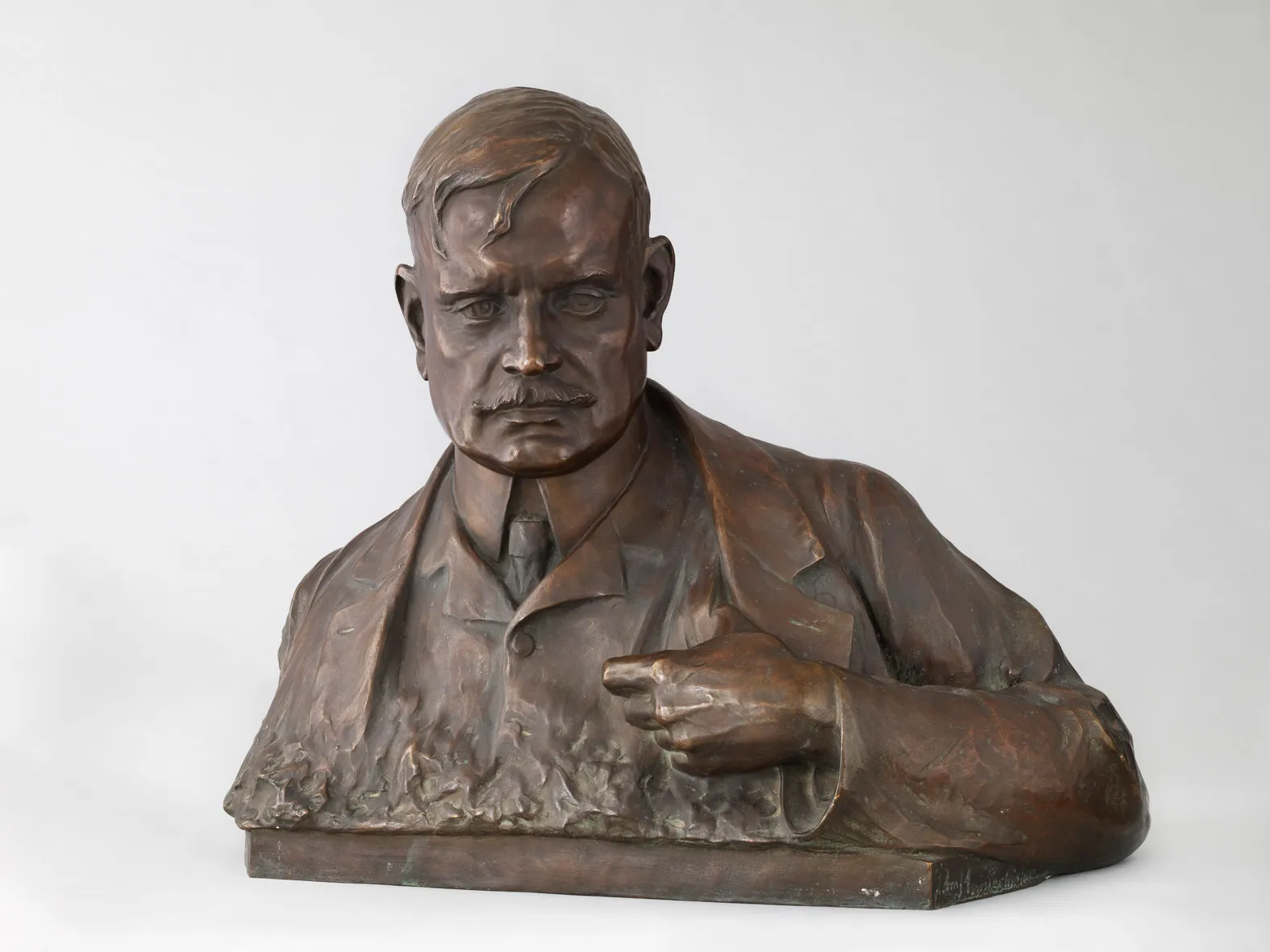
Bronze portrait of Sibelius by Eila Hiltunen. Photo: John Munsterhjelm, Wikimedia Commons, Public domain.
The reaction was split:
- Critics: Traditionalists and conservative commentators called it incomprehensible, “a scrap metal heap”, “drainpipes” or “a factory radiator”, and wanted a figurative statue of a national hero.
- Supporters: Architects and young artists defended it as a statement of postwar creative freedom.
- The compromise: Hiltunen made a separate bronze portrait mask of Sibelius and mounted it on a granite ledge a few paces from the pipes.
The monument was unveiled on 7 September 1967 in the presence of President Urho Kekkonen.
The engineering of Passio Musicae
Hiltunen and her assistant Emil Kukkonen built the sculpture by hand rather than casting it, working for nearly four years in an unheated studio in Lauttasaari.
Key details:
- Over 600 pipes: Hollow tubes of varying lengths and diameters fused into a wave-like cluster.
- Stainless steel: Molybdenum-alloyed stainless steel from the Finnish steelworks Outokumpu, chosen to resist Baltic spray and frost.
- Size: About 24 tonnes, 8.5 metres high, 10.5 metres wide and 6.5 metres deep.
- Torched surfaces: Hiltunen worked each tube with an oxyacetylene flame to make grooves, ripples and hanging metal icicles.
Seeing the monument
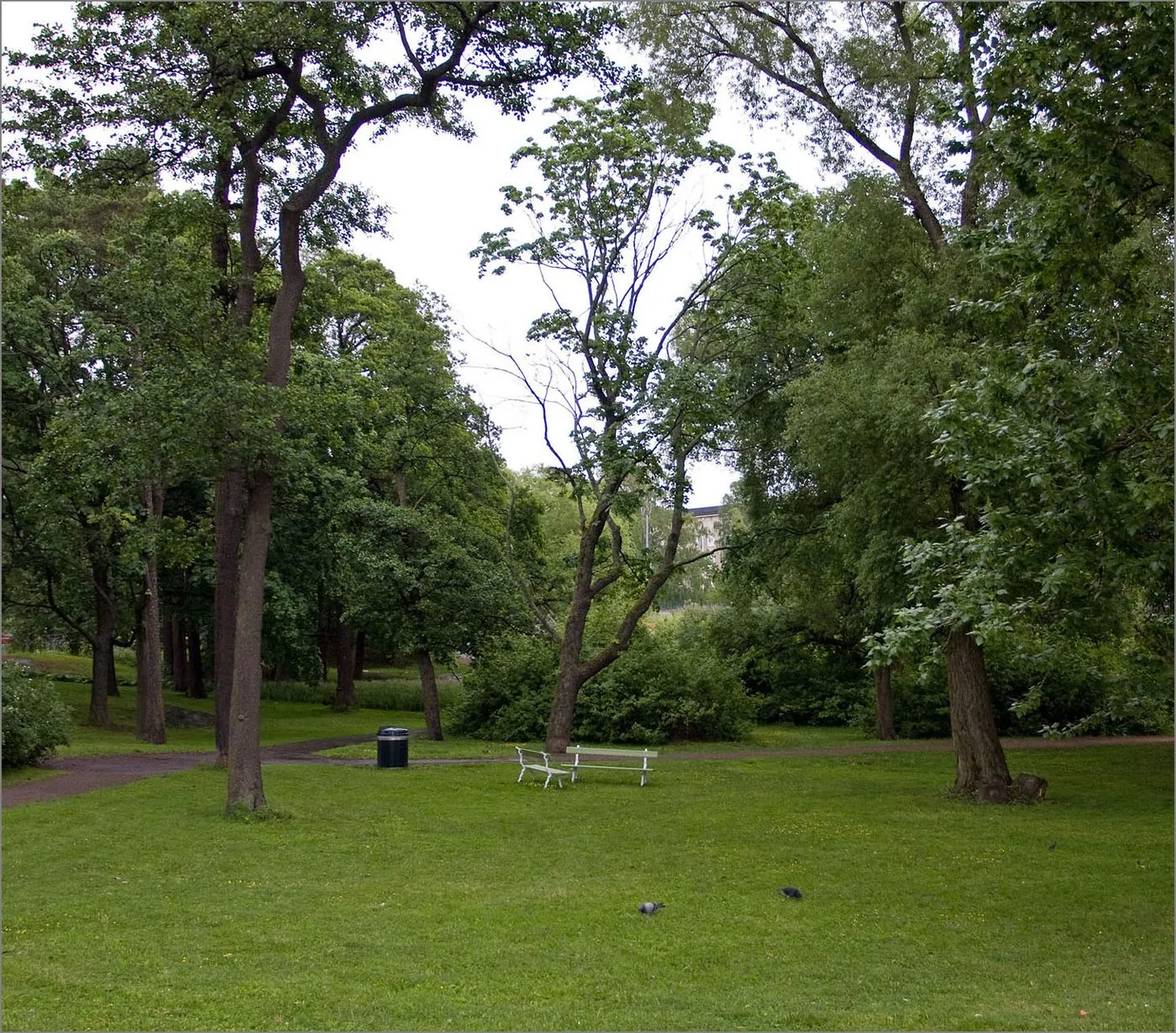
- From the southern lawn: The pipes seem to float above the grass, like the surrounding birch and pine trunks.
- Underneath: Step onto the granite terrace and stand beneath the tubes, looking up at the circles of metal against the sky.
- Listen: In windy weather the gusts whistle through the pipes.
- The portrait: Cross to the rocky knoll for Hiltunen’s bronze portrait of Sibelius.
Café Regatta
A 100-metre walk west through the park trees leads to the bay of Humallahti and Café Regatta.
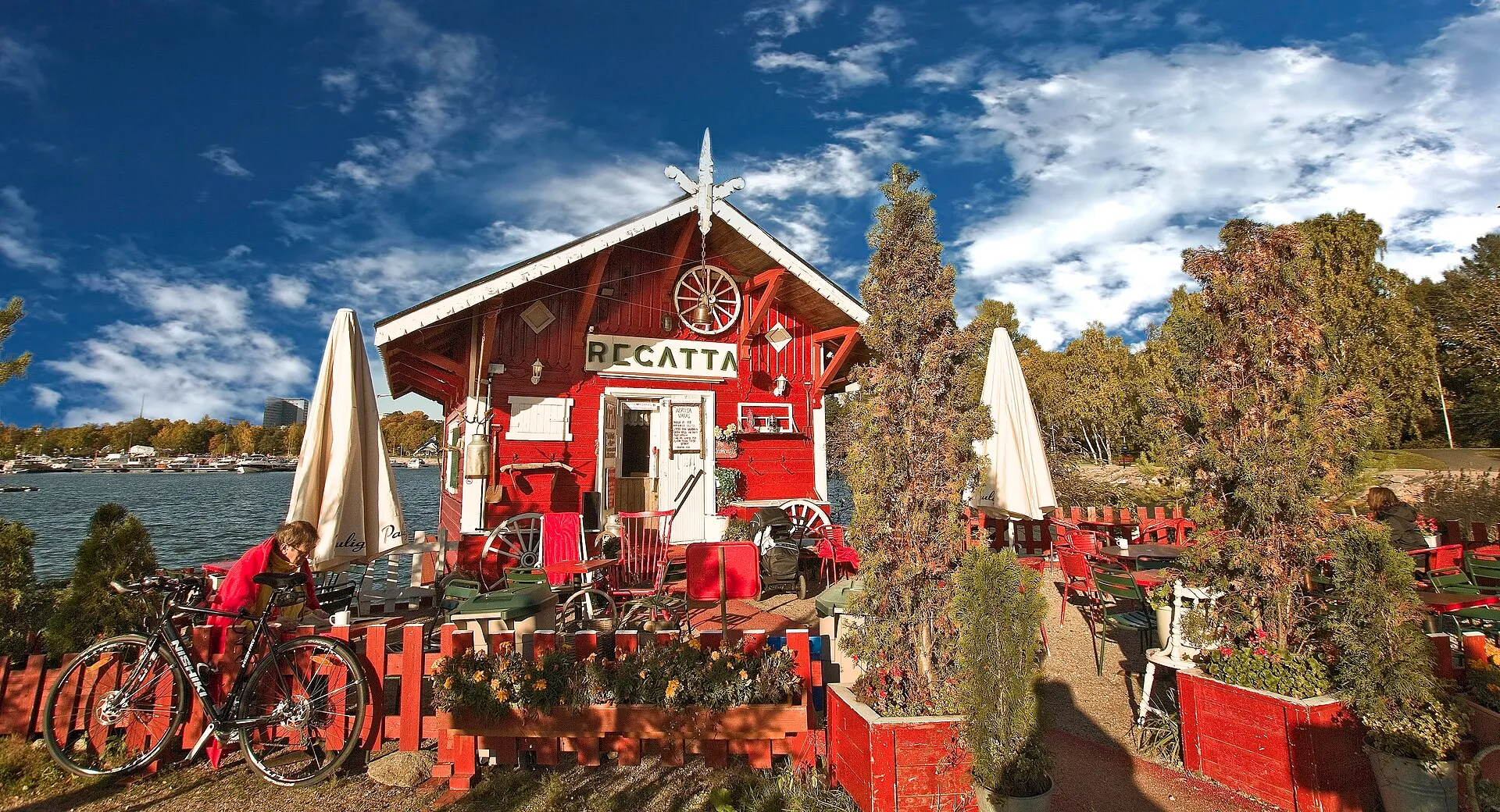
Café Regatta, Humallahti. Photo: Axilera, Wikimedia Commons, CC BY-SA 3.0.
The small red cottage dates from 1887, when it was a net-drying shed for the Paulig coffee family’s summer villa. It became an independent cafe in 2002:
- Cinnamon buns (korvapuusti): Baked through the day with cardamom and served warm. The blueberry tart with vanilla sauce is the other order.
- Sausages over the fire: A birchwood fire burns year-round in an iron brazier in the gravel yard. Buy raw sausages (grillimakkara) at the service window, take a roasting stick and mustard, and grill them yourself.
- Decor: Oil lamps, vintage bicycles, sledges and nautical objects hang on the walls and patio.
- Summer boats: From May to September Supregatta rents stand-up paddleboards, sea kayaks and wooden rowing boats by the hour.
- Hours: Open every day of the year from 09:00 to 21:00. Cards are accepted.
Practical visitor logistics
| Parameter | Details |
|---|---|
| Admission | Free public park; no tickets or reservations. |
| Opening hours | Open 24 hours a day, 365 days a year. |
| Best time | Early morning for soft light; late afternoon to combine with coffee at Café Regatta. |
| Location | Sibeliuksenpuisto, Mechelininkatu / Merikannontie, 00250 Helsinki. |
| Public Transport | HSL bus line 24 from Kamppi to Rajasaarentie (12 min); or tram 2, 4, or 10 along Mannerheimintie to Töölöntori (followed by an 8-minute walk). Standard Zone AB ticket. |
| Accessibility | Paved and hard-packed gravel paths throughout the park; the bedrock knoll directly beneath the monument is accessible via gentle ramps. |
What to see next in Töölö and beyond
- Temppeliaukio Rock Church: 1.2 kilometres south through Töölö; see the Temppeliaukio Rock Church guide.
- Seurasaari Open-Air Museum: Two kilometres west along the coastal path past the Olympic Rowing Stadium and Tamminiemi; see the Seurasaari guide.
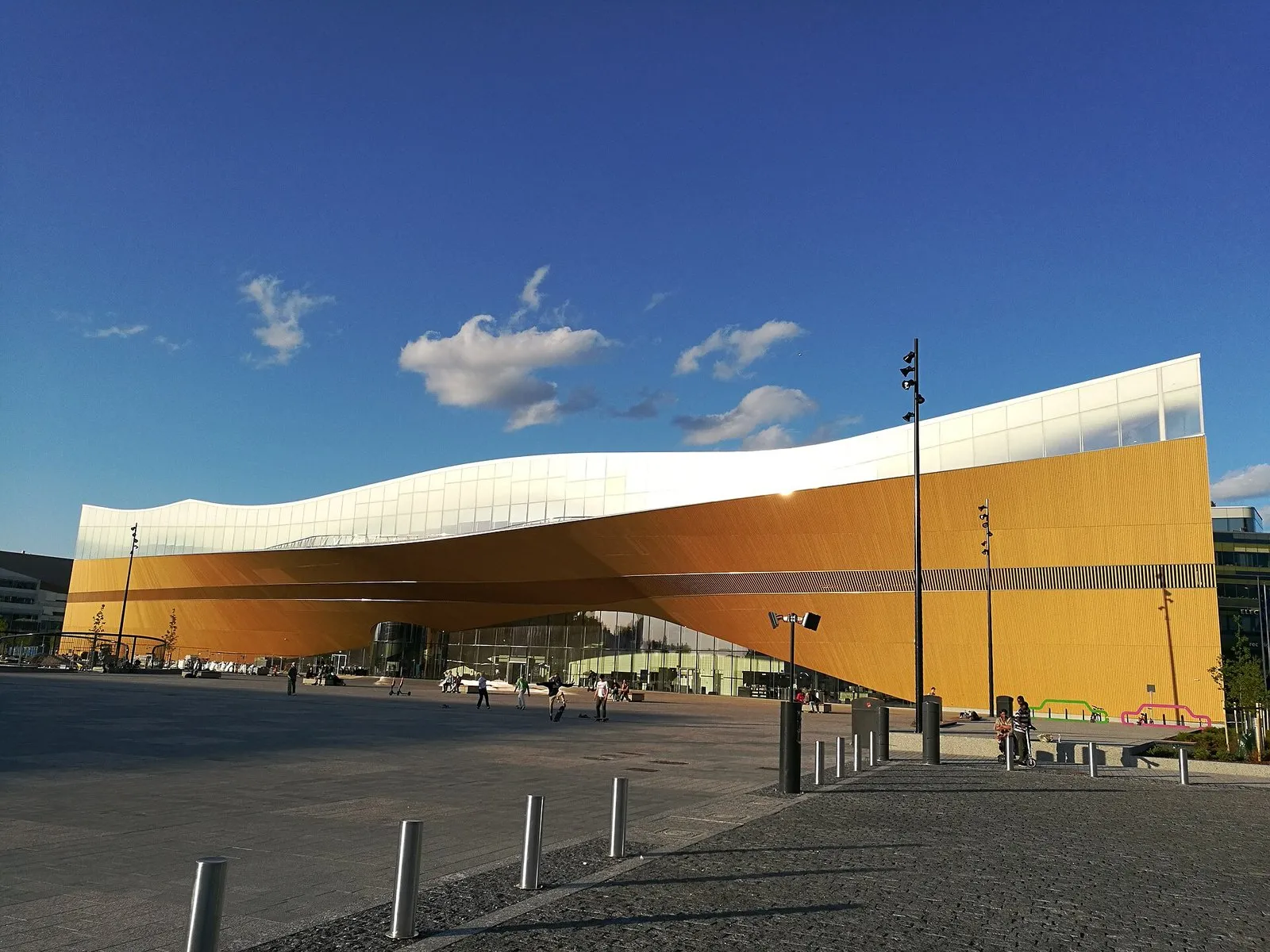
- Oodi Central Library: East towards Central Station; see the Oodi guide.
- More free sights: Free things to do in Helsinki.
Common questions
Is the Sibelius Monument free to visit?
Yes. The monument stands in Sibelius Park (Sibeliuksenpuisto), a public park in Töölö. It is free at any hour all year, with no gates or reservations.
What does the Sibelius Monument represent?
Sculptor Eila Hiltunen titled it Passio Musicae. It is an abstract sculpture of over 600 welded stainless steel pipes. It does not depict the composer; the tubes evoke sound waves, the northern wind and the pine forests behind Jean Sibelius's music.
Why is there a separate portrait bust of Sibelius beside the monument?
Hiltunen won the national competition with an abstract design, and traditionalists and critics objected, demanding a likeness of Finland's national hero. As a compromise she made a separate bronze portrait mask of Sibelius, mounted on a granite boulder nearby.
What is Café Regatta next to the park?
A red wooden cottage on the water's edge at Merikannontie 8, 100 metres from the monument. The building dates from 1887 and the cafe is open every day from 09:00 to 21:00, serving cinnamon buns (korvapuusti) and raw sausages that you roast over an outdoor fire.
How do you get to the Sibelius Monument from central Helsinki?
Take bus 24 from Kamppi to the Rajasaarentie stop (12 minutes), or tram 2, 4 or 10 along Mannerheimintie to Töölöntori and walk 8 minutes west to the shore. A Zone AB ticket covers both.