In this guide
💡 The Short Version: For a first visit, stay in the Loop for the sights and every ‘L’ line, or in River North and the Magnificent Mile for restaurants and shopping on the Red Line. Streeterville and the Gold Coast are quieter and closer to the lake. The West Loop has the restaurant strip on Randolph Street and Fulton Market. Old Town, Lincoln Park and Wrigleyville cost less and sit on the Brown and Red Lines. Room prices exclude about 17% in hotel taxes, plus a 1.5% charge at large downtown hotels and, at many, a nightly destination fee.
⚠️ Check the total before you book. A Chicago room rate excludes the hotel taxes, and many downtown hotels add a nightly destination fee of around $30. Valet parking downtown runs to $85 a night at some hotels.
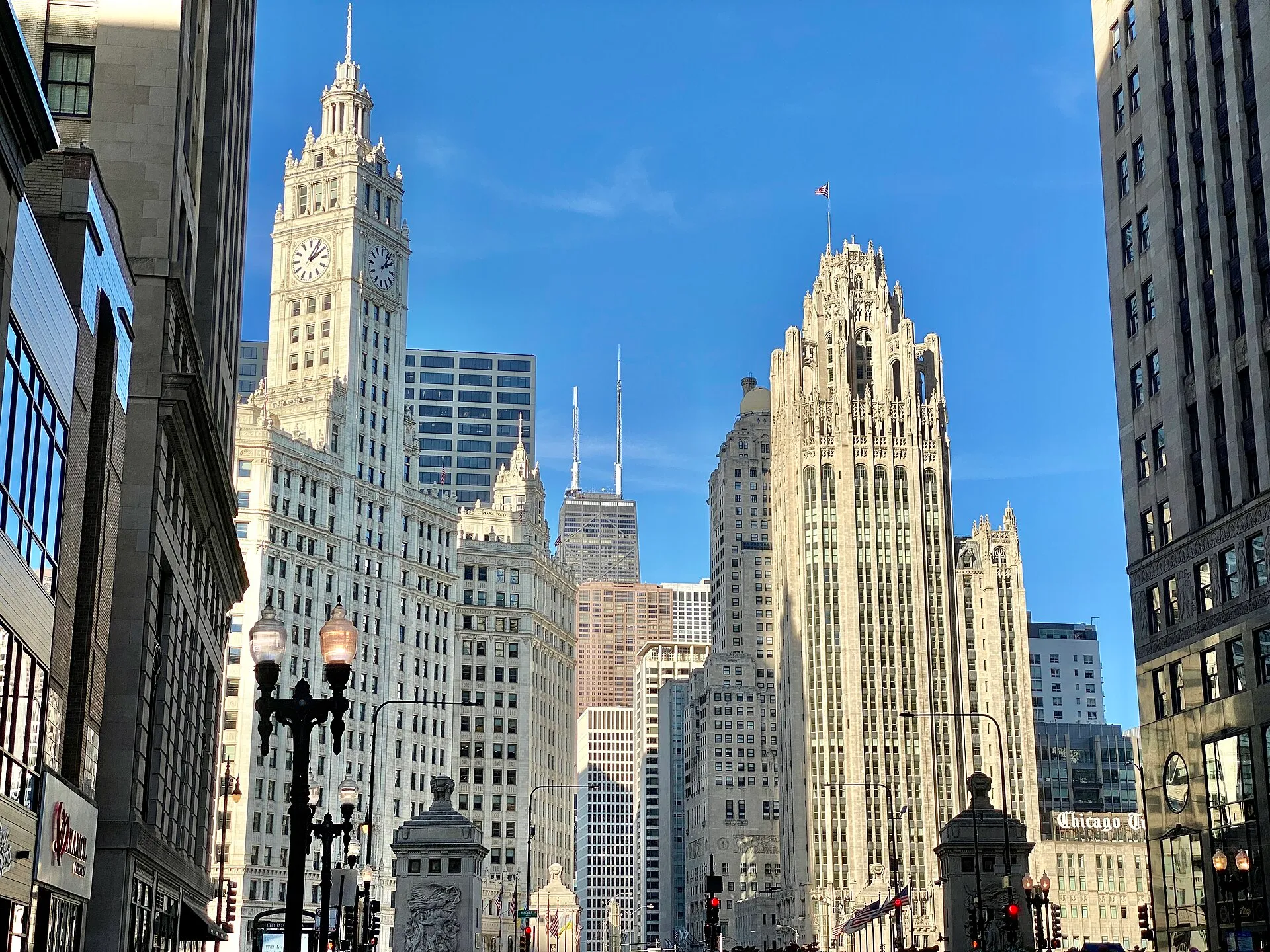
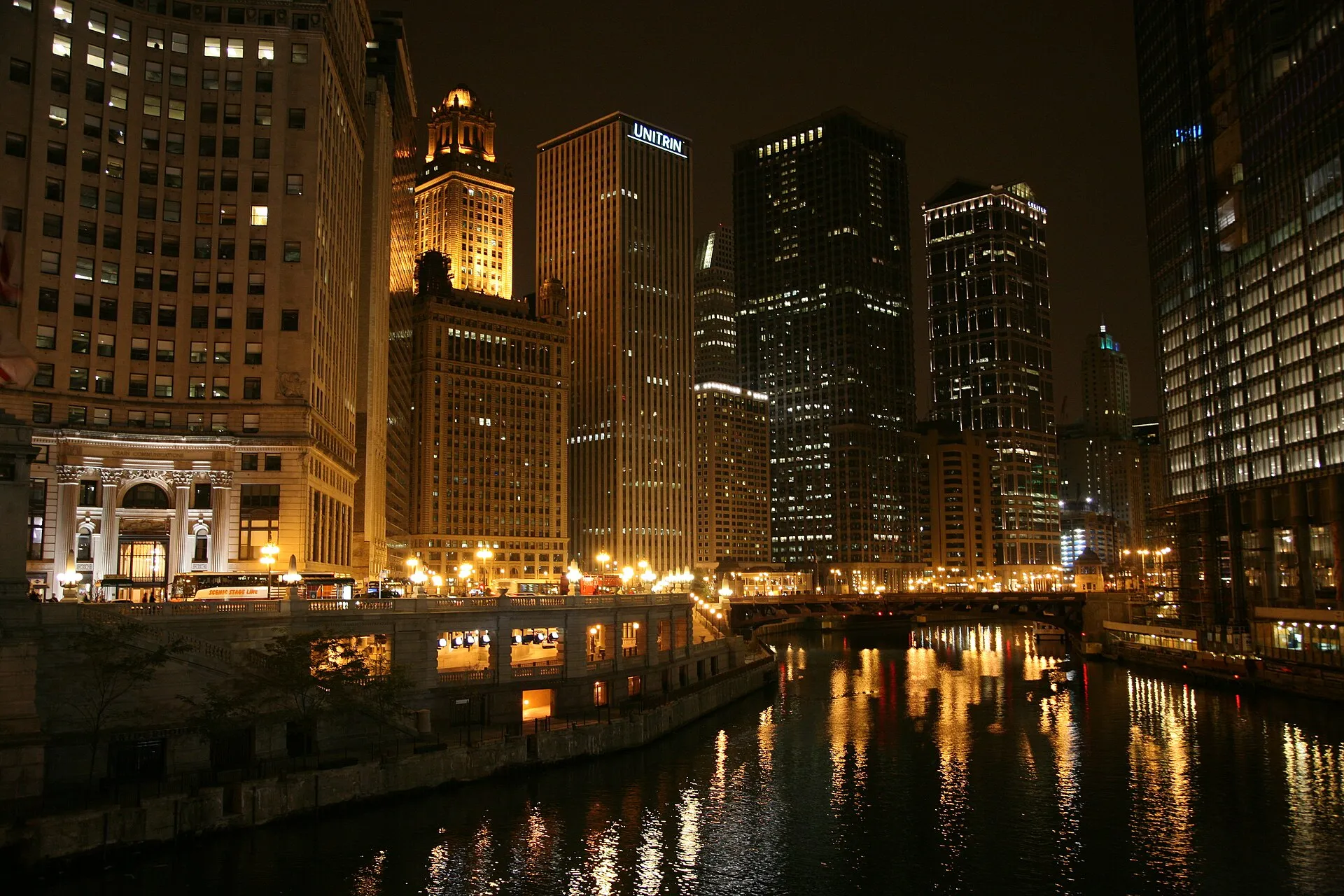
Chicago’s centre is compact. The Loop, the business district inside the ring of elevated tracks, sits on the south bank of the Chicago River. River North and the Magnificent Mile face it across the river, with Streeterville to their east by the lake and the Gold Coast to the north. Everything in this paragraph is within about two miles of everything else, and the ‘L’ trains and Michigan Avenue buses link them.
The areas compared
| Area | Nearest ‘L’ | Best for | What it is like |
|---|---|---|---|
| The Loop | Every line | First visits, museums, theatre | Office towers, Millennium Park, the Art Institute and the theatre district; quieter after offices close and on Sundays |
| South Loop and Grant Park | Red, Orange, Green at Roosevelt | The Museum Campus, lower rates | Historic hotels facing Grant Park on Michigan Avenue; the Field Museum, Shedd and Adler a walk away |
| River North and the Magnificent Mile | Red at Grand and Chicago | Shopping, restaurants, nightlife | Michigan Avenue’s shops and the galleries, bars and restaurants west of it; the most hotels in one place |
| Streeterville | Red at Grand, then a walk | Navy Pier, the lakefront | High-rise hotels and flats between Michigan Avenue and the lake |
| Gold Coast | Red at Clark/Division | Quiet streets, Oak Street Beach | Mansions and brownstones; the Drake and the north end of the Magnificent Mile |
| West Loop and Fulton Market | Green and Pink at Morgan | Restaurants | Former meatpacking warehouses turned into restaurants and boutique hotels |
| Old Town and Lincoln Park | Brown and Purple at Sedgwick | The zoo, Second City, a neighbourhood feel | Victorian streets, comedy clubs and Lincoln Park itself |
| Wrigleyville and Lakeview | Red at Addison | Cubs games, bars | Brick flats and sports bars round Wrigley Field |
The Loop
The Loop is named after the ring of elevated track that carries the Brown, Green, Orange, Pink and Purple Lines round the business district; the Red and Blue Lines run beneath it in subways. Every line meets here, so the Loop is the easiest base for the airports: the Blue Line from O’Hare stops at Clark/Lake, Washington, Monroe and Jackson, and the Orange Line from Midway runs round the elevated loop itself. See our airport transfer guide.
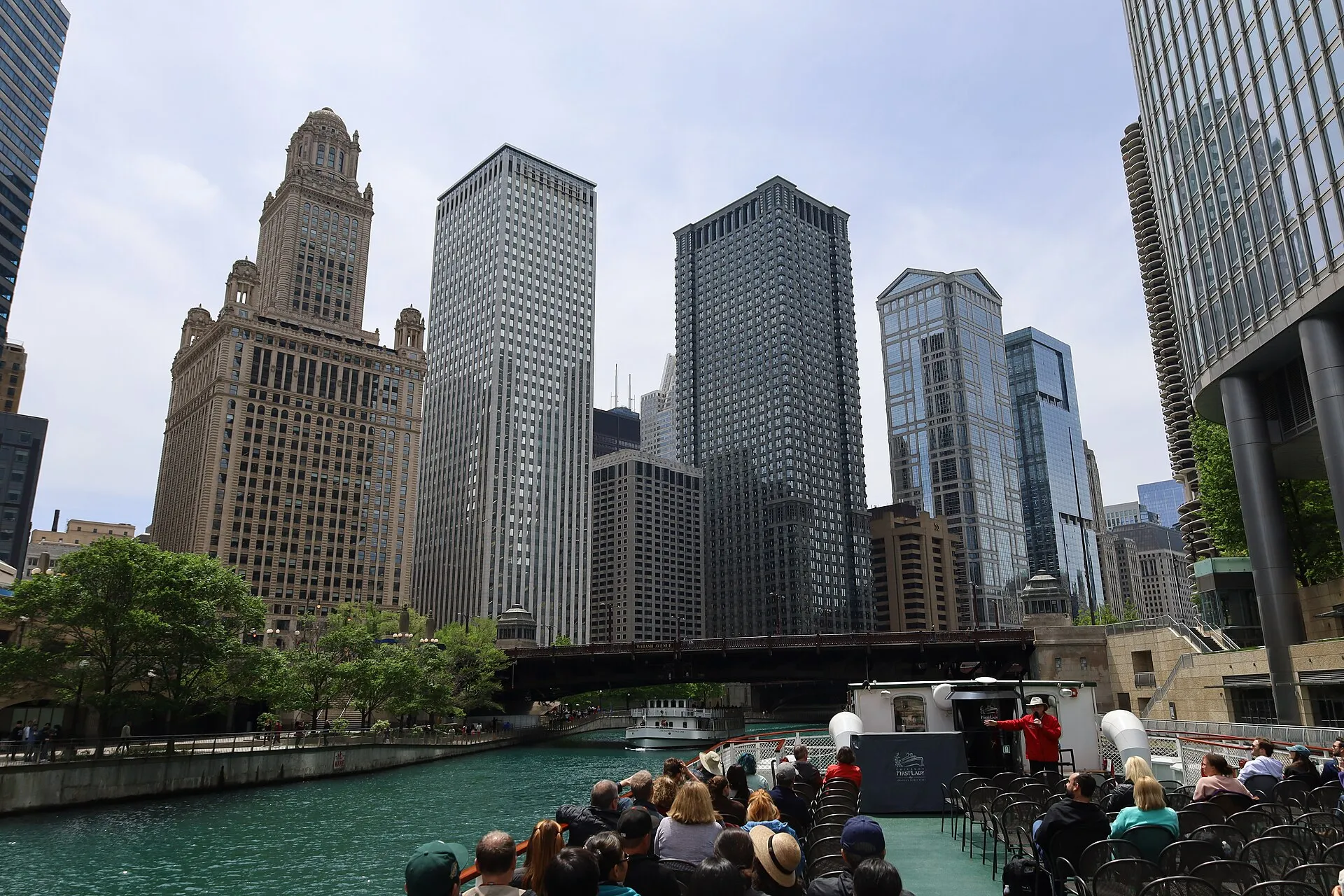
Millennium Park, the Art Institute, the Chicago Architecture Center’s river cruise dock and the Willis Tower are all inside it. The hotels range from the Palmer House, which has been on Monroe Street in one form or another since 1871, to conversions of 1890s office blocks. The Loop is mostly offices, so the streets west of State Street empty after about 7pm and on Sundays; hotels on Michigan Avenue and near the theatre district on Randolph Street have more going on outside the door.
Full hotel picks: where to stay in the Loop.
South Loop and Grant Park
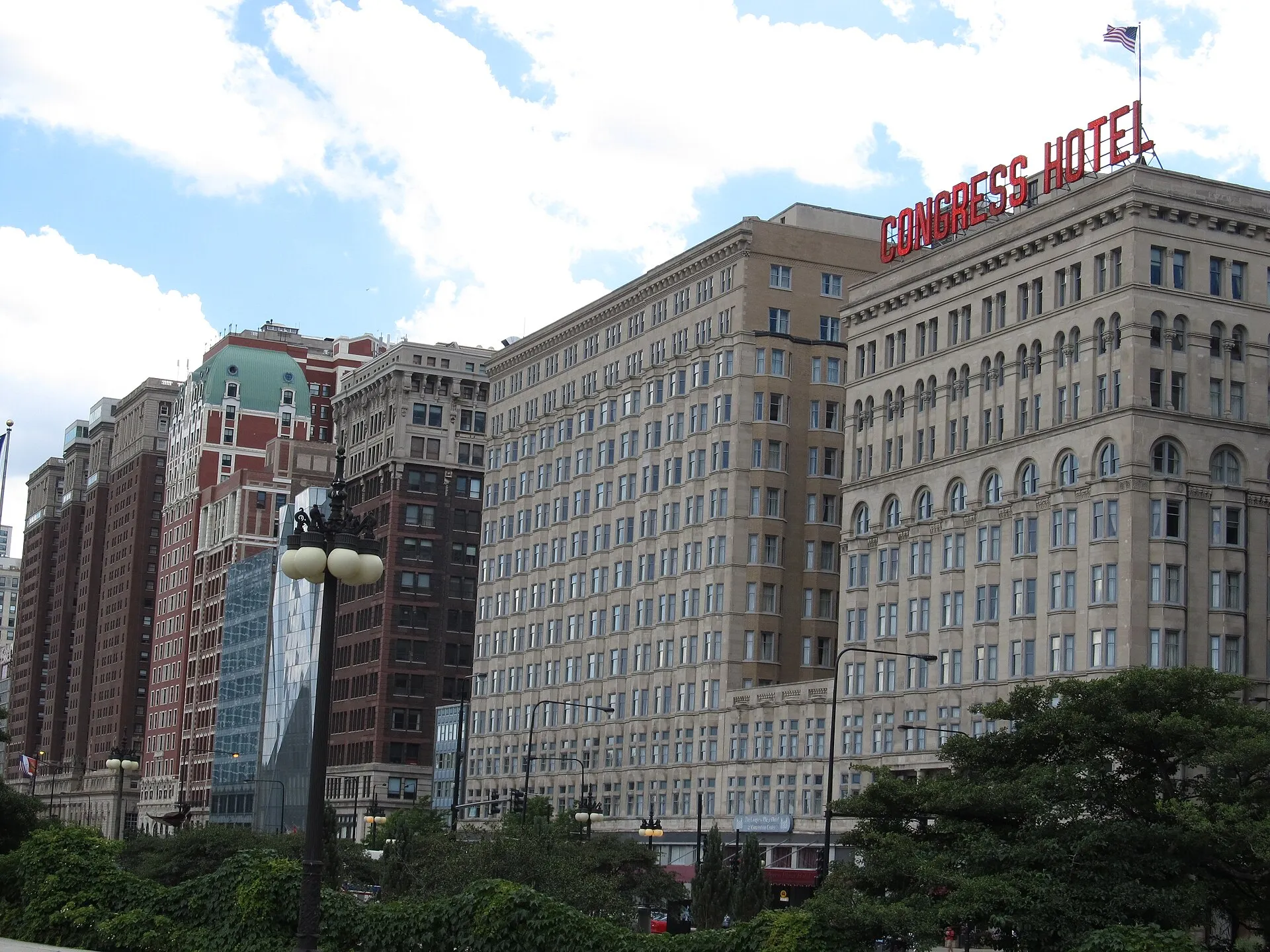
The stretch of Michigan Avenue facing Grant Park, south of Congress Parkway, has a run of large historic hotels: the Congress Plaza, built in 1893 for the World’s Fair; the Blackstone, opened in 1910; and the Hilton Chicago, opened in 1927. Rates here tend to sit below River North’s. The Field Museum, Shedd Aquarium and Adler Planetarium are about 15 minutes’ walk south-east across the park, and Roosevelt station has the Red, Orange and Green Lines. Grant Park hosts Lollapalooza in summer and the start and finish of the Chicago Marathon in October, which fill these hotels on those dates.
River North and the Magnificent Mile
The Magnificent Mile is North Michigan Avenue between the river and Oak Street, lined with department stores, flagship shops and large hotels such as the InterContinental, the Peninsula, the Park Hyatt and the Four Seasons. River North, to the west of it, has the city’s densest spread of restaurants, steakhouses, bars and galleries, and a lot of mid-priced chain hotels. The Red Line stops at Grand and at Chicago, and the 146, 147 and 151 buses run the length of Michigan Avenue to the Loop and the Museum Campus. Our Magnificent Mile walk covers the street on foot.
Full hotel picks: where to stay in River North and the Magnificent Mile.
Streeterville and the Gold Coast
Streeterville is the strip of towers between Michigan Avenue and the lake, running out to Navy Pier. It is quieter at night than River North and has the Loews and several all-suite hotels. The nearest ‘L’ station, Grand on the Red Line, is a 10 to 15 minute walk from the eastern end.
The Gold Coast, north of Oak Street, is one of the city’s oldest wealthy neighbourhoods: tree-lined streets of mansions and brownstones, Oak Street Beach across Lake Shore Drive, and the Drake, which has stood at the top of Michigan Avenue since New Year’s Eve 1920. Clark/Division on the Red Line serves its western side.
West Loop and Fulton Market
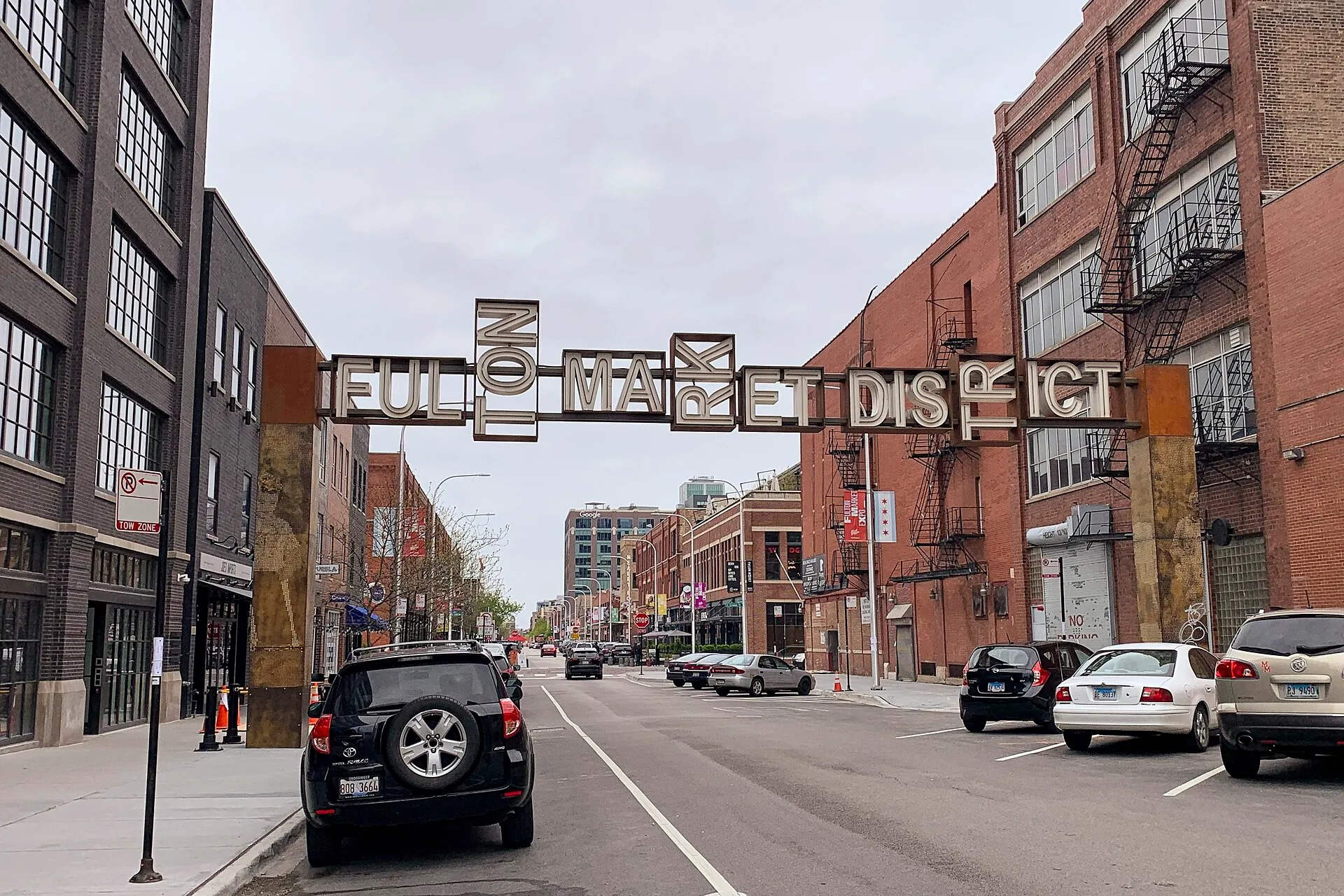
The West Loop’s old meatpacking and warehouse district, around Randolph Street and Fulton Market, is now Chicago’s main restaurant neighbourhood, and several of the city’s Michelin-starred restaurants are here. The hotels are newer boutique ones, such as the Hoxton on Green Street and Hotel Chicago West Loop. Morgan station on the Green and Pink Lines takes about five minutes to the Loop. Streets away from Randolph and Fulton Market are dark and quiet at night.
Old Town and Lincoln Park
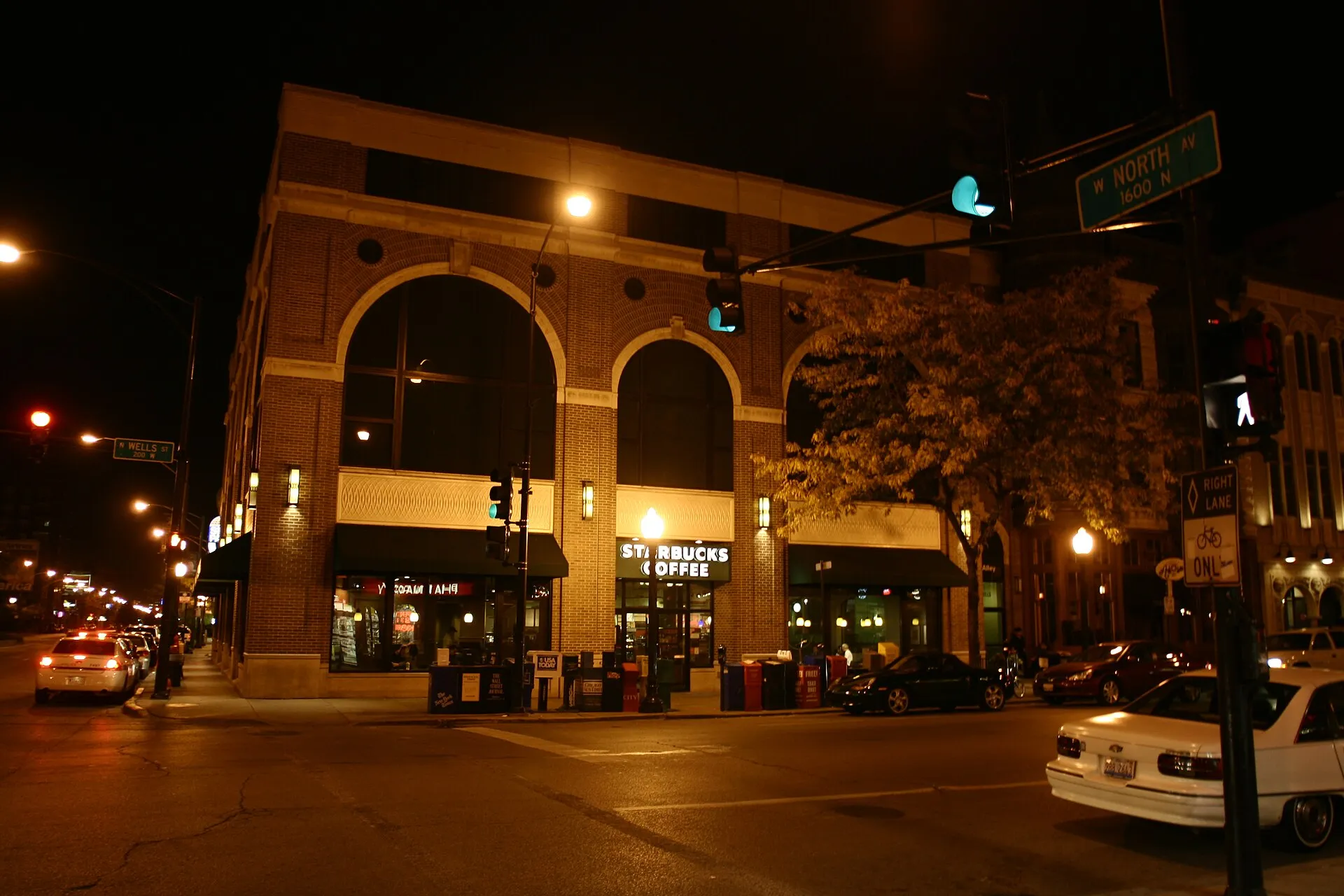
Old Town, round the crossing of North Avenue and Wells Street, has Second City, the improv comedy theatre, and blocks of 19th-century houses. Lincoln Park, north of it, is both a neighbourhood and the 1,200-acre park on the lake that holds the free Lincoln Park Zoo. There are fewer hotels here, mostly smaller and independent ones, and the Brown and Purple Lines at Sedgwick, or the Red Line at North/Clybourn, take about 10 minutes to the Loop.
Wrigleyville and Lakeview
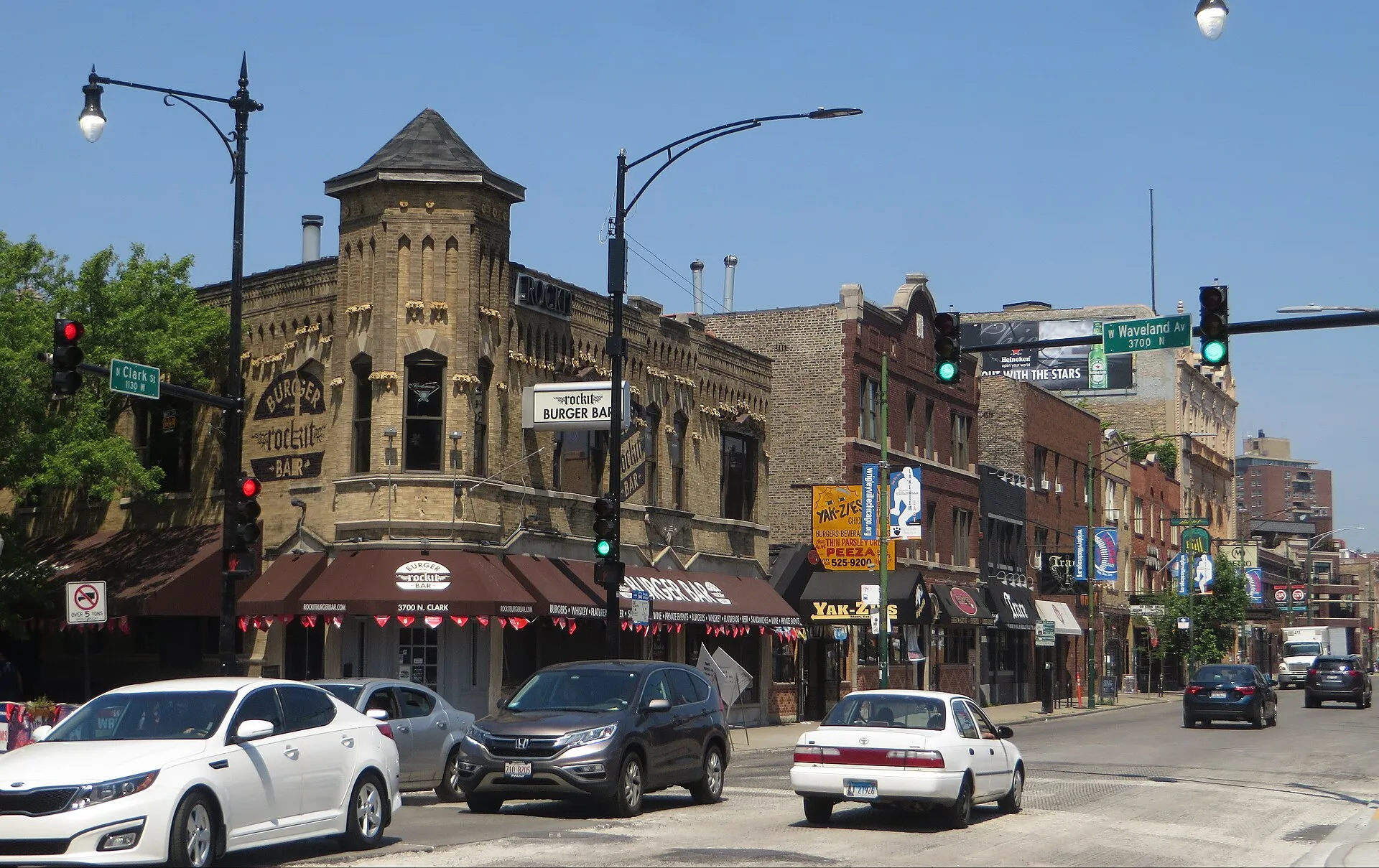
Wrigleyville is the few blocks round Wrigley Field, home of the Chicago Cubs, packed with sports bars along Clark Street. Hotel Zachary faces the ballpark across Clark Street. Addison on the Red Line is next to the ground and about 20 minutes from the Loop. On game days, roughly April to September, the streets fill and rates rise; on other days it is one of the cheaper places to stay on the Red Line. See our Wrigley Field tours and sports tickets guides.
What the room rate leaves out
Chicago hotel prices are quoted before tax. The state, the city and Cook County each charge hotel taxes, which together come to about 17% of the room rate. Since 1 May 2026 hotels of 100 rooms or more in the downtown ZIP codes have added a 1.5% Tourism Improvement District charge. Our money guide lists each tax.
On top of that, many downtown hotels charge a nightly destination fee. The hotels’ own figures include:
| Hotel | Fee per night | Area |
|---|---|---|
| Chicago Athletic Association | $31.96 plus tax | The Loop |
| Loews Chicago | $30 plus tax | Streeterville |
| Freehand Chicago | $10 a dorm bed, $15 a private room | River North |
Since 12 May 2025 a Federal Trade Commission rule has required the advertised price to include mandatory fees such as these, but tax is still added at checkout. The Drake is one downtown hotel that charges no destination fee.
Parking is the other large extra. Valet at Loews Chicago is $85 a night and self-parking $63; the Whitehall charges $58 to self-park. If you are flying in, you do not need a car: the ‘L’ and buses reach every area on this page. See our public transport guide.
When prices rise
Summer is the busy season, with festivals in Grant Park and Cubs and White Sox games. Lollapalooza at the start of August and the Chicago Marathon in October fill downtown hotels, as do the large trade shows at McCormick Place. January and February, when the average daily high hovers around freezing, brings the lowest rates. Our best time to visit guide goes month by month. For the Christkindlmarket in Daley Plaza and the holiday lights, see Christmas in Chicago.
Which area for which trip
- First visit, two or three days: the Loop or River North. See our 3 days in Chicago itinerary.
- Museums and Grant Park: the South Loop.
- Food: the West Loop.
- Shopping: the Magnificent Mile.
- A quieter stay by the lake: Streeterville or the Gold Coast.
- Baseball: Wrigleyville from April to September.
- The lowest price: see cheap hotels in Chicago, which includes the city’s hostels.
For walking at night, our Chicago safety guide covers each area.
Common questions
What is the best area to stay in Chicago for a first visit?
The Loop or River North. The Loop puts Millennium Park, the Art Institute, the river cruises and every 'L' line within walking distance. River North and the Magnificent Mile, just across the river, have more restaurants and bars open late and the Red Line at Grand and Chicago.
Is it safe to stay in the Loop?
The Loop is busy on weekdays and quieter at night and on Sundays once offices empty. Stay near Michigan Avenue, State Street or the river, where hotels, theatres and restaurants keep people about in the evening. Our safety guide covers each area.
Where should I stay in Chicago without a car?
Anywhere within a few minutes' walk of an 'L' station. The Loop, River North, the South Loop and the West Loop all have stations served by several lines, and the Blue Line from O'Hare and the Orange Line from Midway both run into the Loop.
What taxes do Chicago hotels add?
State, city and Cook County hotel taxes come to about 17% of the room rate, and hotels of 100 rooms or more in the downtown ZIP codes have added a 1.5% Tourism Improvement District charge since 1 May 2026. Many downtown hotels also add a nightly destination fee.
Is it cheaper to stay outside downtown Chicago?
Usually, and the 1.5% downtown Tourism Improvement District charge does not apply outside the downtown ZIP codes. Lakeview and Wrigleyville, Lincoln Park and the West Loop all have hotels on the 'L', but rates near Wrigley Field rise on Cubs game days.