In this guide
💡 The Short Version: Chicago’s violent crime is concentrated in residential neighbourhoods on the West and South Sides, not in the areas where visitors stay. In 2025 the city’s own crime data recorded 441 homicides, the fewest in the ten years shown here; 5 were in the Loop and 14 in the Near North Side, which takes in River North, the Magnificent Mile and Streeterville. Downtown, the risk is theft: phones and bags from restaurant tables, shops and train doors. Ride the ‘L’ at night in busy carriages, use a taxi or rideshare for late journeys across town, and treat the winter cold as a hazard. Call 911 in an emergency.
⚠️ Guard your phone. Keep it off restaurant tables and away from the doors on the ‘L’, where it can be snatched as the train stops.
Every figure below comes from the City of Chicago’s public crime data, which records each crime reported to the Chicago Police Department and is updated daily. The 2026 figures run to 16 November. The UK government’s advice for the whole of the US says violent crime and gun crime “rarely affect tourists”, while telling visitors to avoid quieter areas alone at night. That holds in Chicago.
The trend
| Year | Homicides | Robberies, thefts and vehicle thefts |
|---|---|---|
| 2019 | 509 | 79,481 |
| 2021 | 813 | 59,358 |
| 2023 | 638 | 97,845 |
| 2024 | 597 | 91,400 |
| 2025 | 441 | 78,293 |
| 2026 to 16 November | 373 | 64,237 |
Homicides rose sharply in 2020 and 2021, as in most large US cities, and have fallen every year since. The 2025 total was lower than any year in the data from 2016 onwards. Property crime peaked in 2023 and has fallen since.
Where crime happens and where visitors go
Chicago is divided into 77 community areas, and violent crime is concentrated in a few of them. In 2025 the city’s data recorded these homicide totals:
| Community area | Homicides in 2025 | What it is |
|---|---|---|
| Austin | 45 | Residential West Side, about 7 miles from the Loop |
| South Shore | 24 | Residential South Side, by the lake |
| Greater Grand Crossing | 23 | Residential South Side |
| Near West Side | 20 | Takes in the West Loop and the United Center, and residential blocks further west |
| Near North Side | 14 | River North, the Magnificent Mile, Streeterville and the Gold Coast |
| Loop | 5 | The business district, Millennium Park, Grant Park |
| Near South Side | 4 | The South Loop and the Museum Campus |
| Lincoln Park | 1 | Lincoln Park, the zoo, Old Town’s northern edge |
| Lake View | 0 | Wrigleyville and Lakeview |
The areas in our where to stay guide, the Loop, River North, the Magnificent Mile, the South Loop, the West Loop, Lincoln Park and Lakeview, together recorded fewer homicides in 2025 than Austin alone, and some of those were in residential parts of the larger areas rather than near the hotels.
Theft downtown
What visitors are most likely to meet is theft. In the Loop and the Near North Side in 2025, the places where thefts were most often recorded were small shops, department stores and restaurants, followed by the street and pavement. Thieves take phones from tables and bags from the backs of chairs; in shops, bags left open are the target.
- Keep your phone in your hand or a front pocket, never on a café or bar table.
- Use a bag that closes, worn in front in crowds, such as the Magnificent Mile at Christmas or Navy Pier on summer weekends.
- Hang a bag on the hook under the bar, or keep it on your lap, not on the back of a chair.
- Do not leave anything on view in a parked car, particularly luggage. The UK government warns that gangs target cars that look like they belong to visitors.
The ‘L’ and buses
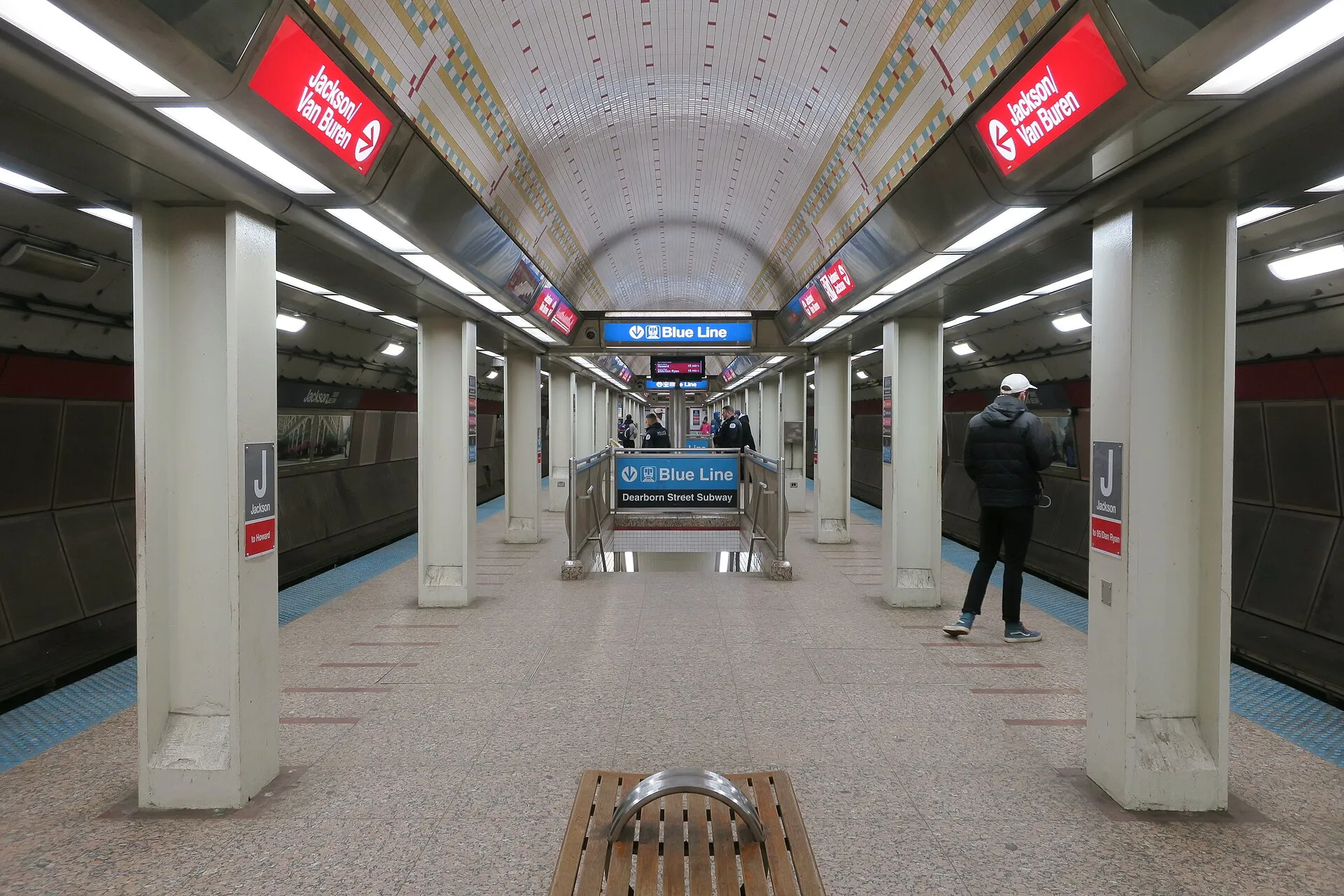
The CTA’s Red and Blue Lines run 24 hours; the other lines stop overnight. See our public transport guide for hours and fares. By day the trains are full of commuters and visitors. At night:
- Ride in the first car, where the driver is, and pick a carriage with other people in it.
- Keep your phone away from the doors. Snatch-and-run thefts happen as doors open.
- Report anything wrong. The CTA’s own advice is to tell a CTA employee or call 911 about anything suspicious.
- Take a taxi or rideshare late at night for longer journeys across town, particularly after about midnight, when trains thin out.
The Blue Line from O’Hare runs overnight too. If you land late, a taxi from the rank costs more but drops you at the hotel door; see our airport guide.
At night by area
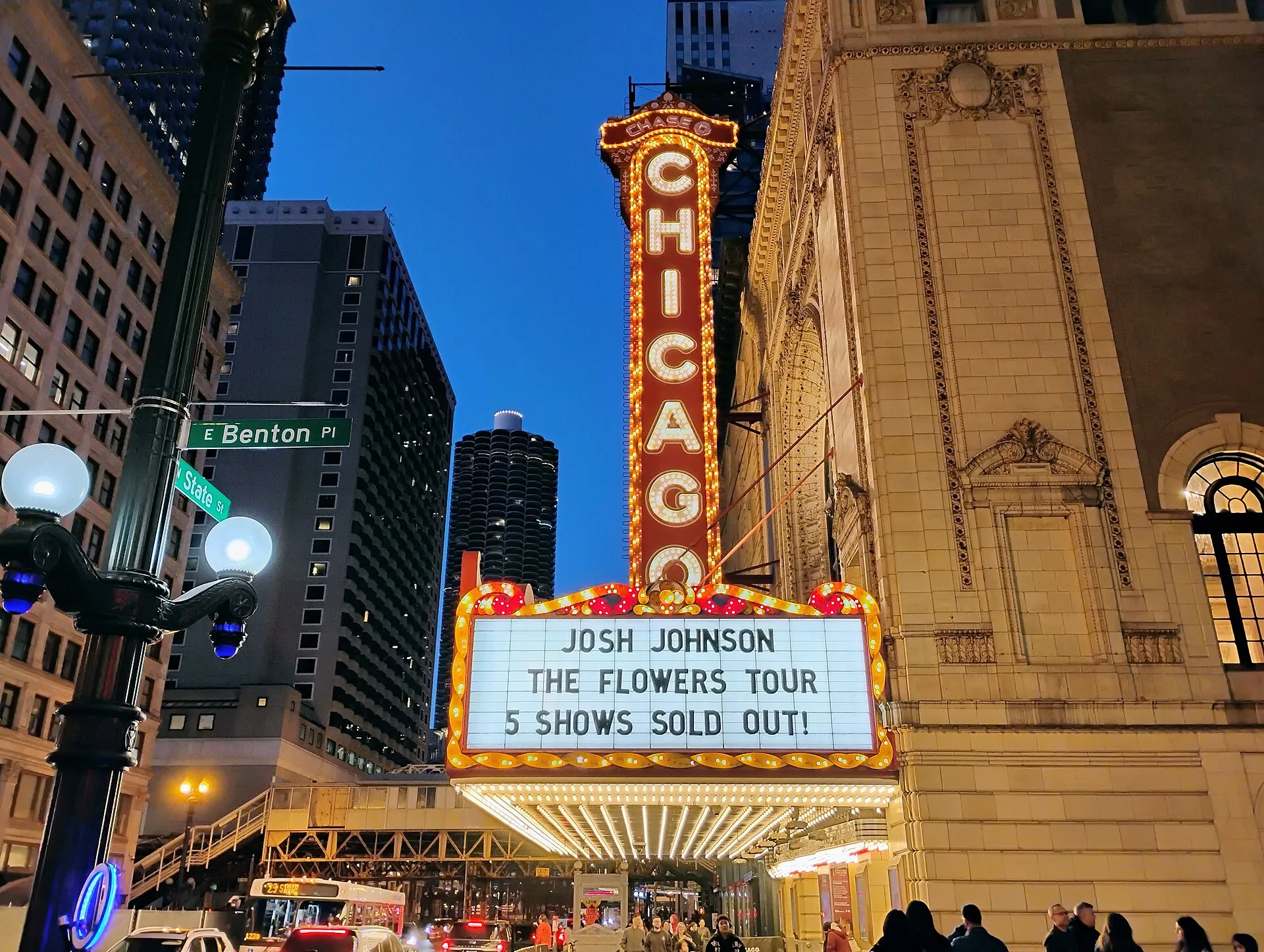
- The Loop. Michigan Avenue, State Street, the theatres on Randolph Street and the riverwalk have people about into the evening. The office blocks west of State Street empty after the working day and on Sundays; walk on the main streets.
- River North and the Magnificent Mile. Busy until late, especially on Friday and Saturday nights. The bar blocks round Hubbard Street draw crowds at closing time.
- The South Loop. The Grant Park hotels face a lit avenue. Grant Park itself is closed from 11pm to 6am, like most Chicago Park District parks.
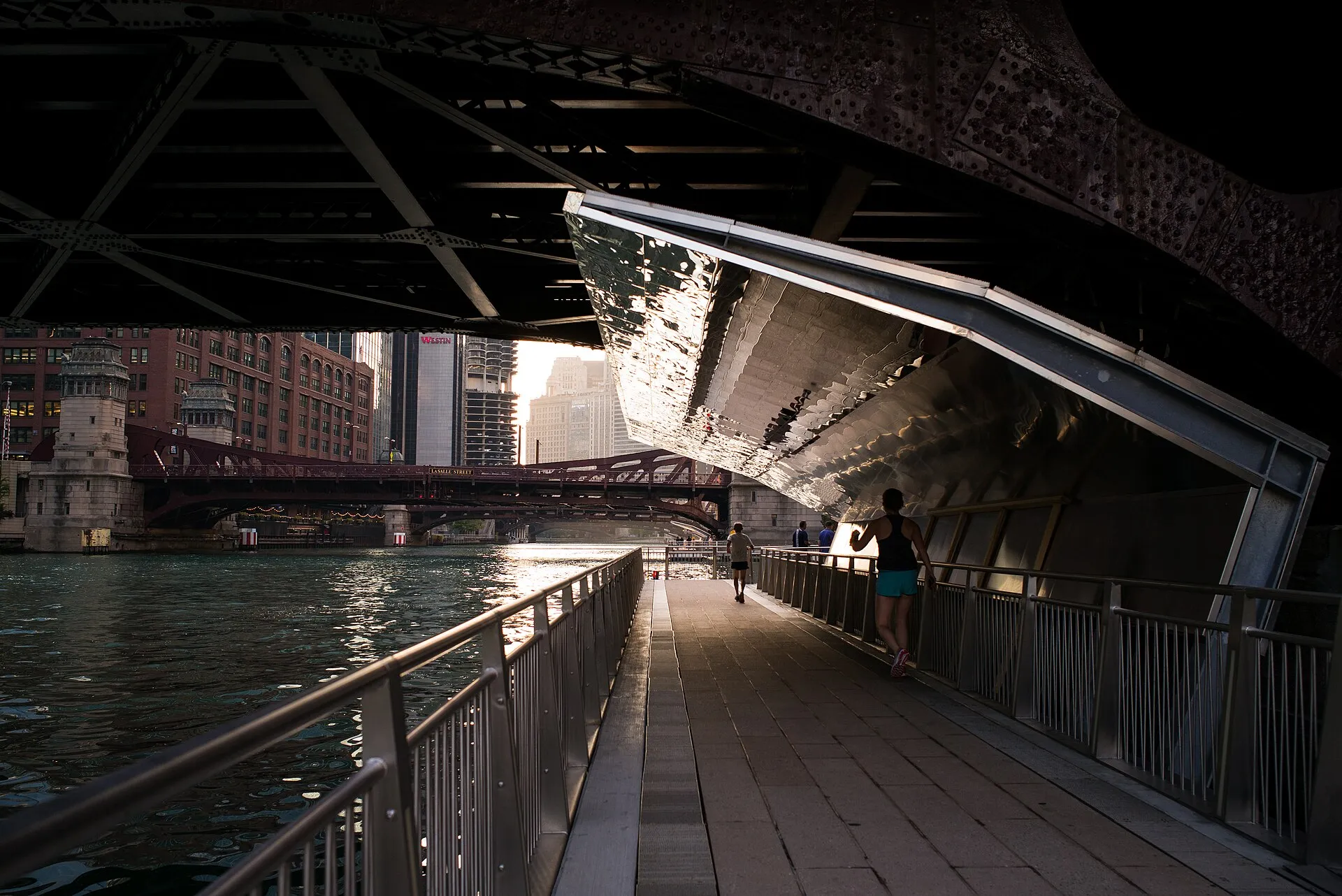
- The riverwalk and the lakefront. Lively on summer evenings; quiet and dark late at night and in winter.
- Wrigleyville. Very busy on game nights, when crowds fill Clark Street after the final out.
The lake and the lakefront
The Lakefront Trail runs 18 miles along Lake Michigan, and the beaches are open to swimmers in summer when lifeguards are on duty. Lake Michigan has strong currents and cold water, and waves can be dangerous on windy days. Swim only at a guarded beach when the flag allows it, and stay off the breakwaters and harbour walls in high waves.
The cold
Chicago’s winter is a real hazard. The National Weather Service’s 1991 to 2020 normals at O’Hare give an average daily high of 32°F (0°C) in January and a low of 19°F (-7°C), and the wind off the lake makes it feel colder. Cold-weather snaps bring temperatures well below these.
- Wear a hat, gloves and a scarf that covers the face; exposed skin is the first to suffer.
- Use the Pedway, the network of passages under the Loop, to cross downtown out of the wind.
- Watch for ice on pavements and on the steps of ‘L’ stations after snow.
- Summer has its own risk: July’s average high is 85°F (29°C), and heat waves bring warnings. Drink water and use cooling centres if the city opens them.
Our best time to visit guide has the weather month by month.
Emergency numbers and help
| Number | What for |
|---|---|
| 911 | Police, fire and ambulance |
| 311 | City non-emergency reports and services |
Healthcare in the US is expensive, and visitors pay in full. Travel insurance with medical cover is the one thing to sort before you go; see our money guide for what else costs extra. For a phone that works from landing, see eSIM for the USA.
Drinking and the law
The drinking age is 21 everywhere in Illinois, and bars check ID: carry a passport or driving licence. Drinking in public places, including parks and the street, is not allowed outside licensed events. Cannabis is legal for adults over 21 to buy at licensed dispensaries, but not to use in public, in hotel rooms where the hotel forbids it, or to take across state lines or onto a plane.
Common questions
Is Chicago safe for tourists?
The areas visitors stay in and see have a small share of the city's violent crime. In 2025 the city's crime data recorded 441 homicides across Chicago, of which 5 were in the Loop, 14 in the Near North Side, 4 in the Near South Side and 1 in Lincoln Park. The common risk downtown is theft from bags, tables and shops.
Is crime in Chicago going down?
Yes. Homicides in the city's crime data fell from 813 in 2021 to 597 in 2024 and 441 in 2025, and 373 were recorded in 2026 up to mid-November. Robberies, thefts and vehicle thefts together fell from 97,845 in 2023 to 78,293 in 2025.
Is the 'L' safe at night?
The Red and Blue Lines run 24 hours and are used late by workers and visitors. At night, ride in the first car, behind the driver's cab, stay in carriages with other passengers and keep phones out of sight near the doors. For a late journey across town, a taxi or rideshare is the simpler choice.
Which areas of Chicago should tourists avoid?
The neighbourhoods with the most homicides in 2025, such as Austin, South Shore and Greater Grand Crossing, are residential areas on the West and South Sides that visitors have little reason to go to. If a sight takes you there, go by day and travel by car.
What is the emergency number in Chicago?
911 for police, fire and ambulance. 311 is the city's number for non-emergency reports and services.