In this guide
💡 The Short Version: The official currency of Poland is the Polish Złoty (PLN), subdivided into 100 groszy (Narodowy Bank Polski). Warsaw is virtually cashless: Visa, Mastercard, Apple Pay, and Google Pay are accepted universally, even for a single transit ticket or coffee. If you withdraw cash from an ATM, always reject Dynamic Currency Conversion and choose “Charge in PLN”. If exchanging paper cash (EUR, GBP, USD), use licensed exchange counters (Kantor) in central shopping centres (avoid airport arrival desks). In restaurants, a 10% tip is standard. Retail shops are closed on almost all Sundays, though restaurants and museums remain open. Or book a tour: Warsaw: City Highlights Tour with Hotel Pickup and Drop-offad (from 220 PLN, 4.6 stars from 61 reviews) includes hotel pickup and drop-off on a 3-hour guided tour of the main landmarks, with the price fixed in advance.
⚠️ ATM Dynamic Currency Conversion (DCC) alert: Many Polish ATMs, especially Euronet ones, offer a “Guaranteed Conversion Rate” in your home currency. Decline it and select “Without conversion” or “Continue in PLN”. Accepting lets the ATM operator add its own exchange markup.
Banknotes, coins and cash
The Polish Złoty is issued by the National Bank of Poland (Narodowy Bank Polski, NBP):
| Denomination | Form | Appearance & Notable Figures |
|---|---|---|
| 10 PLN | Banknote | Brown; portrait of Prince Mieszko I |
| 20 PLN | Banknote | Purple / pink; portrait of King Bolesław I the Brave |
| 50 PLN | Banknote | Blue; portrait of King Casimir III the Great |
| 100 PLN | Banknote | Green; portrait of King Władysław II Jagiełło |
| 200 PLN | Banknote | Golden-yellow / brown; King Sigismund I the Old |
| 500 PLN | Banknote | Grey / brown; King Jan III Sobieski |
| 1, 2, 5 PLN | Coins | Bimetallic and nickel-plated coins |
| 10, 20, 50 gr | Coins | Small brass and steel groszy coins |
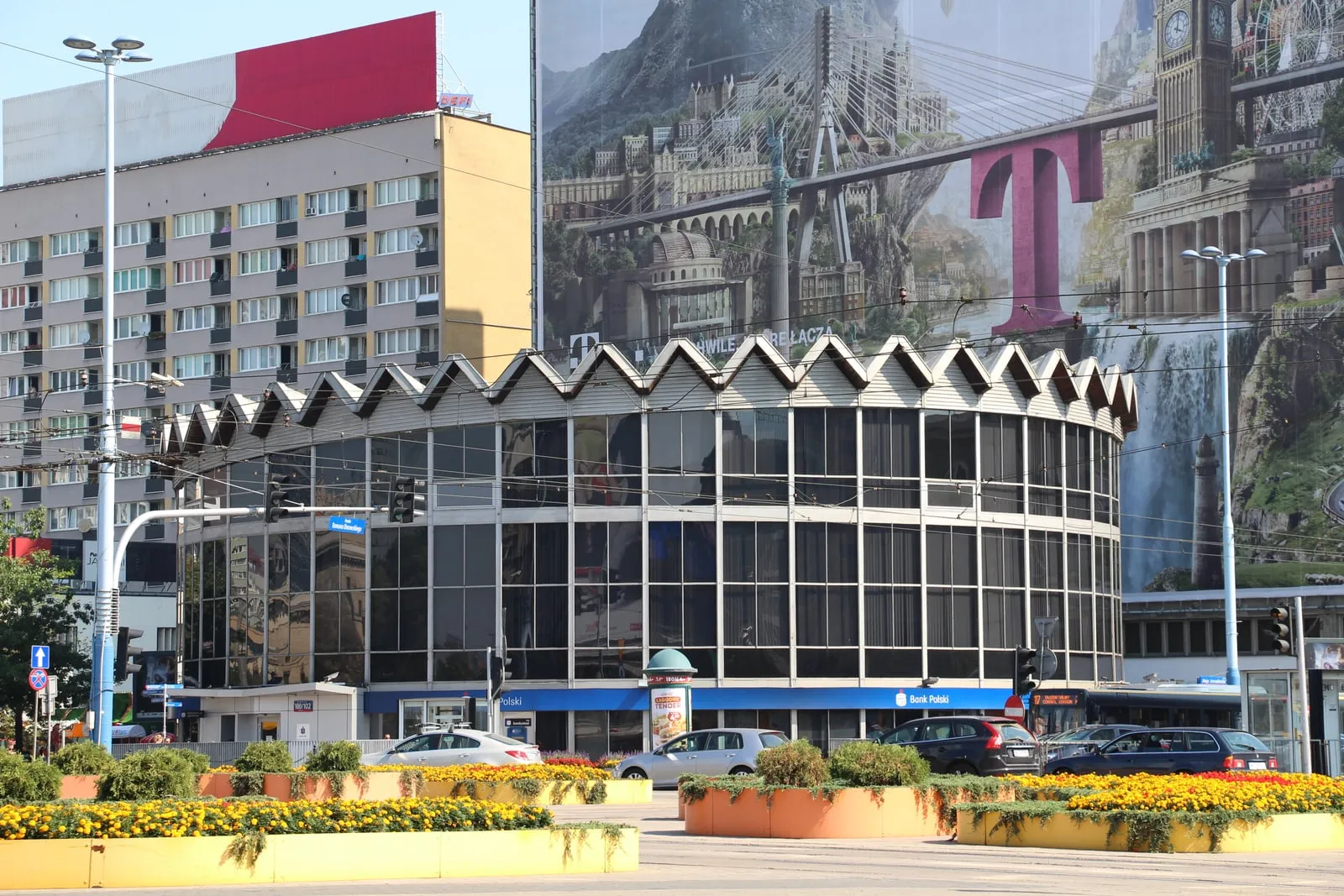
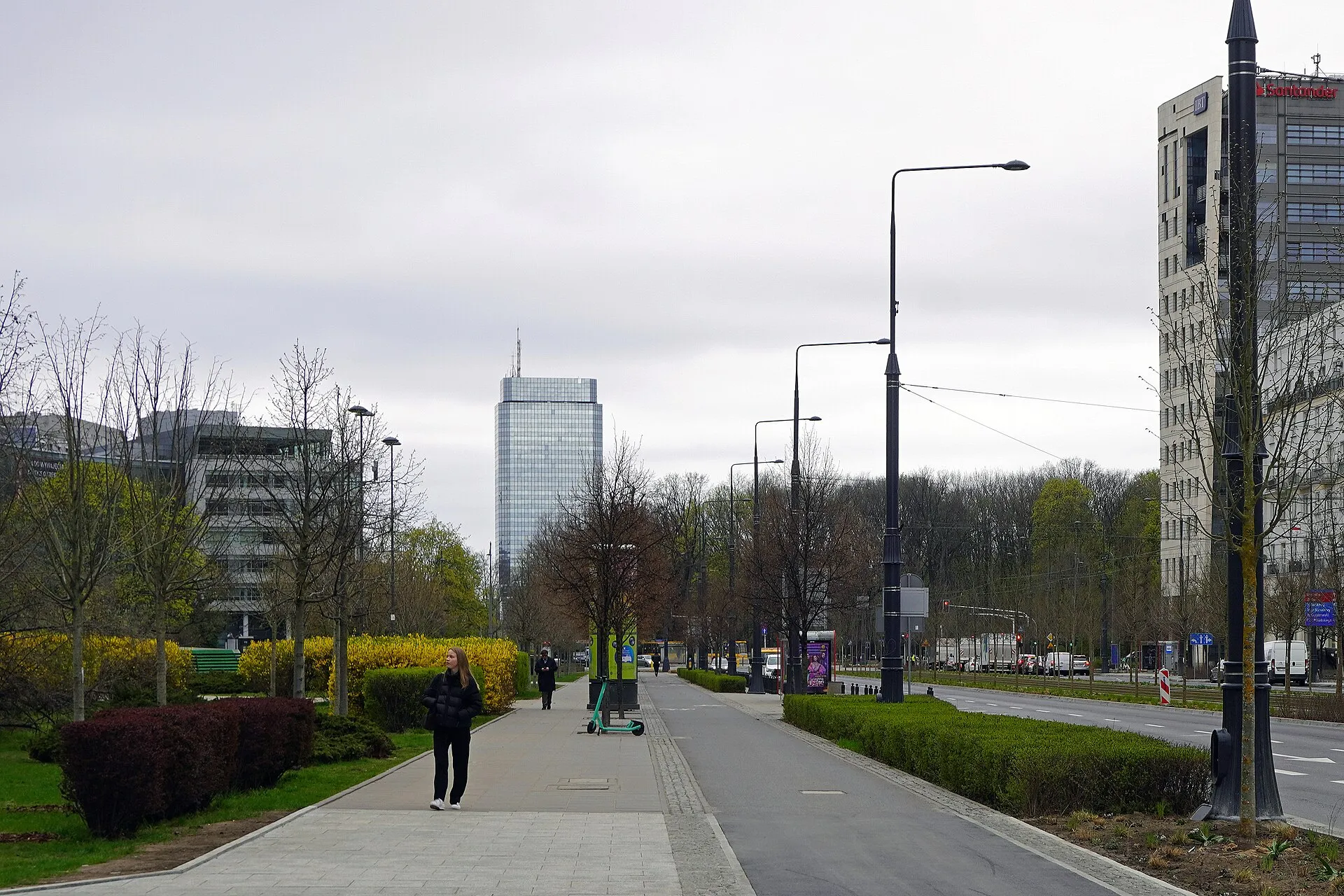
The circular Rotunda PKO Bank Polski building in central Warsaw. Photo: Fred Romero, Wikimedia Commons, CC BY 2.0.
Card payments and mobile wallets
- Contactless: Pay with a contactless debit or credit card, Apple Pay, Google Pay or Garmin Pay at metro and tram ticket machines, market stalls and coffee kiosks.
- Foreign transaction fees: To avoid your home bank’s fees, use a card with no foreign exchange fee, such as Wise or Revolut.
- Blik: You will see “BLIK” at checkouts. It is Poland’s six-digit mobile payment system, used by people with Polish bank accounts. Visitors just tap their own card.
Tours
Tours are priced in złoty and can be booked online in advance.
Warsaw: City Highlights Tour with Hotel Pickup and Drop-off
From 220 PLN · 4.6 stars from 61 reviews · 3 hours · hotel pickup and drop-off
Warsaw: City Highlights Tour with Hotel Pickup and Drop-offad: a guided excursion to the main landmarks, through the Old Town and the Praga district, past the Royal Castle and along the Royal Route.
Warsaw: City Sightseeing Hop-on/Hop-off Bus Tour
From 158 PLN · 3.8 stars from 1,770 reviews · 1 to 3 days · hop on and off at the main sights
Warsaw: City Sightseeing Hop-on/Hop-off Bus Tourad: a hop-on hop-off bus with stops at sights including the Royal Palace, Old Town and Market Square.
Warsaw Foodie Tour: Food, Drinks and Two Vodka Tastings
From 270 PLN · 4.9 stars from 31 reviews · 3 hours · food, drinks and two vodka tastings
Warsaw Foodie Tour: Food, Drinks and Two Vodka Tastingsad: a three-hour tour with twelve tastings of local food, paired with Polish drinks and two vodka tastings.
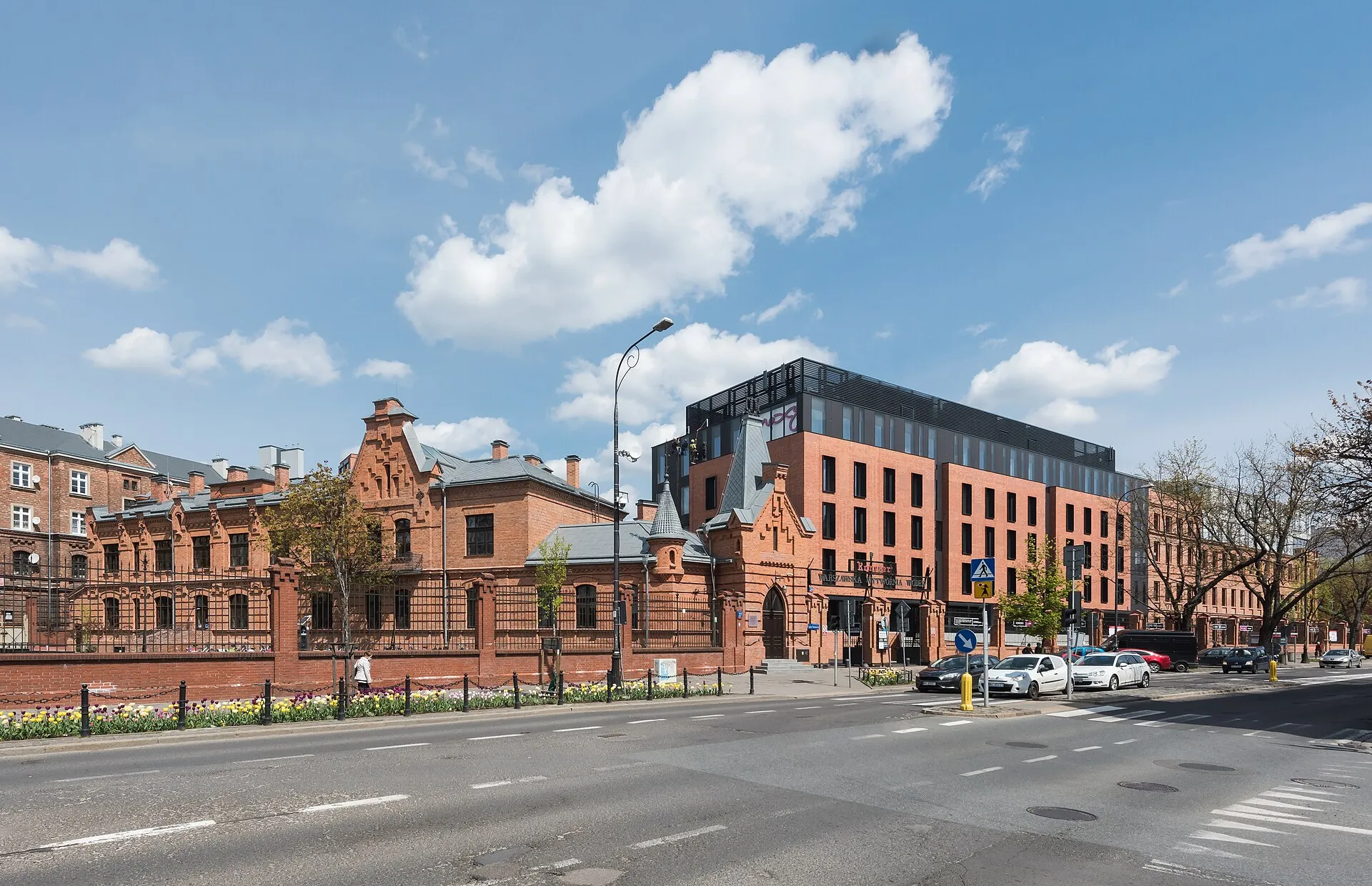
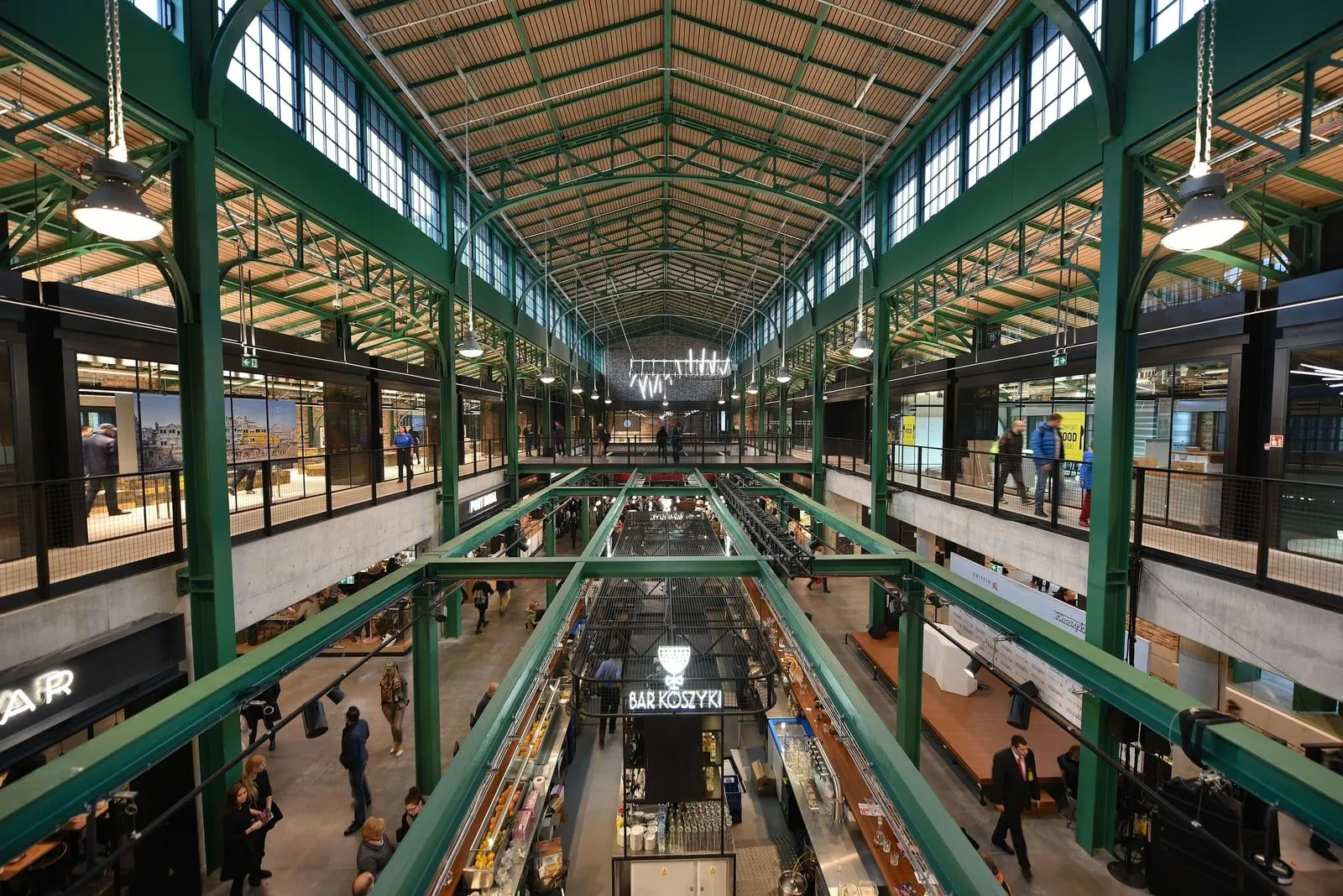 Hala Koszyki. Photo: Adrian Grycuk, Wikimedia Commons, CC BY-SA 3.0 pl.
Currency exchange: where and how to change cash
1. How a kantor works
Private exchange booths are called kantor. Their boards must show two columns:
- Kupno (We Buy): The rate the kantor pays you for your foreign banknotes.
- Sprzedaż (We Sell): The rate the kantor charges if you want to buy foreign currency.
- Checking the rate: The gap between Kupno and Sprzedaż should be no more than 2% to 3% for EUR and USD. If it is wider, go elsewhere.
2. Kantors in central Warsaw
- Kantor Tavex (Świętokrzyska 32).
- Kantor inside Złote Tarasy Mall (Level -1), beside Central Station.
- Kantor Intraco (Stawki 2).
- Places to avoid: The arrivals-hall desks at Warsaw Chopin Airport and the booths inside Warszawa Centralna, which have wide gaps between buying and selling rates. Never change money with people who approach you in the street.
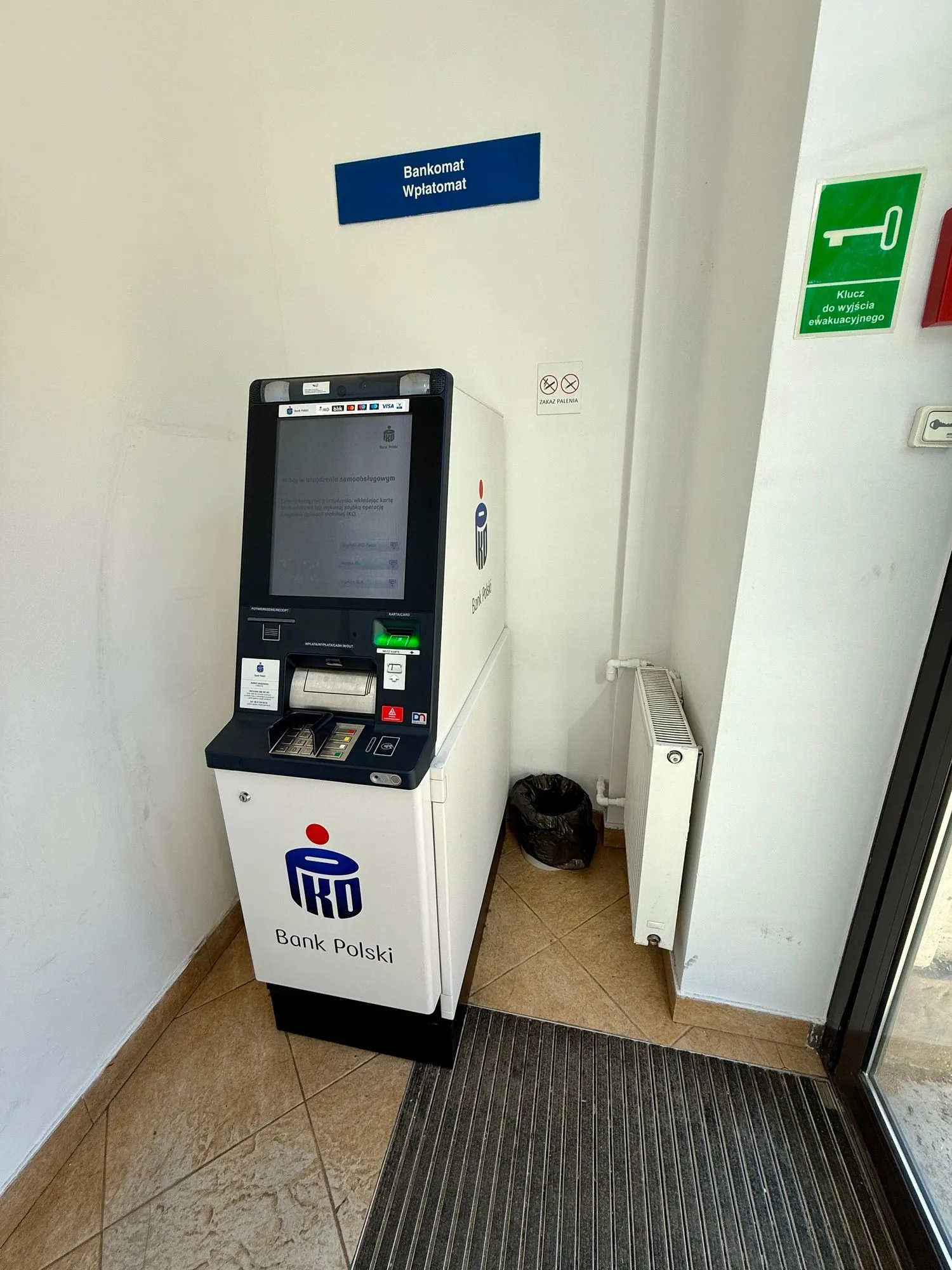 A PKO BP cash machine. Photo: Cybularny, Wikimedia Commons, CC0.
Tax-Free shopping and VAT refunds
VAT (PTU) is 23% on most clothing, cosmetics, electronics and luxury goods, and 8% on certain books and food. Visitors who live outside the European Union can reclaim it:
- Shop at a retailer that offers Tax Free and keep the receipt.
- Ask for the Tax Free document: Request a “Tax Free form” (dokument Tax Free) at the cash desk and show your passport; the retailer enters your details in the national digital customs system.
- Get it validated at departure: When you leave the European Union (at Warsaw Chopin Airport, before checking luggage), show the unused goods with tags on, the invoices and the Tax Free forms to the Border Guard officer for a digital stamp.
- Collect the refund in cash at the airport refund operator’s desk (for example Global Blue), or have it paid to your credit card.
Tipping etiquette in Warsaw
Tipping in Poland is customary for good service, though not mandatory:
- Restaurants and Dining: A 10% tip is standard for attentive table service. If dining as a large group (6 or more people), many upscale restaurants automatically add an 8% to 10% discretionary service charge (serwis) to the final bill; check the itemised receipt before adding an additional gratuity.
- Card Terminal Tipping: Many modern card terminals will prompt: “Dodać napiwek? / Add tip?”. You can select a percentage (5%, 10%, 15%) or input an exact amount. If you prefer to tip in cash, press “No” and leave paper złoty on the table folder.
Non-trading Sundays schedule
Most shops may not open on Sundays:
- Closed on Sundays: Large malls (Złote Tarasy, Westfield Arkadia, Galeria Mokotów), supermarkets (Biedronka, Lidl, Carrefour), department stores and clothing boutiques.
- Open on Sundays: Restaurants, cafés, bars, milk bars, bakeries, ice cream shops, museums, galleries, cinemas, theatres, public transport, hotel spas, petrol stations and franchised convenience stores where the owner works behind the counter (such as Żabka, open 06:00 to 23:00 daily).
- Trading Sundays: Shops may open on a handful of Sundays: the last Sunday of January, the Sunday before Easter, the last Sunday of April, June and August, and the three Sundays before Christmas (6, 13 and 20 December 2026).
What to see next
- Public transport in Warsaw: Fares and validation rules.
- Is Warsaw Safe?: Nightclub scams, taxi checks and emergency numbers.
- Where to Eat in Warsaw: From milk bars to Michelin-recommended bistros.
- Warsaw Christmas Market and Winter: Christmas shopping and December trading Sundays.
- Warsaw travel guide: Sights, transport, food and hotels.
Common questions
What currency is used in Warsaw, and can I pay in euros?
The official legal currency of Poland is the Polish Złoty (code: PLN, symbol: zł). Poland is not in the Eurozone. A few hypermarkets and luxury hotels take euros at a poor rate, but trams, cafés, museums and restaurants all charge in PLN.
Are credit and debit cards widely accepted in Warsaw?
Yes. Contactless payment (Visa, Mastercard, Apple Pay, Google Pay) works almost everywhere, from street food stalls and bakeries to transit ticket machines and taxis.
How do I avoid high ATM conversion fees in Poland?
Some ATMs, especially those run by Euronet or Planet Cash, ask whether to bill you in your home currency (Dynamic Currency Conversion, DCC). Always select 'Decline Conversion' or 'Debit in PLN', so that your own bank sets the exchange rate and you avoid the ATM operator's markup.
What is a Kantor and where should I exchange foreign currency?
A *kantor* is a private currency exchange office. Those in central shopping malls and bank branches charge no commission and keep a narrow gap between the buying rate (*kupno*) and the selling rate (*sprzedaż*). Avoid the exchange desks in the airport arrivals hall, which have wide gaps.
What are the rules for Tax-Free VAT refunds for non-EU visitors?
Request a Tax Free form at checkout and present it with the goods to Polish Customs at Chopin Airport when departing the European Union.
What is the customary tipping etiquette in Warsaw?
In restaurants and sit-down cafés, a tip of 10% for good table service is standard (12% to 15% for fine dining). Tipping is customarily left in cash or added to the card terminal before paying.