In this guide
💡 The Short Version: Aim for mid-November, January, February or April for dry 24C to 27C (75F to 81F) sunshine, warm Atlantic swimming and lower humidity. December brings Art Basel Miami Beach and Christmas hotel spikes, March brings South Beach spring-break crowd controls and the Miami Open, and early May spikes for the Formula 1 Miami Grand Prix. June through September deliver the cheapest hotel rooms of the year (30% to 50% off winter rates) alongside intense humidity, brief afternoon thunderstorms and Atlantic hurricane season (1 June to 30 November).
Miami’s two seasons: dry winter vs wet summer
Miami has a tropical monsoon climate rather than four temperate seasons. Almost all weather planning comes down to two halves of the year:
- Dry season (November to April): Daytime highs sit around 24C to 28C (75F to 82F), nights cool to 16C to 21C (61F to 70F), humidity drops sharply and rainfall is low. Occasional northern cold fronts between December and February drop morning temperatures into the low teens Celsius for 24 to 48 hours before warmth returns. This is peak hotel-pricing season.
- Wet and hurricane season (May to October): Daytime highs reach 31C to 33C (88F to 91F) with heavy humidity that makes afternoon walks feel closer to 38C (100F). Short, heavy afternoon thunderstorms build inland and sweep across the city almost daily, clearing back to sunshine within an hour or two. Official Atlantic hurricane season runs from 1 June to 30 November, peaking from mid-August to mid-October.
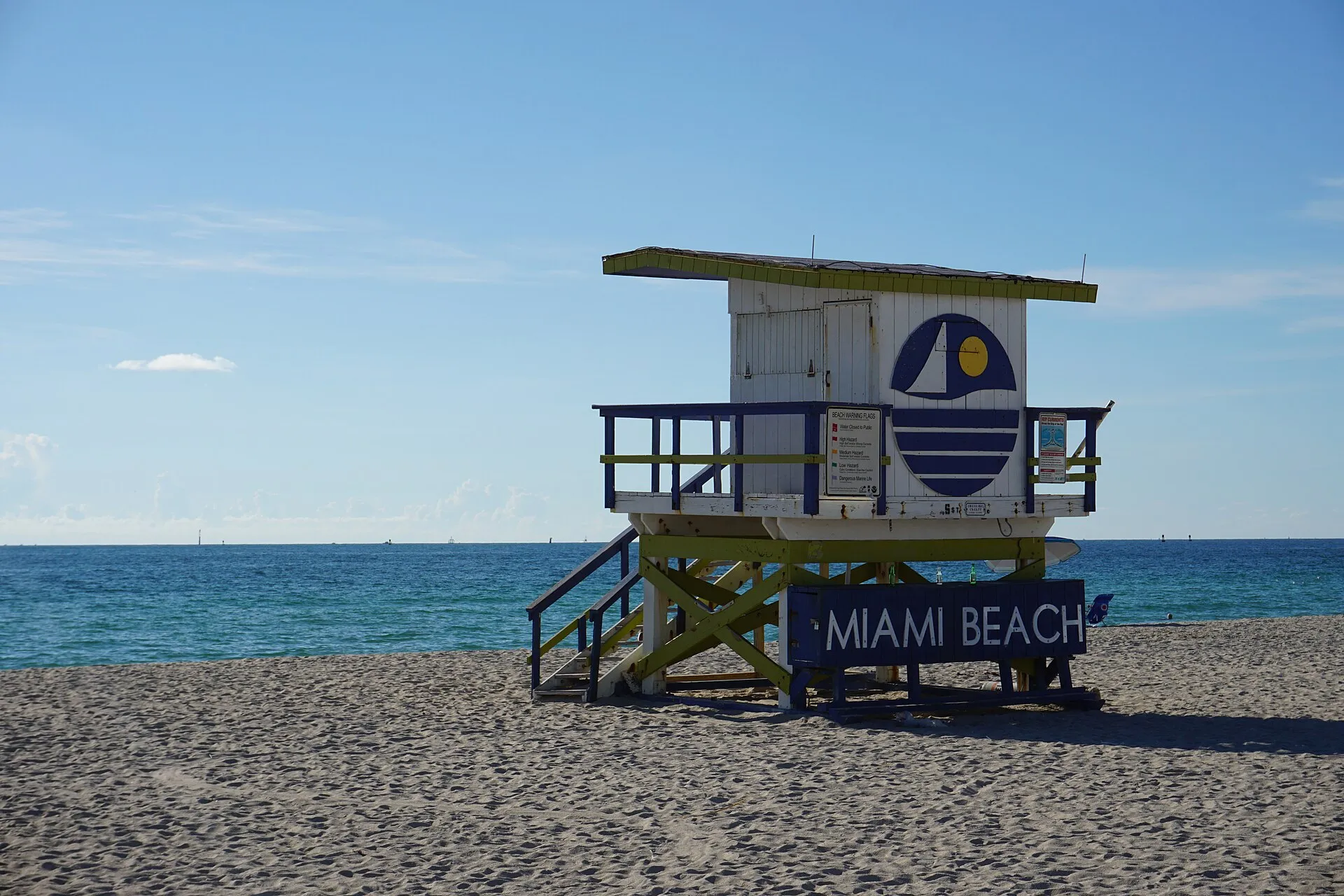
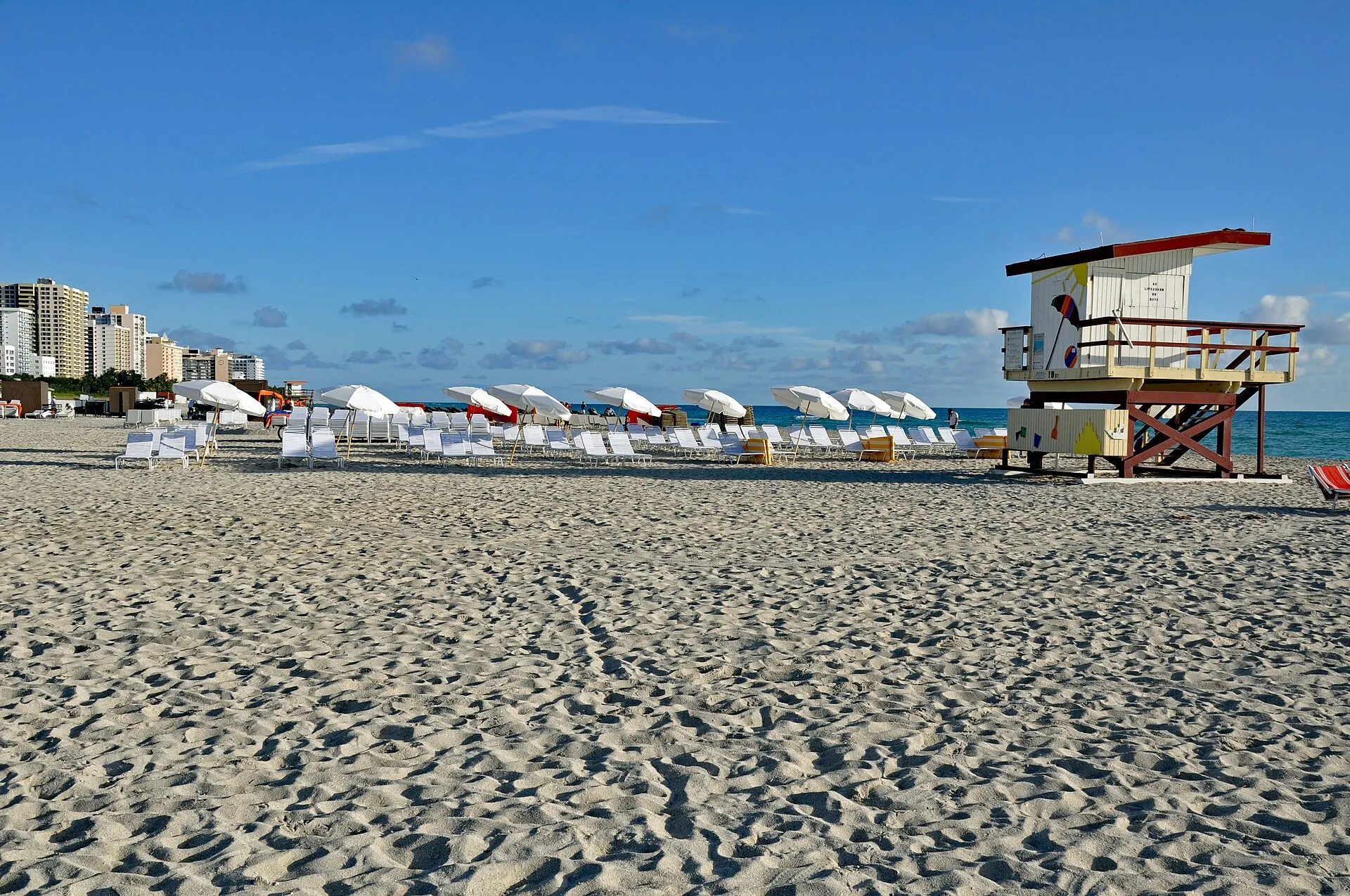 Dry-season mornings on Miami Beach bring clear skies and calm Atlantic surf. Photo: P. Hughes, Wikimedia Commons, CC BY-SA 4.0.
Month-by-month Miami weather, events and prices
| Month | Avg high / low | Rainfall & humidity | Key events & beach notes | Hotel prices |
|---|---|---|---|---|
| January | 24C / 16C (76F / 60F) | Dry, low humidity | Miami Marathon; Art Deco Weekend (mid-Jan); calm dry weather | High (drops slightly after 2 Jan) |
| February | 25C / 17C (78F / 63F) | Dry, mild | Miami International Boat Show; South Beach Wine & Food Festival | Very high (Presidents’ Day peak) |
| March | 27C / 19C (80F / 66F) | Dry, warming | Miami Open tennis; Ultra Music Festival; South Beach spring-break rules | Very high |
| April | 28C / 21C (83F / 70F) | Mostly dry | Post-spring-break calm; warm ocean; Miami Beach Pride | High to moderate |
| May | 30C / 23C (86F / 74F) | Rising humidity | Formula 1 Miami Grand Prix (early May); sargassum season begins | Moderate (spikes for F1 weekend) |
| June | 32C / 25C (89F / 77F) | Wet afternoon storms | Hurricane season begins 1 June; summer hotel deals start | Low |
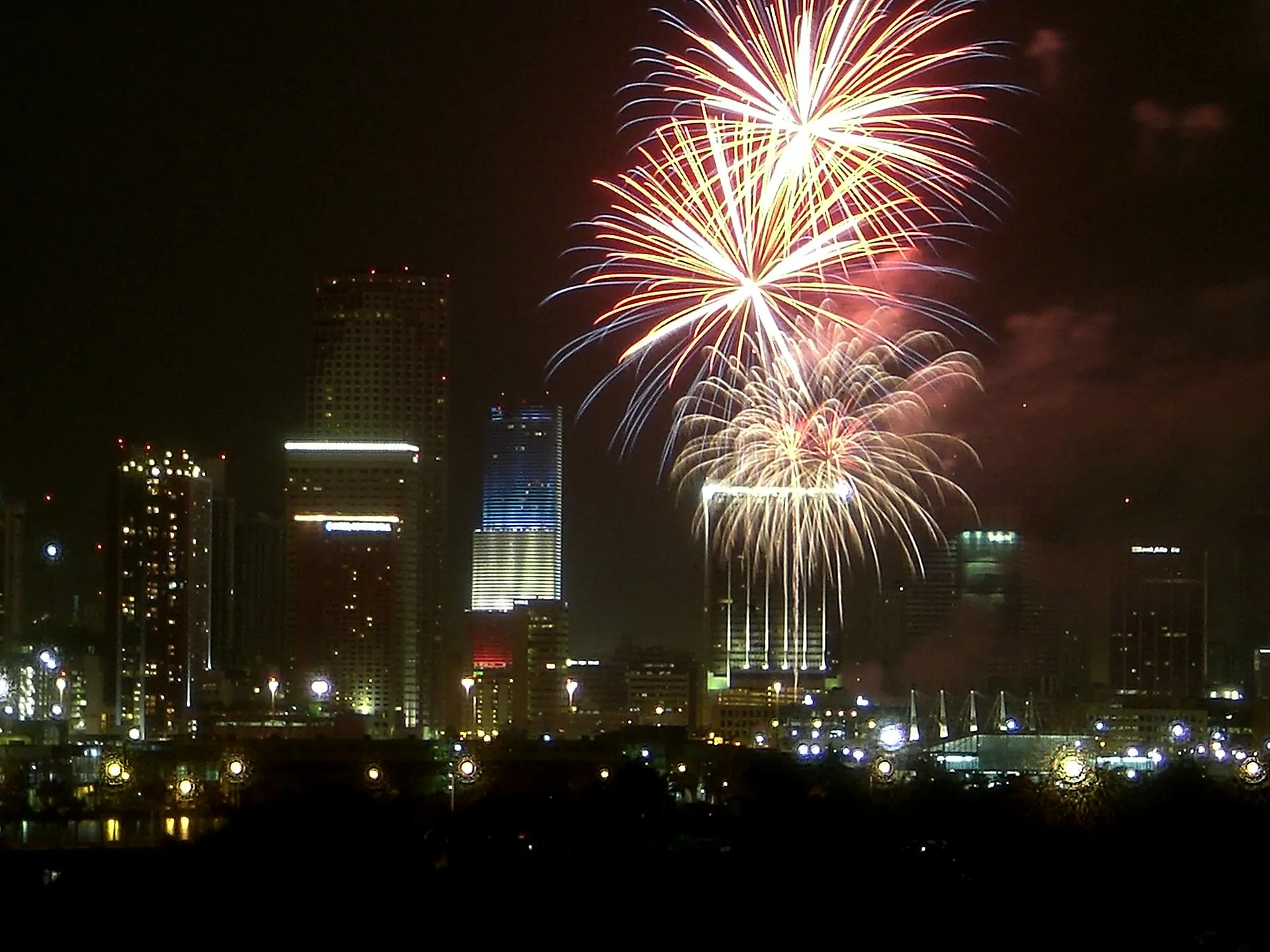
| July | 32C / 26C (90F / 78F) | Hot, humid, daily storms | 4 July fireworks; Miami Spa Months begin | Low |
| August | 33C / 26C (91F / 78F) | Peak heat & storms | Miami Spice Restaurant Months (Aug to Sep, fixed-price menus) | Lowest of the year |
| September | 32C / 25C (89F / 77F) | Peak hurricane risk | Miami Spice continues; quietest beaches and shortest queues | Lowest of the year |
| October | 30C / 23C (86F / 74F) | Easing rain | Stone crab season opens 15 Oct; Miami Carnival; lingering storm risk | Low to moderate |
| November | 27C / 20C (81F / 68F) | Drying out nicely | Hurricane season ends 30 Nov; Miami Book Fair; Thanksgiving | Moderate (rises late Nov) |
| December | 25C / 18C (77F / 64F) | Dry, pleasant | Art Basel Miami Beach (early Dec); Christmas; New Year’s Eve | Highest of the year |
Understanding hurricane season, beach flags and sargassum
Atlantic hurricane season (1 June to 30 November)
Visiting during hurricane season does not mean your trip will be washed out; most summer and autumn weeks bring sunny mornings followed by brief afternoon showers. However, tropical storms and hurricanes can disrupt flights, close Miami Beach causeways and trigger mandatory evacuations along the barrier islands, particularly from mid-August through mid-October.
If you book between June and November:
- Choose refundable hotel rates and check the exact cancellation cut-off (48 to 72 hours prior to arrival is standard).
- Buy travel insurance that explicitly covers named-storm cancellations and flight delays before any tropical system is named in the Atlantic.
- Monitor the National Hurricane Center (
nhc.noaa.gov) in the week before departure. See is Miami safe for storm readiness advice.
Beach flags and summer storms
Miami Beach and Miami-Dade Parks fly colour-coded warning flags on every lifeguard stand: green (low hazard), yellow (medium surf/currents), red (high hazard/strong rip currents), double red (water closed) and purple (marine pests such as Portuguese man o’ war or jellyfish). Summer thunderstorms also bring frequent lightning; leave the sand immediately when thunder is audible or lifeguard sirens sound.
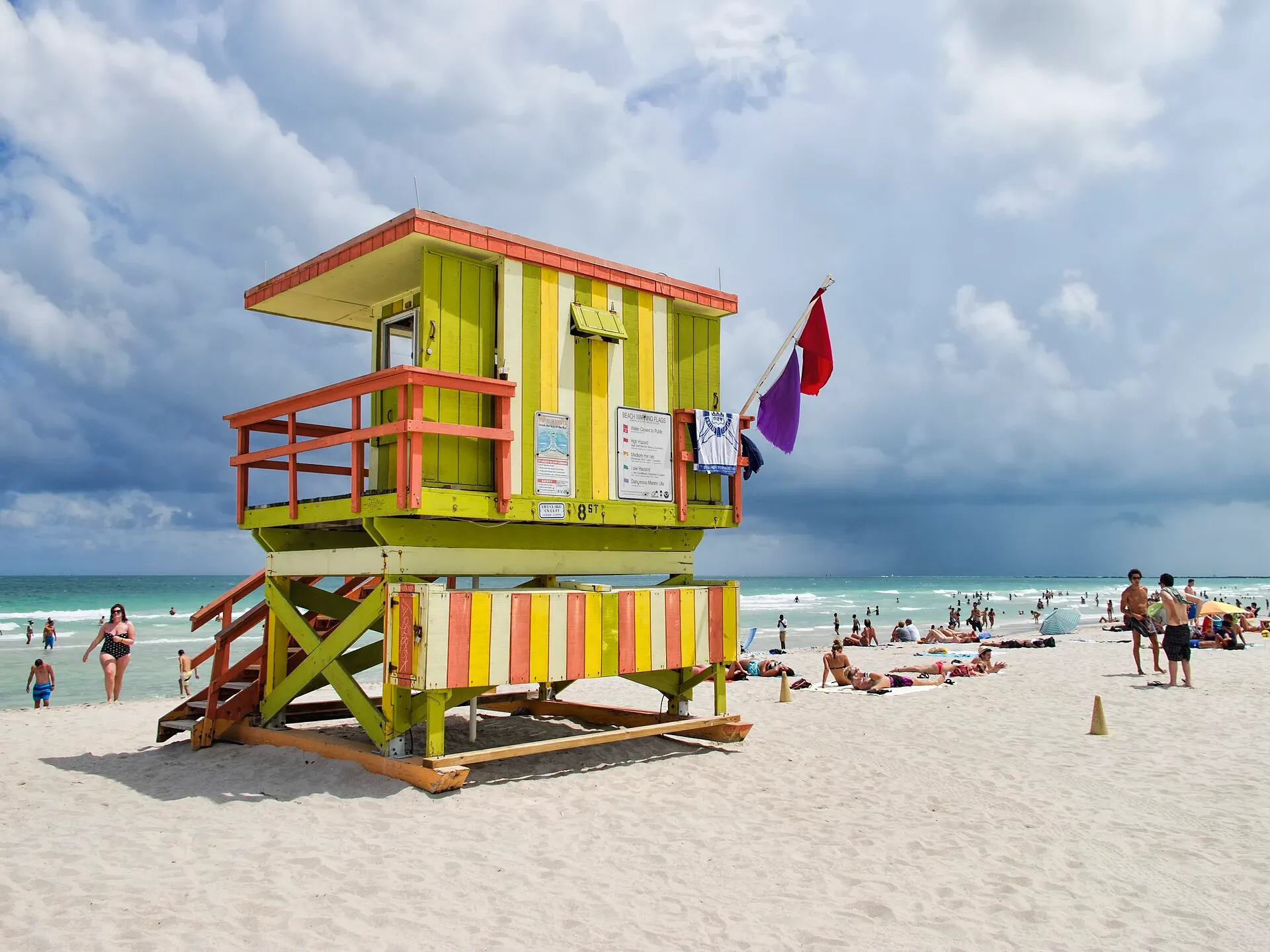 Summer rain squalls gather quickly offshore on South Beach; check the red and purple warning flags on lifeguard stands before swimming. Photo: Dan Lundberg, Wikimedia Commons, CC BY-SA 2.0.
Sargassum seaweed
From roughly May to September, drifting mats of brown sargassum seaweed occasionally wash onto Atlantic beaches along South Beach, Mid-Beach and Key Biscayne. Heavy accumulations smell unpleasant as they dry in the sun. County crews rake main resort beaches, and conditions shift from day to day with wind direction.
Major Miami events that spike hotel prices
Even during shoulder months, single-weekend events can double or triple hotel rates across Miami Beach and Brickell:
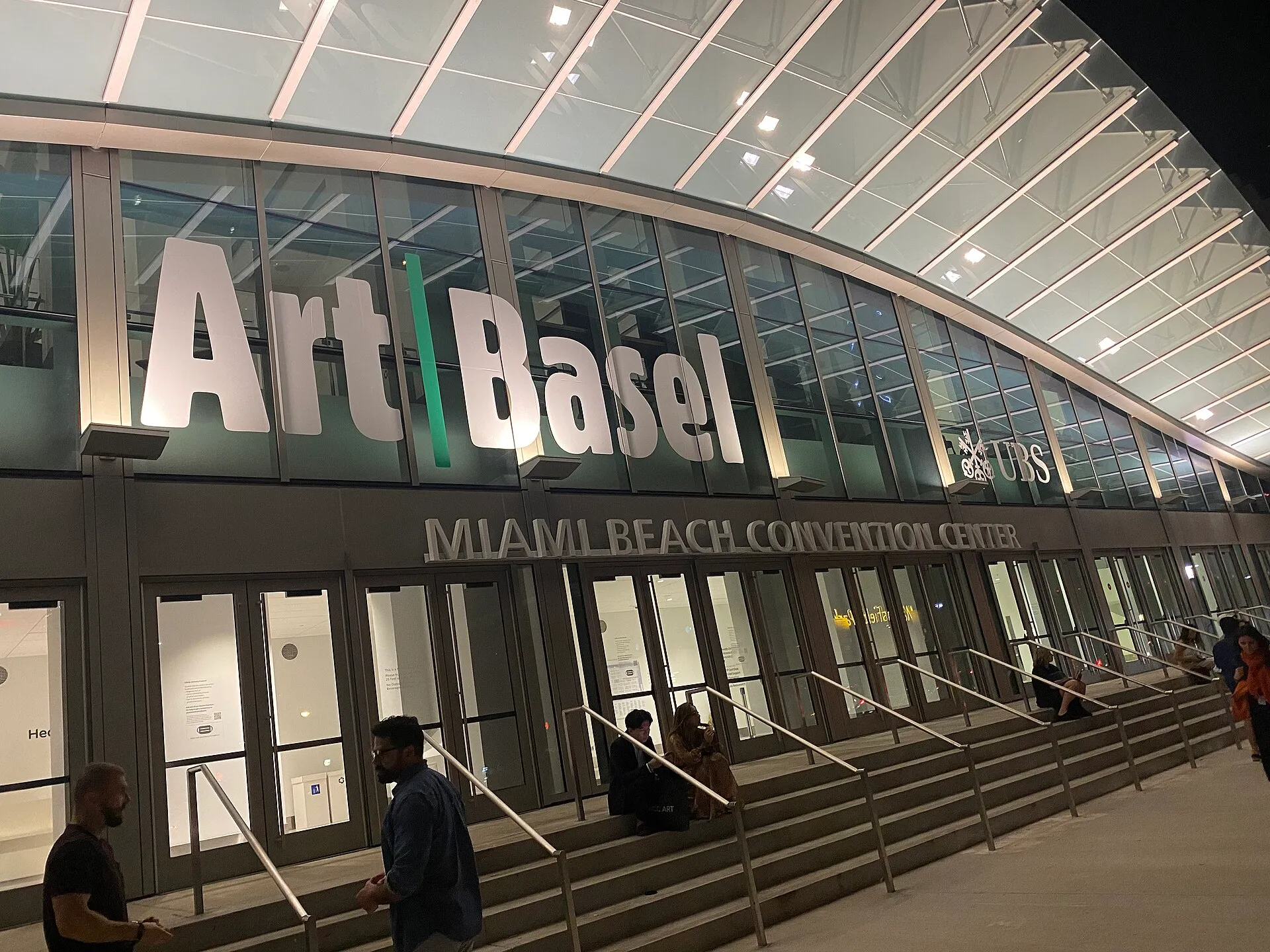
- Art Basel Miami Beach (early December; 2 to 6 December 2026): The single priciest week of the year for Miami Beach and Design District hotels, accompanied by heavy causeway gridlock. See Art Basel Miami Beach.
- Christmas & New Year’s Eve (20 December to 2 January): Winter sun seekers fill resorts across Miami Beach and Brickell at peak rates. See Christmas in Miami and New Year’s Eve in Miami.
- South Beach Wine & Food Festival & Boat Show (February): Four-day culinary and yachting festivals in mid-February push Miami Beach and Downtown occupancy near capacity.
- March Spring Break, Miami Open & Ultra Music Festival: Expect peak room rates, strict City of Miami Beach spring-break rules in South Beach (including garage flat fees and beach bag checks), and Downtown road closures around Bayfront Park during Ultra.
- Formula 1 Miami Grand Prix (early May): Held around Hard Rock Stadium in Miami Gardens, lifting hotel rates across the entire metro area for the race weekend. See Miami sports tickets.
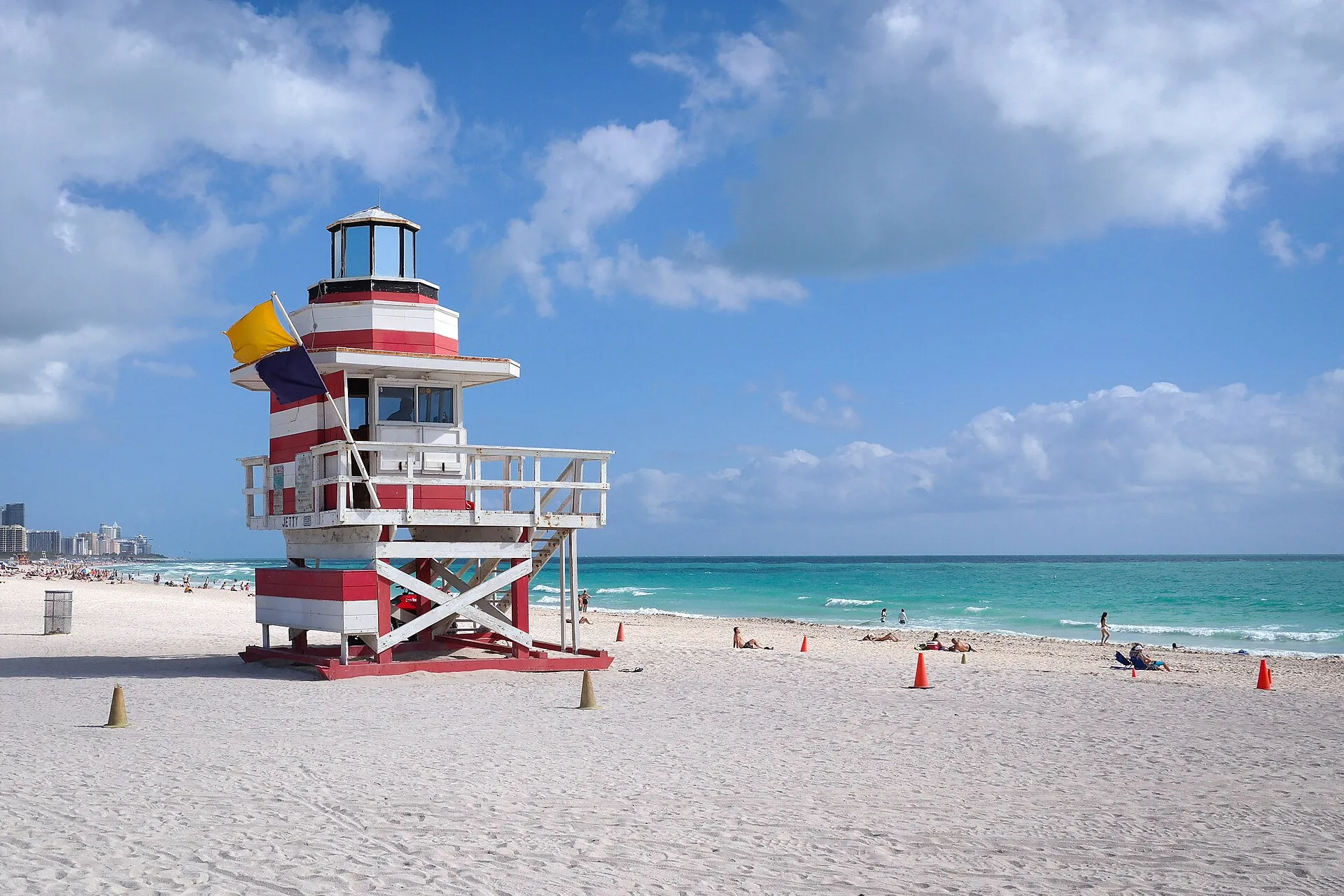 South Pointe Beach in late April and November delivers warm ocean water with fewer crowds than peak winter holiday weeks. Photo: Visitor7, Wikimedia Commons, CC BY-SA 3.0.
Best time to visit Miami by travel style
- Best for first-time visitors (weather + sightseeing): Mid-January to early February, mid-to-late April or early-to-mid November (before Thanksgiving).
- Best for budget travellers: August and September, combining the year’s lowest room rates (cheap hotels in Miami) with Miami Spice fixed-price lunch and dinner menus at top restaurants across the city.
- Best for the Everglades and Florida Keys: December to April (dry season), when mosquitoes drop dramatically in Everglades National Park and wildlife concentrates around Shark Valley and Anhinga Trail waterholes.
- Best for beach warmth without winter crowds: Late April to mid-May (avoiding Formula 1 weekend) or late October to mid-November.
Common questions
What are the best overall months to visit Miami?
Mid-November, January, February and April offer the best balance of dry 24C to 27C (75F to 81F) sunshine, lower humidity and swimmable Atlantic water without December holiday spikes or peak March spring-break restrictions.
When is hurricane season in Miami?
The official Atlantic hurricane season runs from 1 June to 30 November, with the climatological peak of tropical storm activity between mid-August and mid-October.
When are Miami hotel prices lowest?
June through September bring the lowest hotel rates of the year, often 30% to 50% below winter peaks, because of heat, high humidity, brief afternoon thunderstorms and hurricane-season risk.
Is the ocean warm enough for swimming in Miami in winter?
Yes. Atlantic water temperatures off Miami Beach stay around 23C to 25C (73F to 77F) even in January and February, though occasional northern cold fronts can bring cool breezes for two or three days at a time.
When is sargassum seaweed worst on Miami beaches?
Floating brown sargassum mats wash ashore most frequently between May and September, driven by summer onshore winds. Miami-Dade Parks and the City of Miami Beach groom major beach stretches, though heavy mats can still appear after storms.