In this guide
💡 The Short Version: Governments advise care in Istanbul, not avoidance. The Foreign Office advises against travel only within 10 km of the Syrian border, the US State Department’s level is 2 (exercise increased caution) and Canada says to exercise a high degree of caution. The problems a visitor is most likely to meet are pickpocketing in Taksim, Sultanahmet and the bazaars, taxi and bar scams, and spiked or counterfeit drinks. Avoid demonstrations, carry photo ID, use a registered taxi, and call 112 in an emergency. The rules below come from the four governments’ advice. Or book a guide: the Fener and Balat half-day guided walking tourad is from €16.85.
What the governments say
| Government | Its advice for Turkey | What it says about Istanbul |
|---|---|---|
| UK Foreign Office | Advises against all travel within 10 km of the Syrian border | Terrorists are likely to try to carry out attacks, most of them in the south-east, Ankara and Istanbul. Street robbery and pickpocketing are common in the major tourist areas |
| US State Department | Level 2, exercise increased caution; Level 4, do not travel, within 10 km of the Syrian and Iraqi borders | Terrorists may attack with little or no warning, targeting tourist locations. Americans have been detained, and some have been subject to exit bans |
| Canada | Exercise a high degree of caution; avoid all travel within 10 km of the Iraqi and Syrian borders and non-essential travel to Hakkari and Şırnak | Armed attacks have occurred in Ankara and Istanbul. Even peaceful demonstrations can turn violent |
| Smartraveller (Australia) | Do not travel within 10 km of the Syrian border; reconsider travel to Hakkari and Şırnak | Crime is more common in the tourist areas of İstanbul. The bar scam is regularly reported |
The Foreign Office and Canada both warn that tensions in the Middle East may bring flight cancellations and airspace closures, so check with your airline before you fly.
Pickpockets and street crime
The Foreign Office says street robbery and pickpocketing are common in the major tourist areas of Istanbul, and to keep your belongings secure. Smartraveller names Taksim Square, Sultanahmet, the Grand Bazaar and the Spice Bazaar as the places where crime is more common, and advises close attention to your things on public transport and in crowds. For money:
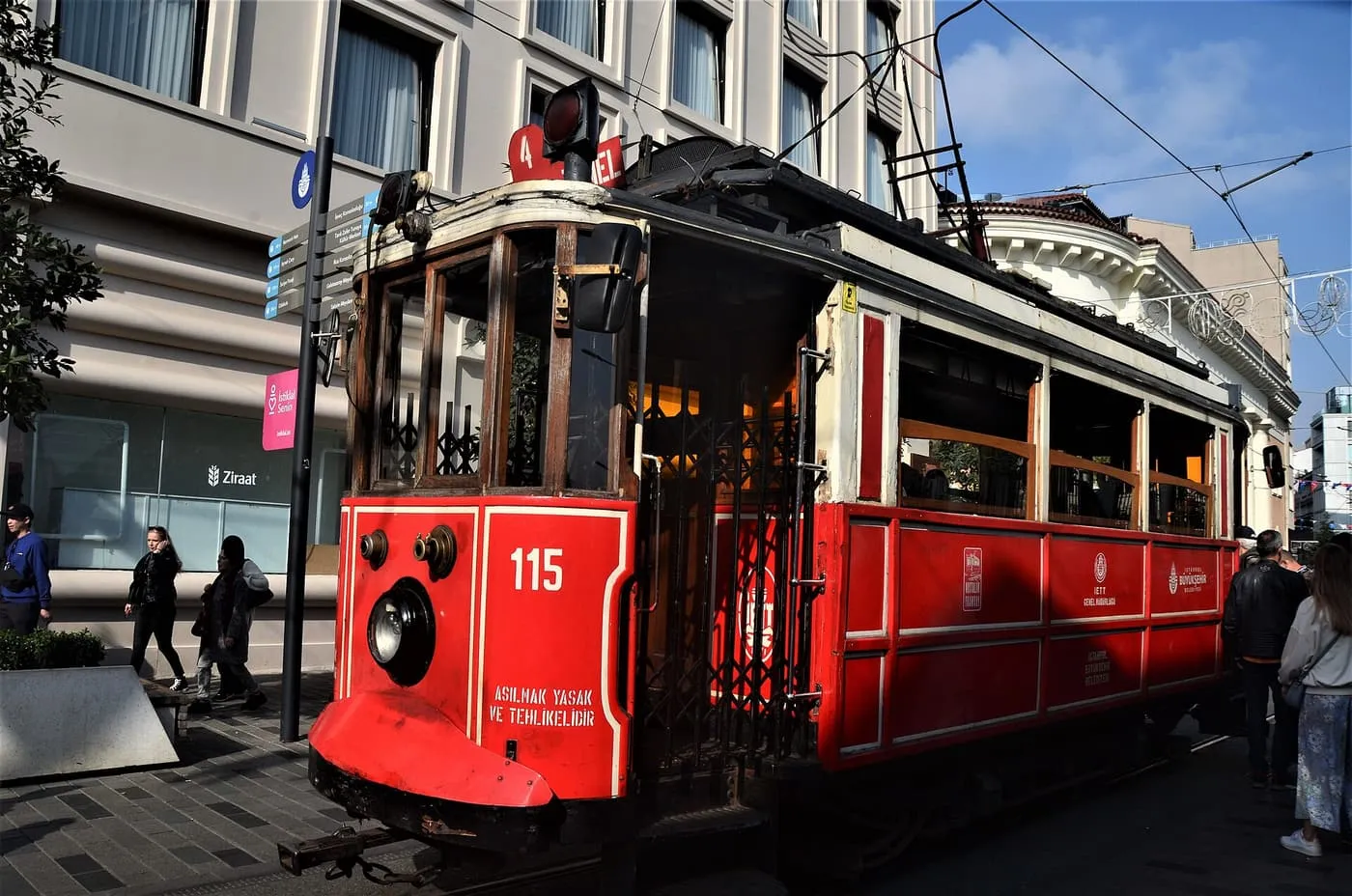
The nostalgic tram on İstiklal Caddesi. Photo: CeeGee, Wikimedia Commons, CC BY-SA 4.0.
- ATMs. Use ATMs inside a bank, a shop or a shopping centre, and not on the street at night (Smartraveller, Canada). Cover the keypad with one hand when you enter a PIN (Canada).
- Banknotes. Banks and exchanges may refuse 50 and 100 US dollar bills because of a reported surge in counterfeits, so do not accept them where possible (Foreign Office).
- Valuables. Avoid showing signs of affluence, and keep your passport and travel documents in a secure place (Canada).
Taxis, bars and strangers
The scams are in Istanbul scams. The government advice in short:
- The bar scam. Smartraveller describes friendly English-speaking locals who take you to a bar for food or drinks, present an inflated bill, often thousands of dollars, and threaten you with violence if you do not pay. Canada says a particularly common scam in Istanbul invites tourists to bars and forces them to pay a steep bill, and to avoid down-market bars and neighbourhoods. The Foreign Office says to be wary of strangers who approach you to change money or take you to a restaurant or nightclub.
- Taxis. The Foreign Office calls lifts from unofficial taxis highly risky. Find a registered taxi, note the registration number before you get in and make sure the fare is metered. App-based and pre-booked taxis are widely available.
- Carpets. Smartraveller says scams are common among carpet traders.
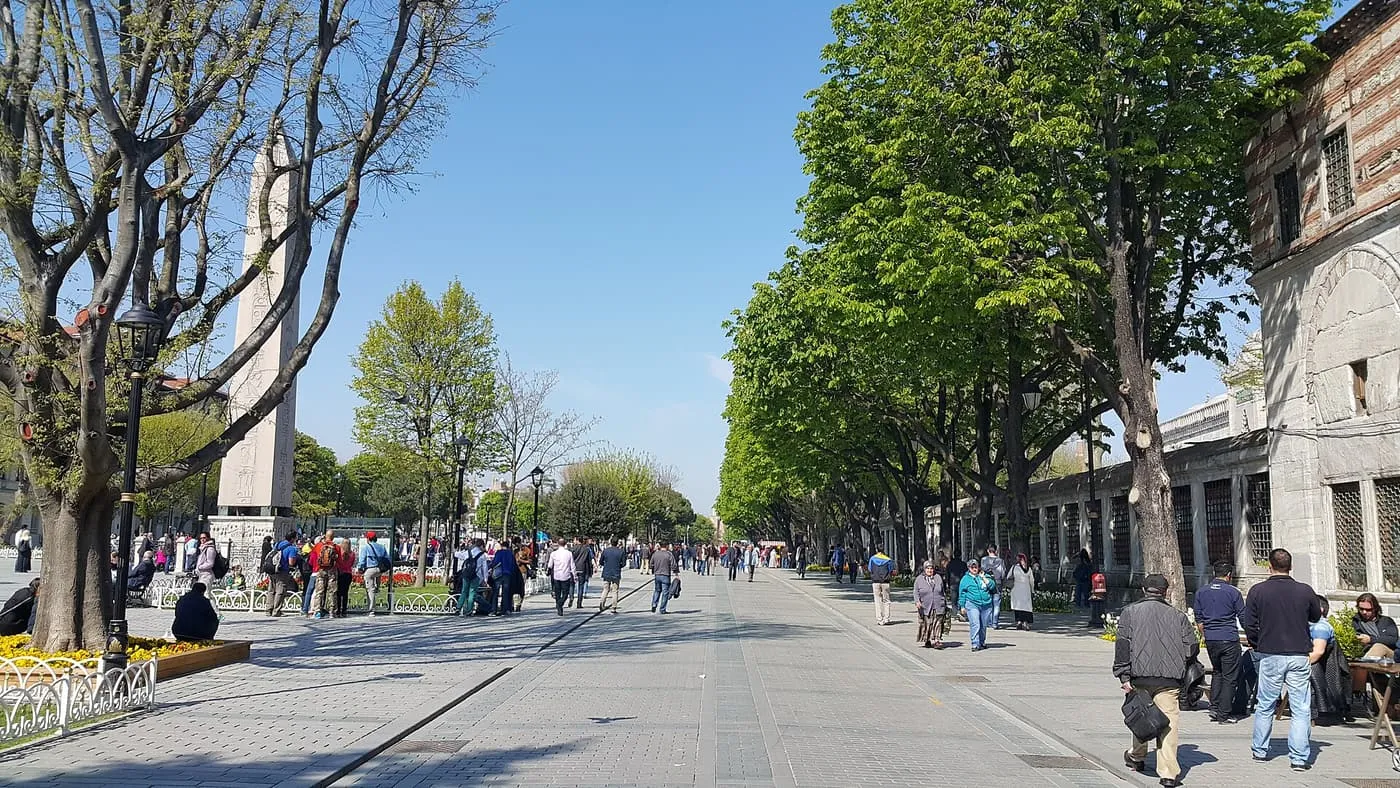
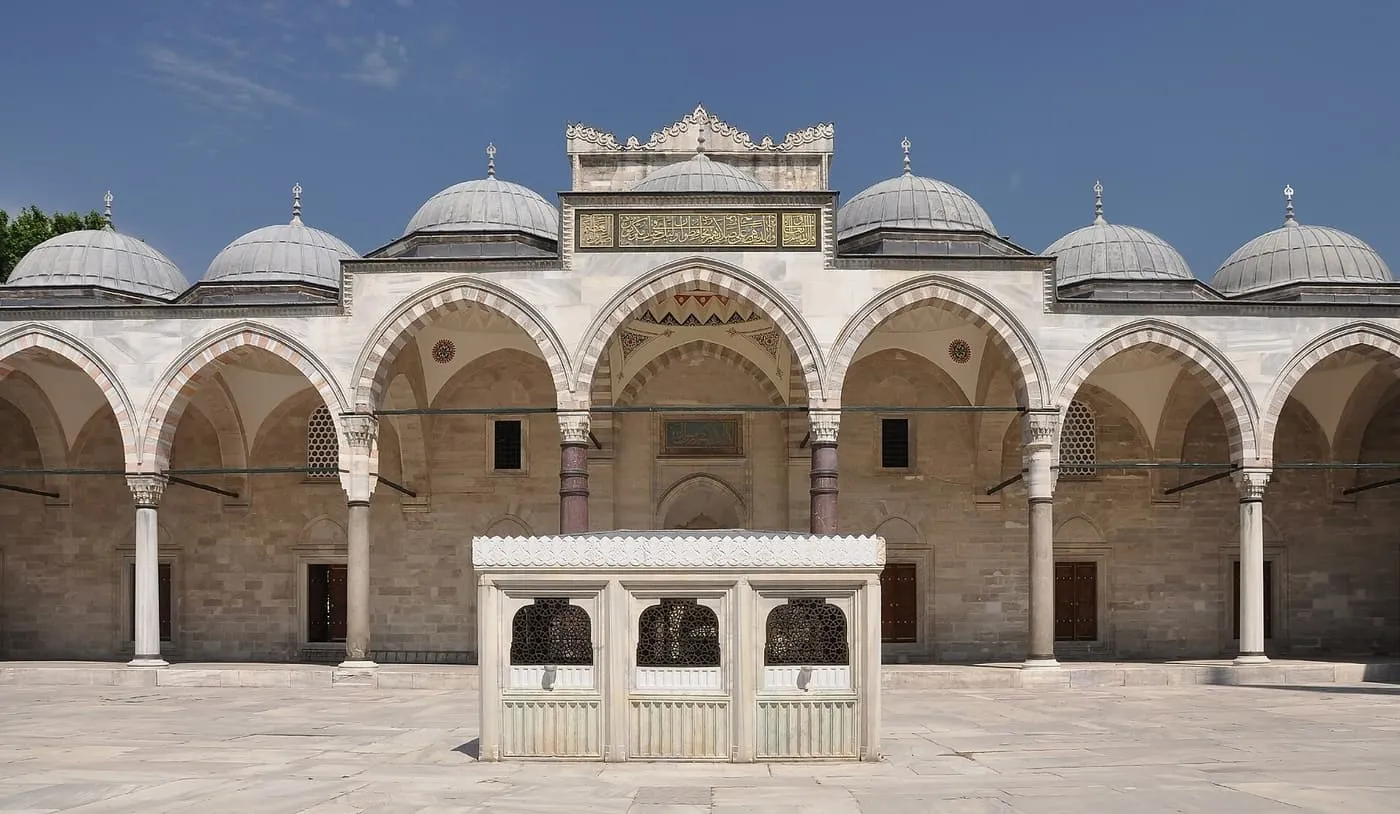
Sultanahmet Square. Photo: Maurice Flesier, Wikimedia Commons, CC BY-SA 4.0.
Drinks
- Spiked drinks. If strangers offer you food or drink it could be spiked: buy your own drinks and keep sight of them (Foreign Office). Canada also advises against accepting snacks, drinks, gum or cigarettes from new acquaintances. Smartraveller says foreigners have been drugged by English-speaking strangers who then stole their belongings and passports.
- Methanol. People have died or become seriously ill in Turkey, including Ankara and Istanbul, after drinking illegally produced local spirits and counterfeit bottles of branded alcohol. Even small amounts of methanol can kill, and it cannot be detected by taste or smell. Buy alcohol from reputable places, and seek urgent medical help if you or someone with you shows the signs (Foreign Office, Canada). The symptoms can look like a hangover: fatigue, headache and nausea.
Demonstrations
Regular demonstrations are taking place in Istanbul and across Turkey, and they may become violent, with police using tear gas and water cannon (Foreign Office). Smartraveller says protests in Istanbul have centred on Taksim Square, İstiklal Street and the streets round it as far as the Galata Tower and Karaköy, and on Beşiktaş, Okmeydanı and Kadıköy. It names 20 to 21 March and 1 May as dates for mass rallies, and says rallies during Pride Week are often not permitted. Authorities can ban events and impose curfews without warning. Avoid all demonstrations and leave the area if one develops, because local transport may be disrupted. Canada warns that you could be questioned or detained if you take part, and advises against photographing demonstrations.
Terrorism
The Foreign Office says attacks could be indiscriminate and in places foreign nationals visit, among them public buildings, places of worship, airports and large public gatherings, including major events, public holidays and religious occasions. It lists attacks in Istanbul in 2022, in January and February 2024 and in April 2026. Canada asks for particular vigilance at sporting and cultural events, religious holidays and public celebrations. The US advisory asks for caution in transport hubs, markets, hotels, restaurants, clubs, places of worship, parks and airports. Follow the instructions of the local authorities, and expect checkpoints, road closures and ID checks.
Laws and customs that catch visitors out
- Photo ID. It is illegal not to carry some form of photographic ID, and ID checks are common in Istanbul. Carry your passport (Foreign Office).
- Insults. Insulting the Turkish nation, the flag, the President or Atatürk is a criminal offence, punishable by 6 months to 3 years in prison, and it can apply to online comments and images posted anywhere and at any time. The US advisory adds that criticising the government, including on social media, can lead to arrest.
- Drugs. Illegal drugs, including cannabis, carry 4 to 24 years in prison.
- Antiquities. Buying or exporting them is illegal, with 5 to 12 years in prison.
- Photographs. Do not photograph military or official installations, and ask before photographing people. It is illegal to photograph military sites or prisons (Smartraveller).
- Mosques. Dress modestly in a mosque or a shrine: see what to wear in Istanbul’s mosques.
- Smoking. It is illegal on public transport and in indoor public places.
- Ramadan. Eating, drinking or smoking in public by day may cause offence: see Ramadan in Istanbul 2027.
- E-sims. Access to some e-sim services is restricted, so check with your provider before you travel.
- Hotels. Some hotels refuse to check in guests aged 17 and under without a parent or written consent.
Women, solo travellers and LGBT+ travellers
The Foreign Office reports 29 cases of sexual assault, including rape, made to British consular staff in 2025 among 4.27 million visits by British nationals, mostly in coastal resorts in the tourist season. The attacker was often someone the victim had met that day. It advises using reputable providers, not sharing details of your accommodation, and reporting harassment or assault to the hotel and the police, on 112. Smartraveller says women may meet physical and verbal harassment and advises against travelling alone after dark, and Canada advises not accepting transport from strangers.
Same-sex sexual activity is legal, but same-sex relationships are not legally recognised, public displays of affection may attract unwanted attention, and Pride events have been banned or dispersed since 2015 (Foreign Office). Canada says LGBT+ travellers should carefully consider the risks of travelling to Türkiye.
Earthquakes, dogs and hotels
- Earthquakes. A 6.2-magnitude earthquake in the Sea of Marmara in April 2025 was felt strongly in Istanbul (Foreign Office). Smartraveller says the North Anatolian fault runs 20 km south of Istanbul. Know where the exits are in your hotel, and follow the instructions of the local authorities.
- Stray dogs. Packs gather in parks and wasteland and can be aggressive: do not approach them, and get medical advice at once if you are bitten (Foreign Office).
- Pesticides. Canada reports poisoning linked to chemical pesticides in tourist accommodation in Istanbul. Keep the room ventilated, and leave and tell reception if you notice an unusual smell.
Health and help
- Emergency number. 112 for the ambulance, the fire service and the police (Foreign Office). The Tourism Police are on +90 212 527 45 03 and the municipal help desk on 153 (visit.istanbul).
- Insurance. The European Health Insurance Card and the UK Global Health Insurance Card are not valid in Turkey. Have insurance for local treatment and medical evacuation.
- Prescriptions. British prescriptions are not accepted in Turkish pharmacies, and some common medicines are controlled in Turkey.
Entry rules for Turkey are on the Istanbul guide. For the rest of the planning, see Istanbul scams, where to stay in Istanbul, hotels near the Blue Mosque, the best time to visit Istanbul and Istanbul public transport. Istanbul airport to the city covers the taxis from the airports, and Istanbul in one or two days and 3 days in Istanbul fit the sights into days.
Common questions
Is Istanbul safe for tourists?
The governments' advice is to take care, not to stay away. The Foreign Office advises against travel only within 10 km of the Syrian border, and says street robbery and pickpocketing are common in Istanbul's tourist areas and that terrorists are likely to try to carry out attacks in Turkey. The US State Department's level is 2, exercise increased caution, and Canada says to exercise a high degree of caution.
What is the most common problem for visitors in Istanbul?
Pickpocketing and street robbery in the tourist areas, which the Foreign Office calls common, and scams. Smartraveller names Taksim Square, Sultanahmet, the Grand Bazaar and the Spice Bazaar as the places where crime is more common, and says the bar scam is regularly reported in Istanbul.
Is it safe to walk in Istanbul at night?
In busy areas, yes, with care. Canada advises avoiding isolated and dark areas, Smartraveller advises staying away from secluded parks and unlit areas and not using street ATMs at night, and the Foreign Office warns against accepting lifts from unofficial taxis.
Is tap water or alcohol a risk in Istanbul?
Alcohol can be. The Foreign Office says people have died or become seriously ill in Turkey, including Istanbul, after drinking illegally produced local spirits and counterfeit bottles of branded alcohol, and that methanol cannot be detected by taste or smell. Buy drinks from reputable places.
What number do I call in an emergency in Istanbul?
112, for the ambulance, the fire service and the police, according to the Foreign Office. The Tourism Police are on +90 212 527 45 03 and the municipal help desk on 153, both listed by visit.istanbul.
Should I avoid protests in Istanbul?
Yes. All four governments say to avoid demonstrations, which can turn violent and be dispersed with tear gas and water cannon. Smartraveller says Istanbul's protests have centred on Taksim Square, İstiklal Street and the streets round it as far as the Galata Tower and Karaköy.